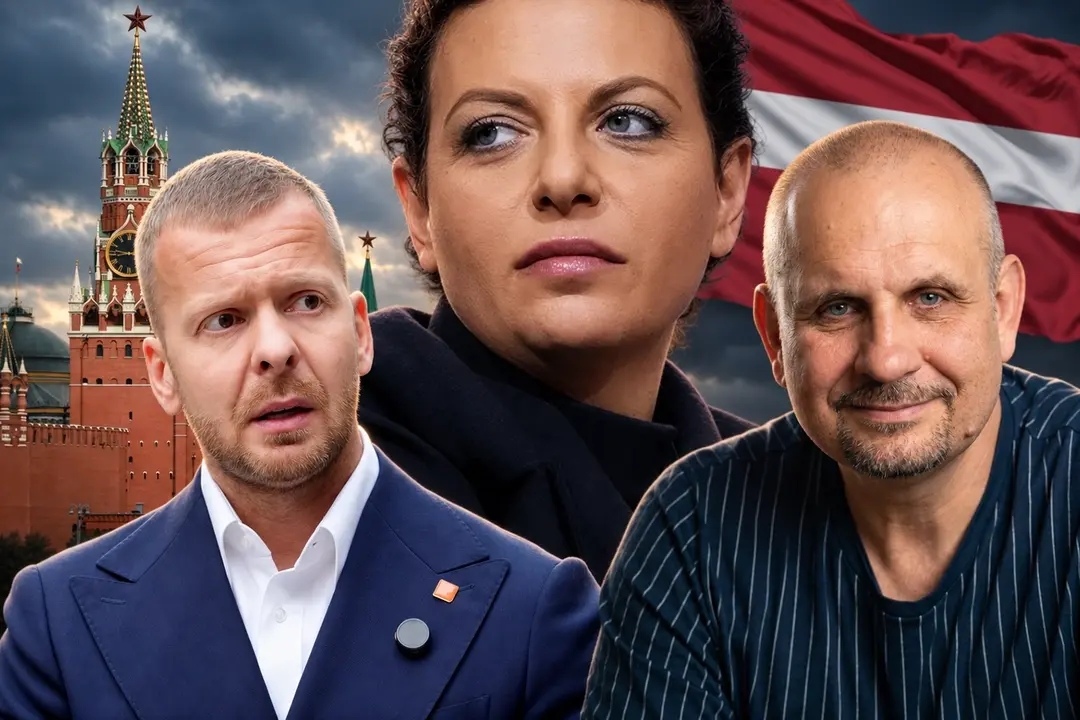
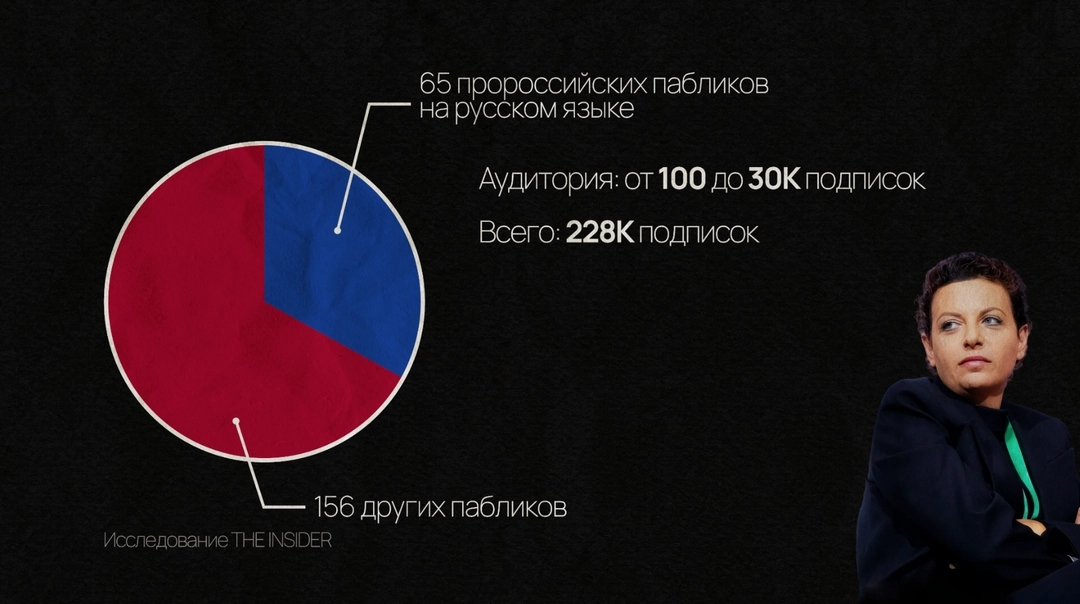
After Latvia banned broadcasts by Russian federal television channels, Telegram became a key platform for Kremlin propaganda in the country. The Insider estimates that around one-third of socio-political channels in Latvia’s Telegram ecosystem are controlled by Russian propagandists posing as “angry Latvians” — and the figure rises to upwards of 65% when only Russian-language channels are included in the count. The channels portray life in Latvia as getting worse, blaming anti-Russian sanctions for harming the Baltic states while calling for an end to support for Ukraine.
Methodology
The Insider collected data from 72 Latvian socio-political channels (353,000 posts from January 1, 2025) and analyzed the network of reposts from these channels. Of the 93,000 shares, 30.3% were reposts between the channels themselves, while 43.7% came from Russian state media, official government channels, military bloggers, and pro-war “Z-channels.” Together, these account for three-quarters of all shared content. For content analysis, a sample of up to 200 posts — stratified by month — was taken from each channel, totaling more than 12,000 posts. Each post was examined for pro-Kremlin and anti-Ukrainian narratives. These narratives were identified in 65 Telegram channels.
All of the channels analyzed by The Insider publish in Russian, and some operate anonymously. The largest are linked to the state-run media group Rossiya Segodnya, which includes RT. They are run by RT editorial staff, in-house RT journalists, or frequent contributors to the channel. At least one channel was previously part of the disinformation network overseen by the late Wagner Group co-founder Yevgeny Prigozhin.
None of the people behind the five largest channels have actually lived in Latvia in recent years. Some have left for Russia and others for Belarus. From abroad, they criticize Latvian government policies while presenting themselves as voices of the country’s “outraged citizens.”
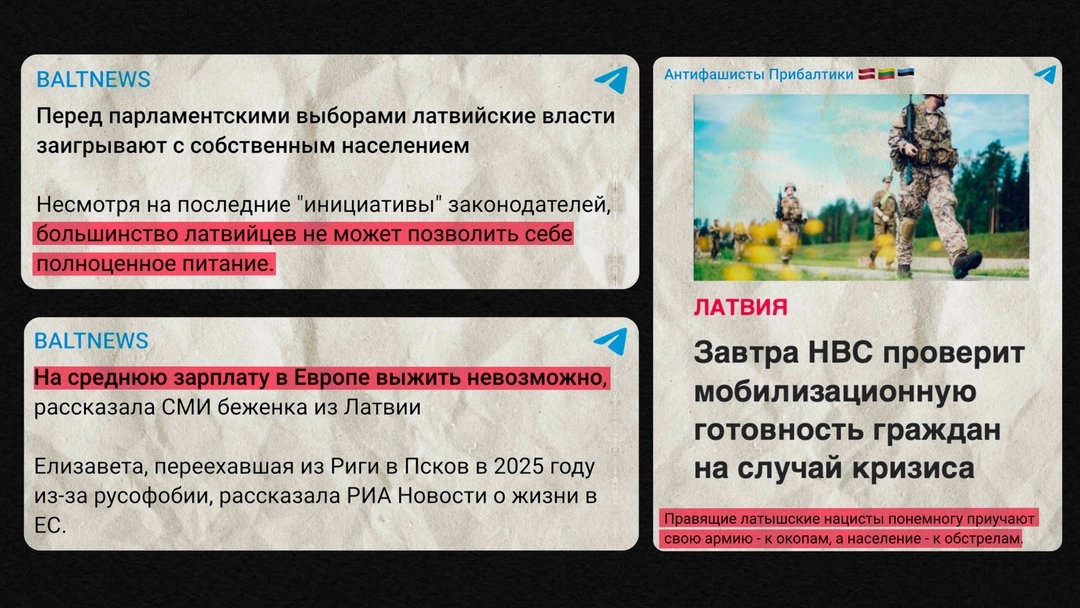
The channels regularly repost one another’s content and amplify material from other Russian propagandists, including RT head Margarita Simonyan. They also promote pro-government Belarusian social media accounts.
The channels repeat a common set of narratives that closely mirror Kremlin messaging: that Russian speakers in Latvia are being persecuted, that Nazism is on the rise in the Baltic states, and that ordinary people in the country are becoming poorer. The channels blame these problems on Riga’s support for Ukraine, arguing that public money is being diverted to the war.
Aleksejs Rosļikovs’ channel
The largest channel, with about 30,000 subscribers, is run by Aleksejs Rosļikovs, a former member of Latvia’s parliament, the Saeima.
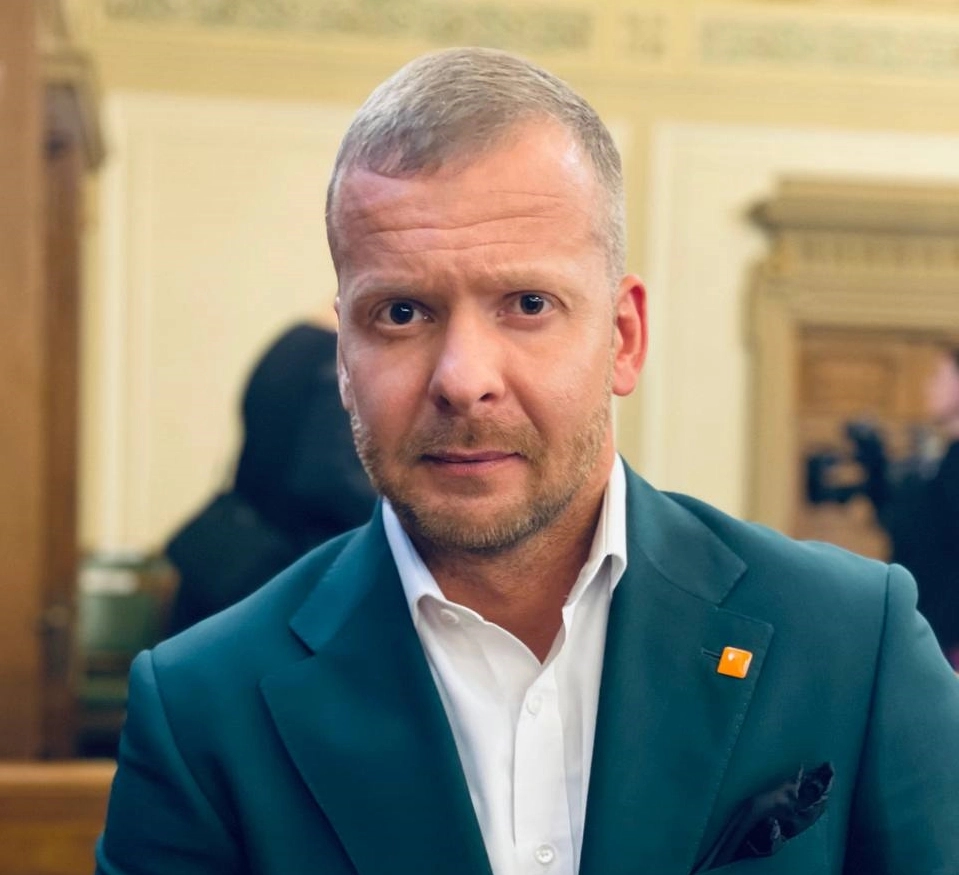
Rosļikovs, 42, is a controversial figure in Latvian politics. Before entering public life, he spent years in business, running a confectionery company and later owning several private security firms, a taxi dispatch service, and a car rental company. He went on to serve in the Saeima and later on the Riga City Council.
Latvian authorities have opened a criminal case against him on suspicion of inciting ethnic hatred. The case stems from a June 5, 2025, speech in parliament in which Rosļikovs made an obscene gesture toward fellow lawmakers and ended his remarks in Russian by saying, “There are more of us; Russian is our language.”
In the spring of 2026, Rosļikovs left Latvia for Belarus. From there, he continues to run his Telegram channel and says he plans to run again for the Saeima with his Stability! party. He has told potential voters that if elected, parliamentary immunity would allow him to return to Latvia and that he would seek to lift sanctions on Russia.
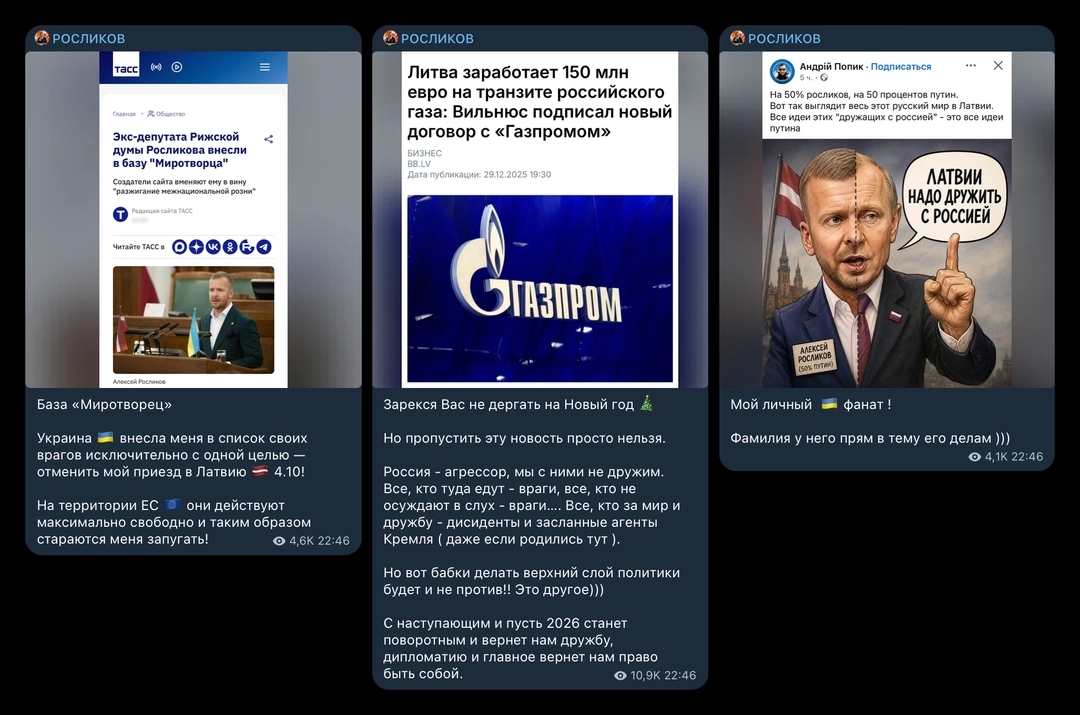
Over the past month, Rosļikovs’ Telegram channel gained several thousand subscribers, and in early September,he unexpectedly made the platform private, limiting access to subscribers only. Rosļikovs also runs personal accounts on Facebook (where he has about 16,000 followers) and Instagram (where he has around 109,000). Alongside political commentary, he posts videos of himself working out and taking ice plunges, a Russian Orthodox tradition in which participants immerse themselves in near-freezing water in January to mark the baptism of Jesus.

Baltnews
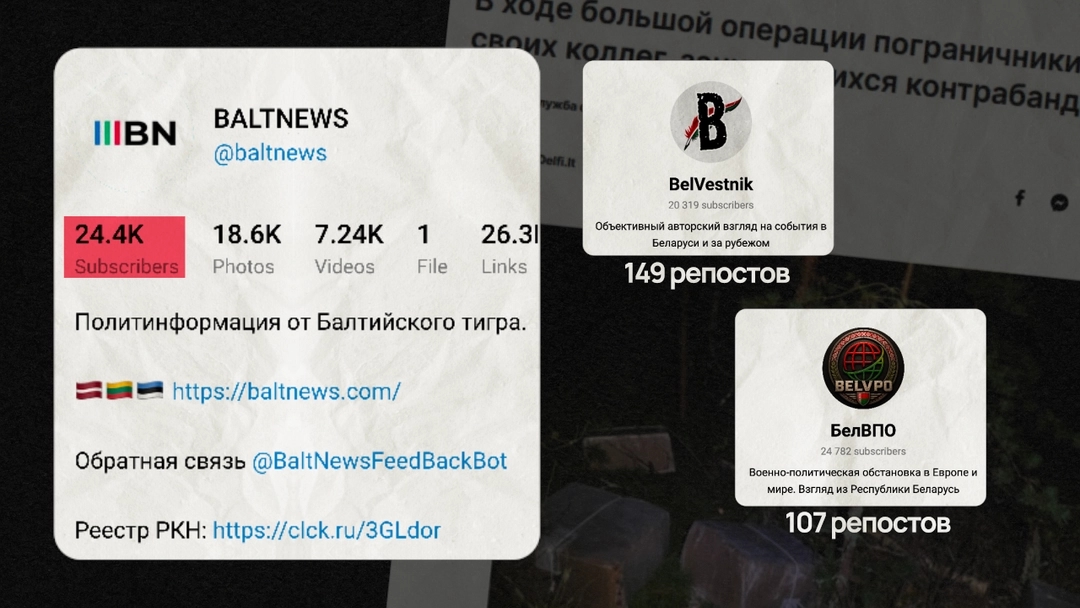
The second most significant channel, Baltnews (@baltnews), is run by the editorial staff of the “Russia Today” International Information Agency — as is explicitly stated on the publication’s website. The channel has 24,000 subscribers.
Its editorial team publishes dozens of posts a day, quotes Russian and Belarusian propaganda outlets, and reposts content from other channels in the network. In the past year alone, Baltnews reposted content from the BelVPO channel 149 times and from the “Belvestnik” channel 107 times.
The publication also claims that due to ongoing financial aid to Ukraine, the standard of living for Latvians has declined, and that Russophobia is so rampant in the country that it has forced Russian speakers to emigrate. Particular emphasis is placed on the idea that neighboring countries do not respect Latvia and openly mock it.
Even positive news, such as falling prices in stores, are presented in a negative light: “According to estimates by Latvian retail chains, a basket of groceries that used to cost 50 euros now costs 46.28 euros. Savings of 3.72 euros are hardly going to save the local poor or those rapidly approaching poverty.”
Even positive news, such as falling prices in stores, are presented in a negative light
The channel’s editor-in-chief is 34-year-old Riga native Andrejs Starikovs. After Latvian authorities banned the publication in 2018 and opened criminal cases against its staff, Starikovs moved to Moscow.
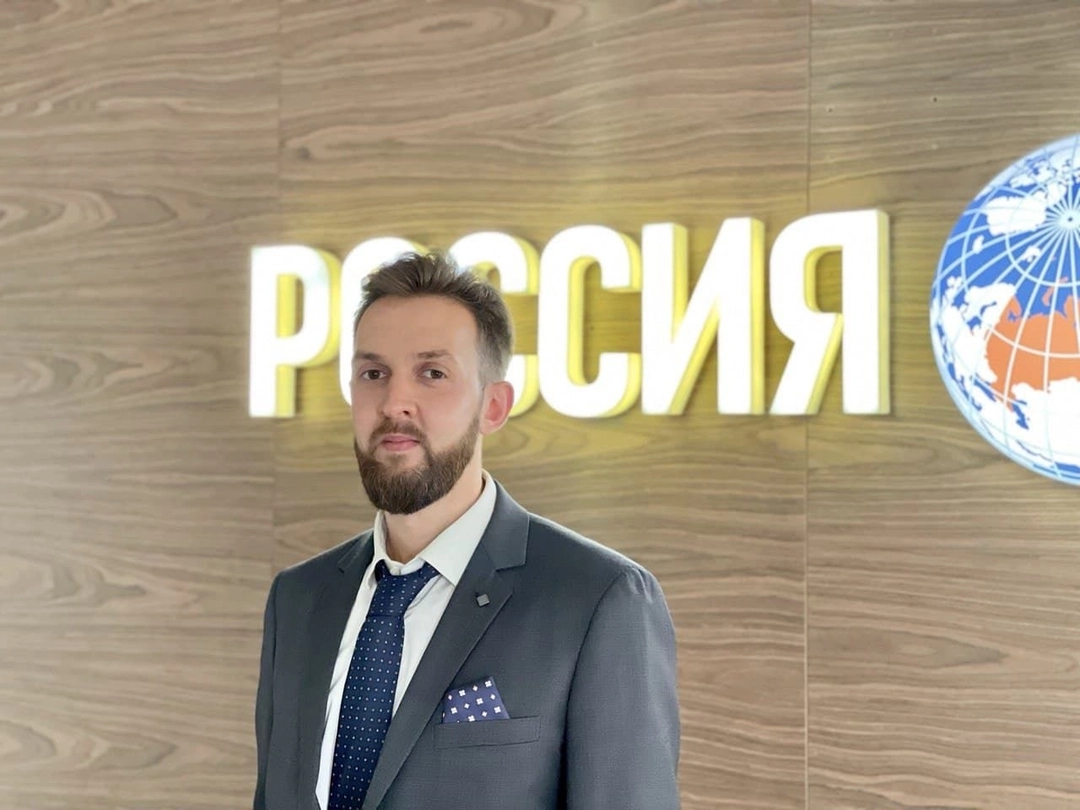
In addition to running his propaganda page, Starikovs also produces films commissioned by the Russian authorities.
The “Baltic Antifascists” page
The third most significant page in the pro-Russian network is the channel of the organization “Baltic Antifascists,” which has nearly 20,000 subscribers. The organization and the channel were created in November 2022 and are led by 62-year-old Sergejs Vasiļjevs, a native of Latvia.
The “Baltic Antifascists” page actively accuses the Latvian authorities of Nazism and Russophobia. Vasilyev refers to Latvia itself exclusively as a territory “temporarily occupied by NATO troops.”
Vasiļjevs refers to Latvia exclusively as a territory “temporarily occupied by NATO troops”
Criminal cases have now been opened against him and several others for gathering intelligence on behalf of the FSB.
Vasiļjevs himself does not deny gathering data for Russian security agencies, speaking openly about it during live broadcasts. For example, one of the organization’s tasks was to gather information on the bulldozer operators who demolished Soviet monuments.
“We launched a poll [via a Telegram channel] and a flood of opinions came in. We collected all these files and forwarded them to the Investigative Committee of Russia. Now we have a number of suspects in the vandalism case [on Russian territory],” Vasilyev openly boasted in an interview.
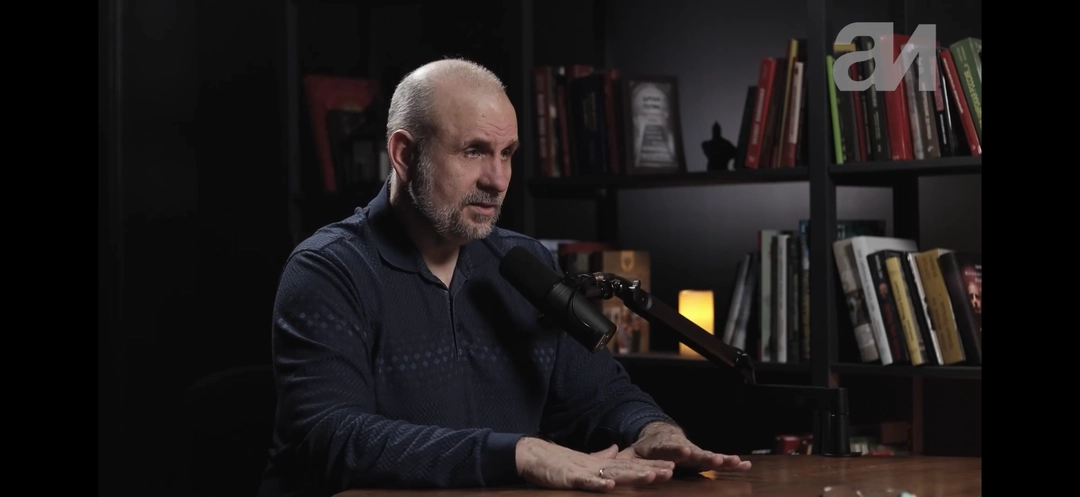
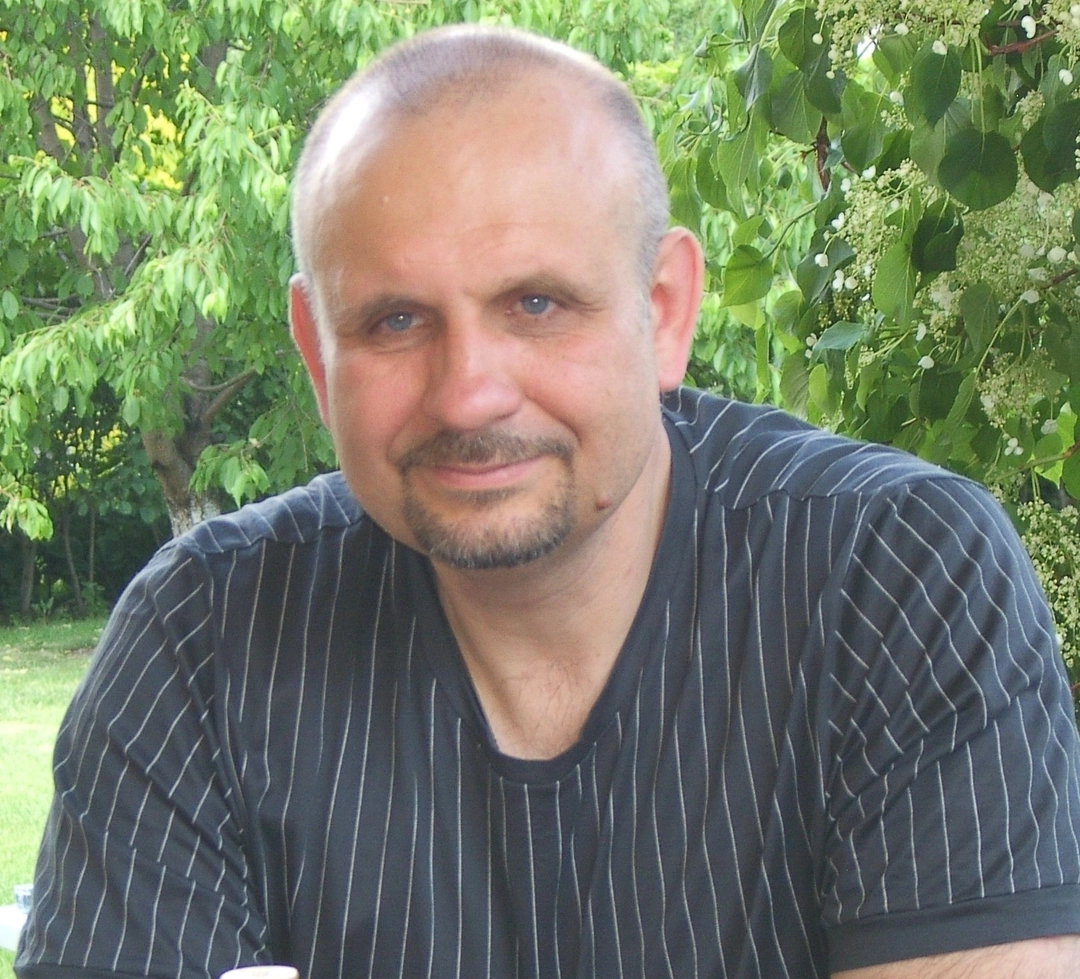
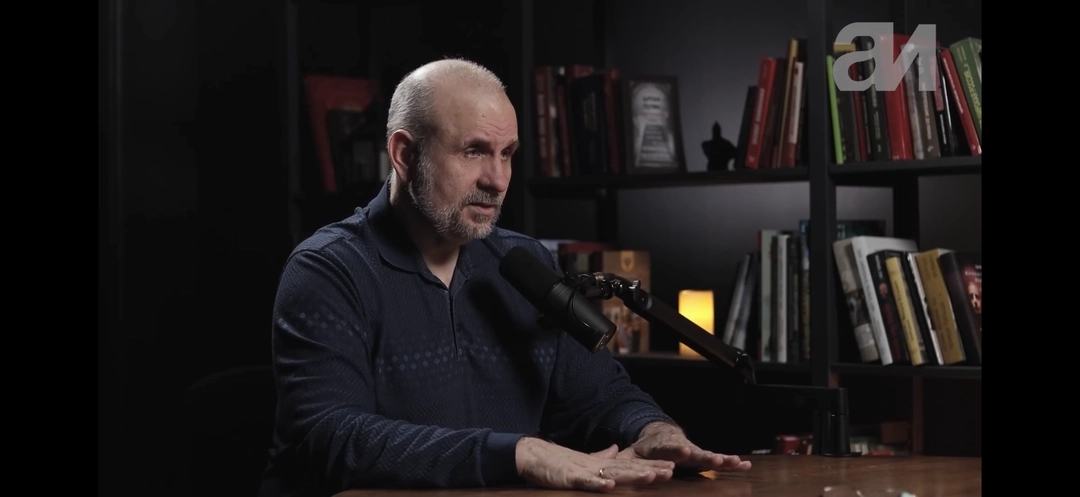
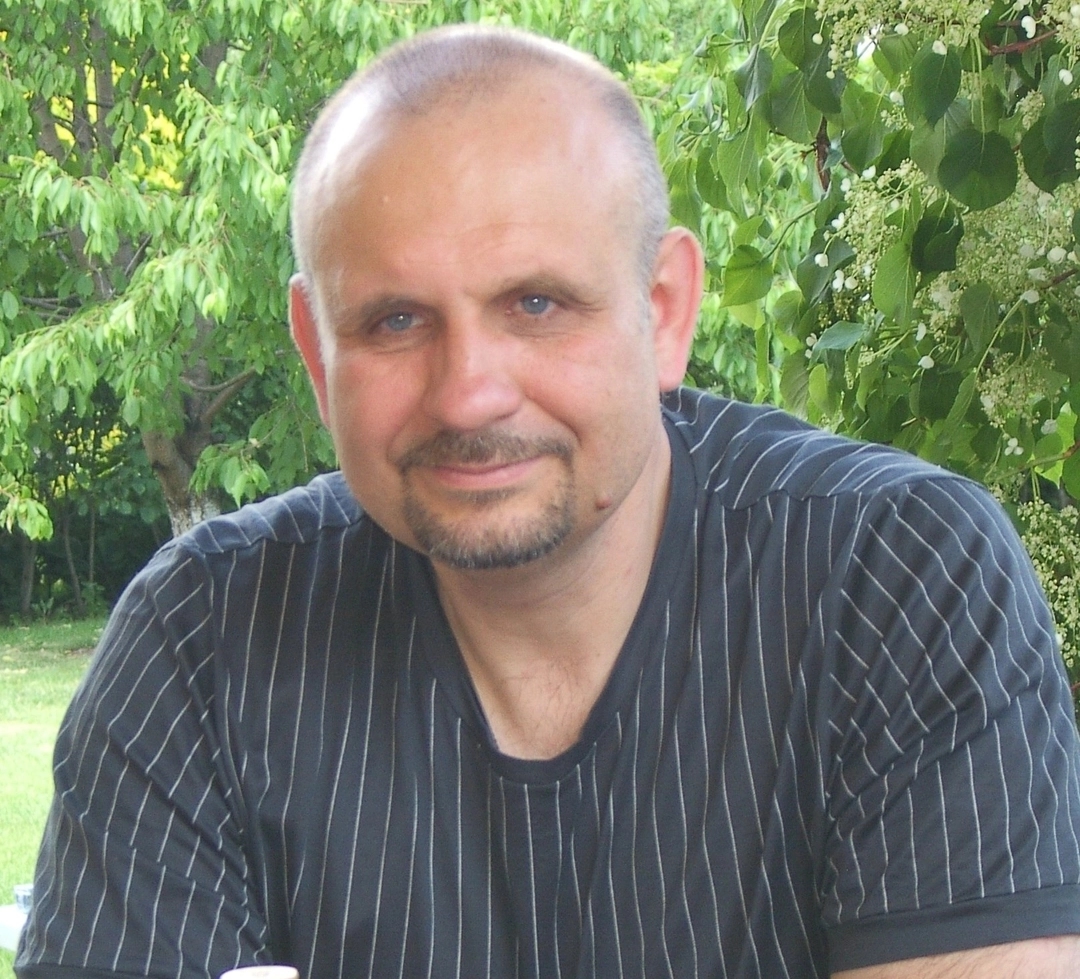
The administrators also used the “Baltic Antifascists” group to gather information about Russian opposition events, Latvian volunteers fighting on the side of the Ukrainian Armed Forces, as well as NATO equipment and facilities in the Baltic states.
Vasilyev also has a co-defendant in his criminal case over the collection of information for Russia’s security services: 26-year-old Latvian citizen and St. Petersburg State University student Tatiana Andriets. In 2022, Andriets traveled to Riga for vacation and participated in a protest against the demolition of Soviet monuments. Latvian authorities charged her with “aiding a foreign state” and forming a criminal group. She spent nine months in pretrial detention and is currently under house arrest while her trial is ongoing.
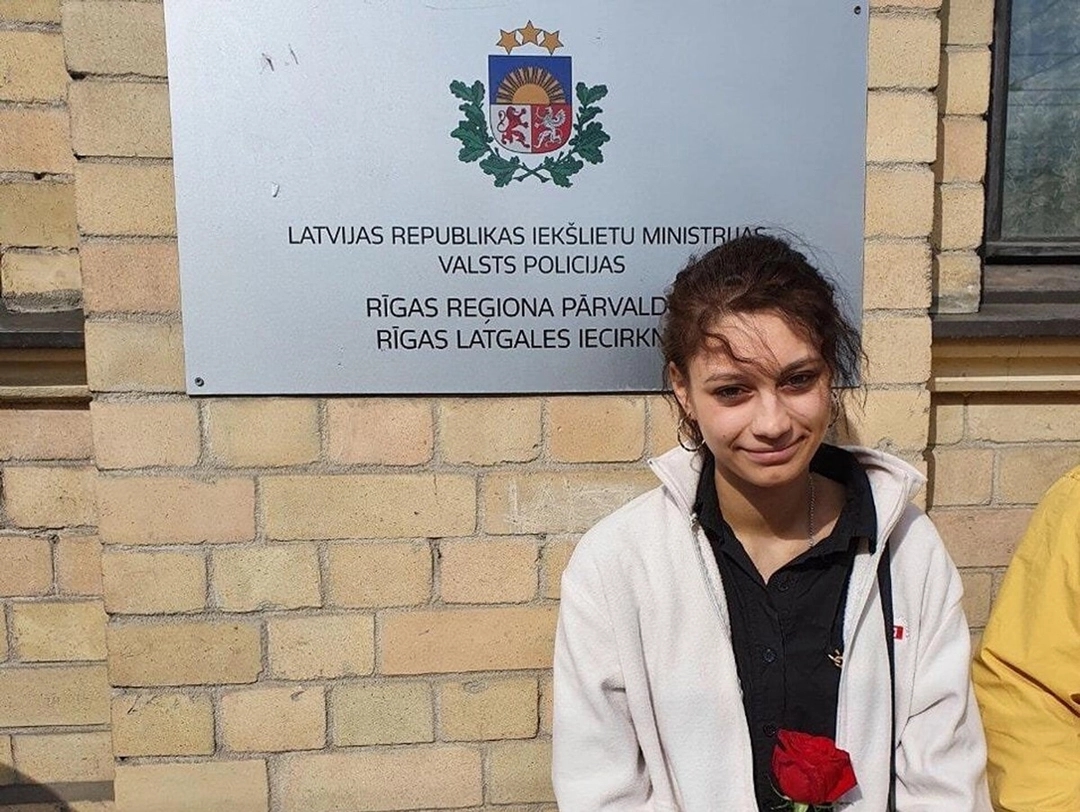
Although Andriets is not a Russian citizen, Russian Foreign Ministry spokeswoman Maria Zakharova has repeatedly commented on her case, calling the trial “political” in nature.
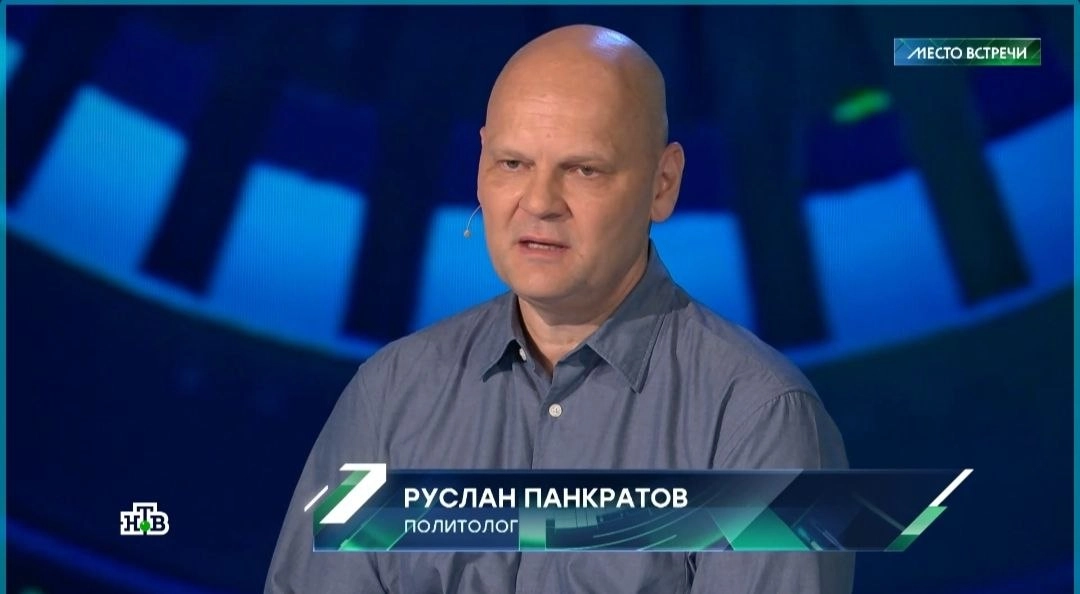
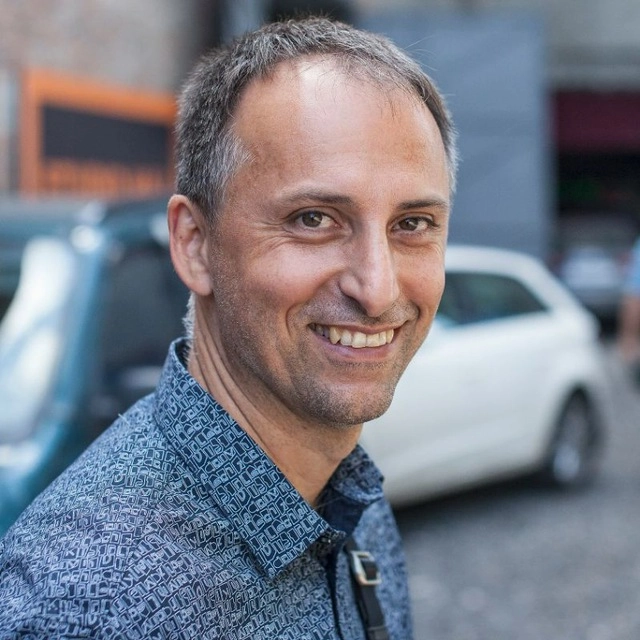
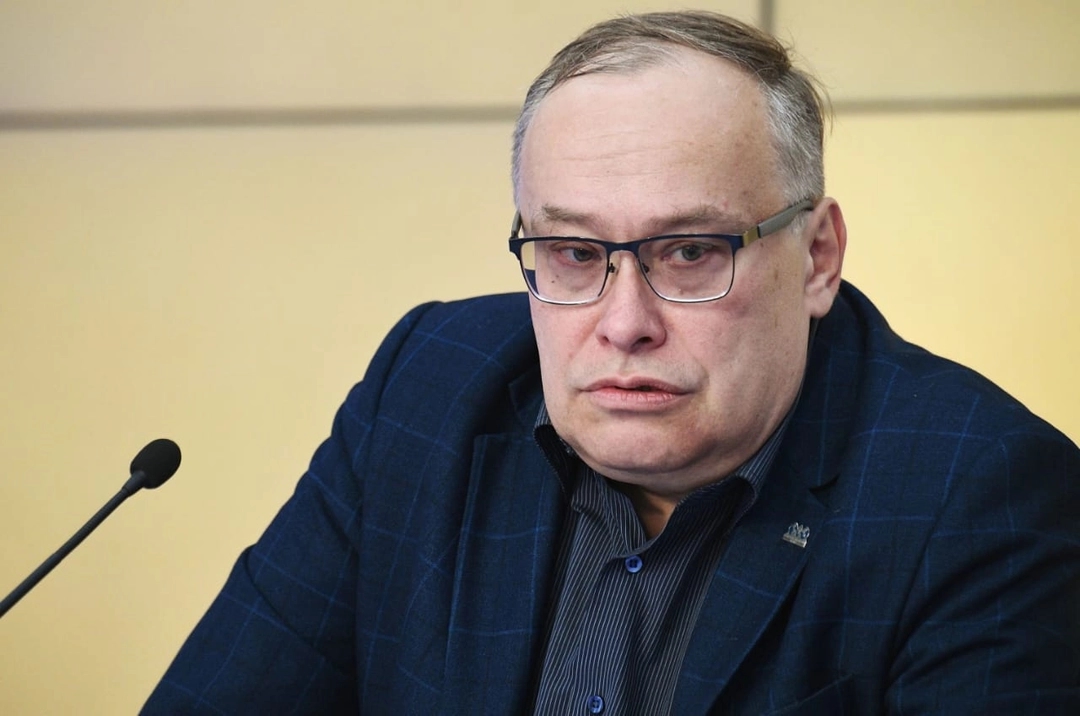
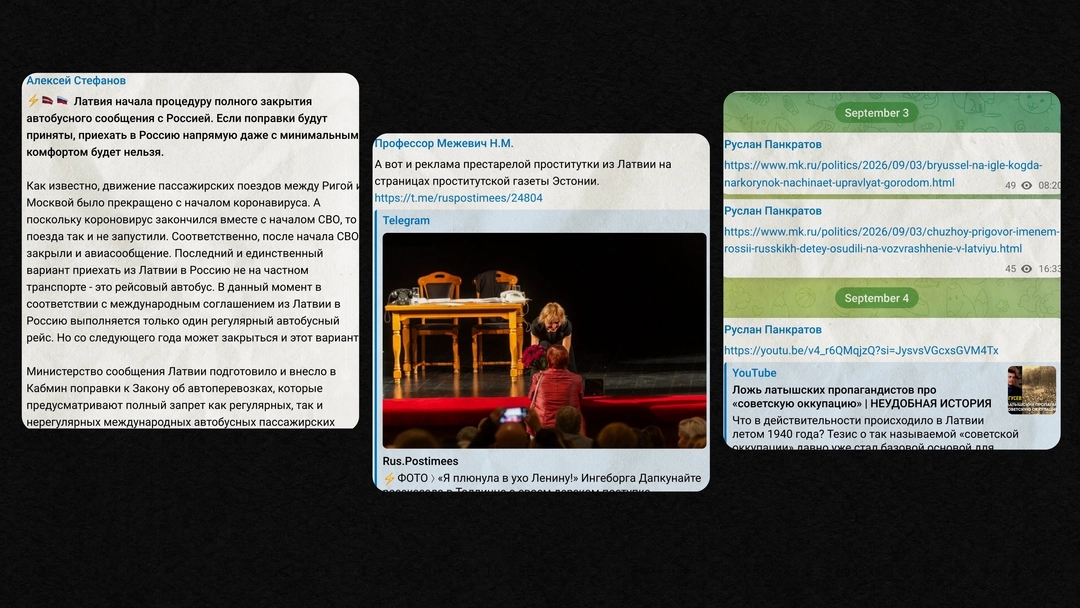
Alexei Stefanov, Ruslan Pankratov, and Nikolai Mezhevich
Three other major public pages are run by journalists and political analysts associated with Russia Today who appear as regular guests on Russian television programs such as Solovyov Live, Zvezda, and REN TV. These include the personal channel of “Russia Today” special correspondent Alexei Stefanov, with 16,000 subscribers; the channel of political scientist Ruslan Pankratov from the Institute of CIS Countries (12,000 subscribers); and the channel of Nikolai Mezhevich, a researcher at the Institute of Europe of the Russian Academy of Sciences (12,000 subscribers).
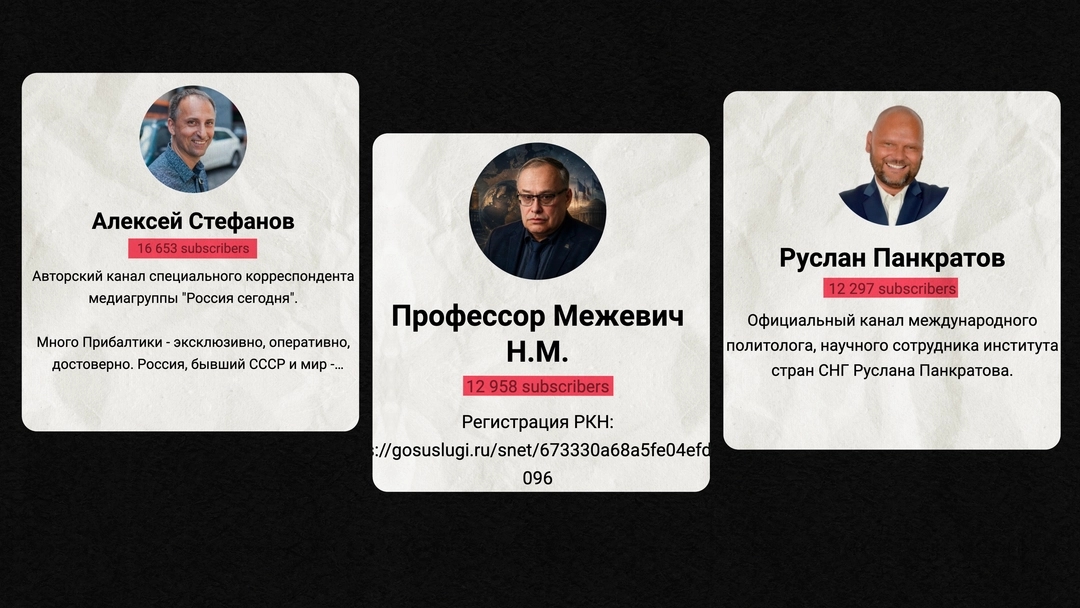
They regularly repost each other’s content. For example, over the past year, Mezhevich’s channel has mentioned Stefanov’s channel 200 times. Stefanov himself constantly cites the channel “Latviyskaya Kochka” (lit. “Latvian Bump”) which reposts content from Margarita Simonyan’s public pages and those of other Russian propagandists.
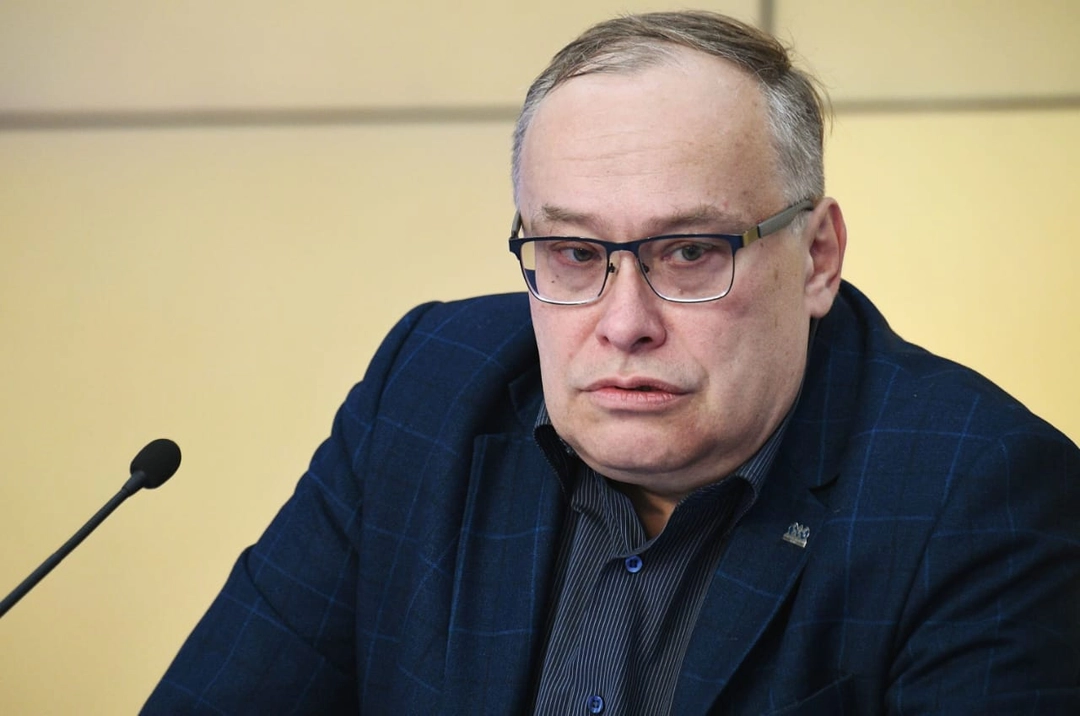
In addition to narratives about the oppression of Russians in Latvia, the channels offer advice on how to move to Russia, promote content about the “horrible Nazis in Kyiv,” and scare their audience by claiming that war will soon break out on Latvian territory if the country does not change its attitude towards Moscow.
The network also includes smaller public channels with notable backgrounds. One is “Zloi Pribalt” (@wagner_baltika), whose name and logo match channels from Yevgeny Prigozhin’s former Wagner-linked media network. It has only about 1,200 subscribers but is the most prolific channel in the network, publishing about 66,000 posts since Jan. 1, 2025.