FSB colonel Dmitry Kovalev has traveled the world to support Team Russia, sitting with his colleagues in the stands at hockey matches in South Korea and appearing before Swiss courts to argue, in his professional capacity, against the decisions of international authorities to punish Russian athletes over their state's systematic doping programs. Most notably, however, Kovalev is not only a prominent player in Moscow's sports chemistry schemes, he and his colleagues also play a key role in the Kremlin's efforts to eliminate political opponents via the use of weapons grade poisons like Novichok, the nerve agent that was deployed against Alexei Navalny and Sergei Skripal, among multiple others. As The Insider has discovered, Russia's doping program and its political assassination program not only share personnel — they also share a physical address and the same director. This is not by coincidence. For Vladimir Putin's Kremlin, beating the "collective West" in the medals table and suppressing dissent at home are part of the same struggle for power.
WADA v. FSB
In November 2020, Dmitry Kovalev testified before the Court of Arbitration for Sport in Lausanne, Switzerland as an expert forensic witness for the Russian Anti-Doping Agency, or RUSADA. His testimony, delivered virtually owing to the COVID-19 lockdown, was meant to help convince the convened panel that the World Anti-Doping Agency's (WADA) proposed four-year ban on Russia's participation in most international sporting events, including the Olympics — a penalty based on credible, widespread allegations of a state-sponsored doping program for its athletes — was unjust.
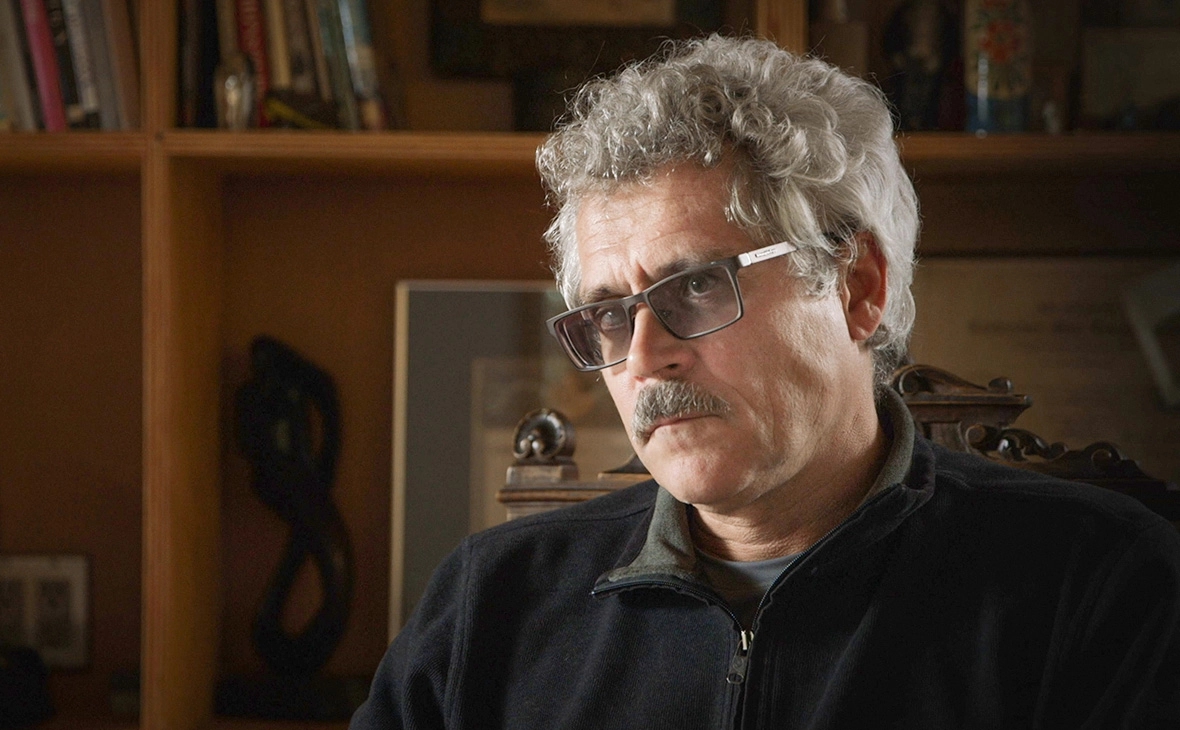
WADA maintained that data provided to it by the Moscow anti-doping laboratory had been manipulated between November 2018 and January 2019, following formal proceedings to sanction Russia for athletic cheating. RUSADA's counterclaim was that a prominent Russian whistleblower, Dr. Grigory Rodchenkov, an analytical chemist and former director of the Moscow anti-doping laboratory, may have doctored this data himself in an effort to level false accusations against the Russian authorities — a scandal dating back to 2016, when Rodchenkov confessed to being part of an elaborate government-administered doping program.
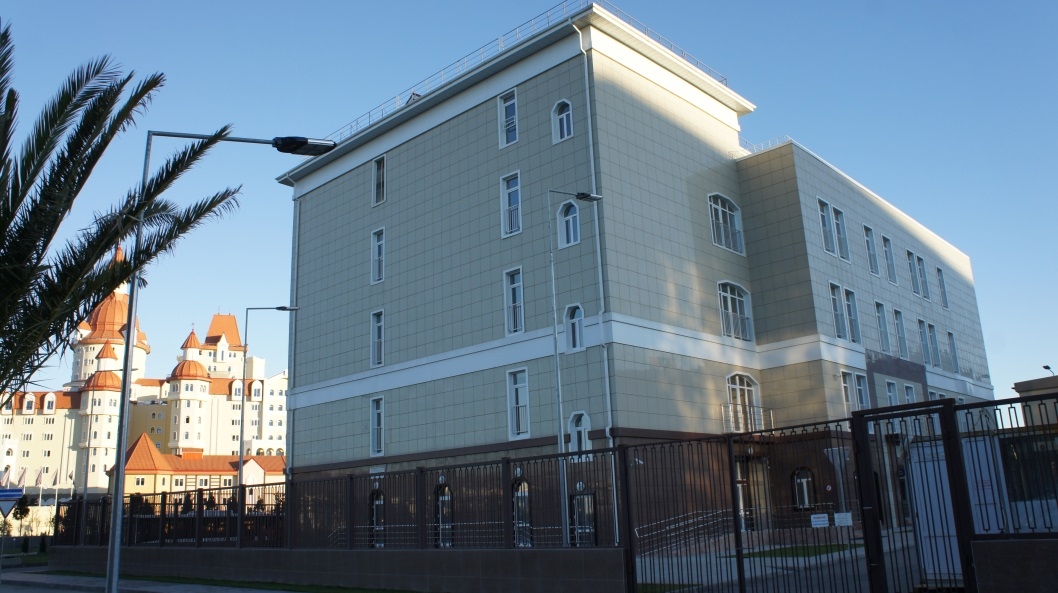
During the Sochi 2014 Games, Rodchenkov explained, he had provided a tripartite cocktail of banned substances to dozens of Russian athletes via the sports ministry. Many of the athletes went on to win top medals while avoiding being caught in real time thanks to cloak-and-dagger methods for evading drug tests. Russia's domestic security service, the FSB, had systematically swapped tainted urine samples for clean ones through a purpose-built "mouse hole" in a wall connecting a makeshift, unlit lab adjoining the testing site in Sochi, with FSB officers somehow cracking supposedly tamper-proof specimen bottles and resealing them perfectly.
During the Sochi 2014 Games, the FSB systematically swapped tainted urine samples for clean ones
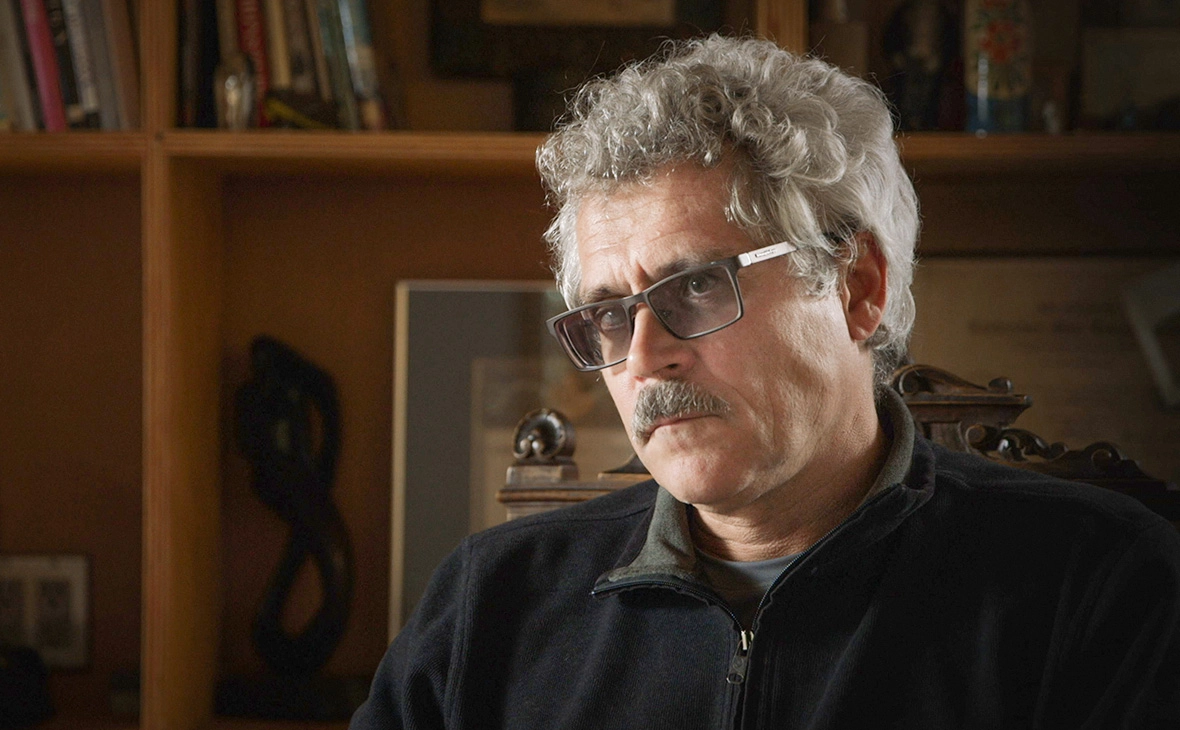
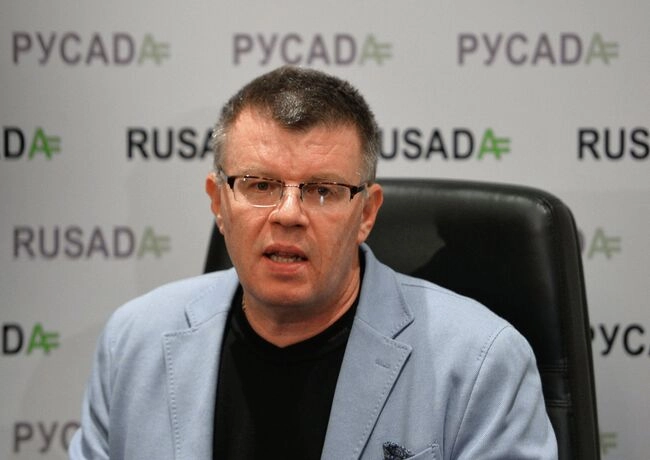
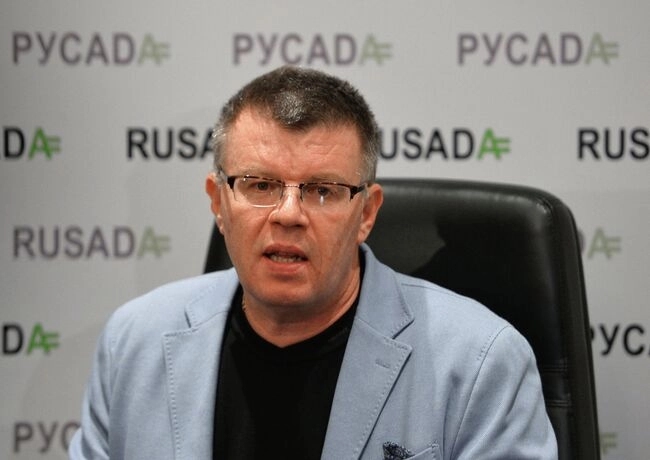
The scandal, when it burst into the open in a lengthy New York Times exposé in May 2016 (months before the premiere of Icarus, the Oscar-winning film Rodchenkov featured prominently in), cost Russia its flag and anthem at subsequent Olympic Games. It also prompted Rodchenkov, who had been under WADA investigation already for his role in the doping program, to defect to the United States, where he now lives under 24-hour protection. Two months after his defection, in February 2016, two other senior RUSADA officials who could have corroborated Rodchenkov’s allegations - Vyacheslav Sinyov and Nikita Kamaev - died in Moscow within ten days of each other under unexplained circumstances. Rodchenkov has stated he has no doubt both were killed.
The Swiss arbitration was meant to determine just how high a price Russia should pay for what Rodchenkov characterized as decades of deceit and fraud in athletics. When WADA's team retrieved the files from the Moscow laboratory in January 2019 — at least 23 terabytes' worth — they found the digital equivalent of a crime scene. Someone had been editing the records as recently as weeks before the handover: deleting presumptive positives, destroying raw data files, and planting fabricated messages designed to frame Rodchenkov for the very fraud the state was committing. It was a cover-up of the cover-up.
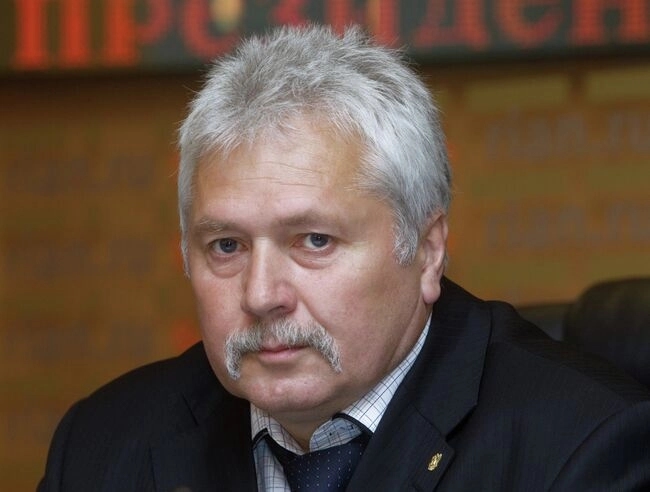
Kovalev's job in Lausanne, as a witness brought in on behalf of Russia's FBI-like Investigative Committee, was to argue that none of this had transpired — or that if it had, Rodchenkov had been the culprit manipulating the data (small matter that he hadn't even enjoyed access to the Moscow anti-doping lab at the time the doctoring actually took place). Kovalev testified twice in person in 2019 before WADA to much the same effect before the case was elevated to the Court of Arbitration.
Kovalev's job in Lausanne was to argue that whistleblower Rodchenko had been the culprit manipulating the data
He failed at both assignments, withering under WADA cross-examination in both 2019 and 2020. According to its 186-page decision, the arbitration panel found his testimony not credible and "evasive." When WADA's counsel accused him of being involved in the pollution of evidence he was upholding, Kovalev laughed.
His derision may have owed to more than being an unreliable witness.
Kovalev was also a spy involved in far worse affairs than fudging records about Olympic doping: he also worked for the intelligence service responsible for killing Vladimir Putin's enemies and opponents with the use of military-grade nerve agents.
Directorate of Poison and Doping
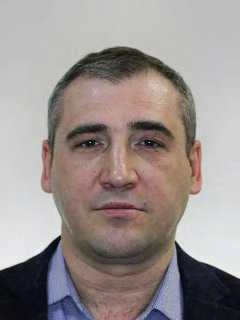
Kovalev, The Insider can now reveal, is an FSB colonel attached to the Directorate for the Protection of the Constitutional Order, the unit responsible for the Novichok poisoning of slain Russian opposition leader Alexey Navalny and of other Russian dissidents, including politician Vladimir Kara-Murza and poet Dmitry Bykov. The U.S. Treasury Department has described the directorate as being responsible for "managing internal political threats on behalf of the Kremlin." In other words, it kills opponents of the Putin regime.
Throughout his participation in Switzerland at the Court of Arbitration for Sport, Kovalev was supervised by Maj. Gen. Vladimir Bogdanov, the head of the FSB's Special Equipment Center, who was then busy managing the only two known Novichok poisoning incidents involving Putin's chief nemesis, Navalny. On June 6, 2020, during a trip with her husband to Kaliningrad, the Russian exclave in the Baltic Sea region, Yulia Navalnaya suddenly became noticeably ill before recovering a few hours later. Travel data obtained by The Insider shows that members of the FSB poison squad reporting to Bogdanov had been tailing the couple to their seaside getaway, with Bogdanov himself flying to Kaliningrad the day after Yulia Navalnaya got sick. Bogdanov's trip was preceded by a flurry of phone calls he had received from the unsuccessful poisoners. It was during that trip, records show, that Bogdanov also fielded six phone calls from Kovalev, possibly in connection with Kovalev's recent testimony in Lausanne. (That same week, Russia was submitting its written defense to the Swiss panel.)
On August 19, Navalny was in the Siberian city of Tomsk, promoting his "smart voting" strategy in the run-up to municipal parliamentary elections. He was poisoned so severely that his flight back to Moscow on the morning of August 20 had to make an emergency landing in Omsk, where Navalny received life-saving emergency care before being medevaced to Germany. Bogdanov, again, received a series of calls from the poisoning team both before and after Navalny boarded the plane in Tomsk at around 8 a.m. During this time, Kovalev was preparing for his pending virtual testimony at the Court of Arbitration — yet he also made repeated phone calls to Bogdanov.
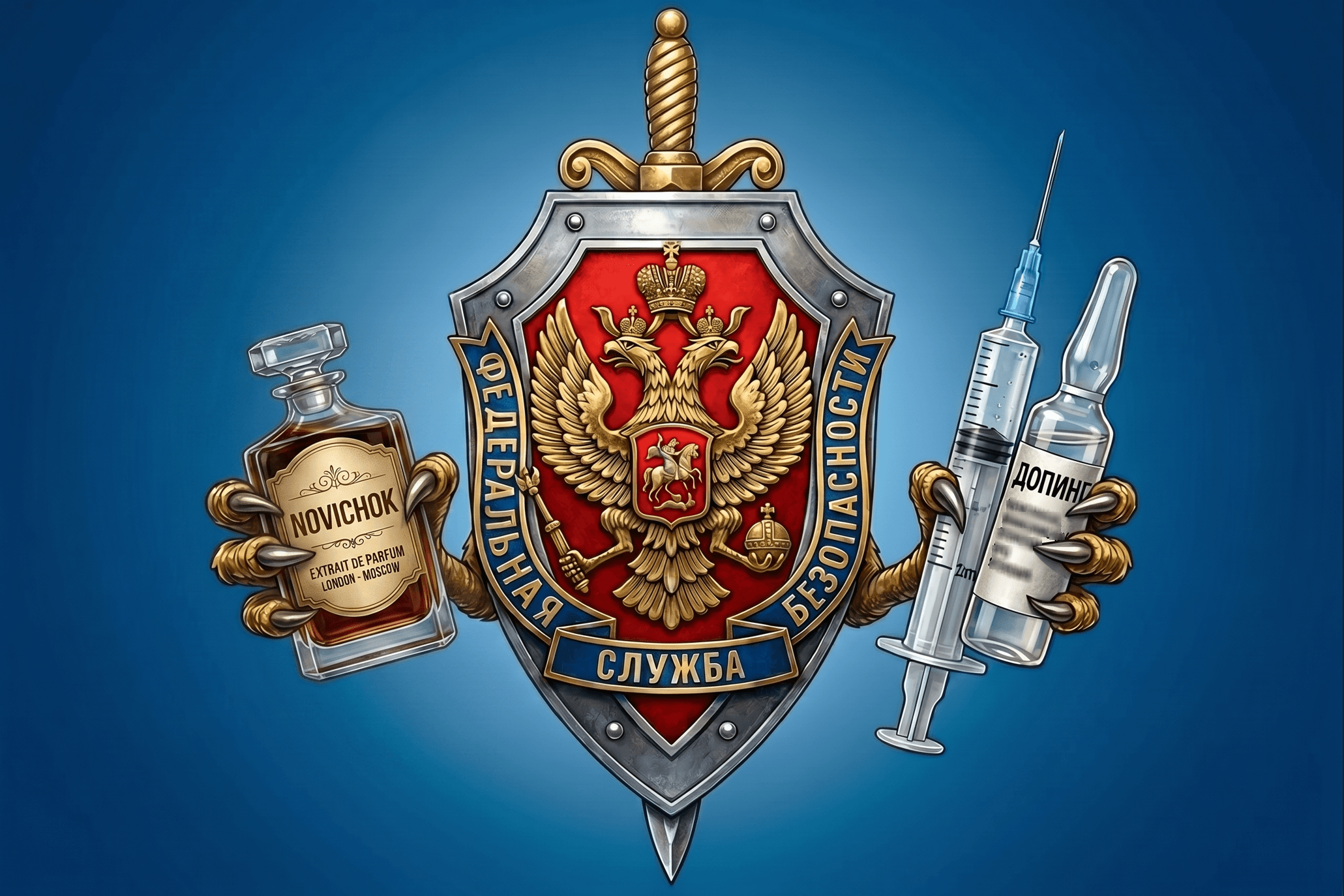
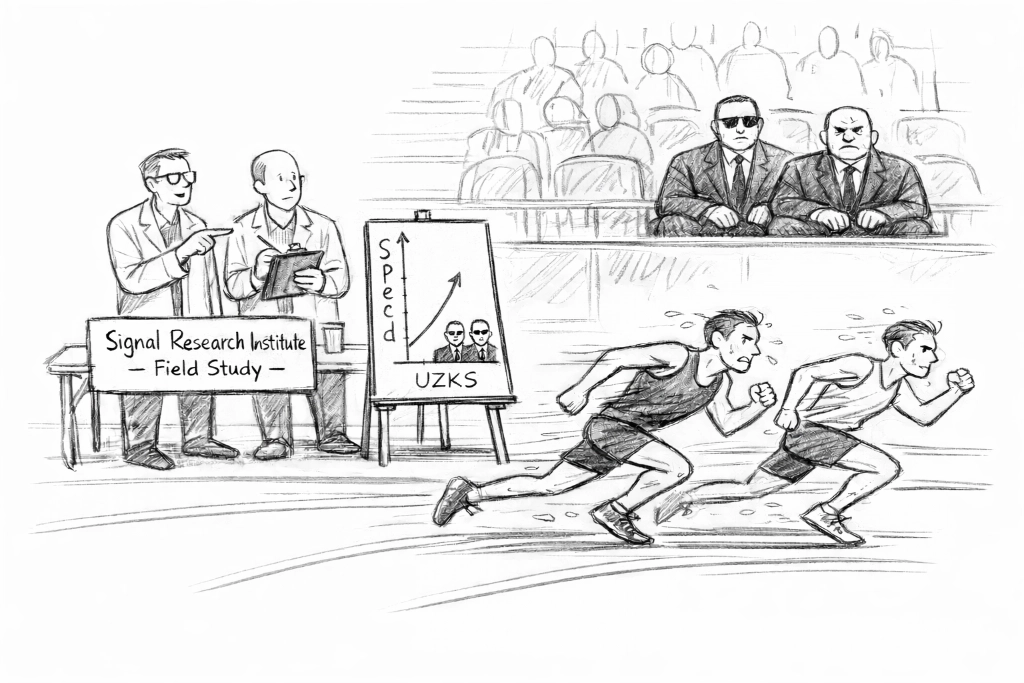
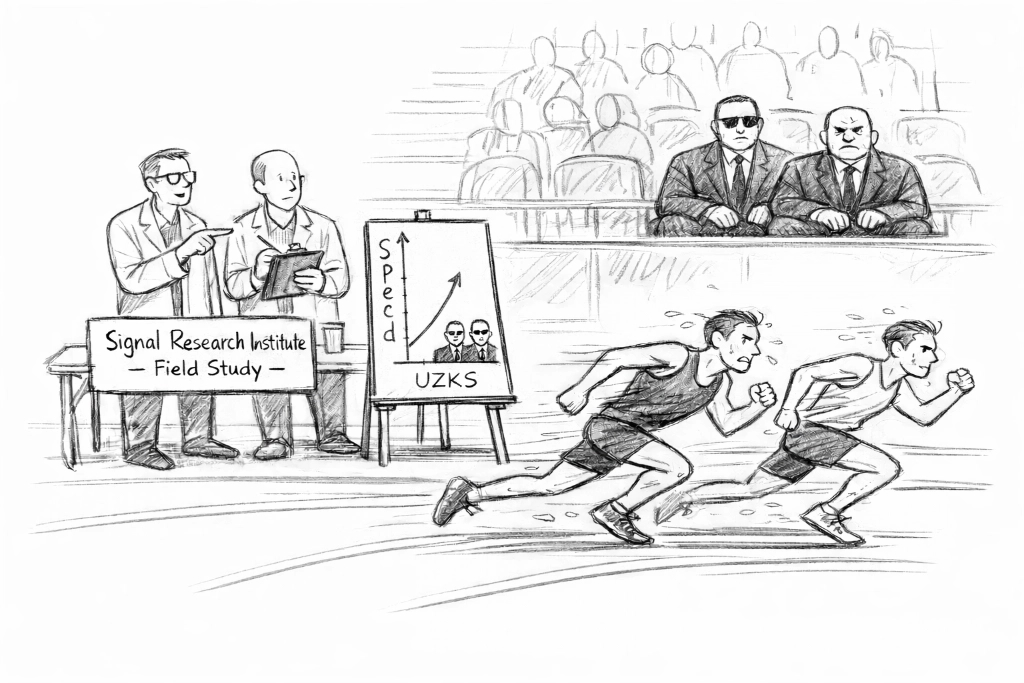
It is not by coincidence that Russia's doping program and its political assassination program share personnel. They also share a physical address and the same director. Both programs are nestled within the Signal Scientific Research Centre, a defense-sector institute formally subordinate to “Federal Service for Technical and Export Control” (FSTEC) but operationally overseen by Bogdanov's Special Equipment Center within the FSB's Scientific-Technical Service.
Russia's doping program and its political assassination program share personnel, a physical address, and the same director
Signal's official mandate involves detection research, which gives it a legitimate reason to maintain precisely the kind of analytical chemistry laboratory that both programs require. In the parlance of intelligence tradecraft, Signal provides a near-perfect cover story as a legitimate scientific facility doing real scientific work, all while maintaining classified annexes responsible for military applications: namely, poisoning enemies of Russia. As one source familiar with the arrangement told The Insider, the only operational rule is physical separation — "you don't want to mix urine and Novichok" — but the rest is redundant. The same scientists, equipment purchases, and institutional infrastructure can be, and are, shared.
The decision to relocate Russia's doping chemistry operation inside Signal was made, according to a source document analyzed by The Insider, at "the highest level," with a promise of "unlimited funding."
The trigger was Rodchenkov's defection in 2015 and the subsequent closure of the Moscow anti-doping laboratory. The FSB needed a new home for the program, one that was equal parts technically capable and plausibly deniable. Signal was both.
The man installed to run its doping laboratory was Victor Tarachenko, a chemical weapons specialist whom a prior Insider investigation connected to the poisoning of Sergei and Yulia Skripal in Salisbury, England, in 2018. Tarachenko's phone records show him managing both the doping and poisoning portfolios in Signal under the same imprimatur: for the manufacture and deployment of nerve agents, he is in contact with chemists and delivery specialists; for the manufacture and utilization of anabolic steroids and the like, he runs the laboratory. The records make no distinction between the two roles because, structurally, there is none.
The operational template is identical across both programs, too.
In assassination operations, chemical weapons experts from the FSB's NII-2 Criminalistics Institute, which also falls under Bogdanov's purview, team up with surveillance operatives from the FSB's Constitutional Protection Directorate to trail targets, administer the substance, and then sanitize the scene using the FSB's own forensics service. In doping operations, Signal's chemists develop and refine substances, test them for detectability, and update formulations in an effort to stay ahead of WADA's protocols. Meanwhile, directorate operatives embedded in sports federations handle delivery and cover.
Having Kovalev, an undercover FSB officer masquerading as a forensic expert, didn't do much to save RUSADA from humiliation. Russia, the Court ruled, would be banned from all global sporting events, albeit for a shorter time period than the one WADA sought (two years instead of four) and with select Russian nationals permitted to compete as individual neutral athletes absent a national banner. Moscow's full-scale invasion of Ukraine in 2022 caused the International Olympic Committee to ban Russia from subsequent Games in Beijing and Paris until its formal reinstatement in last month's Paralympic Games in Italy, possibly paving the way for its participation in the 2028 Summer Olympics in Los Angeles.
Kovalev at home and in the office
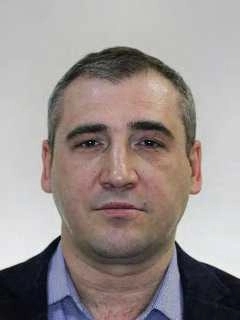
Kovalev's role in steering the Kremlin's efforts to bypass international isolation for systematic cheating in sports didn't stop in Switzerland — nor has Russia's systematic state-sponsored doping program writ large. Kovalev is the common-law husband of RUSADA's new chief executive officer, Veronika Loginova, 41, herself accused by an anonymous whistleblower of being "directly involved in the attempted cover-up of drug test results from the 2014 Winter Games," per the New York Times.
Kovalev is the commonlaw husband of RUSADA’s new chief executive officer, Veronika Loginova
With a degree in environmental engineering, Loginova previously worked as a RUSADA expert, duties that included a role in the WADA anti-doping education program at Sochi in 2014. Russia reported zero incidents of doping among its athletes that year.
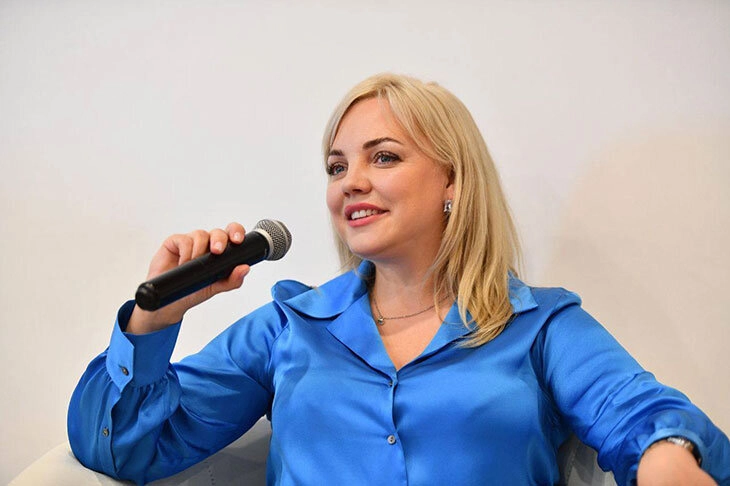
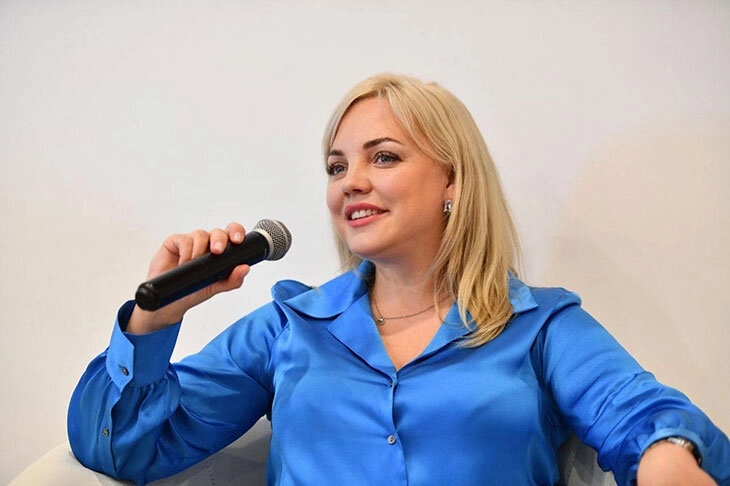
Loginova subsequently headed the anti-doping department at the Russian Ministry of Sport before returning to RUSADA as CEO in December 2021, installed under WADA observation following the removal of her reform-minded predecessor, Yuriy Ganus. In international forums she has described RUSADA under her leadership as "an example to other anti-doping organizations" and advocated for a UNESCO-led reform of global anti-doping governance.
The problem, of course, is that Loginova is deeply connected to the very security organs responsible for Russia's doping governance. Not to mention its chemical weapons governance.
Leaked travel logs show Loginova journeying repeatedly on joint commercial flights with her live-in lover from the FSB. A booking from August 2023 shows three linked tickets on the Kaliningrad–Moscow route: Loginova, her daughter Valeria, and Kovalev. The same pattern appears across multiple domestic flights in the 2022–2024 period.
Kovalev's institutional position within the directorate can be established from two directions: leaked passport application data, and a sloppy Russian habit of saving phone contacts with informal but specific labels, which later leak into Telegram-based identification services aggregating data from millions of devices.
Multiple people with our specific Kovalev in their contacts have him saved as "Dmitry — 8th Department." A separate entry reads "Dmitry Kovalev — 7 UZKS," referring to the acronym for the FSB directorate he works for. His colleague Andrey Fedorov, with whom Kovalev shares multiple joint trips and regular phone contact, even appears in other people's phones as "Andrey Doping — 8th Department.”
Multiple people have saved Kovalev in their contacts as “Dmitry — 8th Department,” and his colleague Andrey Fedorov as “Andrey Doping — 8th Department”
The 8th Department does not appear in any public FSB organizational chart, and anti-doping specialists consulted by The Insider said they had never encountered a reference to it. Its existence as a sub-unit of the Constitutional Protection Directorate is corroborated by passport applications, in which both Kovalev and Fedorov list their employer as Military Unit 36391, the directorate's designation. Kovalev's Lubyanka address registration provides yet another data point linking him to the same institution.
The 8th Department's reach into Russian sport is visible in Fedorov's own phone records. Among his regular contacts, The Insider has identified: Denis Tikhomirov, head coach of the Russian national snowboard team; Maria Pyanova, head coach of the CSKA swimming school; Stanislav Shevchenko, president of the Russian Volleyball Federation; Vladislav Norkin, head coach of the CSKA youth basketball team; and Kirill Sukharev, a European Championship medallist in the long jump.
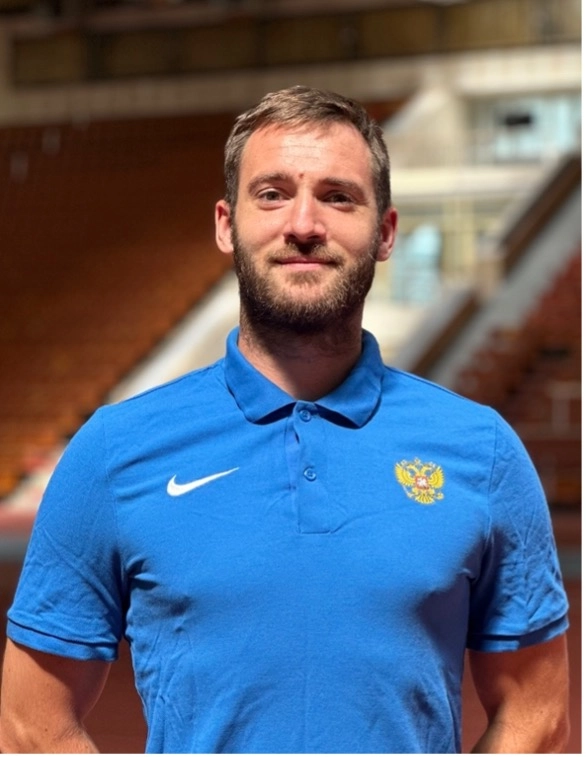
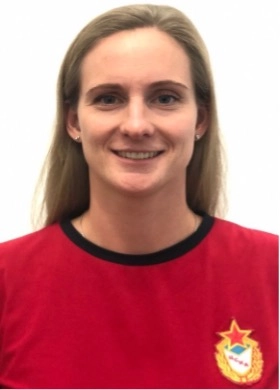
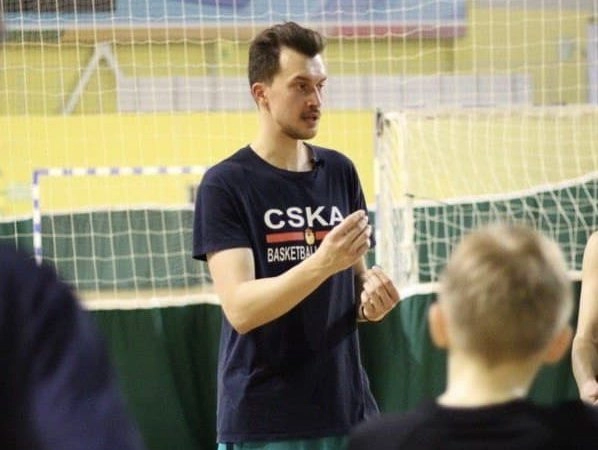
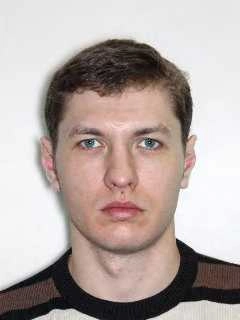
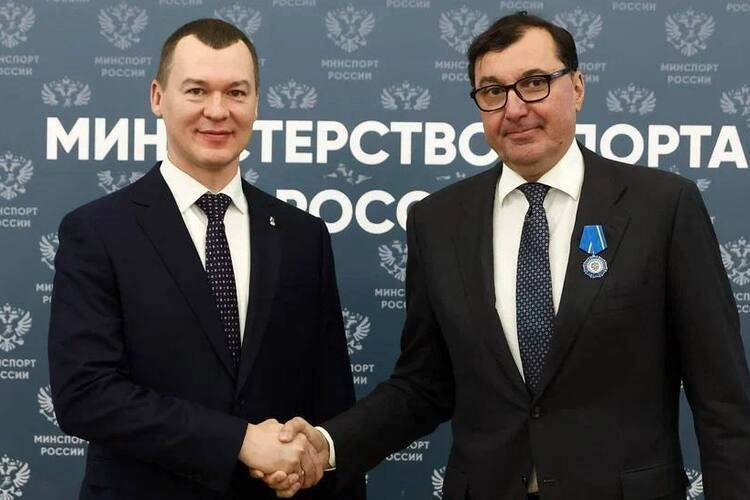
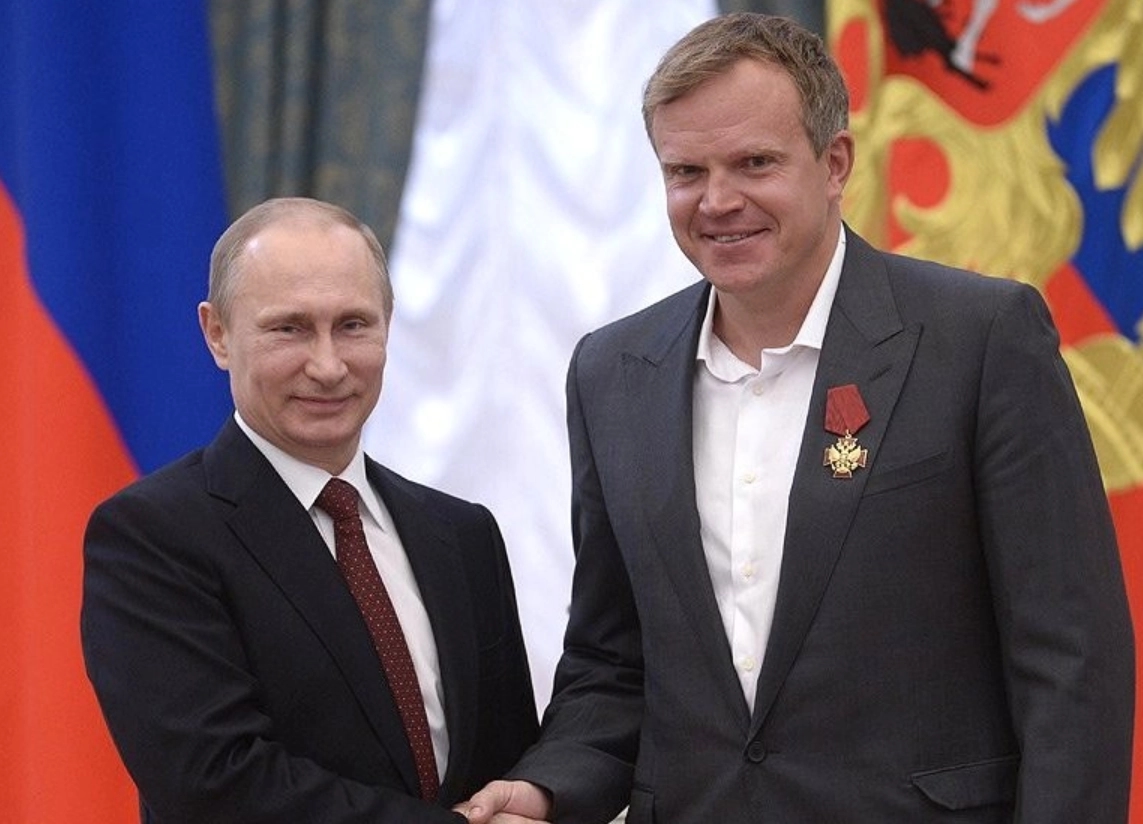
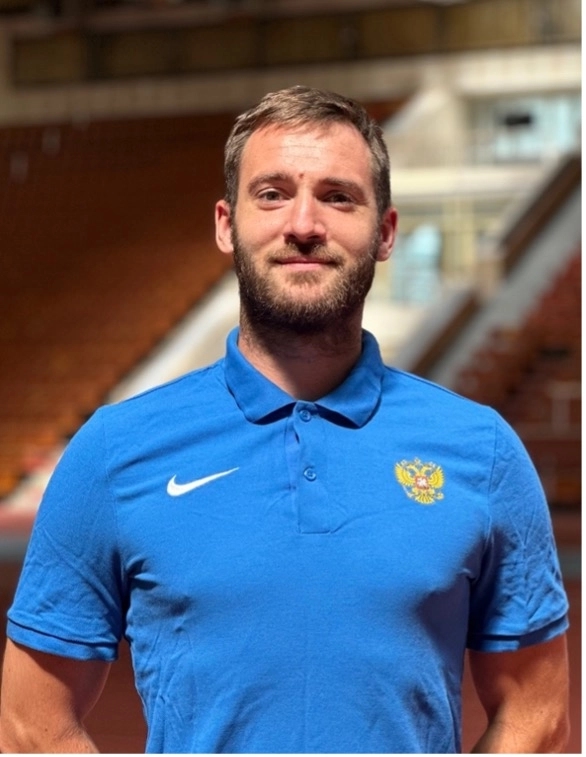
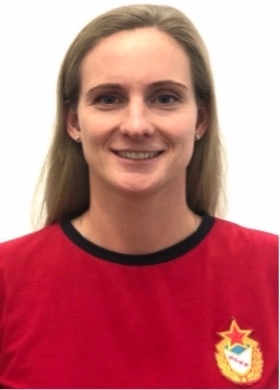
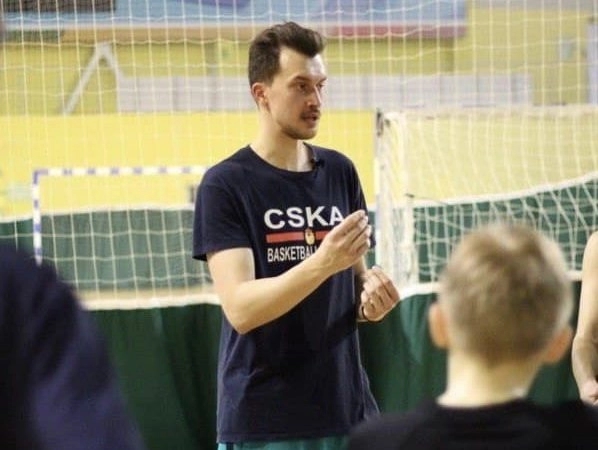
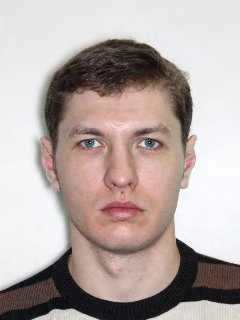
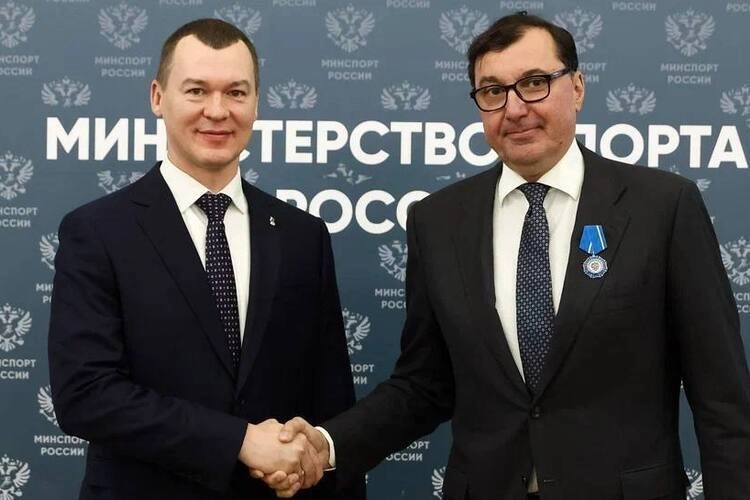
FSB officers in Russian sports
The 8th Department is not the directorate's sole point of contact in the world of Russian athletics.
Key positions in the Russian Olympic Committee and across individual sports associations appear to be systematically reserved for alumni of the FSB.
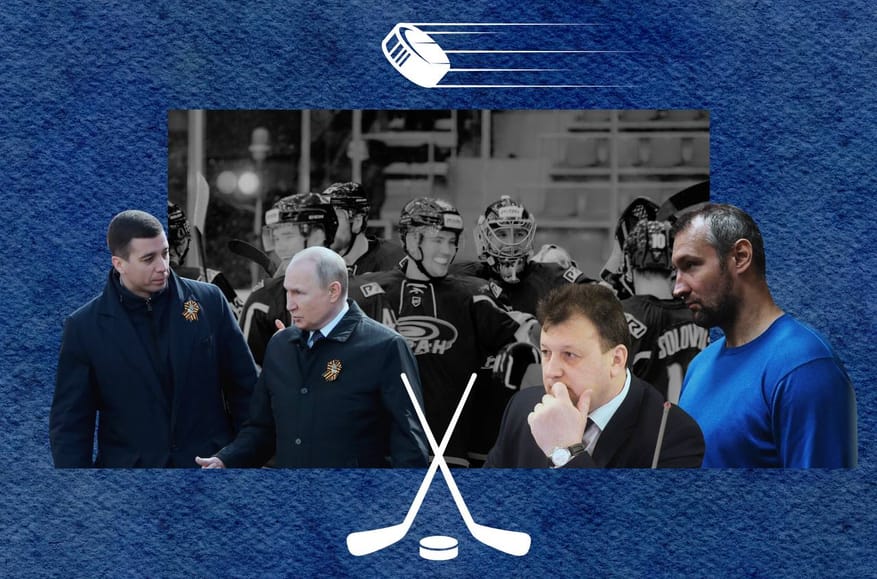
Kovalev, for instance, plays hockey for Vympel, an FSB-affiliated amateur club named for the security service's elite in-house special operations unit. His colleague Fedorov coaches Synthesis, a water polo club in the city of Kazan.
Travel records from 2017 show Fedorov sharing domestic flight bookings with Maxim Panayoti, who had recently served a nine-year sentence for membership in an organized criminal group that commissioned at least twelve murders between 1992 and 1996 across multiple Russian cities. Shortly after those shared flights, Panayoti was appointed deputy head of the Russian Water Polo Federation, and subsequently head of Synthesis, Fedorov's club.
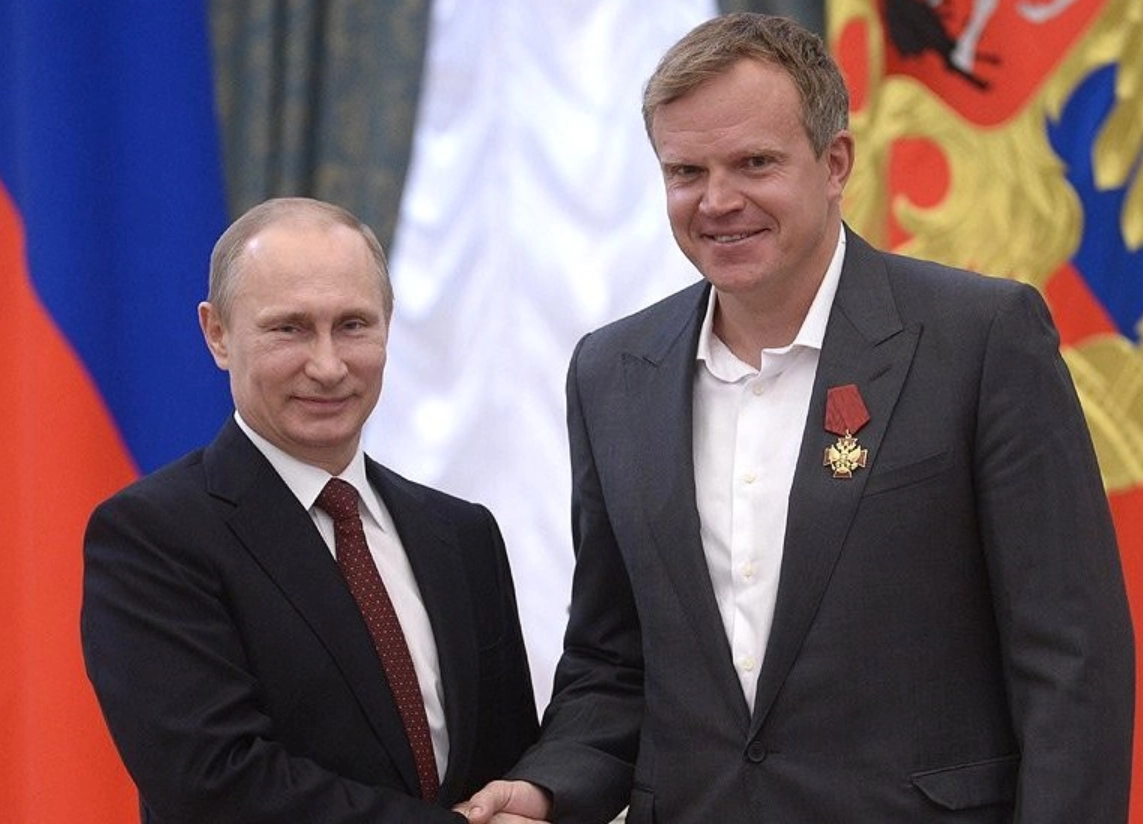
Nikolay Varfolomeev, listed in data obtained by The Insider as an advisor to the chairman of the Russian Olympic Committee on security matters, is another example. Travel records place Varfolomeev at dozens of competitions over the past decade, including the Olympics in PyeongChang, South Korea, and Beijing, and events across Argentina, Uzbekistan, Germany, Greece, and the Balkans. (Unit 74455 of Russian military intelligence hacked the 2018 PyeongChang Winter Games, temporarily shutting off WiFi access and the official Olympics app during the opening ceremonies by unleashing malware software into South Korean computer systems.)
And finally, Rodion Plitukhin, a graduate of the FSB Academy and former operative in the Constitutional Protection Directorate with experience in the Caucasus, served as General Secretary of Russia's Olympic Committee from 2022 to 2024 and adviser to the presidents of the Fencing and Sambo Federations.
Varfolomeev, Plitukhin, Kovalev, and Fedorov appear to be representative of a whole layer of directorate operatives embedded across Russian sports institutions, officers whose contact-list entries literally read "Doping" and whose travel schedules shadow the Olympic calendar.
Varfolomeev, Plitukhin, Kovalev, and Fedorov appear to be representative of a whole layer of directorate operatives embedded across Russian sports institutions
Kovalev's own travel record is consistent with this pattern.
He attended the Winter Olympics in both South Korea and China without accreditation. He went as a tourist to both Games accompanied by Fedorov, his 8th Department colleague.
A photograph published in February 2018 by the Salt Lake Tribune as part of a piece about Utah's Olympic bid for 2034 shows the two Russian spies in the PyeongChang stadium stands, just one seat removed from Jeff Robbins, the then-President and CEO of the Utah Sports Commission. Neither Fedorov nor Kovalev are identified in the accompanying caption. (The United States was defeated 4–0 in the ice hockey contest that day by "The Olympic Athletes from Russia.")
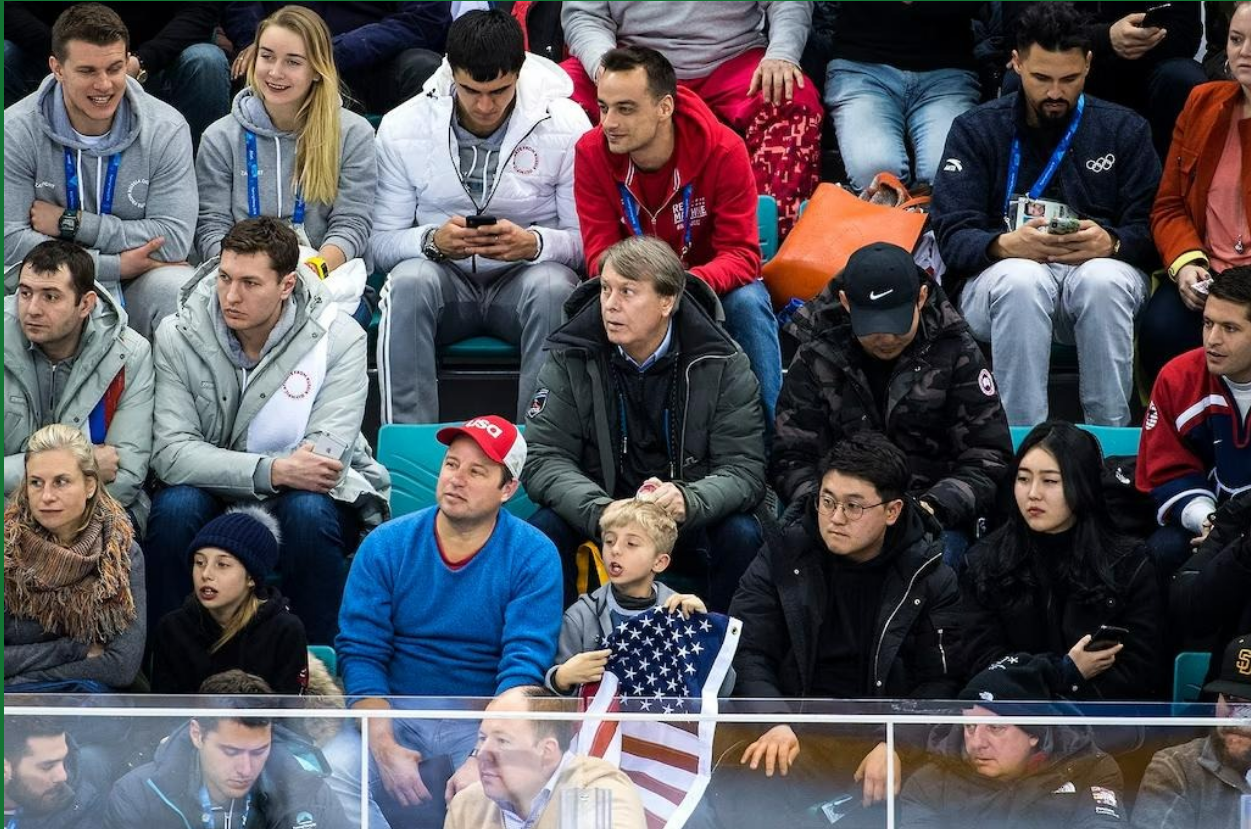
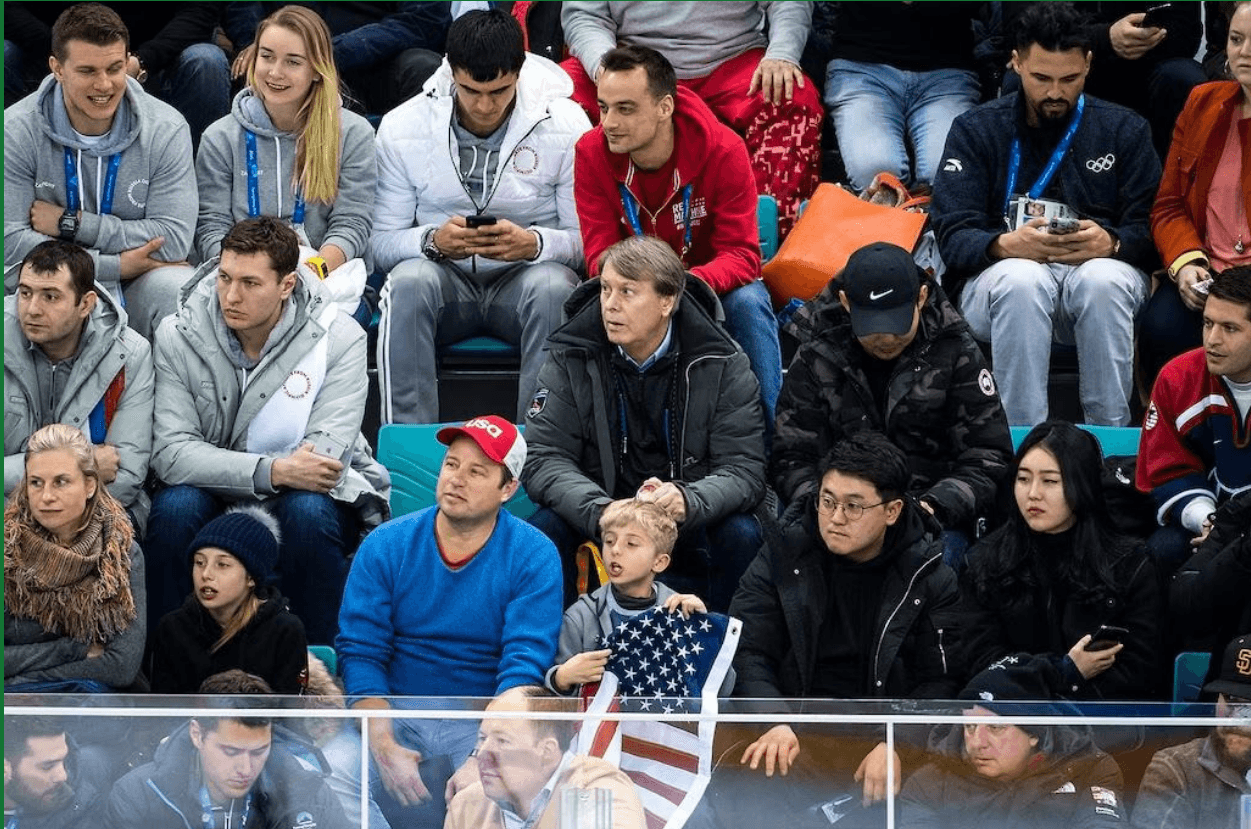
The 8th Department duo returned to South Korea — this time to Seoul — again in July 2019, outside any Olympic cycle. They were there to attend the World Aquatics Water Polo World League Super Final held in that city the same month.
Kovalev’s online presence
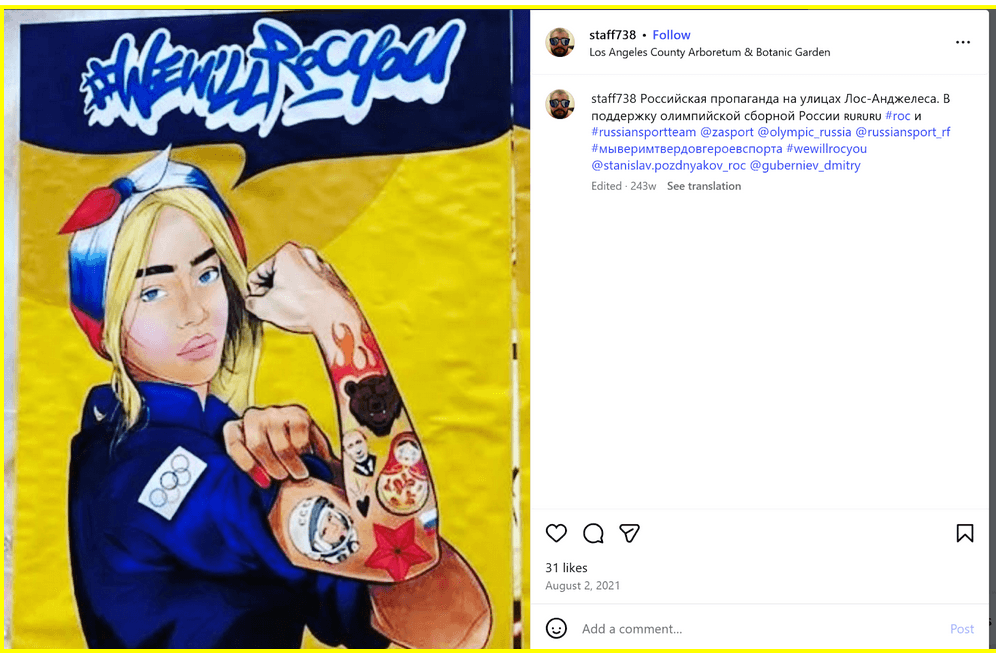
Kovalev, The Insider has found, maintains an Instagram account under the handle @staff738, registered to the rather uninspired name "Ivan Ivanov." For an active FSB officer of his rank and station, it is a remarkably revealing social media presence.
The profile photo sets the tone: a close-up selfie, sunglasses, beard, shirtless — the aesthetic of a man unburdened by operational security concerns. The posts that follow suggest someone with a consistent set of enthusiasms: Russian military tradition, sport, and Vladimir Putin, more or less in that order.
The patriotic posts are unremarkable by Russian standards. A Defender of the Fatherland Day cartoon, hashtagged with tributes to the Soviet Army and the Black Sea Fleet. An Airborne Forces Day post — "Glory to the VDV" — pointing to a Spetsnaz background. A National Sports Award post carrying the hashtags #RussiaForRussians and #PutinteamRu, with a tag to the Russian Ministry of Sport.
What gives the account its distinctive flavor is the register of its personal devotion to Putin. When the Russian mixed martial arts fighter Khabib Nurmagomedov beat Conor McGregor in the fourth round of their October 6, 2018, match, Kovalev posted: "Russia forward!!!! Too bad the ending didn't quite work out," implying that he'd hoped Nurmagomedov had killed McGregor. "Otherwise it would have been a simply magnificent birthday present for the President @kremlin_russian @kremlin_putin." (Putin's birthday was the following day, October 7.)
A separate post, geotagged at the Los Angeles County Arboretum, promotes the Russian Olympic team. Whether Kovalev was actually in Los Angeles, a city FSB officers of his clearance level are not generally permitted to visit, or simply found the location tag congenial, is unclear.
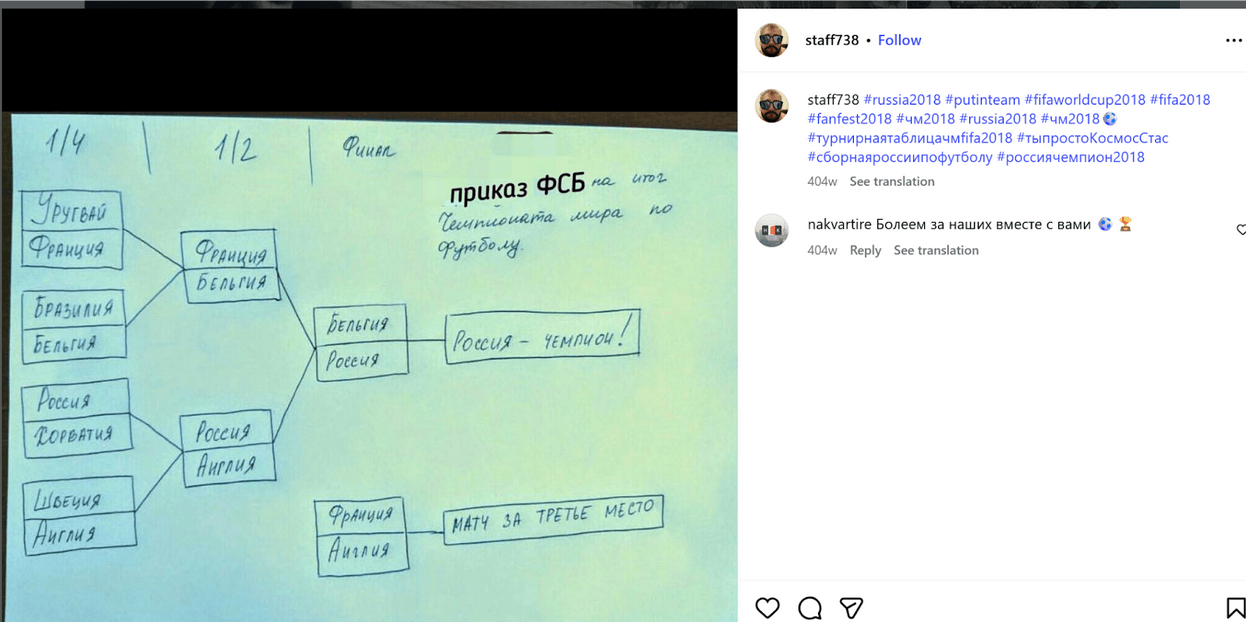
During the 2018 World Cup, Kovalev published a photograph of a handwritten tournament bracket. At the top: "FSB Order for the Results of the Football Championship." The bracket works through the rounds to a predetermined conclusion, with the winner written clearly: "Russia, champions." (In reality, France won the tournament. Russia was bested in the quarterfinals.)
Whether it was purely a joke coming from a colonel in the FSB's doping department is a question the account itself does not resolve.
Latest updates
Having failed to persuade the Swiss investigators in person in 2020, Kovalev took his argument to the Internet.
After the Court of Arbitration for Sport ruled that Russia had engaged in “deliberate, sophisticated and brazen” manipulation of doping records, a series of posts surfaced on a seemingly anonymous Russian Telegram channel called “Naked Sports,” where Kovalev was a frequent commenter. While The Insider was preparing this investigation, Kovalev deleted these posts.
The posts reprise, with technical elaboration, the theory that Grigory Rodchenkov, the whistleblower, had extorted money from athletes in exchange for suppressing their positive tests – the same claim the Lausanne panel dismissed as a fabrication based on falsified database entries that Russia itself had forged.
Most notably though, Kovalev egged on other channel participants to formally approach ThermoFisher Scientific, an American laboratory software company, for an opinion on whether its software could be used to alter raw data, the insinuation being that the United States was behind a global conspiracy against anti-doping integrity dating back to 1999. Kovalev also defamed German journalists covering the WADA v. RUSADA case, calling them “German hacks.”
In a July 2023 post, Kovalev even took the bizarre turn of criticizing the current RUSADA leadership as “gentlemen and their female companions, some of whom in the period 2013–2016 were not above taking money from athletes for ‘resolving issues’ in sports arbitrations, and were not above blackmailing successful female athletes.” The post is all the more bizarre given that Loginova, Kovalev’s girlfriend, has led RUSADA since 2021.
"The hysteria about 'terrible doped-up Russian athletes' is the product of the stale imagination of all Western sports structures without exception [...] Rodchenkov's old fables, and those of various other truth-tellers who fled in fear abroad, continue to provide fodder for talentless pseudo-lawyer fraudsters making money off unfortunate athletes, " Kovalev posted anonymously on Telegram channel 'Naked Sports' in July 2023. The CAS found Rodchenkov's account of the Russian state doping scheme to be substantially accurate.
Meanwhile, Loginova attended WADA’s annual conference in Busan, South Korea, in December 2025, marking RUSADA’s first formal appearance at the forum in years. She has submitted proposals for aligning Russian legislation with the WADA code.