The Olympic Winter Games that opened on Feb. 6 in Milan will feature thirteen athletes from Russia — a figure that would have been even higher had Schengen visas been obtained in time. Although Russian Olympians will be competing under a neutral status that bars them from displaying national symbols, the country’s Paralympic team was granted permission to use both the national flag and anthem. For the Kremlin, sports are a traditional instrument of soft power, and despite Putin’s ongoing invasion of Ukraine, IOC officials are increasingly giving in to pressure from Moscow for a return to business as usual.
Thirteen Russians with neutral status are competing at the Winter Olympics in Milan and Cortina — only two fewer than took part in the much larger Paris Summer Games back in 2024. After winning just one medal in France — the silver in women’s tennis doubles — permission to compete in events where Russian athletes tend to perform at a world-class level means the total from Italy will likely be markedly higher. Although a cap of two Russian participants was set for each event, the country’s competitors in figure skating and cross-country skiing are seen as serious contenders for places on the podium.
Russians were admitted to the Olympics in Italy in two of the country’s flagship sports — figure skating and cross-country skiing
The body that helped Russian sports break through the wall of disqualification was the Court of Arbitration for Sport (CAS). Several athletics organizations filed their first lawsuits there back in the spring of 2022, immediately after the initial suspension was announced, arguing that the measure was excessive.
Lawyers representing the Russian Table Tennis Federation were the first to succeed. In October 2025, CAS recognized its suspension from international competition as discriminatory and ruled that, in order to maintain safety at tournaments, it would have been sufficient to place Russians under neutral status. At the time, the court emphasized that the conclusion did not extend to other sports, but the precedent was understood to be a serious setback for advocates of a ban on Russian athletes. By that point, the soft recommendations of the International Olympic Committee for the return of Russian athletes had already been in place for more than two years, making it possible for a handful of competitors to be admitted to the Games in Paris.
The International Skating Union (ISU) had begun work to bring back Russian athletes even earlier. A source for The Insider who is close to the Russian Figure Skating Federation claims that nonpublic agreements allowing a limited number of Russians to participate in Olympic qualification competitions were already in place by the time the CAS ruling on table tennis was handed down. (This was indirectly confirmed in December 2025 by the federation’s president, Anton Sikharulidze, who said that relations with the ISU had become “trust-based, genuinely partnership-like,” and that turning to the courts “would have been wrong.”)
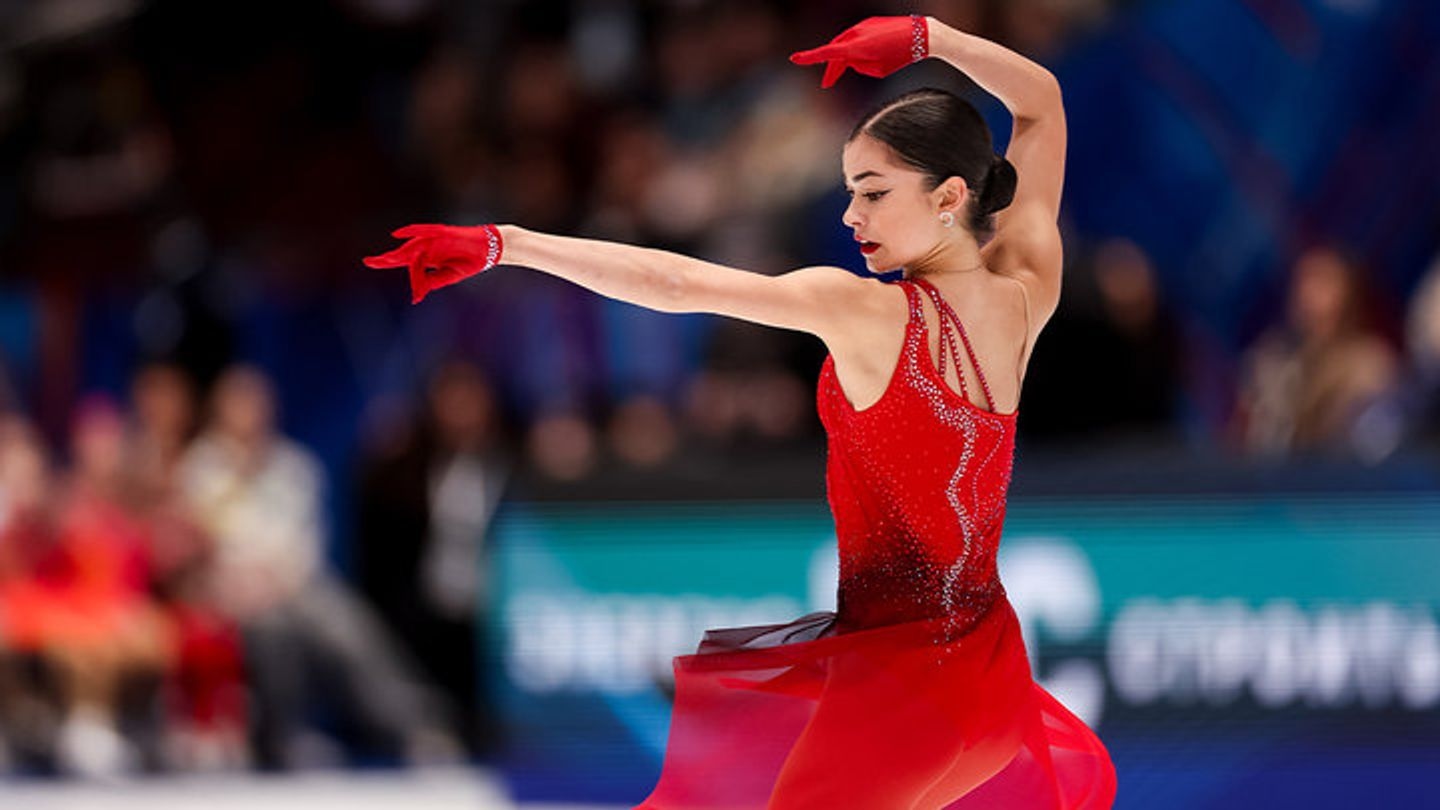
By that point it had already been clear for several months that two Russian singles skaters — Adeliia Petrosian and Petr Gumennik — would be allowed to compete at the Olympics in Milan. Back in December 2024, the ISU had set the limit: no more than one entrant in Olympic qualification in each of the four disciplines (men, women, pairs, and ice dance). Later, however, without disclosing its reasons for refusal, it rejected all entries in pairs and ice dance.
There were no public comments on the matter, nor was there any sign of resistance from the Russian side. The ISU was seen as having made a safe decision — following the IOC’s recommendations while nevertheless making a concession to Moscow that went against the wishes of strong national federations such as the United States and Japan.
However, the International Ski Federation (FIS) had to act under much tighter deadlines. The CAS decision in Russia’s lawsuit against FIS was handed down on Dec. 2, 2025, and on Dec. 10 FIS announced that it was granting neutral status to two competitors from the country. Three days later, they were already participating in the World Cup and taking part in Olympic qualifying events.
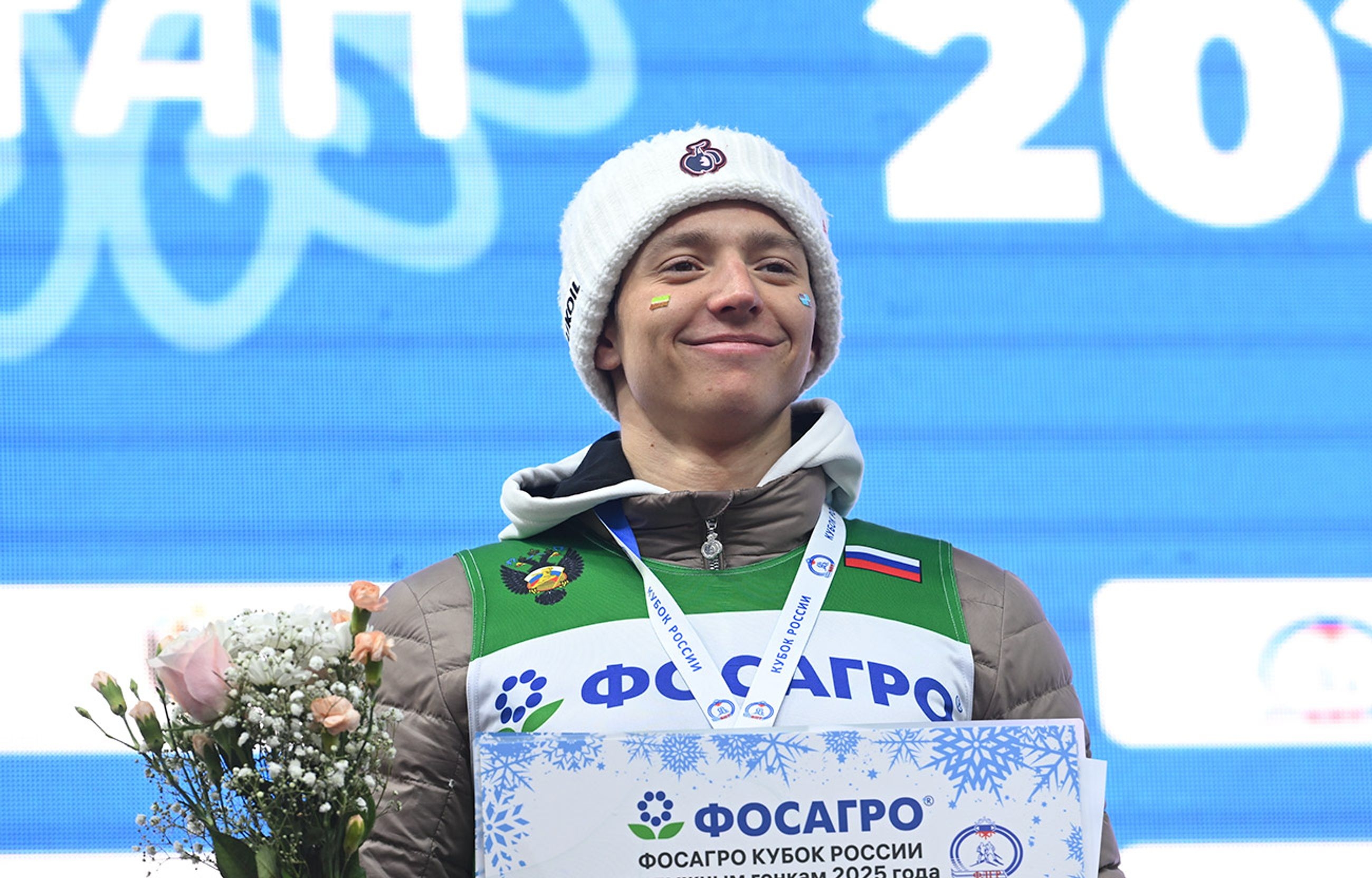
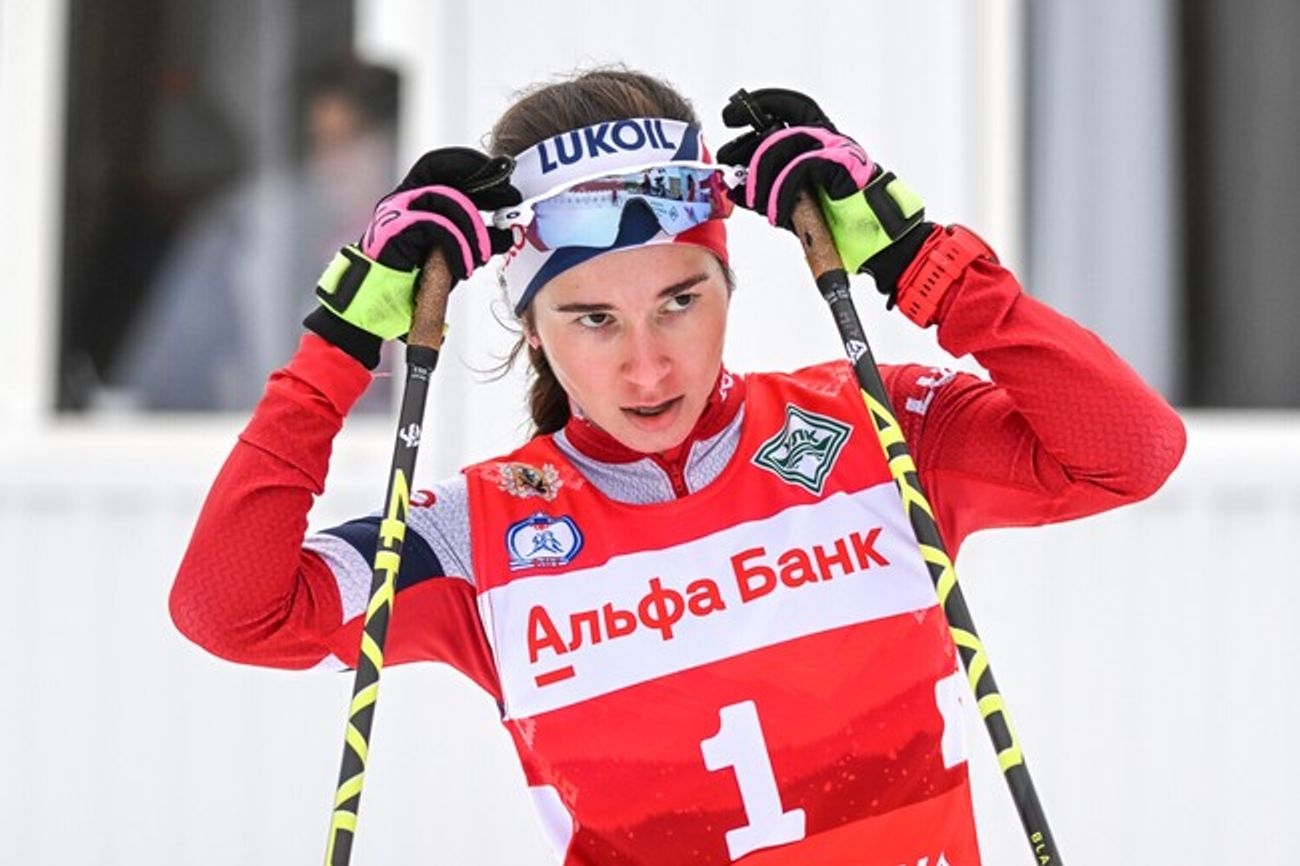
Savelii Korostelev and Dariya Nepryaeva still had a window for Olympic qualification, and they used it. However, a third skier, Nikita Denisov, was only granted neutral status on Jan. 19, after the window for qualification had closed.
Neutral status obtained, but no time left to qualify
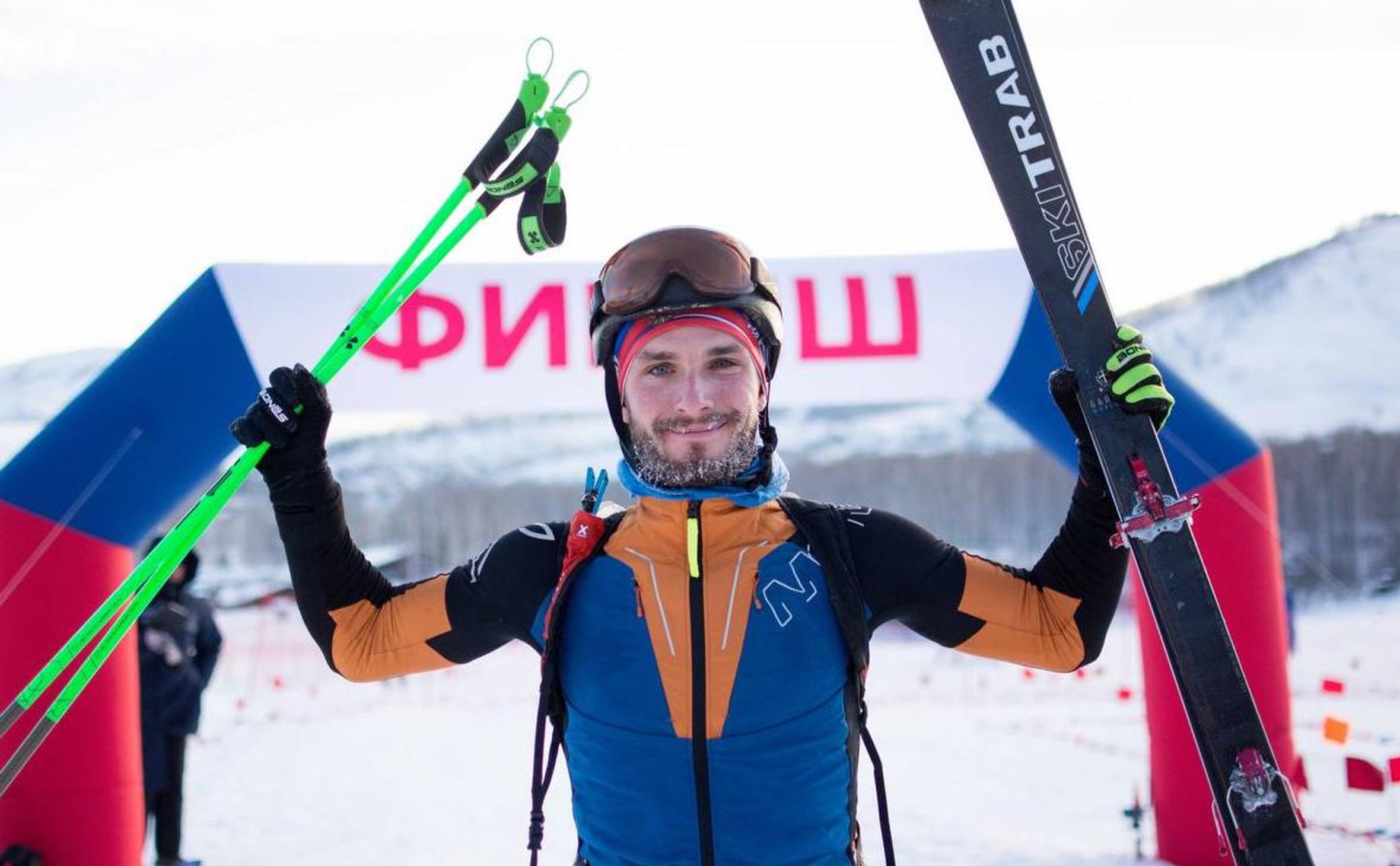
While Russia’s figure skaters and cross-country skiers have the best shot at a medal, ski mountaineer Nikita Filippov is also seen as a strong competitor. In two consecutive World Cup races held in the Olympic format, he finished in third place.
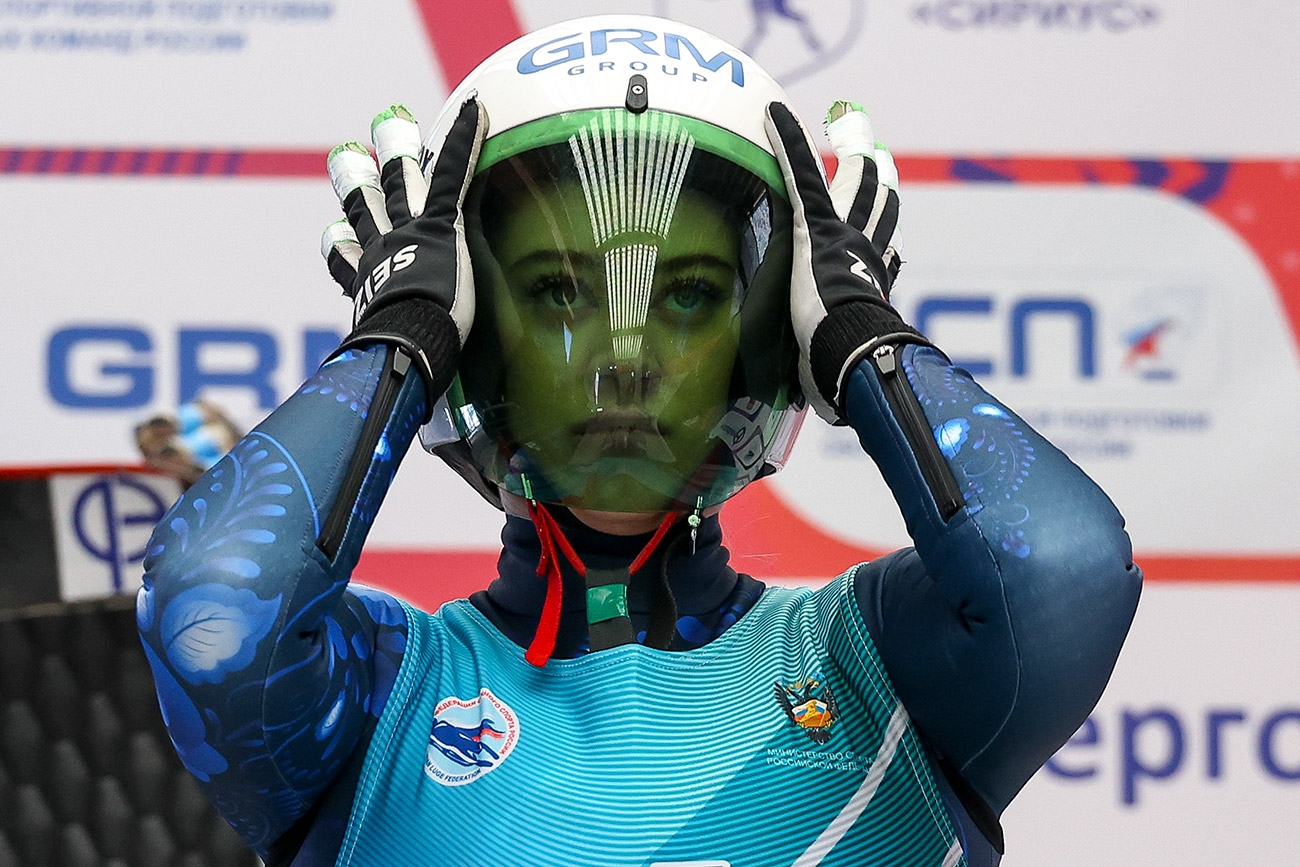
Eight more Russian athletes are heading to the Olympics with little hope for a spot on the podium. These are alpine skiers Simon Efimov and Julia Pleshkova, speed skaters Kseniia Korzhova and Anastasiia Semenova, lugers Pavel Repilov and Daria Olesik, and short-track speed skaters Ivan Posashkov and Alena Krylova.
More Russian athletes certainly could have qualified for the Games, but many did not even attempt to reach the qualifying tournaments. In snowboarding, ski jumping, freestyle skiing, and other sports, Russian athletes whose neutral status had recently been granted could not obtain Schengen visas quickly enough to travel to the necessary qualifying events.
American-born snowboarder Vic Wild, who was granted Russian citizenship in 2012 before winning two gold medals for his new country at the 2014 Sochi Olympics, spoke with frustration on behalf of the athletes left behind, directly criticizing his federation: “It’s a pity that there are no Russian snowboarders at the World Cup right now…apparently because the federation did nothing to prepare for a last-minute situation involving admission under neutral status, they didn’t have any visas ready for athletes to travel to competitions now. Even though I warned them about this last summer.”
The head coach of the Russian national ski jumping team, Yevgeny Plekhov, acknowledged in mid-January that “We no longer have any chance of getting to the Olympics, because we will not be able to take part in the qualifying tournaments since we were not granted visas. Equipment checks could only be done in Europe, but we were unable to get there.”
At the same time, several Russian athletes who changed their sporting nationality after the start of the full-scale war are heading to Milan as medal contenders in events where neutral Russians have little chance.
For example, speed skater Vladimir Semirunniy, who has competed for Poland since 2023, is the reigning European champion at 5000 meters and is among the favorites. Ice dance pair Diana Davis (the daughter of coach Eteri Tutberidze, who trained Russia’s Olympic champions in 2018 and 2022) and Gleb Smolkin (the son of actor Boris Smolkin) switched to the Georgian flag and may contend for a medal in the team event. A total of ten Russians who changed nationality after Feb. 24, 2022, will compete at the Games in Milan.
Return without sensations
Two key positions in the leadership of Russian sports were consolidated in December 2024 when Minister of Sport Mikhail Degtyarev took on the role of head of the Russian Olympic Committee (ROC). His course toward renewed rapprochement and the return of Russians to global tournaments has been relatively effective, with key Russian officials becoming more cordial in their statements about international federations and more active in negotiations on reinstatement.
Degtyarev’s course toward renewed rapprochement and the return of Russians to global tournaments is making progress
As a result, in July 2025 the Russian national team competed in full at the World Aquatics Championships under an advanced format for neutral status — the country name and flag were absent, but Russians could compete as a team in relays (and they won gold medals). And in December, Degtyarev proudly announced that the International Olympic Committee had admitted junior athletes from Russia and Belarus to competitions with their flag (even if the IOC’s statement was only a recommendation).
Still, the IOC’s seeming desire to see Russia at the November Youth Olympics in Dakar is not enough to guarantee the country an official spot. The Russian Olympic Committee must secure the restoration of its membership, and in order to do so, it must somehow mask the fact that the organization included the occupied territories of Ukraine, written into the Russian constitution, in its structure. This problem remains unresolved despite Degtyarev’s assertion last year that the ROC had amended its charter.
Paralympics 2026
The first competition in which the Russian national team will, in effect, make a full return is the 2026 Paralympics that begin on Mar. 6. The International Paralympic Committee (IPC) fully reinstated the Russian Paralympic Committee this past September while noting that, because of the position of certain federations, the team had little prospect of being allowed to compete anytime soon. However, on Jan. 20 it became known that the IPC had changed its position, allowing cross-country skiers, alpine skiers, and snowboarders to submit applications for participation directly.
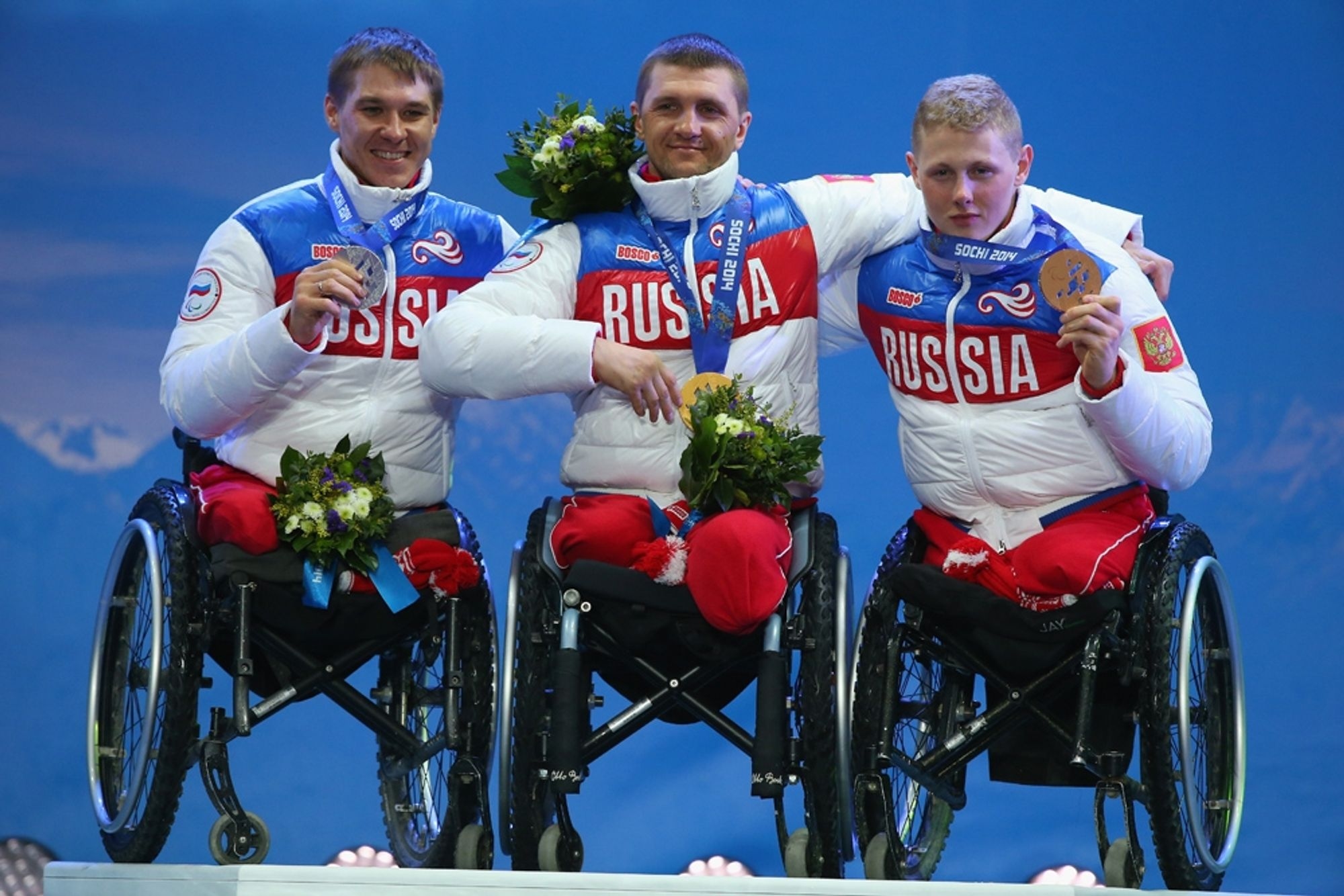
The Russian committee expects that around 40 athletes will thus be able to compete under the national flag and in uniforms featuring the national emblem and the word “Russia.”
Craig Spence, director of brand and communications at the International Paralympic Committee, told The Insider that the shift in position was prompted by the CAS ruling concerning the ski federation, after which neutral status was granted to Savelii Korostelev and Dariya Nepryaeva. As a result, the Paralympic Committee amended its own decision so that Russians in Paralympic skiing disciplines could benefit from the system.
“Given that the IPC lifted the suspension of Russians, those who receive invitations to the 2026 Paralympic Games will compete precisely as Russians, not as neutral athletes. Therefore, they will be able to participate in the ceremonies, the Russian flag will be raised, and the anthem will be played if any of them win,” Spence explained.
Less negativity
The return of Russian athletes is already being normalized. At the last stage of the Cross-Country World Cup in Goms, Switzerland, for example, Russian skier Darya Nepryayeva spent roughly half of the 20-kilometer course skiing side by side with Swedish skier Linn Svahn, who for three and a half years had consistently spoken out against the participation of Russians, even threatening to boycott competitions if athletes from Russia were allowed to take part. Over the two months of the Cross-Country World Cup, not a single athlete publicly opposed the participation of Russians.
Over the two months of the Cross-Country World Cup, not a single athlete publicly opposed the participation of Russians
The 2025 Russian champion, skier Savelii Korostelev, is asked by the international press after almost every race about how he is being treated, given the tense political climate. In his not-very-confident English, the skier usually replies that he came to compete, that he is glad to talk with everyone, and that he does not feel any negativity.
The communications manager of the International Luge Federation, Margit Dengler-Paar, also says that there has been less controversy around the Russians than expected. “I was surprised that the media in our main markets were almost not interested in the topic of Russians returning under neutral status; there were very few inquiries on this subject. I expected greater activity in this regard, especially closer to the Olympics,” she admitted in a conversation with The Insider.
Ukrainian skeleton athlete Vladyslav Heraskevych said on the eve of the Olympics that the IOC had approached Ukrainian athletes with a request not to stage any public actions: “Let’s put it this way, they contacted the Ukrainian side regarding possible protests.”
In addition, fan behavior rules will be tightened. At one of the ski races in early January, spectators with a Russian flag ended up along the course and appeared in the television broadcast. As a result, the IOC introduced a ban on national symbols for countries whose athletes compete as neutrals.
At the current Winter Olympics, apart from mass-start cross-country skiing, there are almost no sports in which Russian and Ukrainian athletes could even potentially come into direct contact (unlike, for example, what happened in fencing at the Summer Games). This is likely one of the main reasons why the gradual admission of Russian athletes is proceeding with such unexpected calm.