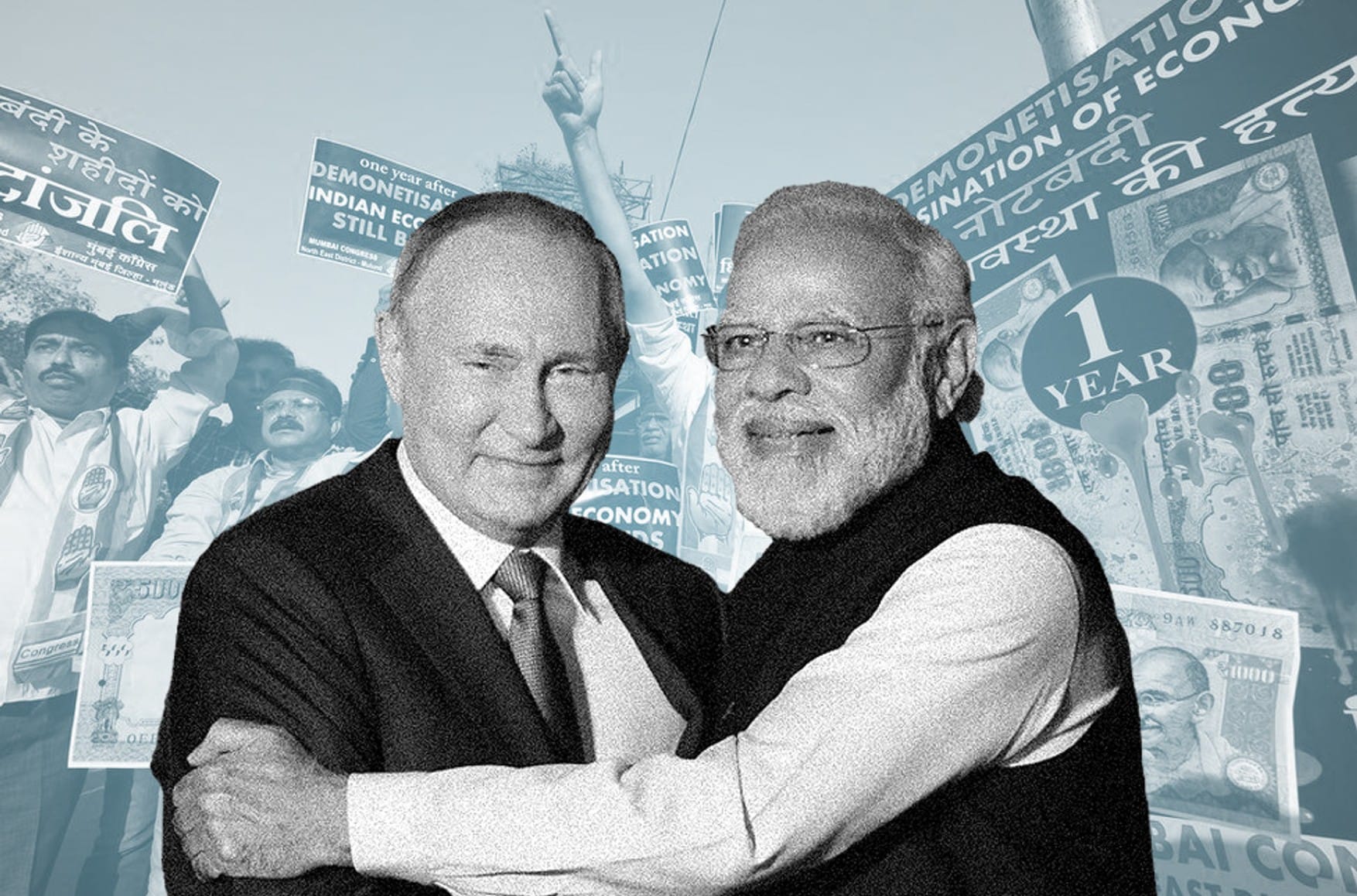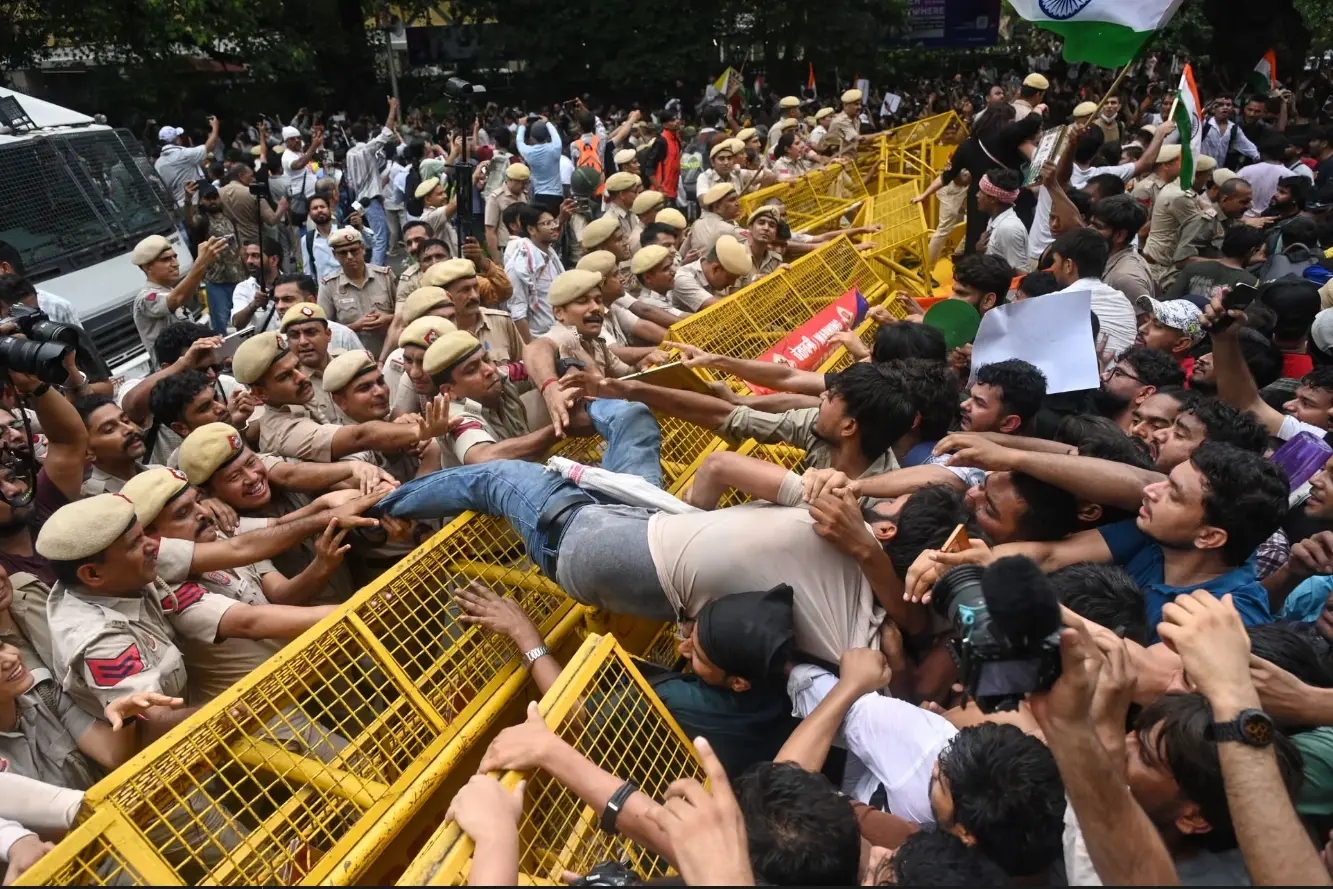
Authorities in Delhi have shut down the metro, cut off mobile internet, and detained hundreds of opposition members — including the leader of an opposition youth movement called the Cockroach Janta Party. Narendra Modi’s government is cracking down on a wave of protests inspired by his decision to strike 130 million voters from the rolls. The opposition and human rights activists claim that the ruling Hindus are disenfranchising mainly Muslims, and the government has used force to break up protests whose stated goal is the resignation of the head of the national election commission. It appears that, despite the years Modi spent “conditioning” Indian society, he has so far failed to turn the world’s largest secular democracy into a truly authoritarian nationalist state.
- 1.Authoritarianism with a democratic facade
- 2.Nationalism for the loyal, lawlessness for the rest
- 3.Modi-fication of the state
- 4.War on the opposition, journalists, and Muslims
- 5.Authoritarianism finds its limits
- 6.Total control in exchange for food
- 7.“New Indians” against freedom
- 8.The specifics of Indian autocracy
- 9.“Cockroaches” vs. the authorities
The Indian youth protest movement Cockroach Janta Party (CJP) has hit a sore spot in the cult carefully constructed around the figure of Prime Minister Narendra Modi. After pro-government media questioned the education of CJP leader Abhijeet Dipke, Dipke proposed that he and Modi release their diplomas at the same time. The hint is easy to read: the head of the government apparently has no authentic higher education documents, and such blows to Modi’s vanity obviously irritate the ruling elites.
The diploma scandal has not emerged out of nowhere: India, once “the planet’s largest democracy,” is gradually degenerating into an authoritarian regime with decorative elections. The government consistently subjugates the courts and the election commission, persecutes political opponents, and encourages a nationalist Hindu doctrine. Harassment of Muslims — in particular the demonstrative demolitions of the homes of those who stand up for the rights of religious minorities — has become the norm. The authorities follow the principle “for friends, everything; for enemies, the law,” with the regime catering to the interests of big business and politicians close to it. Meanwhile, police brutality reigns on the streets against those whom the regime has designated as its enemies.
India, once “the planet’s largest democracy,” is gradually degenerating into an authoritarian regime
For a long time, the status quo rested on two fundamental pillars: the conformism of the urban middle class and mass handouts to the poor through digital platforms. These measures helped the Modi regime mask deep social tensions.
However, there are checks and balances slowing India’s slide into a full-fledged autocracy: the ruling party’s loss of an absolute majority in the 2024 general election, the defiance of regional authorities in the Indian states, and economic problems, especially unemployment among educated youth. With social mobility jammed, the monopoly on fear has cracked — it is being displaced by caustic grassroots protest, symbolized by the Cockroach Party.
Authoritarianism with a democratic facade
Since the early 1950s, India has been considered the world’s largest democracy — hundreds of millions vote in general elections where turnout regularly exceeds 60%, election commissions reach even the most remote Himalayan villages with portable electronic voting terminals, and transfers of power historically take place without military coups. However, over the past few years, international research centers have revised their categorizations of the country’s political system.
Sweden’s Varieties of Democracy (V-Dem) Institute at the University of Gothenburg has moved India into the category of “electoral autocracy,” placing it 106th out of 179 countries. The U.S.-based NGO Freedom House has downgraded the country’s rating from “free” to “partly free,” with an overall score of 62 out of 100. The analytical unit at The Economist has shifted India down to its level of “flawed democracies.”
The country has not yet grazed the bottom of this particular ranking (“hybrid” or “authoritarian” regimes), but in 2022 India fell to last place in the global Environmental Performance Index (EPI) — a decline largely explained by the Indian government consistently dismantling independent environmental monitoring groups, persecuting environmental NGOs as “anti-national” structures, and blocking civil society’s participation in decisions on the construction of large industrial facilities.
This depreciation predictably irritated Delhi, with officials accusing Western analysts of bias and colonial thinking. Nevertheless, the researchers’ conclusions rest on a fundamental postulate of modern regime theory: competitive elections alone cannot protect a society from authoritarian degeneration.
Competitive elections alone cannot protect a society from authoritarian degeneration
The Indian model showcases an authoritarian transformation typical of the 21st century. Unlike stereotypical dictatorships of the past, India has not abolished the constitution, dissolved parliament, or declared a state of emergency. The multiparty facade remains intact, and the government relies on a real majority of votes in the legislature.
However, the electoral process unfolds simultaneously with an ongoing destruction of the system of checks and balances on executive power and the subordination of independent institutions to it, the neutralization of the courts’ independence, and the suppression of any organized resistance outside of the voting procedure.
Nationalism for the loyal, lawlessness for the rest
One of the key concepts describing the Indian political system is nationalist populism, which relies on carefully cultivated ressentiment, which the government successfully exploits to mobilize the cultural and historical grievances of the national majority. The dismantling of the institutional system of checks and balances is then presented to society not as a usurpation of powers but as a necessary defense of the people from corrupt elites and threatening minorities.
In Indian political practice, this model is implemented through the doctrine of Hindu nationalism, or Hindutva, which serves as the main tool for promoting majoritarian identity and the systemic marginalization of the Muslim minority (about 14.2% of the population). According to expert reports, the number of documented cases of incitement to hatred against religious minorities in India rose by 97% between 2023 and 2025.
Internationally, researchers find direct parallels between Indian nationalist mobilization and the building of an “illiberal democracy” in Viktor Orbán’s Hungary, where appeals to the nation’s historical traumas likewise became the main fuel for changing the constitutional order.
Indian nationalist mobilization under Modi is compared to Hungary’s exploitation of historical traumas under Orbán
Another important mechanism for retaining control is the effect of “increasing returns to scale,” characteristic of many modern electoral autocracies in Latin America and Asia. Essentially, a political force that has gained an initial electoral advantage uses the status of incumbent to radically and irreversibly change the playing field in its favor.
In today’s India, loyalist security forces work to eliminate the opposition’s sources of financing. While no one cancels regular elections on paper, rivals of the authorities have their campaign money taken away on false pretexts.
Along the way, critics are methodically squeezed out of the media, culture, and universities, leaving the state as the sole contender in the battle for minds. Regular campaigns to find and persecute so-called “anti-national elements” in Indian universities, as well as the establishment of control over the editorial policy of leading television holdings, largely repeat the typical authoritarian moves that were used to build the one-party systems of the 20th century.
India’s authoritarian transit has birthed the model of a “dual state,” one in which the legal system is split into two distinct circuits. The regulatory circuit — for big business and the loyal majority — has clear rules of the game, civil courts, and a stable investment climate. For the opposition, activists, and the independent press, however, a zone of selective arbitrary use of force is created, where the norms of law give way to political expediency under the pretext of protecting national security. This resembles the Jim Crow regime in the U.S. South, where until the 1960s court verdicts depended largely on the racial identity of victims and defendants.
Modi-fication of the state
The central figure and chief architect of this political transformation is Prime Minister Narendra Modi, whose approach to governance has changed the mechanics of Indian power. His policy is built on deeply personalized state institutions and the creation of a direct emotional bond with the electorate.
Publicly, Modi cultivates the image of a man of humble origins who started out selling tea at a railway station, devoted himself to serving the nation, and firmly opposes the out-of-touch dynastic elites of the past. This image allows him to retain voters’ trust even during economic downturns. Modi’s governing style is marked by strict centralization: key decisions are made by the prime minister’s office, while the role of the government and parliament is merely to formally approve ready-made initiatives.
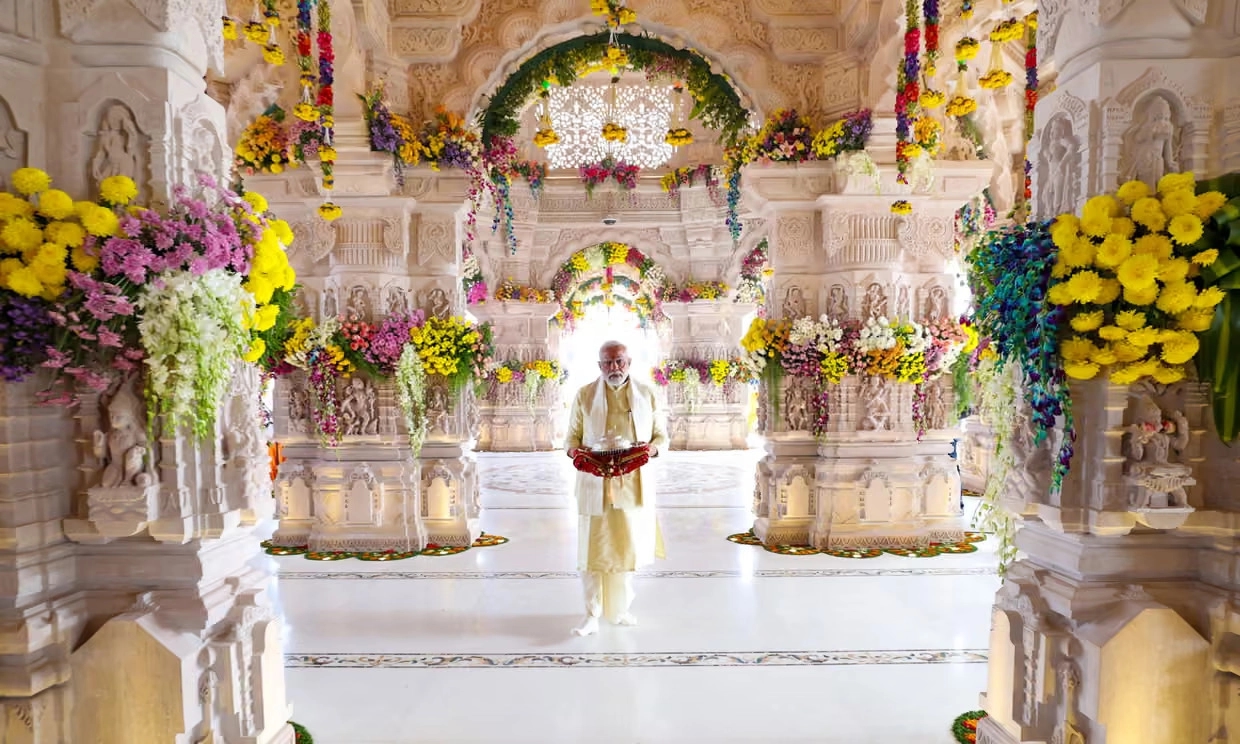
Modi prefers to communicate with citizens directly, avoiding open press conferences where journalists could challenge him with uncomfortable questions. His regular radio addresses, social media presence (utilizing armies of bots), and carefully orchestrated mass rallies create the illusion of Modi’s personal presence in the country’s everyday life. Every significant achievement, be it a successful space mission, the development of a vaccine, or a social assistance program, is branded with Modi’s name and portrait. Such an approach makes the state bureaucracy part of the leader’s personal political brand, and loyalty to the state begins to be equated with loyalty to the prime minister personally.
Whereas the former Indian establishment built a secular republic based on the state’s neutrality toward religions, the fundamental task of Modi’s team is to reassemble the country as a Hindu civilizational state. In this concept, India must not merely become an economic superpower but also take the place of a universal spiritual mentor for the whole world. In school textbooks, Hindu civilization is presented not only as the most ancient in the world but also one that once possessed unique technological achievements.
Claims that in the Vedic period aviation, plastic surgery, and genetic manipulation somehow existed became the foundation for Modi supporters’ assertions of India’s civilizational superiority and a way to overcome the inferiority complex tied to the colonial past. Pro-government scholars have openly begun to claim that Isaac Newton and Albert Einstein were wrong and that gravitational waves should be renamed “Narendra Modi waves.”
The use of Sanskrit and ancient philosophy in international discourse and the promotion of yoga and Ayurveda as “India’s contribution to global development” serve as soft-power tools meant to secure for India the status of a “civilizational state.” The ultimate goal of this process is to establish Hindu nationalism as the only legitimate basis of statehood, finally pushing secular pluralism to the margins of political life.
War on the opposition, journalists, and Muslims
Political scientists describe what is happening in India as “autocratization through legality,” a process well illustrated by the familiar principle “for friends, everything; for enemies, the law.” The ruling Bharatiya Janata Party has mastered the use of the apparatus of state coercion to formally follow procedural norms while making political competition unequal from the start.
The main lever of pressure on the opposition is specialized investigative and fiscal bodies — first of all, financial crime departments. Over the past ten years, the vast majority of cases brought by these agencies against politicians have involved members of the opposition camp.
The vast majority of criminal cases against politicians under Modi are cases against the opposition
In the run-up to the recent election, even sitting leaders of opposition states ended up under arrest, and the country’s oldest political force, the Indian National Congress (INC), lost access to its bank resources, which paralyzed its election campaign. At the same time, criminal prosecutions against politicians who are willing to switch to the ruling coalition’s side are often suspended.
Anti-corruption investigations are launched against opposition leaders and prominent regional administrators, their party and personal accounts are frozen, and the leaders themselves are held in prison for months without a verdict. This is made possible by the specifics of anti-money-laundering legislation, which places the burden of proving innocence on the accused and practically rules out release on bail at the investigation stage.
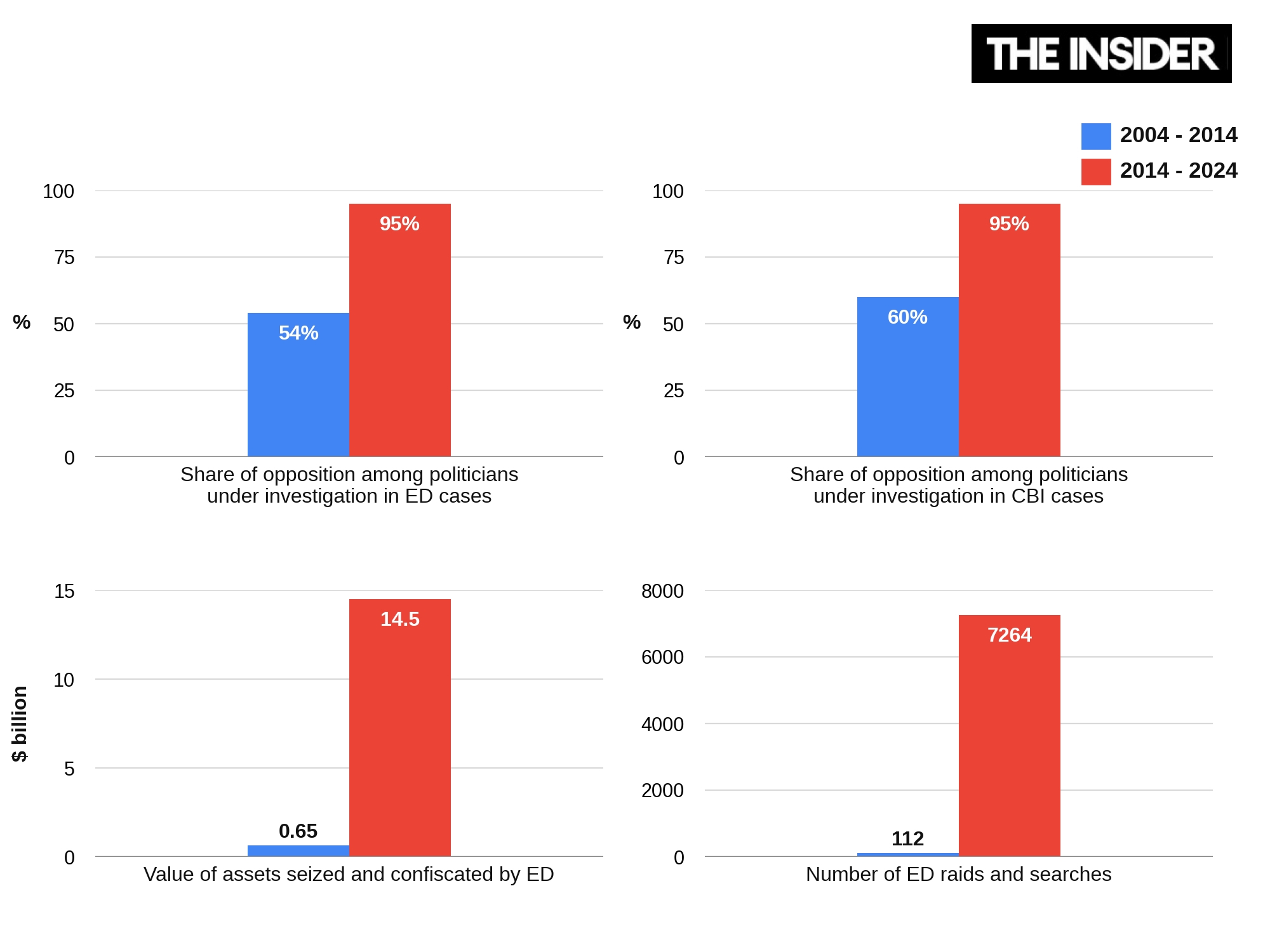
Statistics on criminal cases against political opponents under Modi bear out what human rights activists say. The Enforcement Directorate (ED), India’s main financial investigation agency, has been especially active. Before Modi was elected prime minister in 2014, the ED carried out 112 politically motivated searches; under his rule, the number of raids reached 2,974, and the total number of registered cases exceeded 5,400.
The total value of assets seized from opposition members and public figures grew from 53.46 billion to 1.16 trillion rupees (roughly $14 billion). From 2004 to 2014, 14 out of 26 politicians under investigation were prominent opposition figures (54%). After Modi’s election, this figure rose to 95% — of the 121 major politicians who came under ED investigation, 115 already belonged to opposition parties.
Human rights organizations document the degradation of the country’s election oversight institution. India’s Election Commission, once an independent arbiter, has gradually lost its autonomy after the government changed the procedure for appointing its members. Now this “Putin-style” oversight body regularly shows a selective approach during campaigns, ignoring the use of hate speech and religious polarization by the ruling party but harshly cracking down on violations by the opposition.
The information space has suffered comparable erosion. The largest TV channels and newspaper holdings have come under the control of business conglomerates closely tied to the government. These media do not merely broadcast the authorities’ position but also deliberately stigmatize critics of the regime, activists, and human rights defenders, declaring them a threat to national security. The authorities use tax audits, searches, and harsh antiterrorism legislation against independent digital platforms and investigative journalists. India has also become the global leader in the number of localized internet shutdowns.
The largest Indian media holdings have come under the authorities’ control and harass critics of the regime
In parallel, Modi’s authoritarian regime has paralyzed the work of the nonprofit sector. By tightening the requirements of the foreign funding law, the authorities cut off access to grants for thousands of nongovernmental organizations. Leading think tanks, along with environmental and human rights groups, came under pressure, lost their licenses to receive foreign aid, and were forced to wind down operations or abandon a critical agenda for the sake of physical survival.
As part of this new ideological course, Indian Muslims have begun to be systemically marginalized. Amendments to the Citizenship Act have made religious affiliation an official criterion, and laws against interfaith marriages are being passed at the state level.
A commonplace practice that has become part of everyday life is so-called “bulldozer justice.” Under the pretext of fighting illegal construction, municipal authorities who enjoy police backing demolish the homes and shops of people suspected of antigovernment crimes or participation in street protests. This practice of collective punishment is applied selectively and hits mainly Muslim communities and other vulnerable groups, turning the threat of instant loss of property into an effective instrument of intimidation.
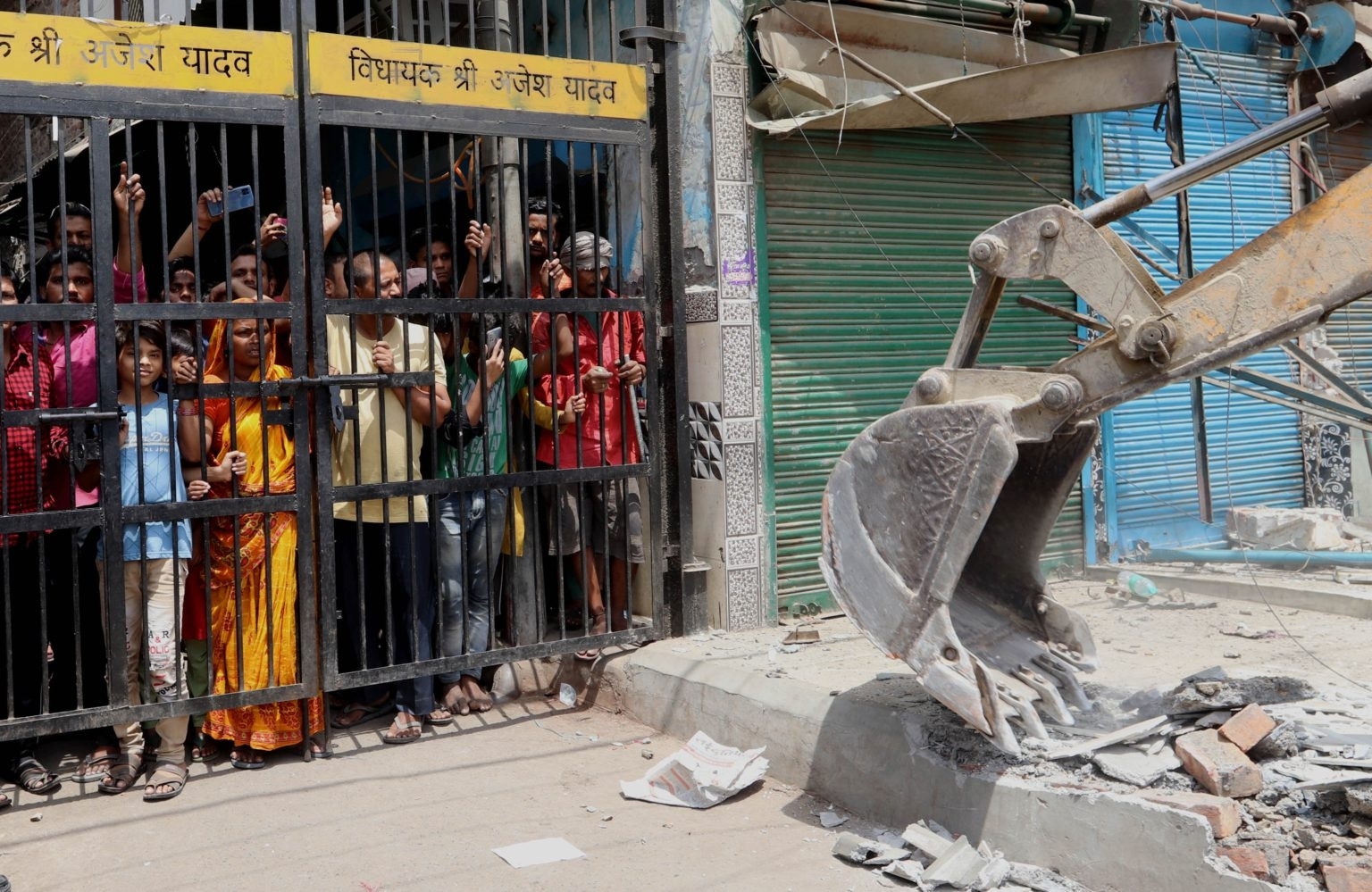
Researchers note that violence by radical groups often goes without due attention from law enforcement. Extremists carry out extrajudicial reprisals against Muslims involved in the meat trade or cattle transport, but instead of investigating attacks, police often open criminal cases against surviving victims or their relatives on charges of cow slaughter, destroying the secular foundation of the state.
The judiciary shows noticeable indecision in standing up to the executive. The Supreme Court periodically issues rulings in defense of basic rights, but on the most politically sensitive questions judges dodge adjudication, putting off consideration of key constitutional suits for years and thereby allowing the government to accustom the country to political arbitrariness.
Authoritarianism finds its limits
In the context of the global confrontation with China, most Western capitals view New Delhi as an indispensable partner in Asia — an important market and a manufacturing alternative. To preserve the strategic alliance, international diplomacy (with rare exceptions) prefers to overlook the dismantling of legal institutions in India, instead sticking with the familiar rhetoric of shared democratic values.
Nevertheless, Indian society shows the limitations of this political model. The results of the 2024 parliamentary election demonstrated that autocratization is not total: voters dissatisfied with economic inequality and unemployment deprived the ruling party of an absolute majority, proving that social problems can still counterbalance the effects of state propaganda and erode universal consolidation around Modi’s nationalist ideology.
The loss of an absolute majority turned Narendra Modi’s one-man rule into a classic coalition government, with all of the compromises that entails. Open anti-Muslim polarization has eased because of the ruling party’s dependence on moderate secular allies in the regions, whose success in local elections, in turn, depends on religious minorities.
The adoption of the most radical ideological laws — including the national Uniform Civil Code, which would restrict the religious freedoms of Muslim and Christian communities — has also been put on hold. Also postponed are controversial labor market reforms that shifted the balance of power in favor of employers by dismantling basic social guarantees for workers.
Although Modi has retained control over the security apparatus and media, the strengthened opposition is trying to revive real debate in parliament and prevent the government from pushing through laws without public consultations.
Total control in exchange for food
The presence of the state in the everyday life of ordinary Indians has expanded greatly during Narendra Modi’s twelve years in power. The most noticeable change for the average voter has been the creation of a digital distribution pipeline for social benefits.
In the past, the provision of assistance depended on convoluted local bureaucracy, influential village elders, or local self-government bodies — panchayats — which inevitably generated corruption and patronage at the local level. However, the introduction of the national biometric Aadhaar system and a direct cash transfer mechanism allowed the federal center to send subsidies directly: for buying cooking gas, laying water pipelines, and building toilets (under the Clean India program).
This technological breakthrough earned the government a colossal new base of supporters — the so-called “labharthis,” or direct recipients of benefits from the federal budget. For millions of voters, this tangible increase in the efficiency of the state apparatus, together with the mass construction of roads, appears to be an acceptable price to pay for giving up abstract democratic freedoms.
For millions of poor voters, federal budget aid and new roads proved more important than democratic freedoms
At the same time, social assistance is presented not as the realization of a citizen’s constitutional rights, but as a personal gift from the head of government. Photos of Modi on sacks of free food, on vaccination certificates, and on billboards create a sense among the population of the leader’s continuous personal involvement in the struggle to solve their everyday problems.
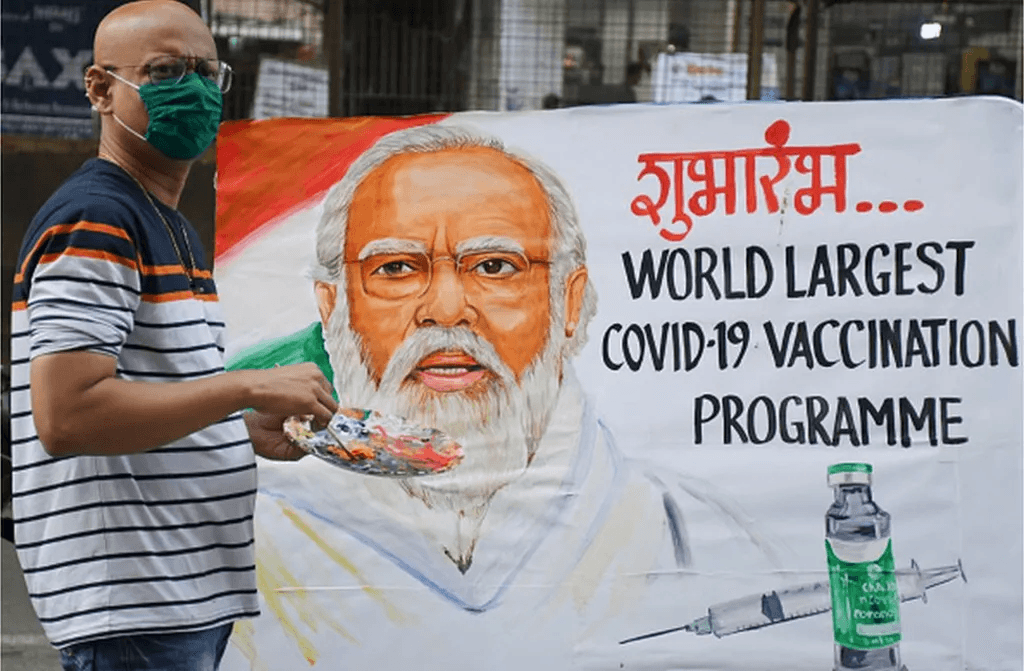
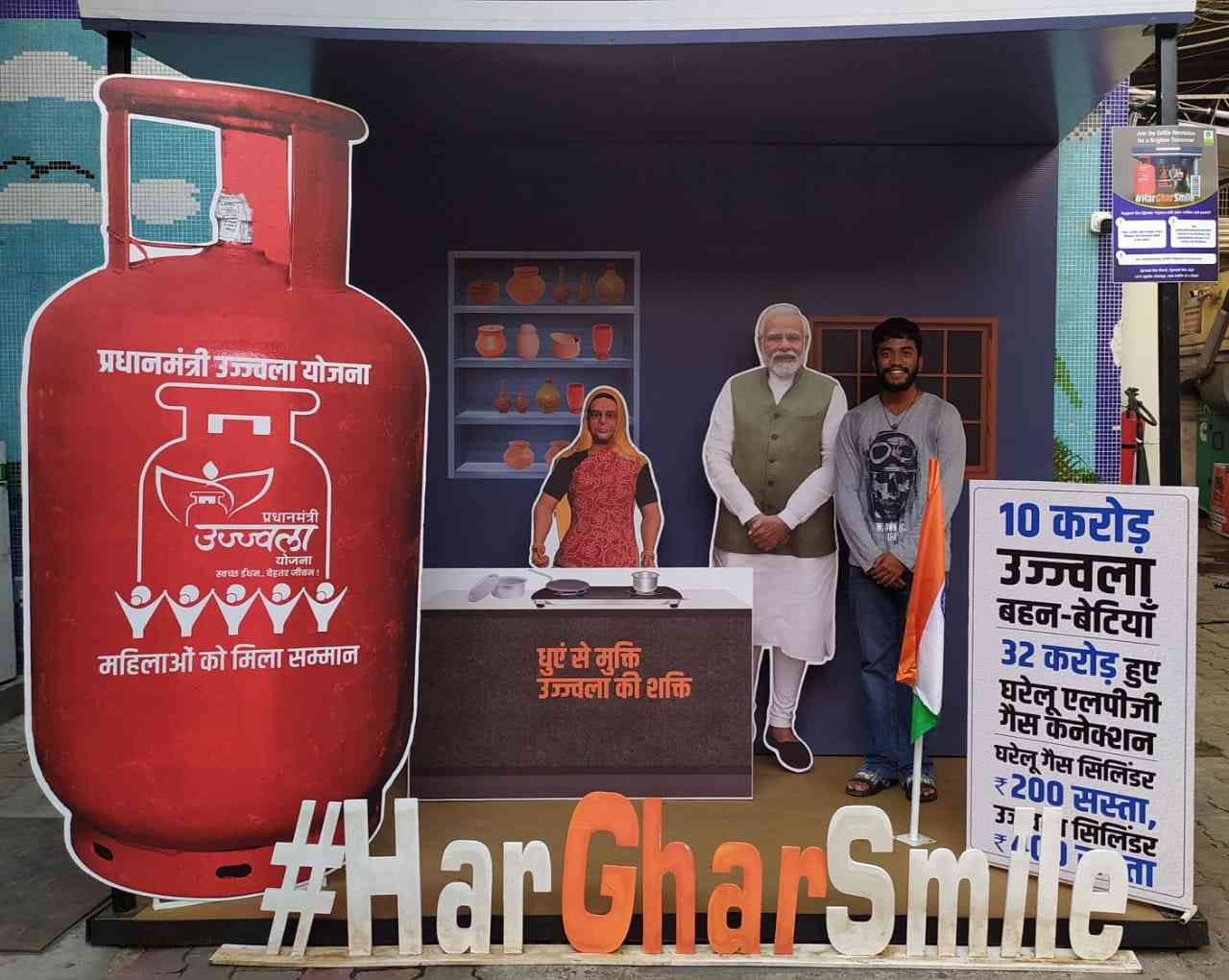
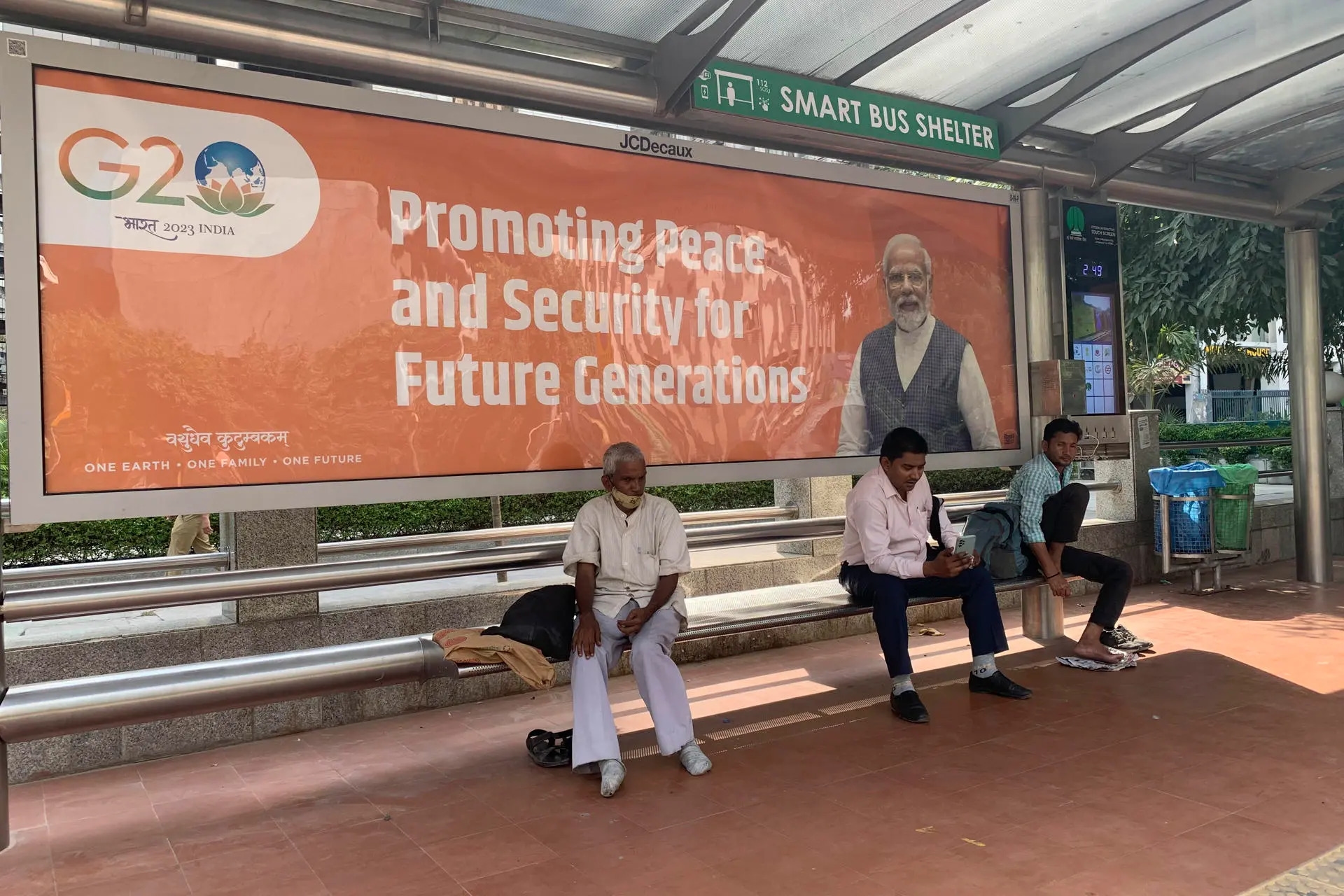
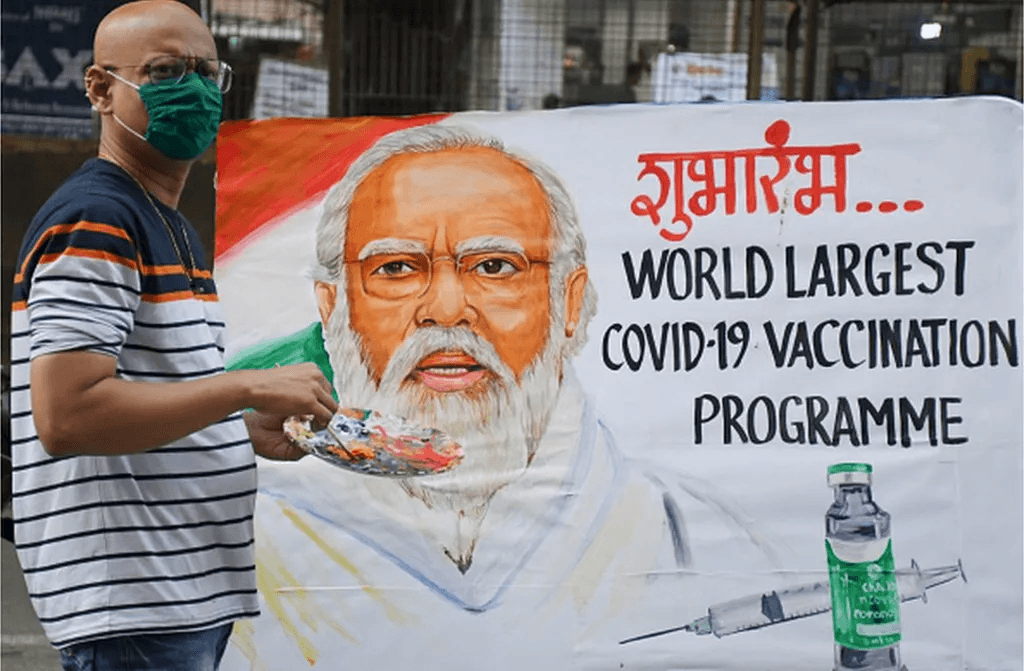
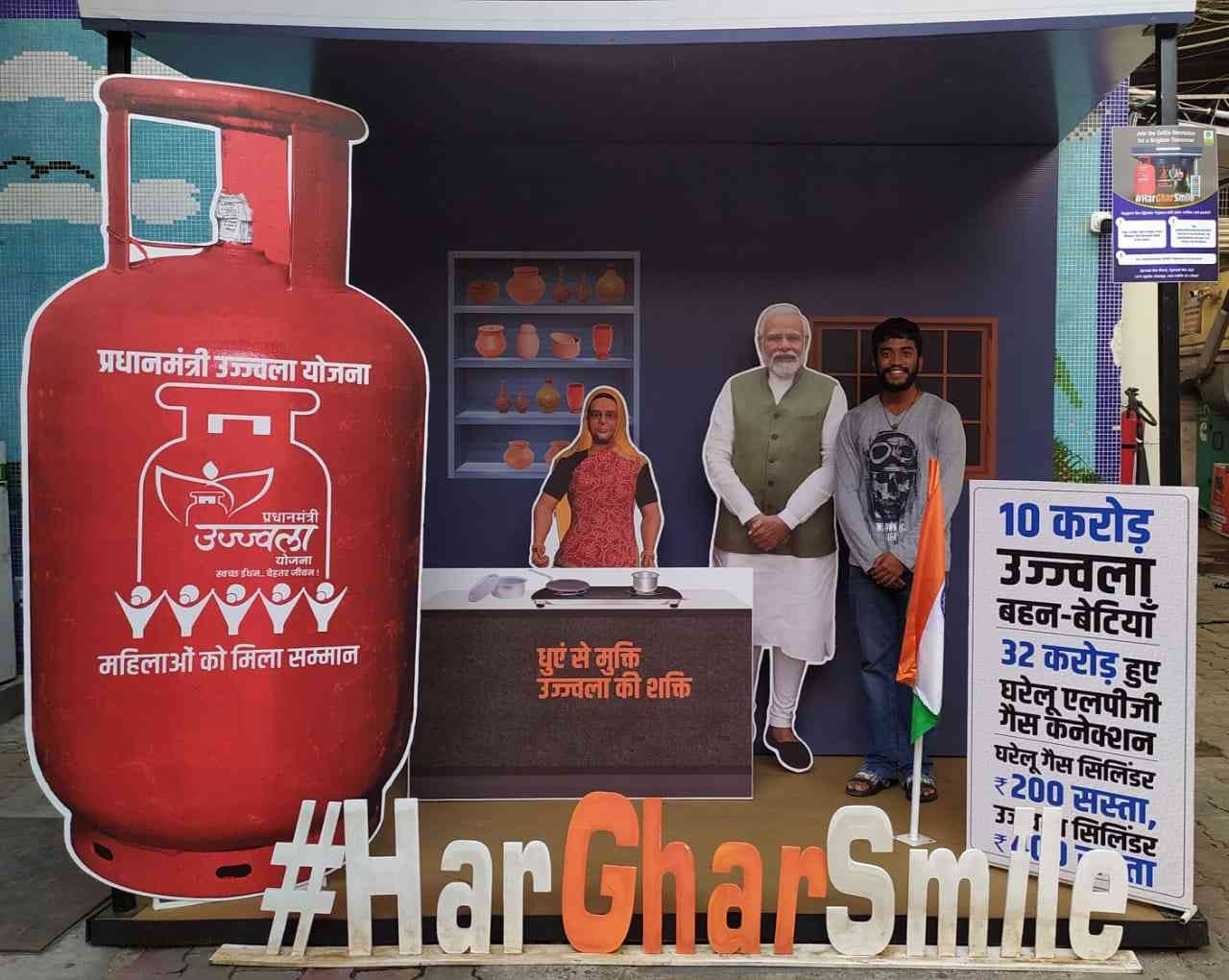
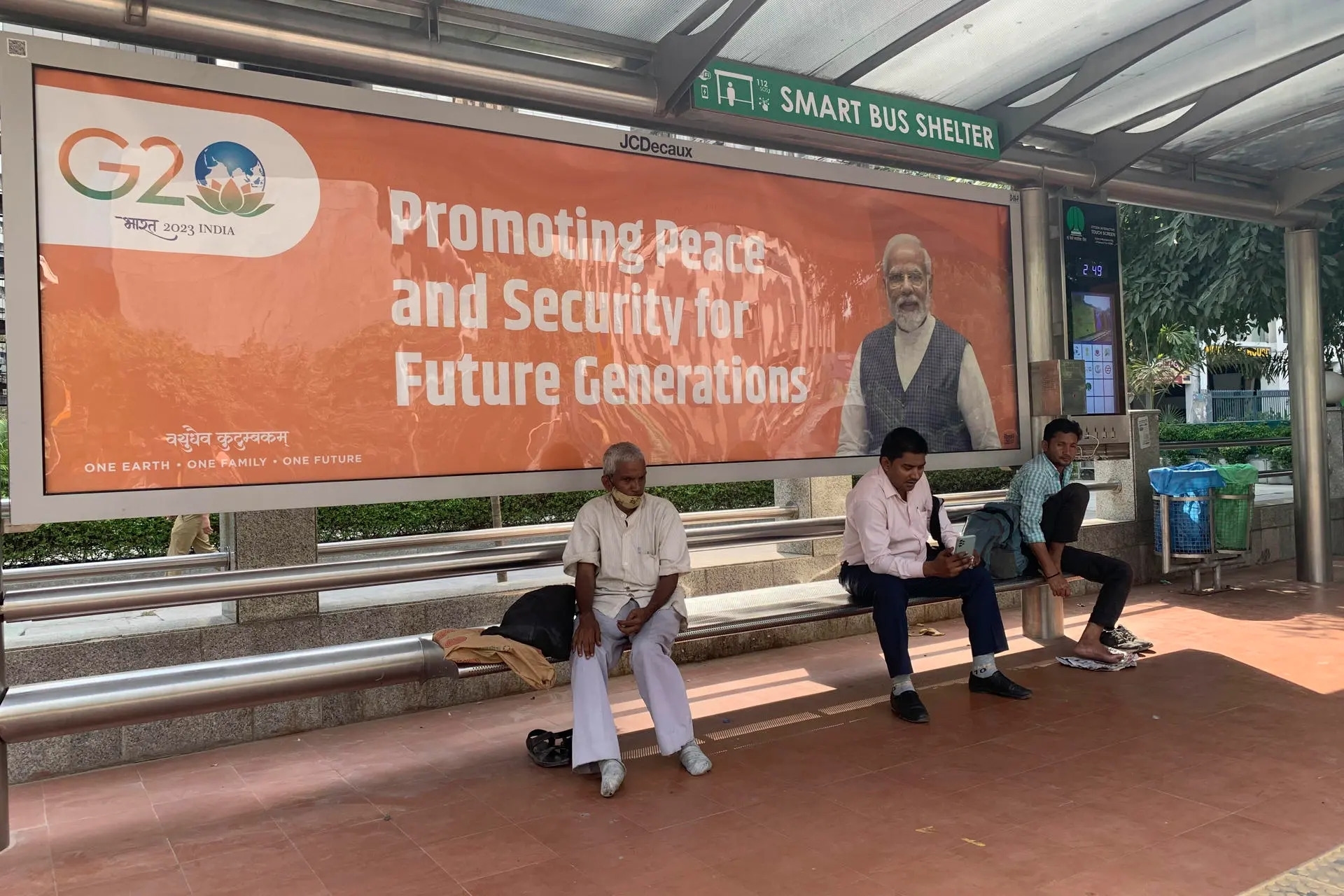
Nevertheless, this total digitization has turned into a new form of administrative coercion for the poorest segments of the population. To receive help from the state, one must regularly undergo biometric identification. Yet the system often experiences glitches — fingerprint scanners break, the internet in remote villages is unstable, and linking personal Aadhaar numbers is prone to errors. These glitches result in the automatic freezing of bank accounts, delays in pension payments, and the exclusion of entire families from lists of those receiving vital foods.
International media outlets investigated the case of Santoshi Kumari, an 11-year-old girl from Jharkhand who died of hunger after her family’s ration was cut off because it was not linked to Aadhaar properly. “There are tens of thousands of such cases in the country. In at least 10-15 states, people have died of starvation,” says Colin Gonsalves, a lawyer representing the victims. Rigid and inhumane digital bureaucracy has turned technological progress into a tool of marginalization against those who were unable to seamlessly integrate into the new digital reality.
In parallel with the digitization of social welfare, the state has begun to demonstrate unprecedentedly harsh methods of maintaining order and suppressing dissent on the ground. The streets of Indian cities are rapidly being covered by networks of video cameras equipped with facial recognition systems, and security forces are ever more actively monitoring social media and geolocation to identify critics of the authorities.
In everyday life, ordinary Indians are forced to deal not only with official representatives of the law but also with grassroots religious-nationalist groups that operate with the obvious connivance — and sometimes the direct support — of the state. Organizations such as radical cow protectors or the nationalists’ youth wing Bajrang Dal have taken on the functions of an informal morality police, coming down on Christian and Muslim communities and their way of life.
Nationalists and cow protectors enjoying state support have taken on the role of morality police, interfering in the private lives of Christians and Muslims
They conduct inspections of freight transport on highways, interfere in citizens’ private lives, obstruct interfaith marriages, and monitor compliance with religious norms in daily life. In some regions, the official police are effectively merging with such activists, who are granted the status of law enforcement volunteers.
Activists track interfaith marriage applications at state registry offices (where lists of couples to be married are traditionally posted publicly), carry out raids on newlyweds’ homes, and demand the opening of criminal cases against Muslims. On Valentine’s Day, militants police the dress code and intimidate women who wear clothing “unbecoming to Indian culture.” In parks, cafés, and shopping malls, they hunt down young couples, demanding proof of kinship or forcing them to marry on the spot.
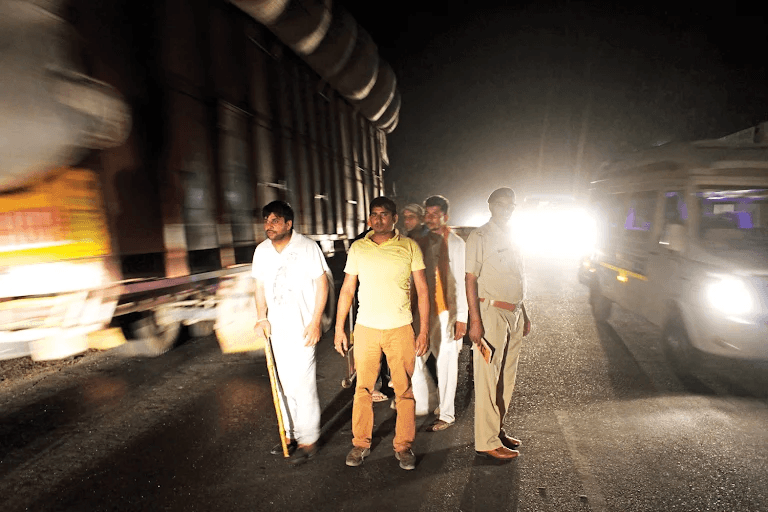
All of this creates an atmosphere of total ideological control in which citizens feel continuously watched — even if there is not a single uniformed police officer nearby.
Local bureaucracy, which was historically oriented toward cooperating with regional politicians and elected councils, has also been placed under strict federal control. The government in New Delhi has built a system to monitor district magistrates and heads of regional agencies through regular video conferences and mandatory targets for nationwide campaigns.
As a result, local officials increasingly orient themselves to directives from above, ignoring the needs of local residents and the decisions of municipal democratic institutions. The state apparatus is becoming a monolithic and pliable instrument in the hands of the central authorities.
“New Indians” against freedom
A directive from above alone cannot accomplish an authoritarian turn; instead, it requires the silent consent and day-to-day conformism from thousands of rank-and-file functionaries — a tax inspector who initiates an audit of an opposition publication or a judge who postpones for years the consideration of a sensitive constitutional suit, even if they do not personally support the regime’s increasingly hardline ideology. Most often they are guided by routine pragmatism, understanding that in the new reality their career prospects are in direct dependence on their ability to read unspoken political signals.
A key role in legitimizing this order belongs to India’s growing urban middle class. For the Indian petit bourgeois, new overpasses and a rising stock market are quite sufficient compensation for the arrests of human rights activists.
For the Indian petit bourgeois, new overpasses and a rising stock market are quite sufficient compensation for the arrests of human rights activists
The readiness of Indian society for an authoritarian-nationalist transit is confirmed by specific sociological surveys that record the erosion of the country’s longstanding democratic consensus. According to a Pew Research Center study, India now shows one of the highest levels of support for autocracy in the world.
Overall, 85% of Indian respondents agreed that rule by a strong leader or the military is an example of good governance. At the same time, 82% of those surveyed supported the idea of handing power to unelected technocratic experts. The share of those who consider representative democracy the best form of government, meanwhile, fell from 44% in 2017 to 36% in 2024.
In parallel, a study by the Centre for the Study of Developing Societies (Lokniti-CSDS) recorded a drop in the authority of the Election Commission of India. In 2019, 51% of voters expressed high trust in the commission, but by 2024 that figure had collapsed to 28%. At the same time, 21.7% of respondents said the commission works “completely” under pressure from the central government, and 44.7% expressed fear that under the pretext of audits real voters would be excluded from the rolls.
In key regions, the level of trust in the Election Commission fell even further: from 56% to 31% in Uttar Pradesh, and from 68% to 41% in West Bengal. These statistics clearly show the mechanics of autocratization: the state systematically dismantles institutions, relying on a significant part of the electorate to consciously reject the values of liberal democracy in favor of effective dictatorship.
The specifics of Indian autocracy
Despite common basic features — ressentiment, witch hunts, harsh control over the media, talk of a unique civilization, digital hypercontrol — the Indian blend of autocracy differs fundamentally from its Chinese or Russian counterparts.
China is a closed one-party system without even a semblance of elections or a legal opposition. India, meanwhile, retains real multiparty competition, its citizens freely take part in voting, and opposition parties have the opportunity to campaign openly and win (even if the odds are being increasingly stacked against them).
Comparison with Russia also reveals key differences: whereas in Russia elections lack competitive intrigue, in India the electoral process at least remains unpredictable. The enormous logistical scale of Indian elections and their administration by independent technical entities make total falsification of results from a single center practically impossible.
Closer analogues of the Indian regime are the competitive authoritarian systems of Erdoğan in Turkey and the recently ousted Orbán in Hungary. All three cases are characterized by a concentration of power in the hands of a national leader, pressure on independent media, and active use of religious and civilizational rhetoric to legitimize their rule.
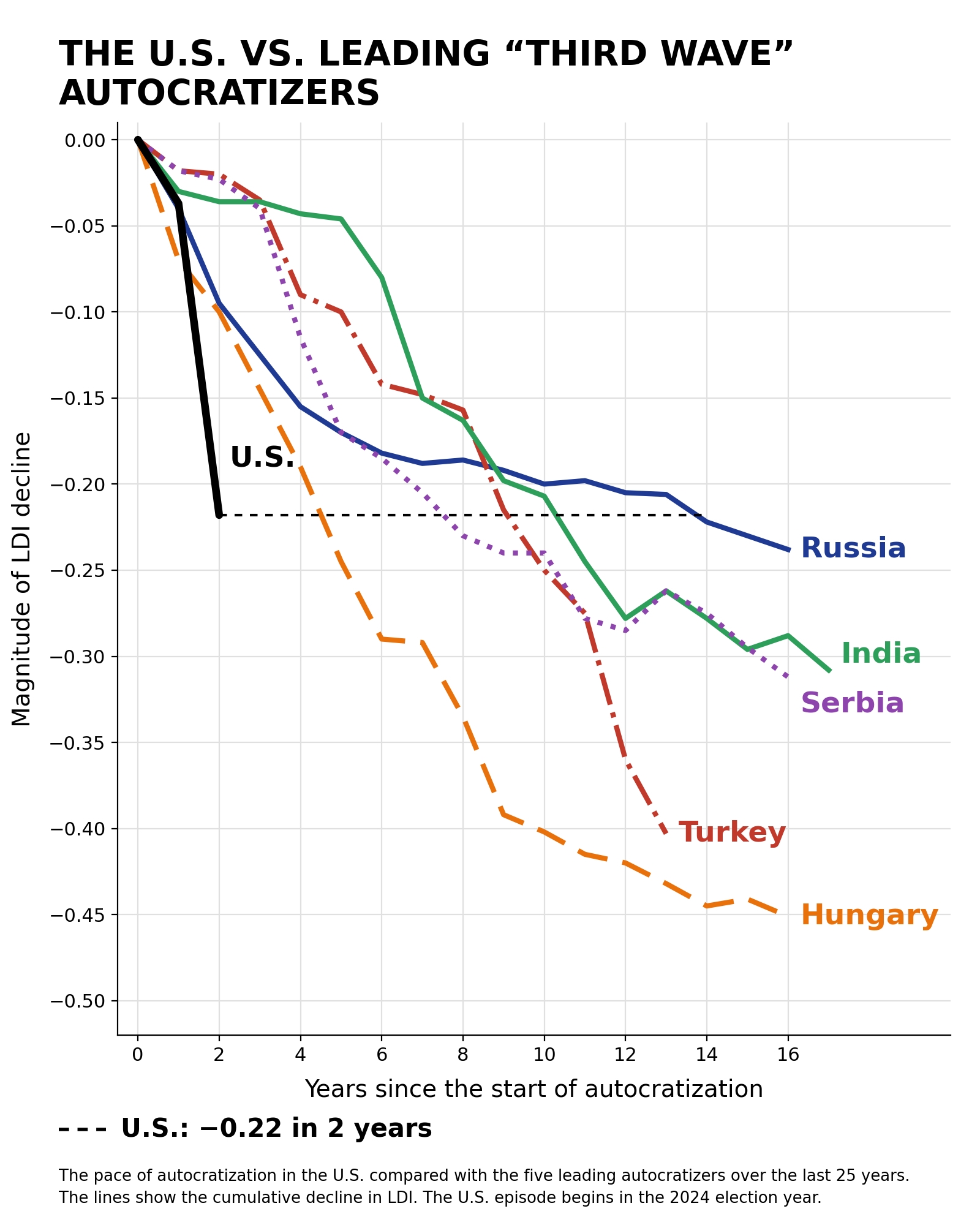
However, the Indian model has three fundamental differences from the other two cases. First, India is a gigantic federation whose key states are governed by strong regional parties with their own financial and electoral base, which prevents the establishment of a rigid power vertical on the Turkish model.
In Turkey, after suffering sporadic defeats in the 2024 municipal elections, Erdoğan moved to direct administrative suppression of the opposition Republican People’s Party (CHP), arresting popular mayors and replacing them with government appointees.
In India, such a scenario would be extremely hard to execute nationwide. The states of West Bengal, Tamil Nadu, and Kerala are an insurmountable barrier to the expansion of Modi’s nationalist ideology, preserving alternative centers of power.
Second, the ruling BJP relies on the Rashtriya Swayamsevak Sangh, a mass movement with a century-long history, united by a common ideology and deeply rooted in the nation’s everyday life. Unlike the Hungarian system of political loyalty built on the distribution of state money and privileges, this network can operate even without such support.
Third, Modi’s government has built a system of direct digital patronage, forming a multimillion-strong class of social benefit recipients who perceive assistance as the leader’s personal care.
The limits of Indian authoritarianism clearly showed in the general parliamentary elections of 2024. Despite administrative pressure and unequal financial conditions, voters deprived Modi’s party of an absolute one-party majority, forcing it to form a coalition government with regional forces.
This development confirmed the researchers’ conclusions that Indian society retains a deeply rooted “democratic spirit,” and the country’s electoral institutions remain a functioning channel of civic oversight.
“Cockroaches” vs. the authorities
In the face of the system for suppressing the opposition built by the Indian state, the main threat to Narendra Modi’s regime paradoxically turned out to be not a classic political party but an absurdist youth movement. In the spring of 2026, the country’s political landscape was blown up by the so-called Cockroach Party (Cockroach Janta Party, or CJP).
In a matter of weeks, the movement transformed from an internet meme into a real force capable of bringing hundreds of thousands of people into the streets — and of using their leverage to secure resignations in the federal government. Its phenomenon exposed the fragility of authoritarian populism when confronted by grassroots self-irony and the consolidated anger of a young generation deprived of social mobility.
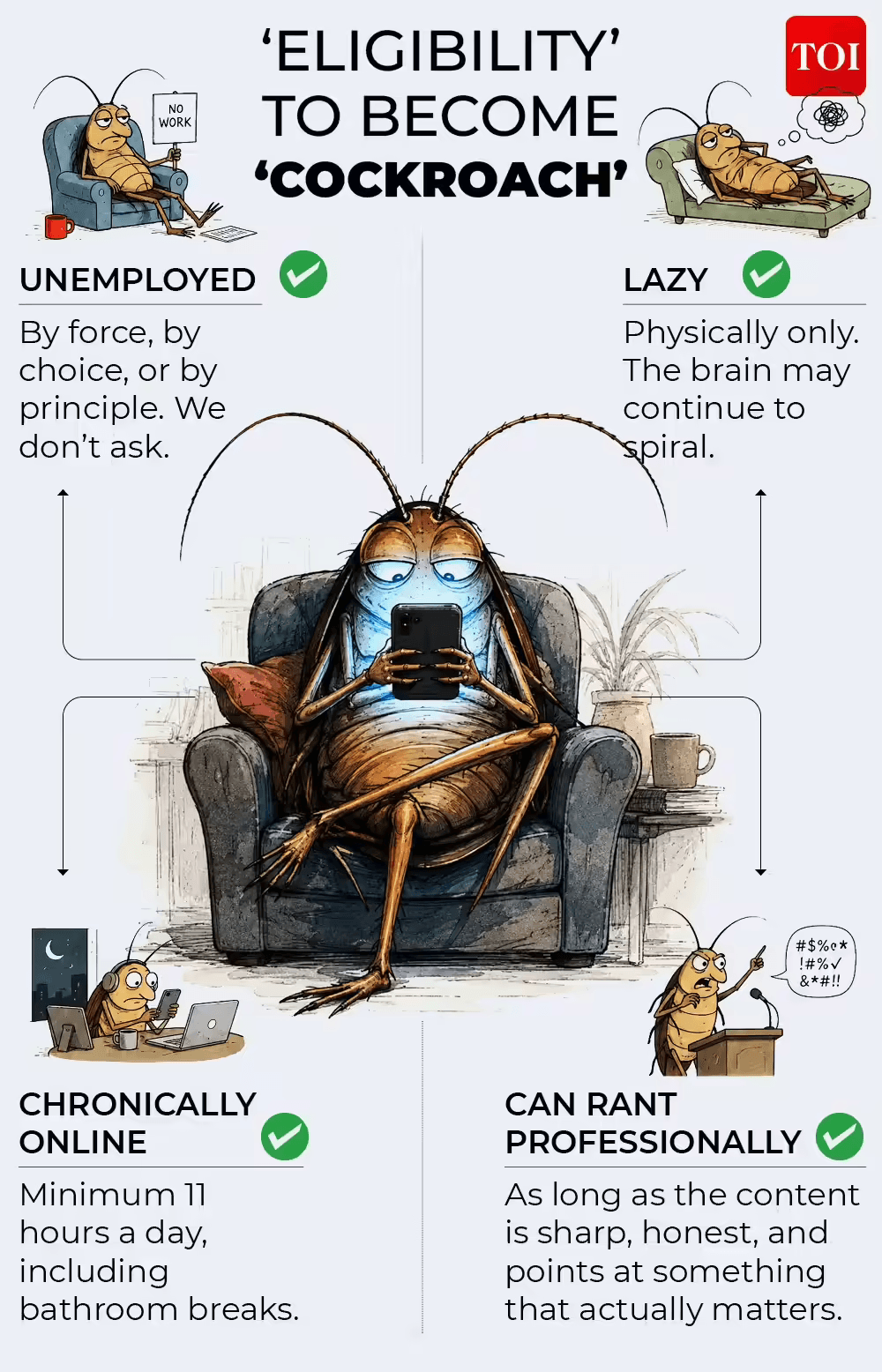

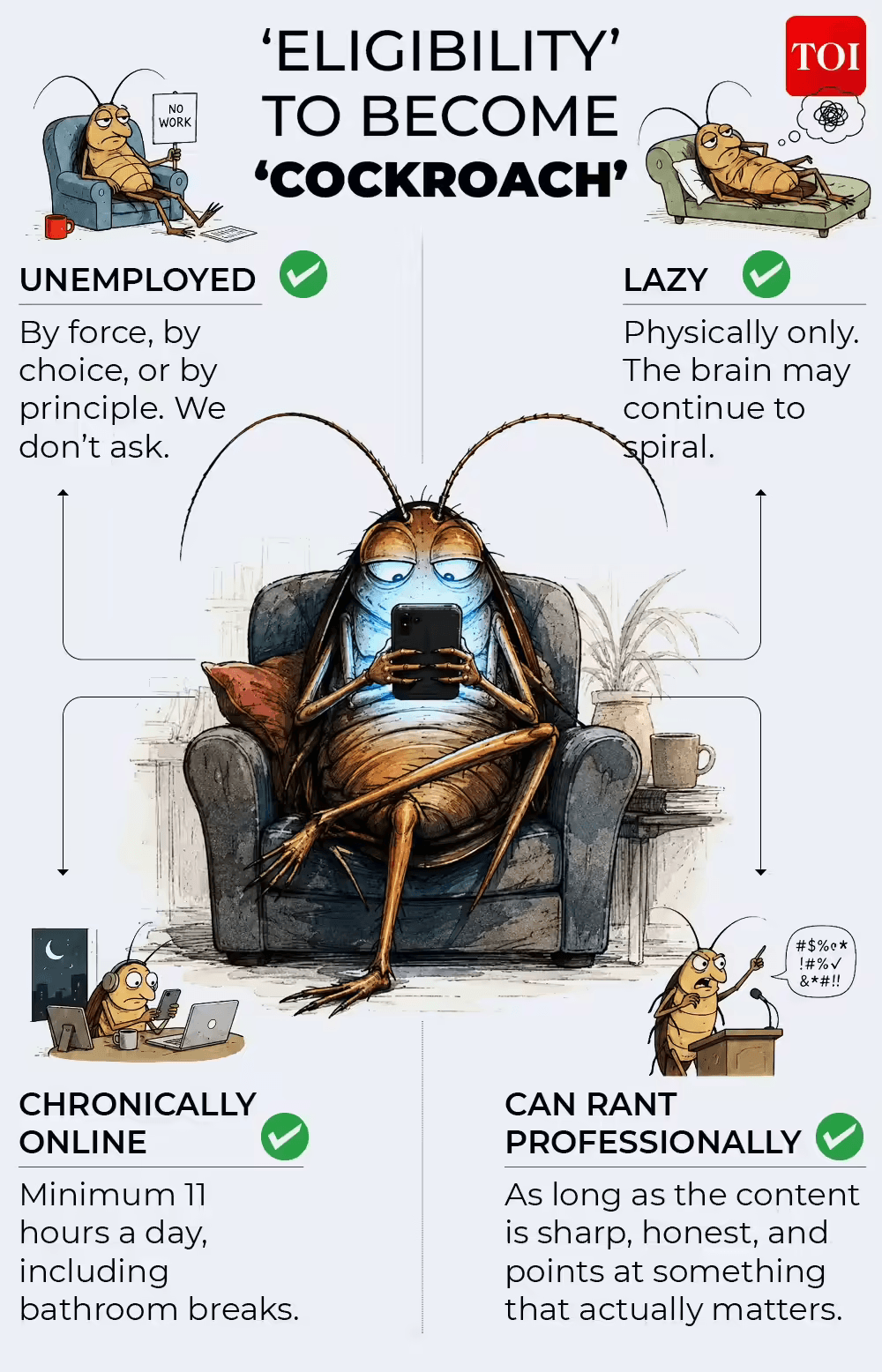

The movement’s emergence was catalyzed by a gaffe by Chief Justice of India Surya Kant. In mid-May 2026, during one of the hearings, he spoke disparagingly of unemployed young people who go into activism, social media, and journalism, comparing such young people to cockroaches and social parasites.
Although the judge soon tried to disavow his statement, citing the fact that he had meant only people with fake degrees, his words hit the very nerve of Indian society. Against a backdrop of record youth unemployment and a sense of total hopelessness, these words were perceived as the quintessence of the ruling elite’s attitude toward its own citizens.
The response was a lightning-fast initiative by 30-year-old political strategist and activist Abhijeet Dipke. The next day, May 16, he announced the creation of a new political force whose very name, Cockroach Janta Party, was a direct mockery of the ruling Bharatiya Janata Party.
The Cockroach Party’s manifesto was written in a pointedly mocking vein. The movement declared itself to be the voice of the “lazy and unemployed,” stating that if you have no job and plenty of free time, you automatically qualify as a “cockroach” and can join the party. This post-ironic approach had an effect. Instead of justifying themselves to the authorities or trying to play by the rules of traditional politics, young people appropriated the insulting label, making the cockroach a symbol of resilience and survival in a toxic environment.
The growth dynamic was impressive: in less than a week, the party’s Instagram page gained almost 18 million followers — twice the audience of the official account of Prime Minister Modi’s party, which took years and giant budgets to build.
The success of CJP is explained by the fact that the movement filled a gap that had gone unfilled by the traditional Indian media, which are under the tight control of loyalist big businesses. However, the Cockroach Party completely ignored television format, moving the battlefield into the digital space, where social media algorithms and viral memes proved stronger than government censorship.
Every day, thousands of videos and satirical posts poured onto the web — ridiculing corruption and officials’ incompetence, along with the pompous rhetoric of Hindu nationalism. Government propagandists proved powerless against teenagers and students who openly laughed at themselves and at the absurdity of what was happening.
Government propagandists proved powerless against teenagers and students who openly laugh at themselves and at the absurdity of what is happening
What began as online satire soon transformed into a powerful factor in street politics, testing the limits of the regime’s administrative control. In June 2026, India was rocked by a major scandal over mass leaks of question papers for the nationwide NEET-UG exam, which regulated admission to medical schools. More than 2 million students were forced to retake the tests, which became the last straw for many young people.
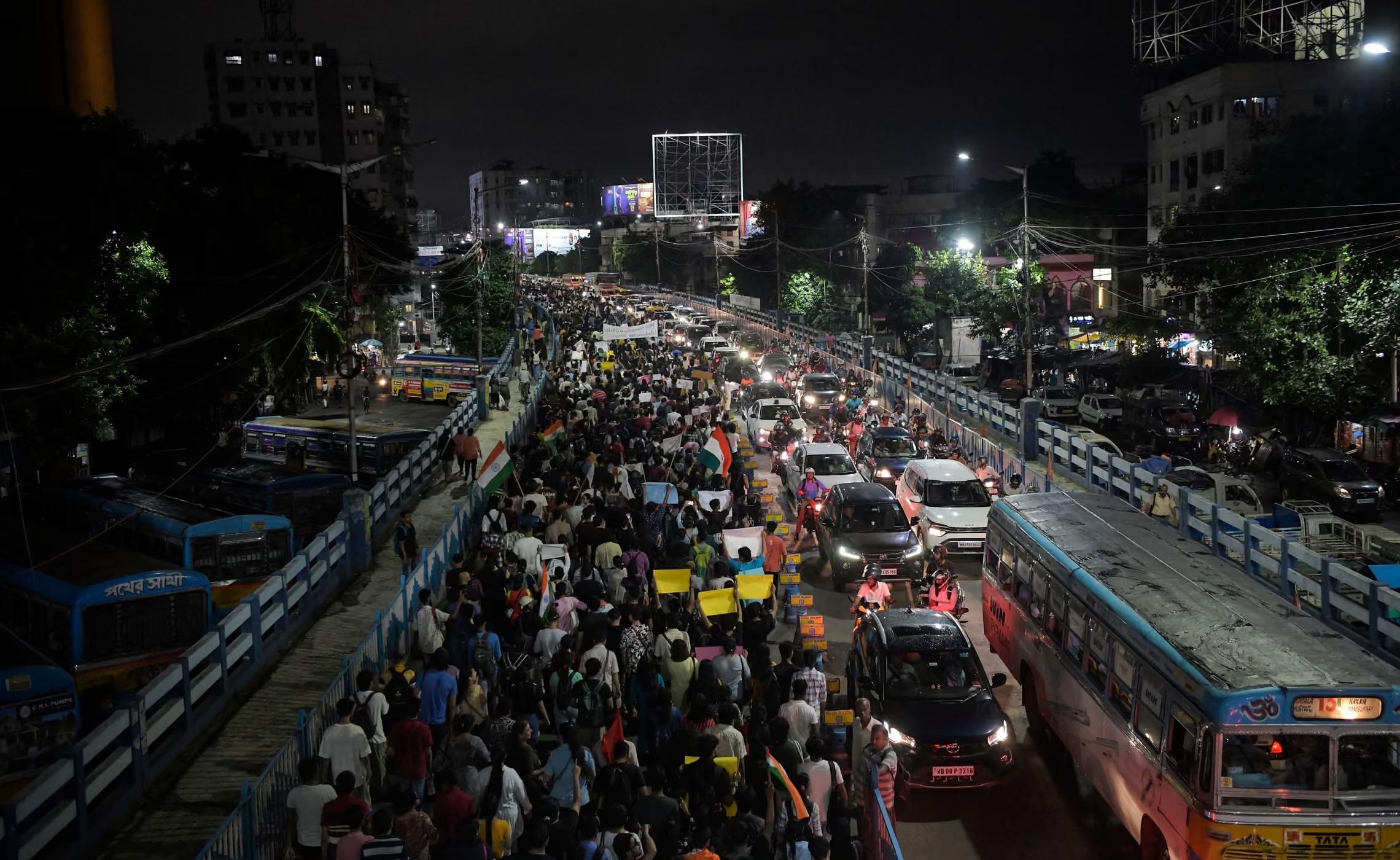
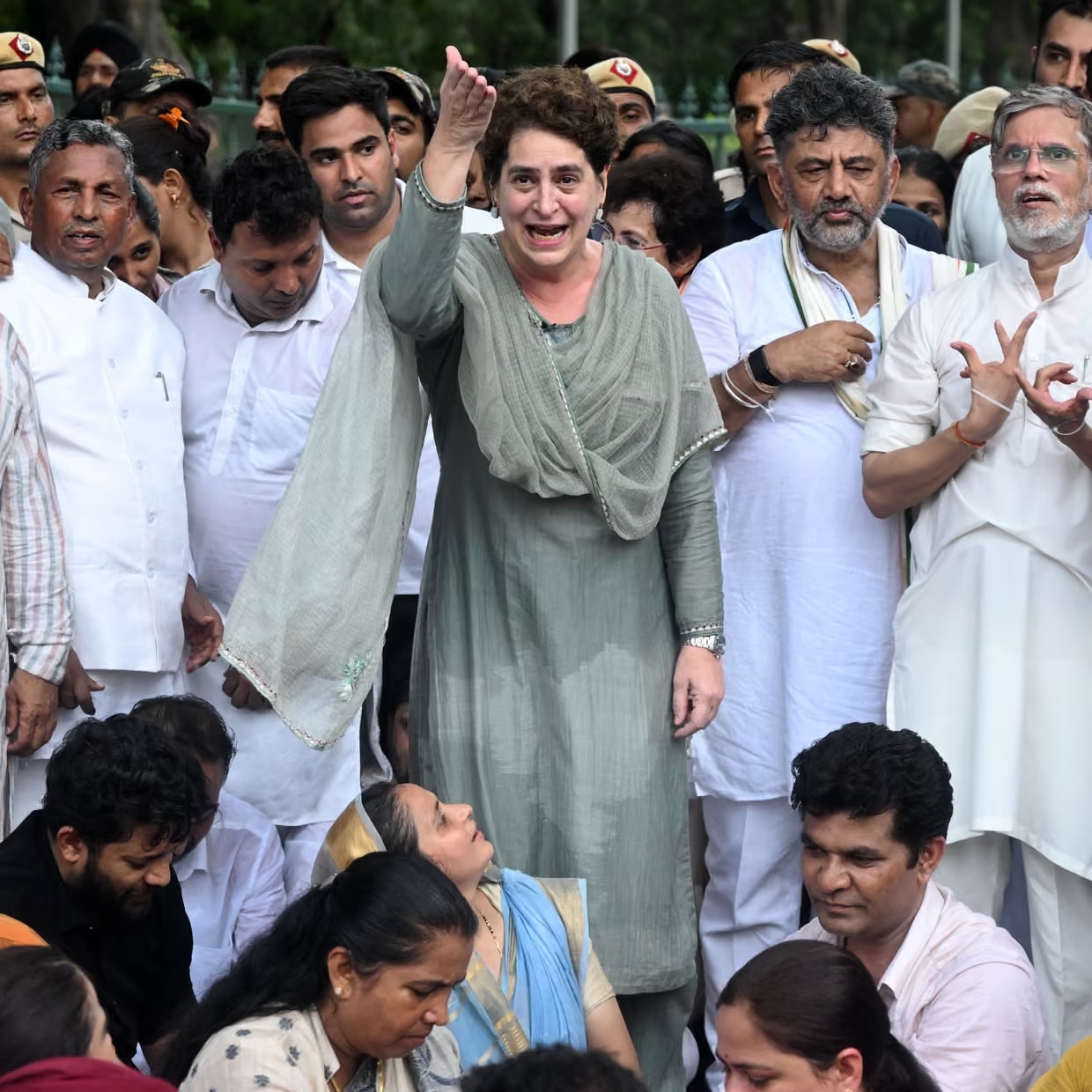
The Cockroach Party instantly converted its virtual capital into real mobilization. In New Delhi at Jantar Mantar and in dozens of other cities across the country, mass sit-ins and protest marches began, coordinated by CJP. Students were joined by environmental activists, public figures, and even their parents.
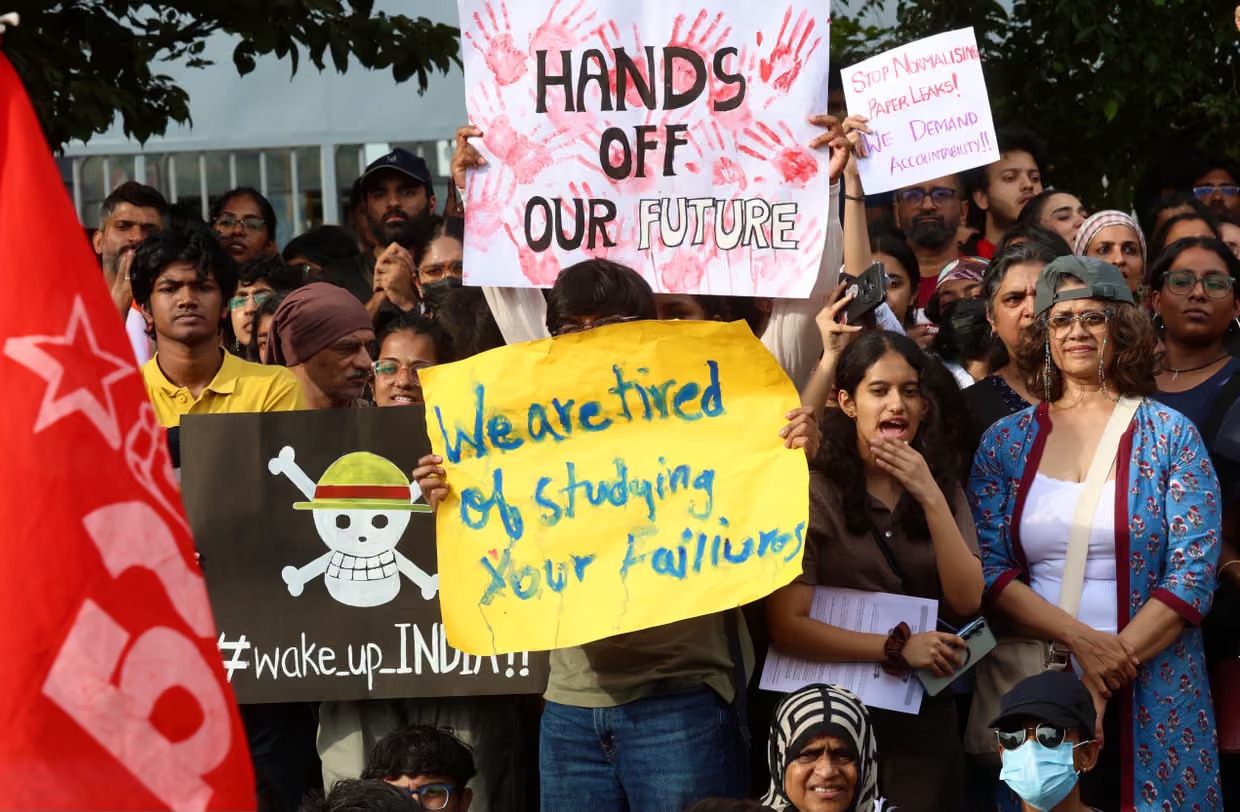
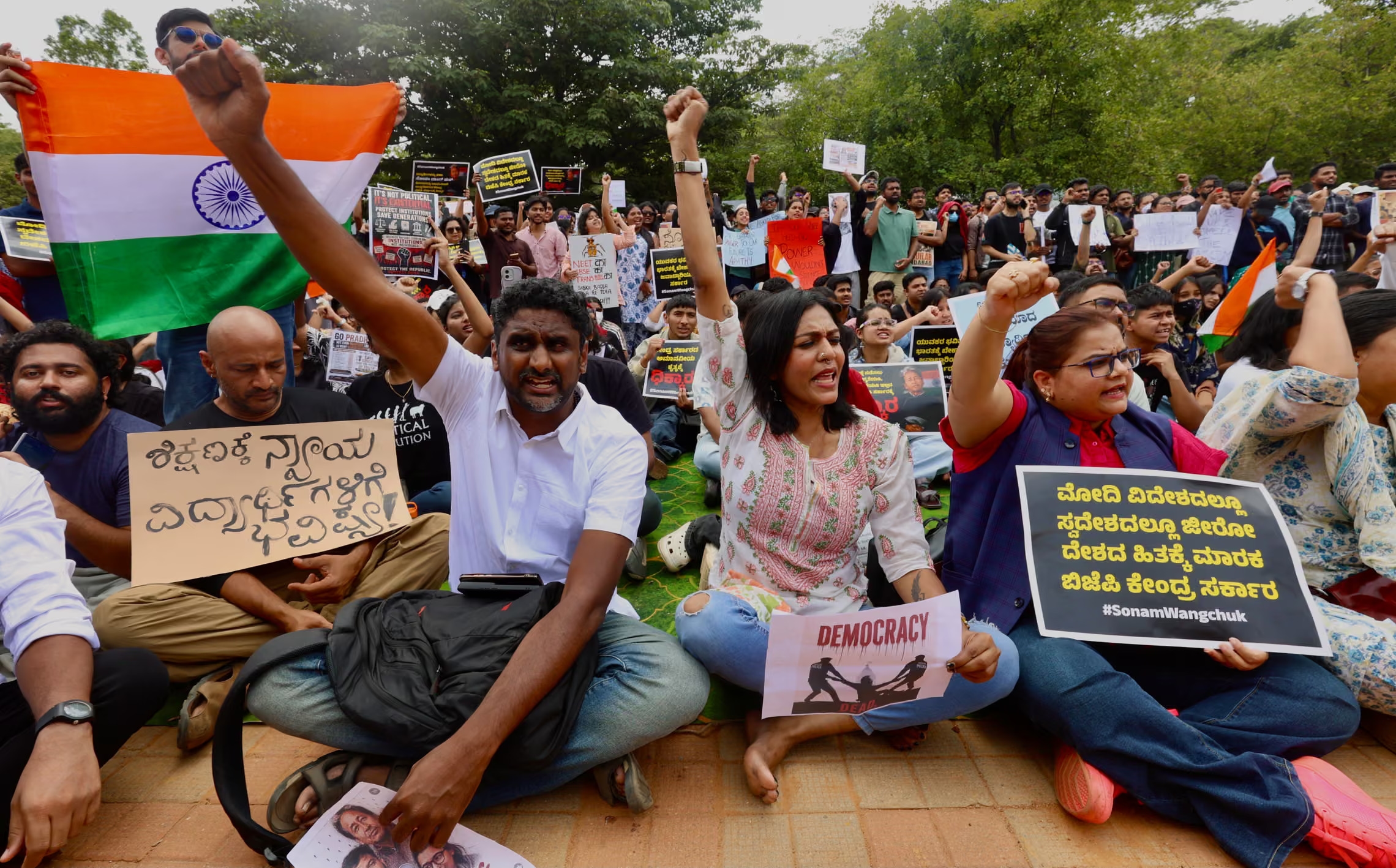
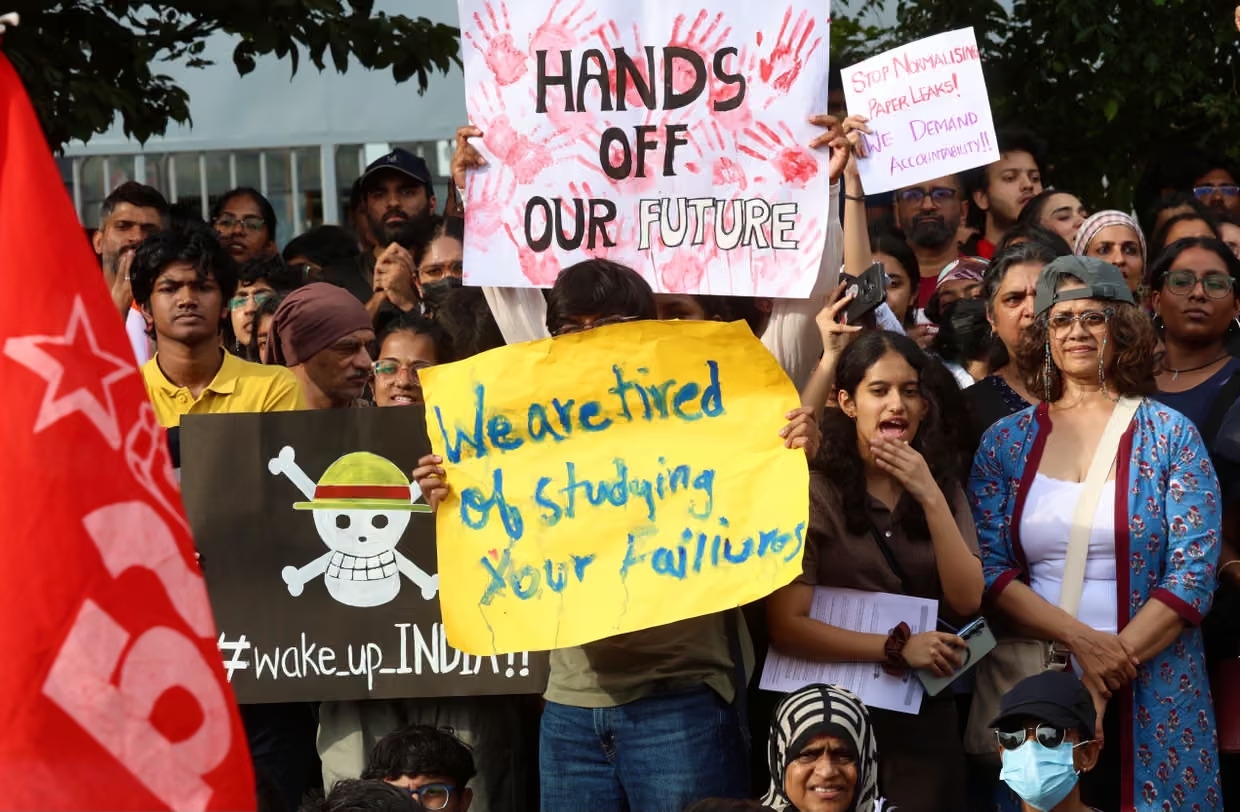
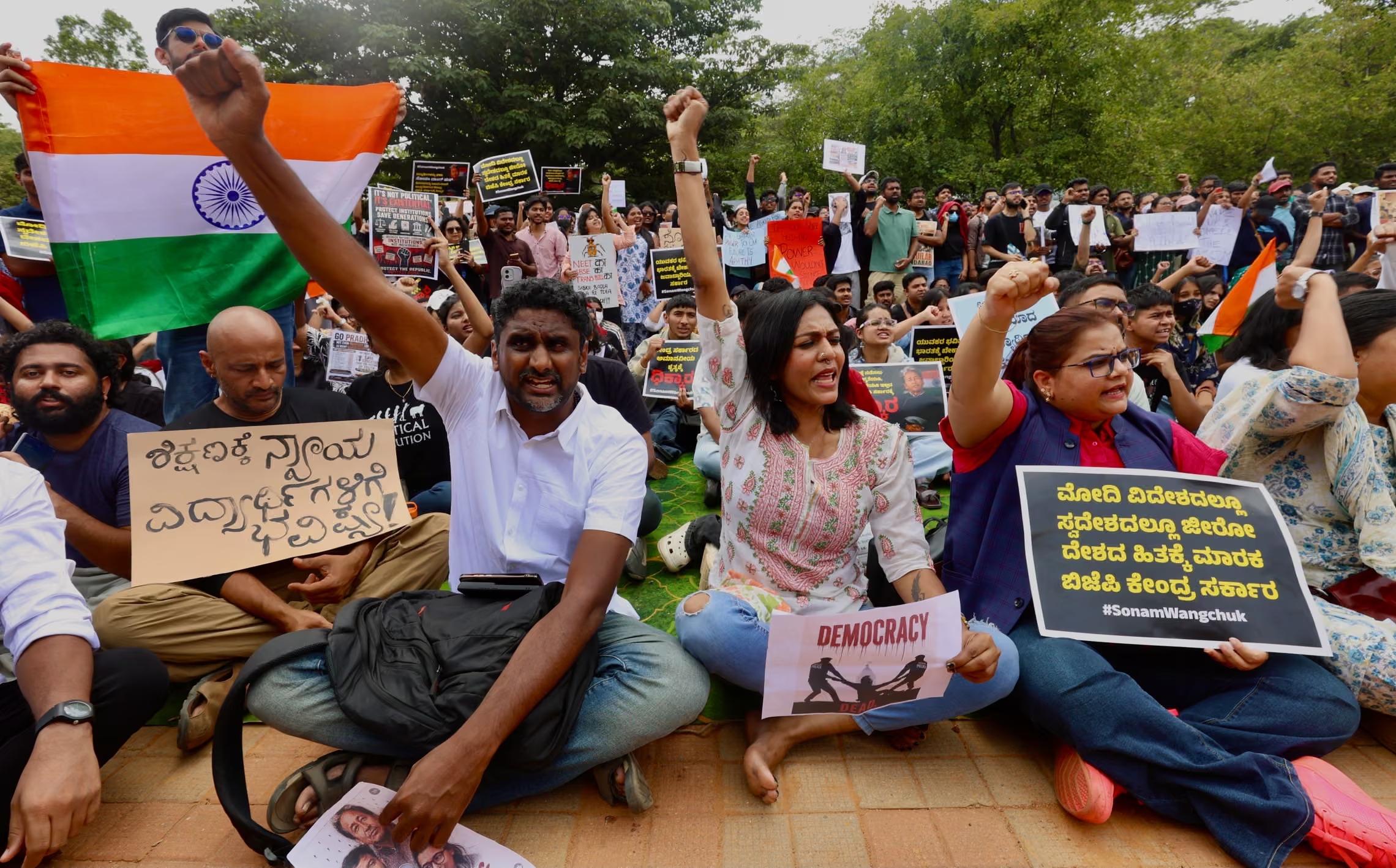
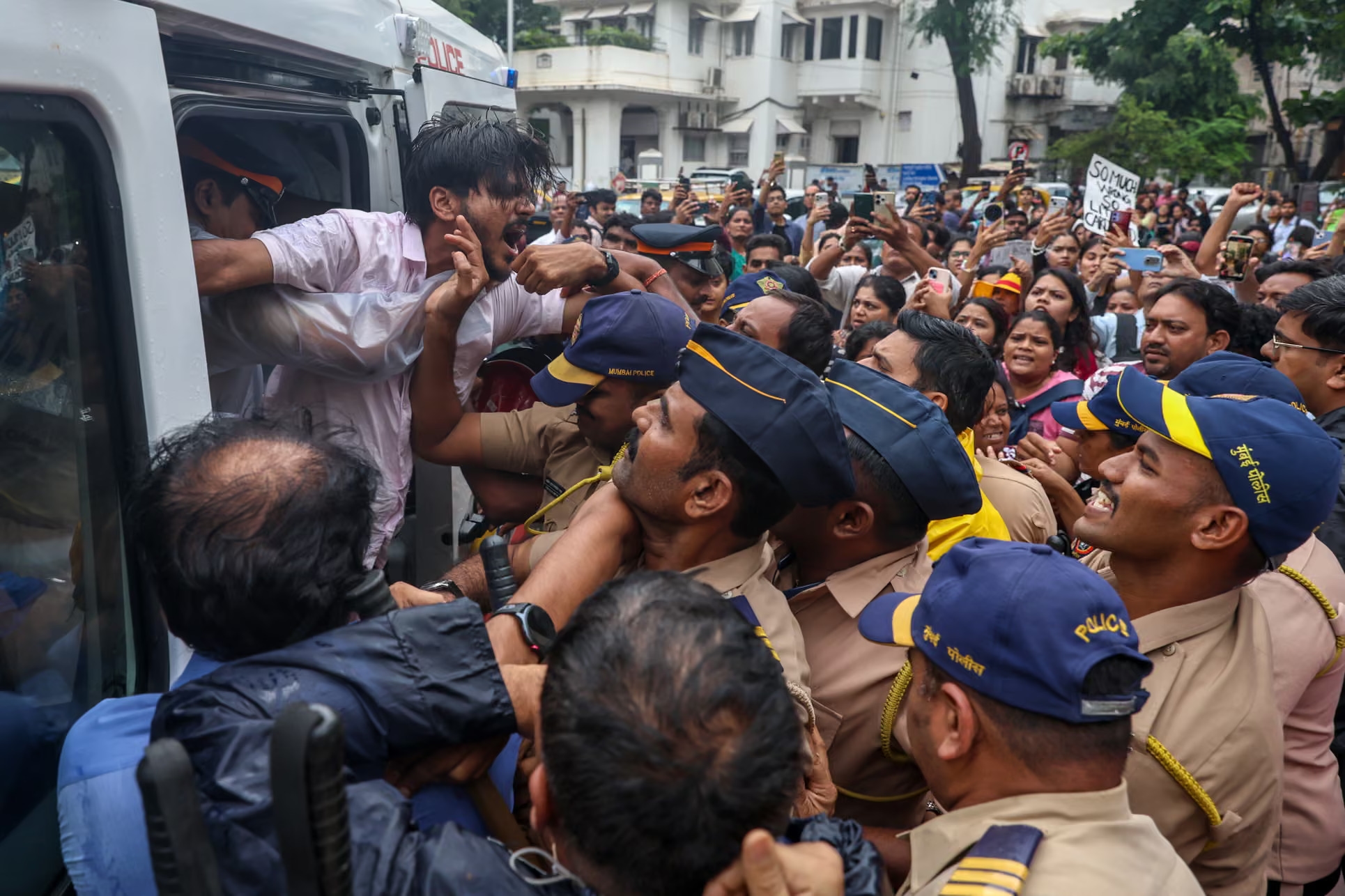
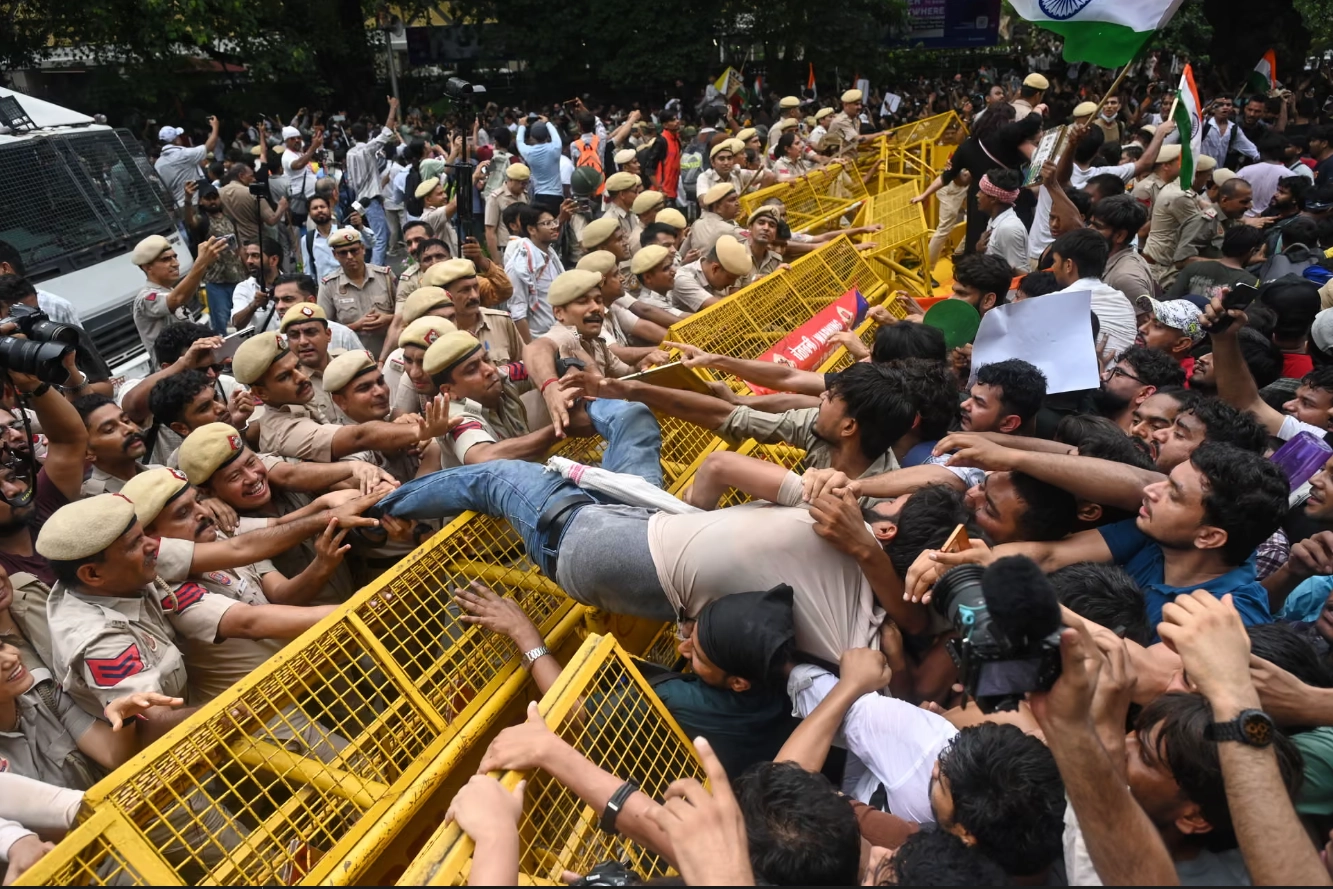
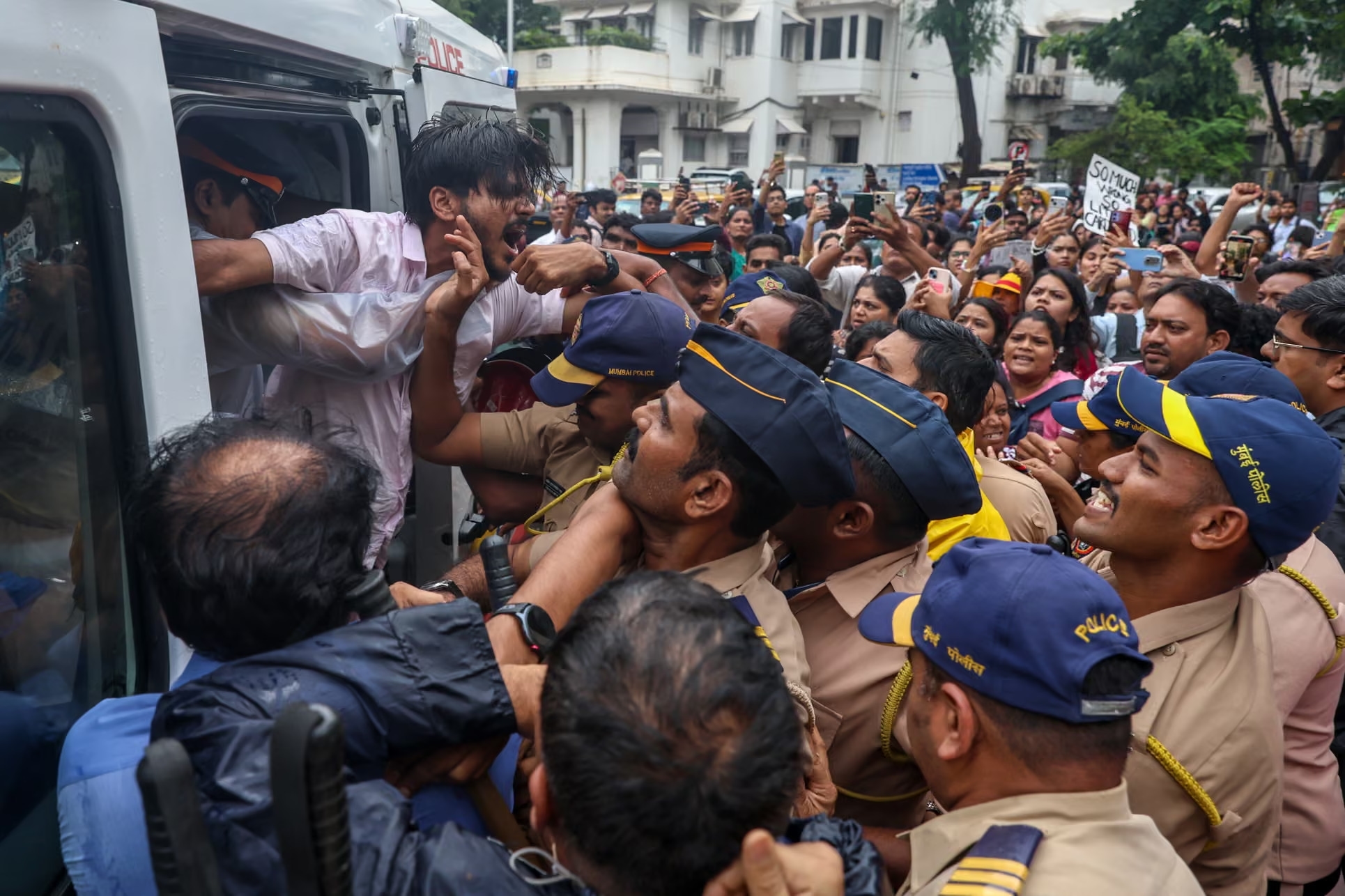
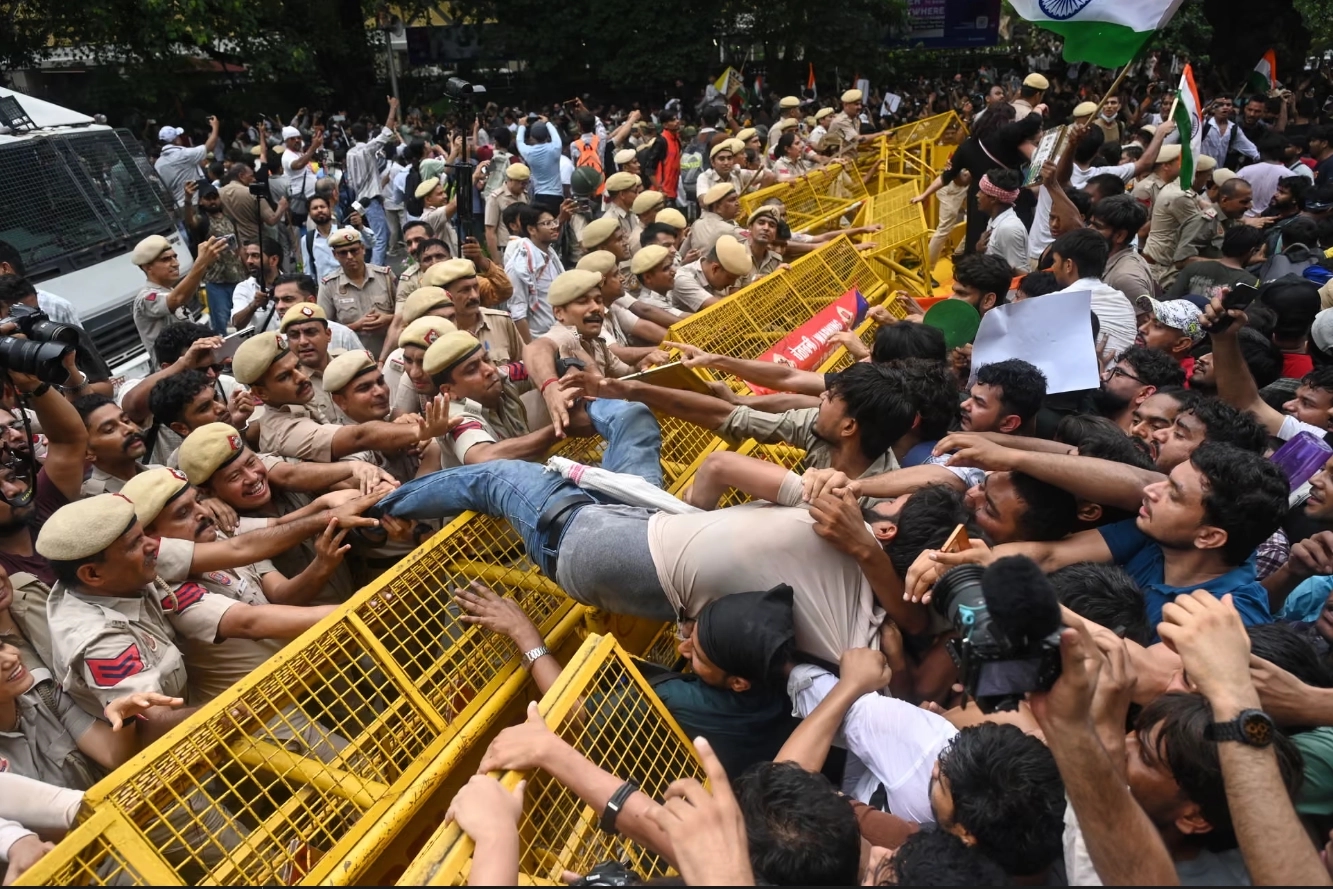
The authorities tried to use their usual repressive methods, and on July 20, police used tear gas, batons, and rubber pellet guns against a crowd of many thousands in New Delhi. However, the attempt to intimidate the “cockroaches” backfired, causing a wave of solidarity across the country. Moreover, the ruling party’s favorite tactic of splitting protesters failed: in CJP’s ranks, Hindus and Muslims, along with members of different Hindu castes, stood side by side, united by common social discontent.
Faced with the risk that the protests might spiral out of control, the government made unprecedented concessions. In late July, Union Education Minister Dharmendra Pradhan resigned, marking one of the rarest cases in which the Modi regime yielded to street pressure. Then the Supreme Court quashed all criminal cases brought against participants in the student protests.
The symbolic weakening of Modi’s regime was also evident in how the leadership of the Cockroach Party learned to deconstruct the image of the prime minister. When in September 2026 pro-government commentators tried to discredit Abhijeet Dipke by questioning the authenticity of his education at Boston University, he publicly proposed that Narendra Modi simultaneously show the people his higher education documents, reminding everyone that the courts had earlier refused to disclose the Indian prime minister’s academic qualifications, making this issue extremely painful for the ruling party. Such audacity on the part of informal politicians destroys the carefully constructed aura of sanctity around the figure of the national leader.
For a long time, the Indian state was held together by a tacit agreement: the authorities could freely crush human rights activists, infringe on Muslims, and demolish their homes without trial — but only so long as the unpleasantness remained on the margins of society, affecting mostly “outsiders.” The urban middle class willingly turned a blind eye to the violence — and in return it got new overpasses, a rising stock market, and familiar rules of the game in business.
But this deal began to fall apart when the police baton came down on their own children. It turned out that the state does not know how to behave otherwise: in response to outrage over the disrupted exams, young people got tear gas in the streets, public insults from judges and the language of force from the government. The image of a sensibly governed country turns out to be extremely hard to maintain when arbitrariness goes beyond isolated ghettos and begins to threaten the future of ordinary families.