In 2028, Donald Trump's name will not be on the presidential ballot — the first time since 2012. But that does not mean the election will take place without him. Trump has remade the Republican Party in his own image, effectively fusing it with his far-right MAGA movement. As a result, the question of whom he would like to see as the next president is being discussed in Washington almost as if Trump were choosing a successor. Whoever wins the primary in 2028 will face an almost impossible task: retaining the loyalty of Trump's core supporters without also inheriting the political liabilities of his presidency. For now though, would-be successors will have a difficult enough time simply holding onto the president’s favor.
Vance vs. Rubio
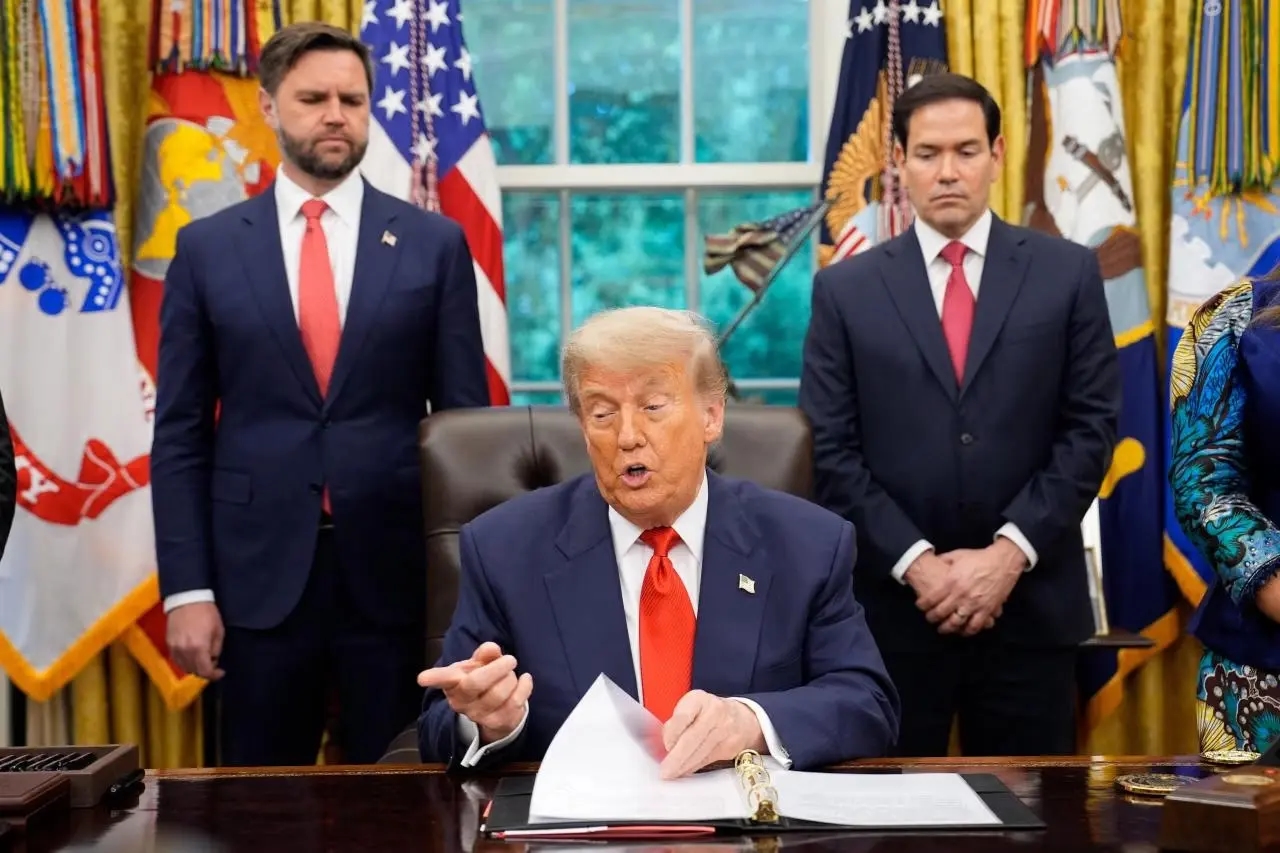
For now, the battle to succeed Trump is shaping up to be a contest between Vice President JD Vance and Secretary of State Marco Rubio. Judging by leaks to the media, Trump appears to be taking considerable pleasure in watching the rivalry between his subordinates take shape.
In February, the president was reportedly asking numerous friends and associates, “JD or Marco?” By June, however, he appeared to have put Vance back in the lead. “The president is now saying, ‘JD looks great, right?’” an anonymous White House source told Axios. Rubio, meanwhile, is reportedly being groomed for a role in a future Vance administration. That said, the balance between the two leading contenders could shift many times before the election.
Vance, still only 41, can at least plausibly claim the mantle of Trump's ideological heir, and he is expected to draw support from MAGA activists, younger Republicans, post-liberals, and the New Right. He would likely preserve Trump's coalition largely in its current form — meaning his greatest weakness is that he would also inherit much of the political responsibility for the shortcomings of Trump's presidency.
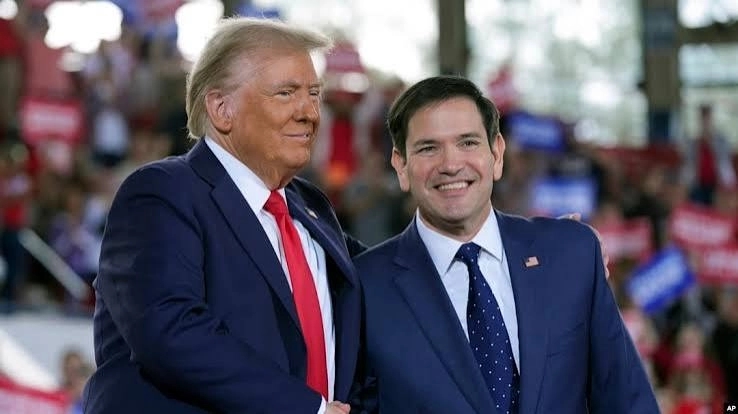
Rubio, 55, is a skilled administrator who has amassed far more formal power than Vance, simultaneously serving as Secretary of State and as acting National Security Advisor. On top of that, he has effectively become a kind of governor-general of Venezuela, a result of the Jan. 3 raid that captured Nicolás Maduro and flew him to New York to face drug trafficking charges. on Jan. 3. Rubio is popular among older Republicans, traditional conservatives, foreign policy hawks, and the party's donors. If anyone is capable of restoring a more traditional, institutional Republican Party after Trump, it is Rubio.
Unsurprisingly, however, his greatest weakness is his past criticism of Trump, which he now appears to be paying for with increasingly overt sycophancy. According to the New York Times, Rubio flatters Trump more than anyone else in the administration. At times, it borders on the absurd. One persistent rumor, for example, claims that Trump gave Rubio a pair of shoes in the wrong size, which the Secretary of State is supposedly expected to wear to work.
Rubio flatters Trump more than anyone else in the administration – sometimes to an almost absurd degree
Still, Vance seems to flatter Trump only slightly less often than Rubio — and he, too, has reportedly received a pair of shoes from the president. As for their size, no one seems to know.
In both cases, in fact, the contrast with their earlier views of the president is striking. In 2016, Rubio called Trump a “con man” and argued that he could not be trusted with the nation's nuclear arsenal. Vance was even harsher, calling Trump “an idiot” and comparing him to Hitler. Both now prefer not to revisit those remarks.
The public personas Rubio and Vance have adopted conceal far more complex backgrounds and political trajectories. Both men had to reinvent themselves in order to enter Trump’s inner circle, and as a result, if elected president either of them could substantially reshape Trumpism once the mantle of the MAGA movement is truly theirs. For now, however, neither appears to have much choice but to keep flattering the boss.
The story of the Catholic “children”
According to reports, Trump refers to Vance and Rubio simply as “the kids,” underscoring his patronizing and somewhat demeaning attitude toward his current favorites. Yet judging by their careers, neither man is much of a child.
Rubio is the son of Cuban immigrants — a maid and a casino worker. In his youth, Rubio spent several years in the Mormon Church before returning to Catholicism, the traditional faith of much of Latin America.
As a young man, he hoped to become a professional athlete and married a former cheerleader. Until his election to the Senate, he lived perilously close to bankruptcy. At one point, for example, he was burdened with roughly $100,000 in student loan debt. Only an $800,000 advance for his political memoir helped him overcome his financial difficulties.
Rubio was one of Trump's principal rivals in the 2016 Republican presidential primaries and even earned the derisive nickname “Little Marco.” Incidentally, while serving in the Senate, Rubio was also among the politicians who persistently pressed the government to declassify information on UFOs — something the Trump administration is now doing.
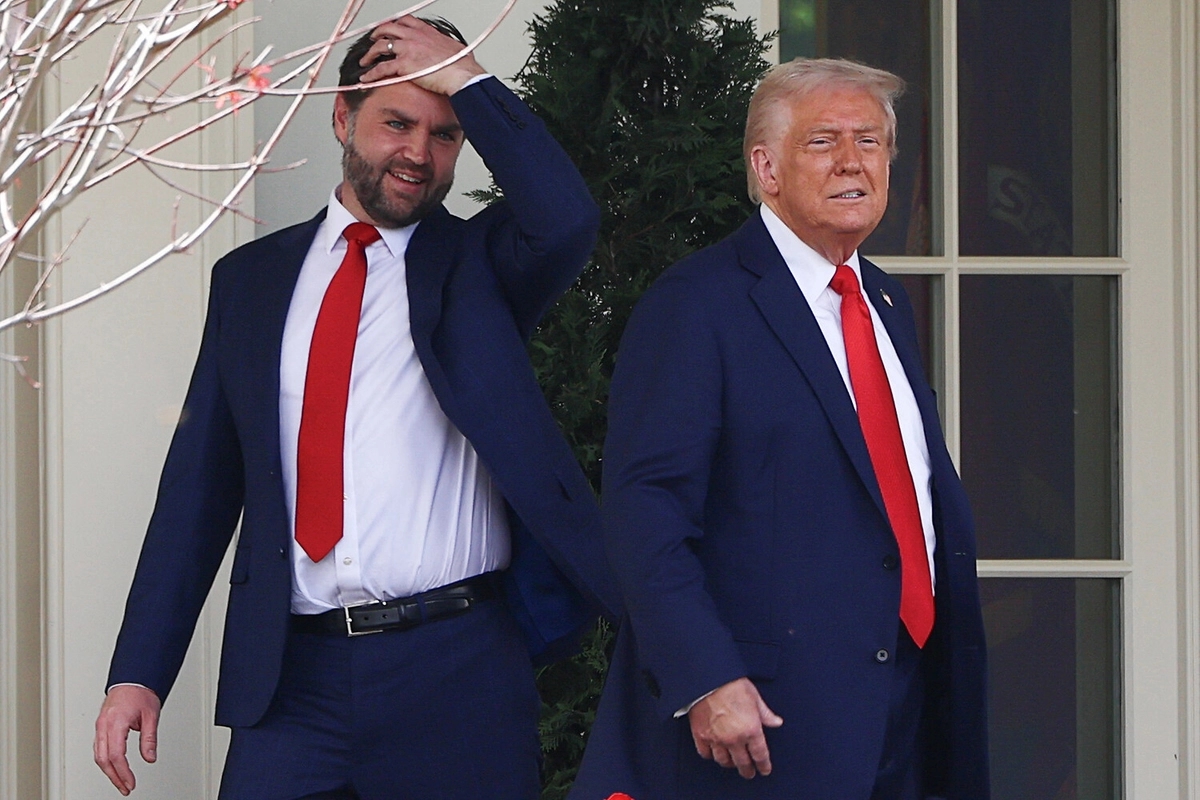
Vance was born into a troubled family in the Rust Belt. Over the course of his life, he changed his surname twice — first from his father's to his stepfather's, and later back to his grandfather's. He began his career as a journalist in the U.S. Marine Corps before graduating from Yale Law School, where he met his future wife, the daughter of Indian immigrants.
Vance’s memoir about his difficult childhood, Hillbilly Elegy, was adapted into a film before he entered politics. Vance later worked in biotechnology and founded an investment firm called Narya Capital, named after Gandalf's ring in The Lord of the Rings.
Like Rubio, Vance is Catholic, although he converted to the faith as an adult. He was elected to the Senate from Ohio in 2022 and completed his rapid political ascent two years later when Trump chose him as his running mate ahead of the 2024 election.
Vance and Rubio currently enjoy Trump's favor. But it is worth remembering that Trump has a long history of changing his mind about those politically closest to him. By the end of his first term, more than 90% of his top appointees had already left his administration — a record level of turnover.
Today, for example, Trump wants nothing to do with his former Vice President Mike Pence or with other former favorites, including former Secretary of State Mike Pompeo and former U.S. Ambassador to the United Nations Nikki Haley. During the first year and a half of the current administration alone, a string of senior officials have already lost their posts: National Security Adviser Mike Waltz, Homeland Security Secretary Kristi Noem, Attorney General Pam Bondi, and Director of National Intelligence Tulsi Gabbard. All of them started out as rising stars of the Republican administration before becoming casualties of political scandals.
However loyal Rubio and Vance may be, personal loyalty in Trump's world is merely a prerequisite — not a guarantee of survival. Favorites must remain useful, avoid provoking Trump's anger, and constantly adapt to his ever-shifting initiatives, which can change several times in a single week.
Reluctant rivals
Their status as Trump's favorites has forced Vance and Rubio into competition with one another, and the war with Iran provided an opportunity for those differences to come into the open. Rubio, a longtime foreign policy hawk and steadfast supporter of Israel, became the public face of the military campaign. Vance, by contrast, made sure that reports of his skepticism toward the operation found their way into the press, even as he continued to publicly backTrump's decision to launch the war. Whether as a reward or as punishment, Trump appointed Vance to the unenviable role of chief negotiator with Iran this past June.
In addition, Vance followed Trump in taking the politically risky step of criticizing the Israeli government, an act that many members of the American political establishment still equate with antisemitism. For example, Vance said that Israeli strikes on civilian infrastructure in Lebanon were undermining peace negotiations. Rubio, by contrast, continued to back the Israeli government even when his position diverged from that of the administration.
In any event, the ongoing, inconclusive conflict with Iran has not produced a clear winner in the struggle for influence between Rubio and Vance. Instead, the war seems to have strengthened both potential MAGA heirs — in the eyes of Trump, if not in the eyes of the electorate as a whole. Rubio was at the height of his influence during the period of active military operations, while the subsequent diplomatic pause brought Vance to the forefront.
The war with Iran has not produced a winner in the struggle for influence between Rubio and Vance
The conflict could also shape future fundraising prospects for both contenders — and for the Republican Party as a whole. Rubio is backed by traditional Republican donors, evangelical Christians, and the foreign policy establishment, all of whom support Israel for different reasons. Vance, by contrast, is more popular among younger supporters of the America First movement, where negative views of Israeli policy are becoming increasingly common.
These, however, are secondary considerations. The bigger problem is that the prolonged war has become a political time bomb for both contenders. By late July, only about one-third of Americans supported the conflict. That could make it difficult for either of Trump's would-be successors to fend off accusations of being complicit in it.
Successors by office
Whoever ultimately wins the 2028 Republican primary will have to deal with the legacy Trump’s presidency has left among more moderate voters. Many of Trump's signature initiatives have ended either in outright failure or in declining public support, political damage, and reputational costs for the party as a whole.
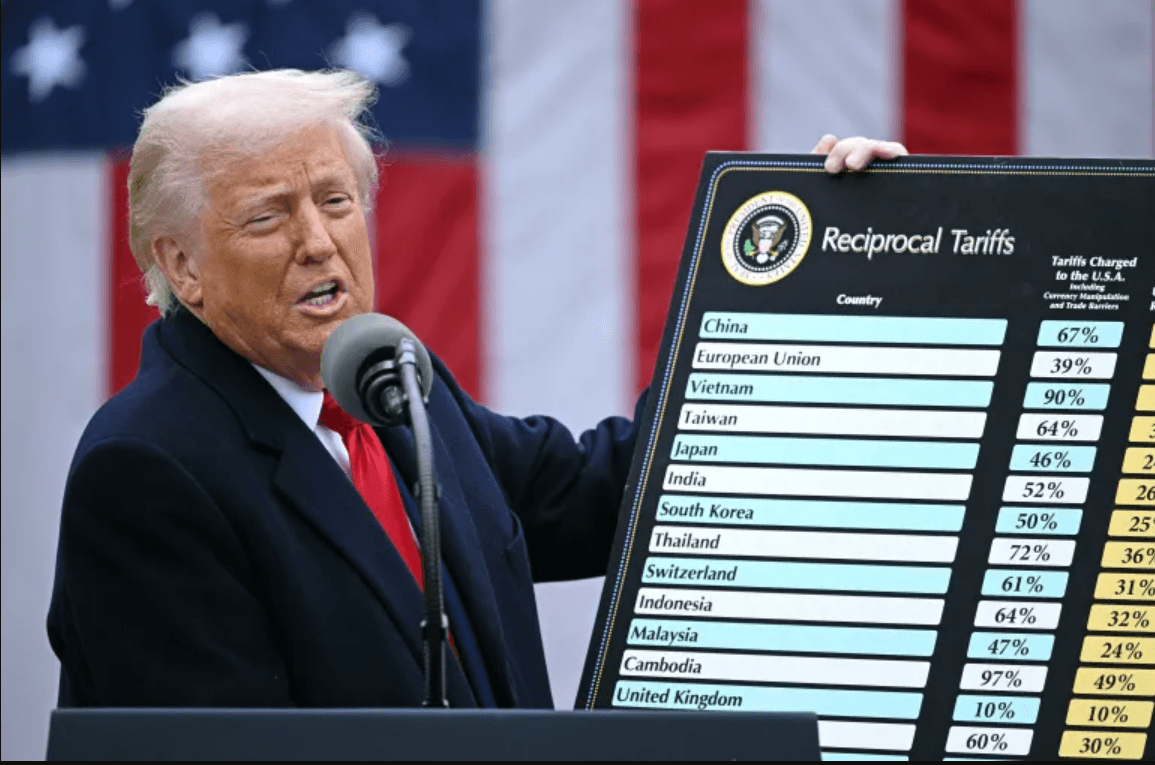
The sweeping tariffs imposed on imports from around the world were effectively dismantled by the Supreme Court. The mass deportation policy, which initially enjoyed overall approval, led to highly publicized immigration raids and the deaths of several people at the hands of immigration officers, triggering widespread public discontent. The concentration of power in the president's hands sparked large-scale protests under the slogan “No Kings!” Peace negotiations over Ukraine produced no results. Even the war with Iran turned into such a protracted and unsuccessful campaign that it became the least popular conflict in the history of U.S. polling.
Formally, both Rubio and Vance can claim to be Trump's institutional successors. Six former Secretaries of State have gone on to become president (although none has done so since the 19th century, and fifteen Vice Presidents have gone on to hold the highest office in the land (although the last time a term-limited president managed to help his vice president win the general election was in 1988, when Ronald Reagan was succeeded by George H. W. Bush). In any case, serving as Vice President guarantees neither election to the presidency nor even nomination by one's own party.
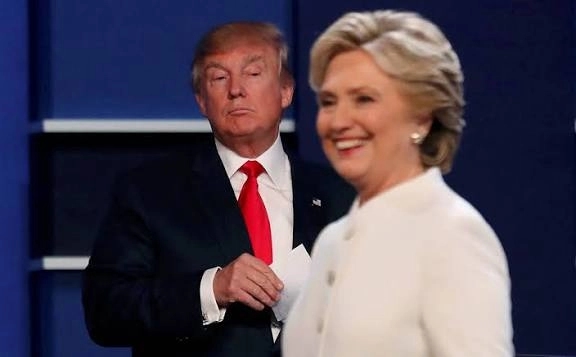
A president's personal popularity, in short, is difficult to pass on to a successor.
The Republican bench
The field of potential 2028 Republican candidates extends well beyond the two obvious heirs. It is still too early for anyone to formally declare their candidacy, but there are certain moves that often signal presidential ambitions, and figures other than Vance and Rubio are already making them.
For example, libertarian Senator Rand Paul has already visited Iowa and South Carolina, the first two states on the Republican primary calendar. Paul is one of the few Republicans who has openly opposed Trump's budget initiatives. In addition, former Virginia Governor Glenn Youngkin has also been making trips to early-voting states, including Iowa and North Carolina, while strengthening his ties with leading conservative constituencies.
Another Trump critic, Georgia Governor Brian Kemp, has been meeting with major Republican donors in California, Texas, and Florida. Arkansas Governor and former Trump press secretary Sarah Huckabee Sanders is expected to visit Iowa soon and has already traveled to states like Tennessee and Texas. Senator Ted Cruz of Texas — Trump's last major rival in the 2016 Republican primaries — and Senator Tim Scott, currently the only Black Republican in the Senate, have also been actively promoting their political brands.
The weight of Trump's legacy could give candidates outside his administration a chance to seize the nomination in 2028
Former South Dakota Governor Kristi Noem could also enter the race. Before Trump accepted her resignation as Secretary of Homeland Security, Noem actively promoted herself at taxpayers' expense. And former presidential candidate Vivek Ramaswamy is running for governor of the key swing state of Ohio, while Ron DeSantis already governs another pivotal state, Florida.
Finally, two of Trump's former favorites — his first-term CIA Director and Secretary of State Mike Pompeo and former South Carolina Governor Nikki Haley — have yet to reveal their plans. The political burden that Trump's presidency is almost certain to leave behind gives politicians unconnected to his administration at least a small opportunity to secure the Republican nomination in 2028. For that reason, none of these potential contenders can be dismissed outright.
After all, more than two years remain before the election. Vance could lose influence, just as Trump's previous vice president, Mike Pence, eventually did. Rubio could even lose his position as Secretary of State, much as Rex Tillerson was ousted after serving less than a year in the post during Trump's first term. And even if both men retain their current positions, they are by no means guaranteed the support of today's Republican voters.
What is certain, however, is that the weight of Trump's presidency will shape how voters view any would-be successor. In the end, a presidential heir is determined more by political circumstances and personal popularity than by the endorsement of an outgoing head of state. However dominant Trump may be within the Republican Party, it will ultimately be the voters — not Trump himself — who decide the party's presidential nominee.