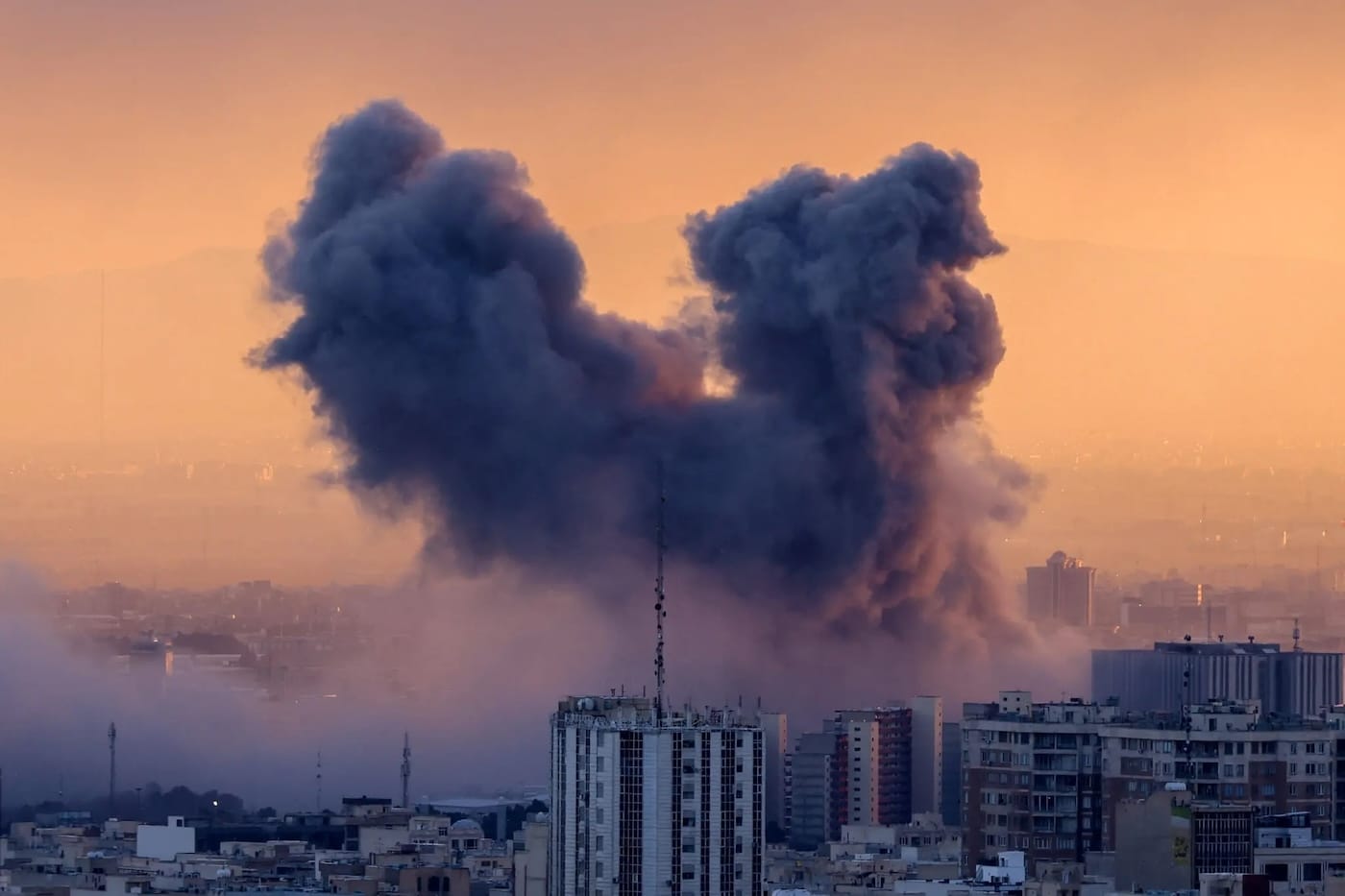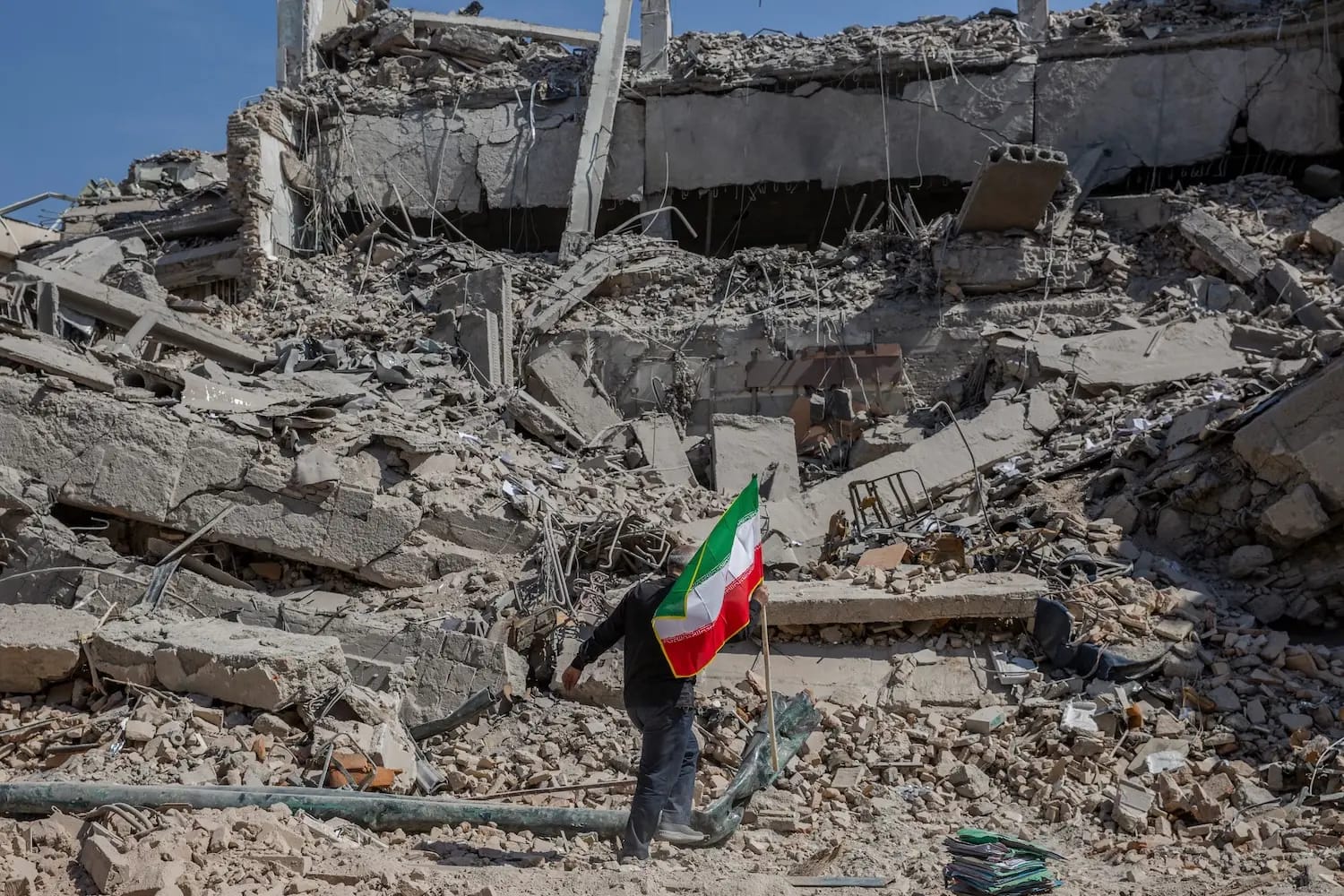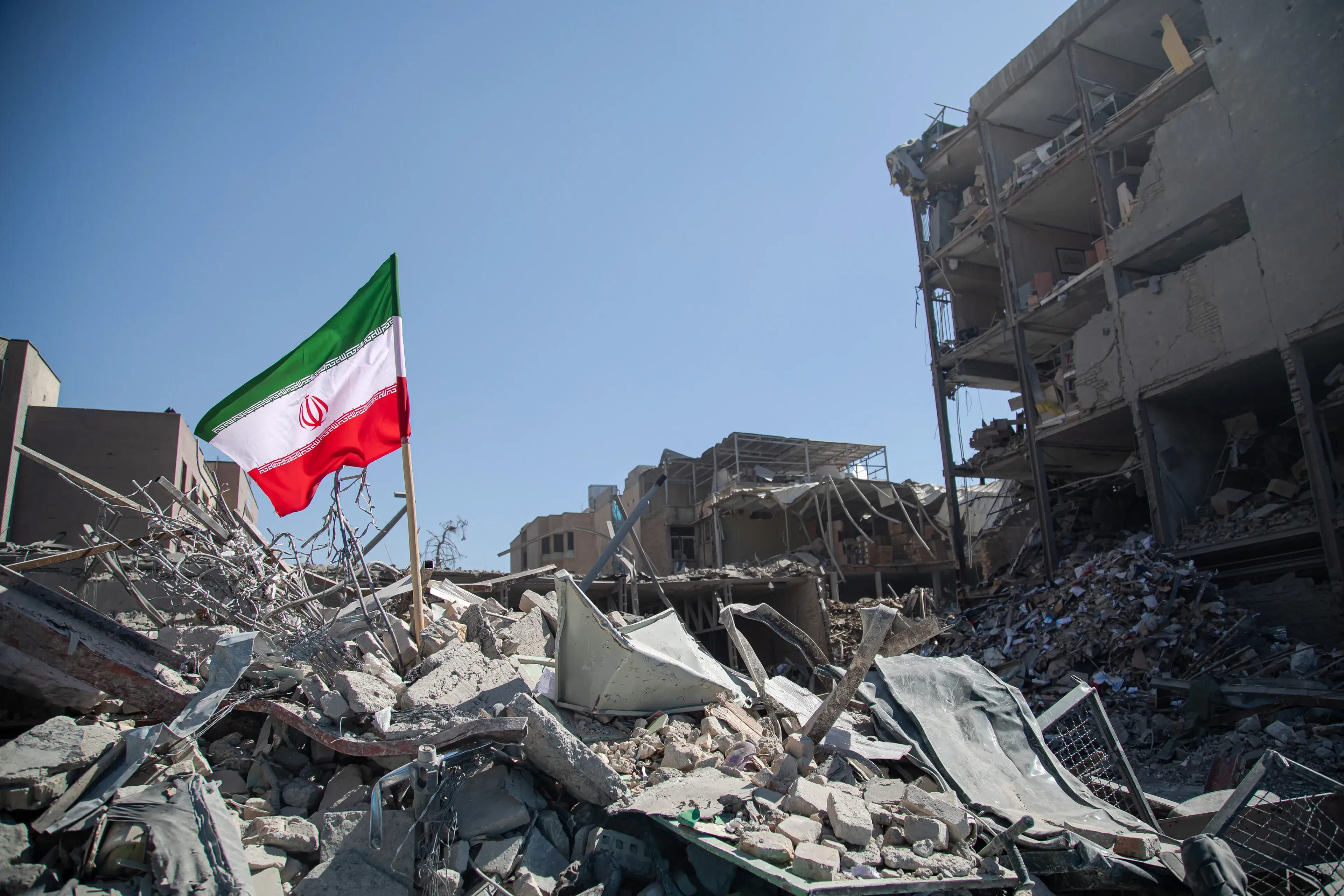
After a 40-day military campaign against Iran, U.S. President Donald Trump has announced a two-week ceasefire that will be accompanied by negotiations aimed at achieving a long-term peace agreement. Since the proposed Iranian and American versions of the final settlement differ radically, it is highly likely that the temporary pause will be followed by a new phase of escalation. In fact, the U.S. military command appears to be preparing several options for operations directly on Iranian territory. However, none appears capable of effecting a decisive shift in the protracted conflict.
Exchange of ultimatums
Since mid-March, U.S. President Donald Trump has issued several ultimatums to Iran’s leadership demanding the establishment of a peace agreement and the lifting of the blockade of the Strait of Hormuz. The most notable of these came on April 7, when Trump escalated his rhetoric to include threats regarding the “destruction of an entire civilization.”
Some politicians in the West interpreted this as a threat to take the conflict nuclear, but a few hours before Trump’s “deadline,” the U.S. administration announced a two-week ceasefire and the start of negotiations on a long-term settlement in exchange for the immediate lifting of the blockade of the Strait of Hormuz.
As the basis for negotiations, the White House statement cited Iran’s ten-point proposal. According to the official version, its terms include:
- renunciation of further aggression against Iran,
- Iran retains control over the Strait of Hormuz,
- Iran may continue uranium enrichment,
- lifting of all primary sanctions,
- lifting of all secondary sanctions,
- termination of all UN Security Council resolutions,
- termination of all IAEA Board of Governors resolutions,
- payment of compensation to Iran,
- withdrawal of U.S. troops from the region,
- cessation of hostilities on all fronts, including against Hezbollah in Lebanon.
However, Trump later said that the talks are in fact proceeding on the basis of a 15-point American plan, proposed as early as March 25 and, as far as is known, entirely at odds with Iran's proposal. The 15 American proposals are known only from leaks, but they are believed to include demands that Iran abandon uranium enrichment along with existing stockpiles, fully dismantle its military nuclear program, cease support for allied movements in the region, and limit its missile capabilities.
Given the contradictions between the two versions of the peace plans, an agreement was unlikely in any case, but even before the end of the first day of the two-week ceasefire, Iran announced that its terms had been violated in the form of Israeli strikes on Hezbollah targets in Lebanon. In response, Tehran once again closed the Strait of Hormuz. Fighting now appears set to resume, and it cannot be ruled out that the U.S. military is prepared for operations on Iranian territory.
On April 7, Trump wrote on social media that military objectives had been “met and exceeded,” which he cited as the reason for the ceasefire. At the start of the war, he outlined the following key goals:
- “raze to the ground” the missile industry,
- annihilate the navy,
- neutralize “terrorist proxies” in the region,
- undermine the current regime’s ability to obtain nuclear weapons,
According to estimates, around 70% of Iranian missile launchers and roughly two-thirds of the country’s defense-industrial capacity have now been destroyed. Iran’s navy, according to information from U.S. Central Command, has lost more than 140 ships, boats, and auxiliary vessels, effectively ceasing to exist as a fighting force. However, Tehran’s “terrorist proxies,” including Hezbollah and Shiite movements in Iraq, continue combat operations against the United States and Israel, while the fate of Iran’s stockpiles of enriched uranium and the state of its nuclear program remain unknown.
At the same time, more than a month after the start of the joint U.S.–Israeli military operation, Iran’s leadership has shown no willingness to de-escalate on U.S. terms, despite the critical damage inflicted on its armed forces and the destruction of a significant portion of its military-political elite.
Iran’s leadership is not yet ready to de-escalate on U.S. terms
Meanwhile, America’s 31st Marine Expeditionary Unit has been deployed to the region, led by the amphibious assault ship USS Tripoli (LHA-7) and numbering about 3,500 Marines and sailors. It is soon to be joined by the 11th Marine Expeditionary Unit (with more than 2,000 personnel). In addition, units of the 82nd Airborne Division (up to 3,000 troops), the 75th Ranger Regiment, and U.S. special operations forces are arriving in the region. It is already known that the Pentagon is working out options for a multiweek ground operation in Iran.
Option 1: Seizure of Iranian islands in the Persian Gulf
This is the most realistic option, but offers no clear idea for what comes next.
The primary target would be Kharg Island, through which about 90% of Iran’s oil exports pass, as the country’s shallow coastline does not allow supertankers to be loaded elsewhere. Around half of Iran’s government revenue comes from the oil and gas sector. Strikes on military (but not oil export) infrastructure on the island were already carried out in mid-March as a form of pressure, but without success.
Seizing Kharg Island would not be especially difficult for U.S. Marines. The main risks are tied to the need to maintain control through constant air cover, to establish supply routes by air or sea, and to identify and destroy Iranian positions along the coastline. The complexities of such an operation are understood, at least in part, from the 2022 battle for Snake Island in the Ukrainian theater of operations.
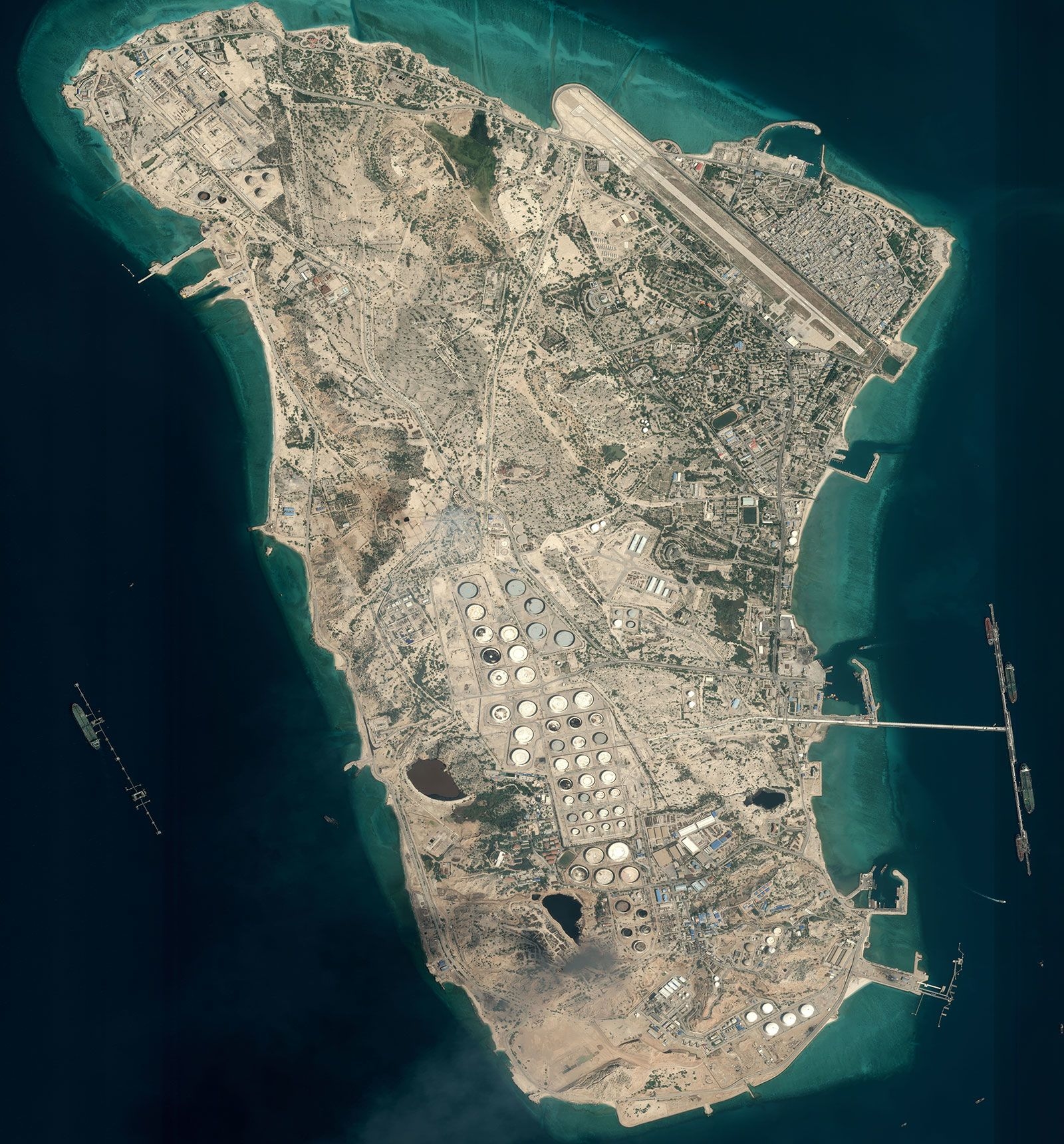
Kharg lies just a few dozen kilometers from Iran’s mainland, meaning that U.S. forces occupying the island could be targeted even with conventional and rocket artillery. In addition, Iranian forces would likely begin carrying out retaliatory strikes against oil and gas infrastructure in the Arab states of the Persian Gulf.
Another option is linked to the seizure of Iranian islands in the Strait of Hormuz: Qeshm, Abu Musa, Greater and Lesser Tunb, Hengam, Larak, and Hormuz. But here too, securing any U.S. forces stationed there would require some form of buffer zone along the coast. In other words, without an amphibious operation on Iranian territory itself, troops on the islands would become targets for constant shelling. Moreover, control over the islands would do little to change the situation in terms of control over the strait, since strikes can be launched from deep within Iran’s mainland territory.
Ultimately, if the objective of an operation on Kharg Island is to pressure Iran’s leadership by targeting its oil export revenues, there is no need to seize and hold the island at all. It would be enough to target the tankers that are loaded there — in effect, to act in the same way Iranian forces do with foreign tankers in the Strait of Hormuz.
Option 2: Raiding operations on Iranian territory
These are extremely difficult to carry out and are fraught with enormous risks.
In this case, the focus would be on limited operations with limited objectives, such as the forcible removal of Iran’s stockpiles of enriched uranium. Prior to the campaign in June 2025, Tehran’s stockpile of uranium enriched to 60% was estimated at 440 kg — enough to produce at least 10 nuclear warheads.
Since the uranium stockpiles are likely dispersed across multiple sites and partially inaccessible due to destroyed entrances to underground facilities, their safe extraction would require a presence deep inside Iranian territory lasting days, if not weeks. It would also necessitate the creation of a large security perimeter, the deployment and operation of heavy engineering equipment, the involvement of specialists in handling radioactive materials, and, ultimately, the establishment of a full logistical hub based on an existing or newly constructed field airstrip.
The forcible removal of enriched uranium would require a weeks-long military presence deep inside Iran
In 1994, the United States carried out the secret operation Project Sapphire to remove up to 600 kg of enriched uranium from Ust-Kamenogorsk in Kazakhstan. Its preparation and execution, even in the absence of any military threat, took several months.
In early April 2026, the U.S. military demonstrated what such an operation might look like in a hostile environment during the rescue of the crew of an F-15E fighter that was shot down over Iran. Despite the successful evacuation, two transport aircraft and several light helicopters were lost at the scene, even though the mission involved extracting just one person rather than several hundred kilograms of enriched uranium.
Another option would be raids along the coast targeting forces responsible for strikes on tankers — including launch sites for aerial and naval drones and anti-ship missiles. However, from the Iranian side, attacking tankers does not require maintaining positions directly on the coast, as regular drone launches from deep within Iranian territory would be sufficient.
Option 3: Invasion of Iran
Impossible without a tenfold increase in the forces and resources involved.
An invasion of Iran would be an extremely difficult undertaking, as the country’s mountainous terrain objectively limits the use of large mechanized formations. These geographic constraints have served as one of Iran’s key military advantages since the time of the Roman campaigns.
Given the country’s size (roughly four times that of Iraq), effective control over occupied territory would require a force significantly larger than the 300,000 troops assembled in 2003. For now, the total number of U.S. forces operating in the region is estimated at around 50,000, rising to about 70,000 with the arrival of additional Marine, airborne, and special operations units.
Importantly, a ground invasion of Iran would be feasible for U.S. forces only if carried out from the territory of Turkey or Iraq. However, for Turkey, participation in the war is politically unacceptable, while deployment in Iraq carries significant risks due to the activities of pro-Iranian armed groups active there.
Should a ground invasion be expected
The most realistic options appear to be the seizure of one or more islands in the Persian Gulf in order to limit Iran’s government revenues from oil exports or to pressure Tehran into lifting the blockade of the Strait of Hormuz. However, the Trump administration has instead eased sanctions on Iranian oil in an effort to stabilize global prices.
Meanwhile, raiding operations along the coast make little sense, while the removal of enriched uranium stockpiles would most likely require lengthy and careful preparation. And a full-scale ground invasion of Iran is entirely unrealistic.
According to rough estimates, five weeks of an air-only campaign have cost up to $31 billion and significantly depleted U.S. weapons stockpiles. In addition, opinion polls show that an overwhelming majority of Americans oppose sending troops to Iran. Therefore, if Trump does decide on a ground operation, it will almost certainly be limited in time and scope and designed to keep projected losses to a minimum.