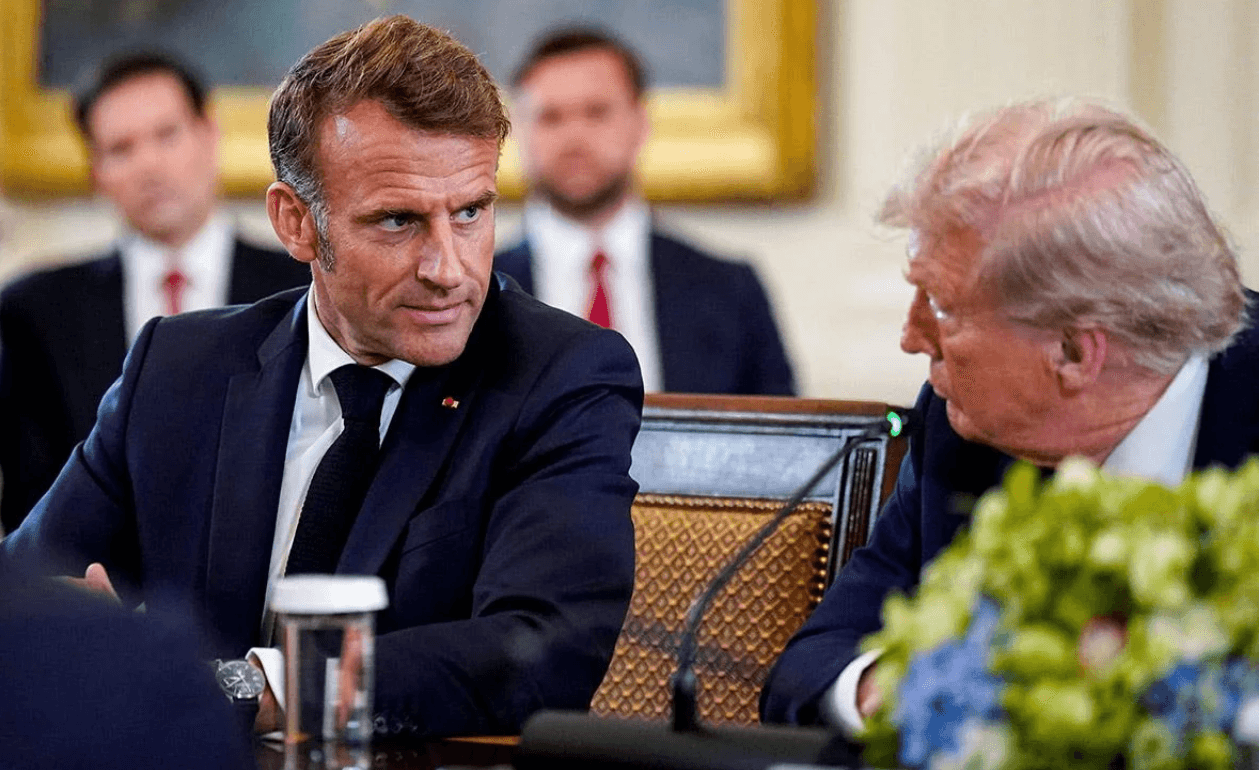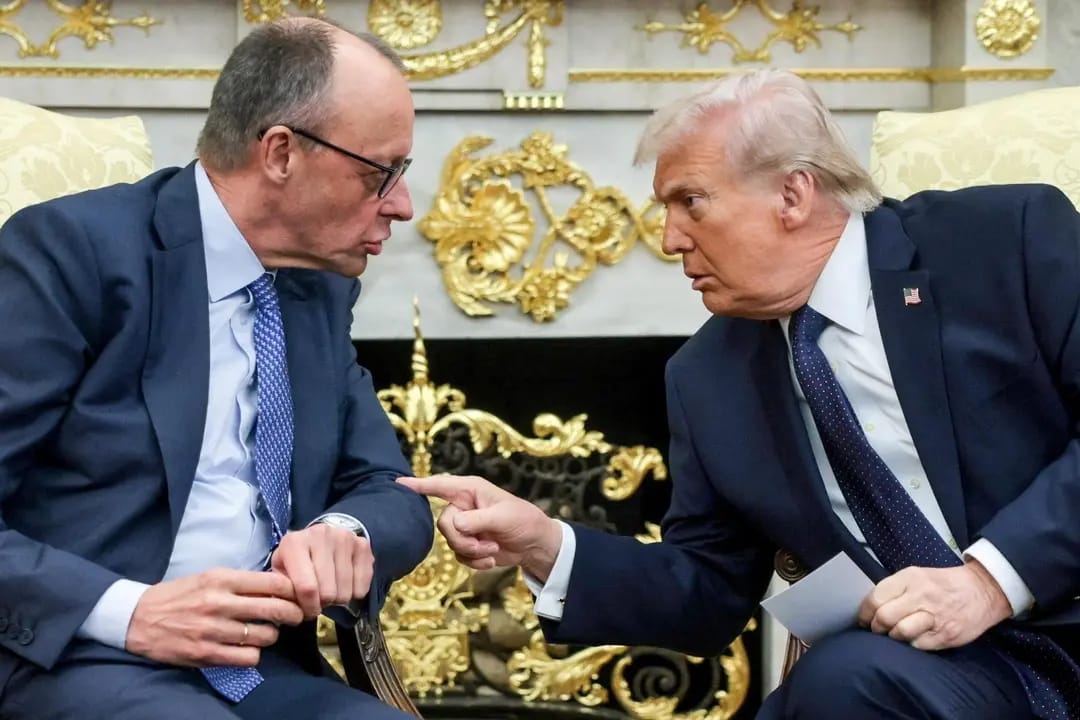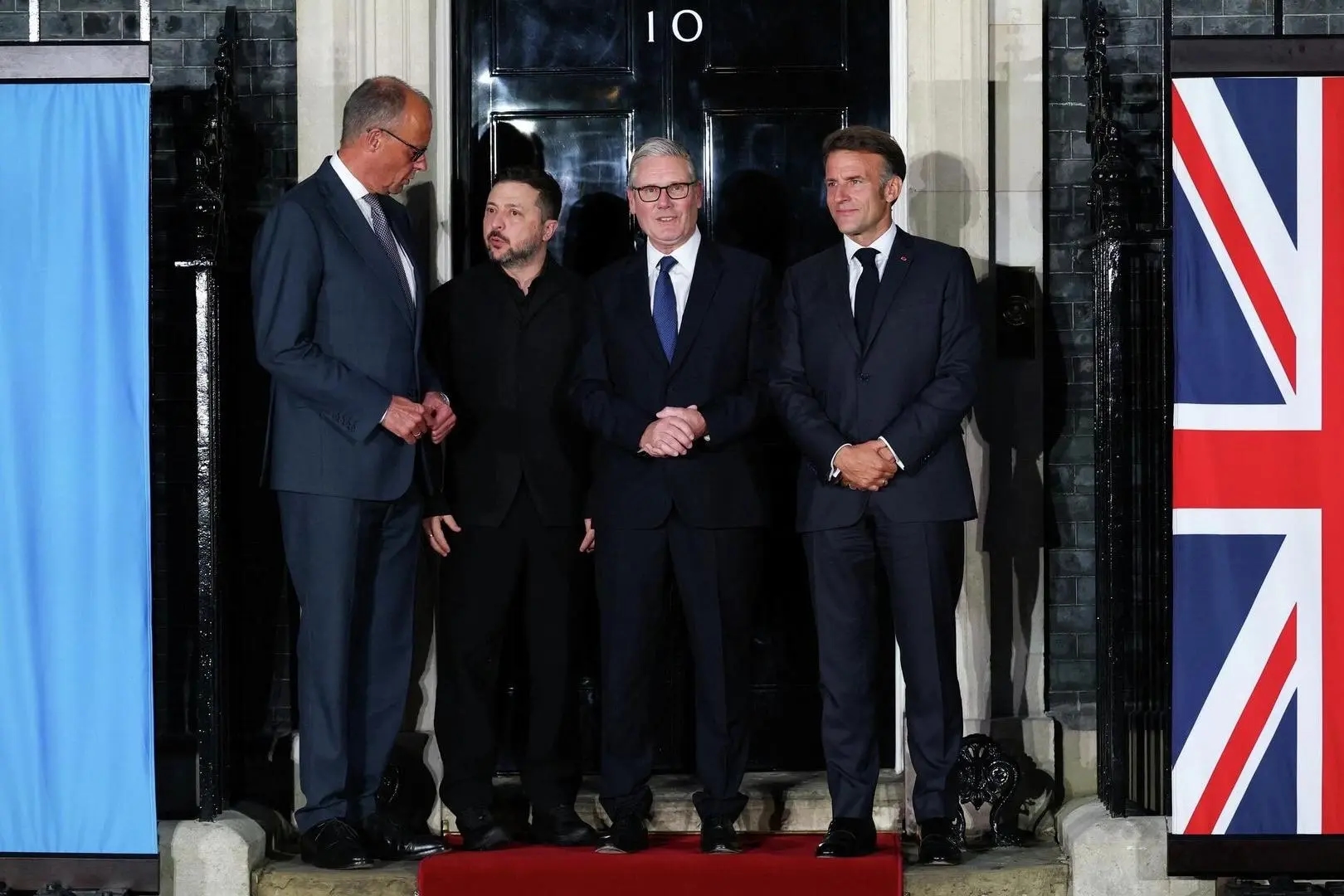

While Vladimir Putin continues to claim that Russian forces are advancing on the battlefield "in all directions" (and, as usual, predicts that the war will soon end with Ukraine’s capitulation), Ukraine is successfully carrying out deep strikes on Russian territory and destroying Russian Shahed drones with interceptor UAVs of its own. Given the near-total halt in Russian military advances, the context for negotiations over an end to the war is rapidly changing. Meanwhile, with Trump bogged down in Iran, Europe has seized the opportunity to begin speaking to the Kremlin from a position of strength.
Paradigm shifts
The European Union was completely unprepared for a large-scale war on the continent — psychologically even more than militarily. In February 2022, Brussels appears to have had no contingency plans for such a scenario. However, since the situation was so unambiguous — there was a clear aggressor and a clear victim of aggression — choosing sides was quick and straightforward. As a result, Russian Central Bank assets were frozen almost immediately, sanctions were quick to follow, and a price cap on Russian oil was eventually also introduced. The military response, though less swift, took the form of new collective security concepts, greater integration of EU member states' defense industries, and the creation of defense programs such as EDIP, SAFE, and EDF. However, the most serious difficulties emerged in what should have been the European Union's strongest facet of the geopolitical game: diplomatic efforts to end the war.
Brussels' approach to negotiations has undergone three major transformations.
The first stage (and the longest) lasted until the end of 2024. During this period, Europe ceded the initiative entirely to the United States while leaving Kyiv to determine what outcome to the conflict would be acceptable. An informal axiom took hold: "What works for Ukraine works for us." Accordingly, the EU consistently backed the Peace Formula that was put forward by Ukrainian President Volodymyr Zelensky in late 2022.
In the early weeks of the war, a few European leaders — France’s Emmanuel Macron, Germany’s Olaf Scholz, Austria’s Karl Nehammer — maintained cautious contact with their counterpart in Russia, but even these sporadic conversations came to an end after the disclosure of the Russian atrocities committed in Bucha. After that, the only European leader to visit Moscow was Hungarian Prime Minister Viktor Orbán, and then only in 2024, when his country held the rotating presidency of the EU.
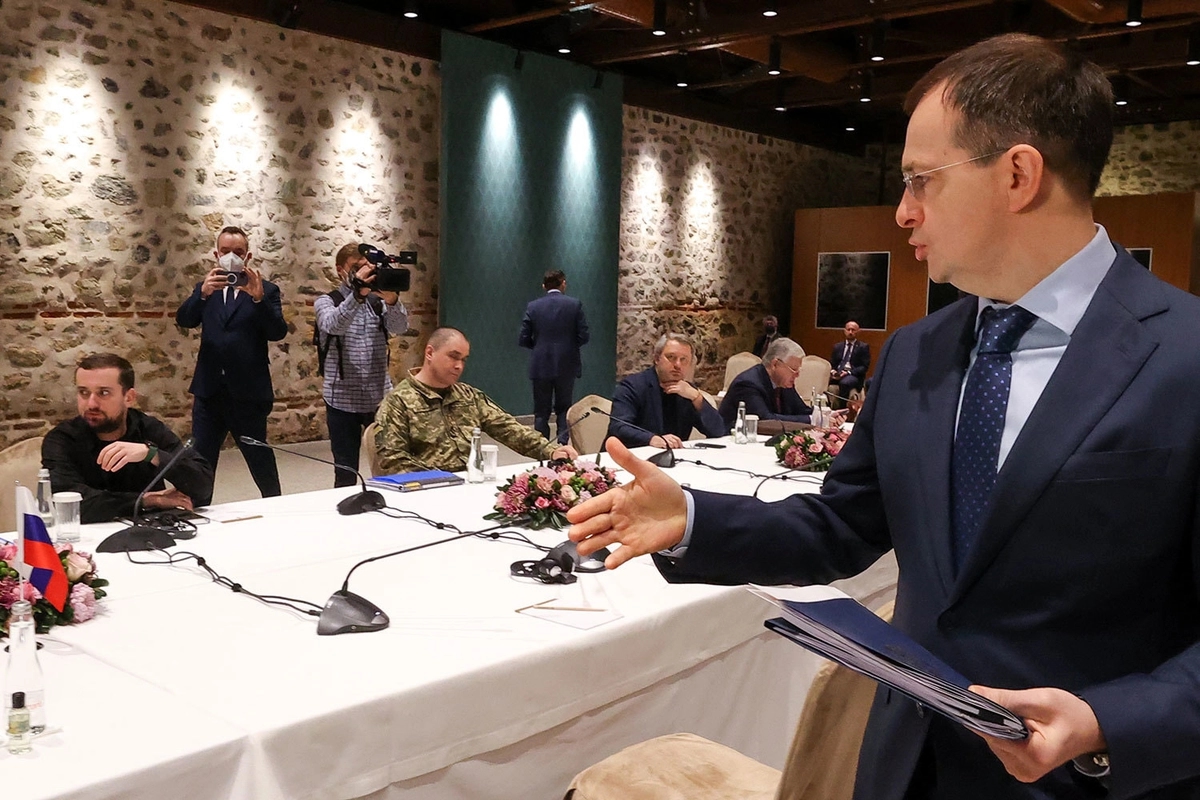
European contacts with Ukraine were, of course, far more frequent and friendly, but they were only barely more effective. Several conferences, including the Swiss Global Peace Summit in June 2024, helped create a favorable diplomatic environment for Ukraine and kept the ongoing war in the public eye, but these produced few tangible results. Even the usually optimistic Der Spiegel focused its coverage largely on the summit's positive optics rather than on any concrete achievements.
Europe’s second stage coincided with Donald Trump's return to the White House — and its consequences for transatlantic solidarity and European security. Europe was not yet prepared to fully step out of Washington's shadow to begin making a decisive contribution to ending the bloodshed in Ukraine, but it had nevertheless begun to develop an agenda of its own.
Trump's inconsistency, his overt attempts to court Putin, and his efforts to place equal responsibility on both sides for their failure to reach a deal alarmed Brussels, and the “Spirit of Anchorage” prompted Europeans to act by publicly backing Zelensky at the White House on Aug. 18, 2025 — firmly rejecting the idea of "a fragile peace in exchange for territorial concessions" and signing security guarantee agreements with Ukraine.
Trump's inconsistency and his overt attempts to court Putin genuinely alarmed Brussels
Later that year, the EU openly torpedoed Trump's 28-point peace plan and, for the first time, proposed an alternative document that transformed the original American proposal beyond recognition. In January 2026, a number of European states declared their readiness to deploy military contingents along a future demarcation line. Meanwhile, the "Coalition of the Willing" put forward a range of possible frameworks for the deployment of European peacekeepers in Ukraine.
Negotiations with Russia were no longer rejected outright, yet Russia itself was not explicitly named. This approach was reflected, for example, in the policy paper “Future of the European Security Architecture,” published by the European Parliament's research service and available here.

The third stage is still developing.
The transformation of the EU's position is evident in the statements of one of the Kremlin's most consistent critics, Finnish President Alexander Stubb. Helsinki has significant experience managing relations with Moscow, and it harbors very real concerns about its own security. As recently as late 2025, Stubb argued that in order to be able to offer Ukraine serious security guarantees, Europe would have to be prepared to fight Russia. And yet, by May of 2026, he was calling for direct talks with Russia so as not to leave the diplomatic field exclusively to Trump.
The European Union's response to Putin's suggestion that former German Chancellor Gerhard Schröder should serve as Europe's chief negotiator was equally revealing. Unsurprisingly, Schröder's candidacy was met with near-unanimous rejection across the EU, with Berlin describing the proposal as an element of Russia's "hybrid warfare." Still, no leading European figure rejected the idea of negotiations with Russia over a possible settlement to the war in Ukraine. On the contrary, since late May, Europe's leading politicians and experts have increasingly stressed the need for negotiations and their readiness to engage in them, even discussing specific candidates for the role of the EU's chief representative.
At a meeting in May, the EU’s foreign ministers stressed the need to foster negotiations, and this month, reports about a "window for dialogue between the European Union and Russia" have appeared. According to sources within the German government, even German Chancellor Friedrich Merz, one of Putin's most outspoken opponents, has declared that European participation in negotiations with Russia is necessary.
Consensus and newfound confidence
What has prompted European leaders to change their attitude toward potential negotiations with Russia? The answer involves a combination of factors, but the biggest one is Ukraine itself, which has mounted a sustained campaign of large-scale strikes against the Russian military’s logistical networks.
The Kremlin's central wager on a war of attrition against a smaller opponent is now beginning to work against Russia. The Institute for the Study of War (ISW) praised Kyiv's new strategy, which was also endorsed by France's leading think tank. Combined with Russia's evident military weakness and economic fragility, Europeans see an opportunity to begin serious negotiations — nothing like the rounds held in early 2026, which German analysts openly described as a "theater for Trump."
Traditionally, the main internal European obstacle to participation in negotiations is objection from the bloc’s smaller member states. Historical experience and a sober assessment of their own capabilities gave them ample reason to fear that Europe's heavyweights would strike a deal with Putin behind their backs and without regard for their interests. Now however, those concerns now appear to have been dispelled, and a consolidated continent is seeking to speak in a "common European voice" — meaning the combined efforts of the EU and the United Kingdom.
"The common European voice" – meaning the EU together with the United Kingdom – is becoming the only viable option for negotiations
Zelensky is acting in concert with his European partners. In his recent letter to Putin, the Ukrainian president not only declared his readiness to negotiate directly with the Russian dictator, but also explicitly identified Europe as a necessary participant in the process.
It was clear from the outset that Putin would reject Zelensky's proposal. Now, however, Ukraine and Europe have irrefutable counterarguments to use against those who accuse Kyiv and its allies of failing to make a sufficiently determined effort to resolve the conflict through diplomacy.
In practical terms, EU leaders would risk little by entering potential negotiations. The joint statement issued in London by the E3 and Ukraine already signals a different role for Europe in the negotiating process. For now, the document resembles previous statements in terms of its specifics, but its tone is markedly firmer. It refers to the contact line only as a starting point for future negotiations and explicitly links the fate of frozen Russian assets to the Kremlin's future conduct. Moscow will undoubtedly recognize the document's central message: the next offer will be worse for you.
Finally, by becoming more active in the peace process, Europe is expanding its geopolitical influence and further emancipating itself from the United States. Moscow has fully inherited the Soviet tendency to dismiss America's European allies, regarding only Washington as its true equal. The European Union remained Russia's largest trading partner, yet in the Kremlin's view, it was the Americans who conducted "high politics" on behalf of the West.
That attitude contributed to Brussels' lack of confidence in its own capabilities. Now, however, Europe appears to be shedding its hesitation. Major geopolitical actors must be able to put out fires on their own borders without waiting for help from elsewhere. If the EU is learning how to address the challenges of war by effectively supporting Ukraine and strengthening its own defense capabilities, it must also learn how to address the challenges of peace.
Washington's blessing
Trump's June "sort it out yourselves" response following Putin's rejection of Zelensky's message marked the culmination of a 15-month period of often chaotic efforts by the new U.S. administration to secure at least a ceasefire in the Russian-Ukrainian war. Having built the foreign policy component of his election campaign around criticism of Joe Biden’s support for Ukraine, Trump inherited a political burden he could neither carry comfortably nor discard, becoming a hostage to his own ambitions.
It is possible that Trump's team lacked sufficient expertise on the region and the conflict itself. His first presidency came after the annexation of Crimea and during a period of relative stagnation in the Donbas war. Trump's remarks about the conflict during his first four years in office were few and far between, even if it was indeed his decision that supplied Ukraine with Javelin anti-tank missile systems.
It appears that Trump never had a concrete plan for ending the war. Instead, he relied on a familiar business tactic: applying pressure to both sides in the hope that one of them would prove more willing to compromise.
Ukraine, as the "weaker side" in the American president's view, received the greater share of that pressure. After receiving Putin and bringing the two delegations to the negotiating table, Trump was unable to break the deadlock. Kyiv and Moscow staged what amounted to a performance for an audience in Washington, while the Kremlin continued to insist on terms that were clearly unacceptable to Ukraine, as they were tantamount to capitulation.
Then, in the fall of 2025, Trump began to argue that Europe should take the lead in providing security guarantees to Ukraine. He was now insisting that the EU's role extend beyond that of a diligent patron covering NATO contributions and financing weapons for Kyiv. Europe, in his view, should also become a geopolitical actor capable of negotiating peace and overseeing the implementation of any agreements if facilitated.
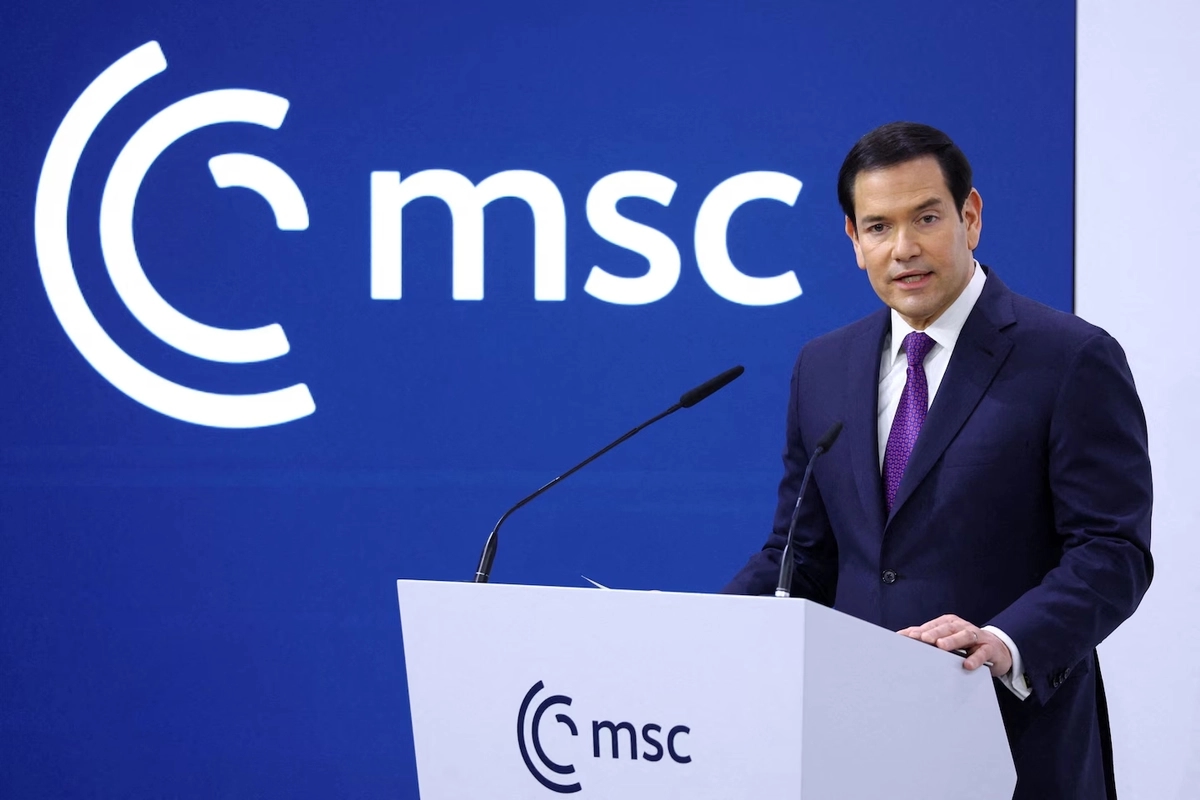
Secretary of State Marco Rubio's speech at the Munich Security Conference in February was intended, at least in part, to encourage Europe to join the efforts to end the war in Ukraine, and by May he acknowledged that the U.S.-led negotiations had reached a dead end. Trump and his entourage no longer see any prospect of a breakthrough in the negotiating process and are therefore trying to devote as little attention as possible to an issue that has become politically toxic for them. The U.S. president, who once relished talking about ending the war, now openly avoids giving direct answers about Washington's role in a future peace settlement.
Against the backdrop of the serious challenges facing both the Republicans and Trump ahead of the approaching midterm elections, the White House is eager to avoid another mistake. For that reason, any European initiative aimed at advancing negotiations is likely to be received very positively in Washington — at least until November.
Ending the war
Bringing the bloodshed in Ukraine to an end through diplomacy is impossible without Putin's consent. For now, both he and his principal spokesmen, Dmitry Peskov and Yuri Ushakov, continue to insist that Russia should be gifted Ukrainian territories that remain under Kyiv's control. Europe understands that the moment for negotiations has not yet arrived and speaks in terms of "months" rather than weeks before talks can begin.
But the nature of the war is changing, above all because of the Ukrainian military's successful strategy of disabling key elements of Russia's logistics networks, energy infrastructure, and defense industry. This is prompting even European skeptics to reassess the possible outcome of the conflict, strengthening Ukraine’s negotiating position. Whereas Europe previously focused on acting as Ukraine's advocate while simultaneously trying to prevent a Russian-American deal running counter to Kyiv's interests, traditional diplomacy may now move to the forefront.
Europe's motivation remains unchanged, and it is far from altruistic: Brussels seeks not only to protect Ukraine, end the war on the continent, and contain Russian aggression, but also to safeguard its own security, lay the foundations for a new collective security architecture, and prevent an even larger migration crisis.
Brussels seeks not only to protect Ukraine, but also to safeguard itself
Military, financial, and humanitarian support for Ukraine remain the priority, and Europe is becoming increasingly effective at providing them. In addition, against the backdrop of a change of government in Hungary, a more conciliatory stance from Slovakia's leadership, and a Czech government pursuing a less anti-European course than many had expected, Europe has achieved a greater degree of foreign policy unity, making it easier to support Ukraine effectively and to adopt new sanctions packages on an accelerated basis. The United States has effectively given Europe a free hand to try to end the war in Ukraine, and here it is difficult to disagree with former German Chancellor Angela Merkel that “Europe's strength and sovereignty are two sides of the same coin: defense capability and diplomacy.”