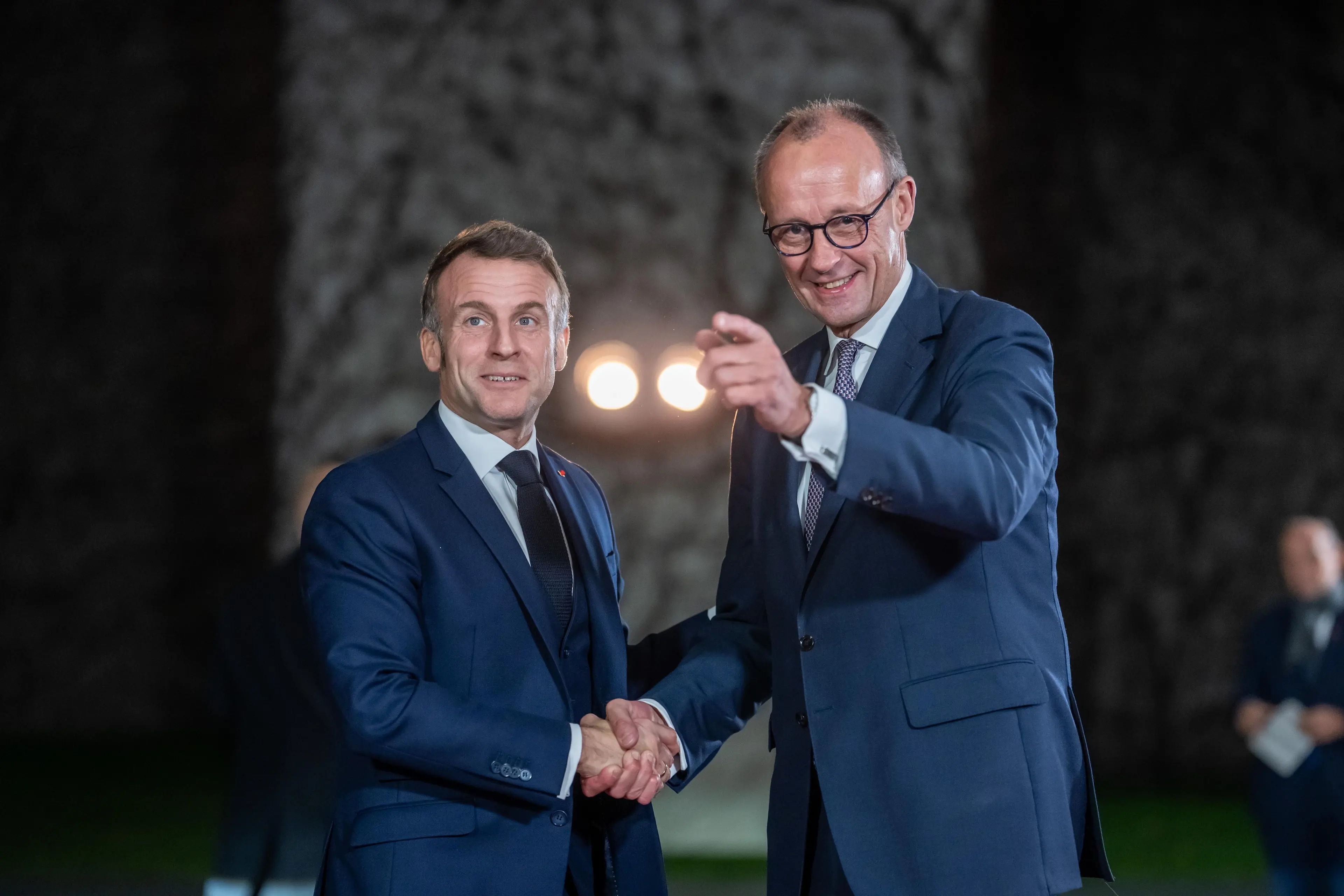

The end of the Viktor Orbán era in Hungary has sparked euphoria among EU elites, uniting leaders across the political spectrum. The Guardian has described their “jubilation,” citing EU leaders from Spanish Prime Minister Pedro Sánchez to his Polish counterpart Donald Tusk. Even Germany’s typically reserved chancellor Friedrich Merz spoke of “great gratitude” and “relief.” The word “victory” is being used less about Hungary’s winner, Péter Magyar, than about European unity and a return to effective governance. But the problem of right-wing populism is far from being resolved, argues German political analyst Dmitri Stratievski. Among the reasons are rising public spending amid difficult socioeconomic conditions and a lack of consensus over what Europe’s military-political union should look like.
The defeat of an autocrat as a healthy sign
Orbán is difficult to compare to other leaders who have also caused considerable irritation in Brussels. These include Slovak Prime Minister Robert Fico, who shifted from a “model” social democrat to a populist, and Poland’s former conservative leaders Beata Szydło and Mateusz Morawiecki of the Law and Justice (PiS) party, known for anti-migration policies and nation-first rhetoric.
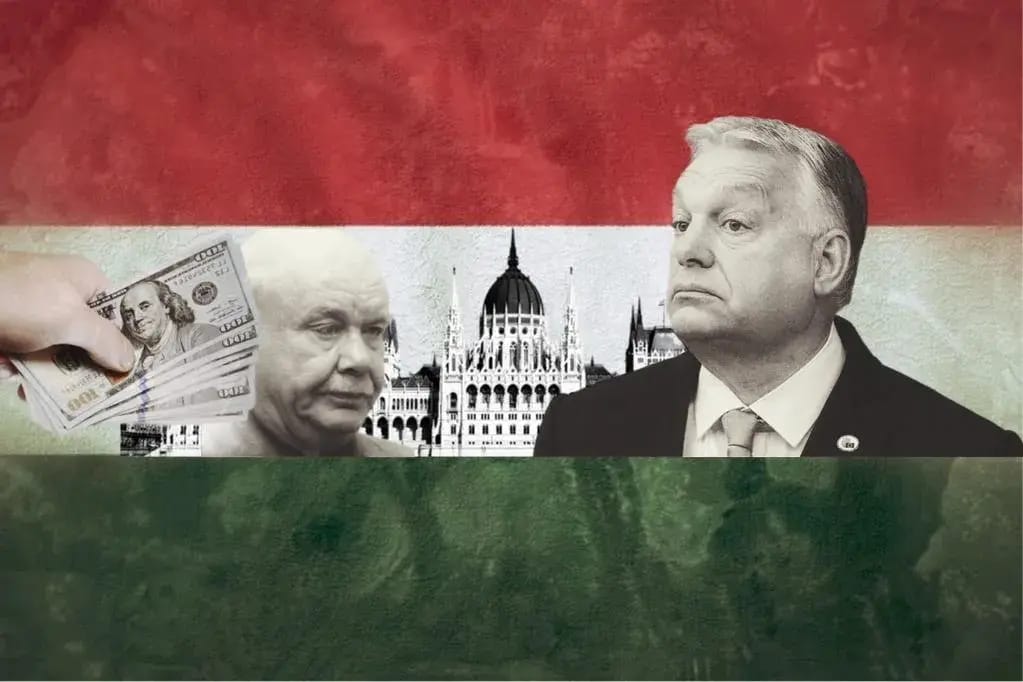
Orbán became a symbol of undermining European unity, elevated to the core of his political strategy. He repeatedly crossed both formal and informal “red lines,” building ties with Vladimir Putin, adopting anti-democratic laws, curbing freedom of speech and the judiciary, and effectively accepting — largely in pursuit of personal ambitions — multibillion-euro losses for Hungary through frozen EU funds, reduced investment and reputational damage.
Orbán’s actions at times looked irrational but proved politically effective, forcing major European powers into concessions and scoring points with domestic audiences. His departure marks a turning point, ending a period in which a single politician could exploit veto power to block progress in a union of more than 450 million people, especially during crises.
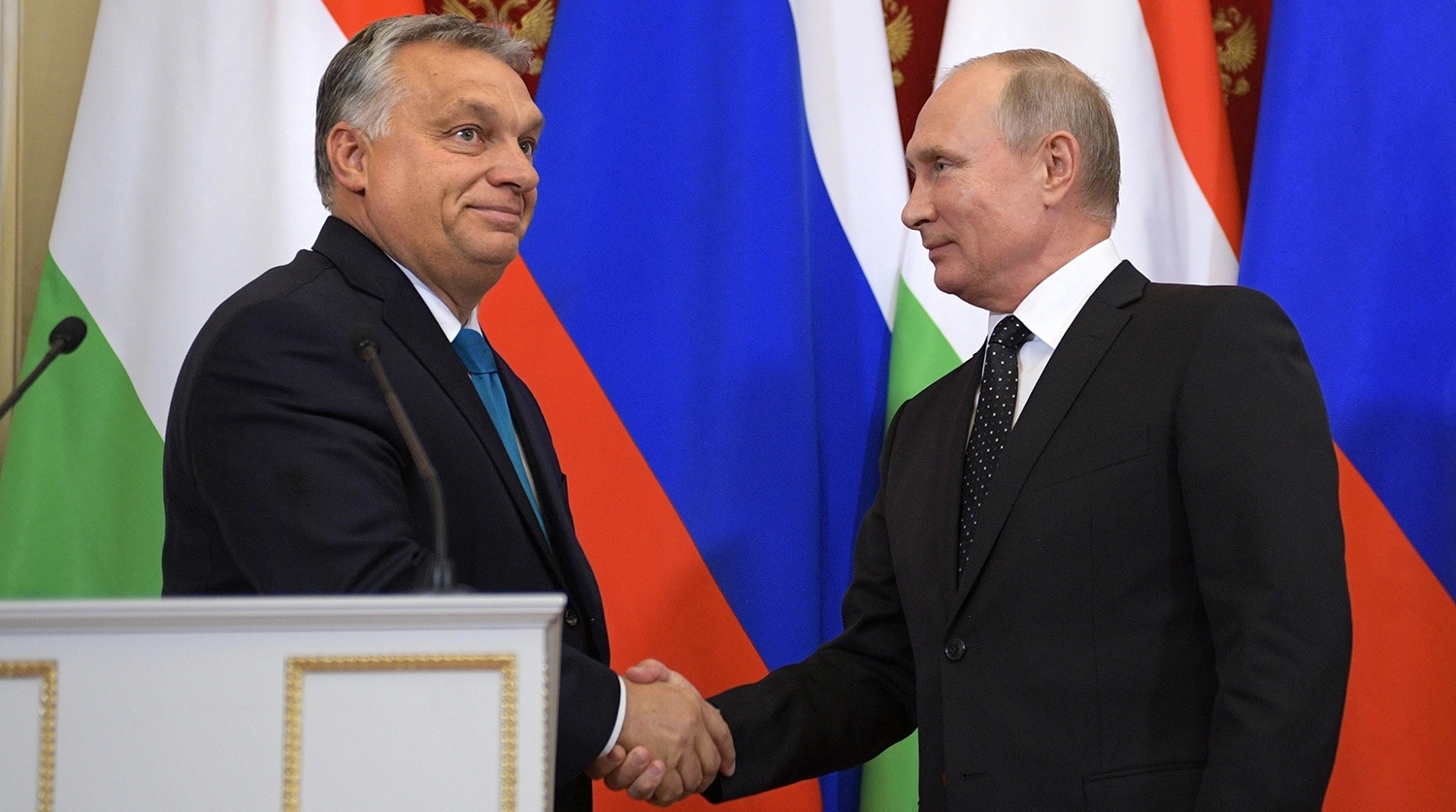
His defeat also symbolically weakens right-wing Euroskepticism, for which he served as a leading figure. Bloomberg may have moved too quickly in linking Hungary’s election outcome with Italian Prime Minister Giorgia Meloni’s referendum setback on judicial reform and declaring a left-wing resurgence in Europe. But Merz also called it a “serious blow to right-wing populism,” while European People’s Party (EPP) leader Manfred Weber said the far-right had lost a “role model.”
Orbán was not a classic far-right figure but readily used radical right rhetoric. In 2021, his party Fidesz left the EPP and later co-founded the “Patriots for Europe” group in the current European Parliament.
However, a key difference separated Fidesz from its allies — France’s National Rally, Austria’s Freedom Party and Spain’s Vox: only Orbán led a national government. That made him an informal symbol of the success of an anti-European project from within Europe itself.
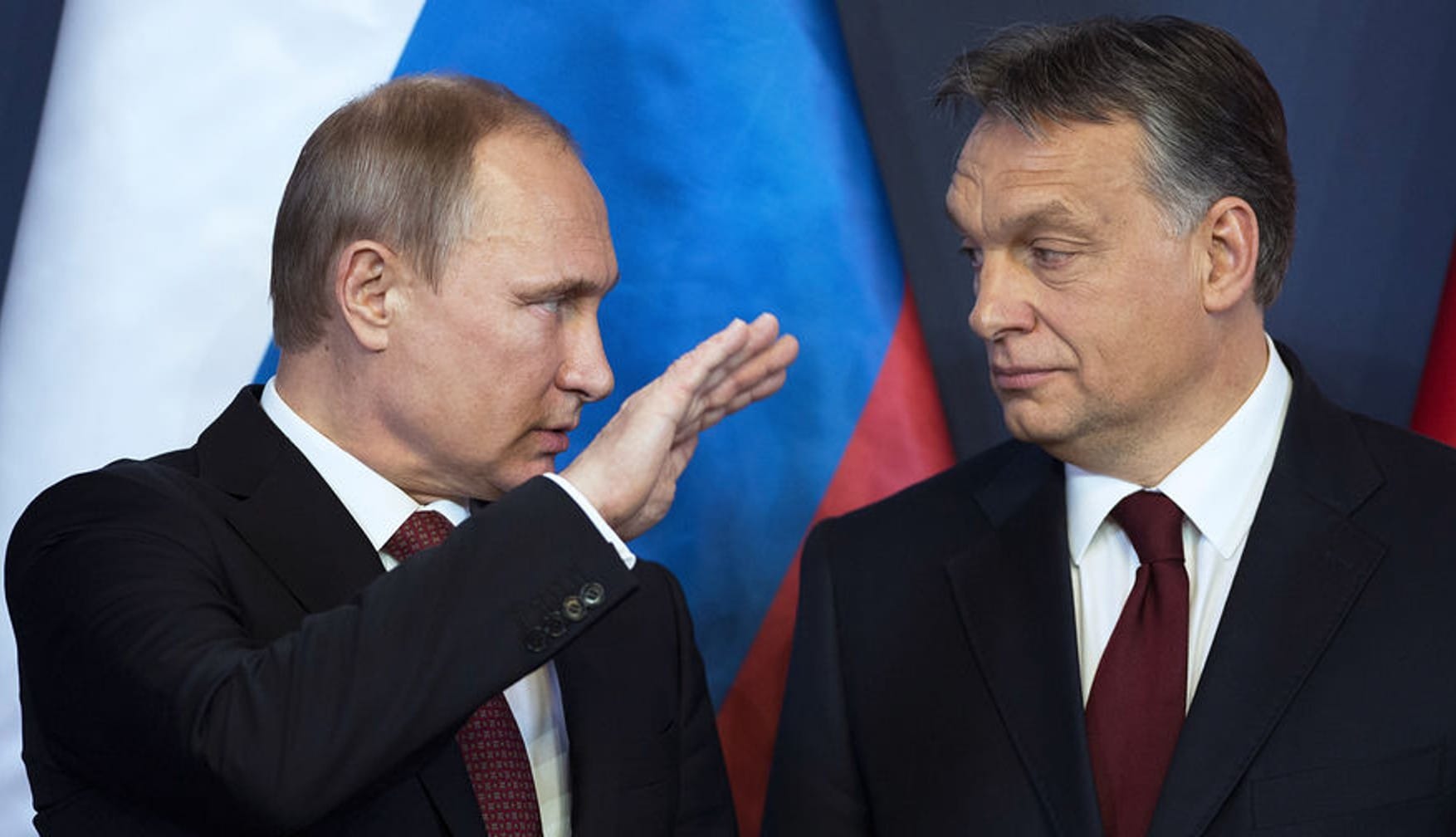
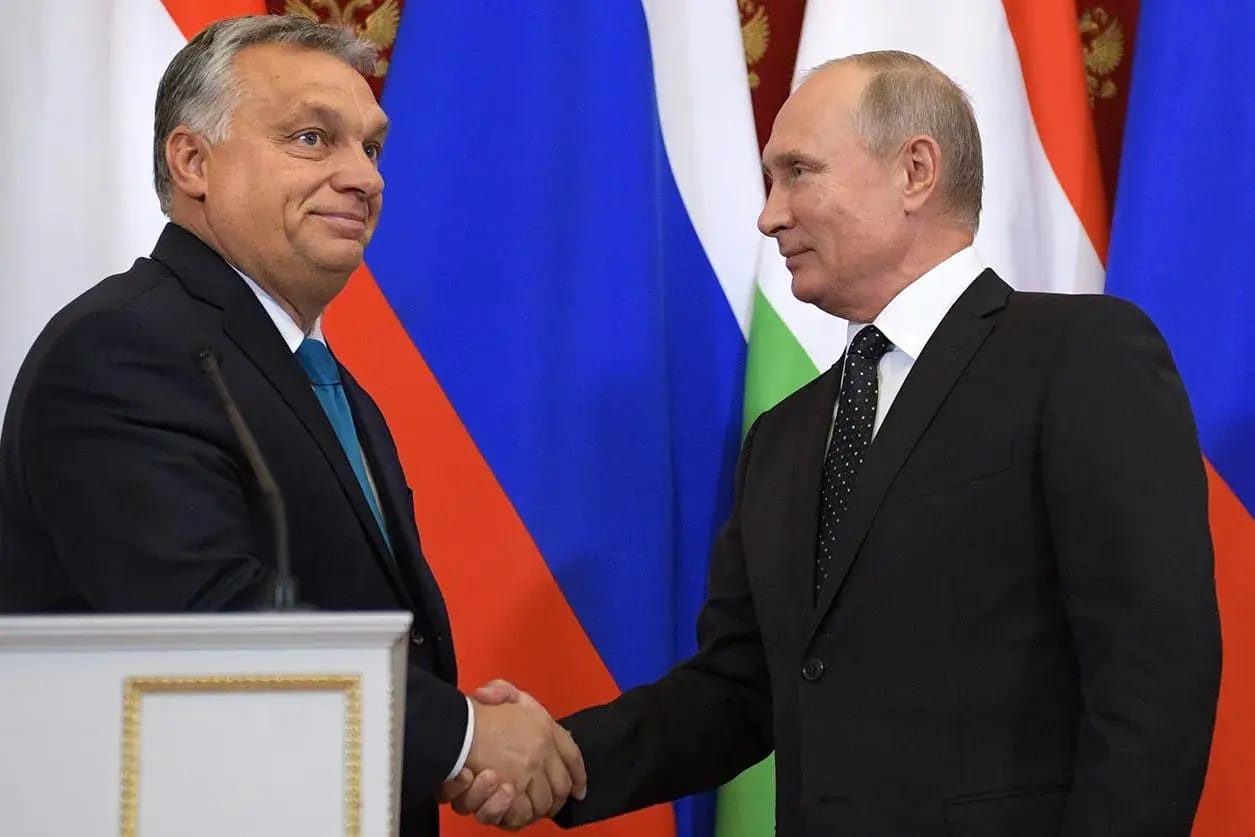
There is little doubt that Orbán’s defeat is a setback for both Putin and Donald Trump. At the first post-election EU leaders’ meeting in Cyprus, Tusk remarked: “For the first time in years, there are no Russians left in the room,” a thinly veiled reference to Orbán’s pro-Russian stance and leaks of confidential information to Moscow. Putin has lost a “Trojan horse” in the EU, and neither Fico nor anyone else can fully replace him.
Orbán’s defeat is a setback for both Putin and Trump
For a Europe currently in open conflict with Washington, Orbán’s defeat is not merely a jab at Trump. The White House had strongly backed the Fidesz leader ahead of the vote, with Trump praising him and Vice President JD Vance making a last-minute trip to Budapest.
Following the defeat of what U.S. ultraconservatives called an “illiberal democrat,” MAGA ideologues appear genuinely unsettled. Support from across the Atlantic failed to help their preferred “traditionalist European,” highlighting the limits of U.S. influence over European politics — a lesson Trump will have to absorb.
The practical effects of removing what German media dubbed “Europe’s chief blocker” are already visible. Hungary lifted its veto on both the EU’s 20th sanctions package against Moscow and a two-year €90 billion loan to Ukraine.
Although this formally followed the resumption of the Druzhba pipeline — a key demand of Budapest and Bratislava — the timing suggests a link to the expected change in power. It ended months of uncertainty that exposed the weakness of EU institutions and complicated planning for both Brussels and Kyiv.
It is also notable that despite having strong backing from Moscow and Washington, Orbán did not attempt to influence the election outcome through undemocratic means. His reaction resembled that of a democratic leader.
By the night of April 12-13, he had publicly conceded defeat, congratulated Magyar on his victory and called for a sweeping renewal of Fidesz. A few days later, he gave an emotional interview describing feelings of “fatigue, pain and emptiness” and his readiness to organize the transfer of power. It was a sign of the European democratic project’s resilience: even its “chief troublemaker” played by the rules at the defining moment of his career.
The Euroskeptics are still around
The end of Orban’s rule weakened nationalists and strengthened the European Union. Euroskeptics did not hide their disappointment. Philipp Turek, the controversial millionaire and honorary chairman of the right-wing Motorists party, which is part of the current Czech government, was blunt: “I fear we have lost a very strong ally in Europe.”

There is little doubt that Czech Prime Minister Andrej Babiš, like Fico in neighboring Slovakia, understands that the right-wing trend is time-limited, sensitive to changing circumstances, and that populists can lose power just as quickly as they gain it. But Orban and his allies are better understood as a symptom, a reaction to internal developments within the European bloc. EU leadership risks making a serious mistake if it focuses on fighting the symptoms rather than the disease.
In recent years, the idea of a “multi-speed Europe” has gained traction in the EU. The concept was that economically and politically stronger states, like France, Germany, and Italy, would deepen integration more rapidly than weaker states, or those unwilling to speed up their cooperation for various reasons. In principle such a model was meant to enable more efficient consensus-building, without losing time to endless coordination. To paraphrase the idea, a multi-speed Europe already exists, albeit in another form. Even after Orban’s departure, forces that are fundamentally at odds with the current Brussels mainstream remain in power in several European capitals.
The Euroskeptics’ primary tool remains the veto, which any EU member state can use on almost all fundamental decisions, from foreign policy and defense to the budget and EU enlargement. There are only two ways to move from unanimity to majority voting: changing the Treaty on European Union or changing the voting rules in a specific policy area by decision of the European Council. Both require unanimous approval.
Orban made the veto the hallmark of his political style, but he is far from the only leader to have used it. A week after a majority of Hungarians showed Orban the “red card”, a majority of Bulgarians voted in parliamentary elections in a way that allowed Rumen Radev, a retired general and former president, to form a single-party government in the near future. Radev, who supports “dialogue with Russia” and opposes “Eurobureaucrats,” anti-Russian sanctions, arms supplies to Ukraine, and EU enlargement, sees the veto as an important part of Bulgarian sovereignty.
Moreover, the tool is supported not only by Euroskeptics. For pro-European governments in Austria, the Baltic states, and Malta, it is a way to preserve the ability to defend national interests and oppose larger political players. Finding a compromise here will be much harder than agreeing with Magyar on Hungary’s new foreign policy course.
Orban’s defeat was not a knockout blow to Europe’s right-wing populists. Alternative for Germany has only strengthened its position and leads national polls with a record result, several percentage points ahead of Merz’s conservatives. France will hold a presidential election in a year. Emmanuel Macron has already said he will leave politics after his second term ends. The National Rally and its likely presidential candidate, Jordan Bardella, are leading in the polls. Belgian and Austrian far-right parties also lead in their countries.
Orban’s defeat was not a knockout blow to Europe’s right-wing populists
It would be premature to assume that the change of power in Budapest will guarantee effective, substantial, and most importantly, long-term support for Ukraine. Magyar is unlikely to block financial aid to Kyiv in the near future. Hungary may, however, refuse to participate in it. That would, however, allow for clearer and more predictable planning. Still, Germany’s formula of “support for as long as it takes,” which Berlin has used since 2022, does not appeal to everyone. By 2029 at the latest, Brussels will once again have to revisit the issue of multibillion-euro aid for Kyiv.
It may happen even sooner. According to The Wall Street Journal, the 90 billion euros allocated to Ukraine may not be enough, and Kyiv may need an additional 19 billion euros. Against the backdrop of a chain of crises in Europe, the world, and individual European states, as well as tightening national budgets and painful reforms, the number of disgruntled voters will only grow.
It will be even harder to achieve unity on Ukraine’s EU membership. In some ways, Orban’s departure has played a cruel trick on Brussels. Previously, the Hungarian prime minister’s consistent and public “no” served as a kind of alibi for EU leaders. Now Kyiv will likely press its partners with uncomfortable questions more insistently. Ukrainian President Volodymyr Zelensky has rejected the idea of “symbolic” or “partial” membership for his country.
Morally, there is little to say against the president’s argument: Ukraine is paying a huge price for the right to be part of the European family of nations and is defending Europe. Yet even the boldest observer will struggle to imagine Ukraine’s swift and successful accession to the EU, from the work of negotiating teams to ratification of the final treaty by national parliaments. A forced “neither yes nor no” will inevitably create friction between Kyiv and Brussels.
The farther from Ukraine, the greater the disagreements
Functionally, Orbán’s departure is a victory for a united Europe. Other European leaders close to him in spirit are unlikely to obstruct the majority of initiatives so irrationally and consistently. But the change of power in Budapest does not resolve Europe’s five main challenges.
First, what should be done with Euroskeptics, who represent the interests of at least a quarter of all European voters? There are three strategies: more active preventive EU work inside member states to persuade voters not to give opponents of European unity a mandate to govern, fighting Euroskeptic movements, or trying to integrate them. None of these strategies offers a definitive solution, and each carries drawbacks.
Second, it remains unclear how mainstream European politicians should communicate with voters about continuing increases in spending. Europe is under strain. In Germany, the government is discussing health insurance reform that could significantly raise contributions while cutting services.
Belgium is planning sharp cuts to social spending. France is facing new budget restrictions, while Poland is expected to raise the retirement age. In such circumstances, it is difficult to find the right political language to justify the need for multibillion-euro investments in defense and security, as well as aid to Ukraine.
Third, Merz’s statements that Ukraine will not join the EU quickly are telling, let alone the possible territorial concessions. After Orbán’s defeat, Europe will have to create a new framework for relations with Kyiv and provide more specific answers about the prospect of full membership. This is not merely a dialogue between the 27 EU states and Ukraine.
At least two EU membership candidates, Montenegro and Albania, have held that status since 2010 and 2014, respectively. These countries have diligently fulfilled political, economic, and monetary requirements, carried out numerous reforms, and already advanced far along the path. They should be full participants in the discussion about the order of EU accession.
After Orbán’s defeat, Europe will have to create a new format for relations with Ukraine
Fourth, not everyone in the EU agrees with the bloc’s transformation — in practice, though not acknowledged openly — from a political and economic union into a political and military one. In the fifth year of a major European war, geography still matters: the farther a country is from the battlefield in Ukraine and from Russia, the lower its sense of threat from Moscow. Confrontation with Russia and the necessary rearmament are long-term projects, just like support for Ukraine, if not longer. They require maximum will and resolve from Europeans.
Fifth, the loss of the premiership by Europe’s leading Trump ally was a rebuke to the U.S. administration and a signal to the American president’s circle, but in practice it does nothing to shape the EU’s strategy toward the United States. Trump starts military conflicts without consulting European allies and does not account for the risks they face. Washington has once again questioned the value of U.S. membership in NATO and threatened Spain with expulsion from the alliance over its refusal to cooperate in the war against Iran.
Although NATO’s founding documents do not provide for expelling members, the risk of the American “umbrella” collapsing before Europe can ensure its own security is not so small. The EU has learned to push back firmly against the United States, as the conflict over Greenland showed, but in the second year of Trump’s presidency it still appears to lack a clear strategy for relations with the White House and for confronting Trumpism as a phenomenon.
Europe’s main “bad guy” is gone, giving the EU a chance to increase its consolidation, effectiveness, and ultimately, agency. But the challenges facing the largest democratic union of states in world history remain very much in place.