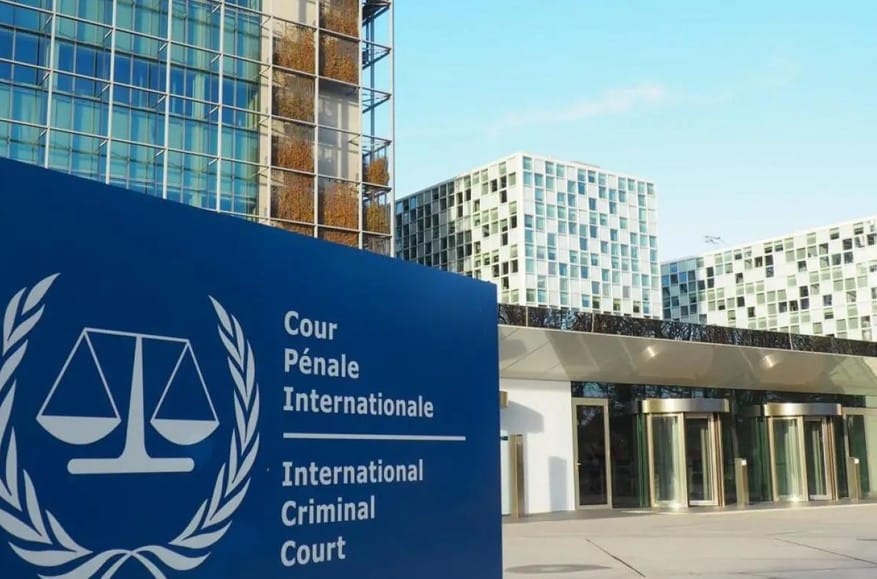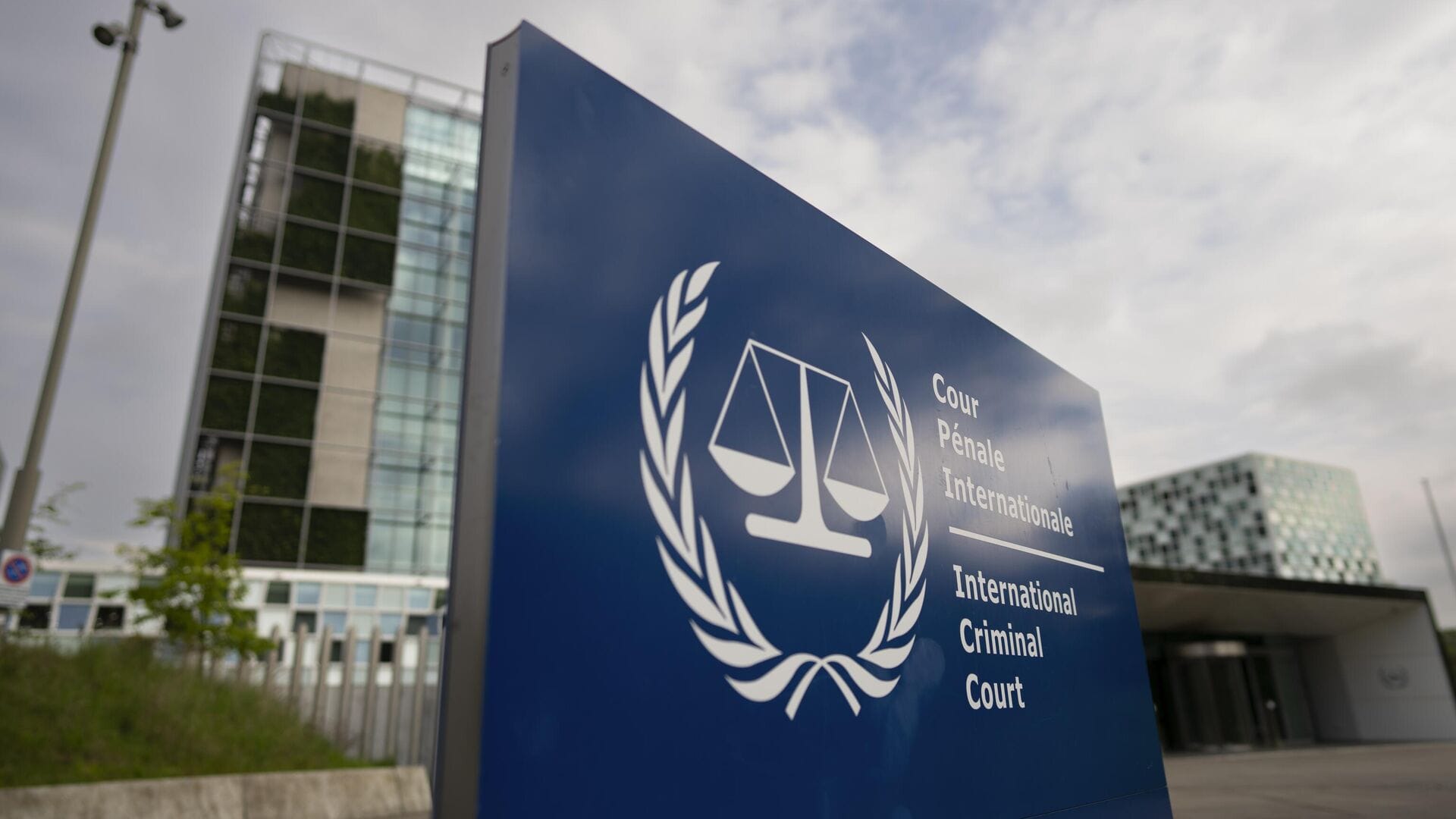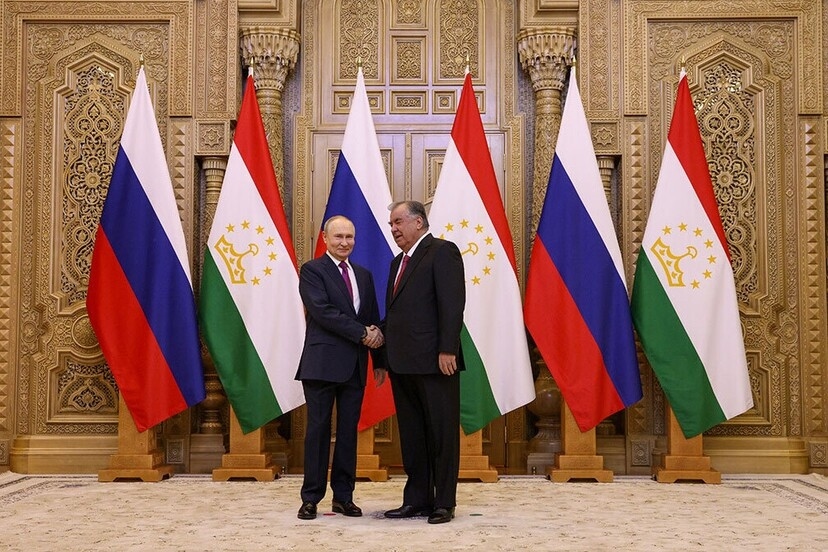
Tajikistan has officially notified the United Nations of its decision to withdraw from the Rome Statute and the International Criminal Court (ICC), according to a depositary notification published on the website of the UN Secretary-General. The decision became known after Dushanbe received Vladimir Putin for a visit on Nov. 20. The ICC issued an arrest warrant against the Russian dictator in 2023.
The depositary notification is dated Nov. 20 and is due to take effect after one year, on Nov. 20, 2027. Until then, Tajikistan will formally remain a member of the ICC.
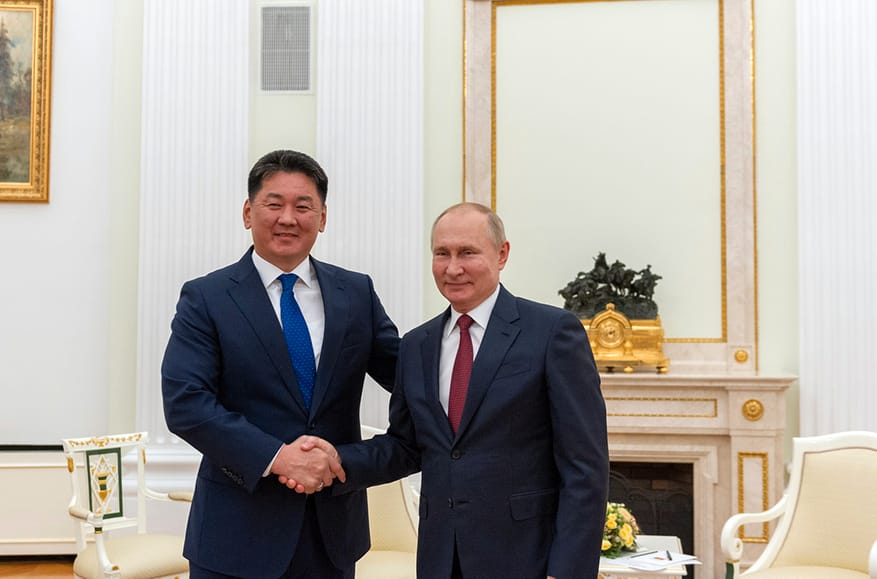
The date of the document coincides with Putin’s visit to Dushanbe following the APEC summit in China. While there, he met with Tajik leader Emomali Rahmon. Putin’s most recent visit to Tajikistan had come in the fall of 2025, and European authorities accused Dushanbe of failing to fulfill its obligations to execute the warrant for his arrest.
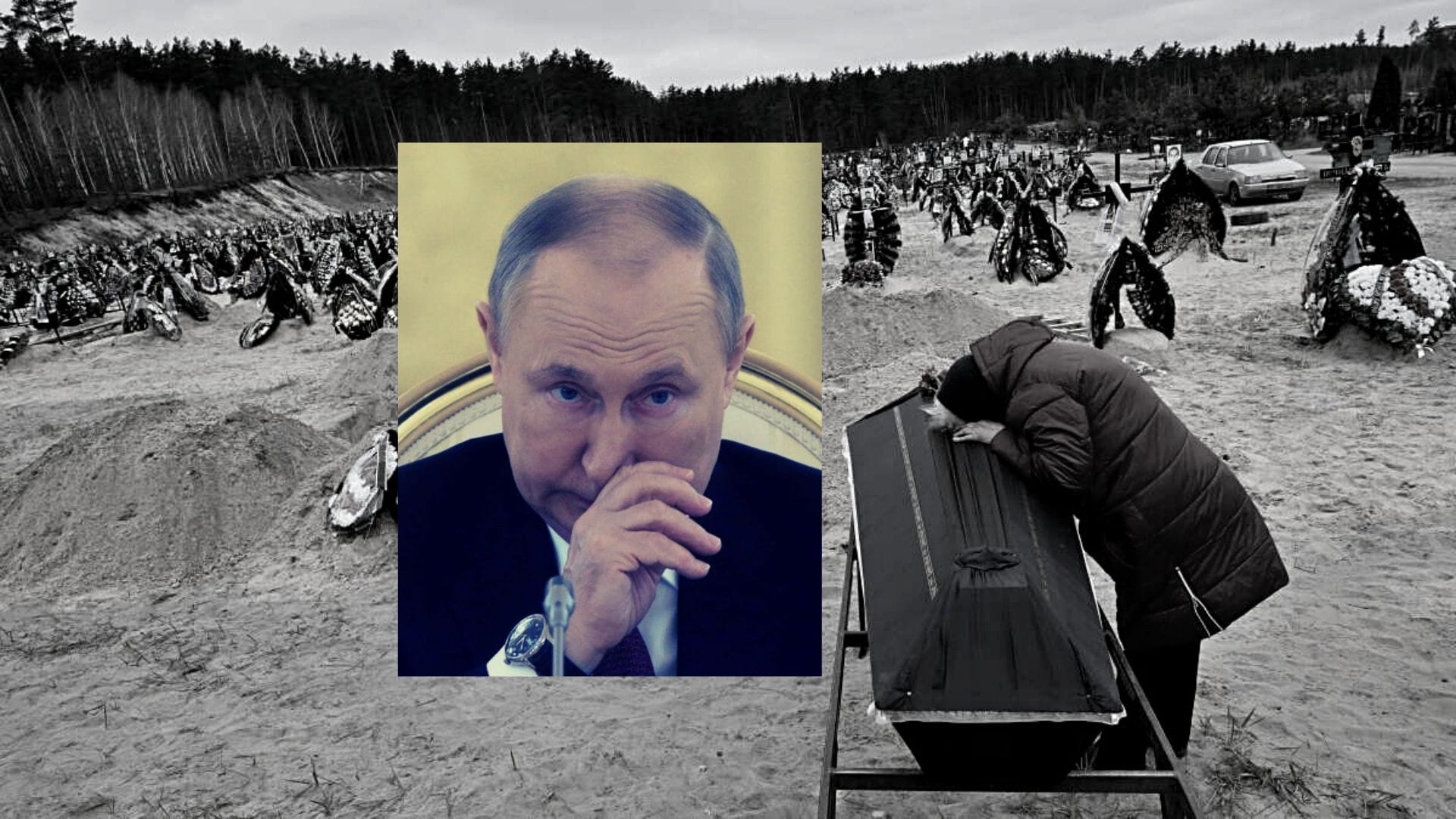
The warrant for the Russian president has been in effect since spring 2023, issued by the ICC for Putin and Russian Children’s Rights Commissioner Maria Lvova-Belova, both of whom stand suspected of involvement in the deportation of Ukrainian children to Russia during the war.
The date was also pointed out in a conversation with The Insider by human rights defender and founder of Freedom for Eurasia Leila Nazgul Seiitbek:
“The timing itself is already a message: President Rahmon chose his patron over the treaty that Tajikistan signed in 1998. The step was prepared in advance: parliament started the process in September. Tajikistan became the first former Soviet republic to withdraw from the ICC, while Armenia and Ukraine, on the contrary, have joined it. This contrast shows precisely where Moscow’s influence extends.”
Official Dushanbe is probably also taking into account its nationals in whom the court may take an interest, Seiitbek says. Human Rights Watch documented war crimes during the brief military conflict between Tajikistan and neighboring Kyrgyzstan in 2022, and the country’s authorities could also come under scrutiny after their harsh suppression of protests in the Gorno-Badakhshan Autonomous Region. The UN also noted widespread repression in the country, including against citizens who have fled abroad.
“After November 2027, crimes committed inside Tajikistan will be beyond the ICC’s reach, unless the UN Security Council directly refers a specific case to the Court, which Russia will block. Victims will lose their last judicial recourse.
This is precisely why the next 12 months are critical: victims, lawyers, and human rights organizations should submit well-documented communications to the Office of the Prosecutor now, not next fall. EU member states should also consider referring cases of Tajik transnational repression on their territory, as Lithuania did with regard to Belarus. The door is closing, but it is not yet closed.”
Tajikistan’s parliament approved the country’s withdrawal from the International Criminal Court last month. Deputy Foreign Minister Idibek Kalandar claimed at the time that the organization’s “politicization” is “gradually turning international criminal justice into an instrument of political pressure.”