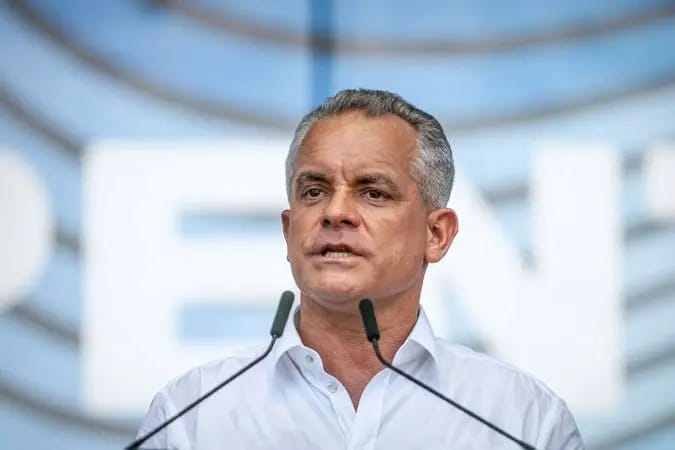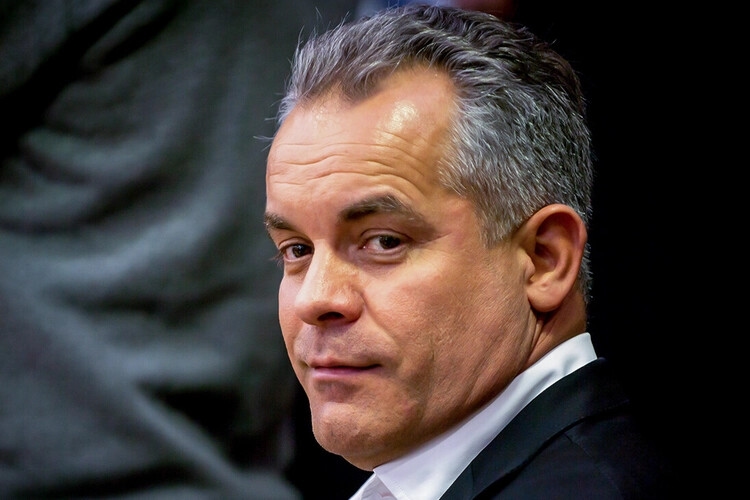
The Court of Justice of the European Union has rejected an appeal by the Council of the EU, upholding a ruling that annulled sanctions imposed in May 2023 on Moldovan oligarch Vladimir Plahotniuc, who was sentenced in April to 19 years in prison for bank fraud. Despite the Council’s defeat in court, Plahotniuc remains on the sanctions list under an updated decision adopted in April 2026. The restrictions have been extended through April 29, 2027, with the justification expanded to include allegations that he met with Kremlin representatives with the aim of interfering in Moldovan elections.
The ruling was issued by the court’s Sixth Chamber and saw the judges uphold an October 2024 judgment by the EU’s General Court, which found Plahotniuc’s original inclusion on the sanctions list unlawful. The Council of the EU had challenged that decision since December 2024.
The court found that when Plahotniuc was added to the sanctions list, the Council had failed to verify whether his right to effective judicial protection had been respected in the criminal proceedings opened against him in Moldova. European authorities had relied on materials from those investigations to justify the sanctions.
In its original decision of May 30, 2023, the Council said Plahotniuc was implicated in several criminal cases involving the embezzlement of public funds, illegal capital transfers, and bank fraud. Moldovan investigators also suspected him of bribing a former president in exchange for political favors. The Council argued that the criminal investigations were only one of several sources of information it had relied on.
The court also rejected the Council’s argument that the alleged bribery of a Moldovan president could serve as an independent basis for sanctions because it amounted to interference in the democratic process. The judges said that even under that reasoning, the Council was still required to verify that Plahotniuc’s procedural rights had been respected when the criminal case was opened.
As a result of the proceedings, the Council of the EU was ordered to cover both its own legal costs and Plahotniuc’s.
Despite the ruling, Plahotniuc remains under EU sanctions
The annulment of the original sanctions decision does not mean Plahotniuc has been removed from the current list of designations. In April 2026, the Council of the EU adopted a new measure extending restrictions on individuals accused of destabilizing Moldova, and those measures will remain in place through April 29, 2027.
The Council also updated the justification for the sanctions by adding allegations that he interfered in Moldova’s 2025 parliamentary elections. In particular, the document says Plahotniuc held meetings with Kremlin representatives to seek support for interfering in the Moldovan vote. Those allegations were not included in the original 2023 sanctions decision that he challenged in court.
The Insider previously uncovered Plahotniuc’s secret trips to the Kremlin
Plahotniuc held secret talks with senior Russian officials. Flight records and copies of documents obtained by The Insider showed that he regularly traveled to Moscow using a passport issued under the false name Mikhail Taushanov. Passports bearing that name were later found when he was detained in Greece.
Recordings of conversations involving Vladislav Darvai, Russia’s former trade representative in Moldova, indicated that Dmitry Kozak, then deputy head of the Russian presidential administration, had been holding talks with Plahotniuc since June 2024. The discussions included the oligarch’s possible return to Moldovan politics and a potential meeting with Vladimir Putin. Plahotniuc last traveled to Moscow in late April 2025.
A 19-year sentence and allegations of laundering billions of dollars
In spring 2026, a court in Chisinau sentenced Plahotniuc to 19 years in prison on charges of bank fraud, participation in a criminal organization and money laundering. The case stemmed from the theft of about $1 billion from three of Moldova’s largest banks in 2014. Prosecutors accused Plahotniuc of receiving $39 million and €3.5 million in stolen funds through affiliated companies. Plahotniuc denied the allegations, characterizing the verdict as political revenge. The trial court ruling has been appealed, and hearings on the appeal began in October 2026.
Plahotniuc also appeared in investigations into the so-called Moldovan Laundromat, a massive money-laundering scheme uncovered by the international investigative journalism network OCCRP. According to the investigation, around $20 billion was moved out of Russia between 2010 and 2014 through a network of fictitious loans, offshore companies, Moldovan courts, and banks.
Plahotniuc left Moldova in 2019 after a change of government. He was detained in Greece in July 2025 and was extradited to Chisinau in September. Russia had also sought his extradition in connection with a money-laundering case opened against him there.