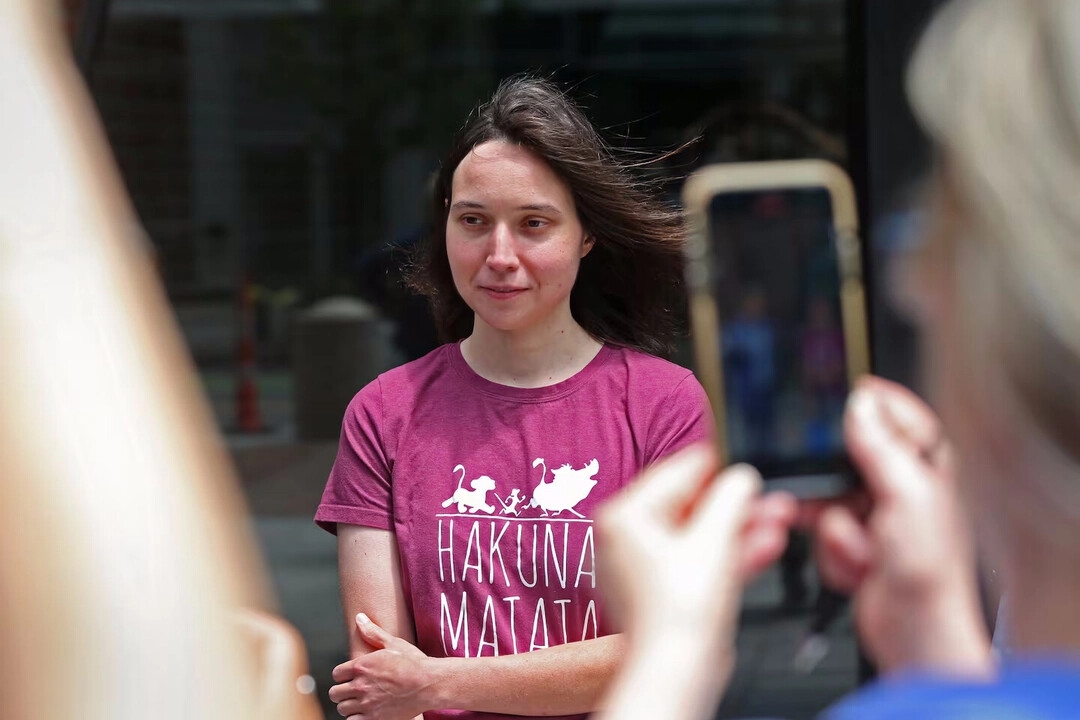
U.S. prosecutors have asked a court to dismiss the case against Russian scientist Ksenia Petrova, who was detained in February 2025 over frog embryos she brought into the country. The request was disclosed in court documents filed the previous day. Lawyer Igor Slabykh drew attention to the filing.
The document shows that prosecutors are asking the court to dismiss the case with prejudice, meaning the same charges could not be brought against Petrova again.
According to prosecutors, their main reason for seeking to dismiss the case was the significant resources required to continue pursuing it. Petrova’s lawyers had argued that she was being selectively prosecuted. In spring 2026, the court agreed to examine those claims and ordered prosecutors to provide information about other passengers who had similarly failed to declare biological materials comparable to the embryos, as well as records of similar customs inspections.
Prosecutors concluded that locating and producing the information would require substantial time and resources. The government ultimately decided that “resource costs of continuing this prosecution outweigh the public interest in its resolution.” Prosecutors nevertheless maintained that the charges against Petrova had been justified.
Petrova worked at Harvard Medical School and had lived in the United States since 2023. She was detained in February 2025 after arriving in Boston from France. In her luggage, customs officers found a box containing embryos of clawed frogs, which she said she was transporting at the request of her research supervisor. Petrova had not declared the samples; she later said in an interview that she did not know she was required to do so.
In June 2025, Petrova was released on bail. That same month, a grand jury found sufficient evidence to indict her on a smuggling charge. She was also charged with making false statements and concealing material facts. The smuggling charge carried a maximum sentence of 20 years in prison and a fine of up to $250,000. The additional charges carried up to five years in prison and fines of the same amount.