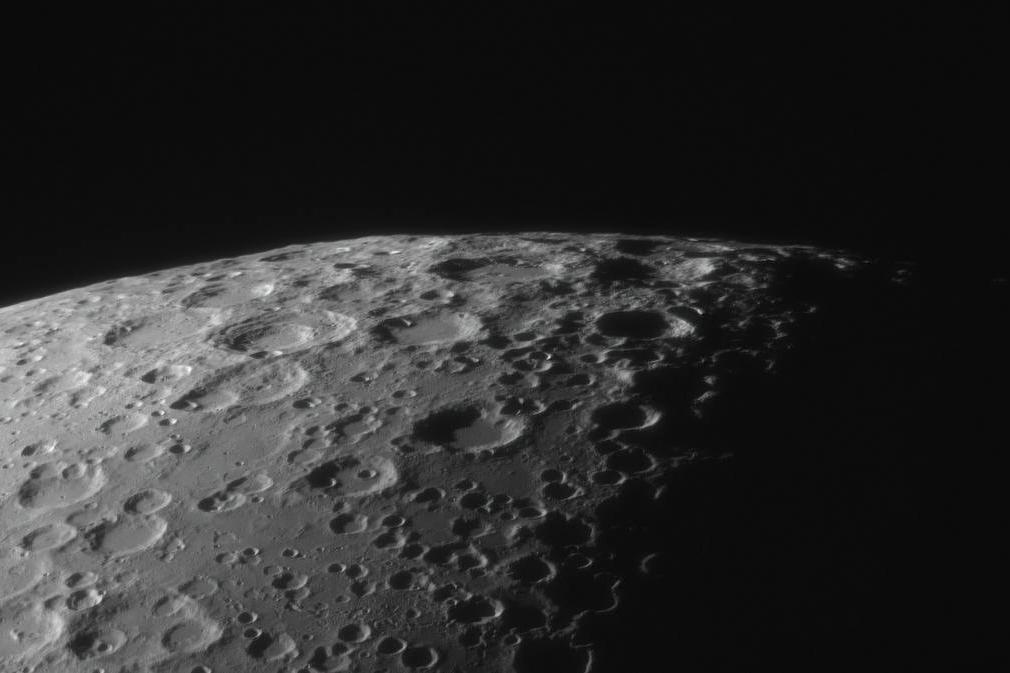
On Oct. 21, Russia's space agency Roscosmos once again reported successes in the development of a nuclear power plant project for lunar missions. The mission itself is not scheduled to take place until the mid-2030s, but the agency claims that the launch vehicle is ready and that the only outstanding issue is the production of the power source itself. The Insider explains why scientists both in Russia and abroad are looking for ways to harness nuclear energy in space and what we know about the Russian project at this stage.
What we know about the project
Roscosmos first spoke about building the “Lunar Power Unit” in 2024. Last summer, Deputy Prime Minister Denis Manturov described the project, and in late 2025 specifics began to emerge. Roscosmos’s press service then officially reported that it had signed a contract with the Lavochkin Research and Production Association to develop the power unit.
On April 12 — Cosmonautics Day — Rosatom CEO Alexey Likhachev shared technical details of the project: a power unit with an output of up to 10 kW, a mass of no more than 1,200 kg, and a failure-free service life exceeding 10 years. The unit is expected to withstand launch loads, vacuum conditions, radiation, and a lunar night that sees temperatures fall to −150°C (−238°F).
“This is not theory. Our radioisotope sources worked autonomously for decades at lighthouses on the Northern Sea Route, and in 2019 they supplied heat to China’s Yutu lunar rover on the far side of the Moon. For scientific equipment and mobile modules, we are offering solutions that have proven their worth,” Rosatom head Likhachev said.
However, Rosatom had already acknowledged that this power output would not be sufficient for mining metals or obtaining oxygen and rocket fuel from ice. Instead, the project was called a “first step,” and it was promised that a lunar nuclear power plant “an order of magnitude more powerful” would be presented later.
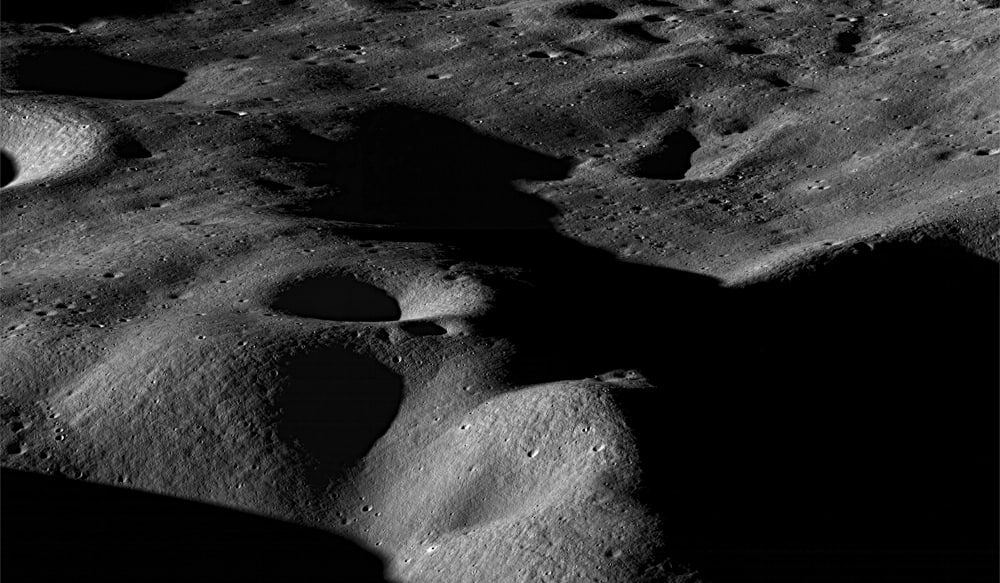
The purpose of the project is to supply power to future Russian infrastructure on the Moon. At Roscosmos, it was hailed as the “foundation for future lunar bases.”
Importantly, Russia is not carrying out the project alone — it was stated from the start that the power plant will serve the Russian-Chinese lunar station project. Delivery and installation of the unit on the Moon is also part of a joint mission with China. According to Roscosmos, the completion of the project is anticipated in 2036, by which time the power unit should be up and running.
Is that even possible?
The short answer is yes, although in the case of the lunar power unit, it will take a minimum of a few more years.
Small reactors already exist — and not only in one-off tests. Compact and mobile small modular reactors (SMRs), which can be installed where there is no room for large nuclear power plants, already enjoy widespread use. However, their output is far lower than the planned lunar variant — in the vicinity of 300 MW (compared to at least 700 MW per unit in large conventional reactors).
There have been real examples of nuclear reactors on spacecraft. The U.S. launched one in 1965, and it operated in orbit for 43 days. The Soviet Union launched its first reactor in 1970, but the reactor core of the BES-5 Buk began to melt after less than two hours. A successful case in the late 1980s involved the Topaz-1 reactor, as the first unit operated for six months and the second for almost a year.
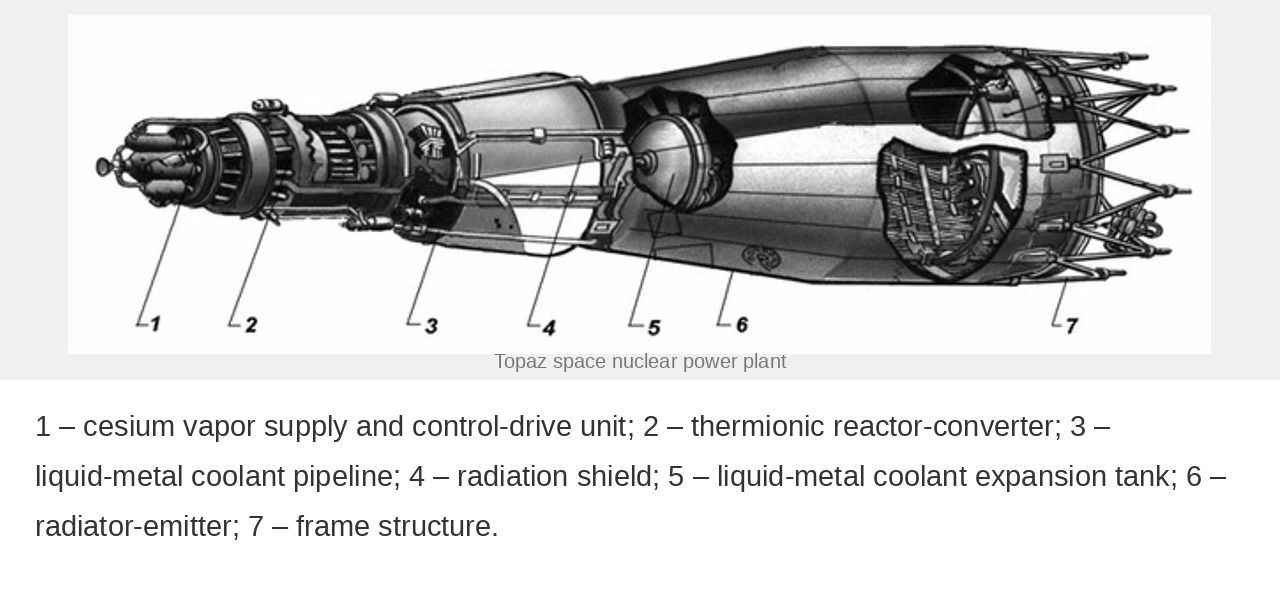
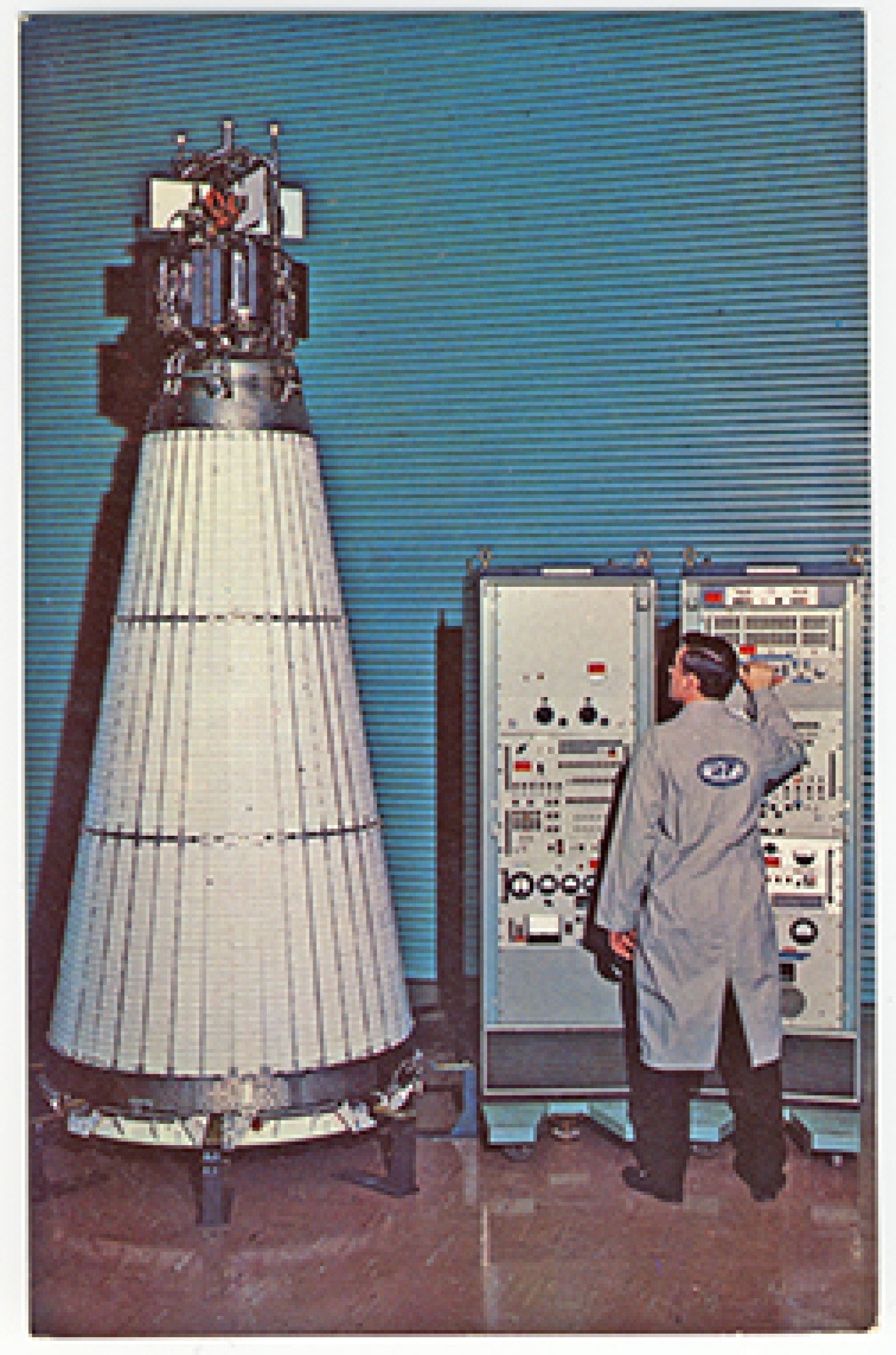
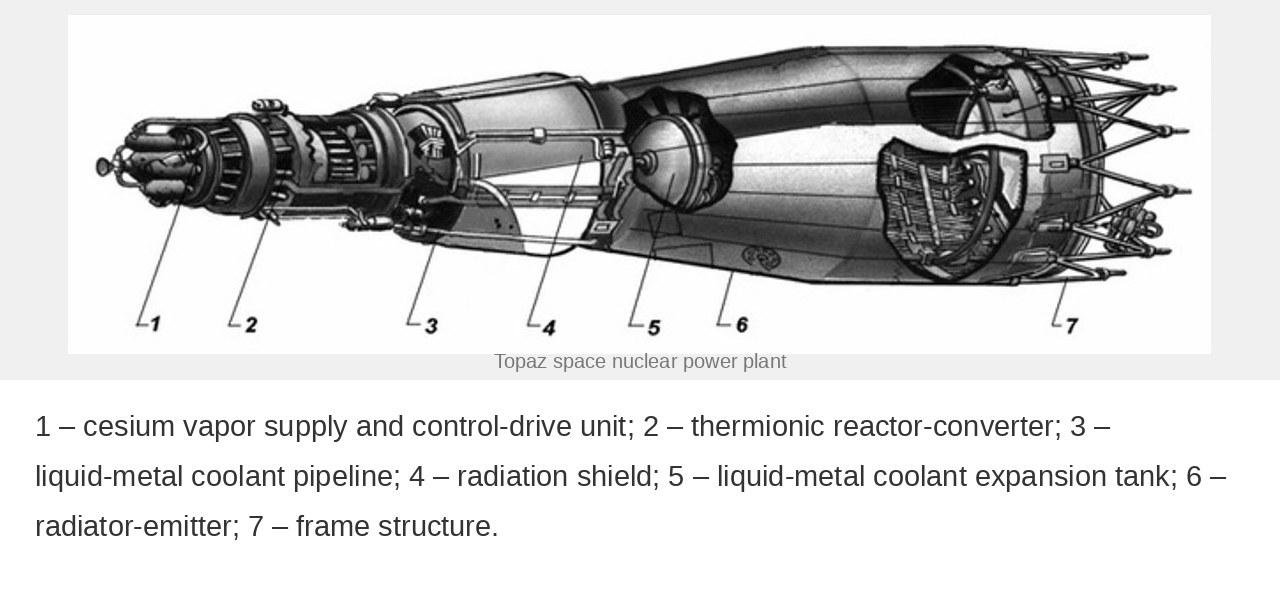
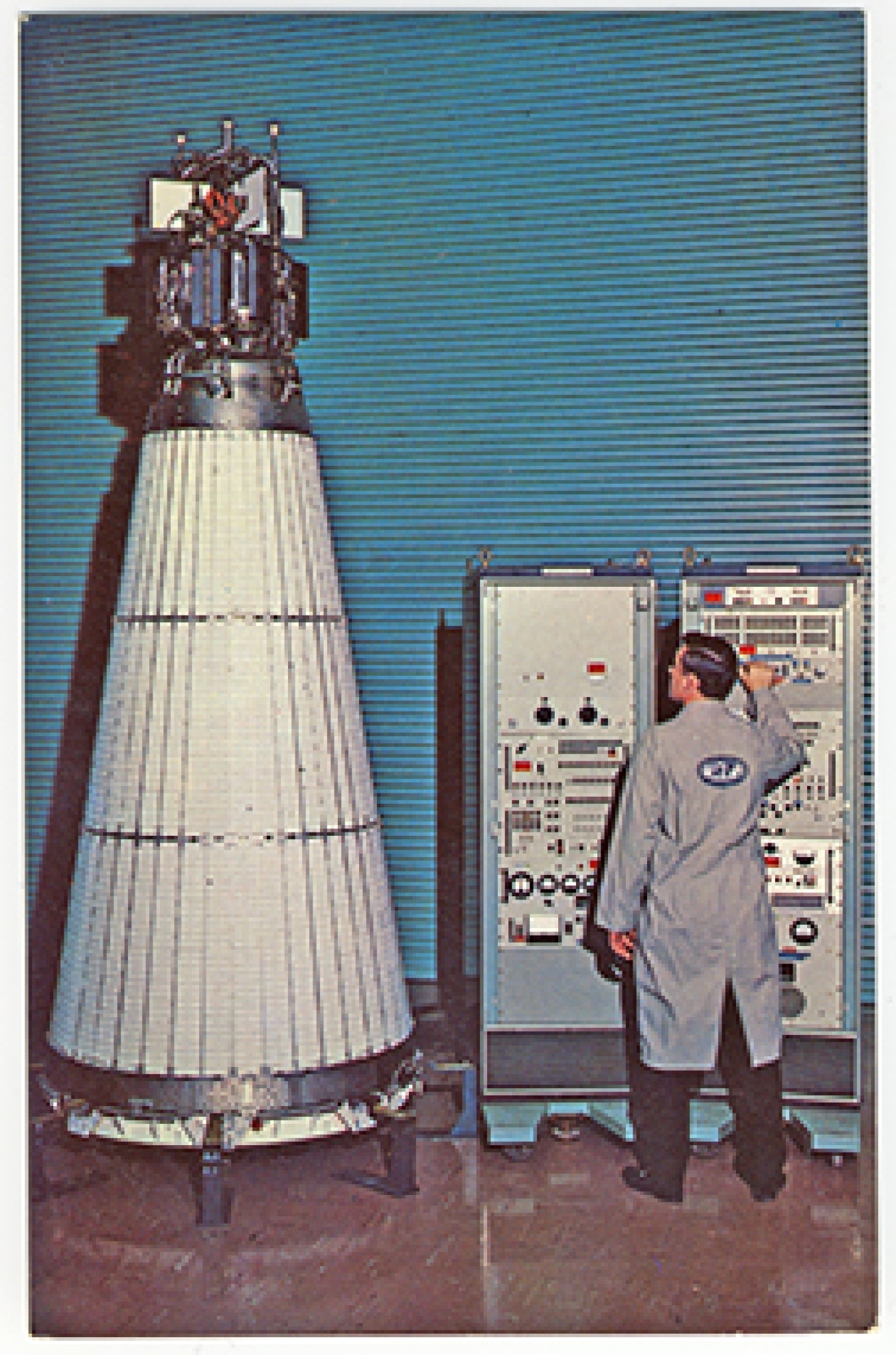
These older concepts have gained a new impetus mainly because new lunar missions (and other even more ambitious space-focused projects) require more power than solar panels and batteries can offer. The lunar night lasts about two weeks, and the craters at the moon’s poles — where sunlight does not reach at all — may be of scientific interest.
The Russian-Chinese project is not the first of its kind. Back in January 2024, NASA presented a concept of a small nuclear reactor that could potentially operate on the surface of the Moon.
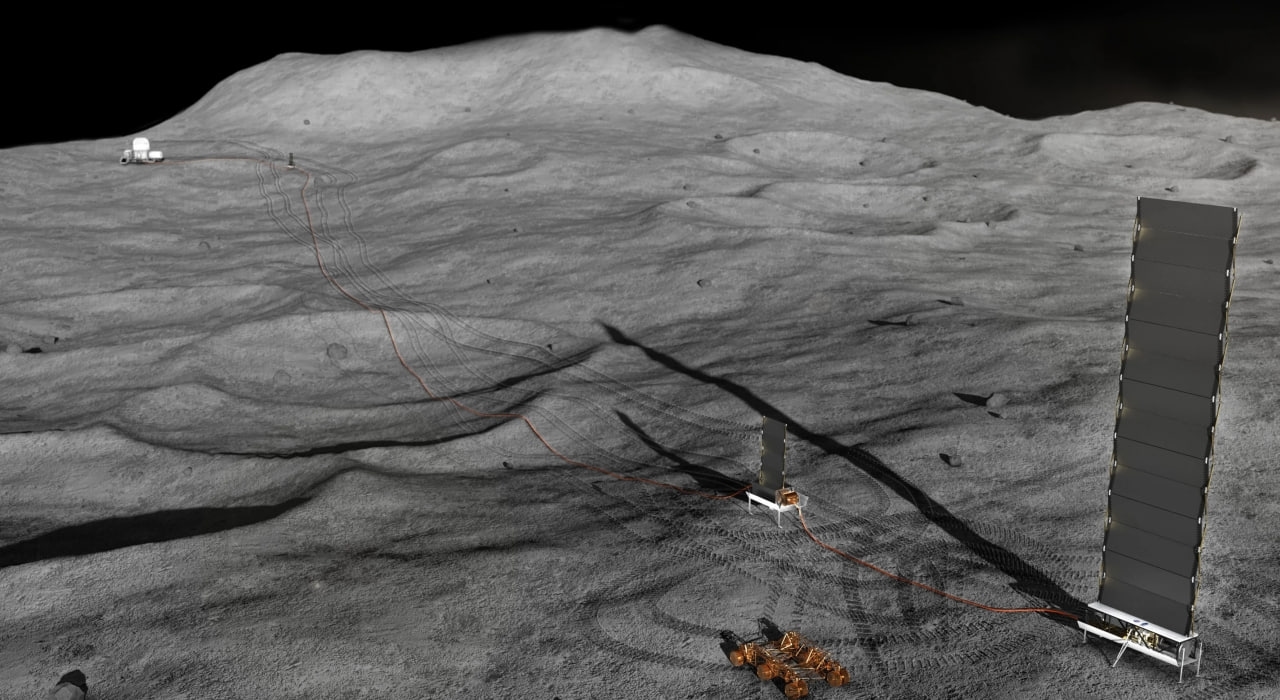
This work was preceded by the Kilopower project — another small ground-based power unit that generates energy through nuclear fission. Its successful tests at a site in Nevada ended in the spring of 2018.
Such a reactor can generate up to 10 kW of power for 10 years, and NASA has stated that it is working with the U.S. Department of Energy to increase that output.
A new lunar race
In spring 2025, NASA’s then-acting director Sean Duffy spoke of the need to accelerate the construction of a nuclear power plant for the Moon, characterizing the situation as a “second space race.” The directive he proposed directly stated that the first country to put its reactor on the Moon could “declare a keep-out zone which would significantly inhibit the United States.” Politico interpreted this as “a sign of the agency’s concern about a joint project China and Russia have launched.”
Similar projects had been discussed since the 2000s. One of the concepts proposed partially burying the reactor.
A power unit without a concept
While NASA has already presented several concepts and visualizations for its American designs, the Russian Lunar Power Unit so far exists only on paper and in media articles. The latter use AI-generated images as illustrations, meaning it remains unknown what the nuclear plant might look like.
Nevertheless, on Oct. 21, Roscosmos head Dmitry Bakanov said in an interview that the infrastructure and launch vehicles to deliver the station to the Moon already exist, but that the power source itself still needs to be manufactured. However, rocket launch analyst and popularizer of space and rocketry Georgy Trishkin remains skeptical:
“For some reason, Bakanov is prematurely reporting on a future event that is not planned until the middle of the next decade. It is a bit early to declare readiness, especially when no visible progress has been shown publicly… The base itself is a real project, but the Russian side has nothing at all to show for it. Behind closed doors, the negotiations are progressing with great difficulty. At the same time, China shows a lot on its part for the first landings. This is visible in the ship, the lander, and the rocket. The spacesuits leave many questions, but they are a work in progress. As for the Russian part, there is complete silence — nothing other than a roadmap for small missions, all of them uncrewed.”
Even more importantly, the Roscosmos head left the main question unanswered: when and how the reactor core itself will be manufactured. Until that critical step is at least in the works, it remains too early to speak of the project being anywhere close to the degree of “readiness” that was described.


