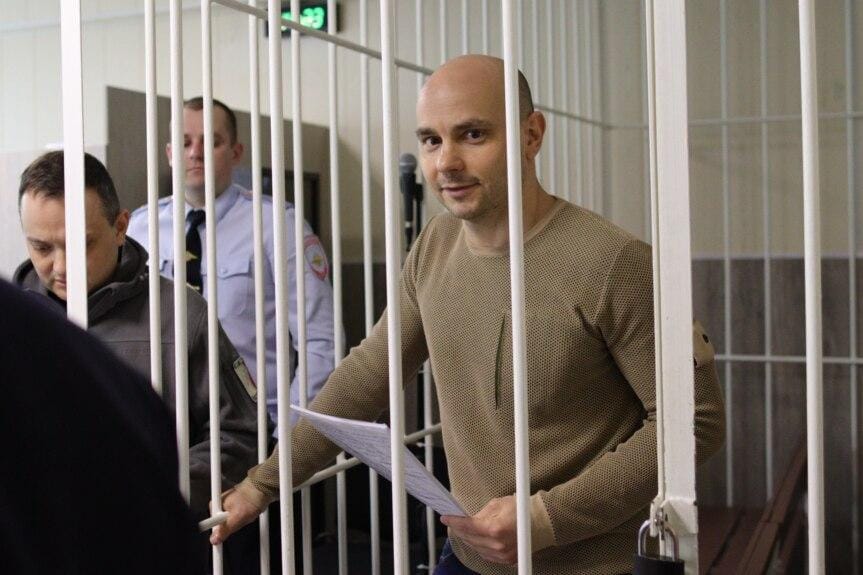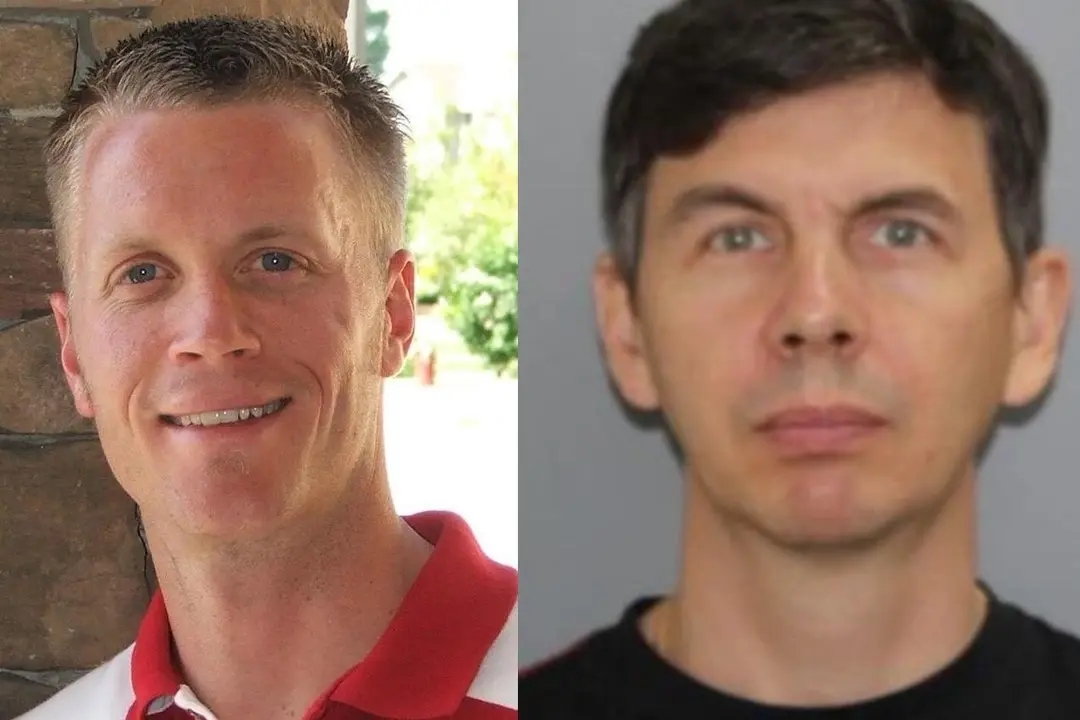
U.S. authorities have accused executives of Oxygen Forensics, a company that sold software to the Pentagon and Immigration and Customs Enforcement (ICE), of concealing that the company was controlled by Russian citizens and that its software was developed in Russia.
CEO Lee Reiber and Chief Technology Officer Oleg Davydov were arrested in connection with the case. The Insider was able to confirm that Oxygen Forensics supplied software capable of accessing the contents of locked phones not only to U.S. law enforcement agencies but also to Russia’s Federal Security Service (FSB). The same software was used to extract data from the iPhone of Radio Free Europe/Radio Liberty journalist Alsu Kurmasheva.
According to U.S. prosecutors, 55-year-old Reiber, an American citizen and CEO of Oxygen Forensics, was arrested in Idaho on Sept. 20 and was later ordered released on bail. Davydov, a 52-year-old Russian citizen and co-founder and chief technology officer of the company, was arrested the same day at London’s Heathrow Airport as he was preparing to fly to Istanbul. The U.S. intends to seek his extradition.
According to court documents, Reiber told the U.S. government that Virginia-based Oxygen Forensics was not owned or controlled by foreign nationals, even though five Russian citizens, including Davydov, allegedly owned stakes in or helped manage the company through a Cyprus-registered holding company. Prosecutors also allege that Reiber falsely claimed Oxygen Forensics software was developed in the United States rather than Russia. A court in California, where the case will be heard, ordered the seizure of company accounts and more than 50 domains belonging to the business.
Court documents say that no later than March 2022, Reiber, Davydov, and others entered into a conspiracy to obtain contracts from federal agencies. The software they supplied is used to recover, preserve, and analyze electronic data from digital devices while maintaining original files in an unchanged state.
Oxygen Forensics was founded in Virginia in 2013 with the involvement of Moscow-born Davydov. Reiber joined the company two years later. In 2022, after Russia launched its full-scale invasion of Ukraine, Oxygen Forensics executives decided to conceal information about the company’s Russian owners — references to them were removed from official corporate records, prosecutors said. Reiber was appointed CEO, president, and chairman of the board in March 2022.
How the FSB gains access to opposition figures’ phones
On June 2, 2023, Radio Free Europe/Radio Liberty journalist Alsu Kurmasheva was due to return to Prague from Kazan, where she had been visiting her sick mother. However, she was detained at the airport. Authorities seized her iPhone XR, and the FSB was subsequently able to access its contents, including WhatsApp messages. Her passports were also confiscated, and she was barred from leaving Russia. A year later, she was sentenced to 6.5 years in prison on charges of spreading “false information” about the Russian military under a law that is widely used against critics of the war.
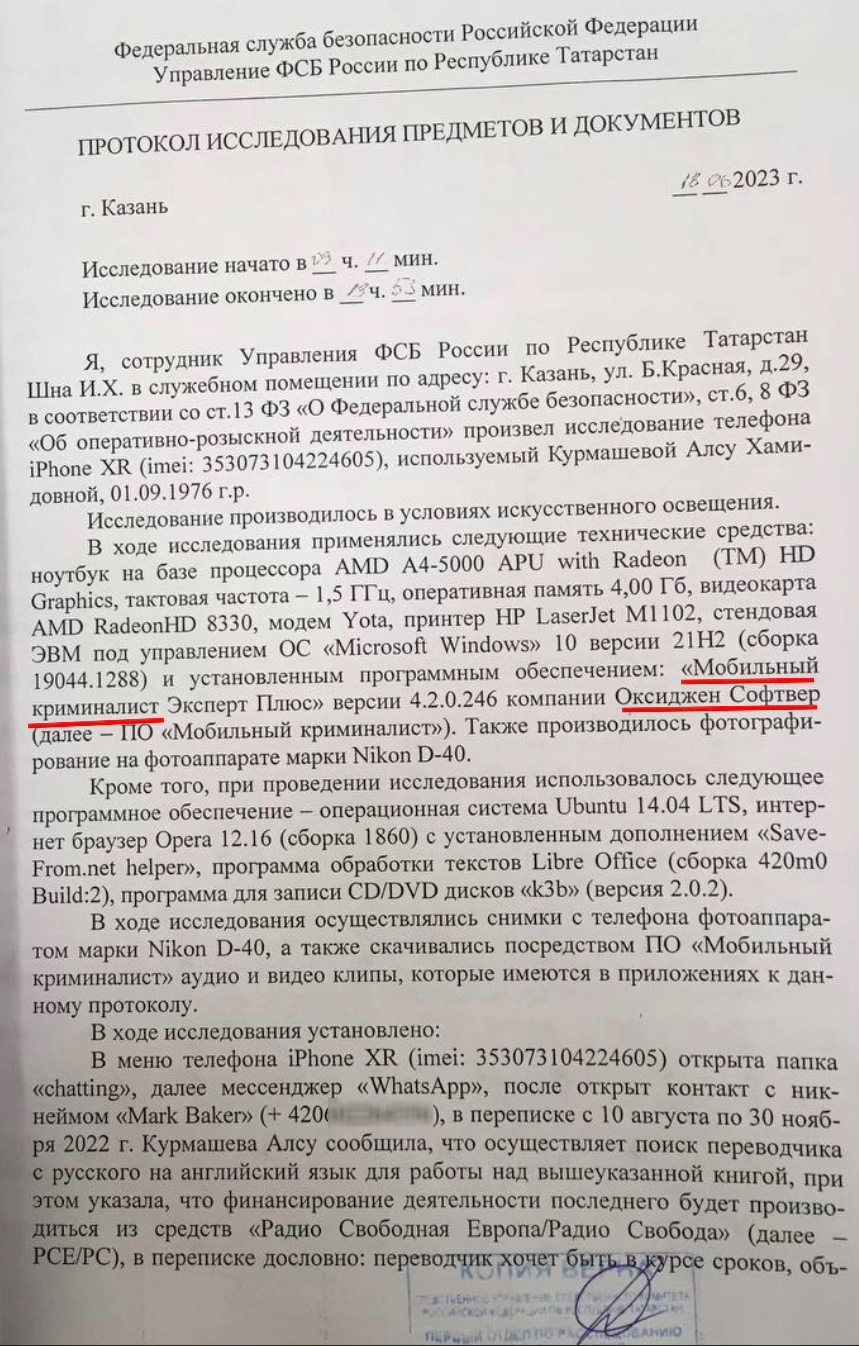
According to the case materials, the FSB accessed Kurmasheva’s locked phone using a specialized program called Mobile Forensic Expert (or “Mobilny Kriminalist” in its Russian transcription), developed by Oxygen Software.
The program has long enabled the FSB to access locked phones, including newer models. Last year, for example, the FSB used the same software to unlock an iPhone 14 belonging to a Russian activist detained at the border (whose lawyers asked that his name not be published). In that instance, security officers were also able to access messages in several messaging apps.
Phone searches at the border have become routine in Russia. When the FSB takes particular interest in someone, authorities commonly detain the person on an administrative charge in order to gain access to their devices. Information found can then be used to open a criminal case.
Oxygen Software, which supplies effective software for unlocking iPhones, has therefore served both the FSB and U.S. security agencies.
A U.S.-Russian company serving the FSB
In 2000, two programmer friends, 28-year-old Oleg Fyodorov and 27-year-old Oleg Davydov, founded a company and gave it the name Oxygen (a play on “two Olegs,” which can be shortened to O2). They initially focused exclusively on foreign markets, but in 2007 they created a Russian version of the product called Mobile Forensic Expert (“Mobilny Kriminalist”). Its main purpose is to extract all available data from mobile phones.
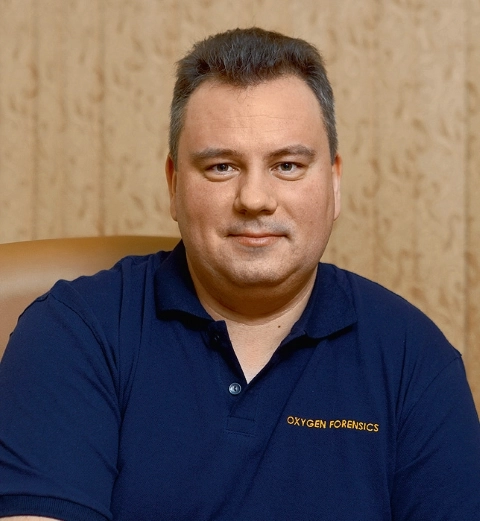
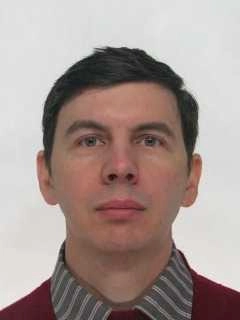
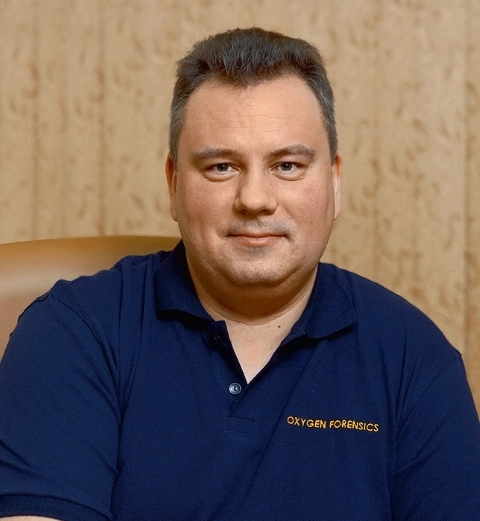
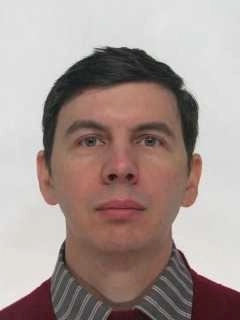
In 2008, the two Olegs described the program on their website with pride: “Our clients include government agencies, police, the military, customs and tax services, and other government bodies. Since 2002, the program has been successfully used in more than 50 countries around the world.”
The business expanded, and by 2026 the company’s U.S. website said it was operating in 150 countries worldwide (the site is currently unavailable). Oxygen’s main selling point is its ability to retrieve information even from locked smartphones, including newer iPhone models.
Oxygen’s services have been used extensively by the U.S. Immigration and Customs Enforcement (ICE) agency, which sharply expanded its activities after Donald Trump’s return to the White House in 2025. In its contract with Oxygen, ICE explicitly stated that there were no other products on the market offering comparable functionality. The U.S. Secret Service, which protects the president and vice president, also became an Oxygen customer.
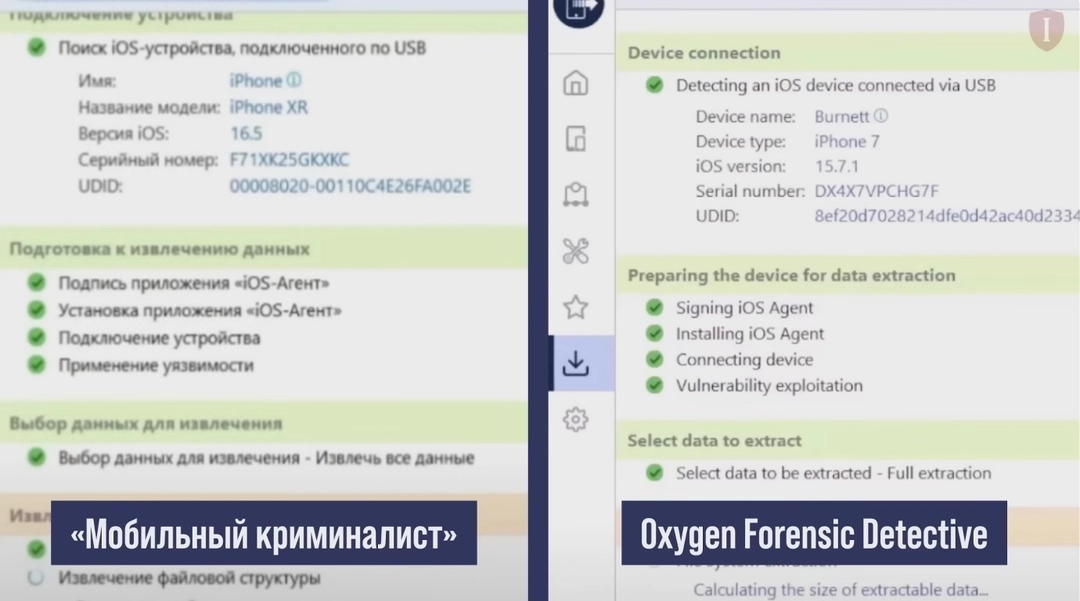
The two Olegs did not publicize the fact that Oxygen and Mobile Forensic Expert were essentially the same program, but they did not go to great lengths to hide it either. Investigators with Pervy Otdel (lit. “Department One”), a Russian legal rights group, noted that both the Russian and U.S. versions received updates at the same time and had nearly identical interfaces.
The two Olegs later removed their portraits from the U.S. website, but as The Insider can confirm, they continued traveling to the United States until recently.