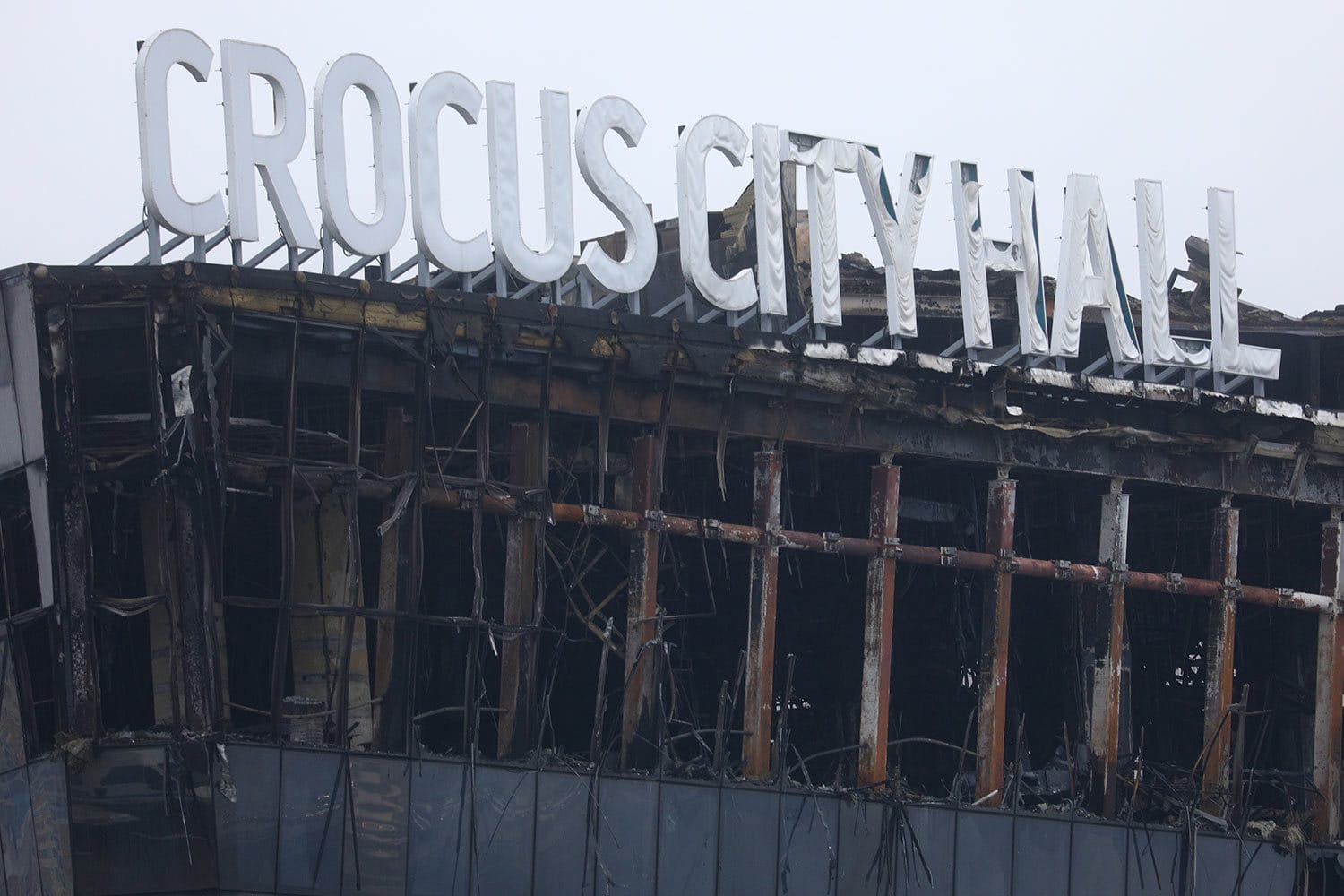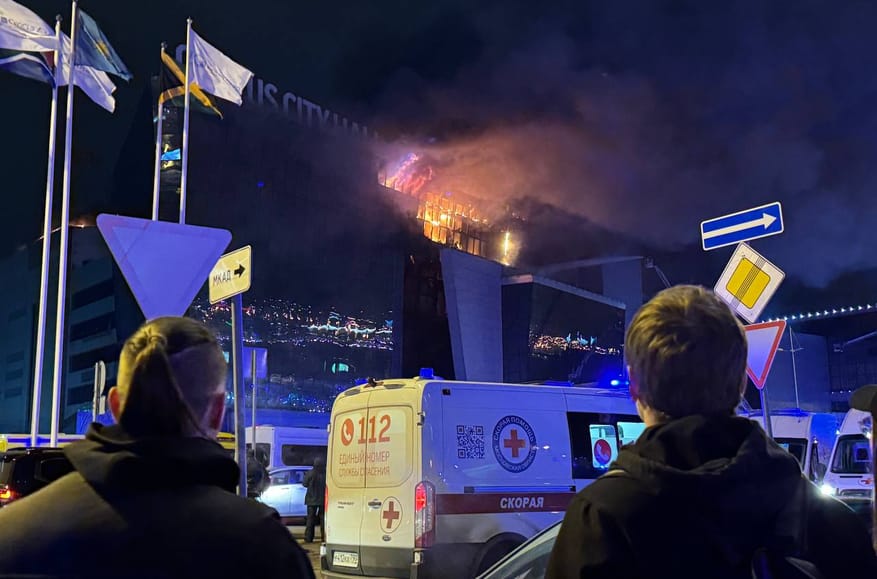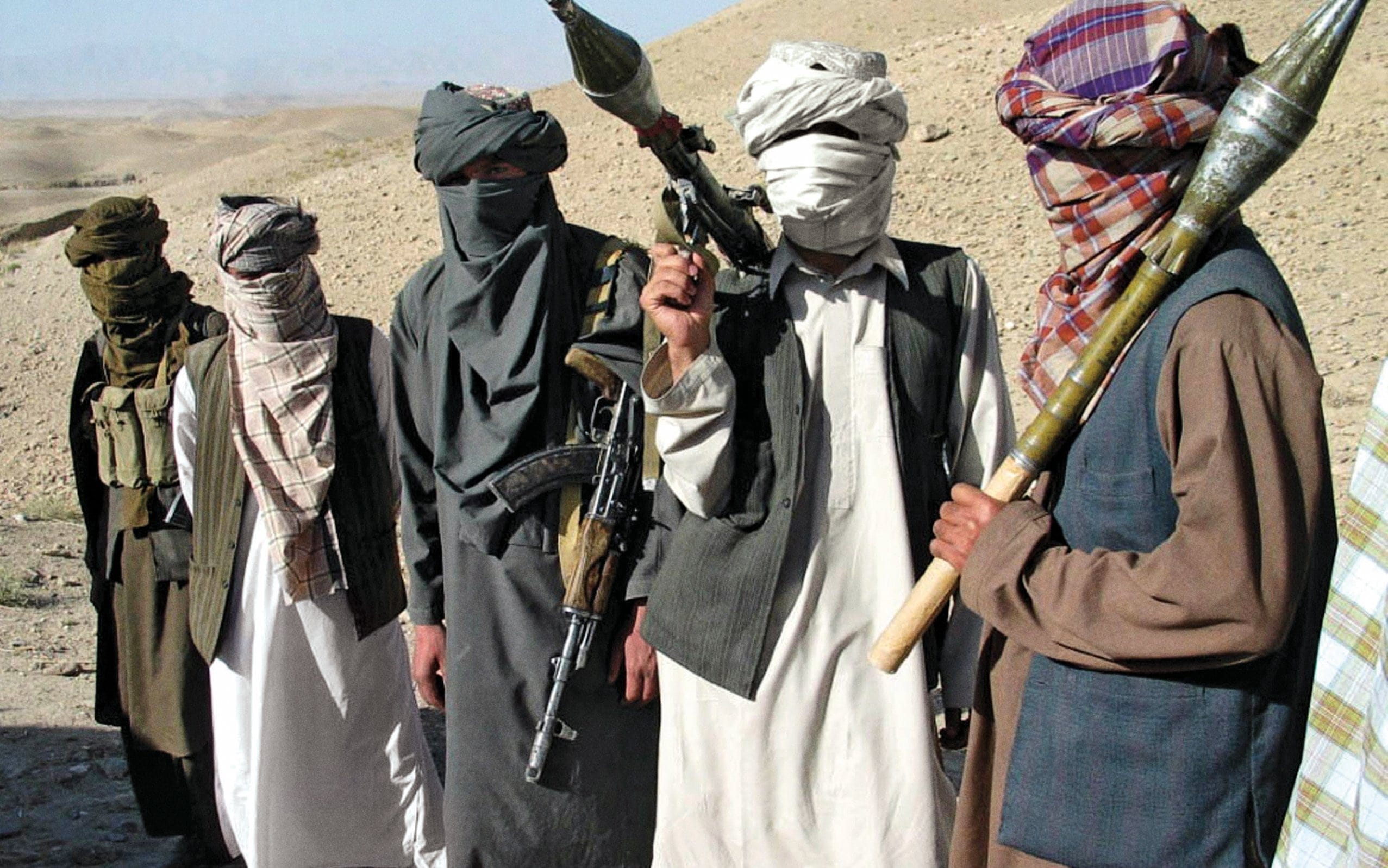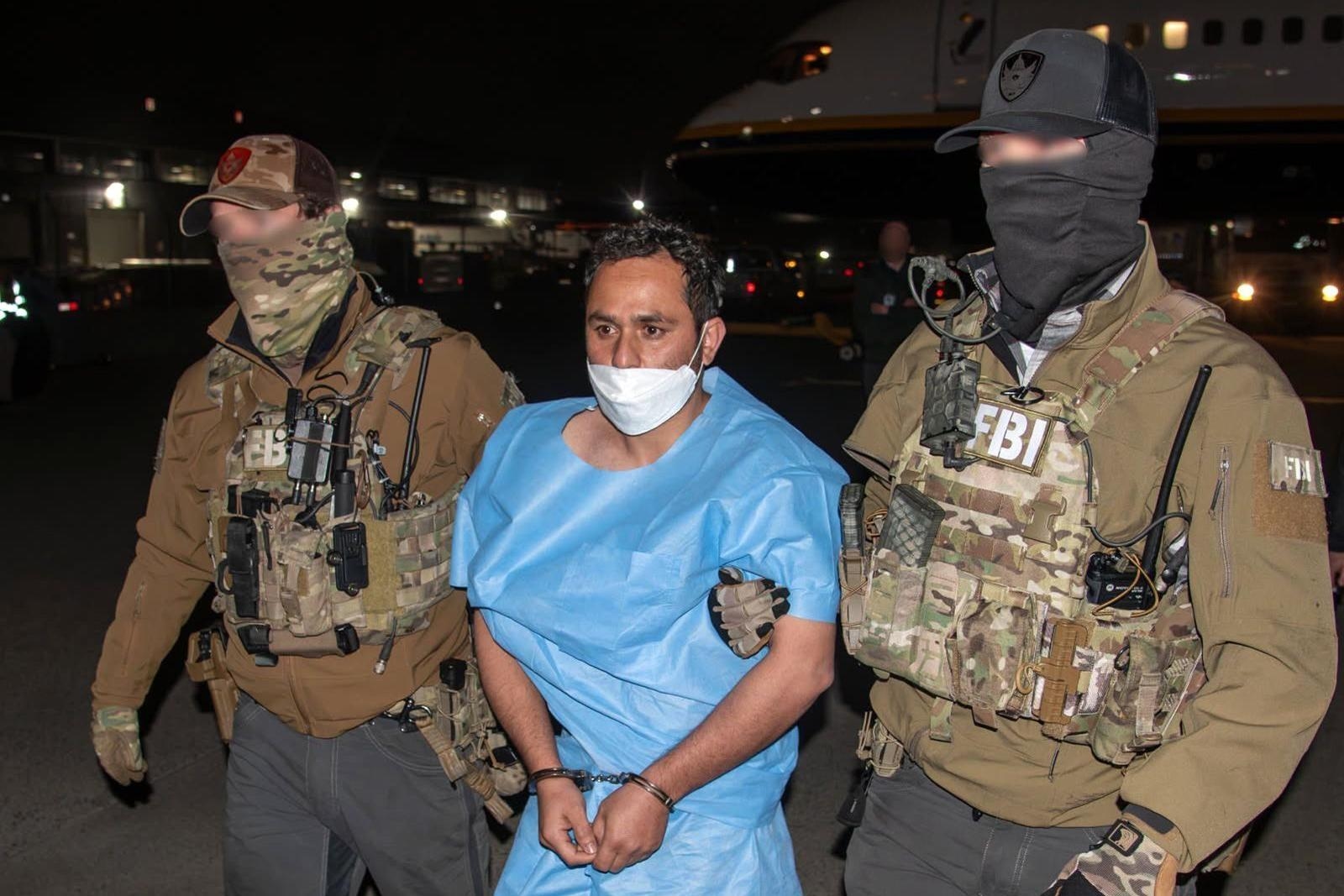
A U.S. federal court has sentenced Mohammad Sharifullah, an Afghan national whom investigators link to the March 22, 2024 attack on Moscow’s Crocus City Hall concert venue, to 20 years in prison. According to the U.S. Department of Justice, Sharifullah worked on behalf of the Islamic State–Khorasan Province (ISIS-K) while passing instructions to the attackers on how to use Kalashnikov-style rifles and other weapons, and he stayed in contact with them throughout the attack.
A federal court in Alexandria, Virginia, handed down the sentence after finding Sharifullah guilty of participating for nearly a decade in a conspiracy to provide material support to a terrorist organization. According to prosecutors, he was part of the ISIS-K structure from 2016 until his capture in 2025 and was involved in more than a dozen attacks — conducting surveillance, relaying messages between militants, transporting suicide bombers and weapons, and filming videos of the bombings for the group’s propaganda apparatus.
The central episode in the case was the bombing at Kabul’s airport on Aug. 26, 2021, during the evacuation of American military personnel and civilians. According to court records, the ISIS-K leadership tasked Sharifullah with checking that the road to the airport was clear of Taliban checkpoints. After confirming the route was indeed clear, he reported the information to his handlers. Several hours later, at 5:36 p.m., ISIS-K operative Abdul Rahman al-Logari, whom Sharifullah knew from their time together in an Afghan prison, detonated a body-worn bomb. Thirteen U.S. service members and approximately 160 civilians were killed.
In addition to Kabul and Crocus City Hall, investigators established that Sharifullah was involved in the attack on Nepali guards at the Canadian embassy in Kabul on June 20, 2016 — he prepared the suicide bomber and transported him to the attack site. Assistant Attorney General for National Security John A. Eisenberg said Sharifullah “spent nearly a decade at the heart of a horrific campaign of terror” and contributed to the deaths of dozens of people.
The case was investigated by the FBI’s Washington Field Office, with the prosecution handled by attorneys from the Eastern District of Virginia and the Counterterrorism Section of the U.S. Department of Justice.