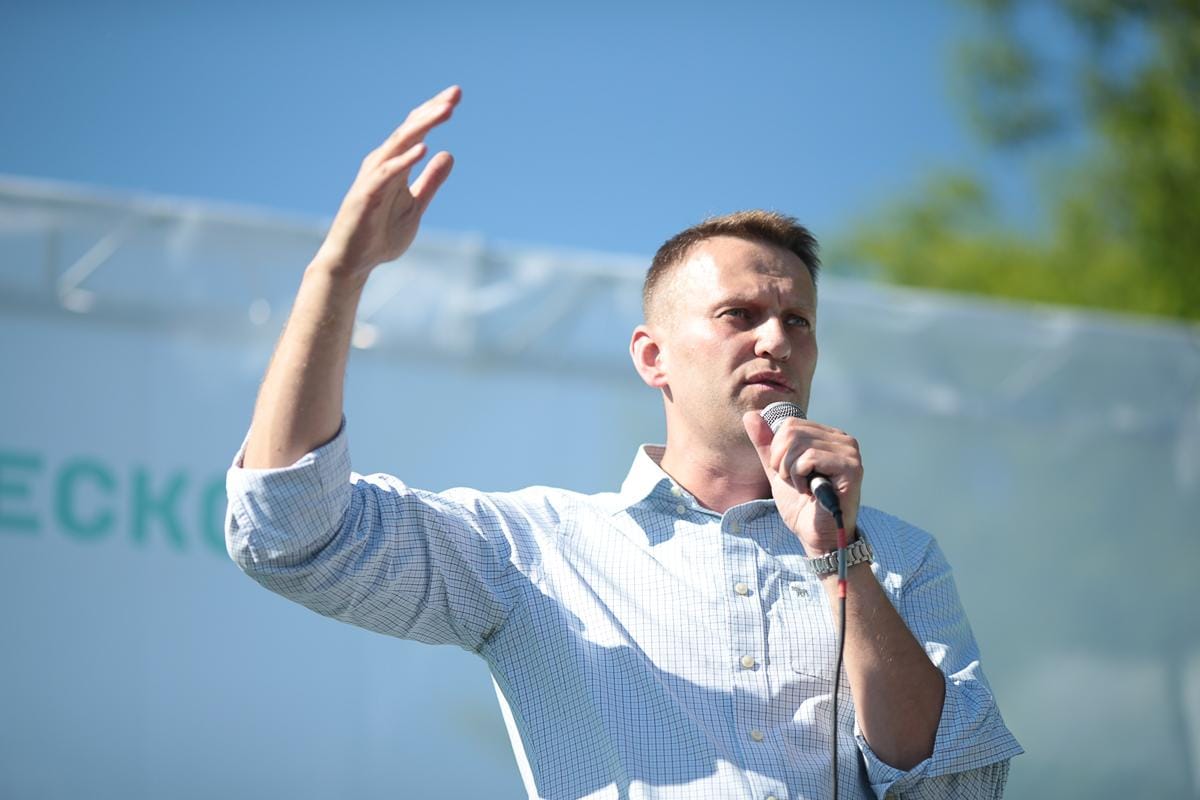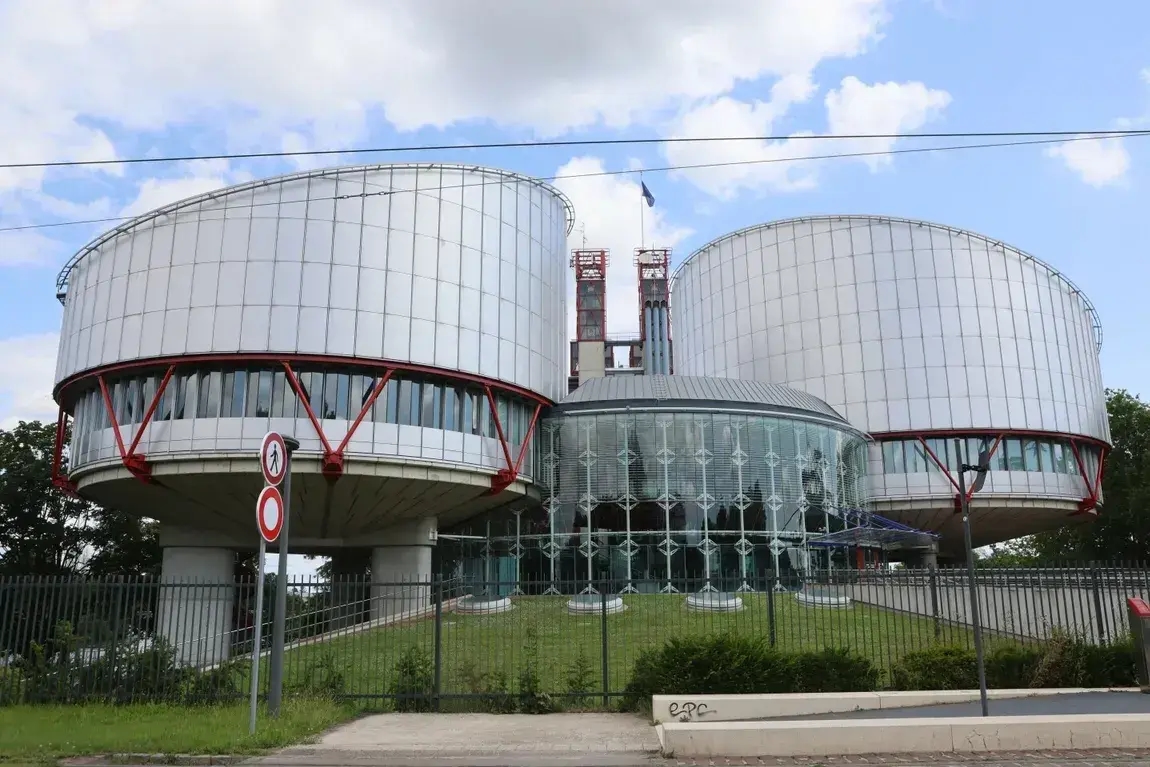
The European Court of Human Rights has struck from its docket 878 formal complaints against the Russian state — including one from the late Russian opposition activist Alexei Navalny and his alleged “accomplice” Pyotr Ofitserov over their second conviction in the 2013 Kirovles case. The Insider reviewed the document.
After the ECHR ruled in 2016 that Navalny’s conviction had been politically motivated, Russia’s Supreme Court overturned the 2013 verdict. However, in 2017, after holding a new trial, the Leninsky District Court in Kirov again handed both Navalny and Ofitserov fresh suspended sentences. In the new complaint, Navalny argued that the second criminal prosecution, too, had a political purpose and was intended to prevent him from running in Russia’s 2018 presidential election — which, in fact, it did.
The Kirovles case, named after a state-owned timber company in the Kirov Region, was one of several criminal cases brought against Navalny. Russian authorities accused him and businessman Pyotr Ofitserov of embezzlement. Navalny denied wrongdoing and said the case was politically motivated.
The appendix to the ECHR’s recent decision lists other prominent applicants, including journalist Yury Dud, opposition politicians Gennady Gudkov and Lev Shlosberg, left-wing activist Sergei Udaltsov, human rights defender Oleg Orlov, Chechen rights activist Oyub Titiyev, former St. Petersburg lawmaker Maxim Reznik and former energy executive Karina Tsurkan. The list also includes five complaints filed by the online outlet 7x7 and a complaint by the Party of Progress, which challenged the cancellation of its registration and its inability to nominate candidates in elections.
One of the 879 cases was Karayeva and Others v. Russia, filed by 297 applicants. They were represented by Ella Kesayeva, head of the organization Voice of Beslan (“Golos Beslana” in Russian). Kesayeva previously said that survivors and relatives of those killed had appealed to the ECHR because Russia had failed to comply with the court’s ruling in a case over the Sept. 1, 2004 Beslan terrorist attack, in which more than 330 people were killed when Russian forces stormed a school that had been seized by terrorists. Victims’ relatives have long accused Russian authorities of failing to properly investigate the operation and the state’s responsibility for the loss of life.
In its decision to strike the 879 outstanding complaints from its docket, the court cited the Russian authorities’ complete refusal to cooperate. Moscow sent its last official communication to the ECHR on March 28, 2022, saying it would not comply with judgments issued after March 16 of that year. Since then, Russia has not responded to the court’s requests, submitted objections or paid compensation awarded to applicants.
Continuing the proceedings under those conditions would require significant resources and limit the court’s ability to examine complaints against the other 46 Council of Europe member states, the decision said. At the same time, the ECHR noted that the lack of cooperation and the absence of any prospect that judgments would be enforced were not, by themselves, the only reason for discontinuing the cases.
As of September 2022, about 15,800 Russian complaints unrelated to armed conflicts remained pending before the ECHR. Since then, the court has issued judgments in about 14,500 cases and declared around 2,500 more applications inadmissible or struck them from the docket. During the same period, 2,100 new applications were filed.
The court unanimously adopted the decision on the remaining 879 cases on July 7 and published it Sept. 3. The ECHR preserved the possibility of restoring the applications if circumstances change — for example, if Russia returns to the jurisdiction of the European Convention on Human Rights and resumes cooperation with the court.
Separately, the ECHR will continue to examine about 5,700 complaints related to armed conflicts involving Russia. Most concern the annexation of Crimea, fighting in eastern Ukraine, events in the Sea of Azov, and Russia’s full-scale invasion of Ukraine. About 150 more complaints relate to Russia’s war against Georgia in 2008.