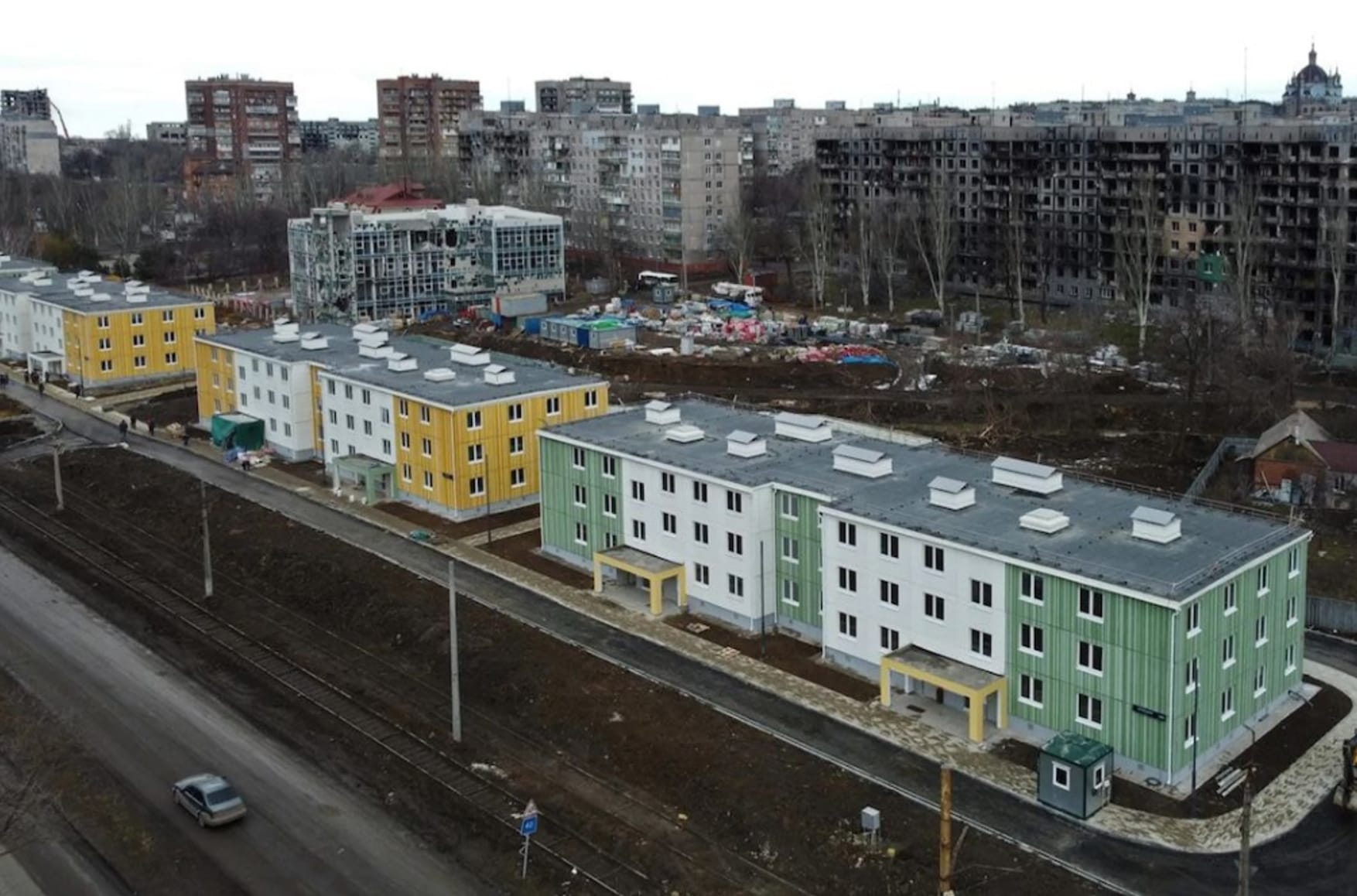
Russian authorities have created extremely favorable conditions for developers in the occupied territories of Ukraine, offering tax breaks, nearly free land leases, and loans at 3% annual interest. By August 2026, more than 1.3 million square meters of mortgage-financed housing had been under construction in the Russian-occupied parts of Ukraine’s Donetsk, Luhansk, Zaporizhzhia, and Kherson regions.
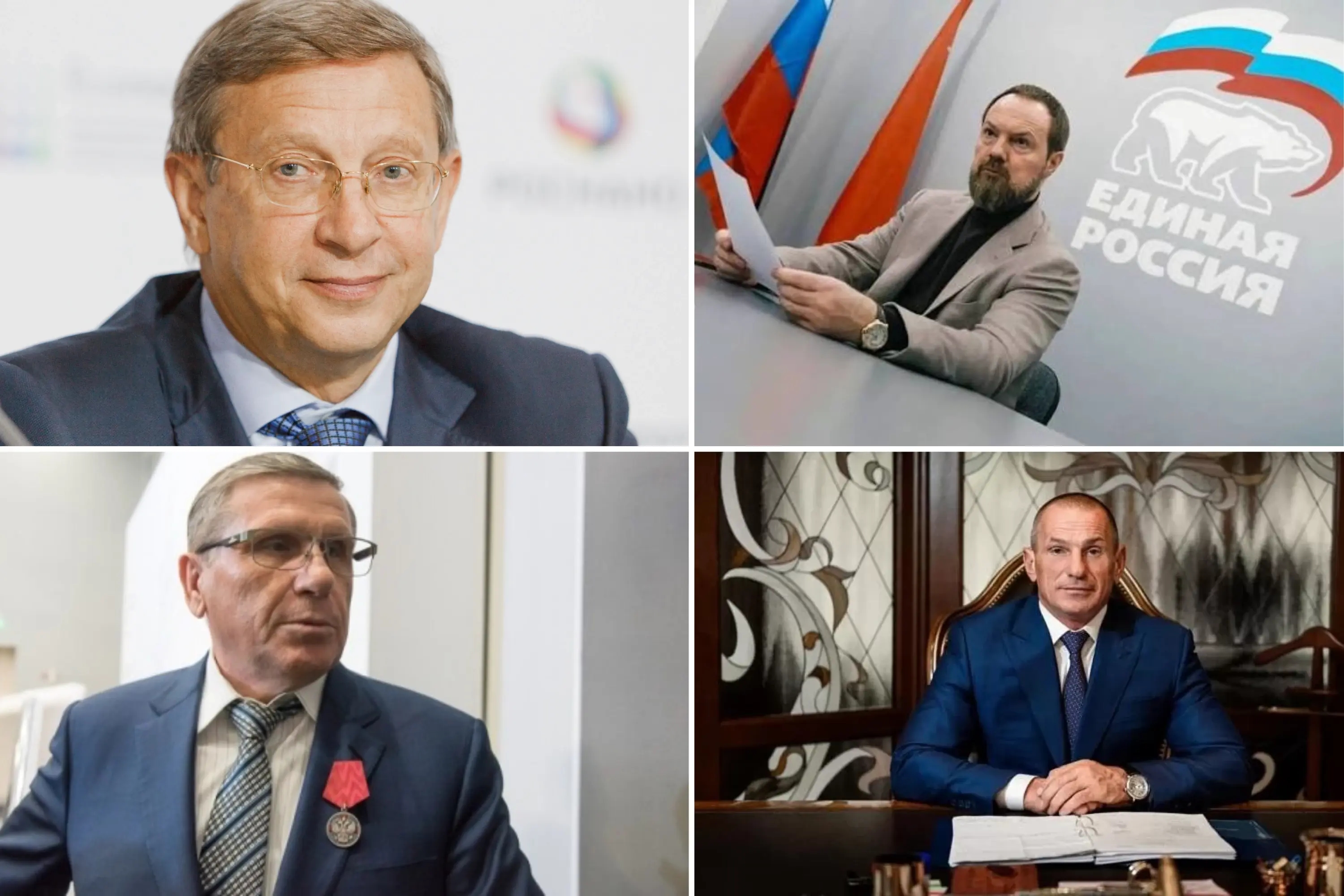
Among those profiting from this construction are entities linked to oligarch Vladimir Yevtushenkov, the family of State Duma deputy Sergei Kolunov, major regional businessmen, and a company connected to the brother of a Presidential Executive Office staffer. These individuals and entities are featured in an investigation by the independent outlet Vot Tak, which examined developers’ project declarations and financial statements.
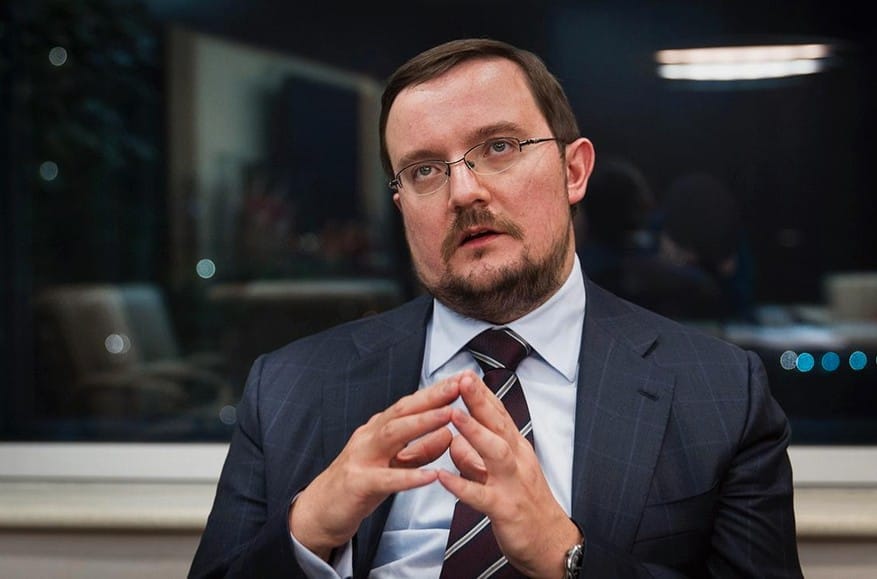
Yevtushenkov’s AFK Sistema holds the controlling stake in construction company Etalon Group, which in turn is closely tied to the Republican Construction Company (RSK). According to Vot Tak’s calculations, Russian state-controlled VTB bank has already allocated RSK more than 26.5 billion rubles ($305.5 million) for construction in occupied Mariupol, Luhansk, and Henichesk, meaning that entities linked to Yevtushenkov are among the largest recipients of mortgage construction loans in the regions seized by Russia. In addition, employees of Yevtushenko’s AFK Sistema can buy RSK apartments through a special program offering a discount and interest-free installment plan.
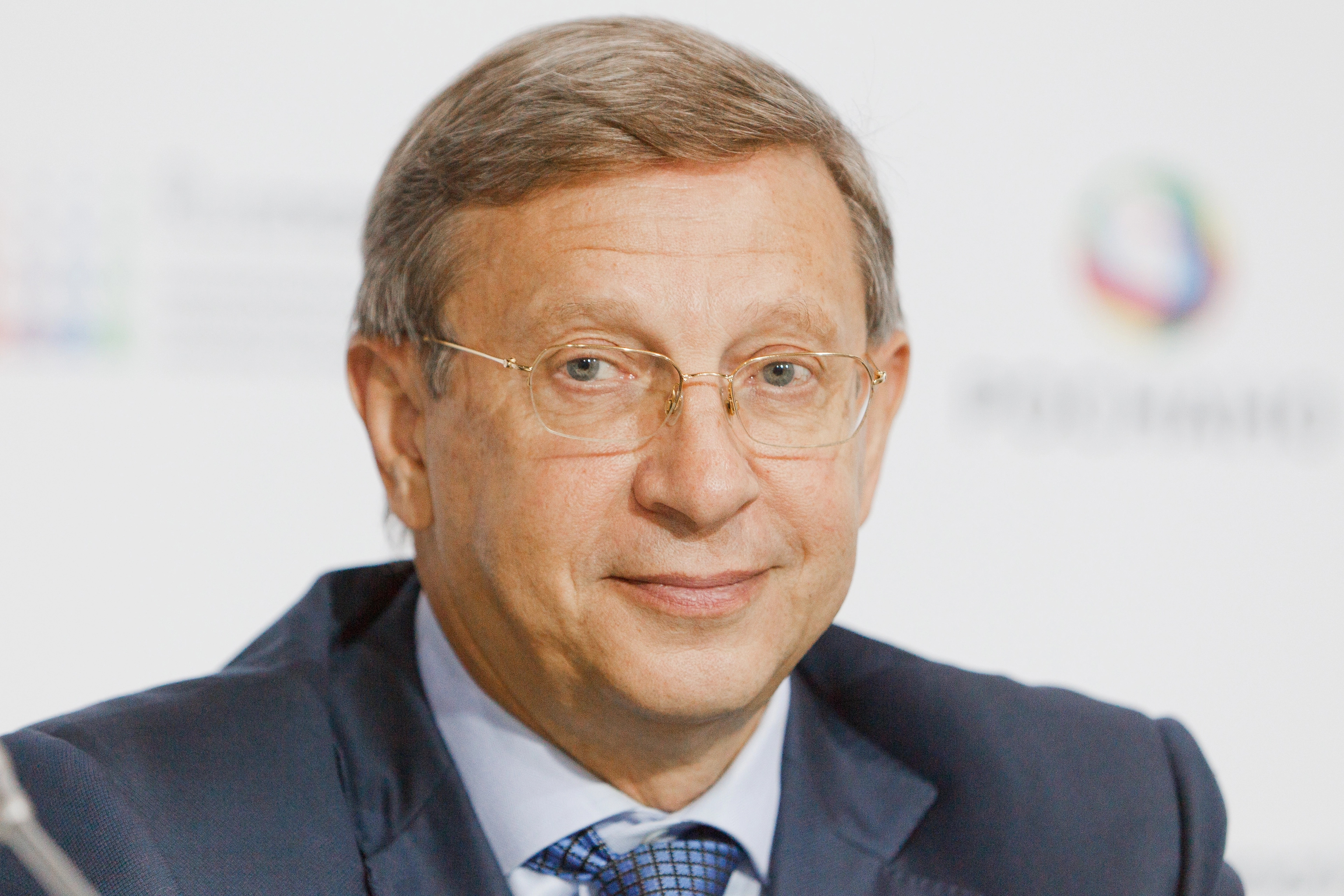
RSK and Etalon tend to downplay the ties between them. In June 2025, the Russian-appointed head of the so-called “Luhansk People’s Republic,” Leonid Pasechnik, announced the signing of an agreement with RSK, describing the company as part of the Etalon group. Eight minutes later, the mention of Etalon disappeared from the post, and Russian state media later removed the reference as well.
Vot Tak interprets this caution as part of an effort to shield Yevtushenko from Western sanctions. In May 2025, the businessman filed a lawsuit with the EU court seeking to have the restrictions on his business activities lifted — and publicly available information linking his entities to construction in Russian-occupied Ukraine would seriously hinder his chances for success.
Another major developer in Mariupol is the Sadovoye Koltso group, founded by Sergei Kolunov, a State Duma deputy from the ruling United Russia party. Before being elected to parliament, Kolunov transferred his stake in the firm to his wife, and then to his son, Ilya, who now heads the company.
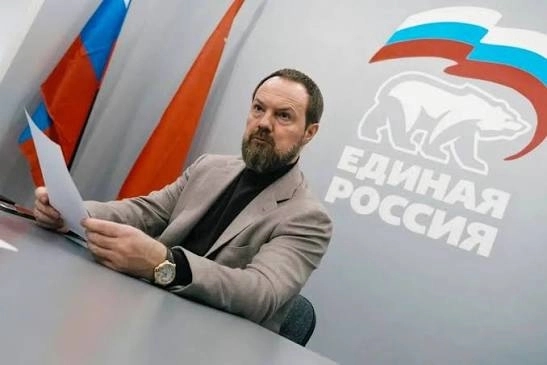
Sadovoye Koltso entered Mariupol in October 2025 and is now building more than 80,000 square meters of housing there — more than any other company. VTB has offered the group a credit line of over 12 billion rubles ($138 million). Its projects include the Dom u Morya residential complex on the Sea of Azov coast and Sadovye Kvartaly near the site of the destroyed Azovstal plant.
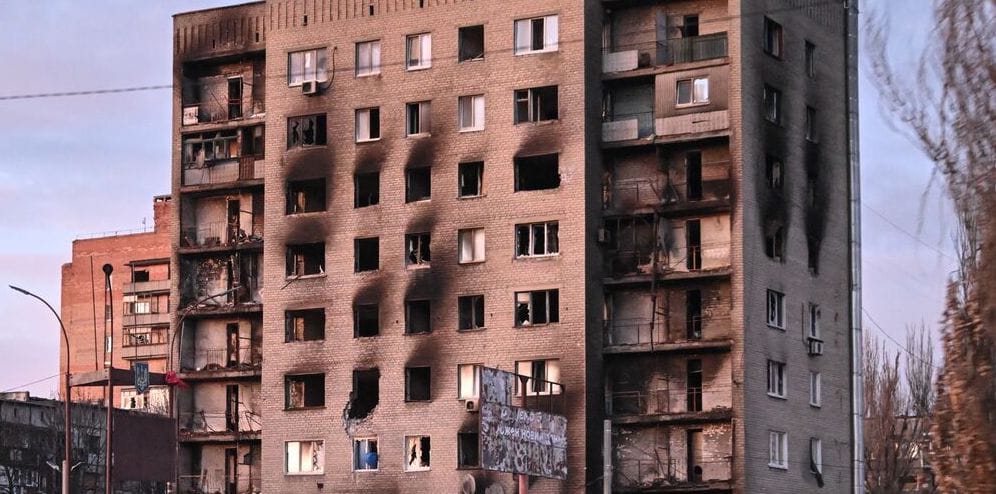
Kolunov, meanwhile, serves as deputy chairman of the State Duma Committee on Construction, Housing, and Utilities. As Vot Tak notes, the member of parliament must have been apprised of numerous complaints from Mariupol residents who found themselves unable to obtain equivalent housing after their previous apartment buildings were rendered uninhabitable by the Russian military. Anti-corruption expert Ilya Shumanov called the situation a potential conflict of interest: Kolunov takes part in shaping policy for an industry in which his family’s business operates.
The largest recipient of loans specifically in Mariupol is SU-2007, a company owned by Viktor Budarin, a banker from Russia’s southern Kuban region. According to the investigation, his company received roughly 19 billion rubles ($219 million) for the construction of more than 170,000 square meters of housing.
YugStroyInvest, owned by Rostov developer Yuri Ivanov, ranks second with about 18.4 billion rubles ($212 million) in loans and nearly 150,000 square meters of housing under construction. In the summer of 2026, Ivanov signed an agreement to build housing and infrastructure in occupied Donetsk and Makiivka, with a stated investment volume of more than 100 billion rubles ($1.15 billion).
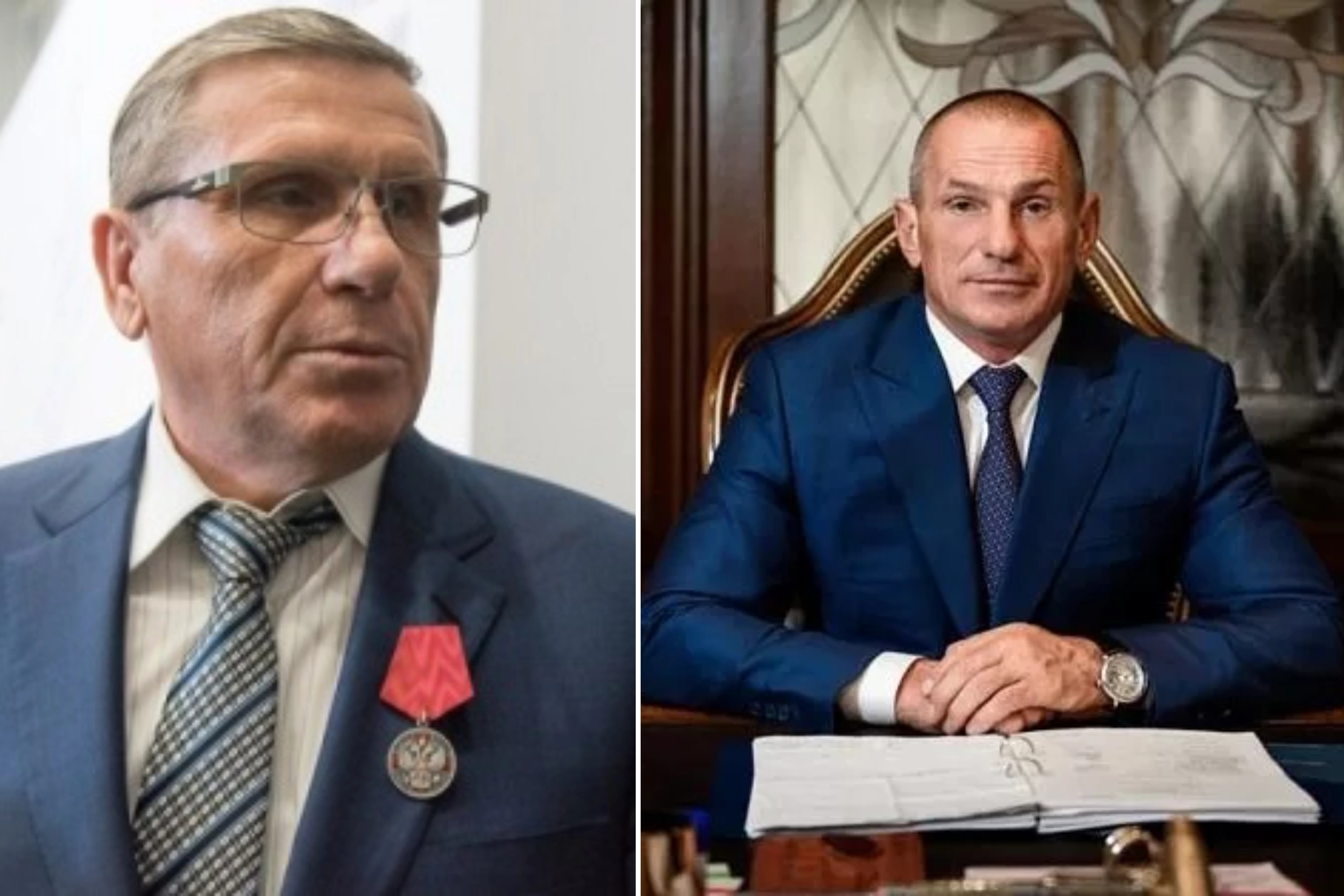
The top recipients of loans in Mariupol also include the Yevtushenkov-linked RSK and Voronezh-based Proekt Invest, owned by Nikolai Stupin. Other major players include Maxim Radchenko’s Antares, Tatyana Antipova’s Transyuzhstroy, Artem and Natalya Martynov’s Evolyutsiya, Andrei Slashchuk’s Vertikal Yug, and Mirastroy, linked to one of Moscow’s biggest developers, Pavel Te.
In total, according to Vot Tak’s calculations, Russian state banks have allocated at least 61.4 billion rubles ($707.8 million) for the construction of apartments in Mariupol. The outlet estimates developers’ potential combined profit from these projects at more than 18 billion rubles ($207.5 million).
Even more housing is currently being built in the occupied part of Luhansk Region — almost 600,000 square meters. The largest recipient of loans there is Vyacheslav Semenkov’s Zhilstroyinvest, which has been allocated around 18.9 billion rubles ($217.9 million) for building 205,000 square meters of housing in Luhansk. Ukrainian journalists have previously reported on Semenkov’s possible ties to Russia’s Federal Security Service (FSB) and to Leonid Pasechnik’s inner circle.
Next on the Luhansk list is RSK, with loans of about 17 billion rubles ($195.9 million), and another 15.7 billion rubles ($181 million) was allocated to the Moscow-based company Everest by PSB, the key bank for Russia’s Defense Ministry, in order to build a residential complex of about 136,000 square meters in Luhansk. Before the war, Everest had not built any major residential complexes independently, limiting its activities to capital repairs and installation work.
The company was founded by Begali Nurgushiev, former head of the investigative department of Kalmykia’s Ministry of Internal Affairs, who had previously received a suspended sentence for abuse of power. Everest is now headed by his son, Bulat Nurgushiev.
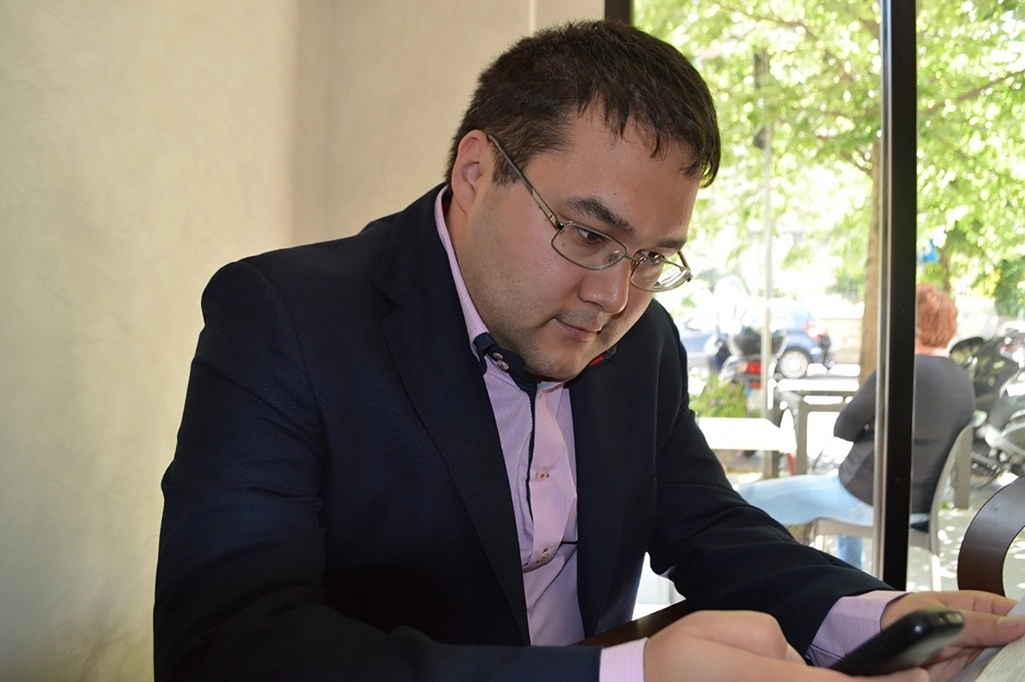
Bulat’s younger brother, Azamat Nurgushiev, works for the Presidential Executive Office. According to Vot Tak, in 2020 he was an assistant to the deputy head of the Foreign Policy Directorate, and he now holds the position of referent in the secretariat of the head of the Presidential Executive Office. His former boss, Denis Agafonov, heads the Expert Directorate, which prepares analytical materials for Vladimir Putin.
Construction in the occupied territories is not only profitable in itself but is also underpinned by state support, which includes a “free economic zone” regulatory regime that is set to remain in effect until 2050, exempting market participants from property tax and from the federal portion of profit tax for ten years. Developers can obtain project financing at around 3% annual interest and lease land almost for free, without tenders.
According to Vot Tak’s calculations, the profit margin of individual residential construction projects in Mariupol can exceed 30%, compared to the nationwide average of 7–15%, as estimated by experts surveyed by the outlet.
Reconstruction of the seized territories is being overseen by Deputy Prime Minister Marat Khusnullin, who also chairs the supervisory board of the Territorial Development Fund responsible for granting companies free economic zone participant status.
Khusnullin is known for distributing these benefits to his long-time acquaintances, including Pavel Te, whose affiliated entities received more than 1 billion rubles ($11.5 million) for construction in central Mariupol. The Insider previously found that during Khusnullin’s tenure at the Moscow mayor’s office, he and Te made repeated trips to France together on a private jet. Yevtushenkov, who is neighbors with Khusnullin in the upscale suburban Moscow district of Serebryany Bor, received lucrative Moscow city government contracts for years.
The construction boom has coincided with a massive redistribution of property in Mariupol. Homes damaged or destroyed during Russia’s assault on the city have been torn down, and the land has been handed over for commercial residential complexes. Former owners are being offered compensation of up to 70,000 rubles per square meter, while the median price of new housing reaches 170,000 rubles per square meter.
In addition, Russian authorities declare apartments “unclaimed” if their owners have failed to register them with the national Rosreestr property registry. According to the BBC Russian Service, by August 2026 Russian officials in the occupied territories had confiscated or placed on lists for seizure more than 34,000 properties belonging to Ukrainian nationals, including 14,000 in Mariupol.