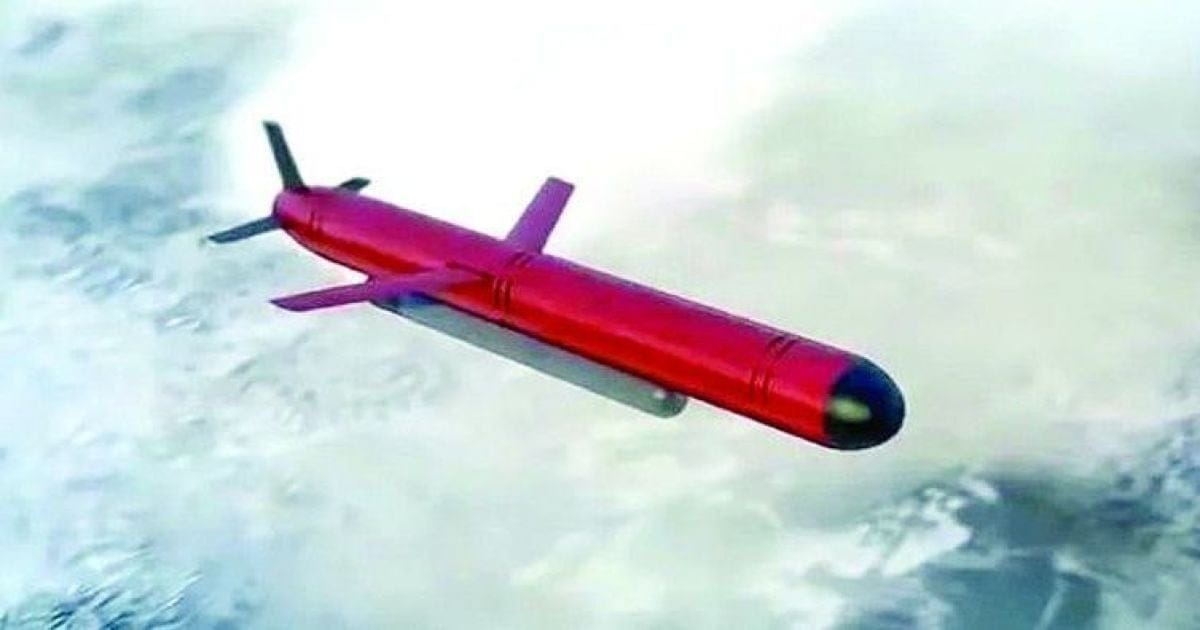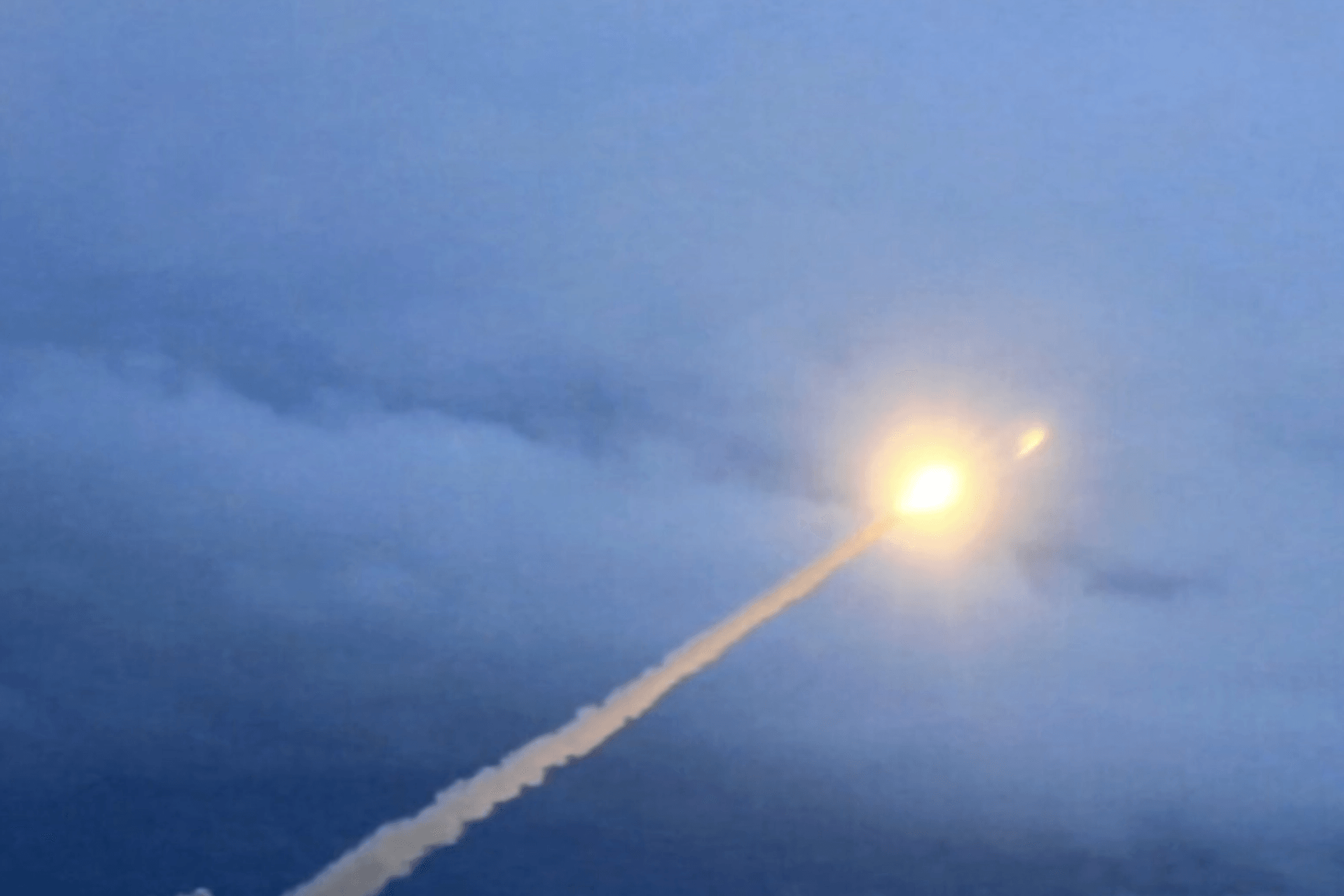
A second Russian Il-976 SKIP (airborne command-and-measurement post) aircraft arrived at the Rogachevo airfield on Novaya Zemlya on Aug. 22-23, as shown by OSINT analysts at AviVector. This means both of Russia’s Il-976 SKIP aircraft, which track missile flight trajectories and telemetry and record test data, are now at the airfield. As Norwegian OSINT analyst Thord Are Iversen explained to The Insider, this may indicate preparations for a new test of the Burevestnik intercontinental cruise missile, which is famously equipped with a nuclear power unit.
According to OSINT analysts, two Il-976 SKIP aircraft arrived at the Novaya Zemlya archipelago in the second half of August. In addition, an A-50U radar plane, four An-26 military transport aircraft, one An-74D, and several helicopters were spotted at the Rogachevo airbase.
As The Barents Observer notes, this may indicate that Russia is about to begin new tests of the Burevestnik, which is believed to potentially leave a radioactive trace during flight. The outlet also pointed out that a group of ships typically used during missile tests, including for search operations, has been spotted in the Barents and Kara Seas.
Iversen also concludes that Russia is preparing for a missile test. As he told The Insider:
“Everything now seems to be in place for actual flight tests of Burevestnik, conforming to the patterns of the previous test seasons.
With the arrival of the second IL-976, the same number of main support aircraft as in the past are present at Rogachevo: the two IL-976s plus an A-50 Mainstay.
There is a significant number of chartered civilian ships supporting the Burevestnik program, and most of them up there now have also participated in previous years. Yesterday, for the first time this season, they sailed out to positions both east and west of Severny Island, in a pattern I have good confidence on being associated with tests. They are now returning towards Pankovo, and since this was the first time, I think this was a rehearsal / dry run.
As far as I know, there have not been any detections of radiation or nuclides by the Norwegian or other international radiation monitoring networks after the flight tests at Novaya Zemlya. This doesn't mean that Burevestnik doesn't emit a radioactive trail at all, and the wind patterns at the time of a test matter too, when it comes to detecting it.”
The Insider previously reported that Vladimir Putin has made repeated claims that the Burevestnik test was successful. The missile is reported to have no range limitations thanks to its nuclear power unit. By 2019, according to U.S. intelligence and Western analysts, the missile had undergone at least 13 tests, of which only two were considered partially successful. In the West, the Burevestnik has been nicknamed a “tiny flying Chornobyl,” and experts note that it currently poses a bigger threat to Russian residents than to adversaries abroad.
The Burevestnik is commonly linked to an accident at a testing site near Nyonoksa in Arkhangelsk Region in August 2019 — an explosion that killed five Rosatom employees. Two more people — reportedly military personnel — died later, likely from acute radiation sickness.
Several others received significant doses of radiation, and background radiation levels in the city of Severodvinsk spiked sharply for a time.
In October 2025, Chief of the General Staff of the Russian Armed Forces Valery Gerasimov reported to Putin on a successful test flight of the Burevestnik, saying the missile had stayed airborne for around 15 hours and had covered a distance of 14,000 km. The Defense Ministry did not release any footage of the missile’s flight. The Russian president then announced the completion of the missile’s testing, ordering preparations of the infrastructure for its deployment.