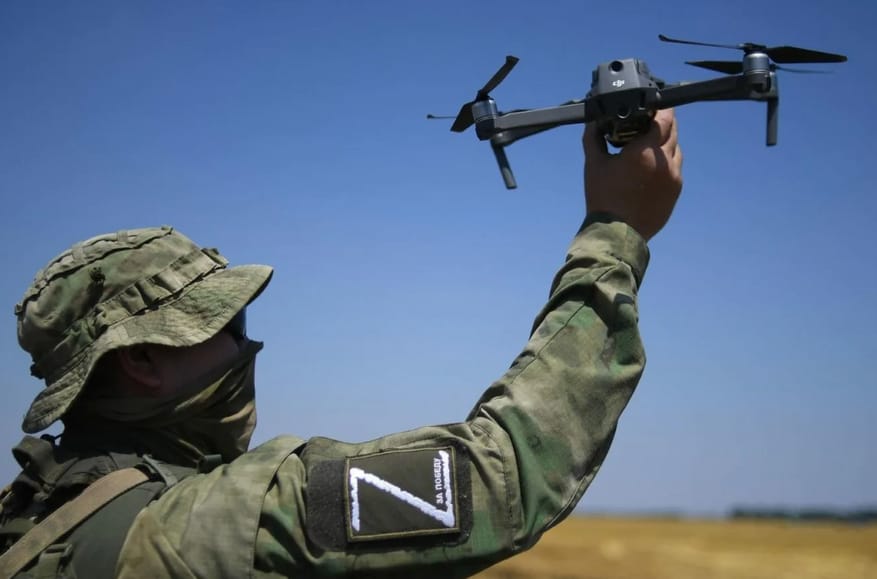
Ukraine has documented the first-ever civilian deaths resulting from an attack by a Russian drone equipped with an experimental autonomous AI-based targeting system. As The New York Times reports, such a drone exploded on July 6 near a gas station in Zaporizhzhia, killing three people.
According to Ukrainian military officials, drone experts, and specialists who examined the wreckage, operators had directed the aircraft toward a specific gas station, but during the final stretch of its flight it selected a target independently, using AI. The system was reportedly trained to recognize propane tanks. However, the drone did not reach its intended target, failing to maneuver around a building near the gas station and exploding nearby. The blast killed 19-year-old college student Tetiana Bubynets, 41-year-old Oleksii Svirin, and 48-year-old Roman Karpii.
Kateryna Bondar, a senior fellow at the Center for Strategic and International Studies (CSIS), called the attack the first documented instance in which a Russian drone using an autonomous system caused civilian deaths. Russia had previously tested drones that use AI for independent targeting, but no deaths from such attacks had been reported.
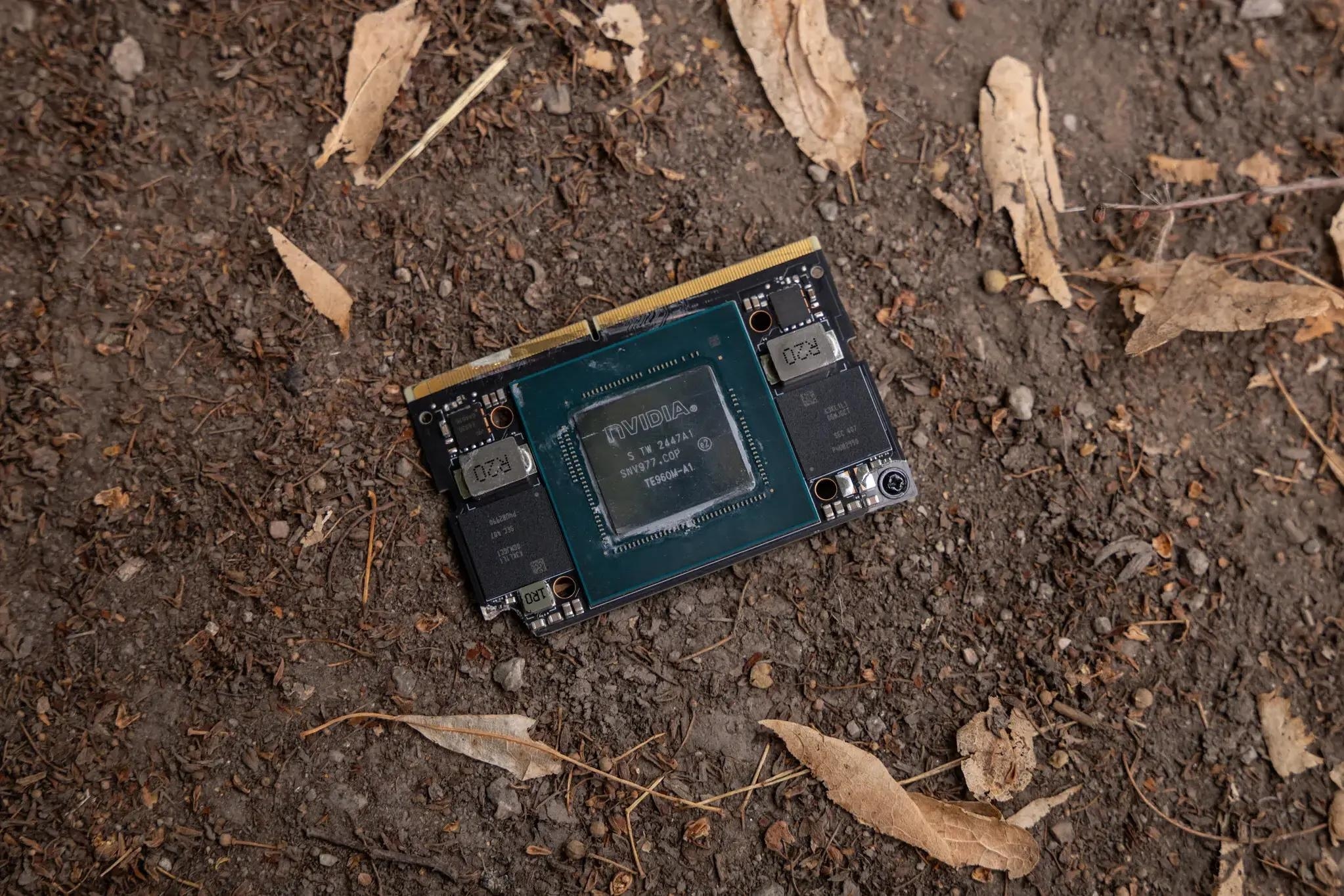
Ukrainian experts had discovered Nvidia Jetson Orin mini-computers in the wreckage of other Russian drones. According to the Ukrainian side, the absence of remote-control antennas on the aircraft, combined with the installed computing modules, was one indication that these drones had operated autonomously. Researchers also stated that they examined unencrypted data on the module and found it to contain images of the terrain and code showing which categories of objects the system had been trained to recognize and attack.
NYT shared photographs of the recovered hardware with Nvidia, and the company confirmed that the images showed its Jetson Orin — a civilian computing module that costs several hundred dollars, designed in particular for robotics and computer vision systems. Nvidia denied selling these components in Russia, but admitted they are widely available through third-party resellers, stating that the manufacturer cannot track the subsequent movement of each device.
This is not the first time a Jetson Orin has been found in Russian weaponry. On Aug. 12, Ukraine’s Main Directorate of Intelligence (HUR) reported discovering the same module in a new Russian S-71M Monokhrom cruise missile. According to markings published by Ukrainian intelligence, the Jetson Orin found there was manufactured in March 2025 — after sweeping Western export restrictions against Russia had already been introduced.
As Reuters previously reported, citing U.S. officials, China and Hong Kong remain major transshipment points for the supply of restricted technologies to Russia. According to Ukrainian authorities, about 60% of foreign components found in Russian weapons arrive via China.