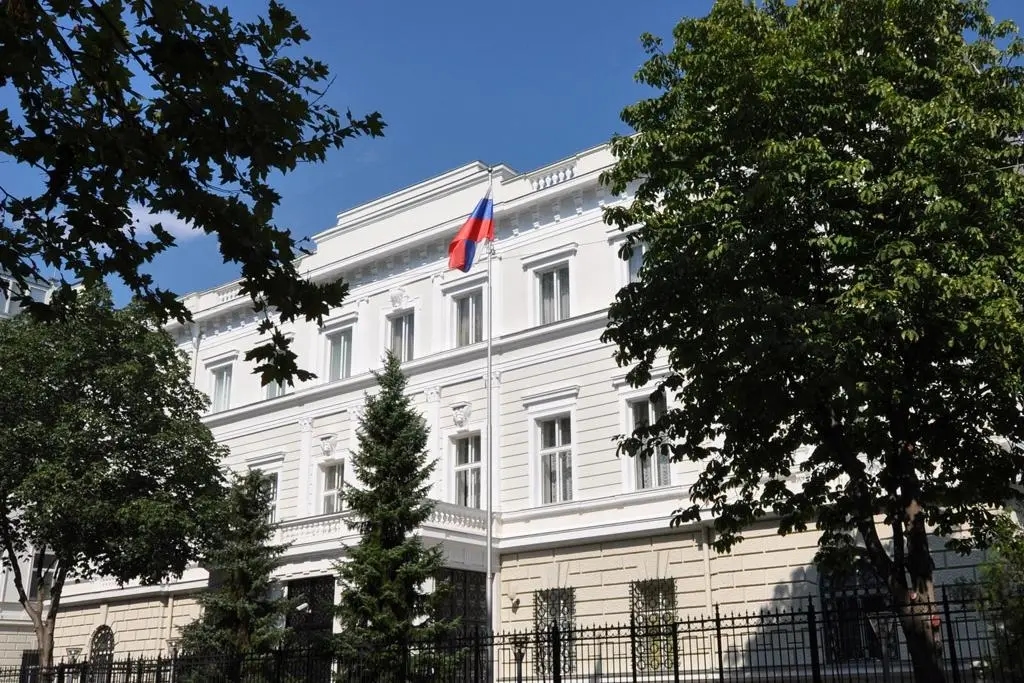
At least 20 of the 117 employees of Russian diplomatic missions in Austria are likely tied to the SVR, GRU, or FSB, according to a report by the independent Russian outlet Agentstvo, which made use of information from the RuPEP public figures database and the foreign diplomatic staff list published by Austria’s Foreign Ministry.
The count covers only the officially published staff of the Russian Embassy and Russian missions to international organizations. Administrative and technical staff were not included. Some of the identified links are confirmed by previous places of service or employment, while others are based on registered addresses, information about relatives, and other indirect indicators.
Of the 48 employees of the Russian Embassy, at least eight showed signs of links to intelligence agencies. Counselor Evgenii Ambrosii is registered at an SVR departmental building on Vilniusskaya Street in Moscow. Attaché Aleksandr Sobolev received income from military unit 21247, which corresponds to the Foreign Intelligence Academy. Alexander Paloyan received income from SVR military unit 33949.
First Secretary Alexander Golovashkin, military attaché Alexey Fokin, and attaché Stanislav Aleksandridi are linked to GRU addresses and units (Aleksandridi listed the military intelligence headquarters on Khoroshevskoye Highway in Moscow, while Fokin was registered on the grounds of the Senezh Special Purpose Center). Attaché Dmitrii Kramarev worked in the 2000s at the Atlas Scientific and Technical Center, which at the time was under the FSB.
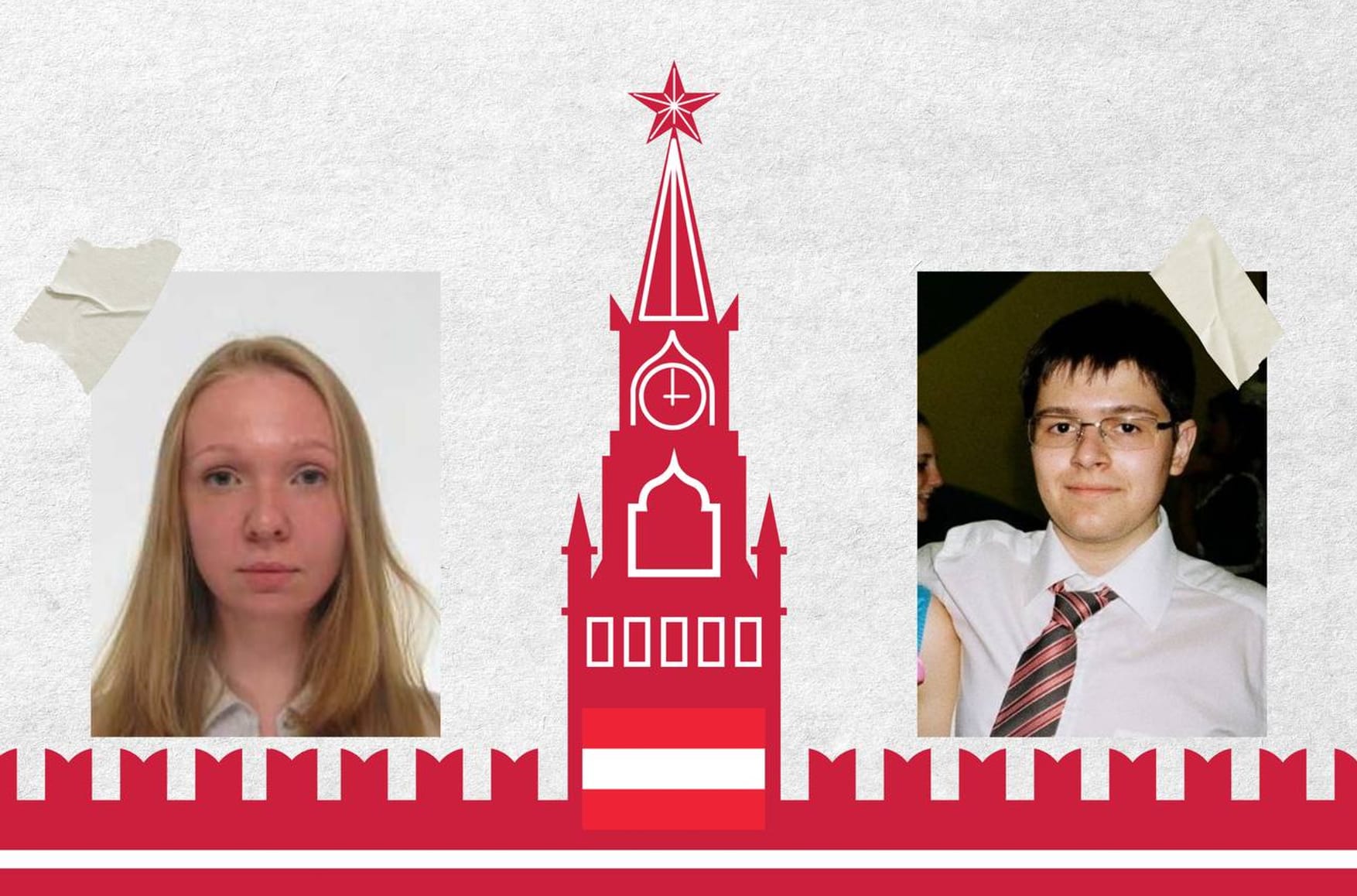
Ambrosii and Golovashkin had already appeared in The Insider’s previous investigation into Russian intelligence activity in Austria. Ambrosii supervised the SVR’s Vienna station on the political intelligence track, while Golovashkin served at the GRU’s Moscow Intelligence Center before arriving in Vienna. In March 2024, a source in Austria’s Foreign Ministry told The Insider that both had been added to the list of personae non gratae. The Insider found that they still appear among embassy staff in the Austrian Foreign Ministry directory updated in August 2026.
Of the 22 employees of Russia’s mission to the OSCE, links to intelligence agencies are suspected in seven cases. Four figures — Counselors Anton Momatyuk and Vitaly Kozlov, First Secretary Sergei Kildyashov, and Second Secretary Alexei Silantyev — used addresses of facilities linked to the GRU and military education. Three other employees previously worked at Defense Ministry institutions or listed addresses belonging to the General Staff, military academies, and military units.
Among 47 employees of Russian missions to other international organizations, signs of links to intelligence agencies were found in five cases. Three of them work at the IAEA. In particular, Sergei Berezin was registered on the grounds of the GRU’s Central Special Communications Hub, while Grigory Krivenchenko received income from military unit 52025, a nuclear weapons arsenal in Mozhaysk. Two other diplomats with possible links to military intelligence represent Russia at U.N. institutions.
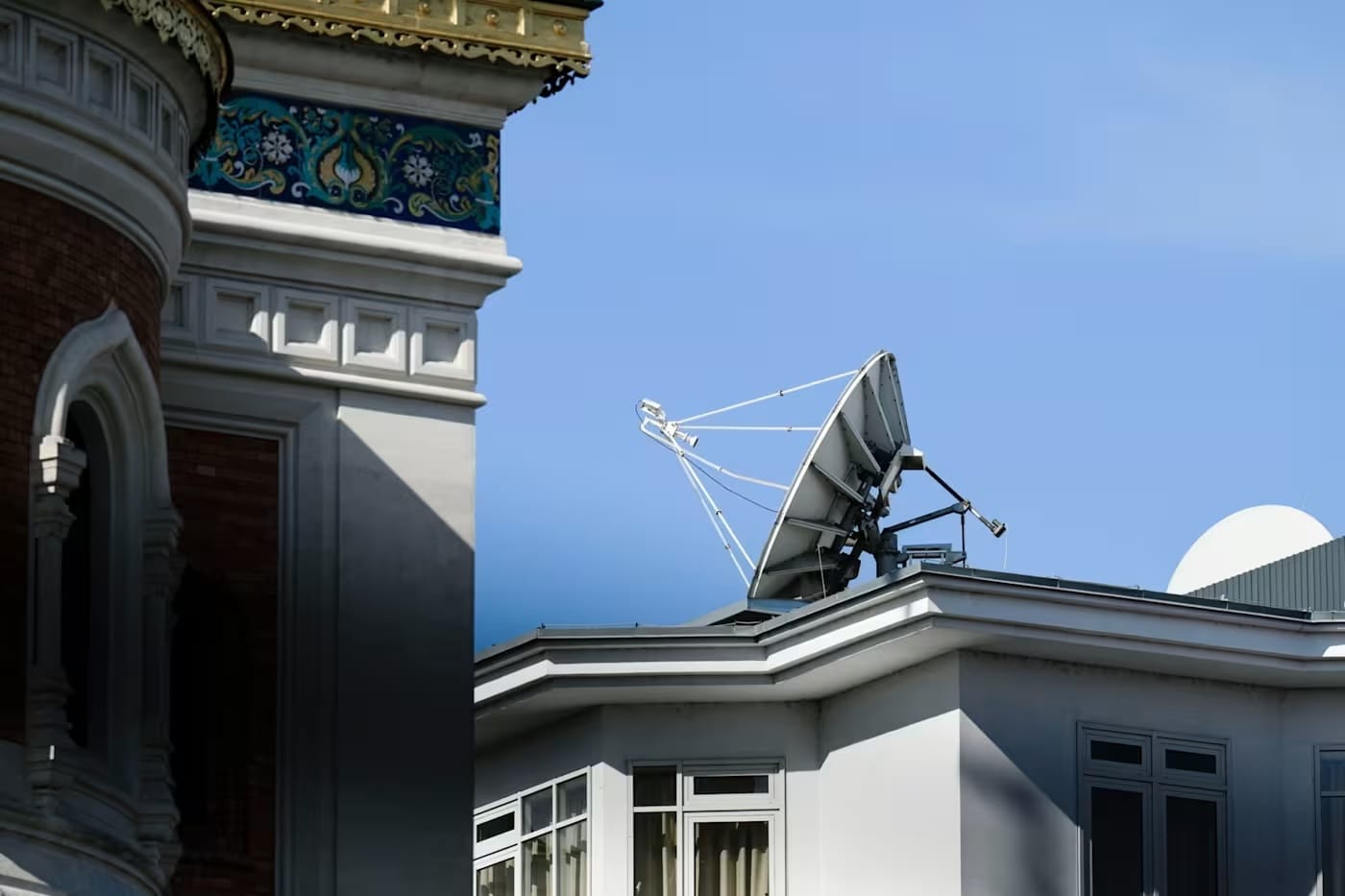
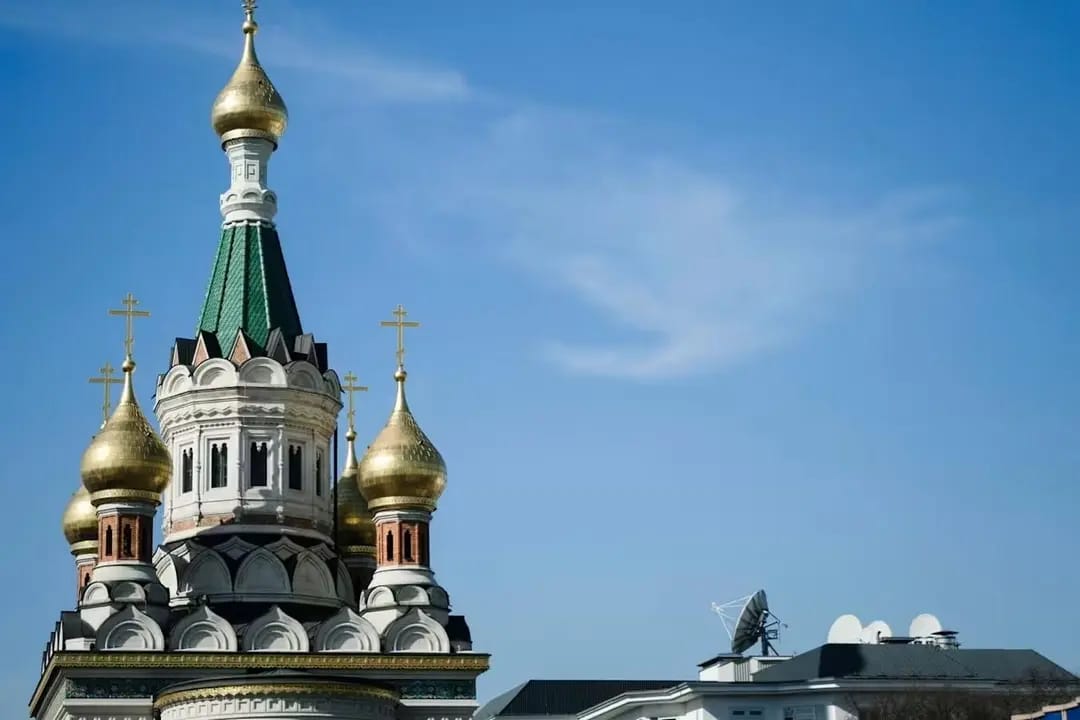
Vienna remains one of the most important centers of Russian intelligence activity in Europe. The Financial Times previously reported that Russian diplomatic facilities in the city have become Moscow’s largest signals intelligence platform in the West. According to Austria’s intelligence service, Russian diplomatic missions in Vienna employ around 500 individuals when staff members (who are not included in public lists) are counted. Up to one-third of these nominally lower-level figures may also be involved in espionage.
In May 2026, Austria expelled three Russian diplomats, accusing them of intelligence activity. Austrian authorities did not disclose their names.