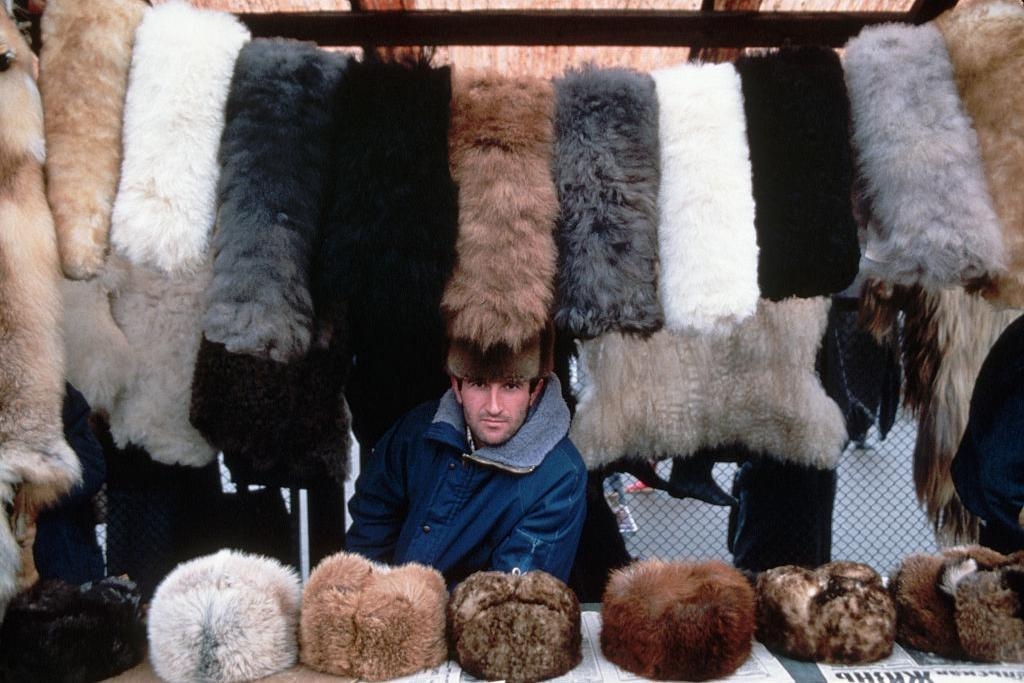
The European Union has removed dressed and processed Russian sable pelts from its list of goods banned from import. The restriction was lifted a mere three months after being introduced in April 2026, Euractiv reports.
The European Commission explained the exemption by pointing to Russia’s dominant position in the global sable fur market, emphasizing that European producers have virtually no alternative suppliers. Italy and Greece, the largest importers of Russian sable pelts among EU member states, pushed for the ban to be lifted, a European diplomat told the outlet.
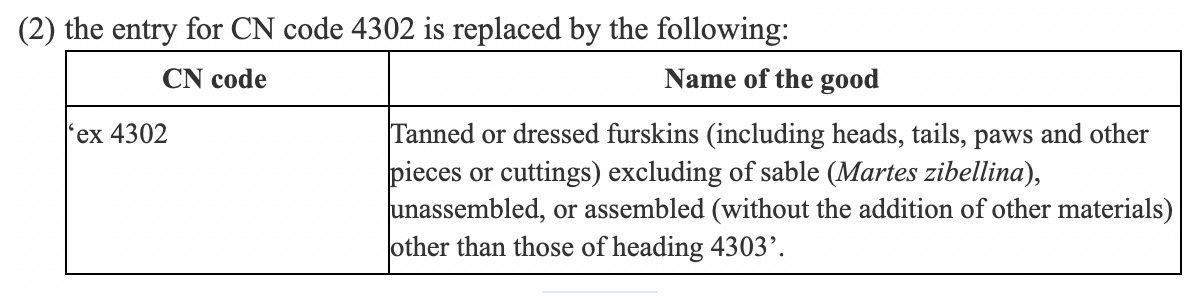
As stated in the regulation of the EU Council reviewed by The Insider, dressed or tanned pelts of the Martes zibellina sable species, falling under customs code CN 4302, were removed from the sanctions list. However, the ban on importing other tanned fur pelts remains in place. Finished goods made from Russian fur likewise cannot be imported into the EU, and European companies are still prohibited from exporting fur clothing to Russia as a luxury item.
Sable fur is considered to be one of the most expensive in the world. Coats made from it can cost tens or even hundreds of thousands of euros. The sable lives primarily in the forests of northern Asia, and Russia controls a significant share of its harvesting and international trade.
According to Soyuzpushnina, Russia’s only international fur auction, companies from Italy and Greece continued to rank among the largest foreign buyers of sable even after the start of Russia’s full-scale invasion of Ukraine. In September 2022, Italian fur house Maurizio Braschi purchased the auction’s main sable lot for its own use, and in May 2023 it did so on behalf of a private client from Moscow.
The fur exemption was not the only concession in the EU’s 21st sanctions package. Greece also secured the right to continue transporting Russian liquefied gas to third countries. In addition, EU member states dropped proposed restrictions on Russian fish following objections from several countries.
The lifting of the ban comes amid discussions of a possible EU phase-out of fur farms. The European Commission is considering a proposal to ban the breeding of animals for fur, as well as the import and sale of fur products. Such farms continue to operate, in particular in Greece, Spain, Hungary, Finland, and Poland.