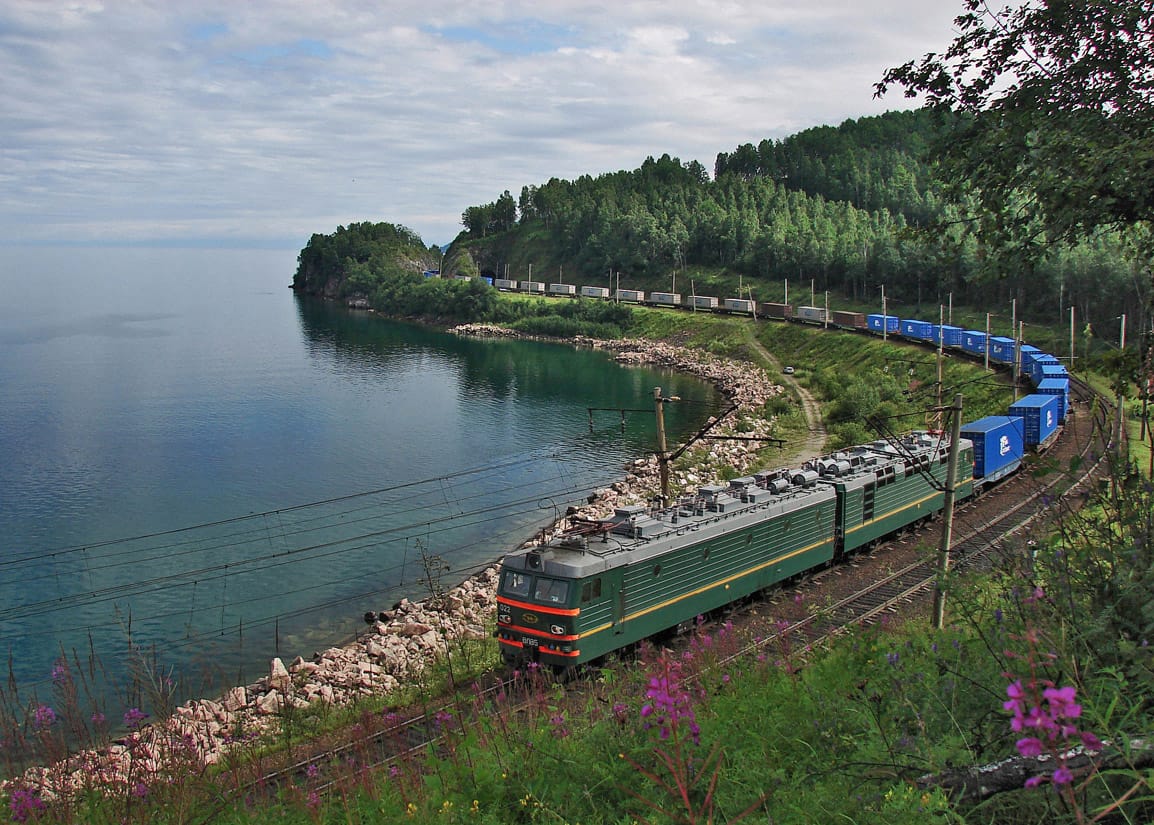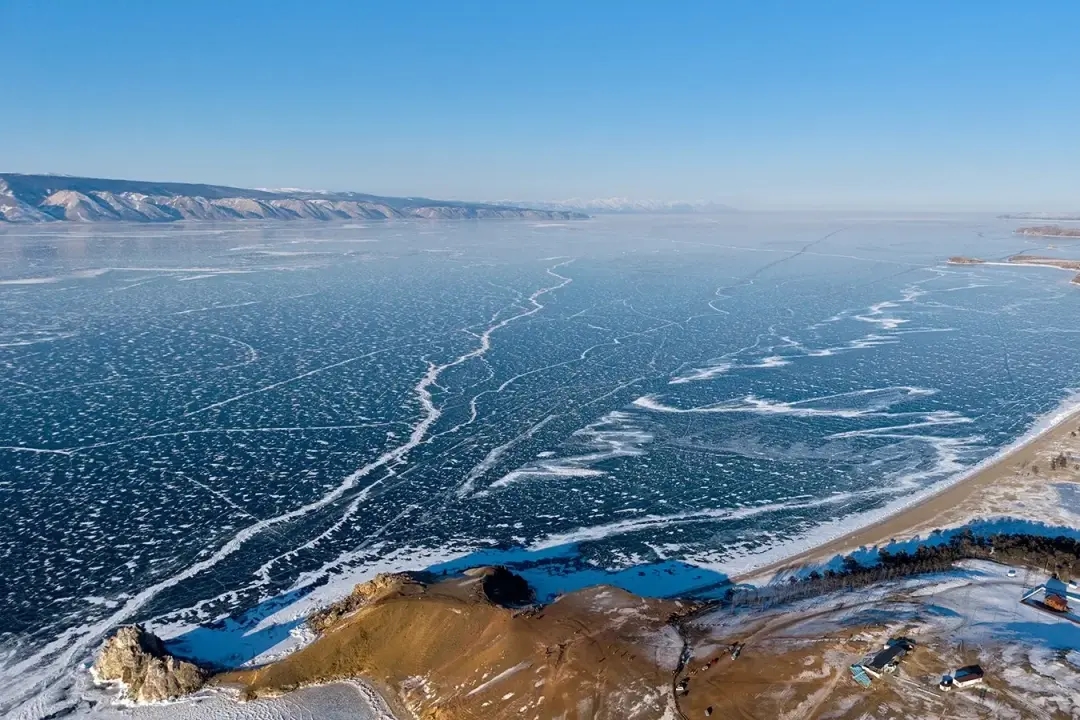
Lake Baikal could be added to UNESCO’s List of World Heritage in Danger, according to a draft decision by the World Heritage Committee that was prepared for the organization’s 48th session in Busan, South Korea, which is running from July 19-29. The list of World Heritage sites in danger currently includes 53 sites. None are located in Russia.
UNESCO decided to consider adding the lake to the list due to a law on clear-cutting around Baikal that was passed by Russia’s parliament and signed by Vladimir Putin in December 2025. The law allows clear sanitary logging at the lake — previously fully banned under a 1999 law — when selective logging does not help forests recover. It also permits the construction of various infrastructure objects, including cemeteries, roads, bridges and mudflow protection structures.
Environmentalists told the independent Russian media outlet Kedr that the law’s wording effectively allows healthy forest to be cut down under the guise of removing diseased trees, clearing space for construction. This could destroy local flora and fauna and cause irreversible damage to the world’s deepest lake. In June 2026, reports confirmed that 400 hectares of forest had already begun to be cleared in the central ecological zone of the Baikal natural territory, making way for a five-star tourist complex.
UNESCO believes the new legislation weakens protections for the lake. The organization is asking Russian authorities to provide detailed information by February 2027 about planned construction projects and their potential harm.
UNESCO is also considering adding the “Western Caucasus” and “Volcanoes of Kamchatka” sites to the list of World Heritage sites in danger.
Most of the 53 sites currently on the list are in Africa and the Middle East. The list also includes sites in Austria, Romania, Ukraine and the United States. Three Ukrainian sites were added in 2023 amid Russia’s full-scale invasion.
Russia has never had a site placed on the List of World Heritage in Danger. If Baikal or the two other Russian sites named in UNESCO’s draft receive that status, Moscow would be compelled to cooperate with the organization to develop conservation measures for the areas. If Russia refuses to follow the recommendations, the sites could be removed from the World Heritage List entirely — similar to the Dresden Elbe Valley in Germany, which was struck off the list after a road bridge was built across the river.
Russia holds an “honorable ninth place” on the overall World Heritage List, according to the website of Russia’s permanent mission to UNESCO. The country has 11 natural and 23 cultural World Heritage sites.