Yevgeny Balitsky, the Russian-installed head of the occupied part of Ukraine’s Zaporizhzhia Region, reported to Vladimir Putin on July 20 that the R-280 “Novorossiya” highway is, purportedly, “under the full control” of the Russian armed forces.
The route was created by Russian authorities using sections of Ukraine’s M-14 highway in order to form a land corridor linking Rostov-on-Don to Russian-annexed Crimea. “Novorossiya,” or “New Russia,” is a historical imperial term now used by Russian nationalists and officials to denote parts of southern and eastern Ukraine that Moscow claims as its own.
Balitsky did not explain what he meant by “full control,” claiming only that anti-drone defenses are being constantly improved and that Russian forces are using new methods to counter drones.
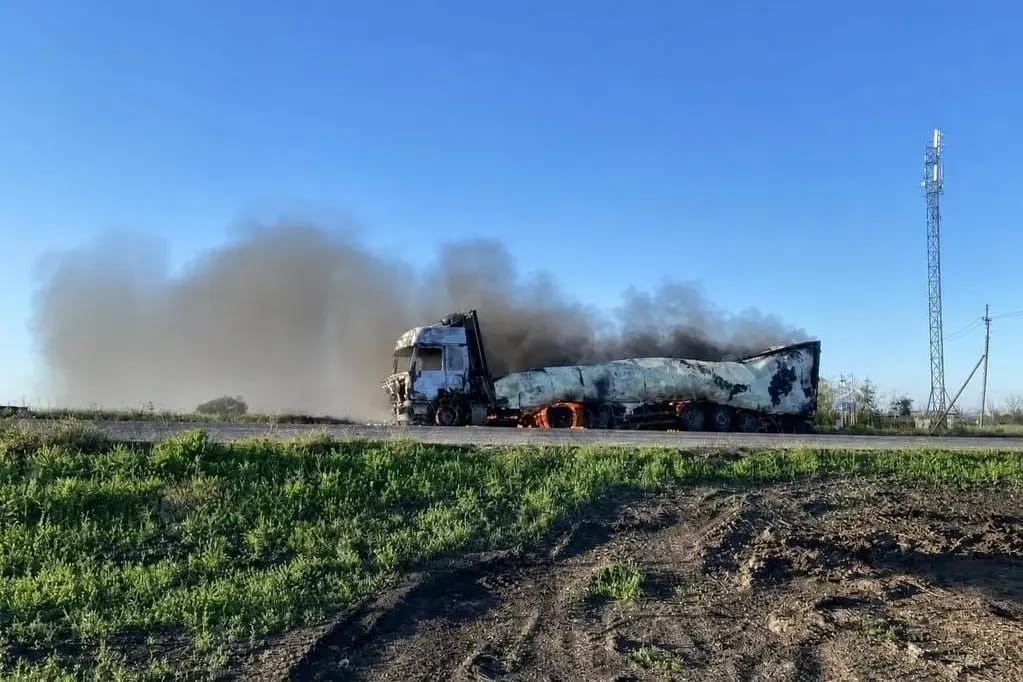
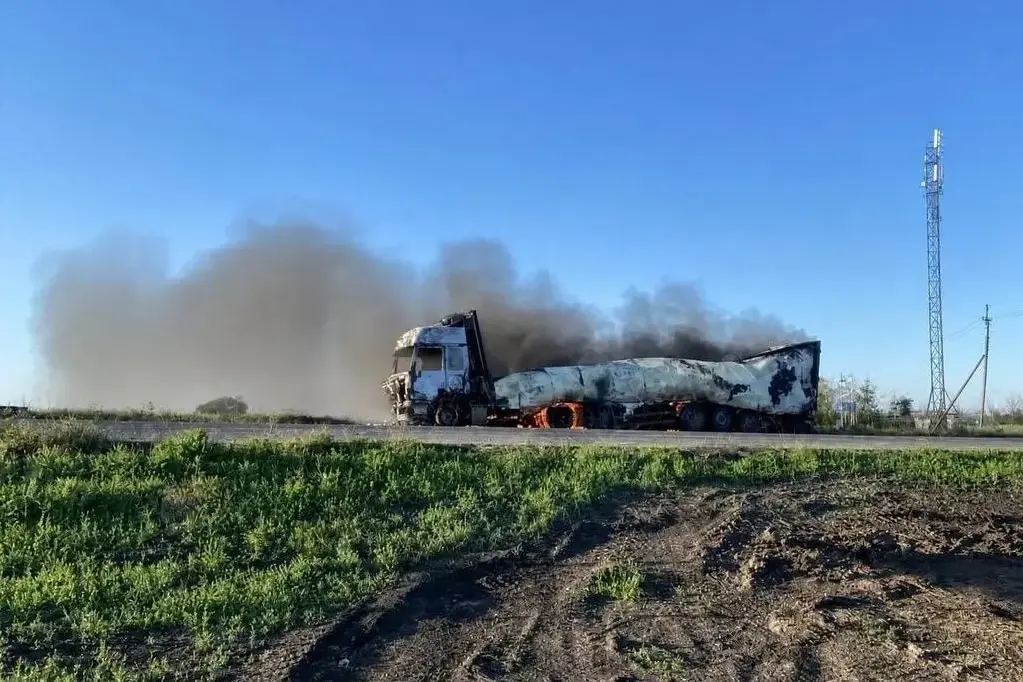
Since late May, Ukrainian drones have regularly attacked the highway and vehicles traveling on it. The road is used to supply Russian troops and to deliver fuel to annexed Crimea. Strikes on logistics have caused a gasoline shortage on the peninsula, prompting authorities to impose restrictions on sales.
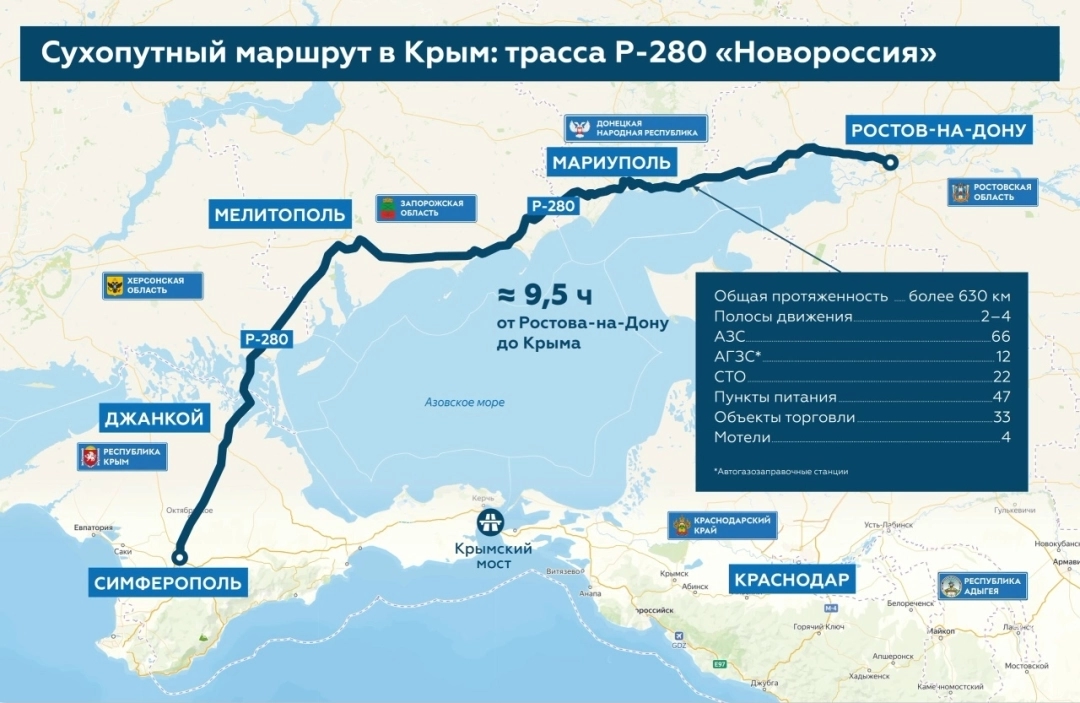
On June 6, the Russian-installed administration of the occupied Luhansk Region imposed restrictions on regular and irregular passenger transport along the R-280 and R-150 highways. Residents were urged not to use roads leading toward the Russian-occupied parts of the Donetsk, Zaporizhzhia, and Kherson regions, as well as to annexed Crimea. The restrictions were introduced after Ukrainian drone attacks on transport and road infrastructure became more frequent.
However, a source in Simferopol told The Insider that after long lines of cars began forming at the Kerch Bridge exit from Crimea, buses traveling north out of the peninsula resumed service through Dzhankoi toward Donetsk and other destinations, including Moscow.