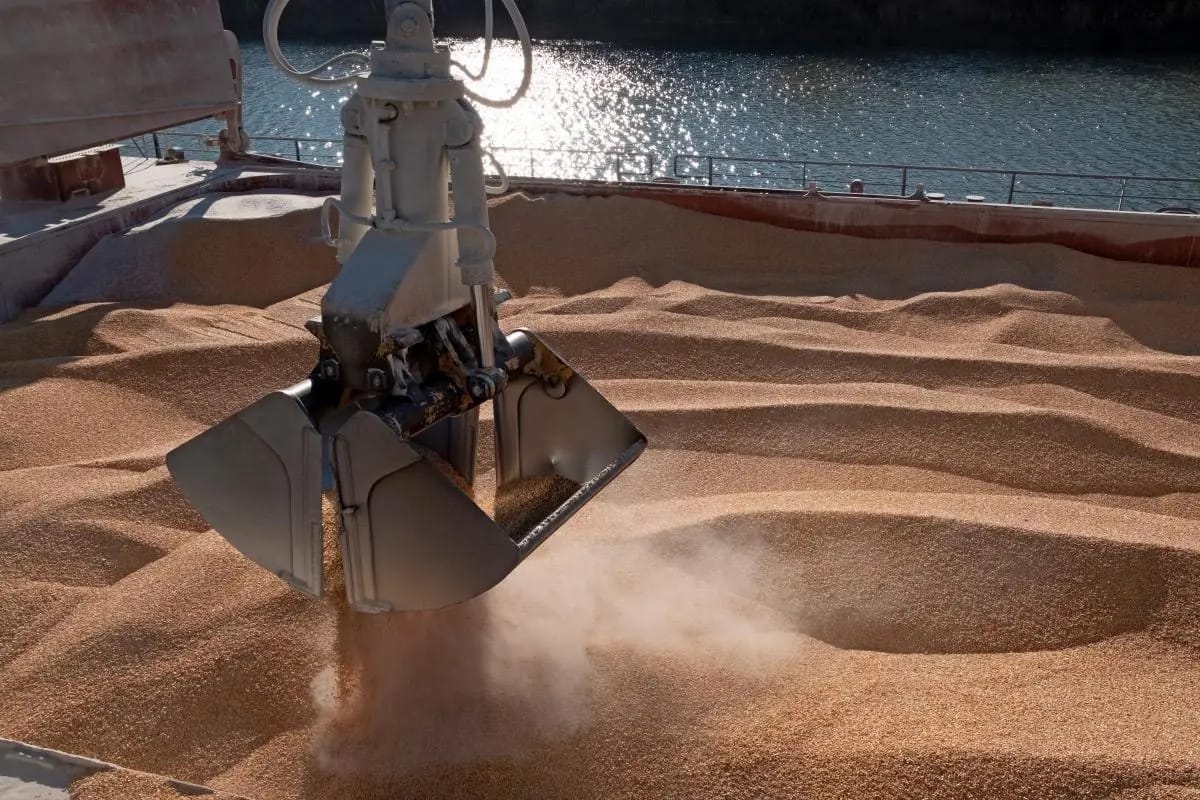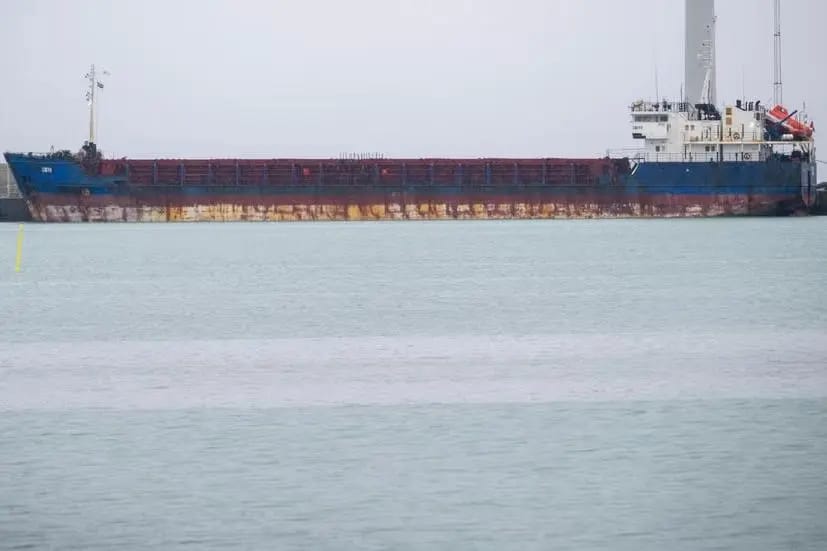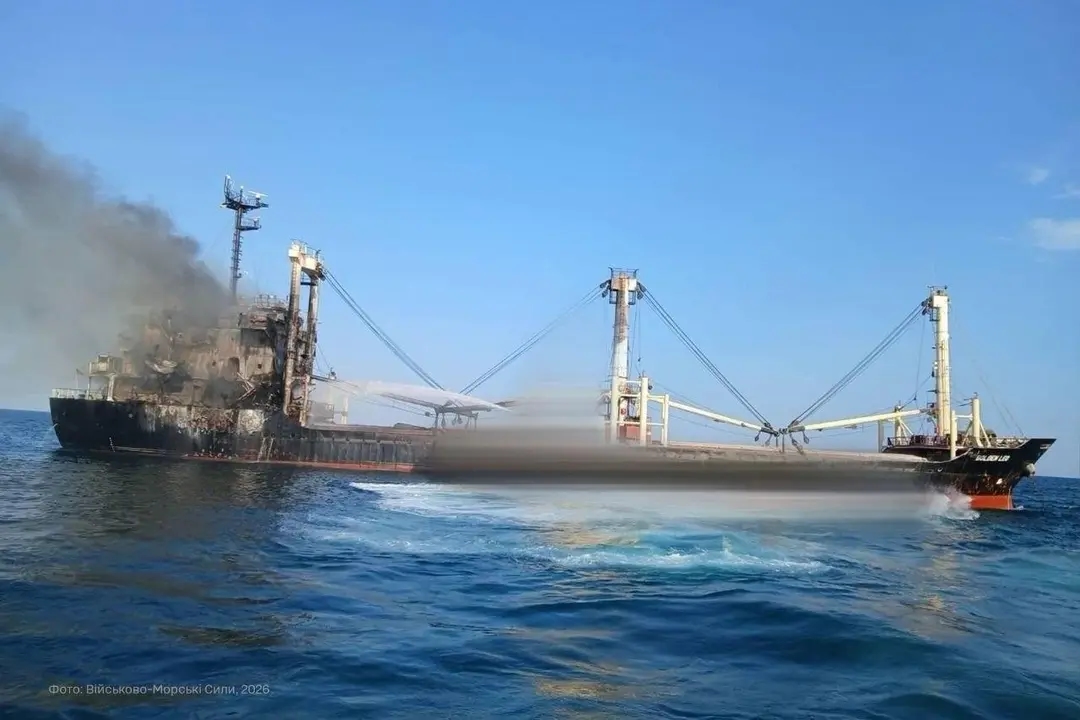
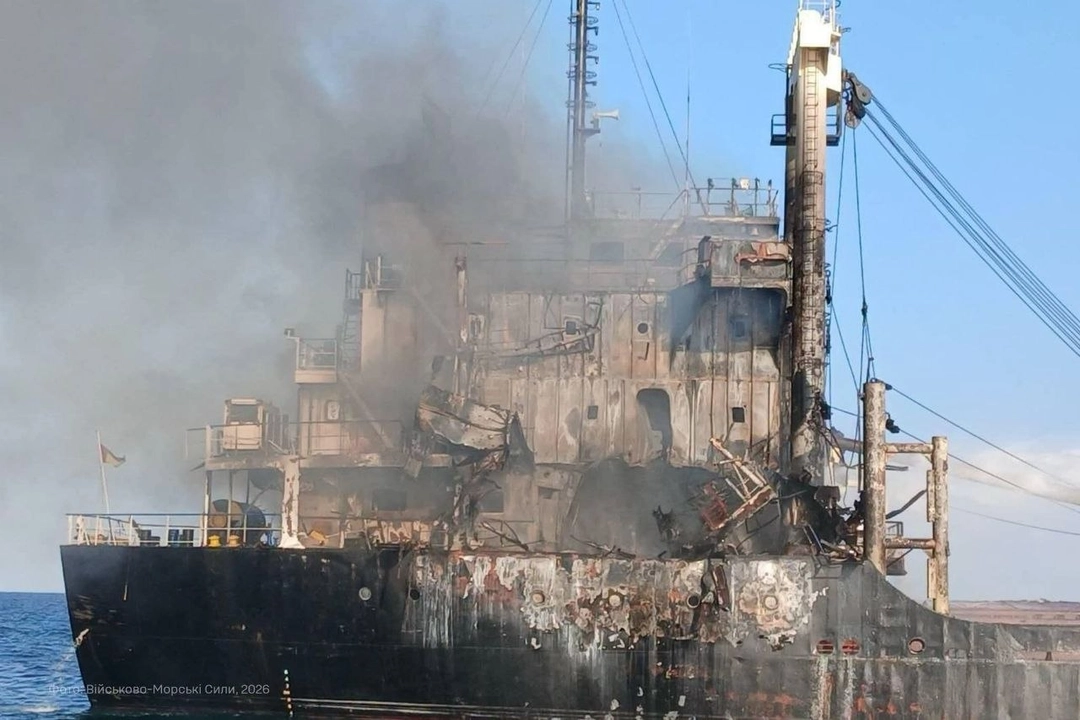
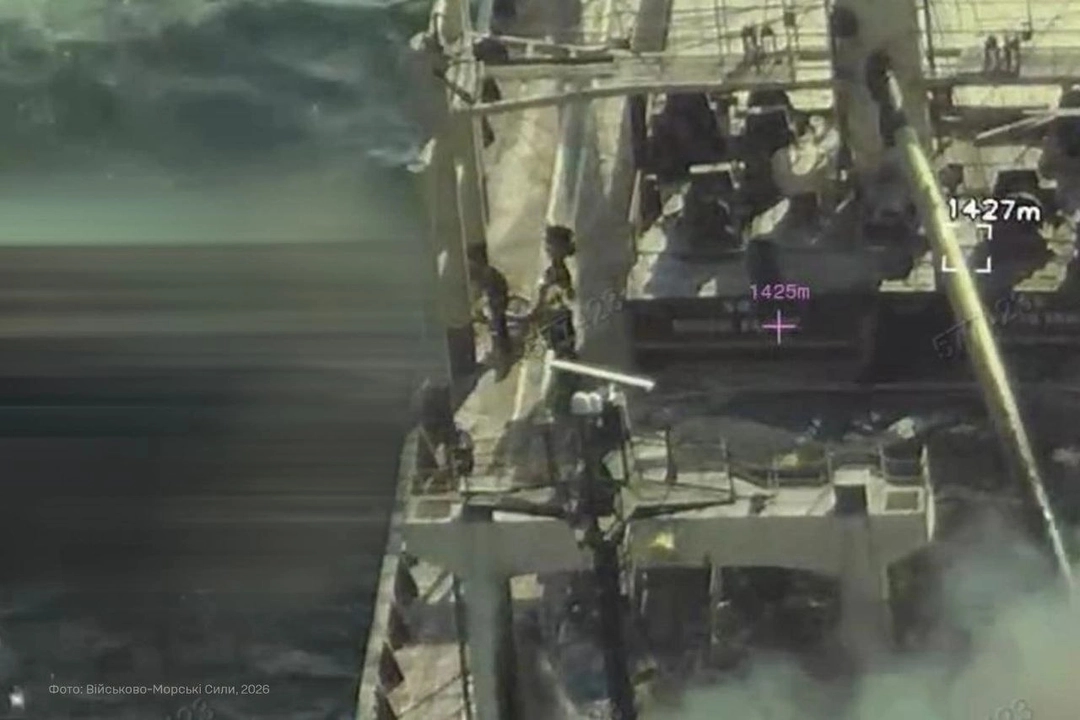
Russian forces fired three Kh-59/Kh-69 cruise missiles at the civilian cargo ship Golden Leo as it was leaving the combat zone with a load of grain, according to a report by the Ukrainian Navy. The missiles hit the area near the ship’s superstructure on the starboard side, sparking a fire on board.
Five crew members were killed, and the fate of five others remains unknown. Eight sailors were evacuated to a hospital in Odesa.
The vessel sailed under the flag of Guinea-Bissau. Ukraine’s navy did not name the exact location of the attack, saying only that the cargo ship was “leaving the combat zone.” Russian authorities have not commented on the incident.
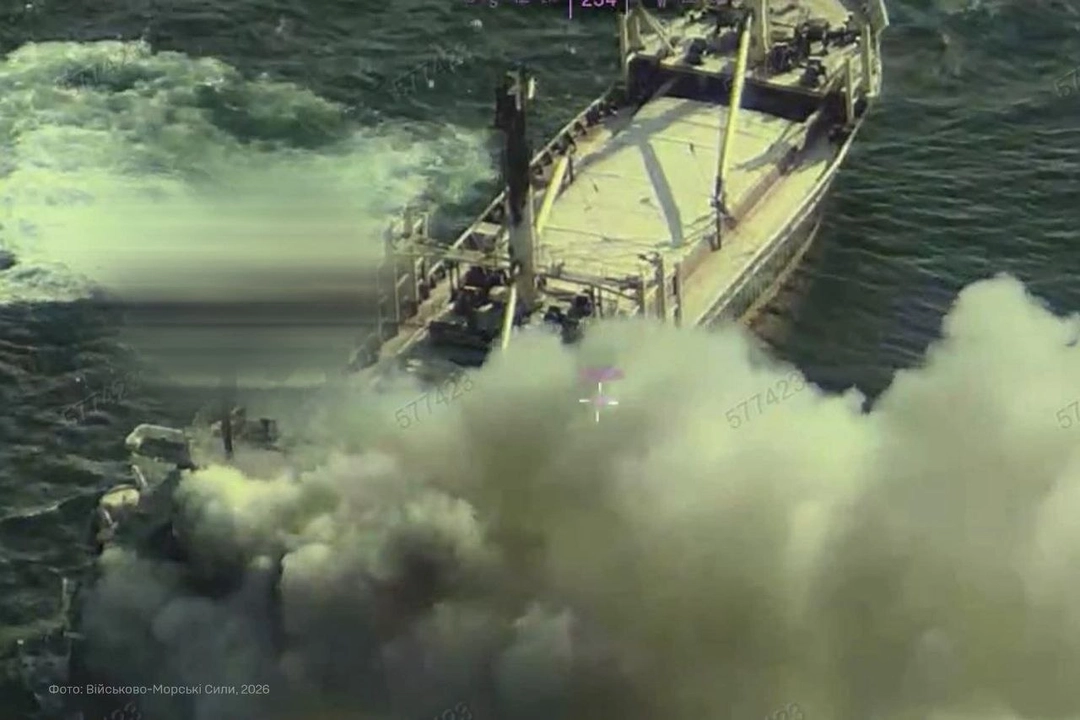
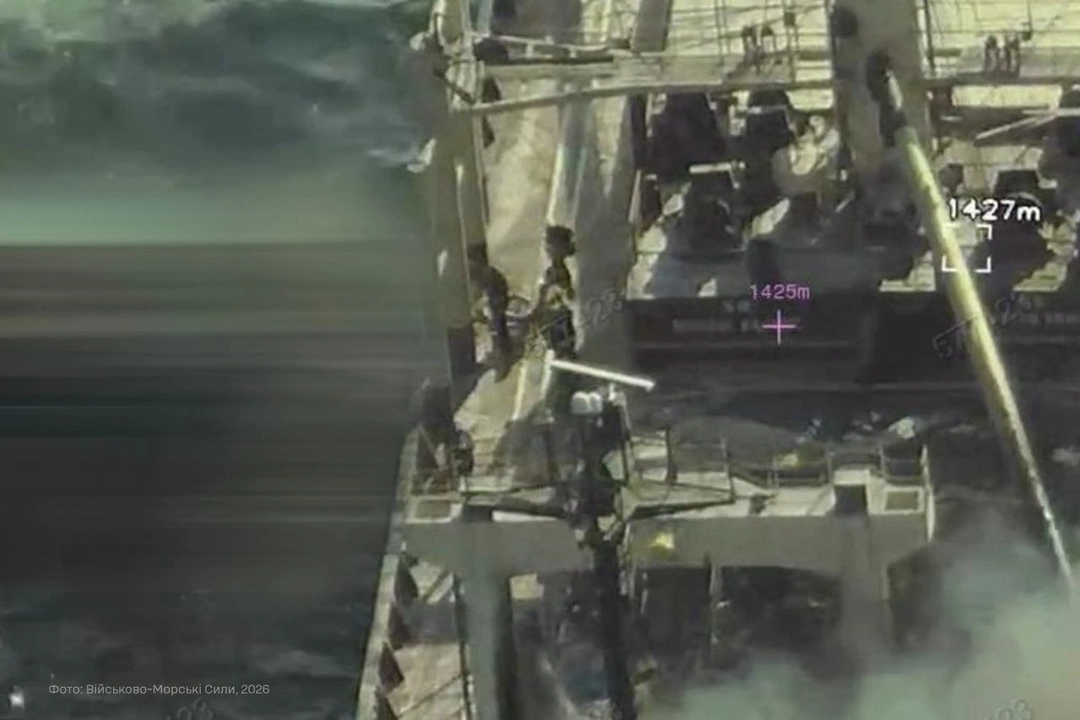
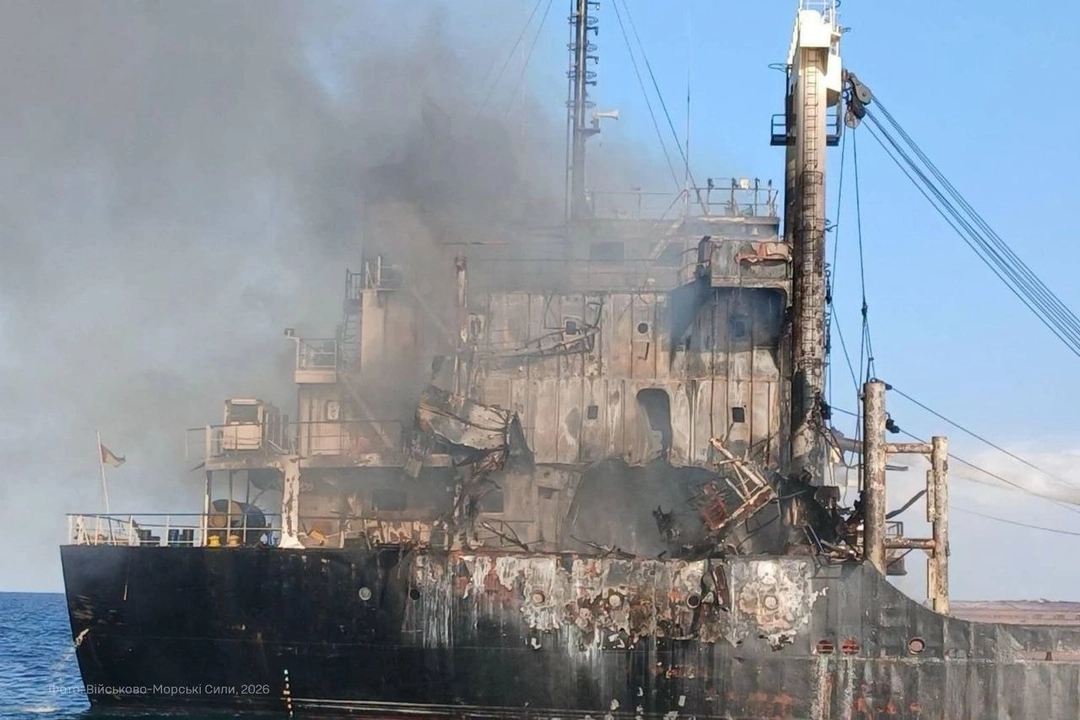
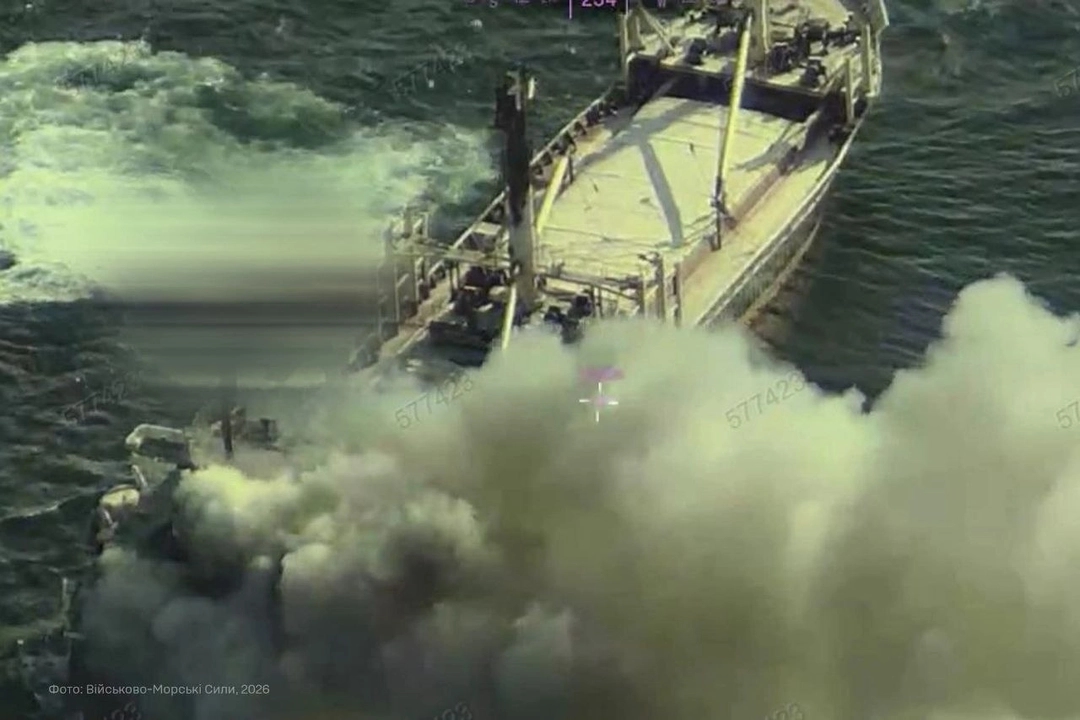
The Insider analyzed tracking data provided by the monitoring platform Starboard Maritime Intelligence, which showed that in the spring and early summer, the cargo ship sailed between ports in Turkey, Georgia, Syria, Greece, and Spain. It was in Barcelona from June 24 to 29, called at the Greek island of Syros on July 4, and arrived in Istanbul on July 6.
On the afternoon of July 7, the Golden Leo left Istanbul and headed north through the Black Sea. The crew listed the Romanian port of Sulina as its destination. The last signal was received on the morning of July 9 east of the Danube Delta, near Sulina. After that, data on the ship’s movements stop until the July 19 attack.
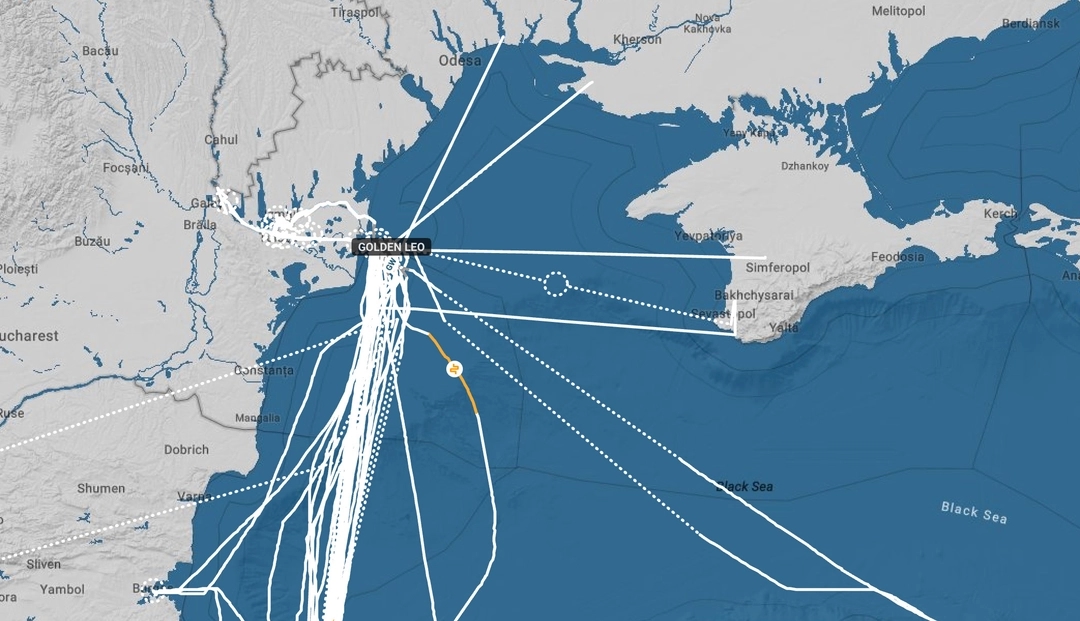
The available AIS history does not make it possible to determine which Ukrainian port the Golden Leo entered, where it loaded grain, or what route it took while leaving the combat zone. AIS, or the automatic identification system, is a tracking system used by ships to transmit their identity, position, course and speed.
Sulina is located at the mouth of the Romanian canal of the same name and is used by ships heading to Ukrainian Danube ports, including Izmail and Reni. The route became a key hub for Ukrainian grain exports after the start of Russia’s full-scale war. However, the Golden Leo’s last known position does not prove that the cargo ship continued along the Danube.
Ukraine also uses a separate maritime corridor to the ports of Odesa, Chornomorsk, and Pivdennyi. Kyiv opened that route in 2023 after Moscow withdrew from the grain deal. The corridor runs through the western Black Sea near the coasts of Romania and Bulgaria.
The Ukrainian Navy said the Golden Leo’s owner is Turkish, but data from Starboard Maritime Intelligence and other vessel-tracking services show a more complex structure: the registered owner is listed as Ocean Grace Shipping Ltd., while the commercial and technical operator is Friends Shipping Co. SA. The latter is based in Mersin, Turkey, and transports grain, coal, fertilizer, and other bulk cargo.
The strike on the Golden Leo came amid escalating fighting in the Black and Azov seas. On July 17, Russian drones damaged three international civilian vessels in the port of Mykolaiv. Two Ukrainians were killed.
At the same time, since early July, Ukraine has been striking Russian tankers, cargo ships, and tugboats in the Azov Sea. Robert Brovdi, commander of Ukraine’s Unmanned Systems Forces, has reported hits on more than 150 vessels. Moscow has described the attacks as terrorism and piracy and restricted the entry and exit of vessels from the Azov Sea through the Kerch Strait and the Azov-Don Canal. About a quarter of Russia’s grain exports pass through that route.
The fighting has already affected grain exports from both countries. According to the Ukrainian Agrarian Union, Russian strikes have reduced the throughput capacity of Ukraine’s Black Sea ports from about 6 million metric tons to 4 million metric tons of grain a month. More than 90% of Ukraine’s agricultural exports pass through ports in the Odesa Region.