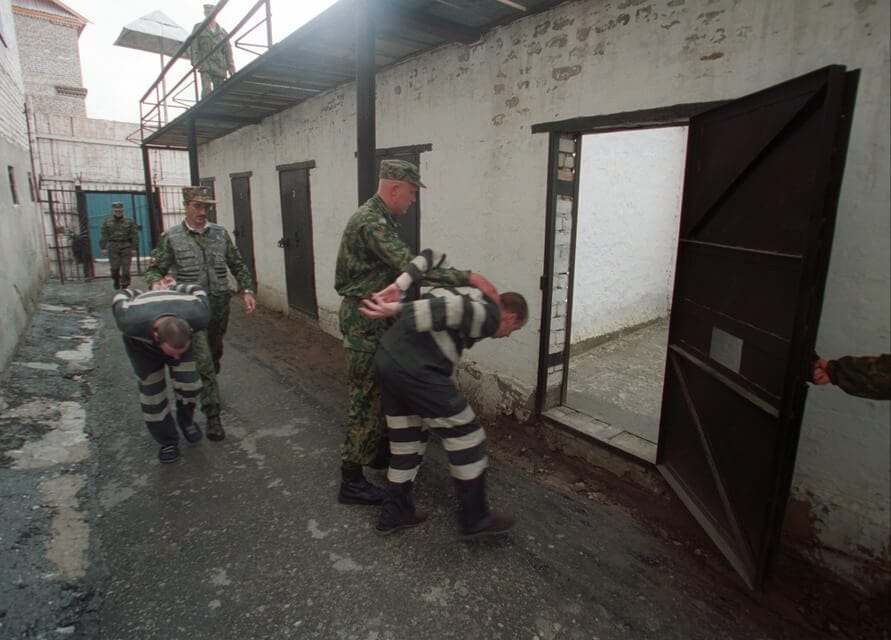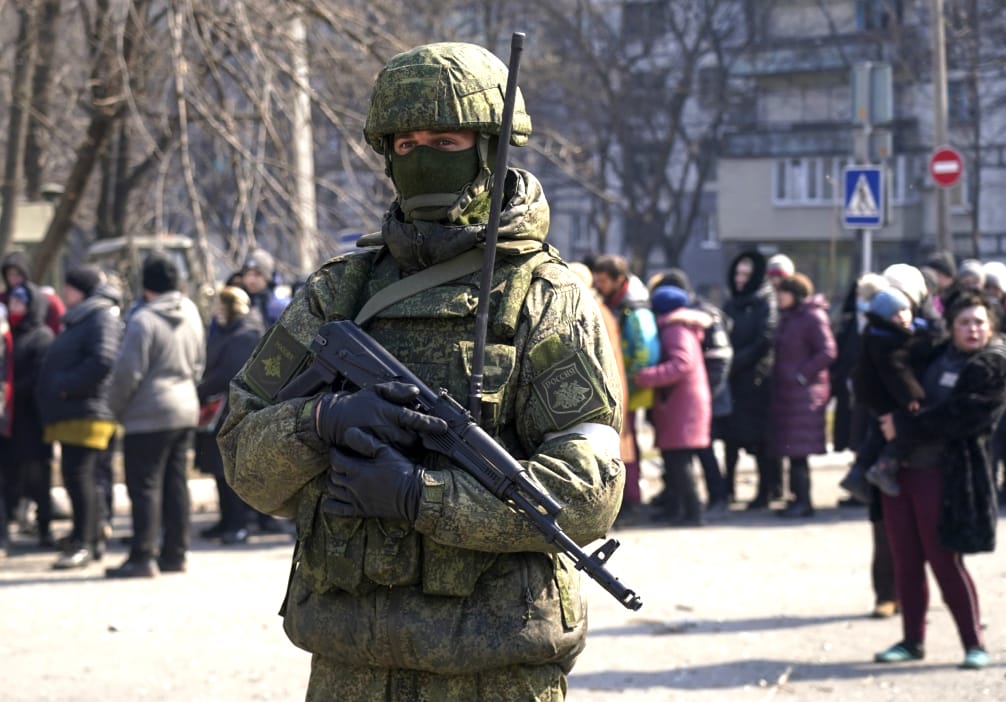
The EU Council has imposed sanctions against 15 individuals and one organization responsible for serious human rights violations against Ukrainian prisoners of war and detained civilians in the temporarily occupied territories of Ukraine and in Russia.
Restrictions have been imposed against eight Russian nationals and one entity responsible for torture and other forms of cruel, inhuman, and degrading treatment of Ukrainian prisoners of war and civilians in the occupied territories of Ukraine. Seven more individuals have been added to the sanctions list under a separate EU regime targeting human rights violations and abuses in Russia.
The assets of all individuals and organizations listed under both regimes will be frozen. EU citizens and businesses are prohibited from directly or indirectly providing them with funds or other economic resources. The individuals are also banned from entering or transiting through EU territory.
The sanctions lists include:
- Dmitry Neelov, first deputy head of the penal colony in Yelenivka, Donetsk Region
- Alexei Khavetsky, head of security at Penal Colony No. 7 in Pakino village, Vladimir Region
- Yan Zanevsky, officer of the Federal Security Service
- Alexander Gnutov, head of Penal Colony No. 10 in Udarny village, Mordovia
- five subordinates of Alexander Gnutov
- Galina Mokshanova, head of the medical unit of Penal Colony No. 10
- Several senior staff members and employees of the Yelenivka colony who participated in cruel and degrading treatment of Ukrainian prisoners.
Some of the individuals listed in the EU Council’s statement are not named.
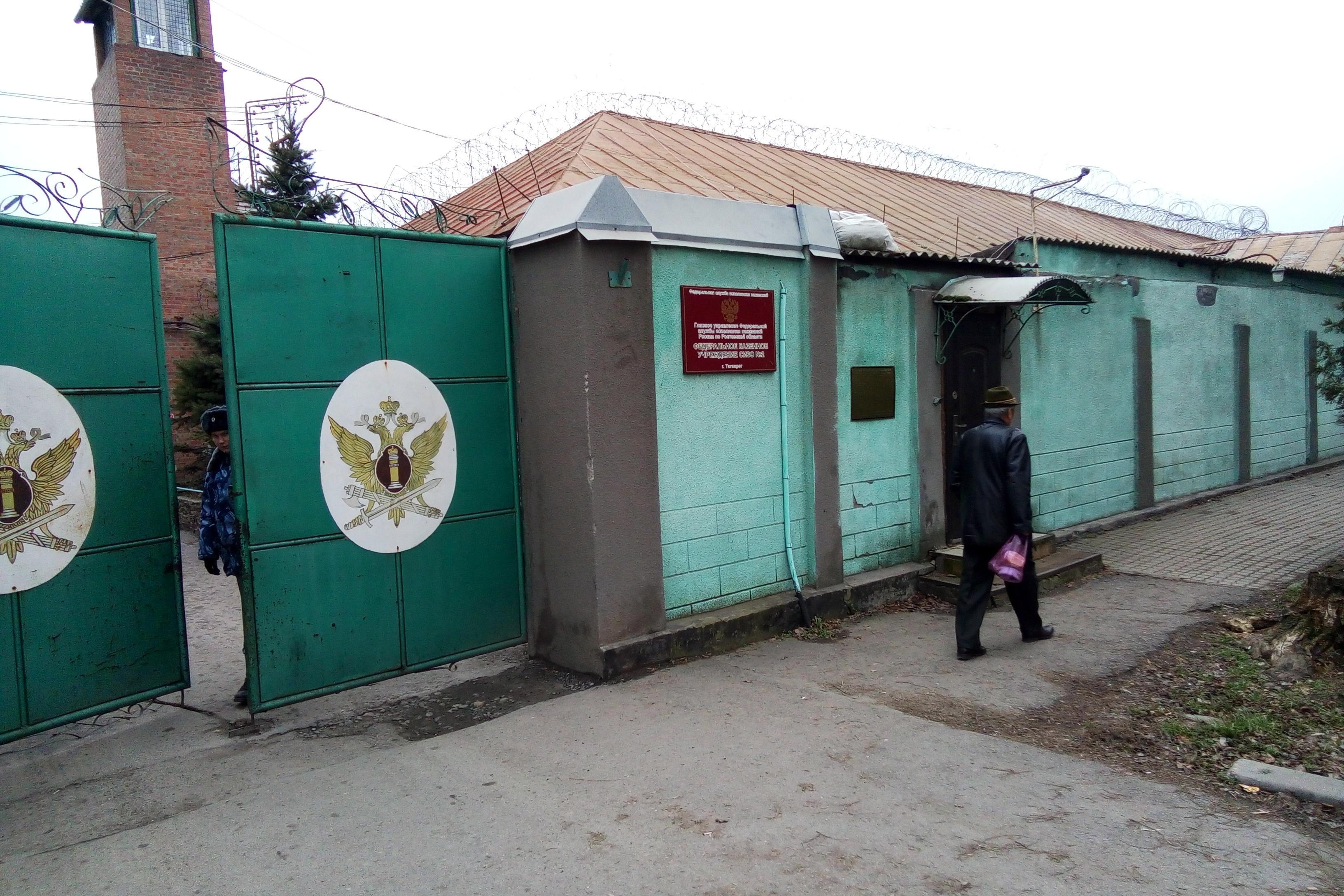
The only entity to be added to the sanctions list is the Investigation Detention Centre No. 2 in Taganrog (SIZO-2), where Ukrainian civilians, including journalists and women, were held along with prisoners of war. According to the EU, prisoners were systematically tortured, and in some cases the torture led to death.
Yelenivka
According to the EU Council, Dmitry Neelov was involved in torture, beatings, and the humiliation of Ukrainian prisoners of war and civilians at the Yelenivka colony. The EU holds him directly responsible for the mass death of Ukrainian prisoners of war on the night of July 28–29, 2022, following a Russian strike on the colony. According to the statement, Neelov deliberately delayed the evacuation of the wounded.
Also added to the sanctions list were several senior staff members and employees of the colony who participated in the degrading treatment of Ukrainian prisoners.
Torture at Penal Colony No. 7 in Pakino
According to the EU Council, Alexei Khavetsky, head of the security department of Penal Colony No. 7 (IK-7) in Pakino, Vladimir Region, organized the systematic cruel treatment of Ukrainian prisoners of war. Under his supervision, prisoners were tortured with electric shocks, deliberately starved, subjected to sexualized violence, and subjected to extreme forms of humiliation for the entertainment of the colony’s staff.
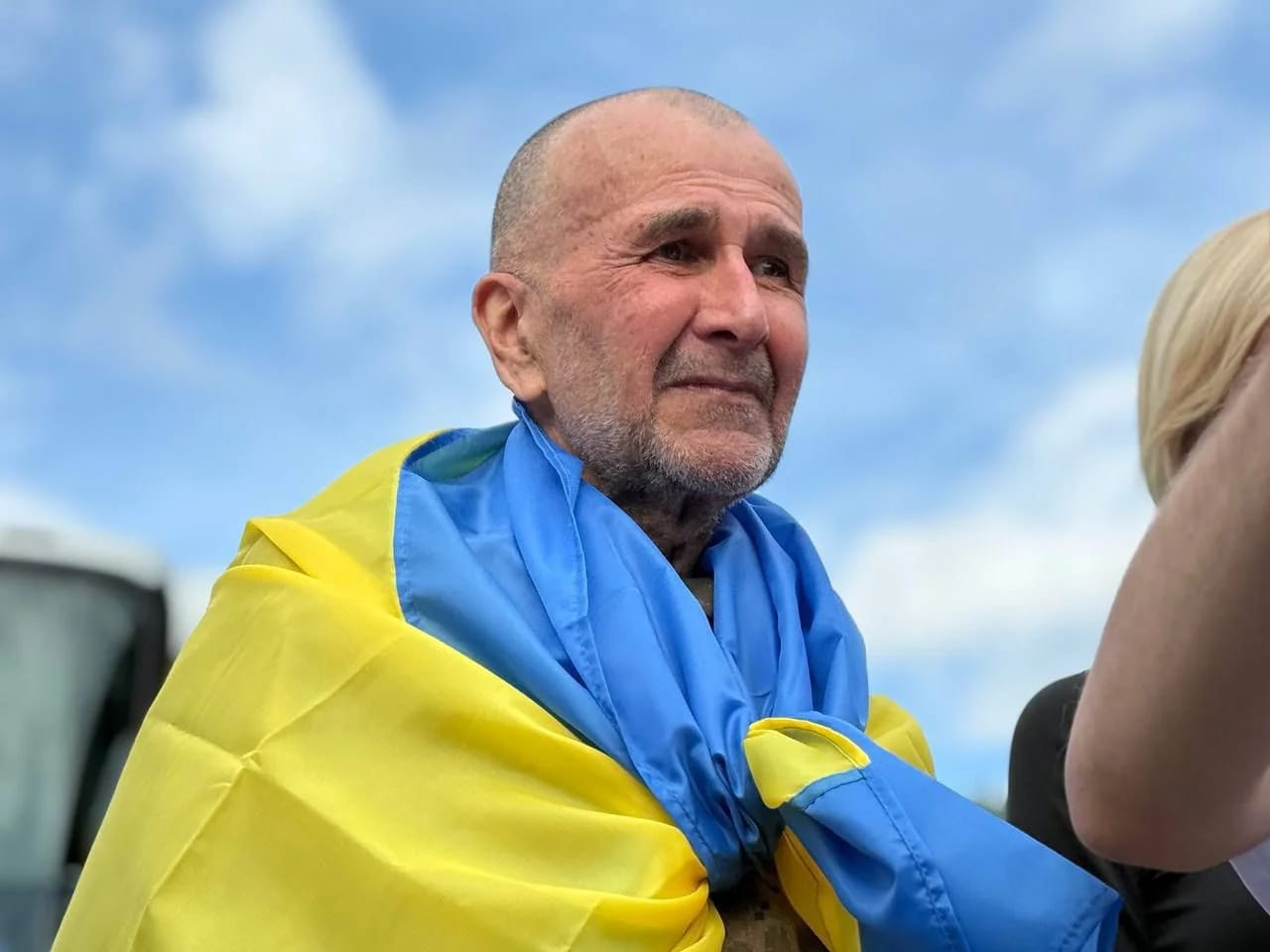
Former Kherson mayor Volodymyr Mykolaienko, who spent nearly three and a half years in Russian captivity, reported to The Insider on the torture and abuse at IK-7. According to Mykolaienko, prisoners were regularly beaten, forced to walk with their heads down and arms raised, kept under constantly bright lights, and subjected to Russian propaganda. In February 2025, after a new guard shift arrived, the beatings intensified. One guard kicked Mykolaienko in the chest, after which his cellmates spent about an hour trying to revive him.
Until mid-2024, prisoners were given small portions of porridge, potato peels, and bread. During walks, the prisoners picked nettles growing beyond the fence and divided a few leaves each to get at least some vitamins.
Torture of civilians in the occupied territories
Federal Security Service officer Yan Zanevsky, according to the EU Council, was involved in the unlawful detention and torture of civilians in the temporarily occupied territories of Ukraine, including in the Kherson, Mykolaiv, and Zaporizhzhia regions. Among the torture methods cited by the EU are beatings, suffocation, and sexualized violence.
SIZO-2 in Taganrog and the death of Viktoriia Roshchyna
Investigation Detention Centre No. 2 (SIZO-2) in Taganrog was also added to the sanctions list. Ukrainian prisoners of war and civilians were held there, including journalists and women. According to the EU Council, those held at the detention center were systematically tortured. In some cases, the torture led to death. It was at this facility that Ukrainian journalist Victoriia Roshchyna died after a year in captivity. Her body bore numerous signs of torture.
A forensic examination found that the journalist had a fractured occipital bone. Ukrainian media also reported that she had been subjected to electric shock torture and suffered numerous injuries across her body. By the end of her detention, Roshchyna weighed around 30 kilograms. In critical condition, she was transferred to SIZO No. 3 in the city of Kizel, Perm region, where she died on Sept. 19, 2024 — one week after arriving.
It was only in May 2024 that Russian authorities officially acknowledged they were holding the journalist. After Roshchyna’s death, her body was returned to Ukraine as part of an exchange of the dead. Before the handover, her eyes, brain, and part of her larynx had been removed. A fractured hyoid bone was also found.
Penal Colony No. 10 in Mordovia
Seven more individuals were added to the sanctions list by the EU Council under a separate regime targeting human rights violations and abuses in Russia.
The restrictions apply to Alexander Gnutov — head of Penal Colony No. 10 (IK-10) in the village of Udarny — five of his deputies, and the head of the colony’s medical unit, Galina Mokshanova. According to the EU Council, all of them bear responsibility for the cruel treatment of prisoners — primarily Ukrainian civilians and prisoners of war — by the colony’s staff.
IK-10 held hundreds of Ukrainian POWs as well as civilians captured in the occupied territories of Ukraine. Former prisoners reported inhuman and degrading treatment and torture, including:
- electric shocks
- beatings
- being forced to remain in painful positions for extended periods, leading to the development of pressure sores
- sexualized violence
- mock executions
- denial of medical care
Civilians were subjected to the same treatment as prisoners of war. They were held in captivity without trial or official status.