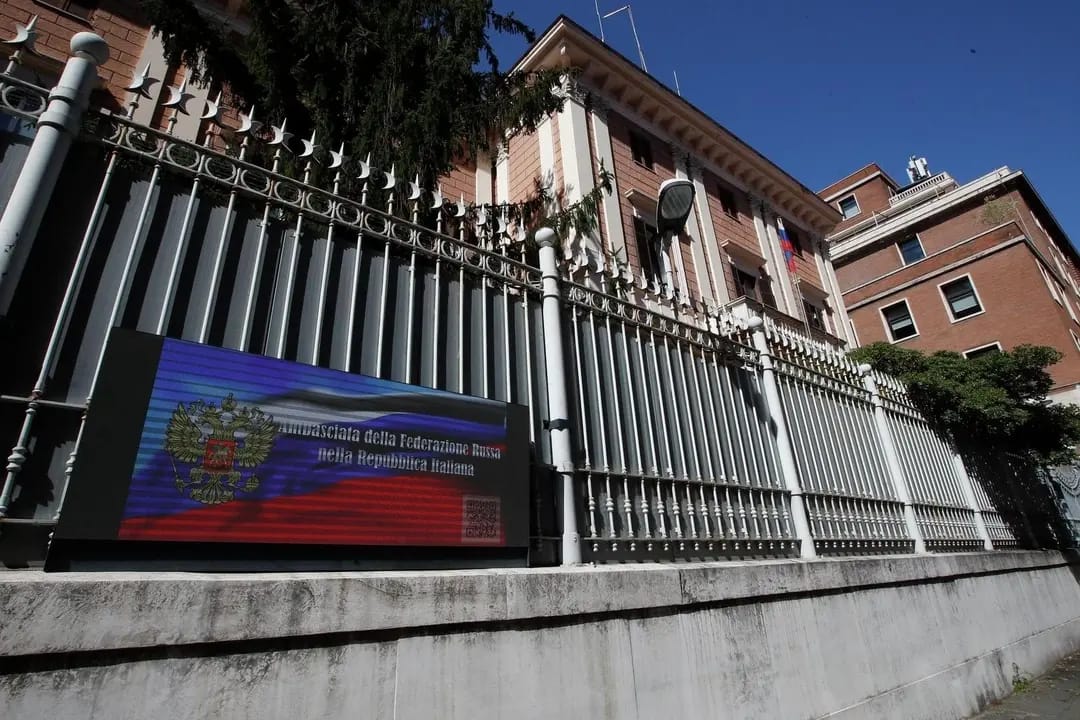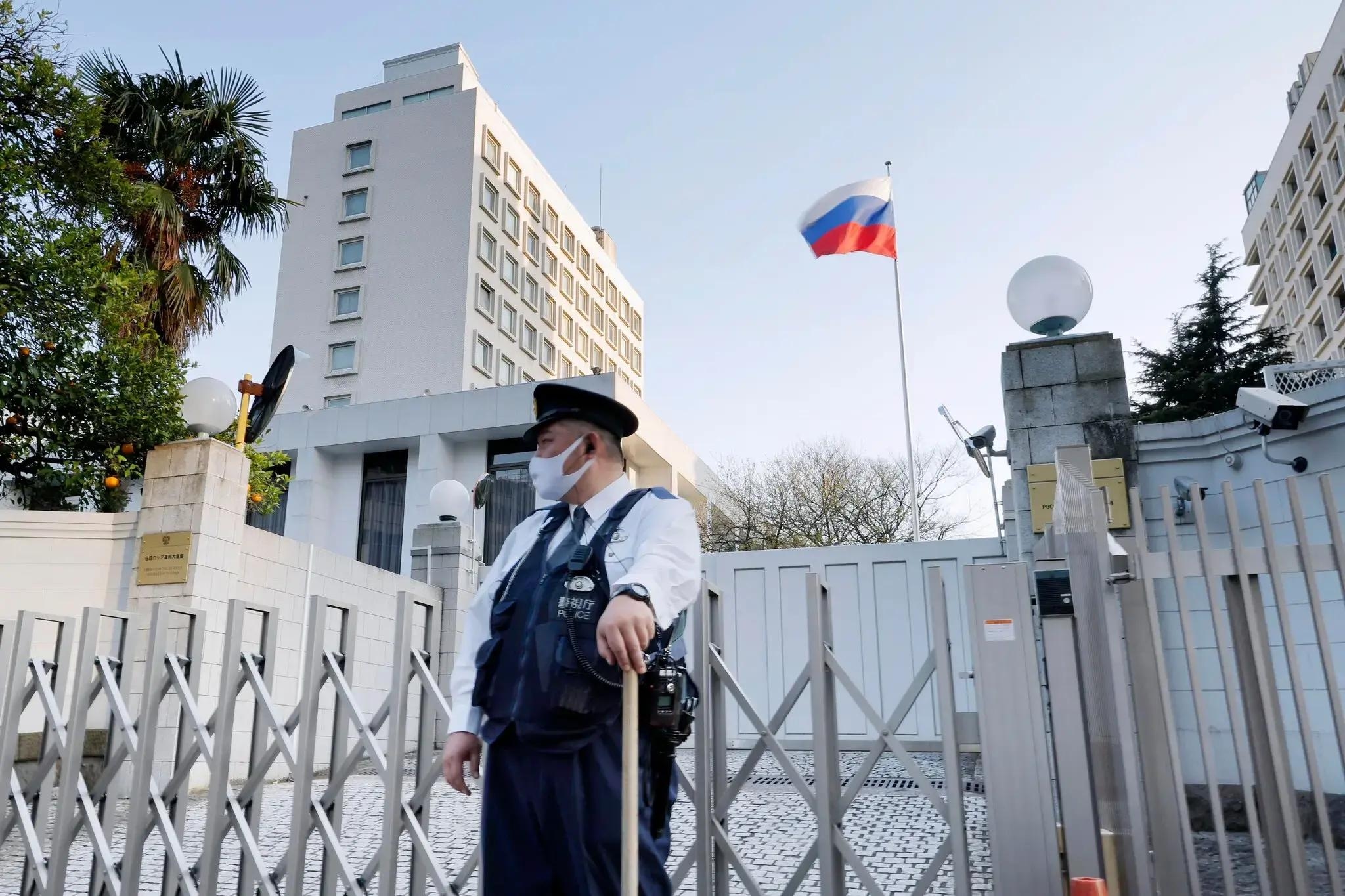
Russian military intelligence is using Japan to procure and export high-tech equipment necessary for the production of weapons that are then used in the Kremlin’s war against Ukraine, the New York Times revealed on July 12, citing current and former representatives of five Western intelligence agencies. At the core of this effort is the classified 20th Directorate of Russia’s Main Intelligence Directorate (GRU), whose officers operate under cover as diplomats and employees of Russian companies.
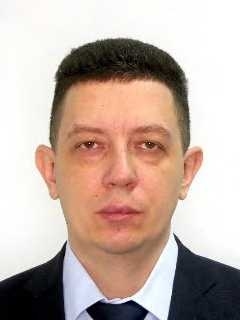
According to the NYT’s sources, the GRU’s Tokyo operation is run by 49-year-old Maxim Vladimirovich Filchenkov, who is posing as an employee of the Russian state airline Aeroflot. In reality, however, Filchenkov is sourcing military equipment and organizing its delivery to Russia, representatives of several Western intelligence services say.
The Insider has confirmed that Filchenkov is a GRU officer. He was previously registered at 4 Marshala Biryuzova Street — the address of a dormitory for students of the GRU’s Military Diplomatic Academy. His residential address matches that of Anatoly Chepiga (Boshirov), one of the GRU officers who traveled to Salisbury, England in 2018 as part of the Kremlin’s operation to poison Sergei Skripal. Based on the parking records of Filchenkov’s car, he also frequents the GRU headquarters on Khoroshevskoye Highway.
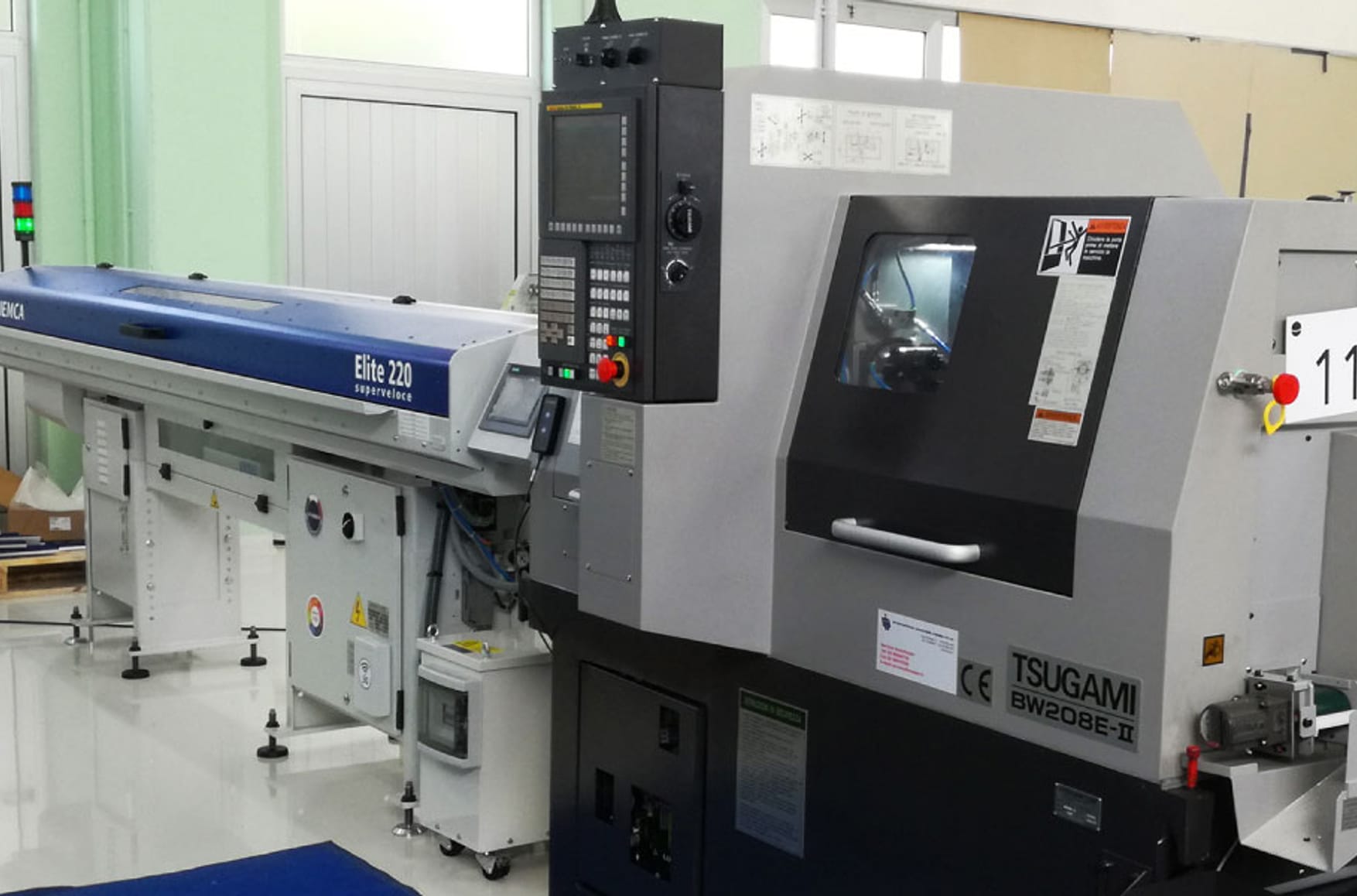
The NYT notes that the tradition of the GRU using Aeroflot positions as cover for sourcing Western technology goes back to the Soviet era. Filchenkov arrived in Tokyo in February 2024, when Russia was in acute need of high-tech components. The war in Ukraine was increasingly turning into a confrontation of unmanned systems, and as a result of Western sanctions, the Russian military-industrial complex was unable to procure critical machine tools.
According to the newspaper’s sources, Filchenkov began establishing contacts with logistics companies transporting cargo from Japan to Russia. Through such connections, GRU officers can acquire sensitive technologies under false pretexts and then export them via third countries, in some cases using forged shipping documents.
One of Aeroflot’s partners in Japan is Proco Air, a company calling itself “a bridge between Japan and Russia.” It charters space on cargo flights to countries that Aeroflot continues to service, including Sri Lanka and Uzbekistan. From there, the cargo can be transshipped onto Aeroflot planes and delivered to Russia.
The scheme itself does not violate the law, since many categories of goods are still permitted for delivery to Russia. However, Western intelligence representatives claim that such logistics routes are crucial for the operations of the GRU’s 20th Directorate.
As Proco Air owner Takehiko Miki told the NYT, he met Filchenkov around 2018, but their active cooperation did not begin until the Russian’s return to Tokyo in 2024. According to two knowledgeable sources, Miki later asked a Chinese partner, who was introduced to him by Filchenkov, to help ship goods that are banned from delivery to Russia.
Miki denies knowing about Filchenkov’s connection to Russian intelligence and says he made no attempt to transport prohibited goods. He claims that Proco Air delivers only permitted goods to Russia, mainly medical equipment and cosmetics.
To corroborate his words, Miki showed journalists an airway bill for medical equipment shipped via Sri Lanka. Miki attempted to black out the names of the companies involved in the deal, but journalists established that the recipient was the Moscow pharmaceutical firm R-Pharm.
R-Pharm itself is not under sanctions. However, its founder Alexei Repik is on the sanctions lists of the United Kingdom, Australia, and Canada due to his ties to Vladimir Putin. Japan has not joined the sanctions against Repik, thus Proco Air has not been charged with any violations.
According to international freight data cited by the NYT, Japan is the world’s largest exporter of the sorts of sensitive dual-use technologies that are of interest to Russian authorities. The main destination for exports of such Japanese goods is Vietnam, which is also the largest supplier of sensitive technologies to Russia.
Weak espionage legislation and a developed high-tech industry have turned Japan into an important hub for Russian operations, the newspaper writes. Japan has no distinct foreign intelligence service, and the existing restrictions imposed on its intelligence-gathering activities are largely tied to the country’s postwar constitutional structure.
According to estimates from Ukrainian authorities, Japanese components are present in 90% of Russian missiles and drones. In May, following a Russian strike on a residential building in Kyiv that killed at least 24 people, Ukrainian investigators found Japanese parts in the guidance system of the Kh-101 cruise missile that caused the damage.
Kyiv has repeatedly warned Tokyo about Russia’s use of Japanese-made electronics in its weapons. In April 2025 alone, Ukraine sent at least eight diplomatic notes to Japan’s Foreign Ministry with photographs and lists of components found. Another eight notes were sent over the course of the year.
Among the manufacturers of the discovered parts were Nippon Electric Corporation, Panasonic, and Toshiba. There is no evidence that they knowingly sold their products to Russia, and the companies stated that they comply with sanctions and export restrictions. Nippon also noted that the discovered components were manufactured long ago and had not been sold for several years.
Japan’s Ministry of Economy, Trade and Industry says it warned companies about attempts to circumvent sanctions, blacklisting dozens of foreign organizations suspected of helping Russia. Japan’s Foreign Ministry stated that Tokyo, together with its Western allies, has banned the export to Russia of goods for military use.
Meanwhile, the Japanese authorities have yet to take any public measures against Filchenkov. NYT journalists visited the Tokyo office of Aeroflot three times and also attempted to contact him by email and on Telegram. Filchenkov refused to provide any comment.