Russia’s Federal Agency for Ethnic Affairs (FADN), which largely determines the country’s position at international forums focused on the protection of indigenous peoples’ rights, is led by former employees of the Russian security services, an investigation by the NGO Arctida has found.
FADN was established in 2015 with the chief aim of maintaining stability in the North Caucasus; however, the agency subsequently took under its purview the rights of the peoples of Siberia, the North, and the Far East. FADN representatives now lead the Russian delegation at the UN Permanent Forum on Indigenous Issues (UNPFII), distribute federal subsidies to NGOs working to implement state policies, and act as a partner to the School of Public Diplomacy, which trains “international representatives” of indigenous peoples.
Former FSB, GRU, and Defense Ministry personnel in FADN
Since the agency’s founding, it has been headed by Igor Barinov. Barinov joined the FSB in 1993 and rose to become the commander of Alpha Group special forces in the Sverdlovsk Region, participating in operations in North Ossetia and Chechnya. From 2003 to 2015, Barinov was a member of parliament serving on the State Duma’s Defense Committee.
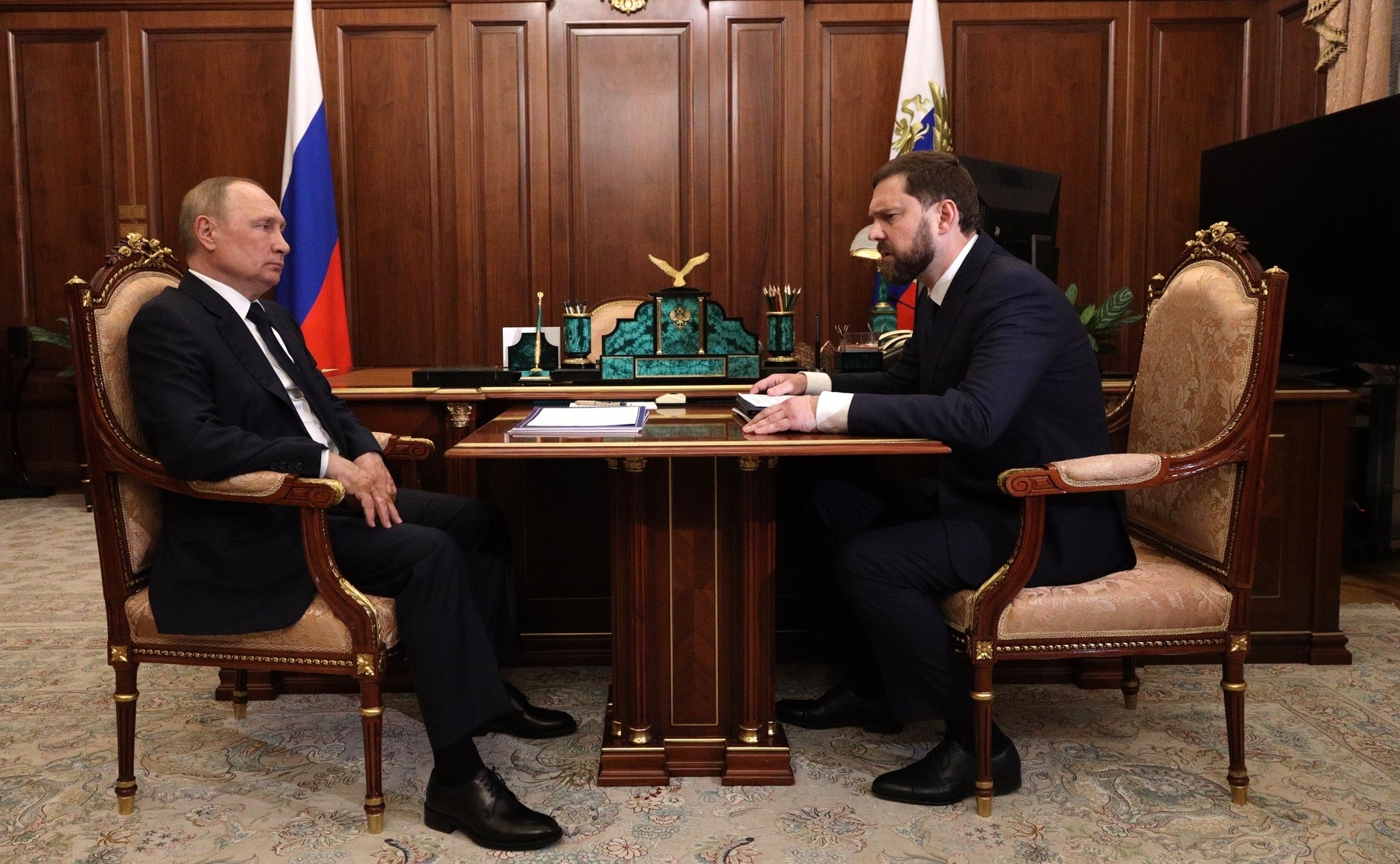
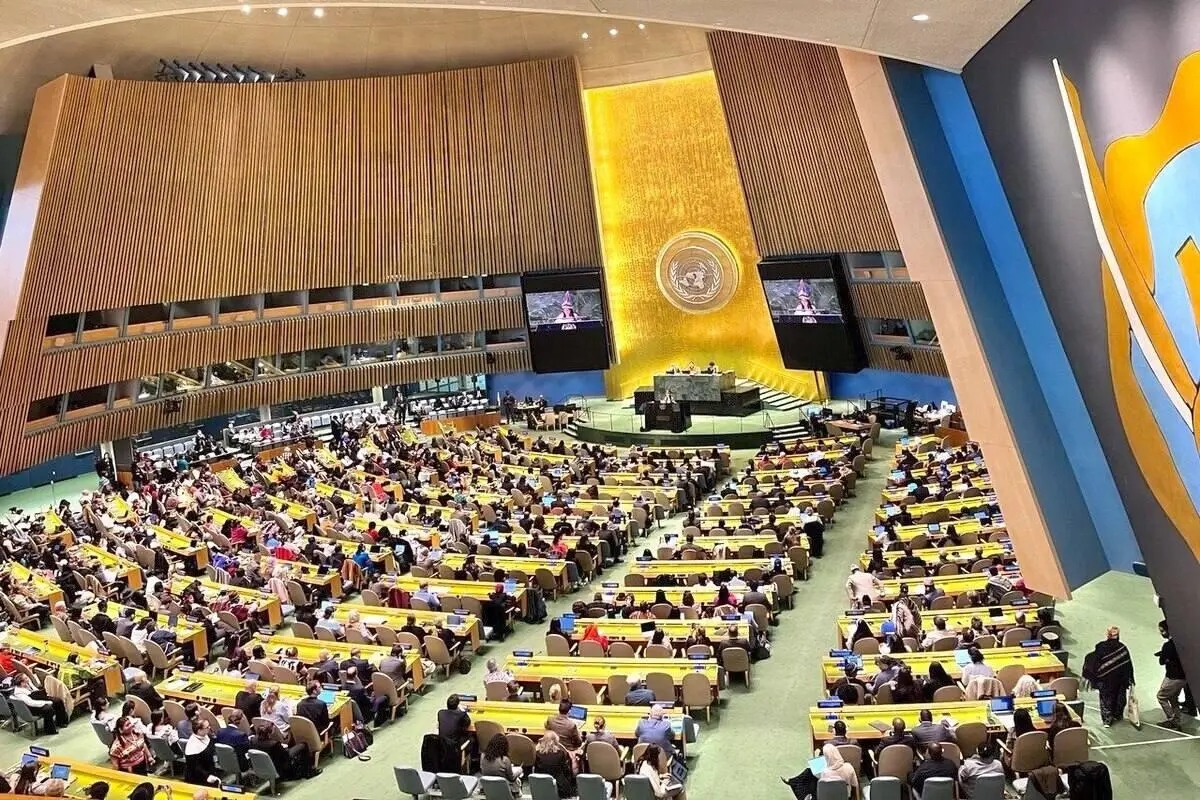
Barinov regularly leads the Russian delegation at UNPFII sessions. This past May, at the Forum’s 25th session, he noted in his speech that Western sanctions against Russia are having a negative impact on the lives of indigenous peoples.
Barinov’s subordinates are also connected to the security services. His first deputy, Stanislav Bedkin, holds the military rank of colonel and appears in at least one contact’s phonebook under the name “Stas Second Service.”
The “Second Service” refers to the FSB’s Service for the Protection of the Constitutional Order and Counter-Terrorism. Barinov’s adviser, Mikhail Mishin, does not officially appear on the FADN website; however, he is listed in the organization’s payroll records obtained by Arctida, and he simultaneously heads the situation center of the FADN-affiliated “House of the Peoples of Russia.” Mishin’s military ID was issued by the FSB’s 10th Directorate.
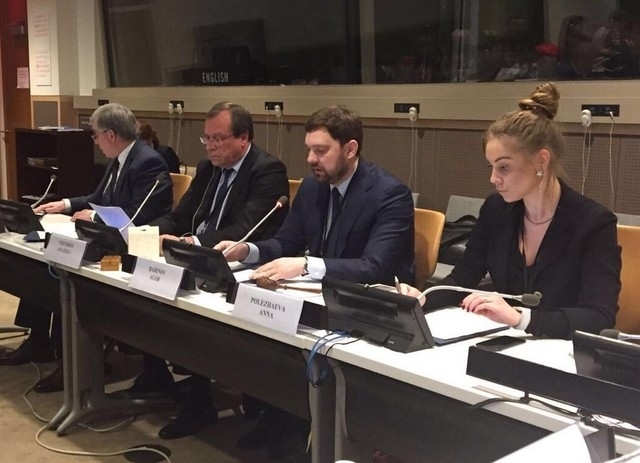
The “House of the Peoples of Russia” is headed by Anna Polezhaeva, a native of Yekaterinburg and the former wife of FADN’s chief administrative officer, Yevgeny Polezhaev. Before moving to Moscow, Polezhaev worked at the Sverdlovsk Region Ministry for the Management of State Property. Polezhaev’s father is a special forces veteran who knew Barinov during his time in the Sverdlovsk Region. Anna Polezhaeva’s deputy, Olga Nosyreva, worked with Yevgeny in Sverdlovsk Oblast and is listed in phone contacts as “Barinov’s assistant.”
In addition, FADN’s head of the State Secret Protection Department, Yevgeny Prokoptsov, formerly served in the Senezh Special Purpose Center — one of the most classified units of the Russian Special Operations Forces. His subordinate, Nikolai Martyntsev, began his career in an organization within the Main Missile and Artillery Directorate of the Ministry of Defense before transferring to the Financial and Economic Activity Directorate of the Ministry of Defense.
Alexander Tereshkin, who previously headed the Directorate for Analysis, Forecasting, and Work with Foreign Nationals, transferred to FADN from the information systems department of the Special Communications Service of the Federal Protective Service (the president’s guards) and the Defense Ministry’s 4th Central Research Institute — Russia’s leading center for the development of strategic missiles.
According to Arctida, FADN personnel data demonstrates that the careers of at least 13 agency employees were at various times connected to the Federal Security Service, Main Intelligence Directorate, Federal Protective Service, Ministry of Internal Affairs, or Ministry of Defense. Moreover, it is precisely these key FADN employees who represent Russia at major international forums on indigenous peoples’ rights.
“Independent” experts
In addition to official government delegations, representatives nominated directly by indigenous peoples’ organizations may participate in international indigenous rights conferences. They are required to be independent from governments and corporations — acting, if necessary, as a counterweight to official state delegations.
For years, one of Russia’s most prominent independent experts has been Alexei Tsykarev, an international human rights expert from Karelia. From 2013 to 2019, he was a member of the UN Expert Mechanism on the Rights of Indigenous Peoples under the UN Human Rights Council, serving at various times as vice-chair and chair. In 2020-2022, Tsykarev was an independent expert of the UN Permanent Forum on Indigenous Issues for the region of Eastern Europe, Russia, Central Asia, and the Caucasus.

Despite his formally independent status, in 2024 Tsykarev co-authored an updated indigenous peoples’ engagement policy for Norilsk Nickel, the Russian mining and metallurgy giant. According to Tsykarev, the consultants made two visits to settlements in Taimyr and Murmansk Region, and the company’s management largely approved their proposals. In 2023, at a UNPFII session, a report from Tsykarev presented Norilsk Nickel’s efforts to resettle members of the Nenets people in a positive light, calling it consistent with the principle of free, prior, and informed consent (FPIC).
In addition, Tsykarev serves as program director of the School of Public Diplomacy for Indigenous Peoples of Russia — a joint project of MGIMO, RAIPON, and FADN that is tasked with training young leaders to represent indigenous peoples’ interests at the federal and international levels. The school’s main sponsor is Norilsk Nickel.
Tsykarev is also closely connected to the inter-regional public organization Indigenous Peoples Union (KMNSOYUZ), led by Antonina Gorbunova, his successor as a member of the UN Expert Mechanism on the Rights of Indigenous Peoples. The two frequently give speeches at the same events.
According to financial transaction data obtained by Arctida, in the period 2021-2025 KMNSOYUZ received 91.8 million rubles ($1.2 million) from Norilsk Nickel — approximately 63% of the organization’s total budget for that period. Moreover, one-fifth of all KMNSOYUZ spending ultimately flowed to Tsykarev’s own accounts: over the same period, transfers were made to him both as an individual and as a sole proprietor as payment for “consulting services.” In 2021, he received 1.4 million rubles ($18,360) from the organization; by 2024, this had grown to 6.6 million ($86,500); and in 2025, to 8.4 million ($110,200). Over four years, his income from KMNSOYUZ grew sixfold while the organization’s overall budget remained essentially unchanged.
There is another interesting detail in Tsykarev’s biography: in 2018, Finnish authorities denied his visa application, citing national security grounds. Estonia subsequently made the same visa decision.
Repression of indigenous activists
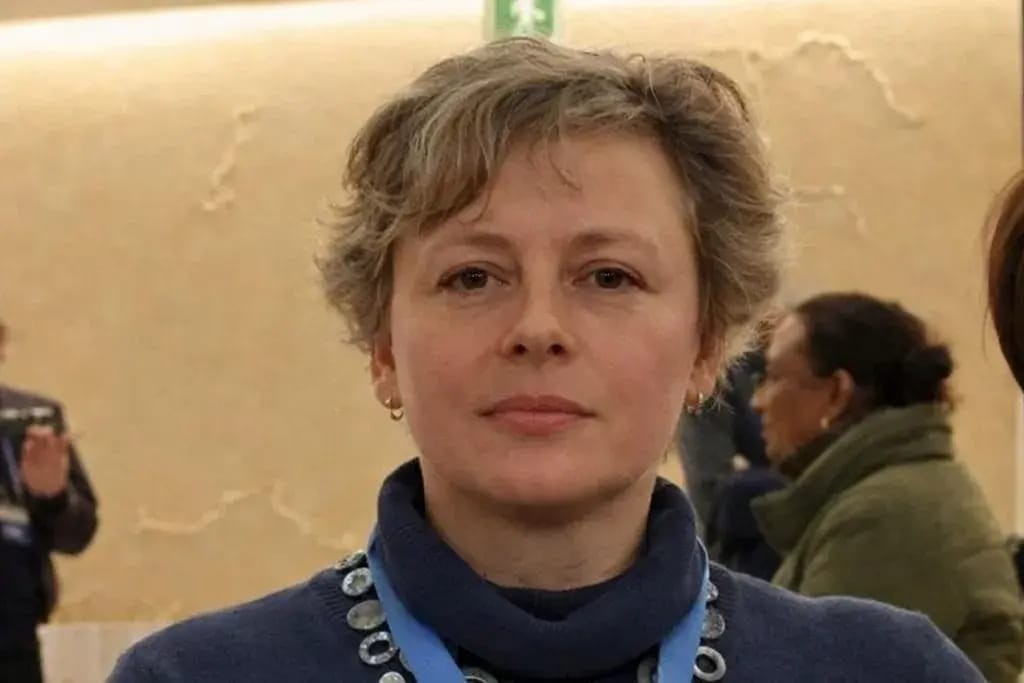
At the same time Russian representatives closely associated with intelligence services and extractive companies are making statements at UN venues, the authorities in Moscow are carrying out repressive measures against indigenous activists in the country. This past December, Darya Yegereva — a representative of the Selkups, a human rights defender, and a climate activist who for many years championed the interests of Russia’s indigenous peoples at international forums — was arrested in Moscow.
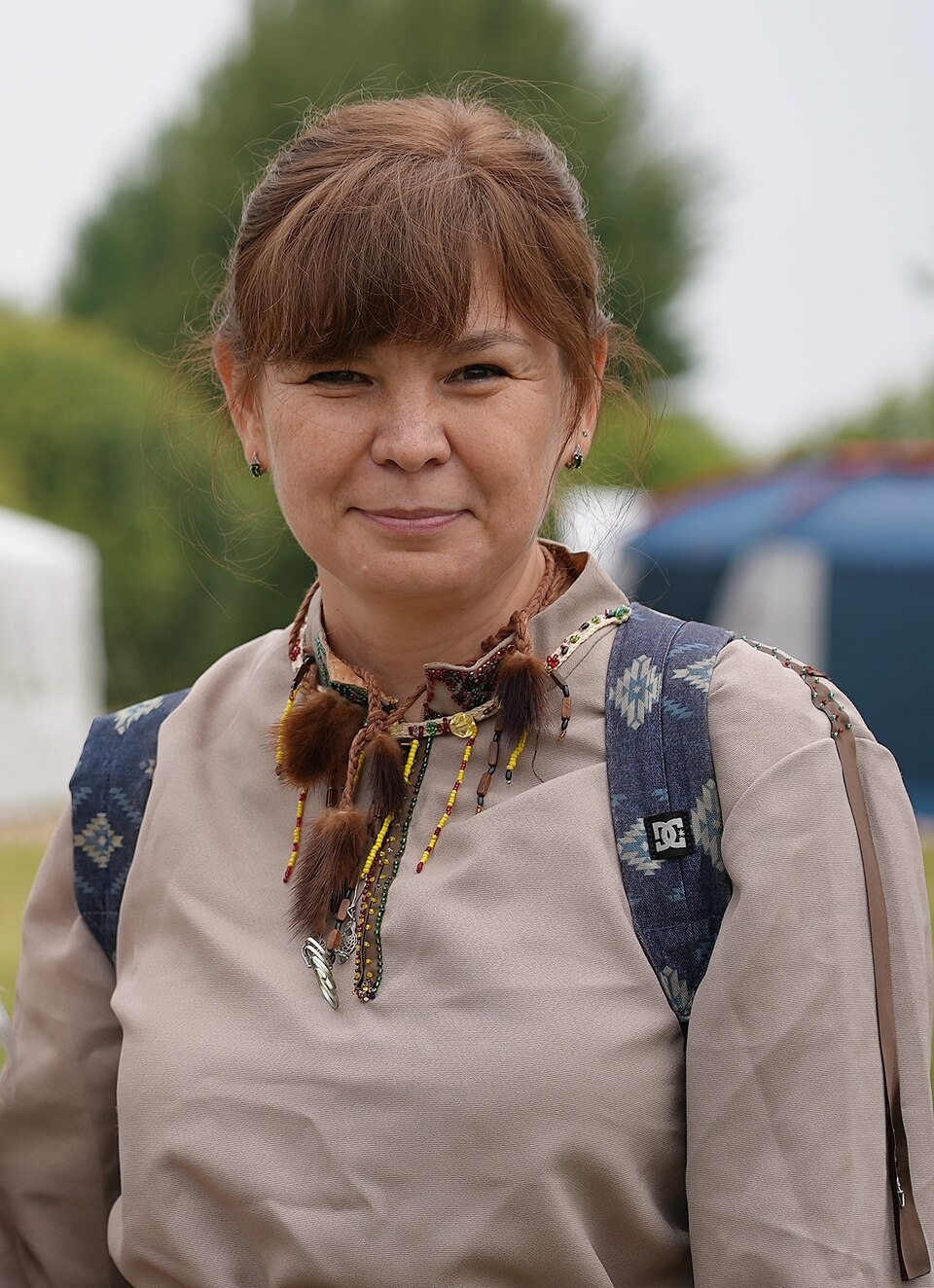
In 2023, the International Indigenous Peoples’ Forum on Climate Change elected Yegereva as its co-chair, and it was in this capacity that she led indigenous participation in the COP30 climate conference in Brazil. Less than a month after the conference, Yegereva was arrested on charges of participation in a “terrorist organization” due to her work with the Aborigen Forum, an expert network that included the Center for Support of Indigenous Peoples of the North, which Yegereva had previously represented. On the day of her arrest, security forces raided the homes of at least 17 activists across the country — in Yakutia, St. Petersburg, the Altai Krai, Kuzbass, and the Murmansk and Tomsk regions.
At the end of April, the Moscow City Court reviewed an appeal against the extension of the arrest; Yegereva participated in the hearing via video link from Pretrial Detention Center No. 6. The court upheld the decision.
Yegereva’s defense attorney, Olga Podoplyolova, calls what is happening a “legal absurdity,” arguing that Aborigen Forum was engaged in peaceful expert and research work, was never part of any other organization, and dissolved before being designated as a “terrorist” group.
“The case should be viewed in the broader context of pressure on independent indigenous peoples’ movements,” says Podoplyolova.
Yegereva’s arrest is likely not coincidental: in February 2025, the Cali Fund was launched under the auspices of the UN Convention on Biological Diversity — a financial mechanism aimed at the equitable sharing of benefits from the commercial use of nature and support for global biodiversity conservation. According to activist Pavel Sulyandziga, Darya Yegereva was “candidate number one” from Russia for the fund’s Steering Committee thanks to her status as an indigenous activist who specialized in biodiversity issues.
In the end, however, it was the same Norilsk Nickel-affiliated Alexei Tsykarev who joined the fund’s leadership. In April, it was announced that he would receive a grant from the Arctic Development Project Office to research mechanisms for protecting the traditional knowledge of indigenous peoples of the North; his findings will be presented at the 17th Conference of the Parties to the Convention on Biological Diversity (COP17) in October.