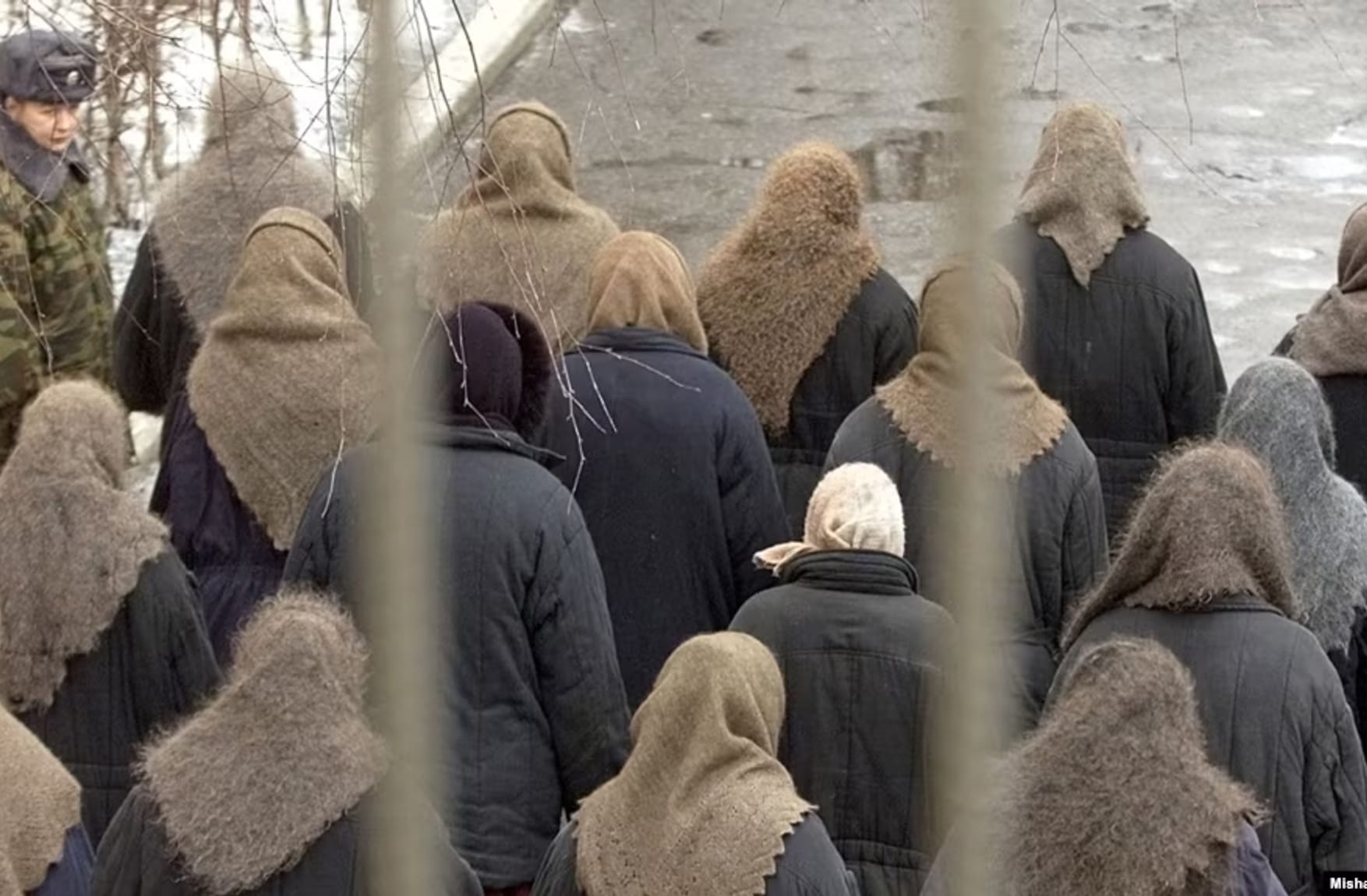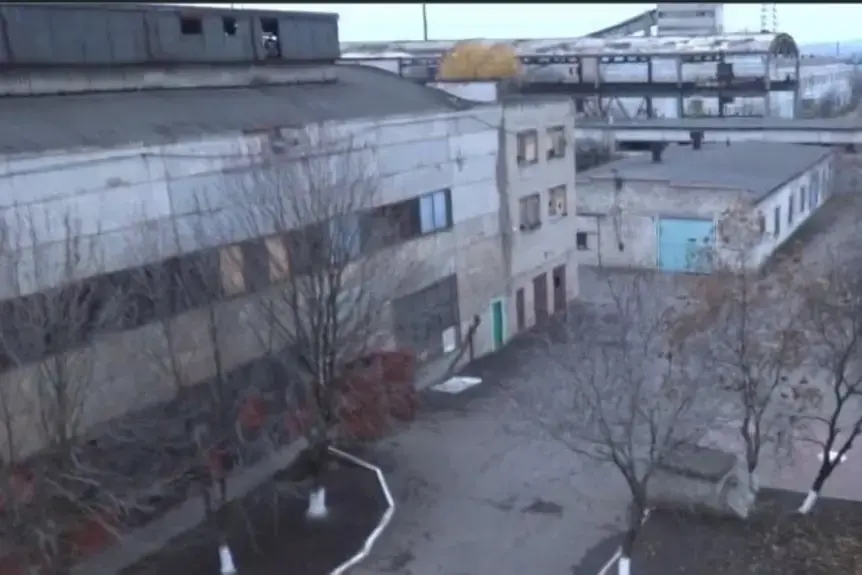
The BBC has identified three men who participated in the torture and abuse of detainees at prison facilities located in Russian-occupied areas of Ukraine. They are Yury Temerbek, Ruslan Yeremichev, and Andrei Spivak, all of whom currently live freely in Russia.
According to the BBC, Temerbek is a former Ukrainian traffic police officer from the Donetsk Region who sided with pro-Russian forces after the start of Russia’s occupation of eastern Ukraine in 2014.
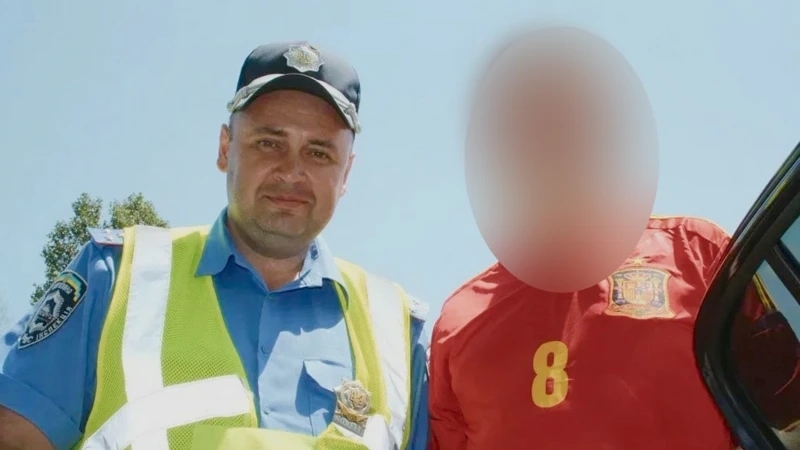
Lyudmyla Huseynova, a former detainee at the notorious Izolyatsia prison in Donetsk, said Temerbek took part in her arrest in 2019. She says she was subjected to sexualized violence two weeks after being taken into custody.
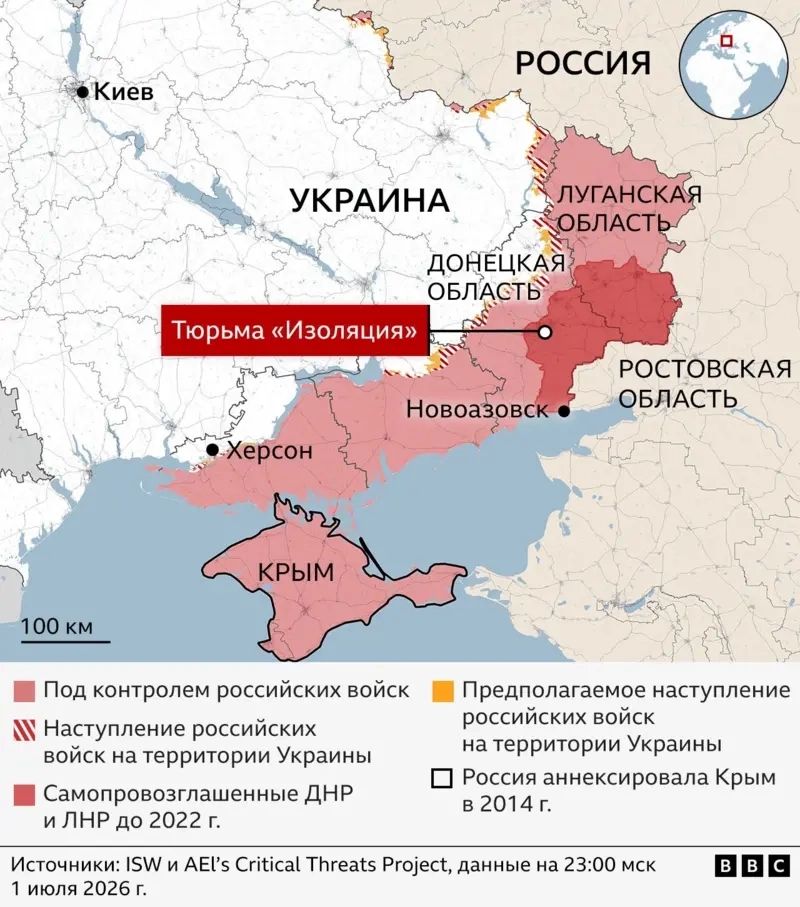
The BBC reported that Temerbek is believed to be living in Russia’s Rostov Region. Ukrainian authorities accuse him of working for the so-called “Ministry of State Security of the DPR,” the Russian-backed and self-proclaimed “Donetsk People’s Republic” in occupied eastern Ukraine. A criminal case has been opened against him in Ukraine on charges of participating in a terrorist organization.
Another person named in the investigation is Ruslan Yeremichev, who was known at Izolyatsia as “Yermak.” His identity had previously been established by Bellingcat and Ukrainian journalist Stanislav Aseyev, who was himself imprisoned at the facility.
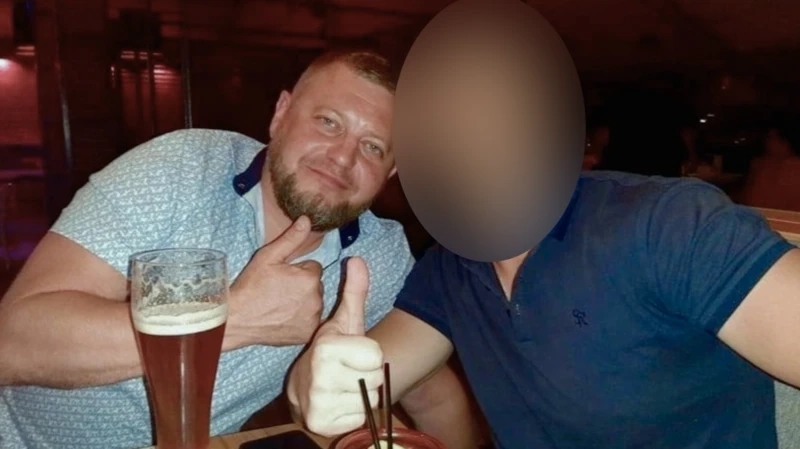
Huseynova told the BBC that “Yermak” once forced her to eat raw food mixed with dirt and garbage. She said she did not see his face, as guards often put a bag over her head, but she recognized his voice. Ukrainian prosecutors accuse Yeremichev of cruel treatment of prisoners. The most recent photos of Yeremichev found by journalists on social media were published in 2024.
The third person identified in the investigation is Andrei Spivak, an Omsk native and an officer in Russia’s prison system. According to Ukrainian prosecutors, he ran a detention site in Kherson after the city was captured by Russian troops in 2022.
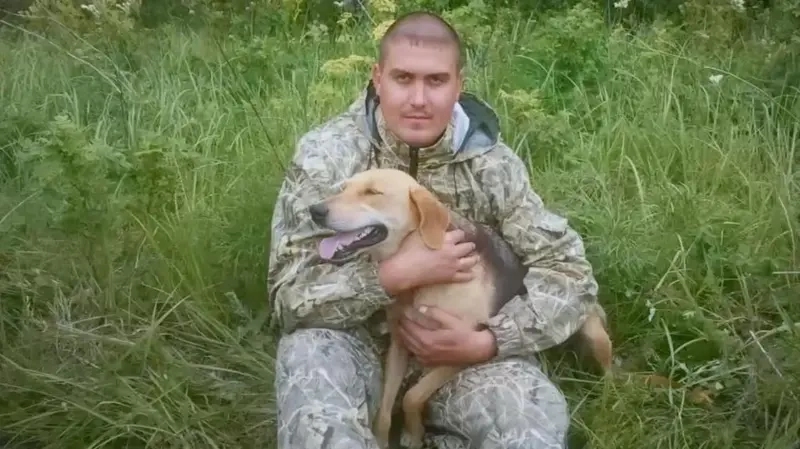
A former prisoner held there, sailor Oleksiy Syvak, told the BBC that electric shocks, including to the genitals, were used as a method of torture in Kherson prison. Spivak has been charged in absentia with cruel treatment of civilians and violations of the laws of war. According to the BBC, he is now back in Omsk, where he has registered his car as a private taxi.
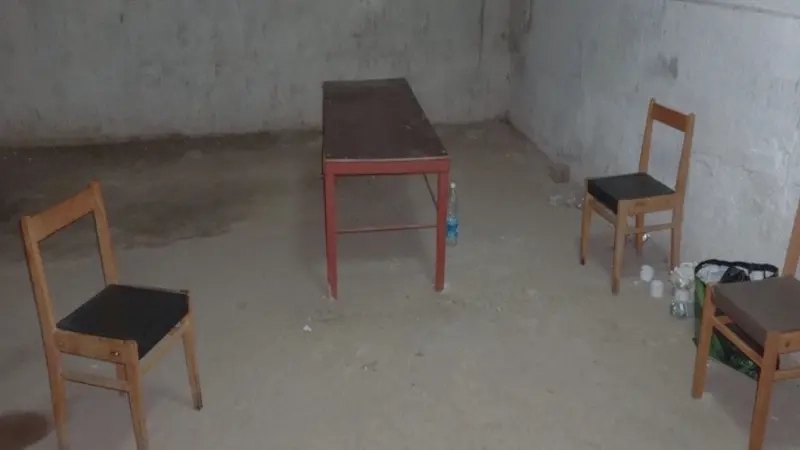
Journalists identified more than 90 sites in occupied Ukrainian territory where civilians and prisoners of war were held. Around a third were unofficial detention sites located in garages, hotels, former tax service offices, and other buildings. The BBC found another 102 detention sites inside Russia.
According to the UN Office of the High Commissioner for Human Rights, torture and abuse of civilians at these sites is systematic. Former prisoners have described beatings, electric shocks, mock executions and sexualized violence. In May 2026, the United Nations added Russia to a list of countries suspected of using sexualized violence in conflict zones. Ukrainian prosecutors have opened cases against dozens of guards accused of abusing Ukrainians in Russian prisons. Some have already been convicted in absentia, but only two people linked to Izolyatsia have received actual prison sentences: Roman Lyagin, who was sentenced in April 2026 to 15 years in a case concerning the creation of a secret prison, and the former head of Izolyatsia, Denis Kulikovsky, who received the same sentence in January 2024.
The Insider previously reported on abductions, torture, and the yearslong imprisonment of Ukrainian civilians in territories occupied by Russia and pro-Russian formations starting from 2014. In January 2026, The Insider published testimonies from Ukrainian women who returned from Russian captivity. They said they had been detained for supporting Ukraine, possessing Ukrainian books, maintaining contact with relatives, and alleged ties to the SBU.
Rights groups estimate that between 15,000 civilian Ukrainian prisoners may have passed through Russian prisons in recent years. There is no precise data on how many civilians were abducted and held before 2022 in the Russian-created Donetsk and Luhansk “People’s Republics.”