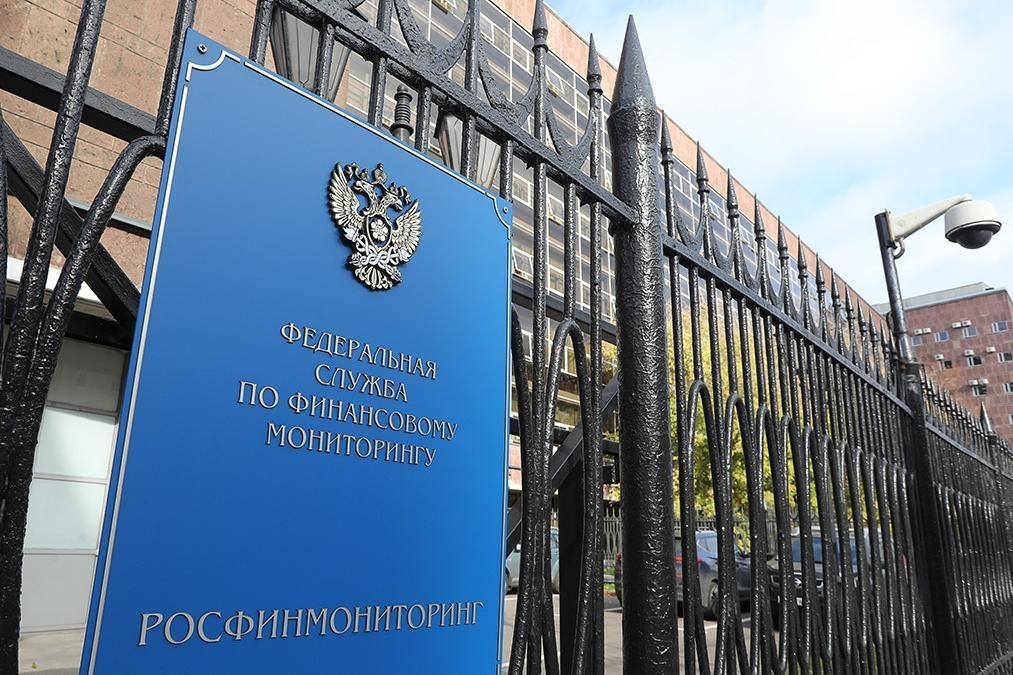
At least 5,063 of the 21,541 Russians who have been placed on the Rosfinmonitoring list of “terrorists and extremists” are being prosecuted in cases that are politically motivated, according to a report by Andrei Pivovarov, Maksim Kondratev, Alexander Finarel, and Evgenia R., published by the Russian Anti-War Committee. This amounts to at least 23.5% of the list.
The authors cross-referenced the public portion of the list with databases from the human rights organisations Memorial, OVD-Info, and If There Were No War, as well as with court records and Interpol’s public database. They emphasize that 23.5% is a minimum estimate: for 66.8% of those on the list, publicly available information is insufficient to determine the grounds for their prosecution.
The Rosfinmonitoring list is not limited to individuals who have been convicted on charges of terrorism or extremism — it also includes suspects and defendants in such cases whose cases have not yet resulted in a verdict. Following amendments that entered into force in June 2025, grounds for inclusion on the list can also include charges of spreading false information about the army or “discrediting” it, provided that investigators determine the actions were motivated by political, ideological, national, or social hatred.
According to the researchers’ estimates, before the full-scale invasion of Ukraine politically motivated cases accounted for approximately 9% of annual new additions to the list. After February 2022, however, their share rose to 34%, and in 2024 it peaked at 41%. In the meantime, the overall rate at which new names are added to the list has nearly tripled.
Members of religious communities that are disfavored by the state make people especially vulnerable to politically motivated prosecution. A total of 1,165 people, including 601 Jehovah’s Witnesses and 415 alleged members of the Islamic party Hizb ut-Tahrir face such charges. The report’s authors note that Hizb ut-Tahrir is not on the European Union’s or the United States’ terrorist lists, and that prosecutions of its alleged members in Russia are frequently connected with individuals’ possession of religious literature or participation in religious discussions, rather than with acts of violence.
The authors categorized another 1,052 people as defendants in cases of property damage and arson, acts which have increasingly been treated as terrorism or sabotage since the fall of 2022. A significant share of cases in this category are linked to anti-war protests that, according to the report, caused no casualties and resulted in limited damage.
The researchers separately identified 956 people who were prosecuted for anti-war speech and activism, as well as 852 Ukrainian military personnel and prisoners of war charged by Russian authorities under terrorism statutes. The list also includes staff and supporters of the late Alexei Navalny’s Anti-Corruption Foundation, along with journalists, human rights defenders, LGBTQ+ community members, and indigenous peoples’ activists.
At the time of the study, the Rosfinmonitoring list contained 17,050 “extremists” and 4,491 “terrorists.” The report argues that Russia’s definitions of these categories are substantially broader than international ones: prosecution for “extremism” in Russia does not require accusations that a suspect made any calls to violence, and some of the organizations designated as “terrorist” are not involved in armed activity.
The authors also analyzed 803 organizations on the list: 247 “terrorist” ones and 556 in the “extremist” category. In their assessment, in 679 of these instances, or 84.6%, there is no publicly available evidence of the accused engaging in violent activity or making calls for it. This group included religious associations, regional and anti-colonialism movements, media outlets, human rights organizations, and civic initiatives.
The report notes that inclusion on Russia’s list of “terrorists and extremists” has no legal force outside of the country. The authors do warn of possible risks associated with the use of Rosfinmonitoring data in international compliance systems; however, there have been no confirmed cases of entities or individuals having their EU bank accounts blocked solely on the basis of inclusion in this list.