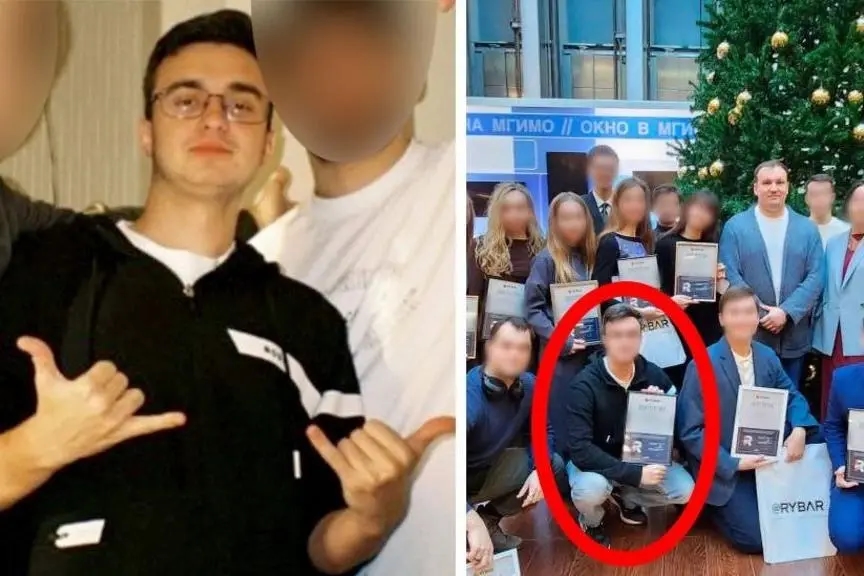
Investigations by the BBC and the Financial Times have found that a series of arson attacks carried out in May 2025 against property connected to UK Prime Minister Keir Starmer was organized by Evgeny Lyukshin, a “young Russian diplomat” and the son of a senior Russian official. The Insider found that Lyukshin’s father is a chief adviser at the Russian Foreign Ministry’s Situation and Crisis Center and is registered at a building inhabited by employees of Russia’s Foreign Intelligence Service (SVR).
On Monday, June 15, a London court convicted two men over their involvement in the arson attacks on Starmer’s property:
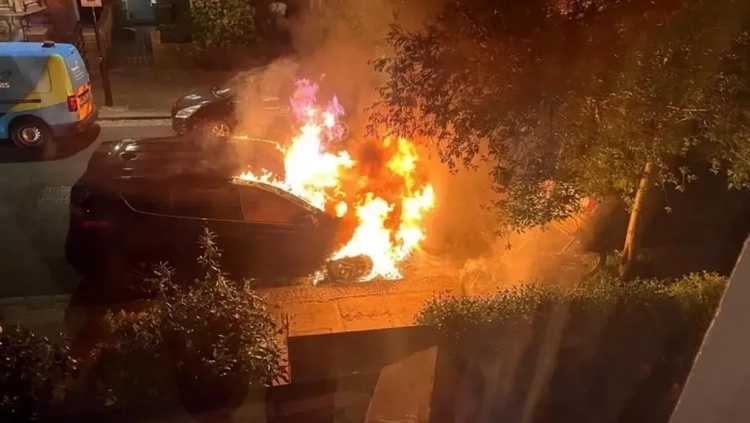
- On May 8, 2025, a burning Toyota that had previously belonged to Starmer was found in London.
- Three days later, unknown attackers set fire to an apartment in the London borough of Islington where Starmer had lived several years earlier.
- On May 12, attackers set fire to the door of a house in north London. The property belonged to the British prime minister, but his sister-in-law and her family were living there at the time.
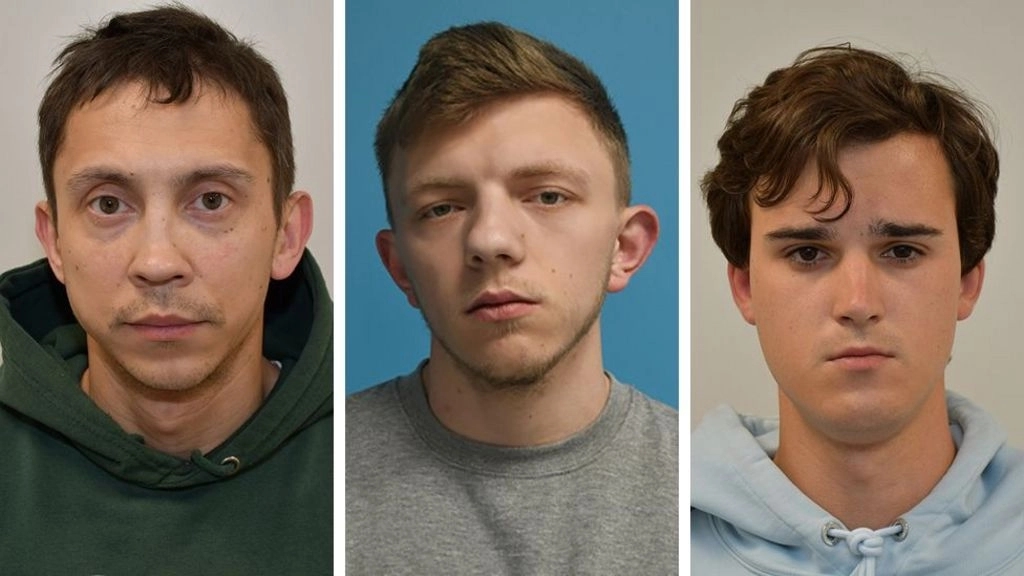
Three people were detained in the case, and earlier today a jury found two of them guilty: Roman Lavrynovych, a 22-year-old Ukrainian citizen, and Stanislav Carpiuc, a 27-year-old Romanian citizen of Ukrainian origin. Another suspect, Petro Pochynok, was acquitted.
According to the journalistic investigation, Lavrynovych was recruited by an unidentified Russian-speaking handler who went by the Telegram nickname “El Money.” The handler promised his Ukrainian recruit money in exchange for carrying out various tasks, from putting up posters and making graffiti to carrying out arson attacks. After the final fire, El Money wrote to Lavrynovych that he had “attacked the home of a very high-ranking person in Britain” and that he “needed to leave the city.” Lavrynovych was arrested soon afterward.
The Russian handler
Prosecutors did not disclose El Money’s identity, but the BBC has identified him as 23-year-old Evgeny Lyukshin. The outlet described him as the “son of a senior Russian official” and a “young Russian diplomat,” adding that Lyukshin’s father had previously served as a counselor at the Russian Embassy in Denmark. The younger Lyukshin studied at the Moscow State Institute of International Relations (MGIMO), Russia’s elite diplomatic university.
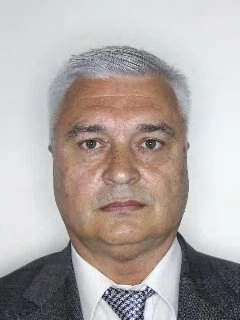
The Insider established that Evgeny Lyukshin is indeed the son of Alexander Evgenyevich Lyukshin, a chief adviser at the Russian Foreign Ministry’s Situation and Crisis Center. Both father and son are registered in Moscow at 91 Profsoyuznaya St., one of the sites where departmental apartments were issued to SVR employees. The movements of Alexander Lyukshin’s car also point to a connection with the SVR.
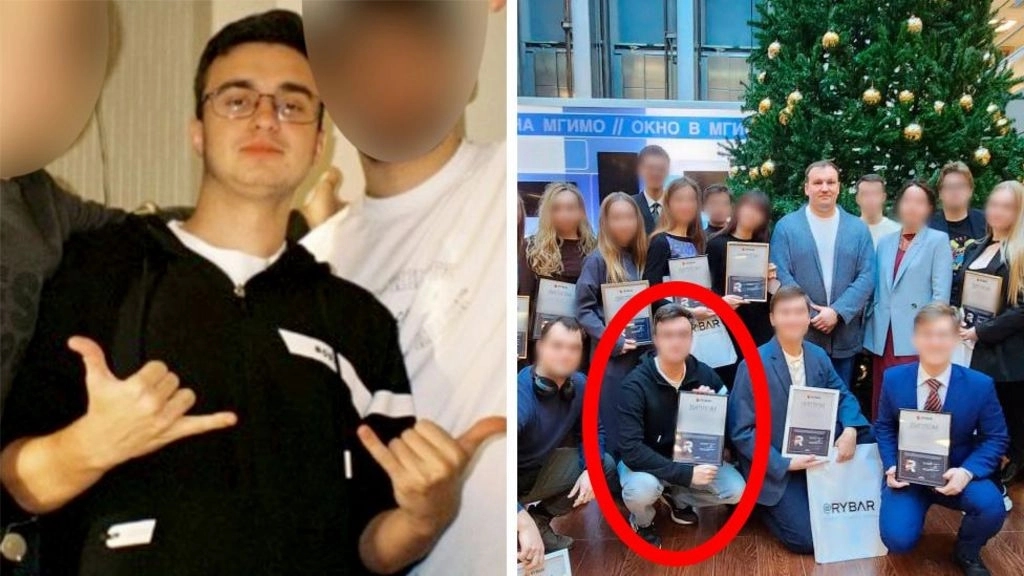
The BBC also published several photos of the younger Lyukshin. In one, he appears with “future diplomats” who attended courses run by Rybar, one of Russia’s largest pro-war media projects. The channel was founded by Mikhail Zvinchuk, a former employee of the Russian Defense Ministry’s press office. In the group photo, Lyukshin’s face is blurred, but it is visible in another photo. The Insider confirmed that the facial features of the person identified by the BBC match those of the Foreign Ministry official’s son.
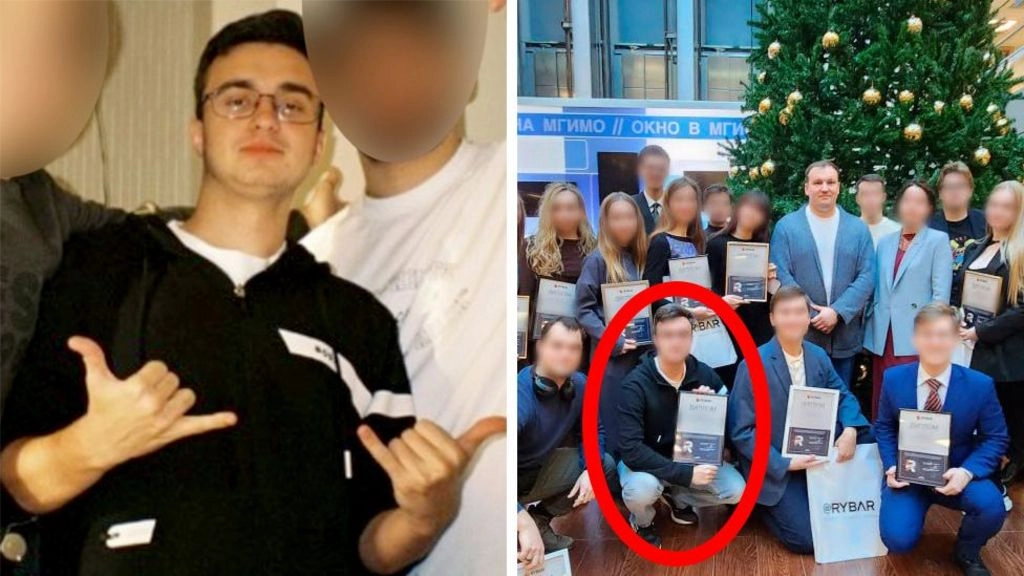
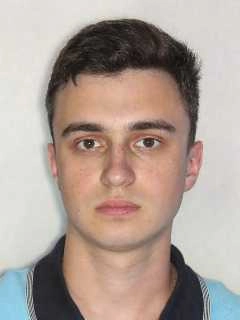
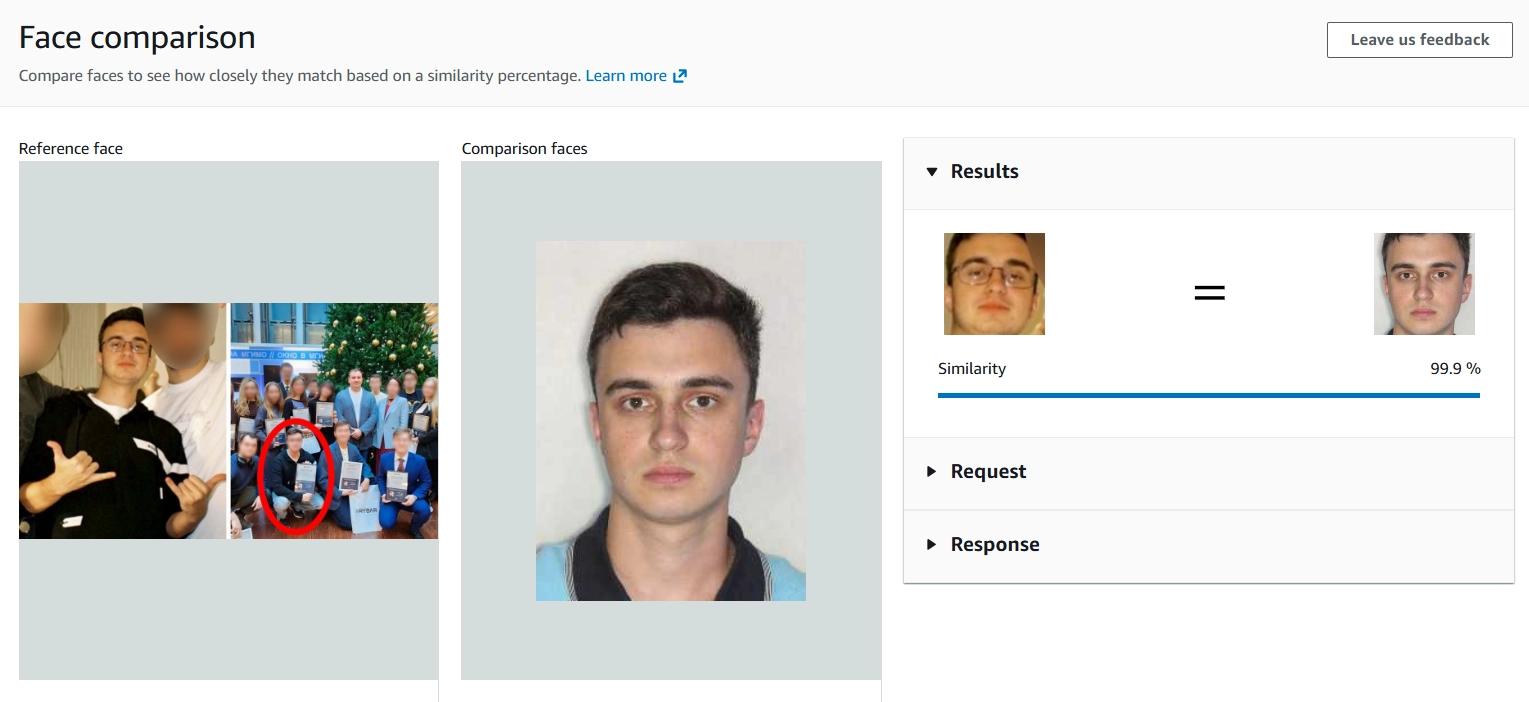
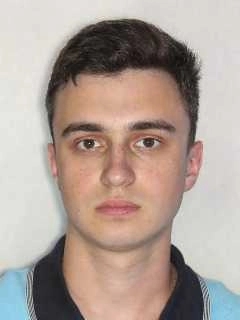

The BBC reported that the El Money account was in chats linked to Rybar or Wagner Group, and that in some messages the account claimed to have access to NATO and CIA documents because his father had worked in Europe.
At the same time, the younger Lyukshin’s personal account shows a very different side of his life — one that looks like the typical life of an undergraduate. For example, in his free time, Lyukshin attends parties with other MGIMO students. Using the IONA service, The Insider found a mention of Evgeny Lyukshin in a friend’s channel. The friend shared Lyukshin’s contact details and wrote that he was “looking for a beautiful girl with a ponytail and brown pants from MGIMO” whom he had seen at a concert.
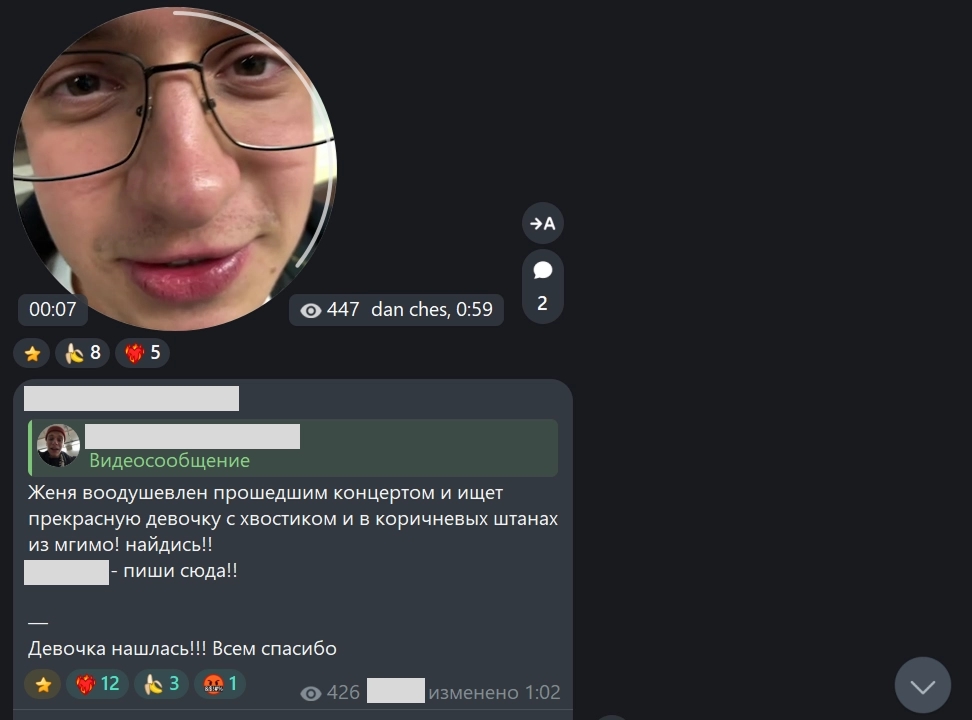
The Insider’s correspondent wrote to Evgeny Lyukshin, but he had not responded by the time of publication.
Fake far-right movements
Lyukshin recruited Lavrynovych in late 2024 after finding him in a group for Ukrainians seeking work in Britain. At first, he paid Lavrynovych to put up posters around London advertising the activist far-right group Direct Action, a group that the Financial Times and the BBC discovered was only pretending to be British. In reality, the movement was run by people in Russia who used VPNs to conceal their location.
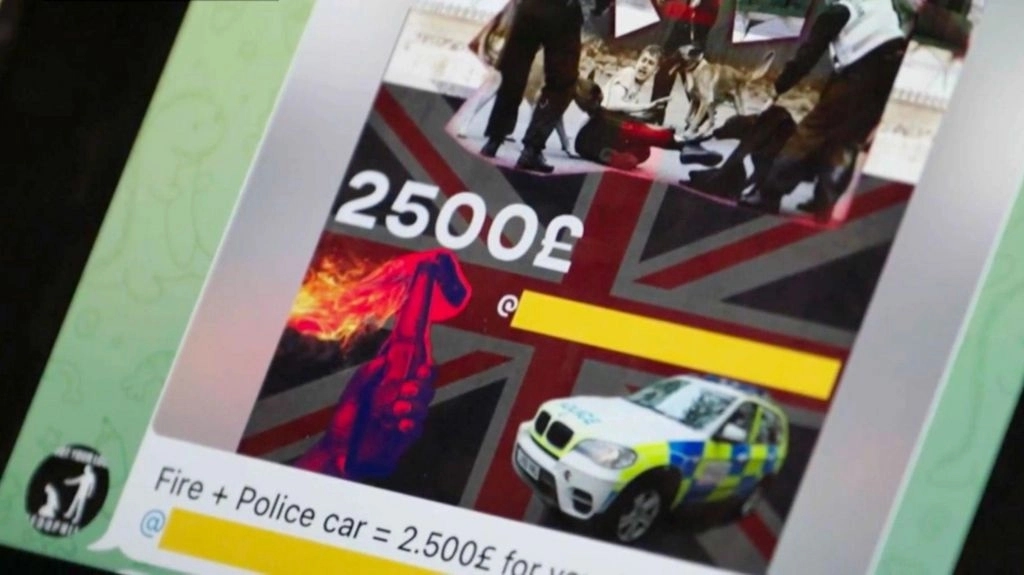
The Russia-based organizers also ran the group’s social media accounts. On its X page and Telegram channels, for example, the movement offered money to followers for setting fire to police cars. However, Direct Action’s Russian-speaking authors sometimes made mistakes that exposed them, such as accidentally inserting Cyrillic characters into English-language posts or publishing posts indicating that they were in a Russian time zone.
Direct Action was also behind a series of anti-Islamic graffiti incidents in early 2025. Lavrynovych admitted in court that he took part in two such actions. By the time El Money offered him pecuniary compensation to set fire to Starmer’s car and homes, the two had been working together for about seven months.
Direct Action emerged after the start of the war in Ukraine and is also suspected of attacks on Swedish government institutions and banks, government bodies in Spain, and agencies in other NATO countries. The Financial Times linked it to resources affiliated with the hacker group NoName057(16).