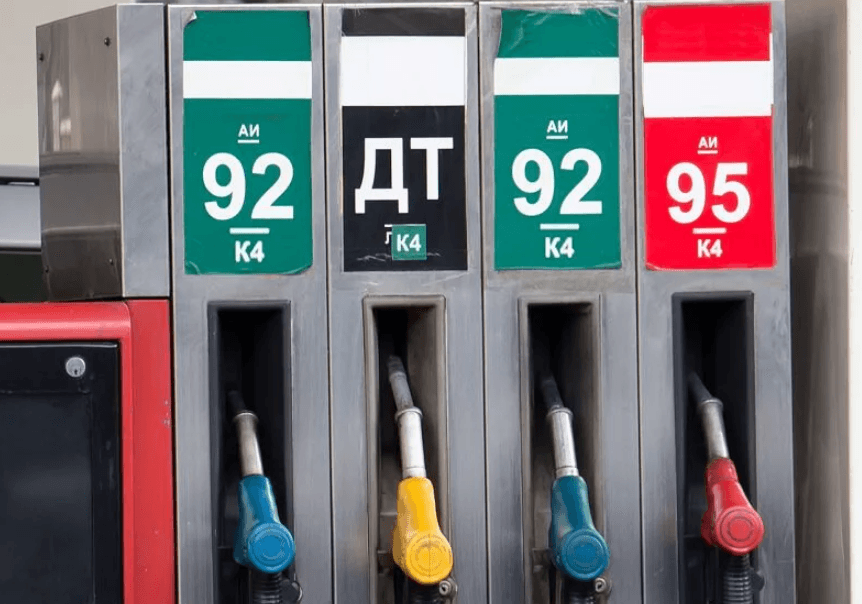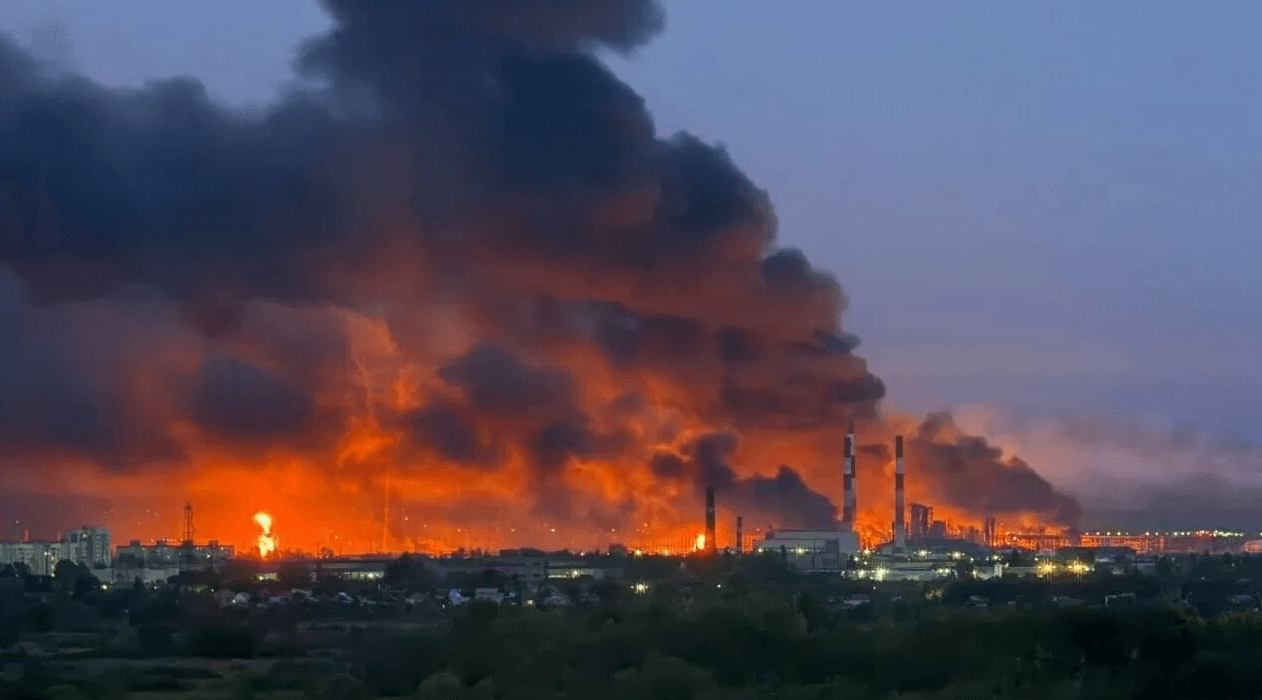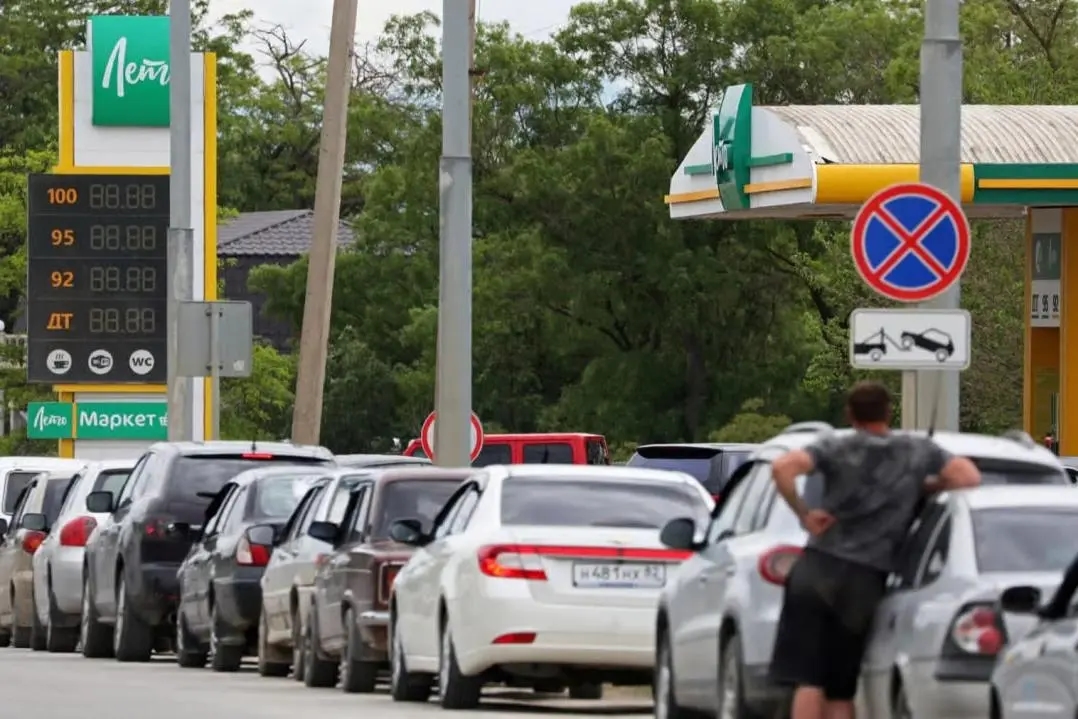
Residents in several Russian regions are reporting restrictions on gasoline sales. After rationing was introduced in annexed Crimea, fuel also stopped being sold freely in the occupied Luhansk Region of Ukraine. Limits have also been reported in the Belgorod and Kursk regions, Moscow, the Moscow Region, and St. Petersburg.
Moscow and the Moscow Region
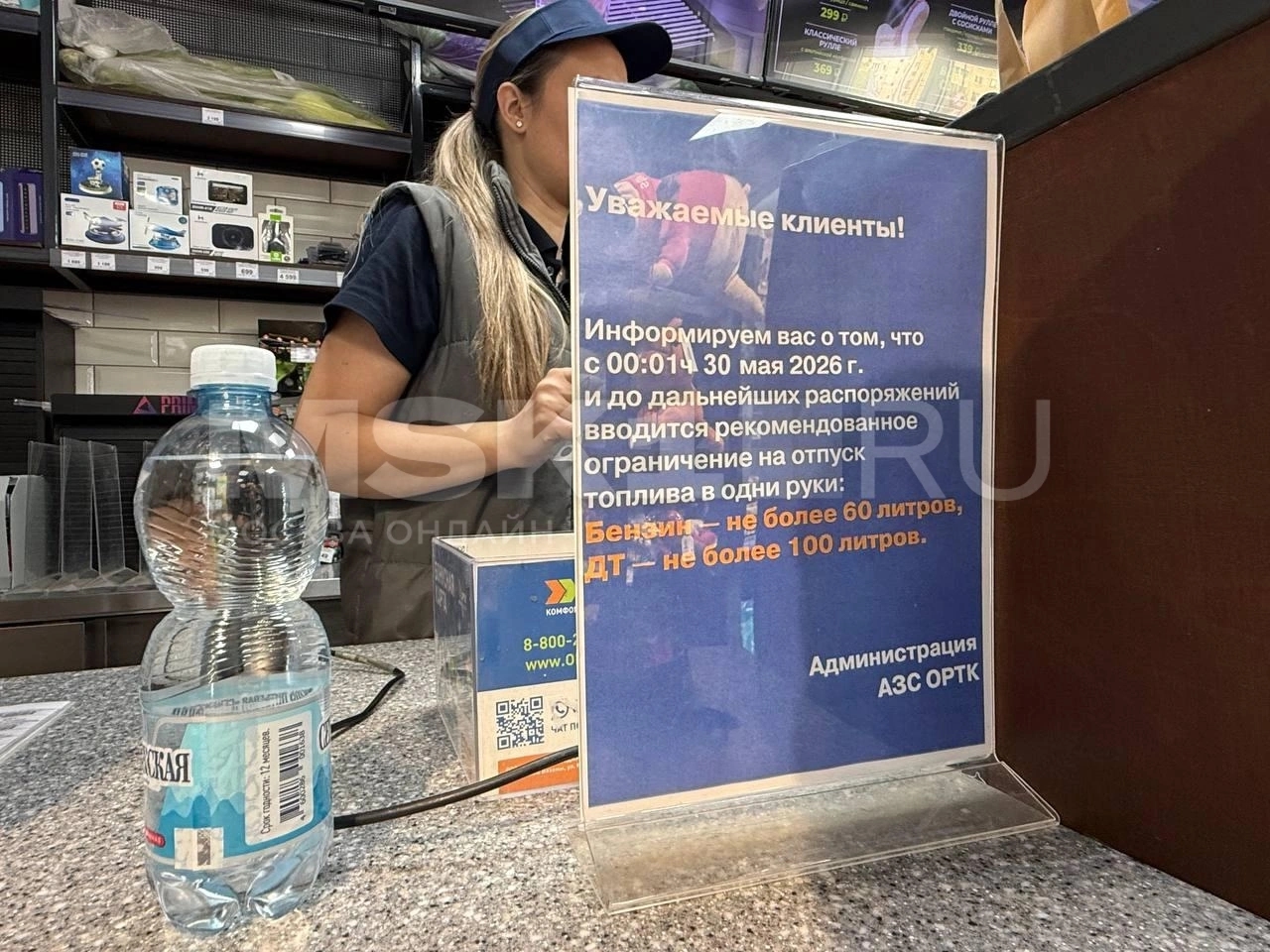
On the morning of June 3, gas stations operated by the Odintsovo Regional Fuel Company (ORTK) reported limits on gasoline sales. Local outlet MSK1.RU reported that one station in Troitsk, a district within Moscow, posted a notice saying no more than 60 liters of gasoline and 100 liters of diesel fuel would be sold per customer.
ORTK said the restrictions had been introduced on May 30 and would remain in place until the situation “settles down.”
Most gas station chains did not report restrictions. However, a Gazprom station employee told the outlet that limits were nevertheless in effect in Moscow and the surrounding region for diesel and gasoline, capped at 100 to 150 liters.
St. Petersburg
According to the St. Petersburg outlet Fontanka, local residents began reporting fuel sale limits late last week. Kirishiavtoservis, a chain of gas stations operated by the Kinef oil refinery in the Leningrad Region, limited sales to 50 liters per receipt.
AI-95 gasoline appears to be in the shortest supply, Fontanka reported. A source in the oil refining market told the outlet that production of that grade had been hit hardest, but said the problem in St. Petersburg was “not exactly widespread or global” and that smaller, less popular gas stations were more likely to face a noticeable fuel shortage than larger chains.
The issue was caused less by reduced production volumes than by logistics issues, the source explained:
“Whereas we used to bring it in from Kirishi, which was quick, now we have to bring it in, roughly speaking, from Perm. The logistics have become more complicated. In other words, the volume of shipments has remained the same, but delivery times have gotten longer. As a result, we’ve become slower at responding to requests from every gas station in the most remote corners of the country.”
The border regions of Kursk and Belgorod
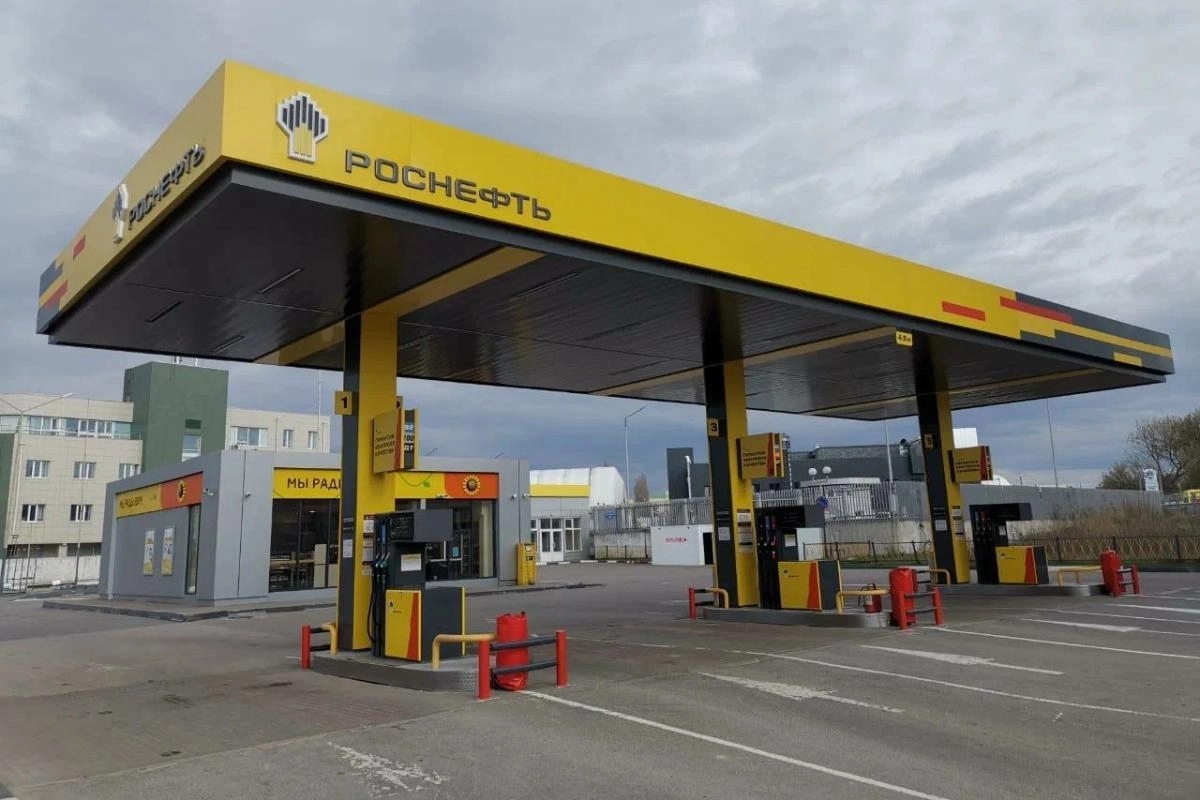
On June 2, residents of the Kursk and Belgorod regions reported restrictions on gasoline sales, with gas stations run by state-owned energy giant Rosneft halting sales of AI-92 gasoline in canisters. That grade is often used to power electric generators and similar equipment. Limits were also introduced on AI-95 gasoline, including a cap of no more than 20 liters per customer in the Kursk Region.
Regional authorities confirmed the restrictions. Maxim Gusev, the Kursk Region’s Minister of Economic Development, said the limits were linked to “ensuring safety during fuel sales.”
The occupied Luhansk Region
Sales of AI-95 and AI-92 gasoline were restricted in the occupied Luhansk Region of Ukraine. The Russian-installed occupation government of the “Luhansk People’s Republic” announced the measure the previous evening. Diesel fuel sales were also capped at 20 liters per person, including for customers filling canisters.
Authorities attributed the restrictions to the risk of a shortage.
“Given the reserves that exist today in the Luhansk People’s Republic, and taking into account increased demand from the population over the past few days, there is a risk of a shortage,” said Konstantin Rogovenko, the Russian-installed energy minister of the occupied Luhansk Region.
Occupied Crimea
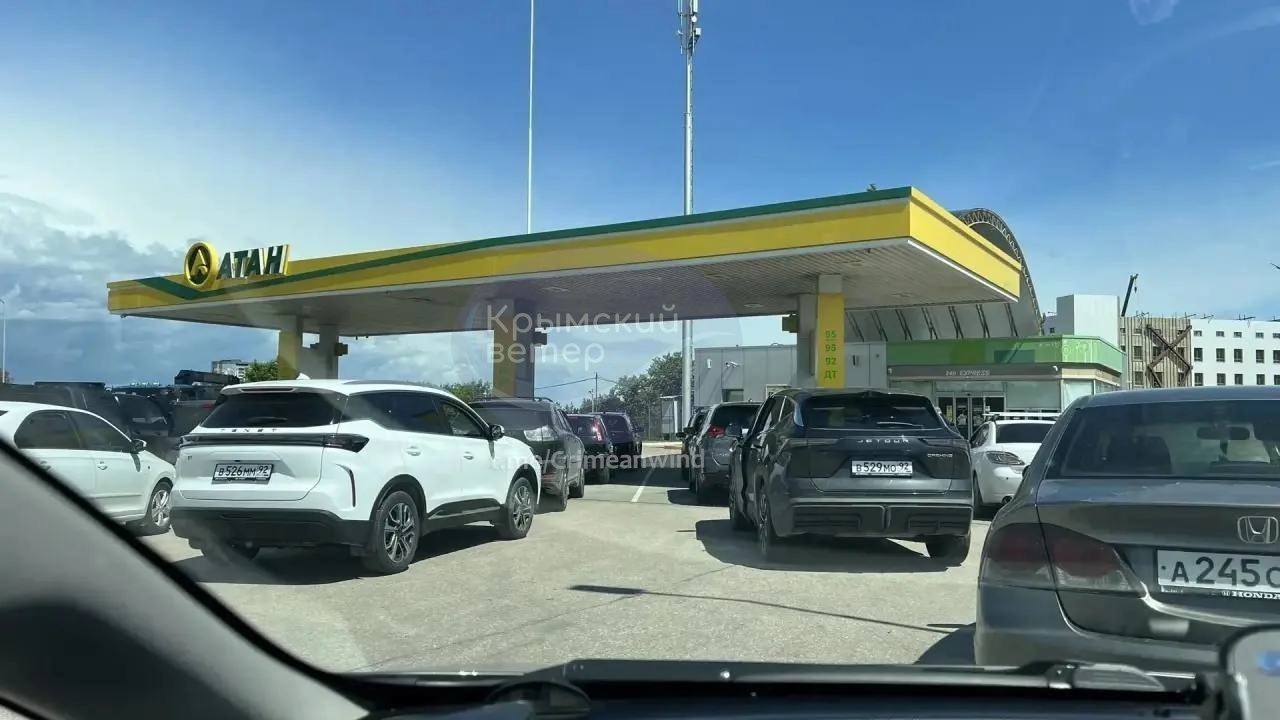
The Russia-installed authorities in Crimea were among the first to introduce such restrictions. Starting from May 30, sales of AI-95 gasoline across the illegally annexed peninsula were limited to no more than 20 liters per customer per day.
As The Insider reported, a “shadow” fuel market began expanding rapidly in Crimea and Sevastopol as a result. Resellers are offering AI-92 and AI-95 gasoline for up to 250 rubles per liter — more than three times the recent retail price of 75 to 82 rubles.
On the evening of June 2, Sevastopol governor Mikhail Razvozhaev wrote that overnight from June 2 to June 3, fuel of all grades would be sold “only to emergency services ensuring the functioning of the city.”
He promised that general sales would resume after 2 p.m. on June 3. In the end, authorities announced their return even earlier, reopening gas stations to all customers by 11 a.m. However, “general sales” again meant restricted sales, with no more than 20 liters per customer.