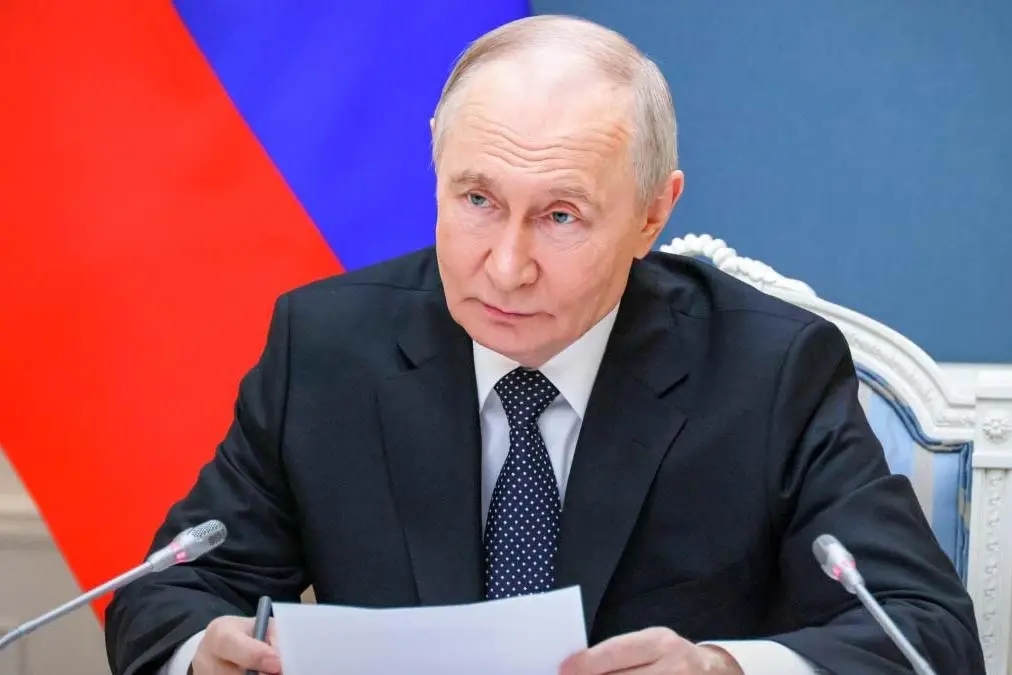
Vladimir Putin has signed a decree allowing Russian debtors to avoid fulfilling obligations to creditors from “unfriendly” countries — not only on loans and securities, but also on bank deposits.
The amendments concern Decree No. 95 of March 5, 2022, titled “On the Temporary Procedure for Fulfilling Obligations to Certain Foreign Creditors.” Originally, the decree allowed Russian authorities, companies, and citizens to settle obligations to foreign creditors in rubles through so-called Type C accounts and, in some cases, to freeze payments on loans, borrowings, and other financial instruments.
The mechanism has now been extended to obligations on bank deposits owed to foreigners from countries Russia has designated as “unfriendly.”
The decree entered into force on June 1, 2026, the day it was officially published.
Economist Sergey Aleksashenko told The Insider that access to funds held in Type C accounts is highly restricted and that, for banks, the money effectively becomes a free source of funding:
“Legally, the funds belong to whoever held them in a regular account or deposit, but access to them is extremely limited. For banks, this money becomes a free source of funding. The amount currently held in Type C accounts is secret. There is information that at Citibank, at the time of its sale, the figure was around 1 trillion rubles ($13.5 billion).”
Alexander Kolyandr, a banking analyst and visiting researcher at the Center for European Policy Analysis, told The Insider that the amendments may have been introduced in anticipation of the seizure of frozen assets linked to the Belgian depository Euroclear:
“I also cannot rule out that this was added in anticipation of the seizure of assets frozen in Russia through Euroclear. Because in addition to securities owned by foreigners through Euroclear accounts, there should also be cash deposit accounts where, over five years, various dividends, payments on matured debt securities, and so on have accumulated.”