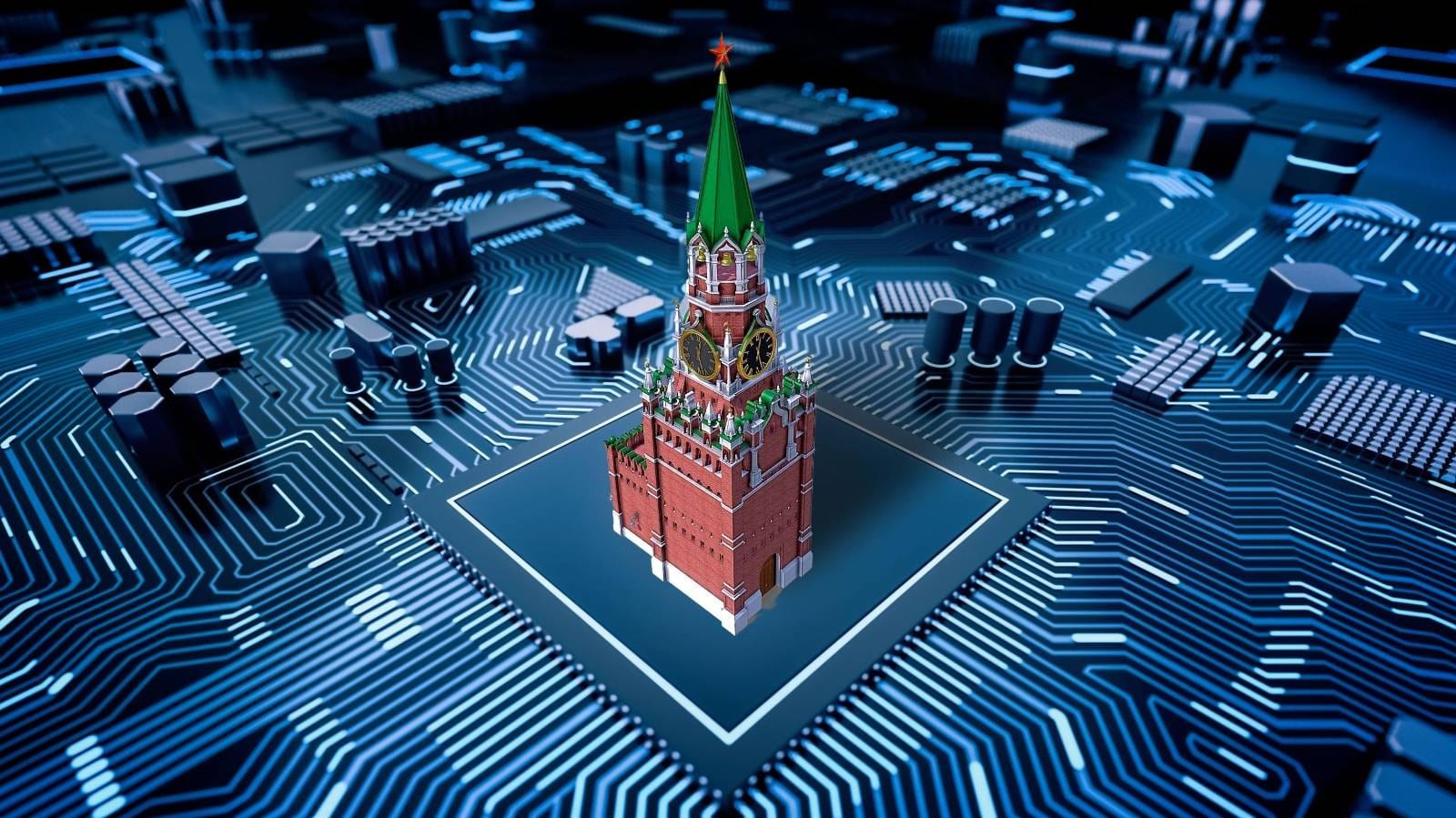
The MSU-270 supercomputer, which operates under the control of Katerina Tikhonova, Vladimir Putin’s alleged daughter, is off limits even to staff of Moscow State University’s Research Computing Center, the independent media outlet T-invariant reports. Journalists found that the machine had been assembled using Nvidia chips imported through gray channels, while VTB Bank, which finances MSU’s AI ecosystem, has been switching to Chinese GPUs since March 2026. The educational part of the ecosystem is funded by oligarch Oleg Deripaska.
One of the researchers interviewed by T-invariant says he has spent the past two years asking colleagues at MSU’s Research Computing Center “what is going on over at Tikhonova’s,” but they “just shrug — they’re not allowed in there.” Access to the machine is limited to a narrow circle of staff within the ecosystem itself, while Lomonosov-2, the university’s older supercomputer, which is available to other specialists, is outdated and regularly breaks down.
T-invariant found that the MSU-270, worth at least $37.4 million, was assembled from Nvidia equipment purchased through a Chinese intermediary. In the tender documentation, the components were listed under the nonexistent brand SOLAR PEAK, but their specifications clearly identify them as Nvidia products — despite the company itself ending all product sales, shipments, and business operations in Russia in 2022.
In March, VTB Bank, the financial partner of MSU’s AI ecosystem, began introducing Chinese GPUs across all key AI-related processes: computer vision, text analysis, speech recognition, and generative models. According to the bank’s deputy president Vadim Kulik, testing has demonstrated the high performance of the Chinese processors without significant modifications. At the Data Fusion Awards forum in April, MSU’s AI Institute received a VTB award for “cooperation on a new AI project in China” — the details of the project were not publicly disclosed.
Deripaska provides funding for the faculty’s educational functions through the Volnoe Delo foundation, his best-known charitable organization. Two of the billionaire’s other foundations, Intelleсt and Basis, had also supported the AI center and institute, as well as programs for students in other university departments. Deripaska was one of the key speakers at the April 21 presentation, quoted by all major federal TV channels, and even featured on the Vremya program with Yekaterina Andreyeva. According to T-invariant, his initiatives clearly received approval from above.
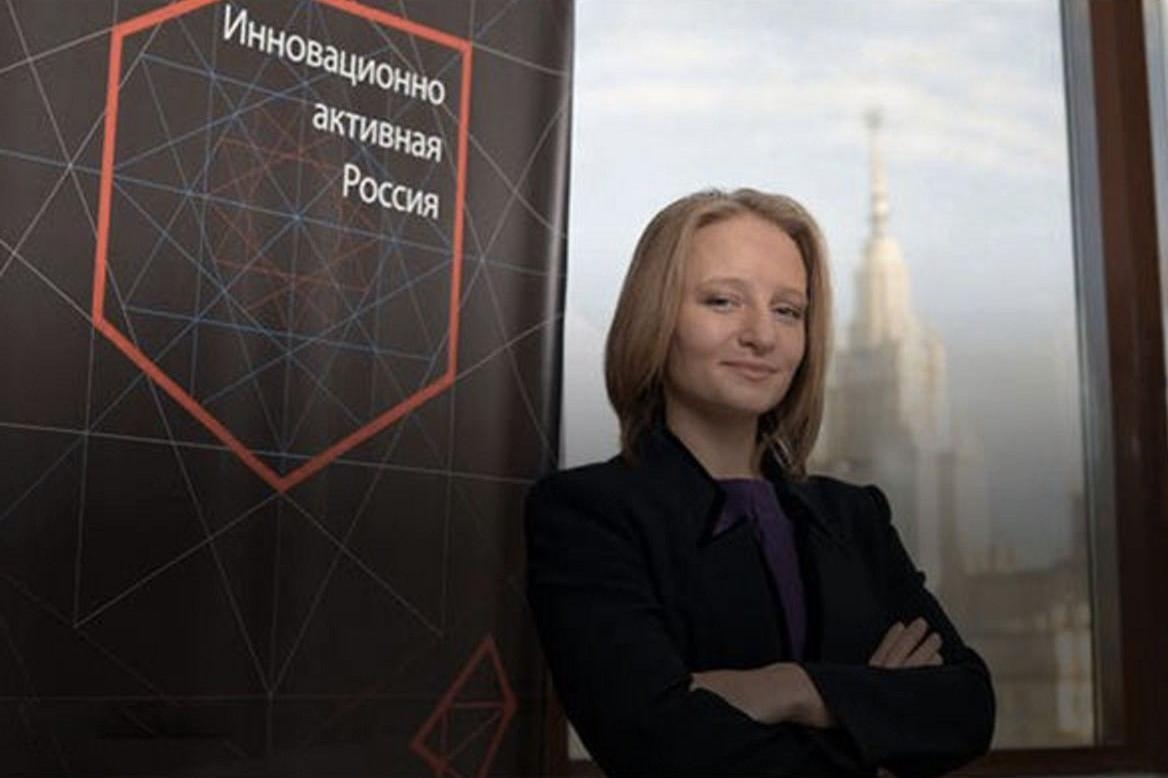
According to the outlet, the entire structure is managed by Tikhonova, who oversees MSU’s AI research center, the MSU AI Institute, the MSU-270 supercomputer, and the Faculty of AI, which opened on April 21, 2026. Among the ecosystem’s developments is a gait analysis system designed to detect psycho-emotional disorders with a claimed accuracy of over 80%, as well as drones and robotics created jointly with the Shenzhen MSU–BIT University in China. Tikhonova has headed the MSU AI Institute since 2020.