On April 23, the Council of Europe adopted its 20th package of sanctions against Russia. It includes 120 new individual listings and sweeping sectoral measures affecting energy, finance, trade, and the military-industrial complex.
Among them are eight companies from The Insider’s investigation into drone manufacturers in Russia: TsUGAM, Tekhnodron JSC, Arkhangel-Center LLC, ATLANT AERO LLC, Gaskar Group LLC, Astron Optical-Mechanical Design Bureau JSC, Aero-HIT LLC and Simbirsk Design Bureau Piranha LLC, as well as TsUGAM director Olga Sokolova. (SKB Piranha LLC, which produces up to 10,000 FPV drones a month, had already been sanctioned by the United States after a separate investigation by The Insider.)
The full document, published on the Council of Europe’s website, lists the areas covered by the new restrictions:
Energy and the “shadow fleet”
- A legal framework has been created for a future ban on maritime services for the transport of Russian oil and petroleum products, in coordination with the G7 and the price-cap coalition. Several media outlets had earlier reported that the 20th package was initially expected to include a full ban on transporting Russian oil, but the introduction of such a measure was postponed.
- Targeted sanctions have been imposed on 36 “designations” connected to Russia’s oil sector, affecting operations from exploration and production to refining and transportation.
- Another 46 “shadow fleet” vessels were barred from entering EU ports and from receiving a wide range of services, bringing the total number of such vessels under restrictions to 632.
- Mandatory compliance requirements were introduced for the sale of tankers in order to make it harder for Russia to expand its “shadow fleet.”
- Maintenance and other services for Russian LNG tankers and icebreakers were banned.
- Starting in January 2027, LNG terminal services will be banned for Russian entities or companies under Russian control.
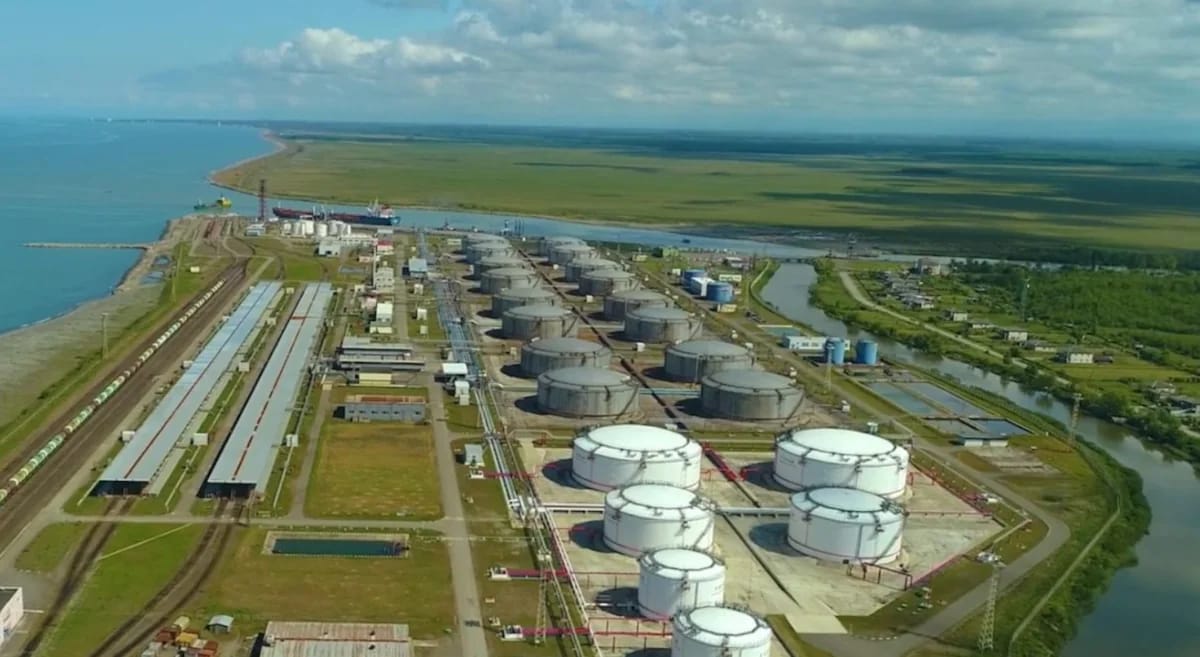
- Transactions were banned with the Russian ports of Murmansk and Tuapse, as well as the oil terminal at Indonesia’s Karimun port, as these facilities have been used as part of Russia’s efforts to circumvent the price cap.
Finance and cryptocurrencies
- A transaction ban was imposed on 20 Russian banks.
- Similar restrictions were imposed on four financial institutions from third countries for helping evade sanctions or for ties to Russia’s SPFS interbank messaging system.
- For the first time, restrictions were imposed on a Kyrgyz entity trading in the A7A5 stablecoin, which Russia uses to evade sanctions.
- A full sectoral ban applies to Russian crypto providers and platforms that enable the transfer and exchange of crypto assets.
- Transactions involving the RUBx cryptocurrency and any EU support for the development of the digital ruble were banned.
- Netting transactions with Russian agents were banned.
Military-industrial complex
- Sanctions were imposed on 58 companies and related individuals involved in the development and production of Russian military goods, including drones.
- Restrictions also targeted 16 entities from China, the United Arab Emirates, Uzbekistan, Kazakhstan, and Belarus that supplied dual-use goods or weapons to Russia’s defense industry.
- Export restrictions were expanded to 60 new companies, including entities from China (including Hong Kong), Turkey, and the UAE.
Trade
- Exports of CNC machine tools and radio equipment to Kyrgyzstan were banned due to the high risk of re-export to Russia.
- Export restrictions to Russia were imposed on laboratory glassware, high-performance lubricants, energy-intensive substances, chemicals, vulcanized rubber products, steel products, metalworking tools, and industrial tractors worth more than 360 million euros.
- Import restrictions were expanded to cover Russian raw materials, metals, certain minerals, scrap metal, chemicals, vulcanized rubber products, and tanned furs worth more than 570 million euros.
- A quota was introduced on ammonia imports.
Accountability and propaganda
- Five individual people and one organization involved in the deportation and forced transfer of Ukrainian children were added to the sanctions list. Four people involved in the appropriation of Ukrainian cultural heritage were separately targeted.
- Four propagandists were sanctioned, including RT Deputy Editor-in-Chief Anton Anisimov.
Other measures
- Cybersecurity services may no longer be provided to Russia.
- The broadcasting ban was extended to mirror websites of banned entities.
- Requirements for tracking the origin of diamonds were tightened; importers must now confirm that stones were not mined or processed in Russia.
- Legal tools were introduced to protect European companies from violations of their intellectual property rights and unlawful expropriation in Russia.
Three new listings also concern the military-industrial complex of Belarus, the Lukashenko regime, and a Chinese state-owned enterprise. The sanctions regime against Belarus was extended until Feb. 28, 2027.
The collection of individuals and companies added to the sanctions lists include:
- Mikhail Piotrovsky, director of the Hermitage Museum
- Sergei Obryvalin, Russia’s first deputy culture minister
- Timati, whose real name is Timur Yunusov, a rapper and entrepreneur
- Vladimir Lepin, chief designer at the Kalashnikov concern
- Alexei Rtishchev, head of Russia’s radiation, chemical and biological defense troops
- Moscow Institute of Physics and Technology
- Slavneft and related entities, including Bashneft and several oil refineries
- Gazprom LNG Technologies and Gazpromneft Marine Bunker
- Timur Shagivaleyev, director general of the Alabuga special economic zone (SEZ), which produces Geran drones
- Ilya Shcherbovich, head of United Capital Partners, which has invested in oil refining jointly with Rosneft
- Anton Anisimov, deputy editor-in-chief of RT and editor-in-chief of Sputnik
- Andrei Marchenko, deputy head of Russia’s radiation, chemical and biological defense troops
- The Krasnozavodsk Chemical Plant, which produces explosives and ammunition
- The Krasnoyarsk Machine-Building Plant, or Krasmash, which produces Sarmat ballistic missiles
- NPO Avtomatiki named after Semikhatov, which makes components for the Bulava and Sineva intercontinental ballistic missiles
- Promsintez in Chapayevsk, which produces TNT and explosives
- CJSC TengriCoin of Kyrgyzstan, which trades the A7A5 stablecoin through Promsvyazbank
- Soglasie, an insurer of “shadow fleet” tankers
- Altrum Group FZCO of the UAE, which manages a significant part of the “shadow fleet” and controls 2Rivers Group
- Fyodor Chudinov, a boxer and lawmaker linked to the Night Wolves motorcycle club
- China’s ETS Solutions, which The Insider reported on in 2024, was also sanctioned.
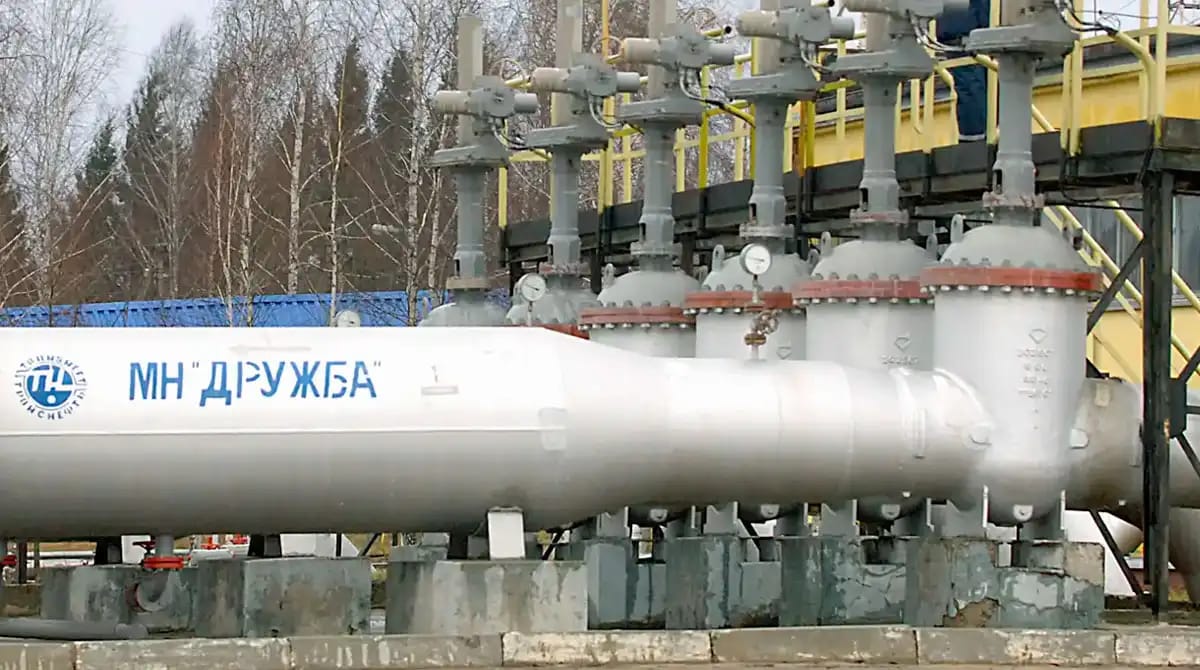
The European Commission presented the draft 20th sanctions package in February. Its adoption was delayed by Hungary’s veto, which blocked the package until Ukraine resumed deliveries of Russian oil through the Druzhba pipeline. Those deliveries resumed April 23.