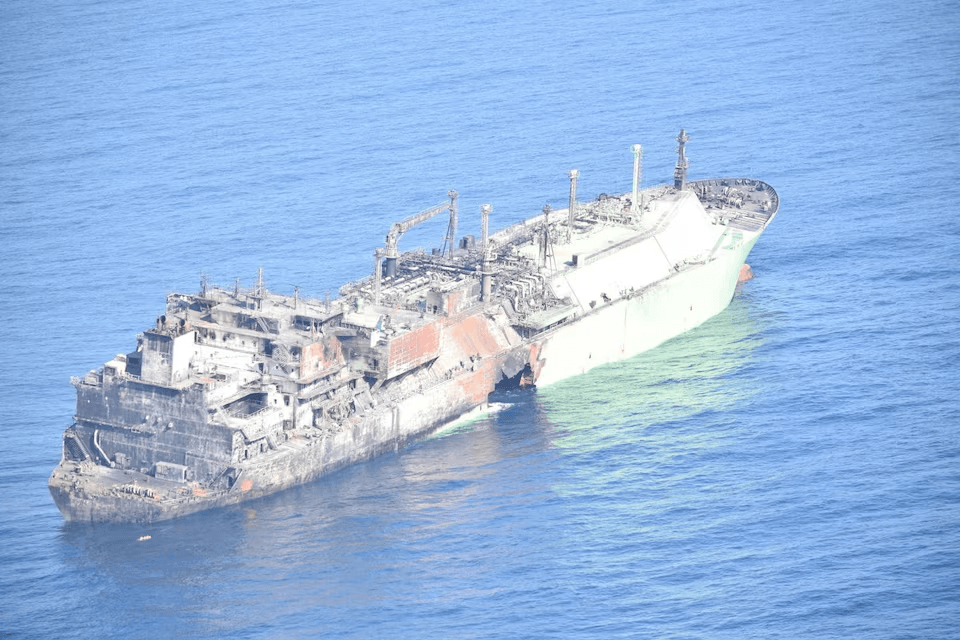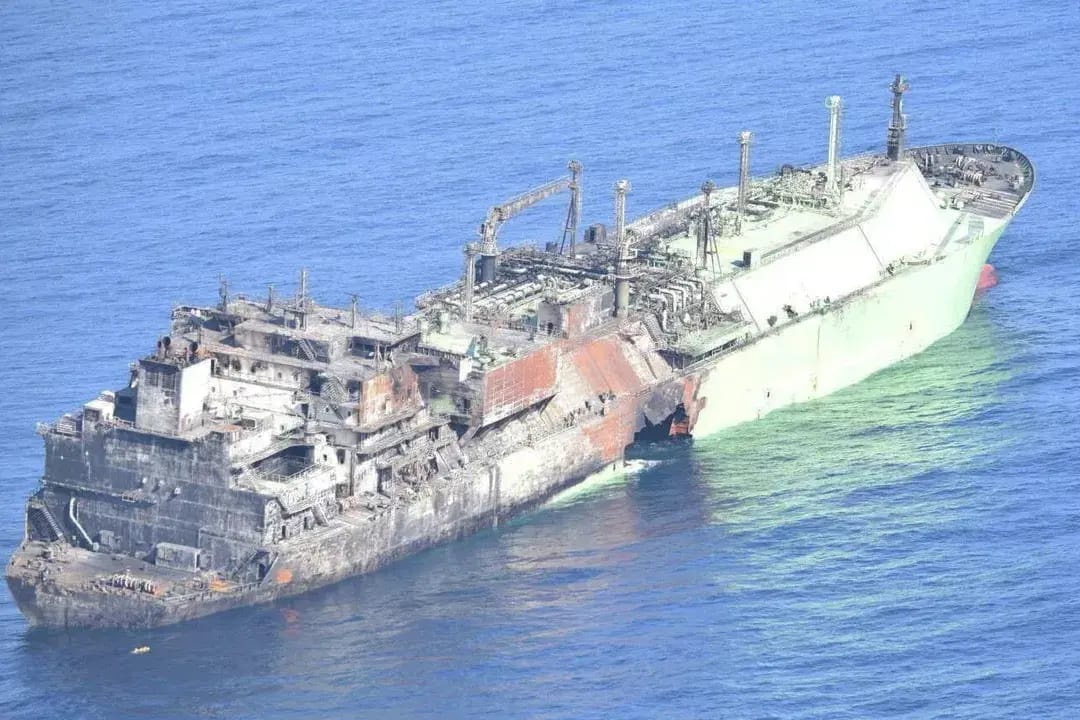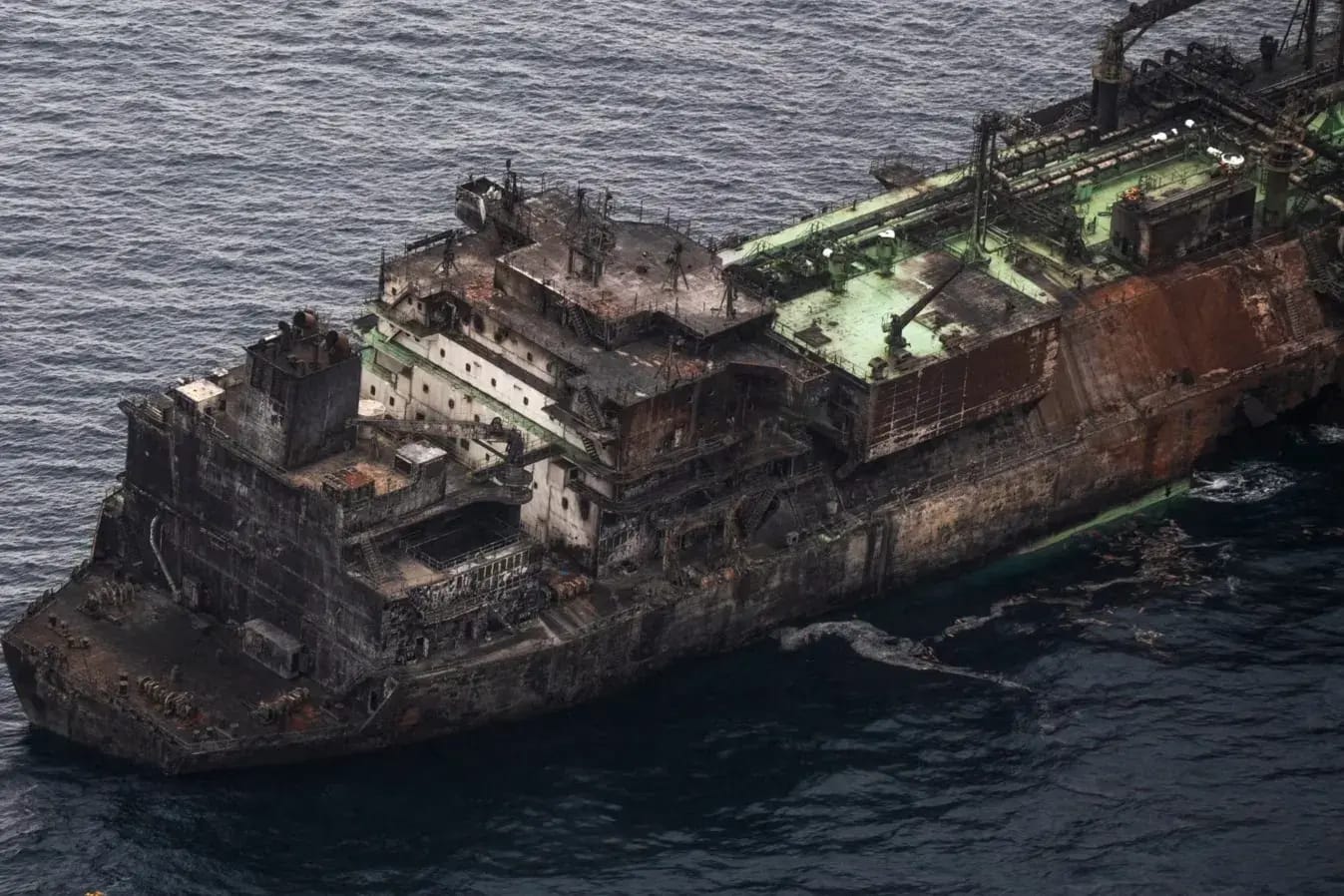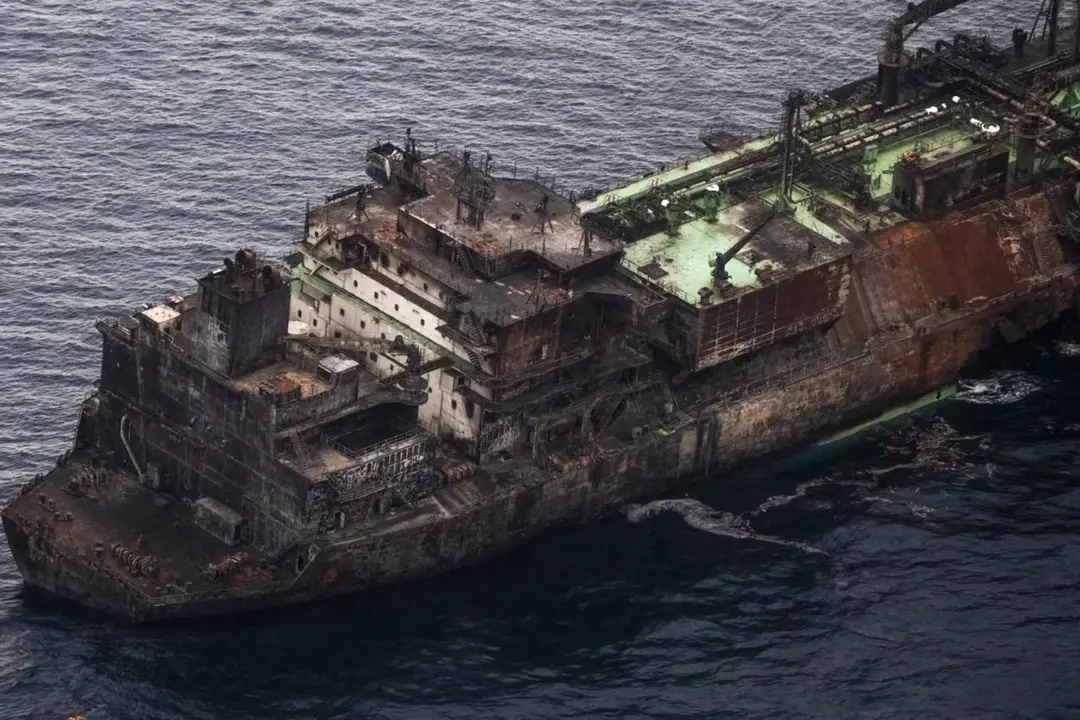
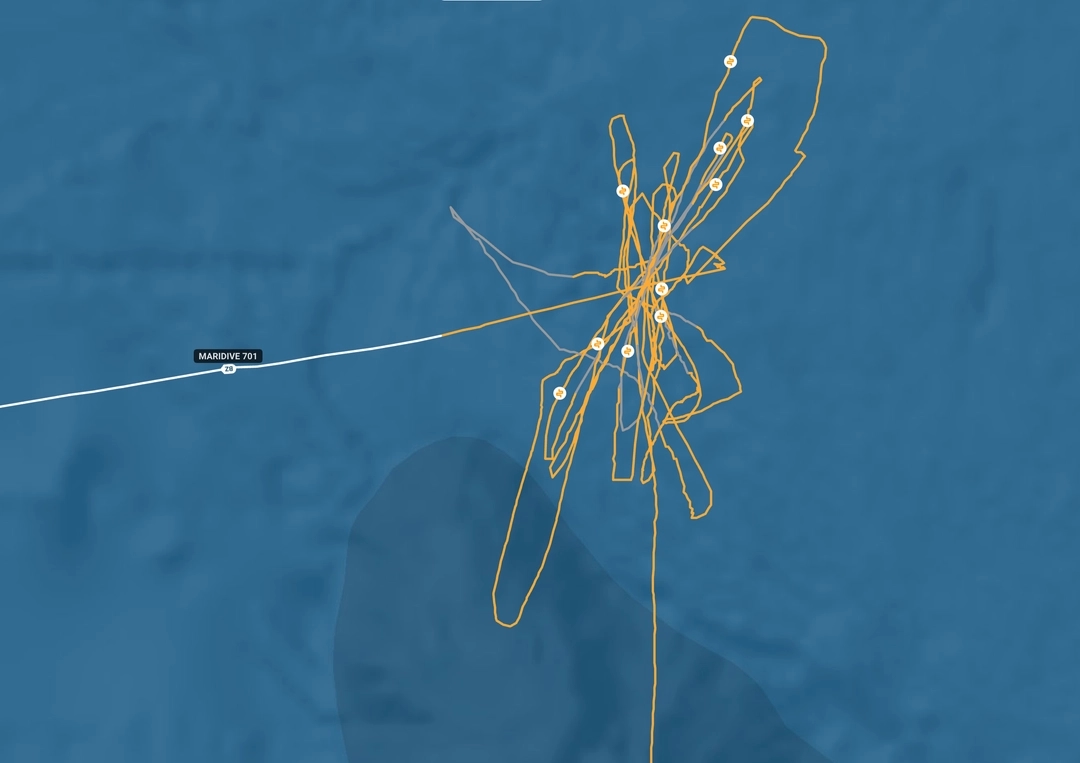
The Russian gas carrier Arctic Metagaz (IMO: 9243148) is once again drifting off the coast of Libya. Earlier this month, attempts were made to tow the vessel to safety, but the towing cable snapped, reverting the ship’s status to NUC (Not Under Command), the maritime open source intelligence (OSINT) project Russian Forces Spotter reported earlier today.
Data from vessel-tracking systems indicate that the latest development occurred on the evening of April 22. The accompanying tug, Maridive 701 (IMO: 9590266), left the area at about 9:40 p.m. local time, or 10:40 p.m. Moscow time. Efforts to tow the tanker have been ongoing since April 9. The disabled vessel poses risks of collision, grounding, and a potential environmental disaster. The tanker is currently drifting about 90 nautical miles off the Libyan coast.
The Arctic Metagaz was damaged in early March off the coast of Libya. The vessel was attacked by a Ukrainian uncrewed Magura V5 boat, a drone variant Ukraine uses in operations in the Black Sea, according to a report by French outlet RFI. The drone was believed to have been launched from a base in the Libyan city of Zawiya and struck the vessel’s engine room, causing it to flood.
Russian authorities blamed Ukraine for the attack. The Transport Ministry said 30 Russian sailors were on board, all of whom were evacuated after the strike. The ministry also said the vessel had departed from Murmansk with cargo documented in accordance with international rules. Russia’s Maritime Board said the damage from the attack “must be compensated by the aggressor.”
Sanctions against the Arctic Metagaz
The United States imposed sanctions on Russia’s Arctic LNG 2 project in November 2023, followed by the UK in February 2024. Washington expanded those measures on Aug. 23, 2024, sanctioning seven LNG tankers supporting Arctic LNG 2 and other prospective Russian energy projects. The list of affected vessels included the Arctic Metagaz.
The European Union and Switzerland joined those sanctions in February and March 2025, respectively. Canada sanctioned the vessel on Feb. 21, 2025, and New Zealand followed suit on June 19, 2025.