On April 21, four senior managers at Russia’s largest publishing group, Eksmo, were detained and questioned in connection to an “extremism” case involving the “distribution of LGBT literature.” Those taken into custody were CEO Yevgeny Kapyev, Finance Director Svetlana Tsyplyaeva, Deputy Editor-in-Chief for Literature Yulia Sokolovskaya, and Distribution Director Anatoly Norovyatkin. Investigators have not yet brought charges against them, according to a report by state-controlled news agency TASS, citing a law enforcement source.
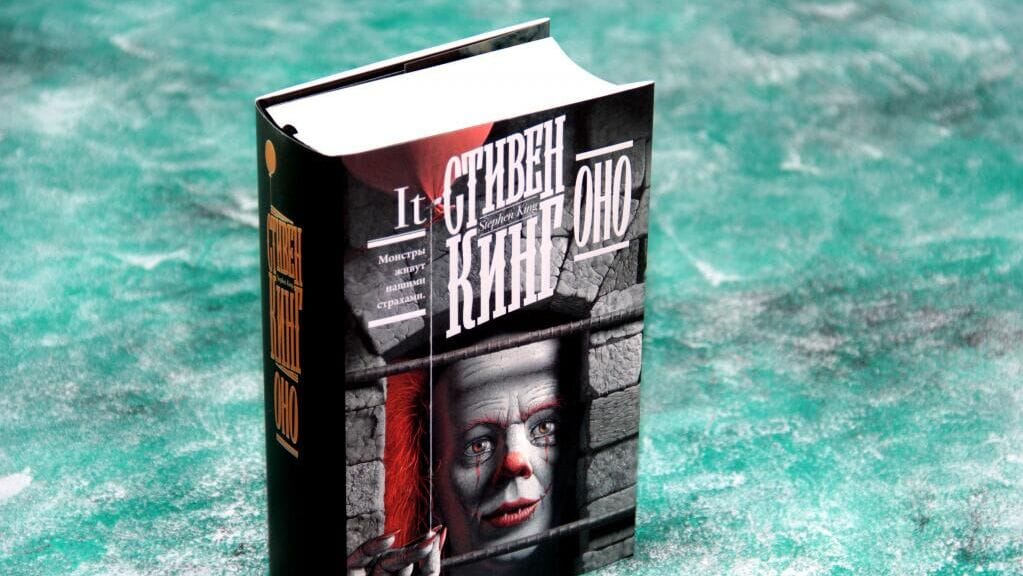
The questioning came in connection to an earlier case. In May 2025, Eksmo’s distribution director and 10 other employees of the publishing company were detained in Moscow under an extremism statute. At that time, law enforcement focused on books published by Popcorn Books and Individuum, both imprints of Eksmo. Popcorn Books had published two specific works focused on LGBTQ+ themes: Summer in a Pioneer Tie (known as “Pioneer Summer” in its English-language translation) by Elena Malisova and Kateryna Sylvanova, is a novel about the relationship between a Soviet Young Pioneer and a counselor at a children’s camp in the mid-1980s, while its sequel What the Swallow Is Silent About, picks up the plot 20 years after the characters’ separation.
Employees of Popcorn Books and Individuum faced criminal cases and arrests on charges of “LGBT extremism.” That case came to be colloquially known in Russian media as the “publishers’ case.” In January of this year, Popcorn Books announced it was shutting down.
The Russian Supreme Court’s designation of the non-existent “international LGBT movement” as “extremist,” along with laws banning the propaganda of banned substances in literature and the arts, has made life more difficult for book publishers. In September of last year, Eksmo head Oleg Novikov said the company spends between 2 billion and 3 billion rubles a year checking books for “prohibited” content.
In March of this year, Eksmo CEO Yevgeny Kapyev complained about the difficulties involved in screening books for prohibited content. For example, he said, the AI model used by the publisher flagged a reference to narcotics in the surname of children’s writer Denis Dragunsky. “Dragunsky,” it turned out, struck the computer as being sufficiently similar to the English language word “drugs.”