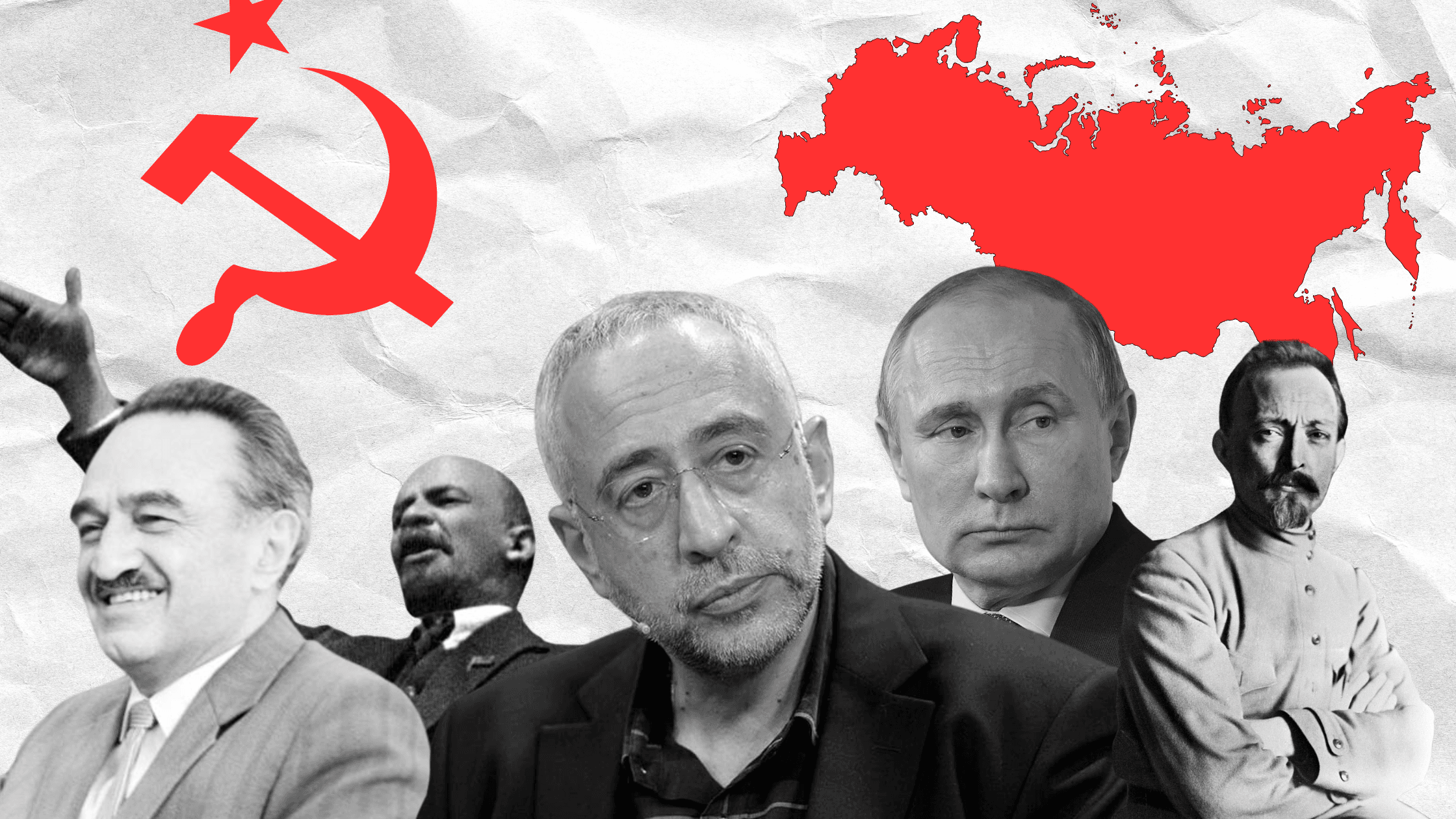
Vladimir Putin has renamed the FSB Academy in honor of Felix Dzerzhinsky, according to a decree published on the Kremlin’s website that cited the Bolshevik intelligence chief’s “outstanding contribution to ensuring state security.”
From 1962 to 1992, the Higher School of the KGB was named after Dzerzhinsky. As noted by independent journalist Farida Rustamova, this is likely the first time Putin has publicly offered an assessment of Dzerzhinsky, who led the Soviet state’s first three security agencies — the Cheka, the GPU, and the OGPU — helping build the Bolshevik government’s security apparatus. Known as “Iron Felix,” Dzerzhinsky was also a central architect of the Red Terror, in which the Cheka carried out arrests, executions, and repression against perceived enemies of the new Soviet state. The OGPU was later succeeded by the NKVD, and later by the KGB and the FSB.
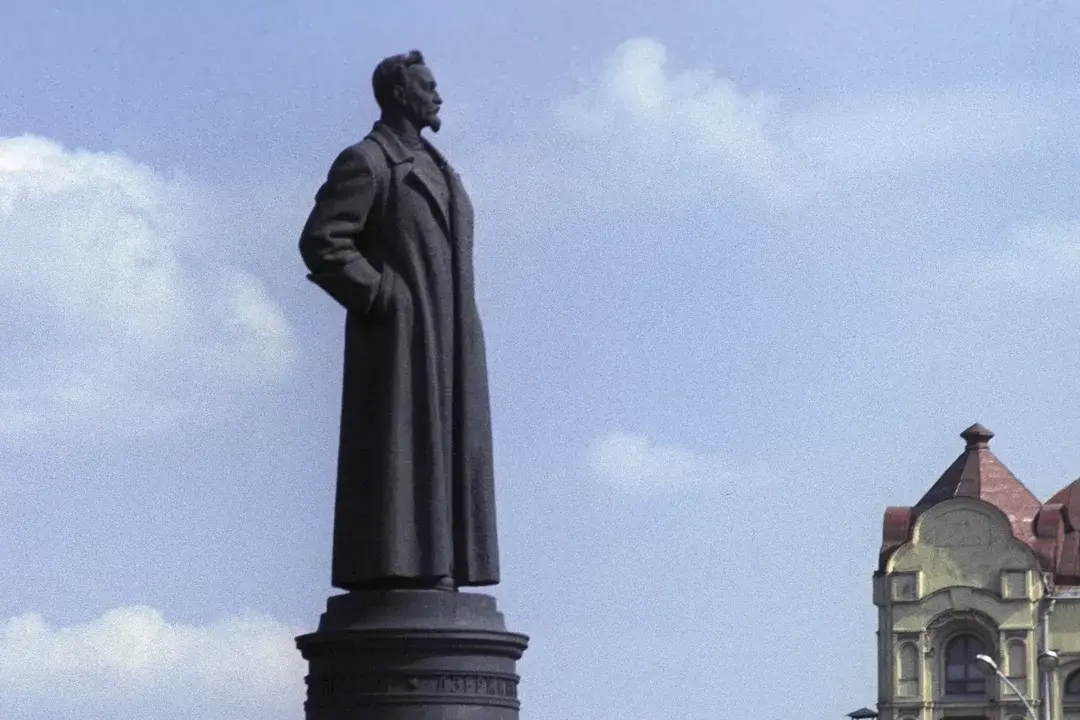
Previously, Putin had only expressed regret over the removal of the Dzerzhinsky monument from Moscow’s Lubyanka Square — and even then, he did so by quoting his former boss, St. Petersburg Governor Anatoly Sobchak. Lawmakers in the State Duma, the lower house of Russia’s parliament, have repeatedly called (1, 2, 3) for the monument to be returned to the square outside the FSB headquarters.
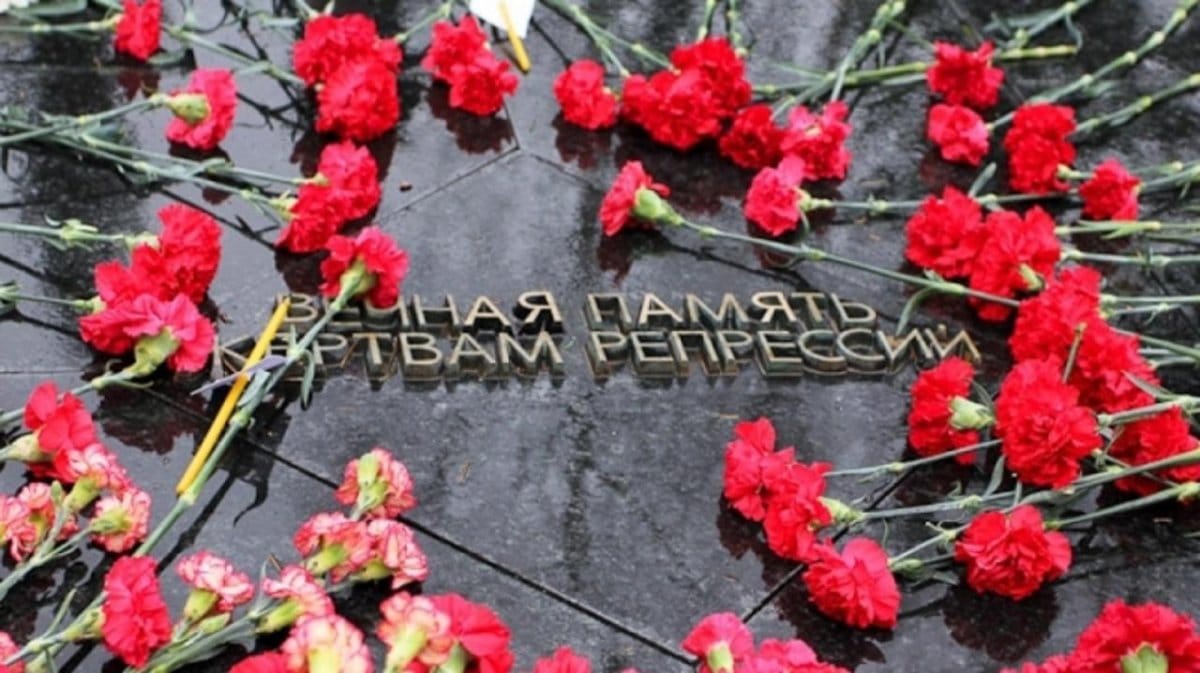
The site is now occupied by the Solovetsky Stone, which was symbolically installed by the Memorial society beside the statue in 1990 as a memorial to victims of Soviet political repression.
Since then, the stone has served as the site of various commemorations, including observances for the Day of Remembrance of the Victims of Political Repression on Oct. 30 beginning in 1991, and, since 2007, the “Restoring the Names” event held the day before. The event, during which volunteers read aloud lists of those executed by the Soviet state, has been banned since 2020.
On the evening of Aug. 22, 1991, shortly after the collapse of a hard-line coup attempt against Mikhail Gorbachev, thousands gathered outside the KGB building on Lubyanka Square and sought to tear down Dzerzhinsky’s statue, which they saw as a symbol of the Soviet Union’s repressive past. Protesters spray painted the pedestal with words including “executioner,” “antichrist,” and “Felix is finished,” along with the symbol of the Russian Orthodox Church. The monument was eventually removed with a construction crane after intervention by Moscow City Council member Sergei Stankevich; it was taken to a wasteland close to the new building of the Tretyakov Gallery.
In 1992, the statue was moved without ceremony to Fallen Monument Park, where other Soviet-era monuments were collected, and laid on its side.
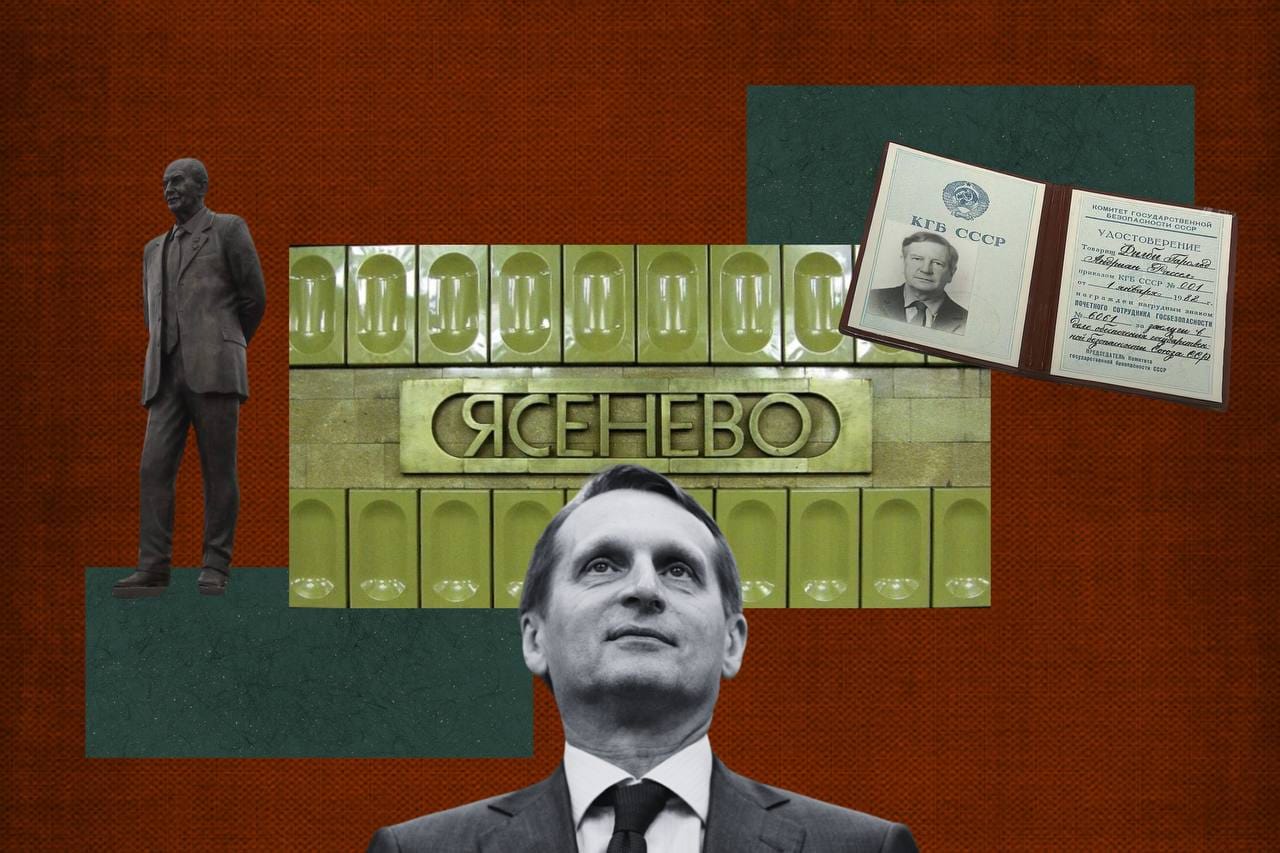
The restored monument to Dzerzhinsky was erected again on Sept. 11, 2023, this time outside Moscow in front of the headquarters of Russia’s Foreign Intelligence Service, or SVR.