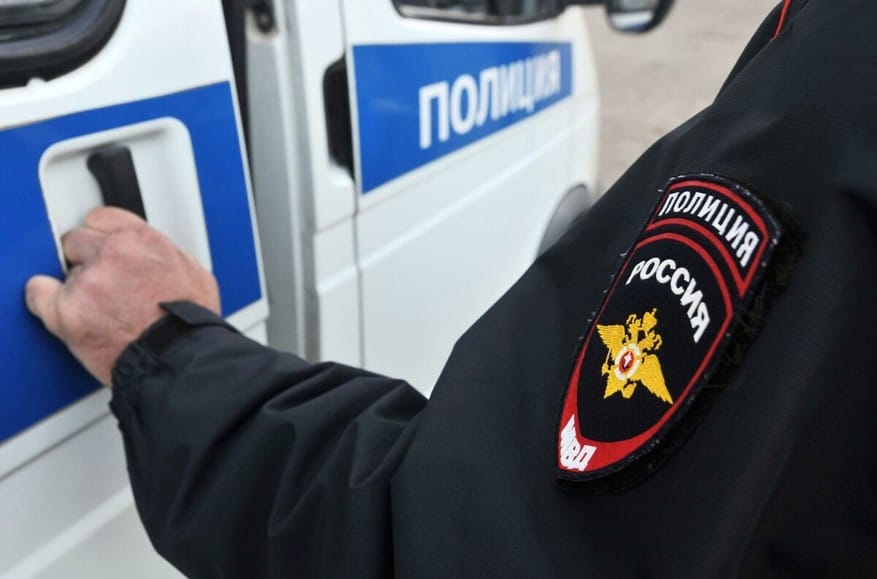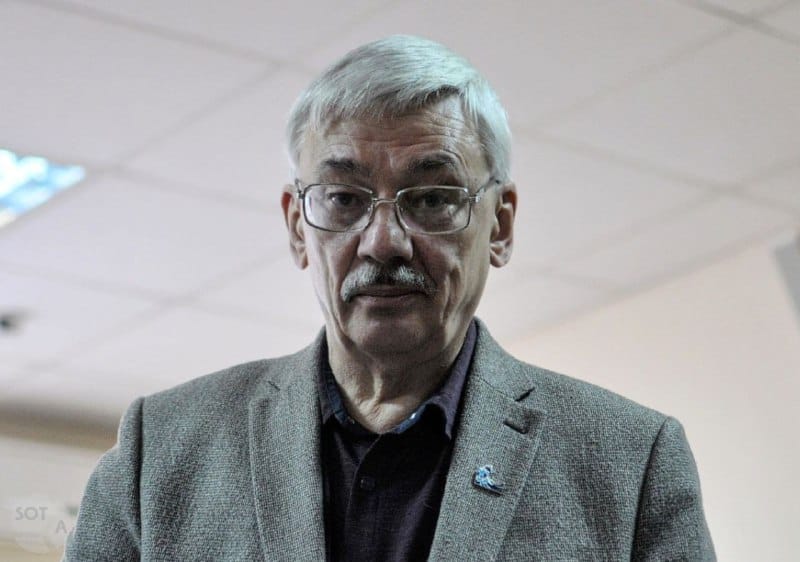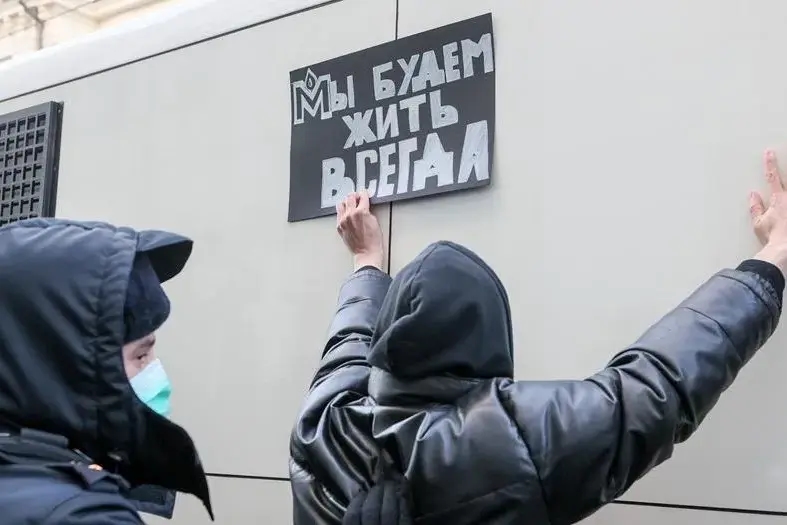
The Supreme Court of Russia has declared the “International Memorial Public Movement” to be an “extremist organization,” writes state-owned outlet RIA Novosti. The case was heard behind closed doors. As a result of the court’s ruling, the movement’s activities are now banned in Russia.
European embassy staff attended Thursday’s hearing, RIA Novosti reported. Leonid Solovyov, the lawyer representing Memorial, was not allowed to participate in the proceedings and was removed from the courtroom, the Slovo Zashchite project reported.
On the eve of the possible designation of Memorial as “extremist,” the Norwegian Nobel Committee condemned the then-potential move. The organization urged the Russian authorities to withdraw the corresponding lawsuit, stating: “To designate such an organisation as extremist is an affront to the fundamental values of human dignity and freedom of expression.”
The request by the Russian Ministry of Justice to recognize Memorial as an “extremist organization” became known at the end of March.
This is not the first time the organization has faced persecution from the Kremlin. In 2021, the Memorial Human Rights Center and the International Memorial educational society were liquidated by Russian court decisions. The judge sided with the Prosecutor General’s Office, which accused the organizations of failing to comply with Russia’s law on “foreign agents,” and, in the case of International Memorial, of “distorting historical memory, creating a false image of the USSR, and besmirching the memory of the Great Patriotic War.”
Established in Geneva in 2023, the International Memorial Association was the successor of Memorial’s liquidated Russian entities. This past February, Russia placed it on its list of “undesirable organizations.”
In response to the Supreme Court’s decision, Memorial Human Rights Center has announced a complete cessation of its activities in Russia. The organization emphasizes that no such “International Memorial Public Movement” actually exists — none of the actual structures within the Memorial network bears that name. At the same time, the Center does not rule out that the extremist designation will become a tool for persecuting participants and supporters of various Memorial-related organizations.
According to a statement by the Center’s Council, the organization currently has no staff, no members, and no volunteers in Russia, and it has stopped accepting donations from Russian bank cards in order not to put donors at risk. Outside Russia, the Center intends to continue its human rights work regardless of any decisions by the Russian authorities.