Russian authorities have set a recruitment quota for higher education institutions: one in 50 students is expected to sign a contract with the Russian Armed Forces to fight in Ukraine. According to Faridaily, the target — 2% of the student body — was communicated by Russia’s Minister of Science and Higher Education, Valery Falkov, to the rectors of the country’s largest universities at a closed-door meeting in early 2026. The outlet’s source in the administration of a Siberian university confirmed that the meeting took place.
If Russia’s colleges fulfill the plan, the front will receive at least 44,000 additional personnel. And if the requirement is extended to vocational schools, the figure would rise to 76,000.
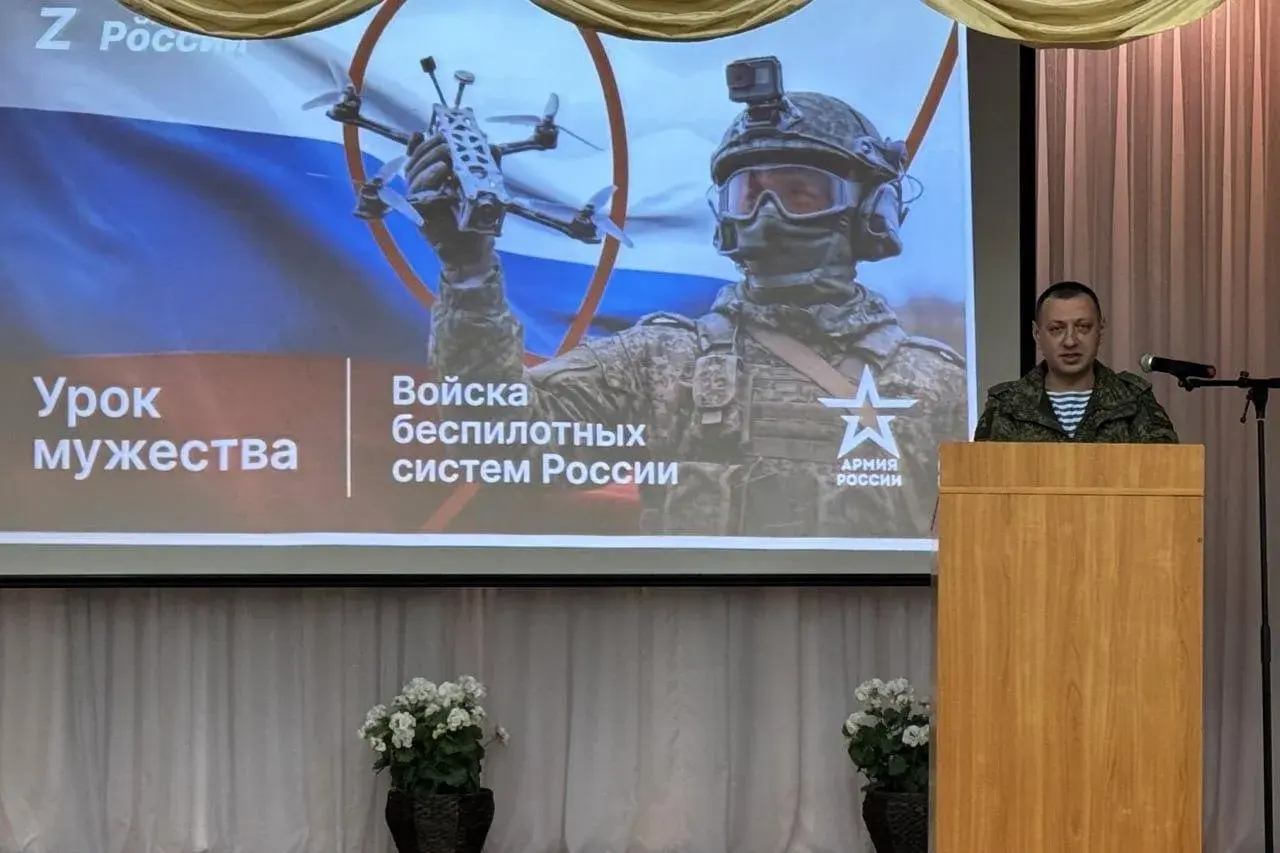
Recruitment efforts at educational institutions have been underway since December, but they intensified in February, according to Faridaily, with the campaign reaching an estimated 200 institutions. Targeted students are expected to sign contracts with Russia’s drone forces, which were designated as a separate branch of the military in the fall of 2025. Internal Ministry of Defense documents that accidentally became publicly available on the websites of several vocational schools stated that these drone units expect to recruit 78,800 people in 2026.
Students are being offered the standard package: state payments and benefits for war participants, state-funded tuition, and the right to continue their studies after their contracts expire. Some universities are adding their own incentives: Moscow State University and Saint Petersburg State University are offering additional cash payments, while Bauman Moscow State Technical University is offering free spa and sanatorium treatment. Even first-year university students are eligible to sign contracts provided that they are at least 18 years old.
University administrators have also begun using academic performance as leverage in the recruitment campaign: students who are struggling academically are threatened with expulsion if they refuse to sign a special one-year contract with the military. If they do sign, however, they can have their academic debt written off and receive a custom learning plan upon return from the front. Human rights advocates warn that the promised “one-year contract” does not exist in Russian law, and that the document in question is legally no different from a standard open-ended military contract.
Recently, Ryazan Region governor Pavel Malkov ordered all local enterprises — both state-owned and private — to find candidates for contract military service by Sept. 20. The quotas depend on the headcount: companies with 150 to 300 employees must provide two prospective contract soldiers, those with 300 to 500 employees must provide three, and those with more than 500 employees must provide five.