The passports of several Belarusian political prisoners who were released and deported from the country were found to have been invalidated, according to the Belarusian service of Radio Free Europe/Radio Liberty.
The outlet cites the accounts of two former political prisoners: Andrei (name changed) and Ilya Dubsky. Both were released and deported by the Belarusian authorities on Sept. 11, 2025, as part of a group of 50 political prisoners.
According to Andrei, he discovered that his passport had been invalidated while checking the Ministry of Internal Affairs database to see whether he had been placed on the country’s wanted list. The document was supposed to remain valid until 2031.
Likewise, Ilya Dubsky told Radio Free Europe/Radio Liberty that he checked his passport on March 30 and found that it had been invalidated. He was also issued a ban on entering Belarus.
“You could say that I have effectively been stripped of my citizenship. I don’t care what they did there. Let them go crazy. Yes, it will cause some inconvenience... Without a passport, I can’t travel to another country — from Lithuania to Poland, for example. And if I use my Belarusian passport, I could face administrative liability, or perhaps even criminal charges,” the outlet quoted him as saying.
Both former political prisoners now live in Lithuania. According to Dubsky, he knows of at least 16 other Belarusians who have found themselves in a similar situation. Radio Free Europe/Radio Liberty reports that such cases have been confirmed by other political prisoners, without naming them.
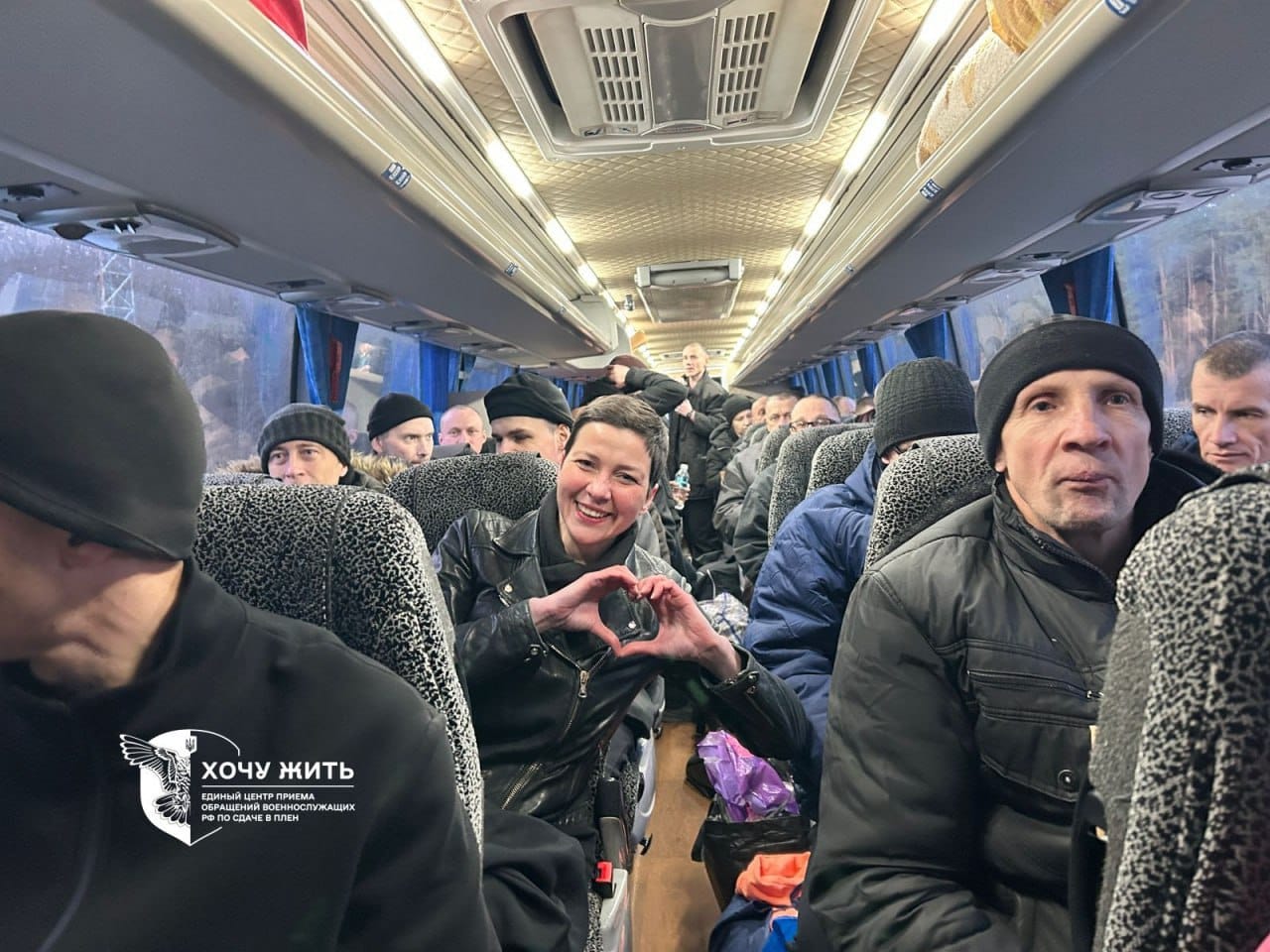
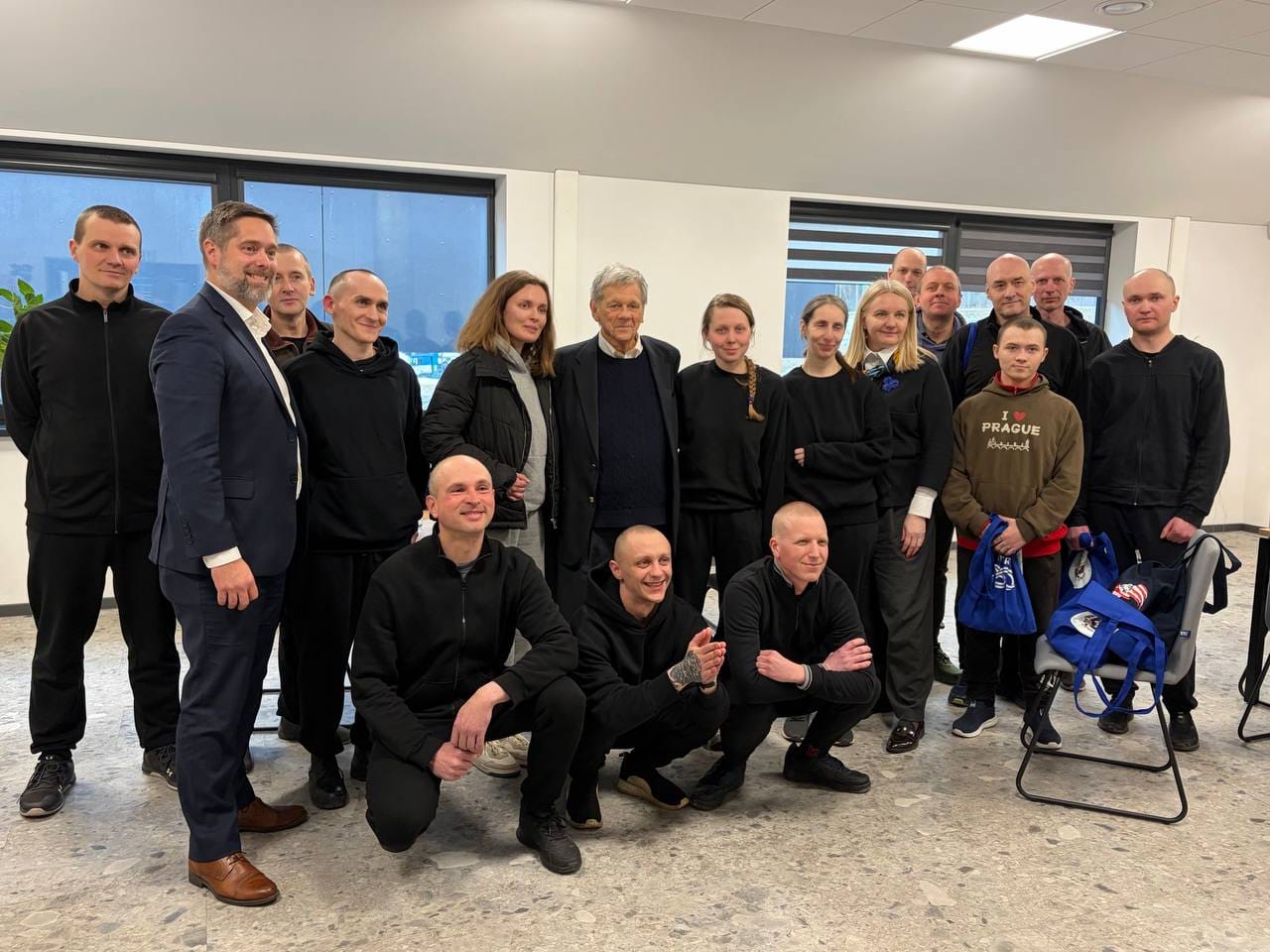
The most recent release of political prisoners in Belarus took place on March 19, when the press service of Alexander Lukashenko reported the pardon of 250 people — fifteen of whom were deported, according to the human rights center Viasna. In what has become a familiar pattern, the release coincided with the visit of a U.S. delegation to Minsk. Both the September release of 52 prisoners and the December release of 123 coincided with similar visits. Also as in both of those cases, Washington reciprocated by easing its sanctions pressure on Minsk.