Kremlin spokesman Dmitry Peskov confirmed earlier today that Russia and Serbia have agreed to extend supplies of Russian gas, according to a report by the news agency Interfax. As noted by Reuters, although Belgrade has sought to diversify its sources of supply by buying gas from Azerbaijan and liquefied natural gas from terminals in Greece, cheaper imports of Russian gas cover up to 90% of Serbia's needs.
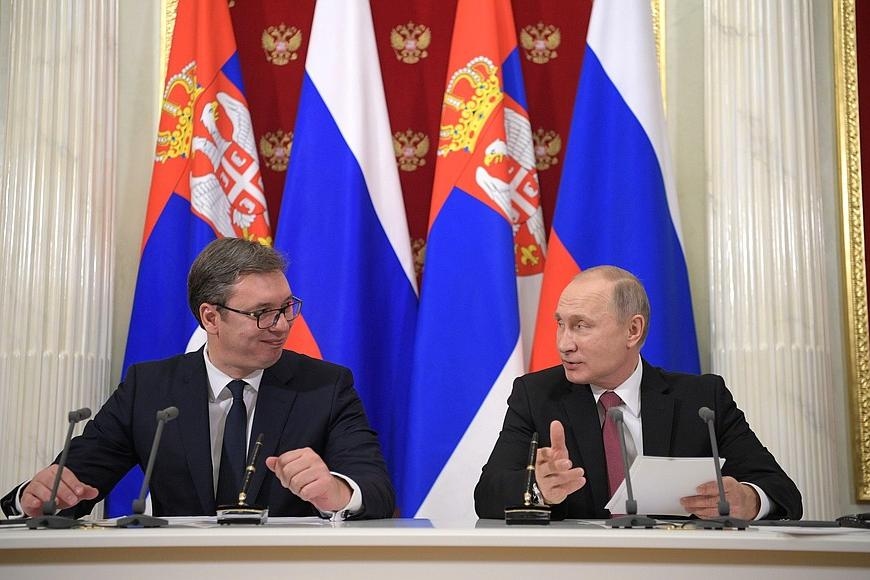
Earlier on Monday, Vladimir Putin and Serbian President Aleksandar Vučić held a “constructive” phone call in which they discussed bilateral ties, including those in the energy, oil and gas, and nuclear sectors. Following the call, Vučić said he had agreed to extend the gas supply contract with Russia for three months on favorable terms and claimed Serbia would become the second- or third-cheapest country in Europe in terms of natural gas prices for consumers.
“It was very important for me, and I thanked President Putin for this, that we received another three-month extension of the gas contract on very favorable terms,” Vučić told reporters in Belgrade. “We…pay between $320 and $330 (per 1,000 cubic meters). So the extension is, under the same conditions, 6 million cubic meters of gas per day…and if more gas is needed, it will allow us that kind of flexibility,” the Serbian president explained.
Last month, Vučić said Serbia, which is seeking membership in the European Union, wants to diversify its energy supplies away from Russia, aiming to secure about 20% of its needs through the EU’s joint gas-purchasing program, which it joined last year. However, in recent weeks the U.S.-Israeli war against Iran has left Europe with little spare capacity. On March 20, Serbia cut excise duties on crude oil in an effort to calm the domestic market and soften the impact of the conflict.
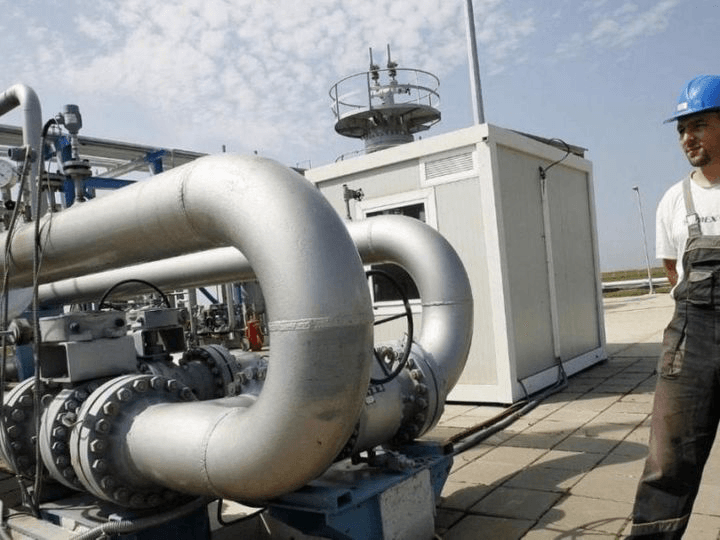
Serbia’s state gas company, Srbijagas, imports gas from Russia’s Gazprom. The two companies jointly own a gas storage facility with a total capacity of 450 million cubic meters in the town of Banatski Dvor in northern Serbia.
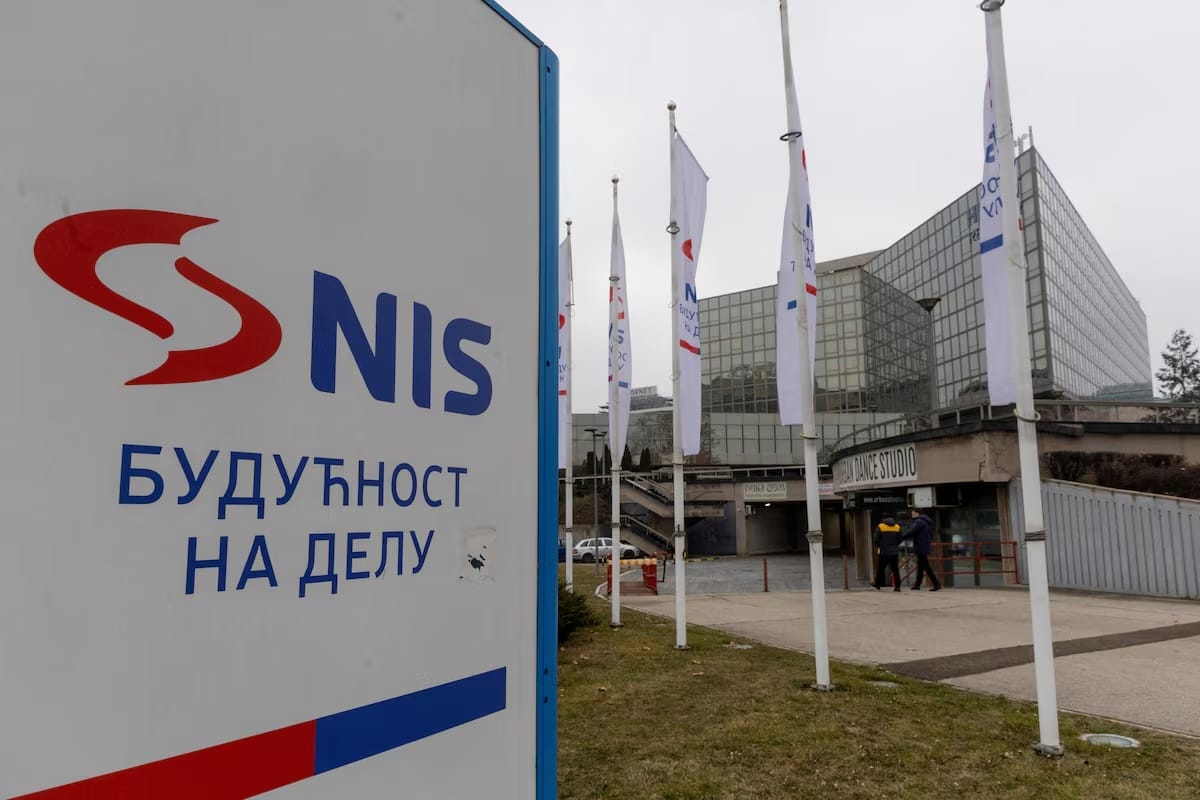
Serbia also pays for additional gas storage in neighboring Hungary. Gazprom and its subsidiary Gazprom Neft, with 44.9% and 11.3%, hold a majority stake in Serbia’s U.S.-sanctioned oil company Naftna Industrija Srbije (NIS), though they are required to divest by May 22.
On Jan. 19, Hungary’s MOL and the UAE’s ADNOC signed an agreement with the Russian companies to buy their stakes in NIS, pending approval from the U.S. Treasury Department’s Office of Foreign Assets Control. The deal with the Russian company would grant MOL control of Serbia's only oil refinery, located in Pancevo.