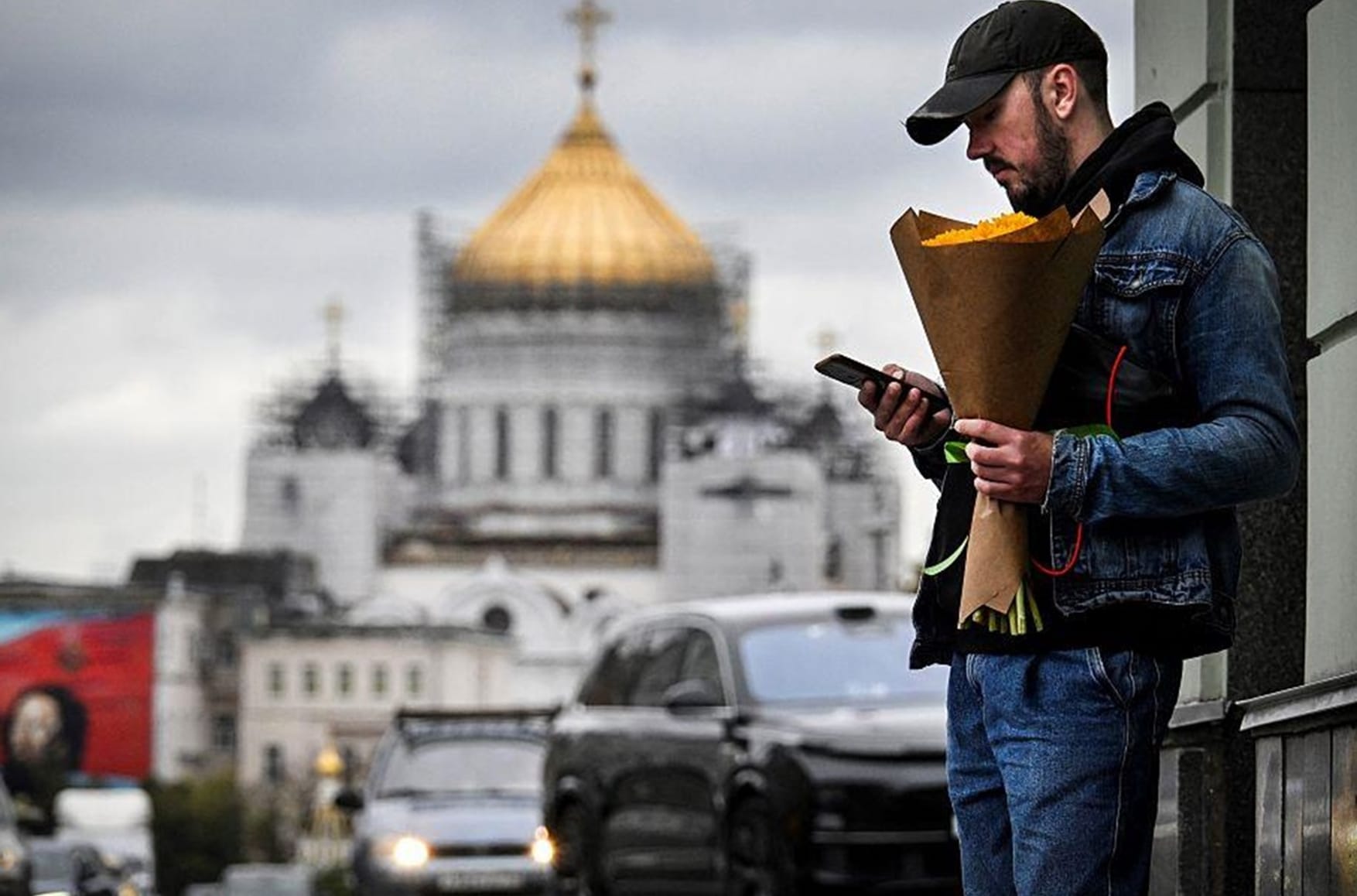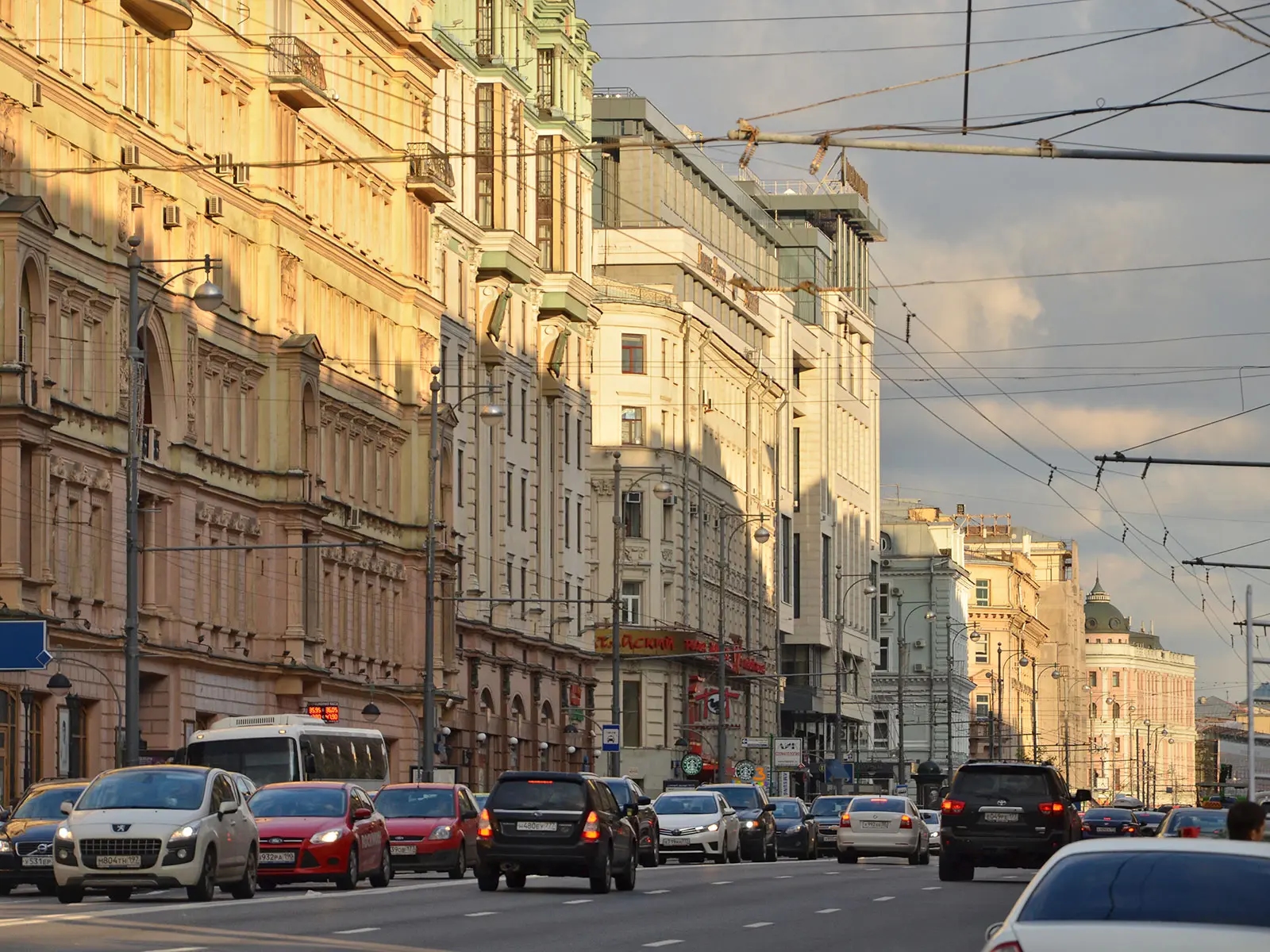
After more than two weeks of restrictions, mobile internet has begun working again in central Moscow, according to media reports and multiple eyewitness accounts (1, 2, 3). Locals say the network is now working uninterrupted in multiple areas including Arbat Street, Tverskaya Street, and the Boulevard Ring. The Russian authorities have not yet officially commented on the development.
Mobile operators had previously said access restrictions were implemented as “security measures.” In some areas, subscribers could access only websites from a “white list” of pre-approved resources, which included state online services, the websites of some banks, marketplaces, and pro-government media outlets.
A day earlier, analysts also recorded improved access to Telegram in Russia after the messaging app had been almost completely blocked across the country. According to the international research project OONI, anomalies in the use of the service stood at 51% on Monday, down from nearly 80% at the end of last week. In comments to The Insider, cyber lawyer Sarkis Darbinyan said the return of mobile internet in Moscow and improved access to Telegram were unlikely to be connected.
“Telegram runs on its own MTProto protocol, which the authorities have learned to detect quite successfully. Once its traffic is identified by signature, the TSPU system begins dropping every second or third data packet, which is felt as slowing and the inability to use some functions. In this context, accessibility means that TSPU is letting through somewhat more incoming and outgoing messenger packets. Users may feel this in the sense that some messages and attachments are going through a little better than they were a week or two ago. There is no objective way to measure this. TSPU systems are black boxes. Neither the operators themselves, nor certainly public organizations, know what is happening inside them. There is still no fundamental research allowing anyone to say that any actions by services or users themselves can overload the system. Obviously, any filters are finite and a system can be overloaded. But we have no objective data showing that the TSPU system is already choking.
A mobile internet shutdown and the throttling of a messenger through TSPU are two different processes, carried out by different bodies and for different purposes. The first is done by the FSB, the second by Roskomnadzor. The first still appears to be a temporary measure, the second a permanent one. Internet access in Moscow was restored not because the TSPU system is overloaded, and not at all because the state lacks the ability to keep blocking messengers. The internet was switched back on because, most likely, the FSB decided the threat was gone. What threat the chekists feared, we still do not know. Maybe it really was drones, or maybe something else,” the expert said.
As previously reported by the newspaper Kommersant, the first five days of shutdowns in Moscow alone caused losses worth billions of rubles, with small and medium-sized businesses hit hardest.