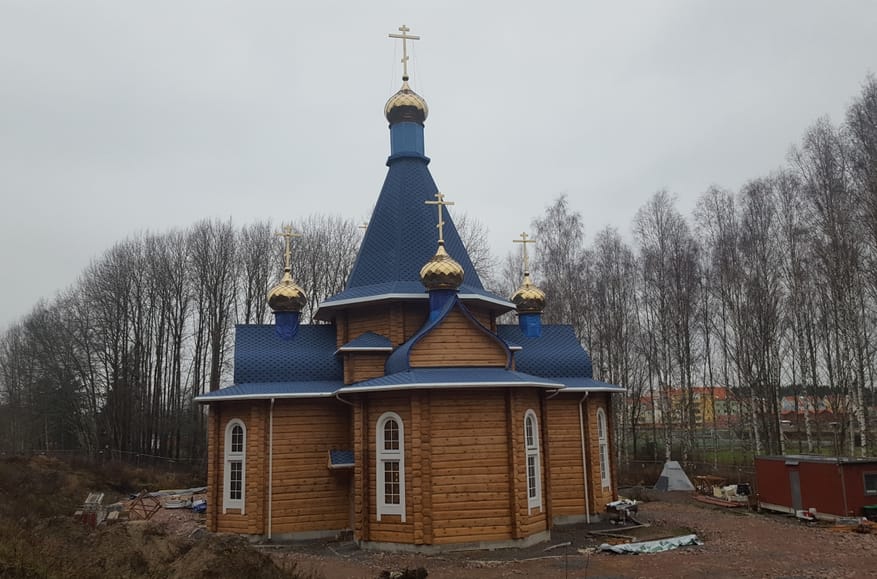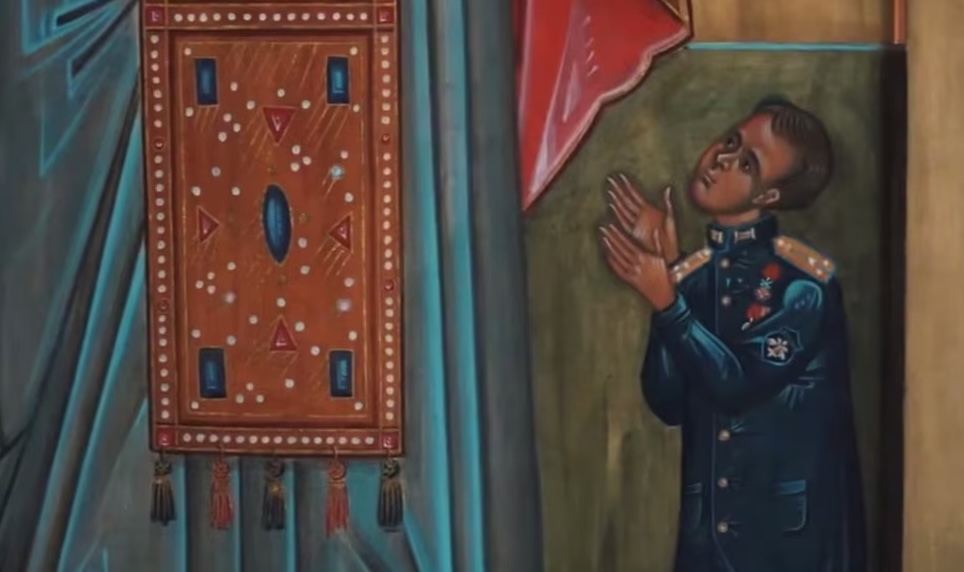
Two donated icons have appeared at the Church of Cosmas and Damian from Primostye in the city of Pskov showing real-life paratroopers from Russia’s 76th Air Assault Division who were killed in 2023 as part of Russia’s full-scale invasion of Ukraine. Pskov Region Governor Mikhail Vedernikov reported the news on his Telegram channel, urging residents to come pray “for all our warriors,” according to a report by the Radio Free Europe/Radio Liberty project Sever.Realii. One icon shows Senior Warrant Officer Nikolai Savchenko next to St. Nicholas of Mozhaysk, and another shows Senior Lieutenant Ruslan Sheyka next to the hieromartyr Rusticus of Paris.
The icons were painted on commission for Pskov City Duma MP and businessman Denis Ivanov, who paid for the work himself after personally coming up with the concept. He said four icons were originally planned, but the families of two other fallen soldiers did not provide photographs. Both of the commemorated servicemen served in the Pskov-based 76th Air Assault Division and took part in the invasion from its very first day. Sheyka was killed in August 2023 in Ukraine’s Luhansk Region, while Savchenko died in September of that year in the Zaporizhzhia Region.
From a formal canonical perspective, the images do not violate church rules. The paratroopers are shown without halos and at a smaller scale, in the customary donor position reserved for benefactors or those being prayed for. But experts cited by the outlet said the Pskov icons differ in a key way from historical examples. Sergei Chapnin, communications director at Fordham University’s Orthodox Christian Studies Center, said such portrayals traditionally reflected personal piety, while these fit a state-mobilization narrative that places political loyalty over sacrality.
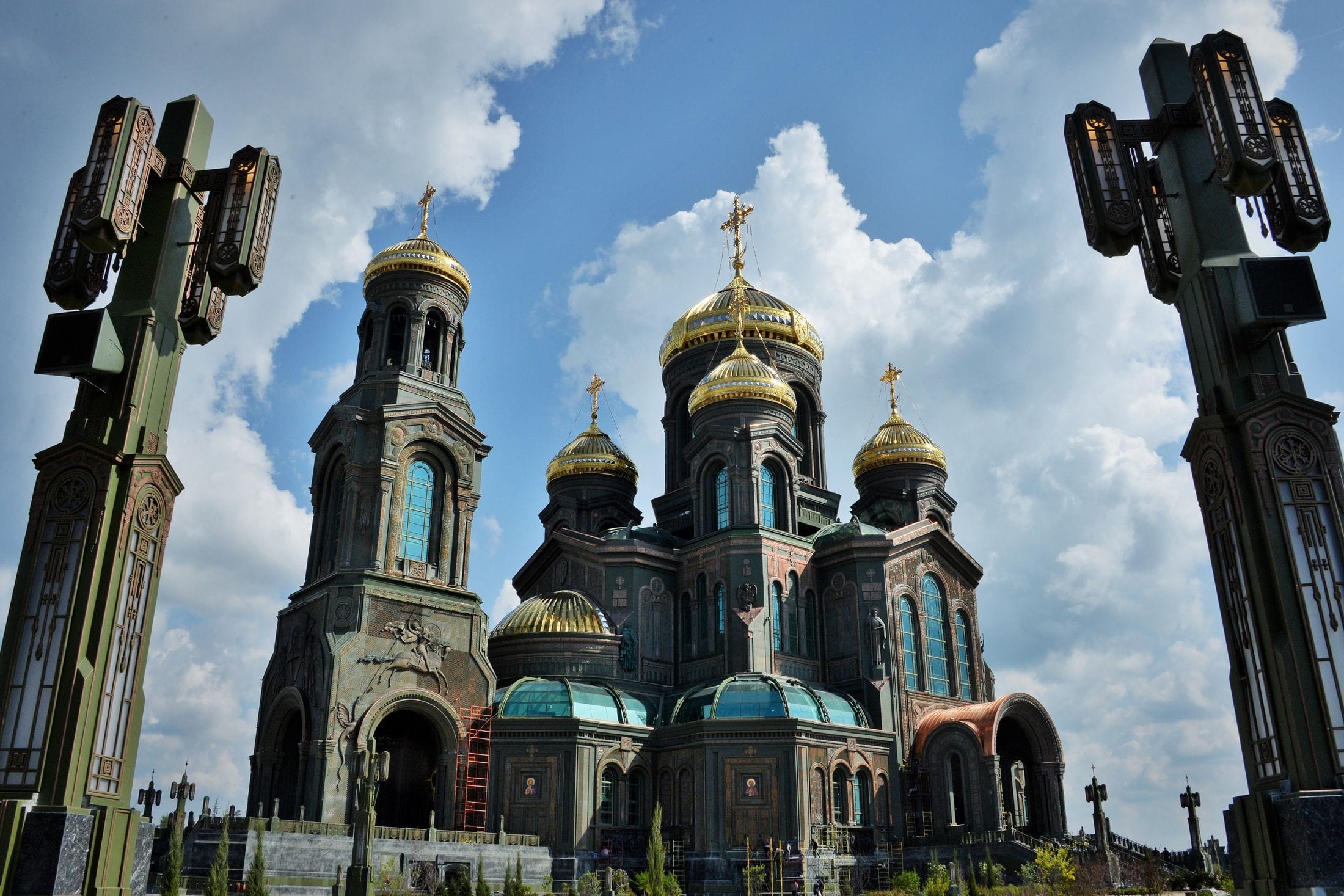
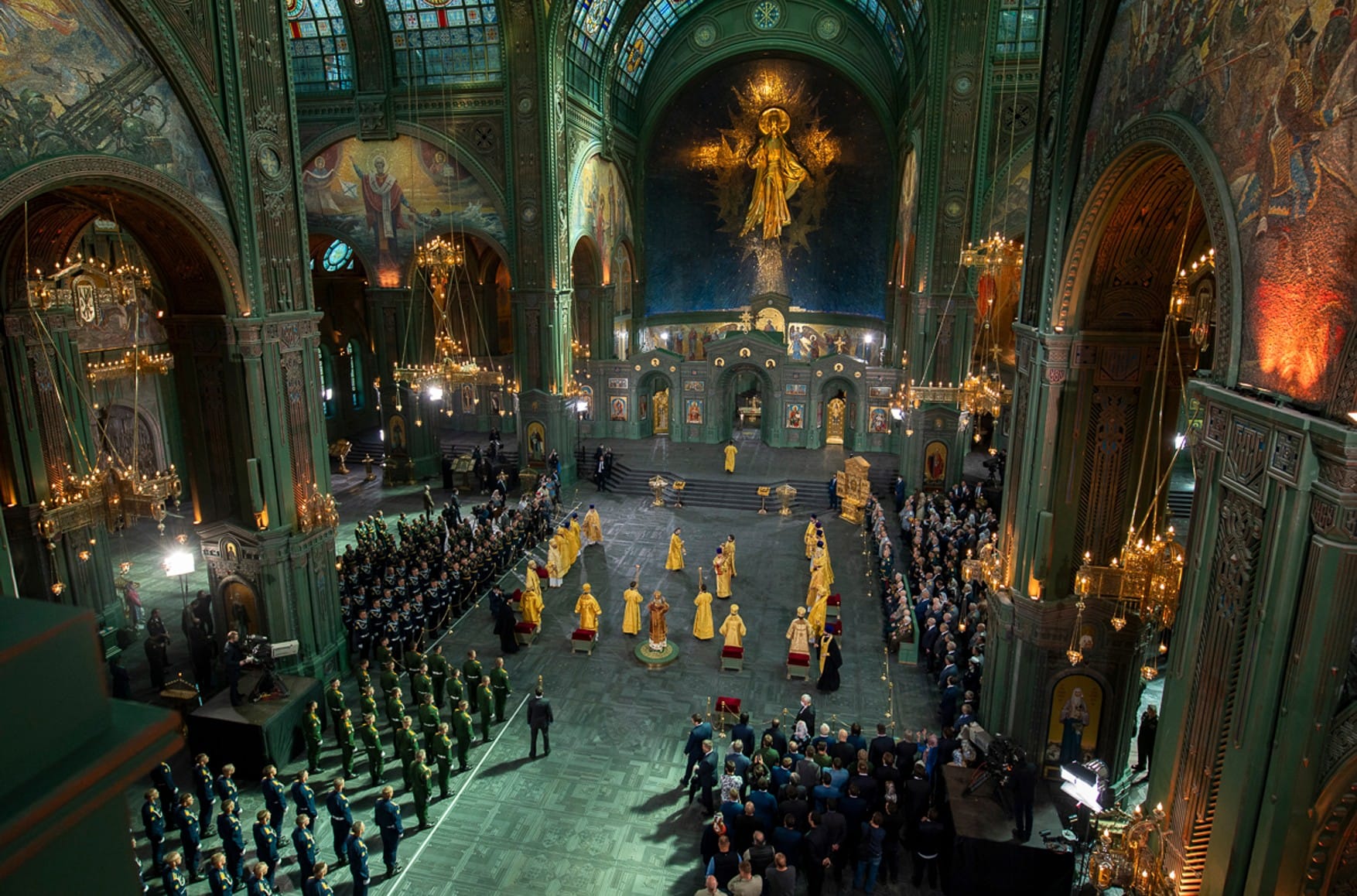
Orthodox priest and theologian Andrei Kordochkin said the Pskov icons are a continuation of the theme started by the mosaics in Moscow’s Main Cathedral of the Russian Armed Forces — but that the new iterations go further. For the first time, he said, the sacred space includes images of specific, named participants in the current war. He said this fits the narrative of church hierarchs who equate soldiers’ deaths with martyrdom, effectively sacralizing them. “The paradox is that this is effectively about a new religion, in which the state takes on the function of the church,” the theologian said, adding that the separation between church and state in Russia effectively no longer exists.
At the same time, both experts believe the icons depicting the paratroopers are unlikely to remain in the church for long. As a practicing icon painter who asked to remain anonymous noted, the Christian tradition has long had a tradition of repainting images when their content no longer corresponds to current circumstances. Kordochkin agreed, saying that if trials of war criminals begin, the icons will disappear “rather quickly.”