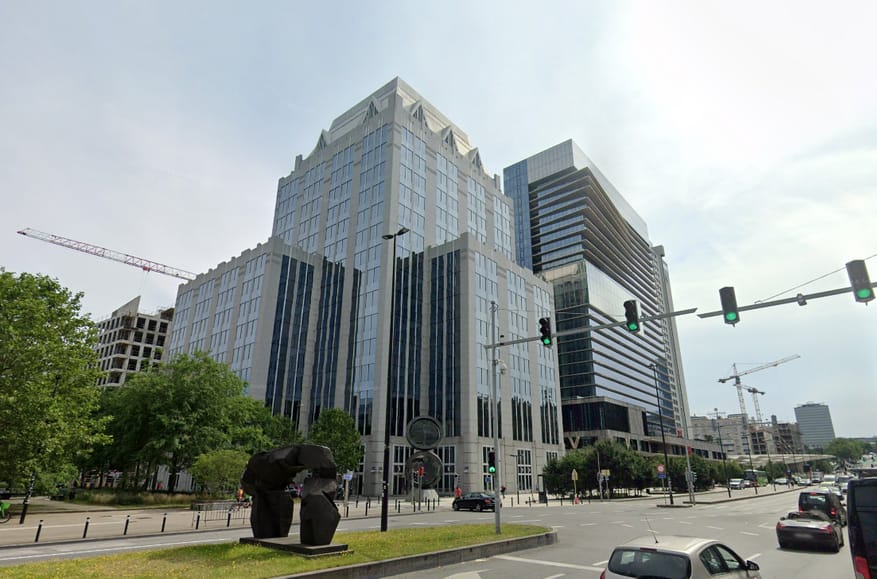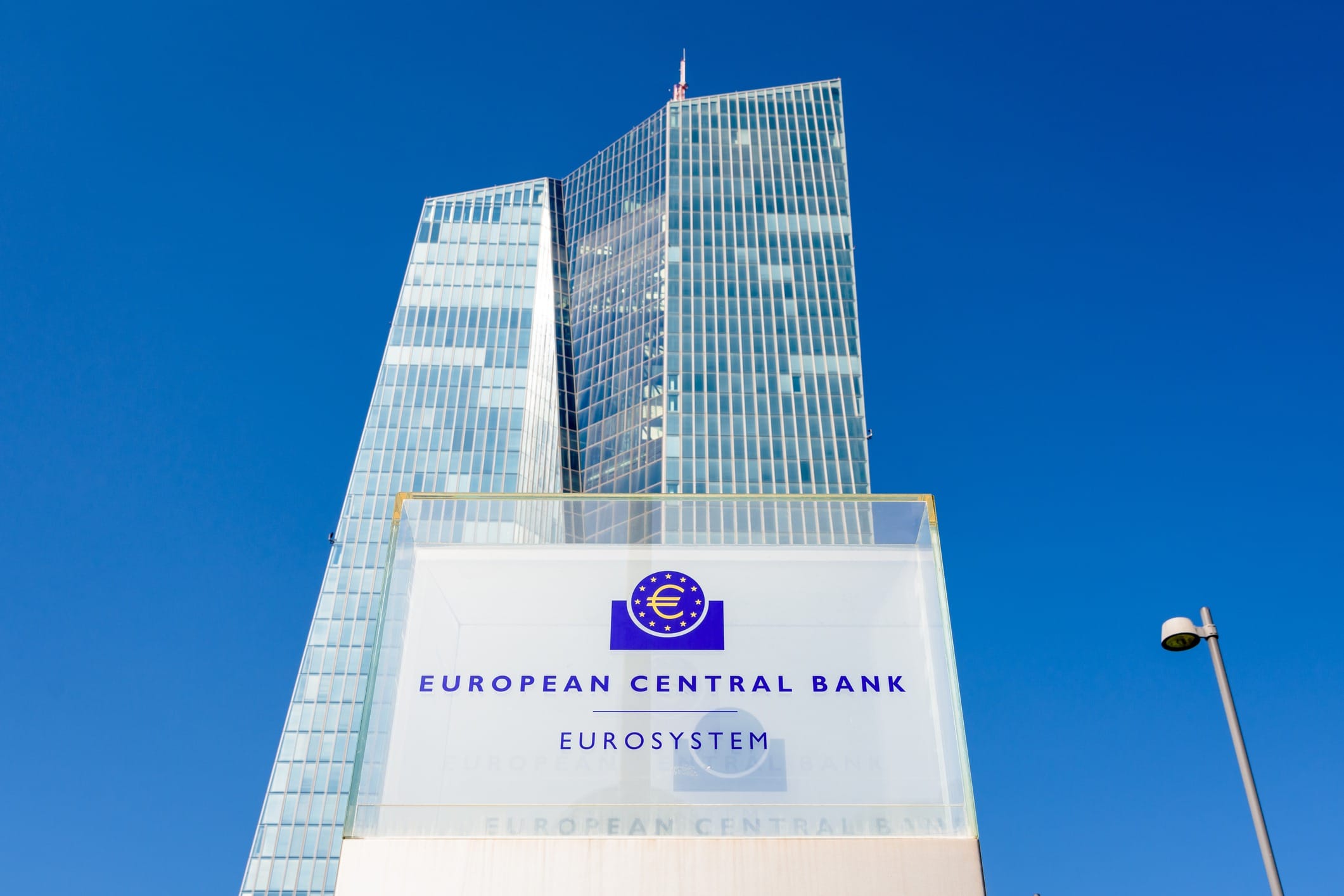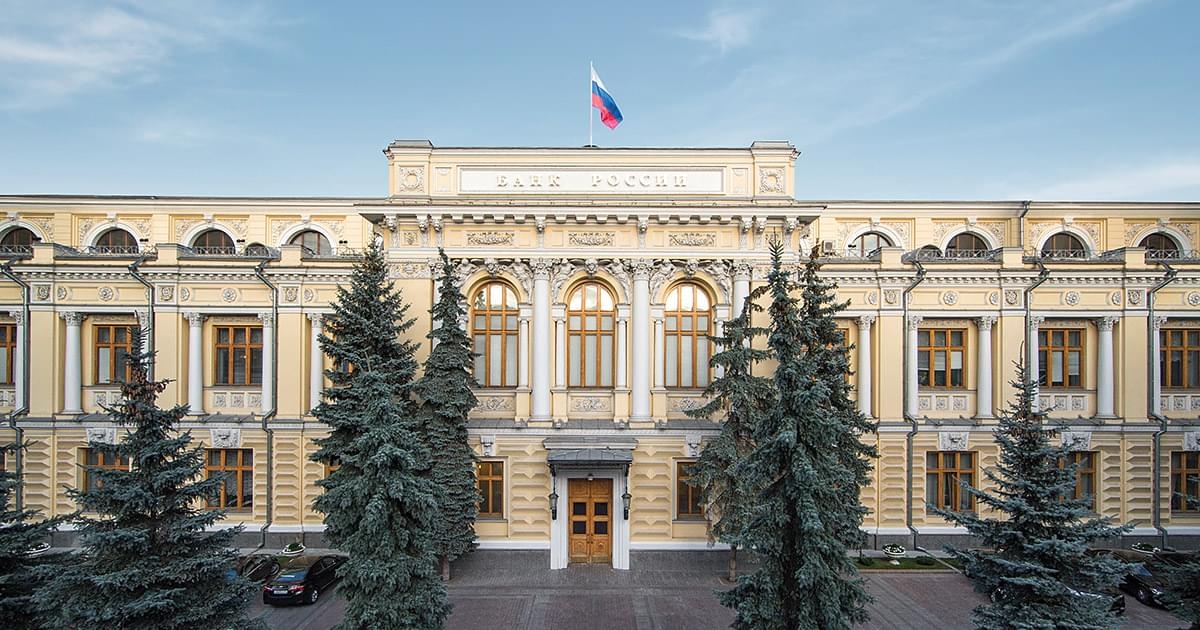
On Feb. 27, the Bank of Russia filed a lawsuit with the General Court of the European Union in Luxembourg seeking to have the freezing of Russian assets in the EU declared unlawful. According to a Central Bank news release published on Mar. 3, the suit challenges a regulation adopted by the Council of the European Union on Dec. 12, 2025 to provide for the “temporary” blocking of assets and the “exclusion of the possibility of judicial protection of violated rights to assets.”
According to the Bank of Russia:
“As a result of the adoption of the EU Regulation, among other things, the basic and inalienable rights of access to justice, the inviolability of property, and the principle of sovereign immunity of states and their central banks, guaranteed by international treaties and European Union law, were violated, which contradicts fundamental principles of law and cannot be recognized as compatible with the principle of the rule of law.”
The Council regulation states that the war unleashed by Russia against Ukraine in 2022 caused significant damage to the European Union’s economy. In particular, the war led to disruptions in trade, higher prices for oil, gas, and food, and caused shortages of certain goods.
The document says the freeze on Russian assets “should be maintained as long as the making available of significant financial and other resources to Russia to continue its actions in the context of its war of aggression against Ukraine poses, or threatens to pose, serious economic difficulties within the Union and the Member States and the risk of causing further serious deterioration of the economic situation in the Union and in the Member States persists.”
On Dec. 12, Russia’s central bank said it was filing a lawsuit in the Moscow Arbitration Court against the Belgian depository Euroclear, where most of the central bank’s frozen assets are held. As part of that claim, the Bank of Russia estimated its damages at 18.17 trillion rubles, or about 195.6 billion euros.
European Economy Commissioner Valdis Dombrovskis noted that if Russian authorities seize Euroclear assets located in Russia, the Belgian depository would be able to offset the losses using frozen Russian assets. “EU financial institutions holding these assets are fully protected against legal claims. Under the current sanctions regime, securities depositories can offset any seizure of their assets in Russia using blocked assets held here,” Dombrovskis said.