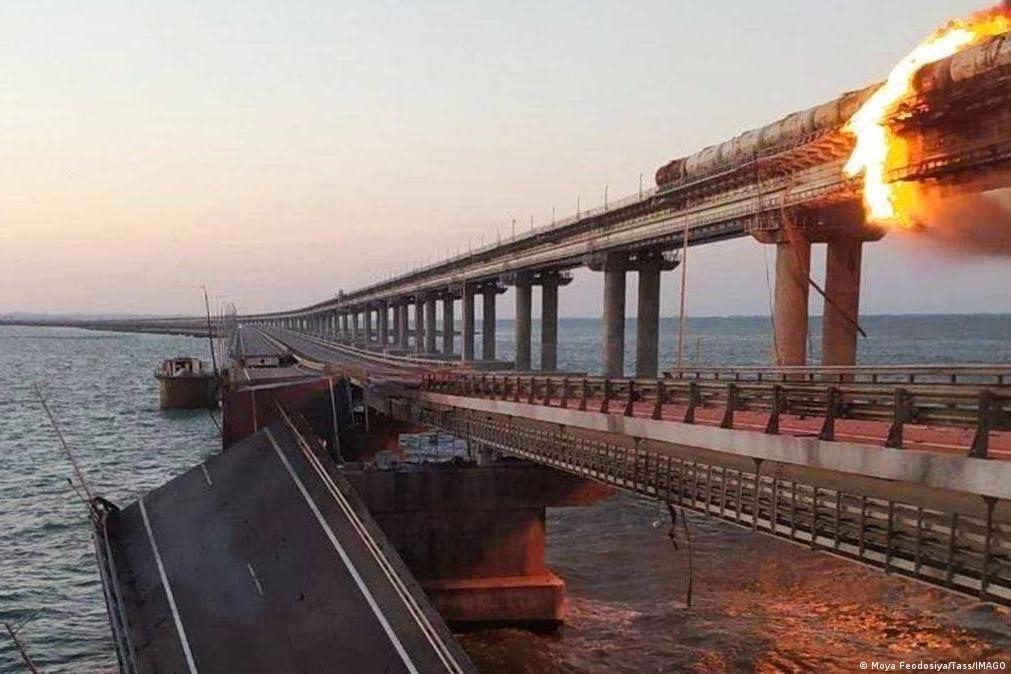
Four years after Ukrainian intelligence services blew up a truck on the Kerch Strait Bridge linking mainland Russia to occupied Crimea, Russian investigators still have not succeeded in establishing what exactly exploded, or how. Based on case materials reviewed by The Insider, instead of conducting real forensic examinations, the security forces simply copied the official statement of Ukrainian intelligence services — and not a single Russian security service or customs officer who allowed the explosive-laden cargo into Russia was held accountable. Meanwhile, a range of ordinary Russians — farmers, logistics workers, and a truck driver who had been unwittingly drawn into a dangerous scheme — were sentenced to life in prison. The Insider spoke with the convicts, who are currently in pretrial detention awaiting appeal.
The top smuggler in Europe
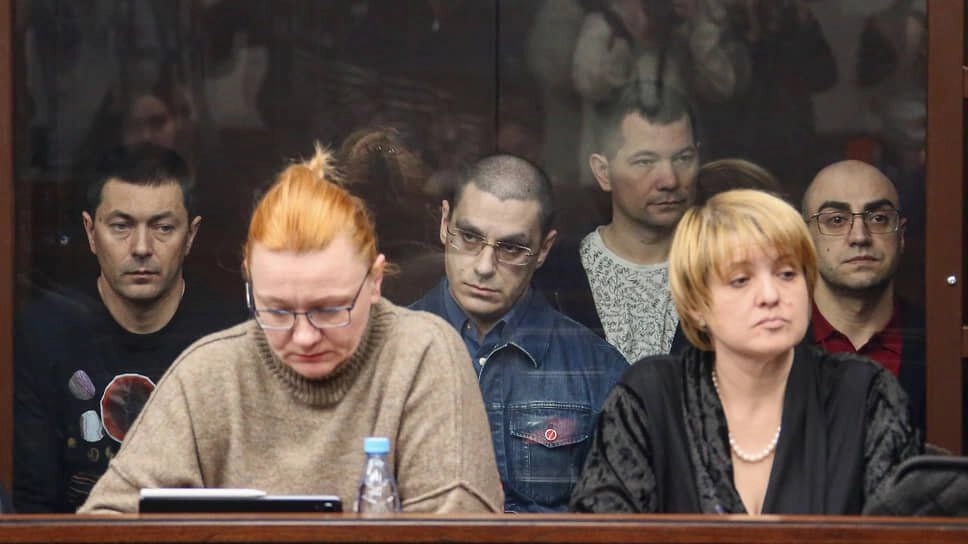
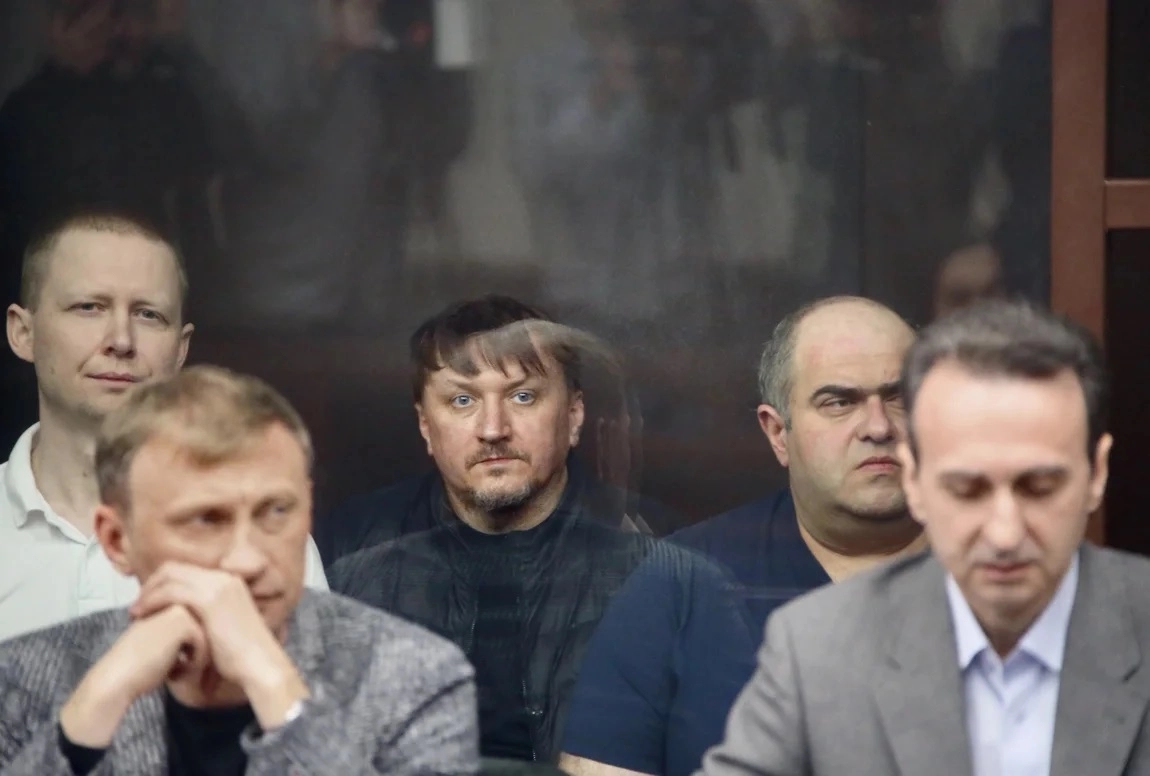
On Nov. 27, 2025, the Southern District Military Court in Rostov-on-Don sentenced eight people to life in prison, describing them collectively as an organized group recruited by the Armed Forces of Ukraine (AFU) to blow up the Kerch Strait Bridge on Oct. 8, 2022, when a truck bomb exploded at 6:03 a.m. Moscow time. The explosives were concealed inside a shipment of polyethylene film. They detonated the morning after Vladimir Putin celebrated his 70th birthday.
The bridge bombing operation was carried out by taxi driver Denis Kovach and his associate, ex-convict and smuggler Mikhail Tsyurkalo. Both men are currently wanted.
Notably, investigators and those convicted describe the initial steps the same way. In the summer of 2022, 55-year-old farmer Roman Solomko found himself in a difficult situation. A year earlier he had ordered an expensive ammonium sulfate processing line from China to be delivered to Kherson through the port of Odesa.
However, after the war began, Solomko and his enterprise, APK Green Line, ended up in the occupied part of the Kherson Region, making that delivery route impossible. After consulting with Crimean businessmen, Solomko decided to bring in the equipment via Georgia — first to the port of Poti, then overland through Crimea to his property in the Kherson Region.
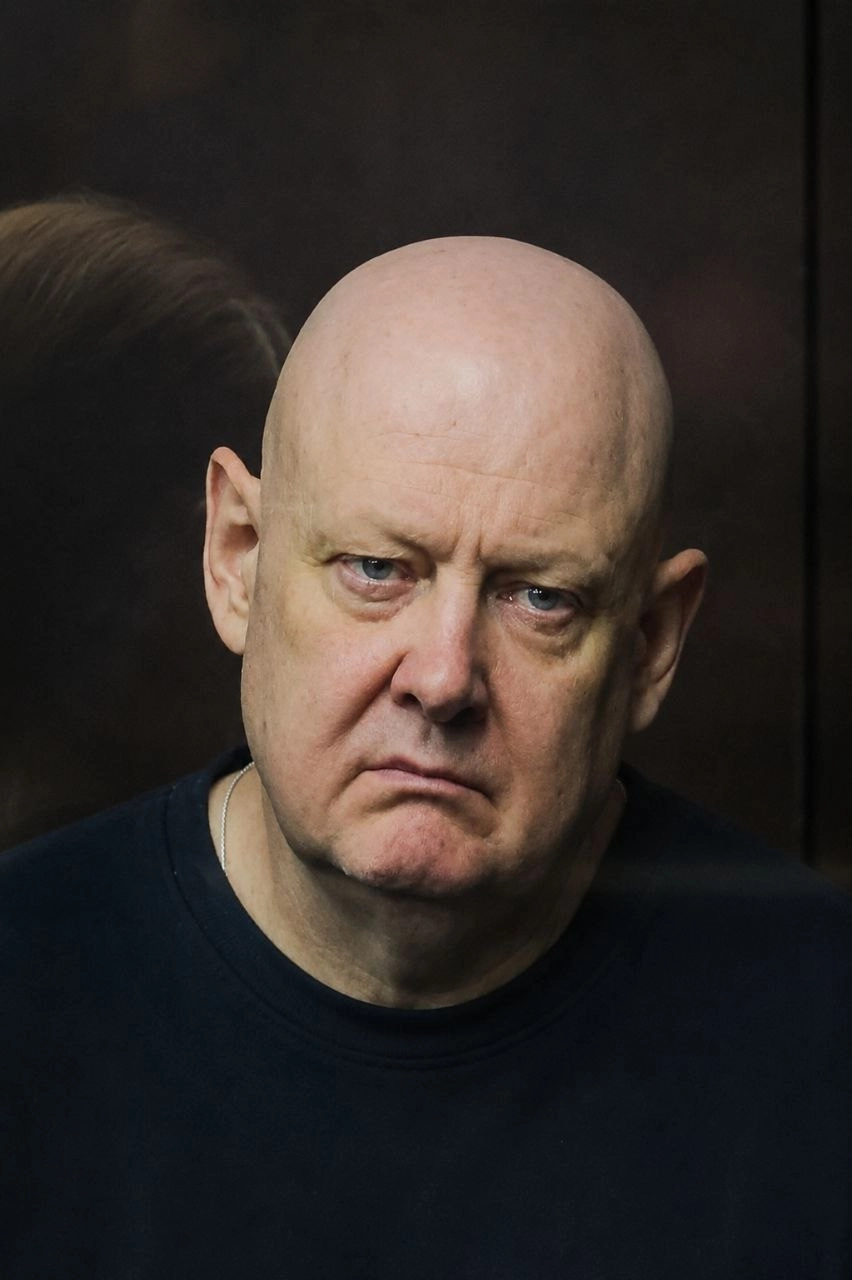
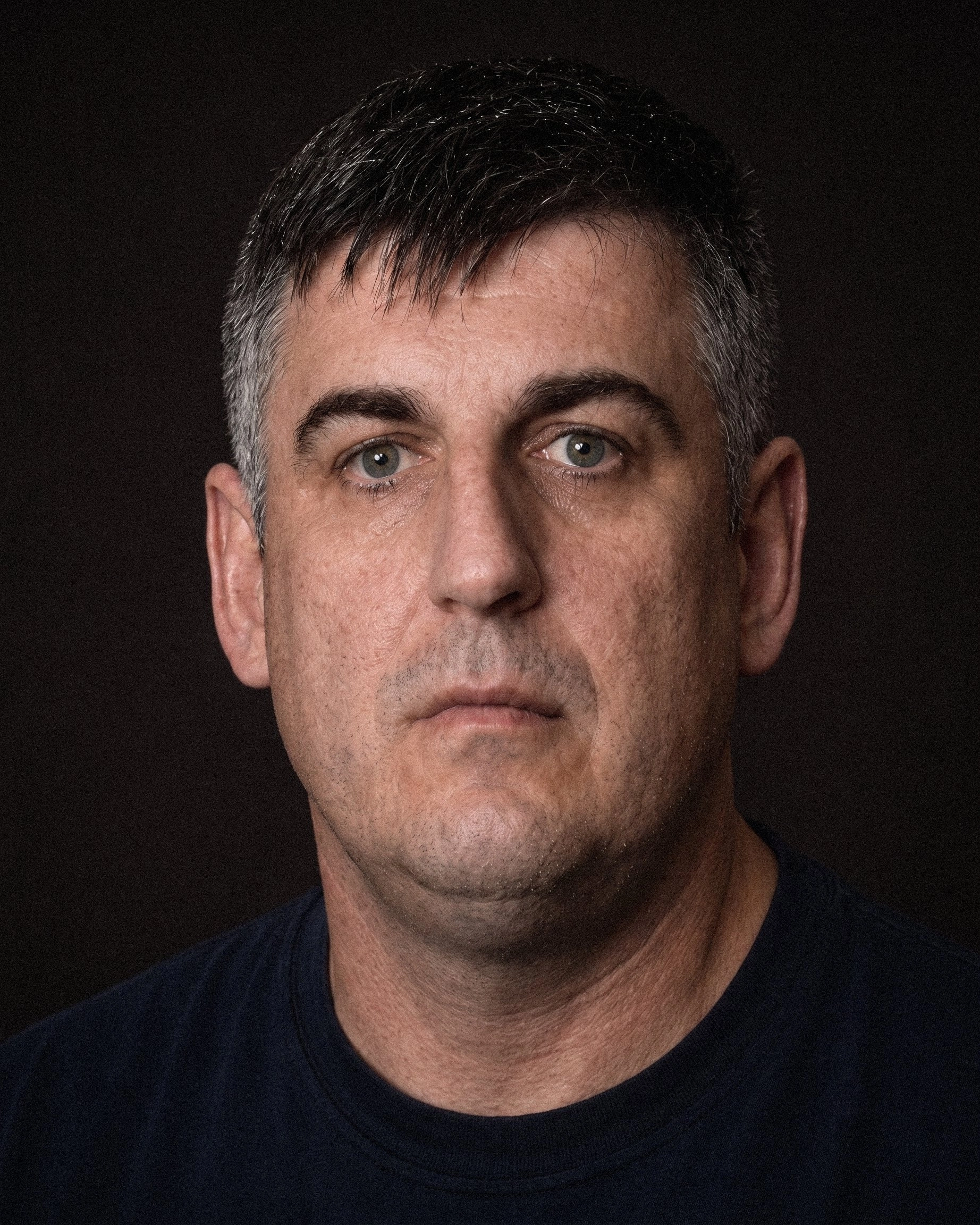
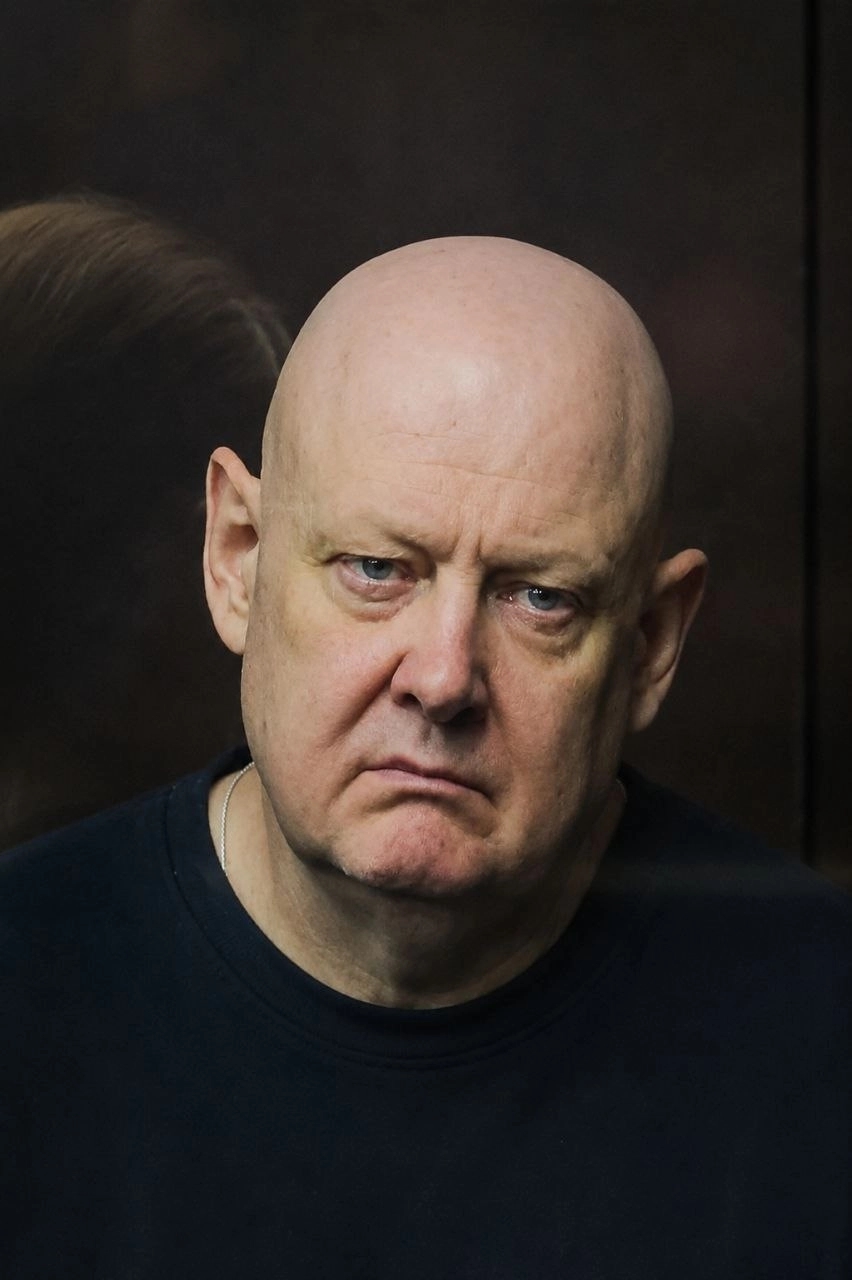
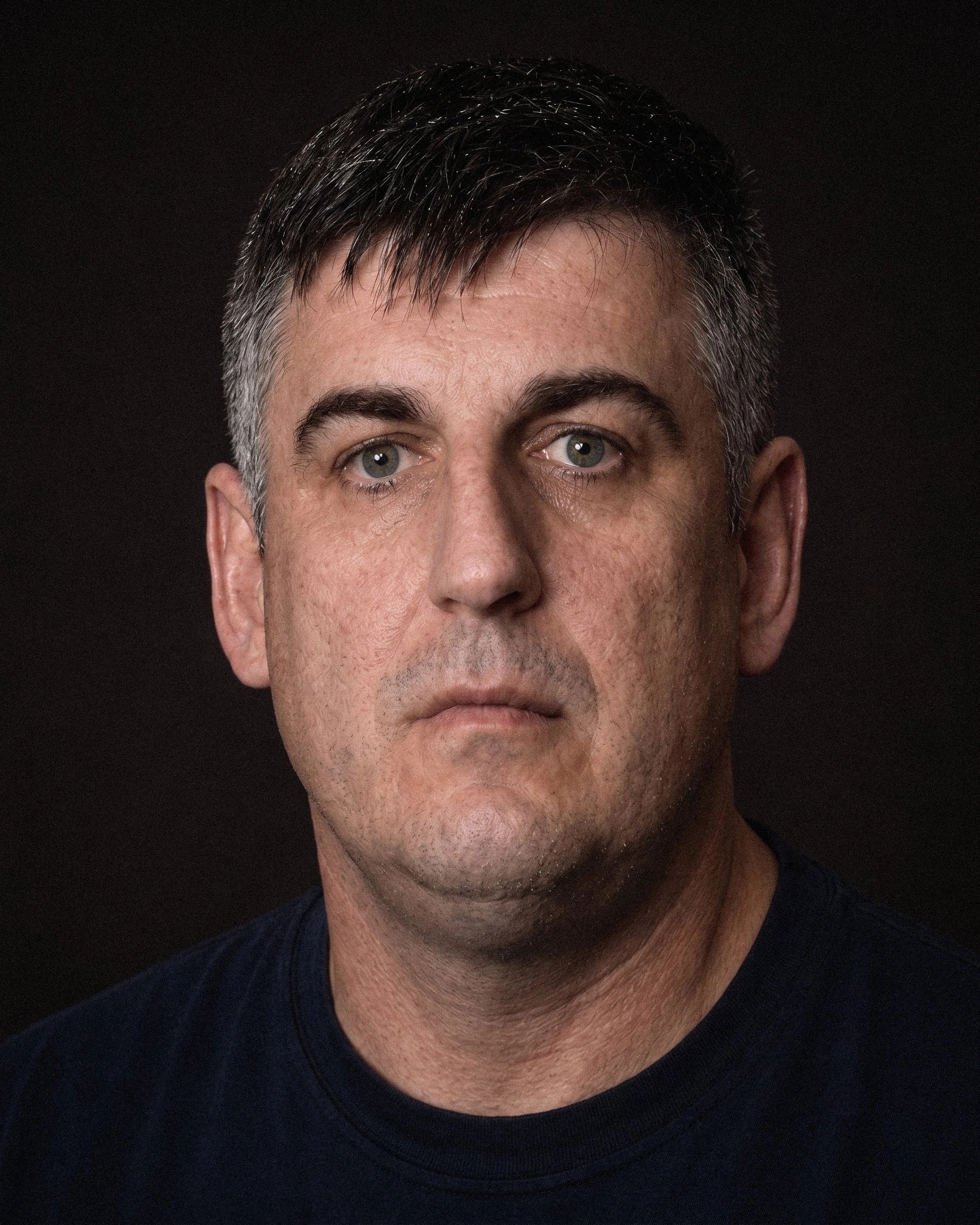
“I went to Georgia with my neighbor Denis Kovach. Kovach had been to Georgia many times, as he was involved in illegally transporting people from Ukraine to Georgia. He could provide physical support,” Solomko said in his first testimony (the transcript is in The Insider’s possession).
As Solomko explained to investigators, his neighbor wasn’t a close friend, but since Kovach worked as a taxi driver, they could at least take turns driving. In addition, Kovach had the experience to be able to back him up in negotiations with Georgian brokers and help with the loading of the equipment line.
“He’s that neighbor who works as a taxi driver. Beer belly, not athletic. Could give you a lift somewhere. His hand was injured in an accident. The man did his job, and I paid him. Kovach was always looking to earn money,” Solomko explained.
But Kovach never once got behind the wheel. He spent several weeks in Georgia living on Solomko’s money and constantly calling his friend Mikhail Tsyurkalo, with whom he had done years of prison time in the Zhytomyr Region. “In Georgia, Denis kept him informed of our every step, every detail — which irritated me enormously,” Solomko later complained during interrogations.
According to database leaks, Tsyurkalo is now 51 years old. In 2005, he was convicted of armed robbery and car theft. Kovach and Tsyurkalo were cellmates in the penal colony for about ten years. According to Solomko’s testimony, Kovach recounted to him how he and Tsyurkalo had organized a plastics recycling operation and a painting workshop behind bars, reportedly earning between $5,000 and $10,000 a month. “The prison warden was on our payroll,” Kovach allegedly boasted to his friend (from the interrogation transcript).
The prospect of clearing the cargo through customs and delivering it to occupied Kherson greatly interested Tsyurkalo. He began persuading Kovach to help him transport several truckloads of construction film to Crimea, saying there was an excellent regular buyer willing to pay good money. Kovach’s cut could be around $3,000 per truck.
According to Solomko, Kovach jumped at the idea of working with his old partner again — and for good money. “About Denis, I can say that he’s lazy, doesn’t like to work hard, was always on the lookout for easy money. Denis is very greedy and brazen. You can’t trust him with serious work — he’s more of an executor than an organizer,” Solomko said about the taxi driver (from the interrogation transcript).
Kovach even talked Solomko into a contact with Tsyurkalo. “Mikhail said he was practically the top smuggler in all of Europe. Clearly he was joking, but apparently he wanted to seem very important,” Solomko told interrogators.
In the end, Solomko gave Kovach the contact details of his Georgian broker, Levan Benashvili, and Kovach set about organizing the film transport.
Tsyurkalo bought Kovach a plane ticket, and Kovach flew to Czechia — to discuss their joint venture with his former partner, whom he hadn’t seen in eight years. Then he went back to Georgia to meet the first truck carrying the film.
A roundabout route
The explosives-laden cargo traveled from Bulgaria to Georgia, then on to Armenia for customs clearance, and then back — in transit through Georgia to the Verkhny Lars crossing. According to the investigation’s theory, this convoluted route was designed by the AFU to obscure the trail and avoid a thorough inspection at the Russian border.
According to one of the convicts, customs clearance in Armenia was indeed easier, as both Armenia and Russia are members of the Eurasian Customs Union. Later in court, several Russian customs officials also confirmed that this had been a normal route at the time.
Solomko’s Georgian connection — broker Levan Benashvili, currently also wanted — handled customs clearance and cargo delivery within Russia. Notably, when he helped Solomko bring his fertilizer processing line into Russia, the order was placed under LLC Leader, registered using fraudulent documents that placed its official address in the bathroom of an office building in Moscow. Benashvili later dispatched the truck from Tsyurkalo in the same way. In the documents, the recipient was also listed as LLC Leader.
The order was placed under a company with a fake registered address located in the bathroom of an office building in Moscow
The bridge bombing operation was carried out on a very tight timeline. It was only in mid-August that Tsyurkalo learned of a possible route, and by September 2022 he had already arranged for the explosives-laden cargo — disguised as polyethylene film — to be delivered to the port of Poti. According to the cover story, Tsyurkalo needed to transport 22 tons of film worth €35,000 to Crimea for a certain “Ivan Ivanych.”
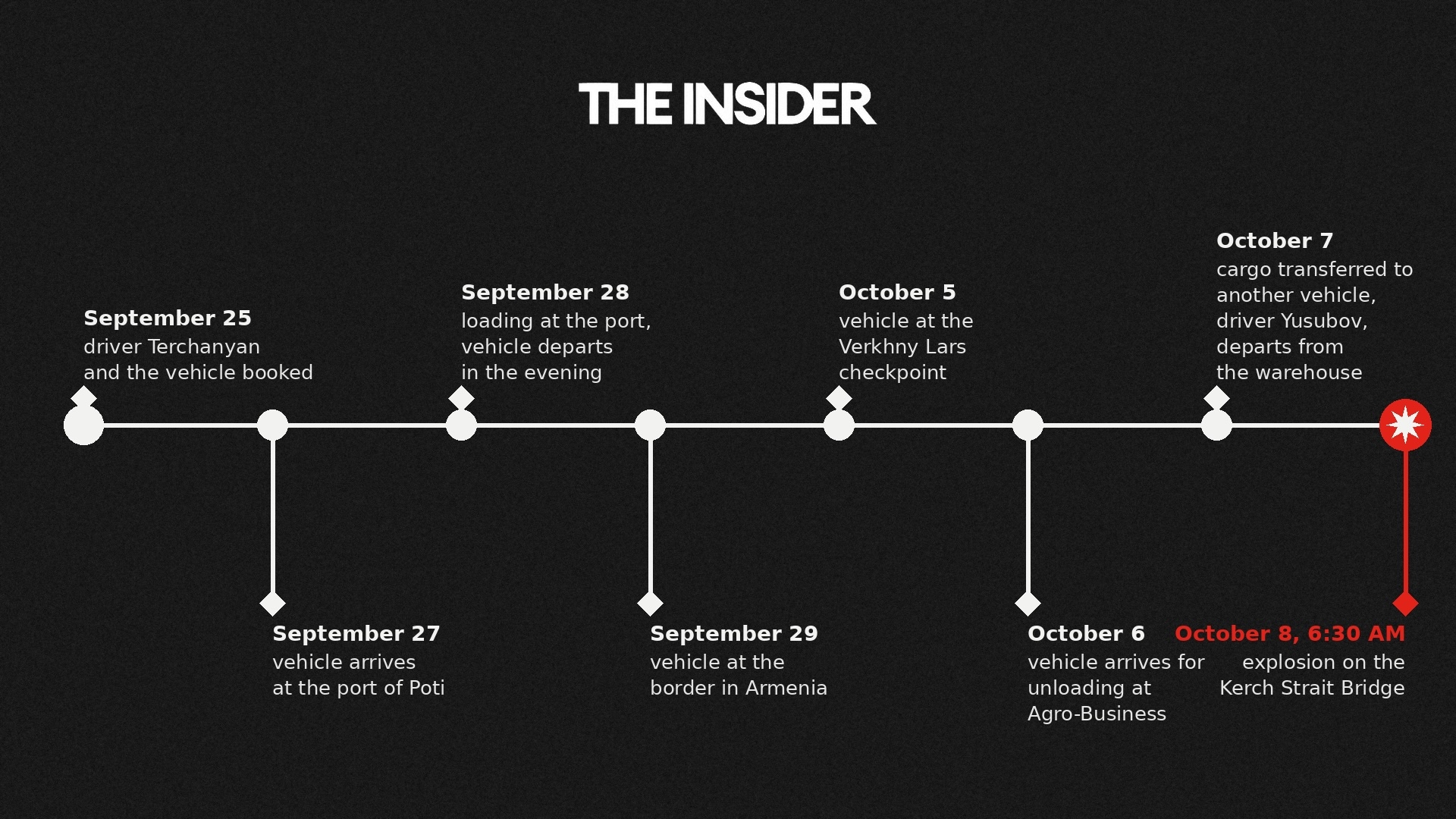
On Sept. 25, the Georgian broker found a driver — 39-year-old Artur Terchanyan, who had dual Armenian-Georgian citizenship. He was born in Armenia, but his family later moved to Georgia due to the Nagorno-Karabakh war. Terchanyan started working as a truck driver at age 19, and from 2008 onward he made regular work trips to Russia.
According to transcripts of messages and voice notes Terchanyan exchanged on WhatsApp with a female dispatcher, various brokers, and farmers, he drove to the border in a laid-back mood, joking and marveling at the enormous queue of a thousand vehicles waiting to exit from the Russian side. At the time, Russia had launched a nationwide mobilization effort, and potential conscripts were fleeing to Georgia through the Verkhny Lars checkpoint.
Terchanyan’s truck was X-rayed and inspected twice: at customs in Armenia and then at the Verkhny Lars checkpoint on the Russian side. Neither time did the cargo raise any suspicion. Upon arriving in the Russian town of Armavir on Oct. 6, Terchanyan even parked the explosives-laden truck right outside his sister’s house, where he spent the night. The following day, he unloaded the goods at the warehouse of the Agro-Business company, owned by brothers Artem and Georgy Azatyan.
The Georgian brokers refused to enter Crimea for political reasons, and so the cargo had to be transshipped in Russia’s Krasnodar Krai. To get help with that leg of the route, Solomko turned to an old friend — farmer Vladimir Zlob from the Kherson region, who had been supplying him with fruit and vegetables and could also help with loading goods. Zlob in turn reached out to businessman Artem Azatyan.
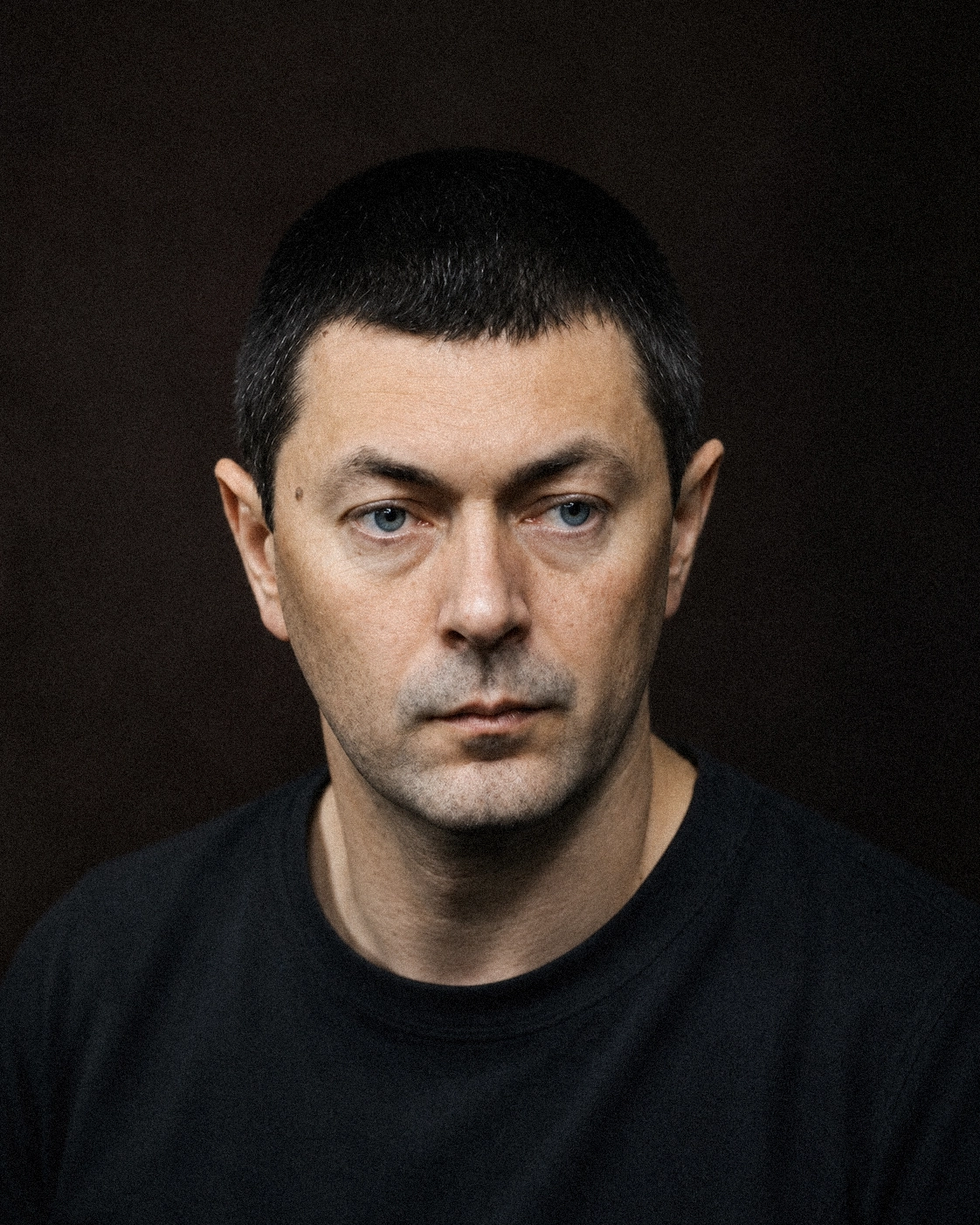
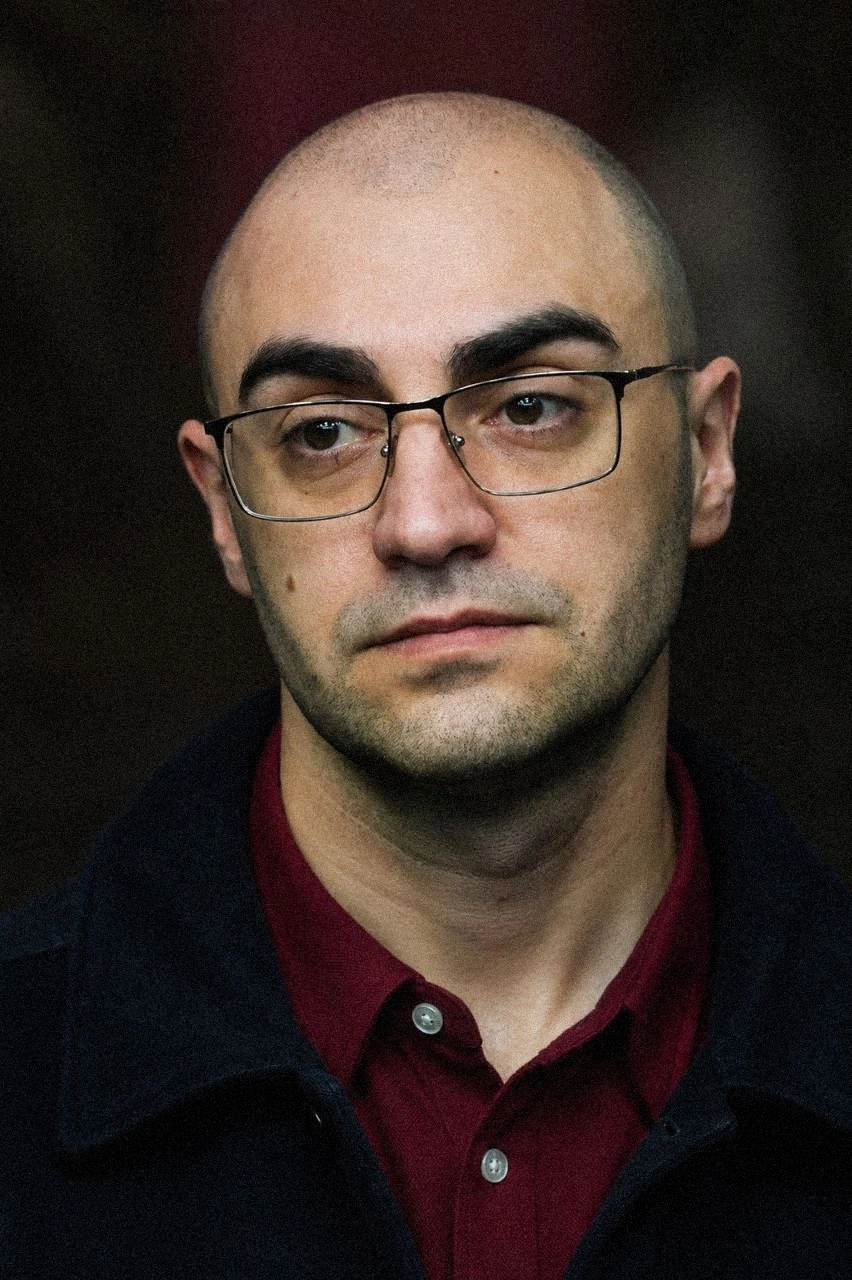
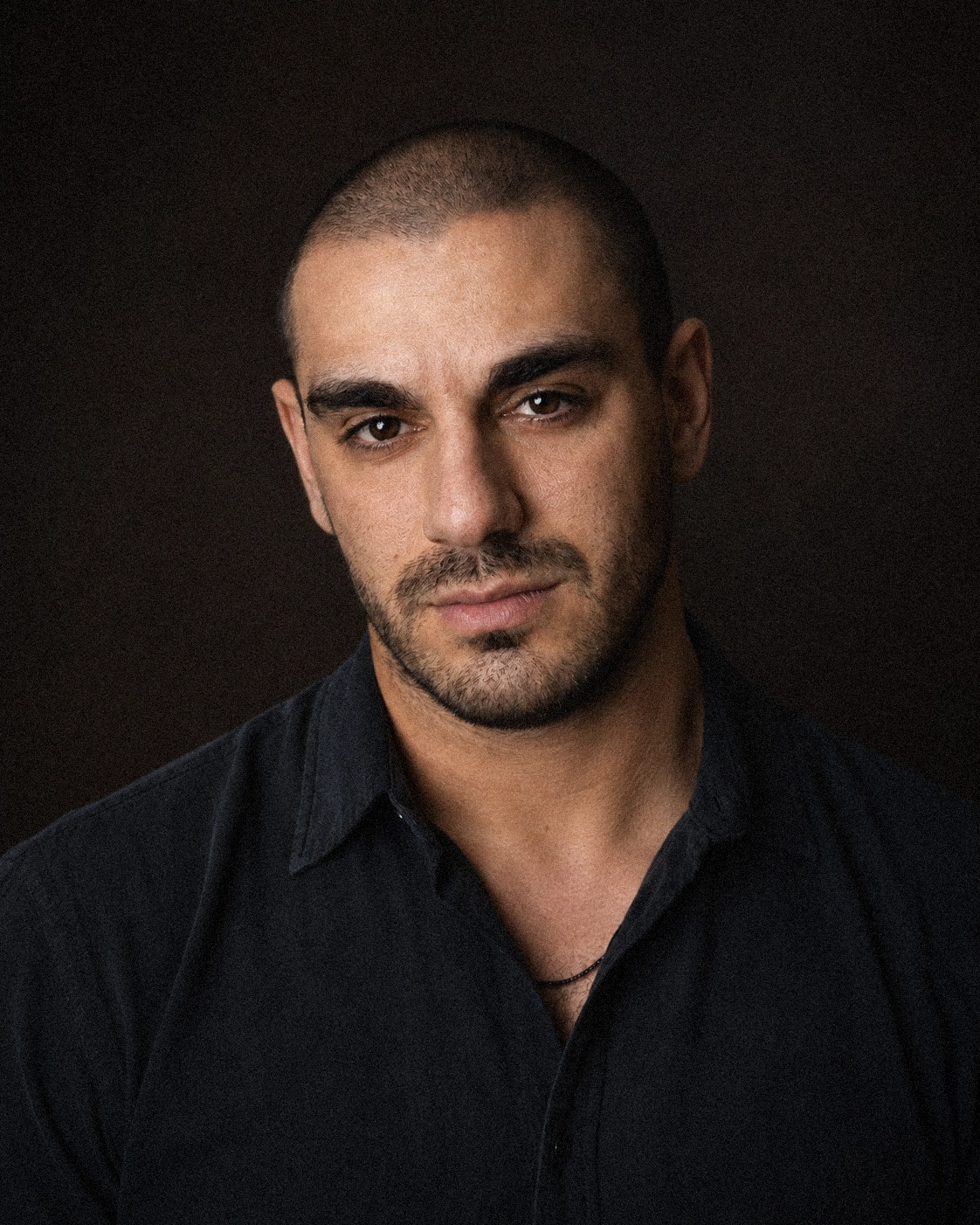
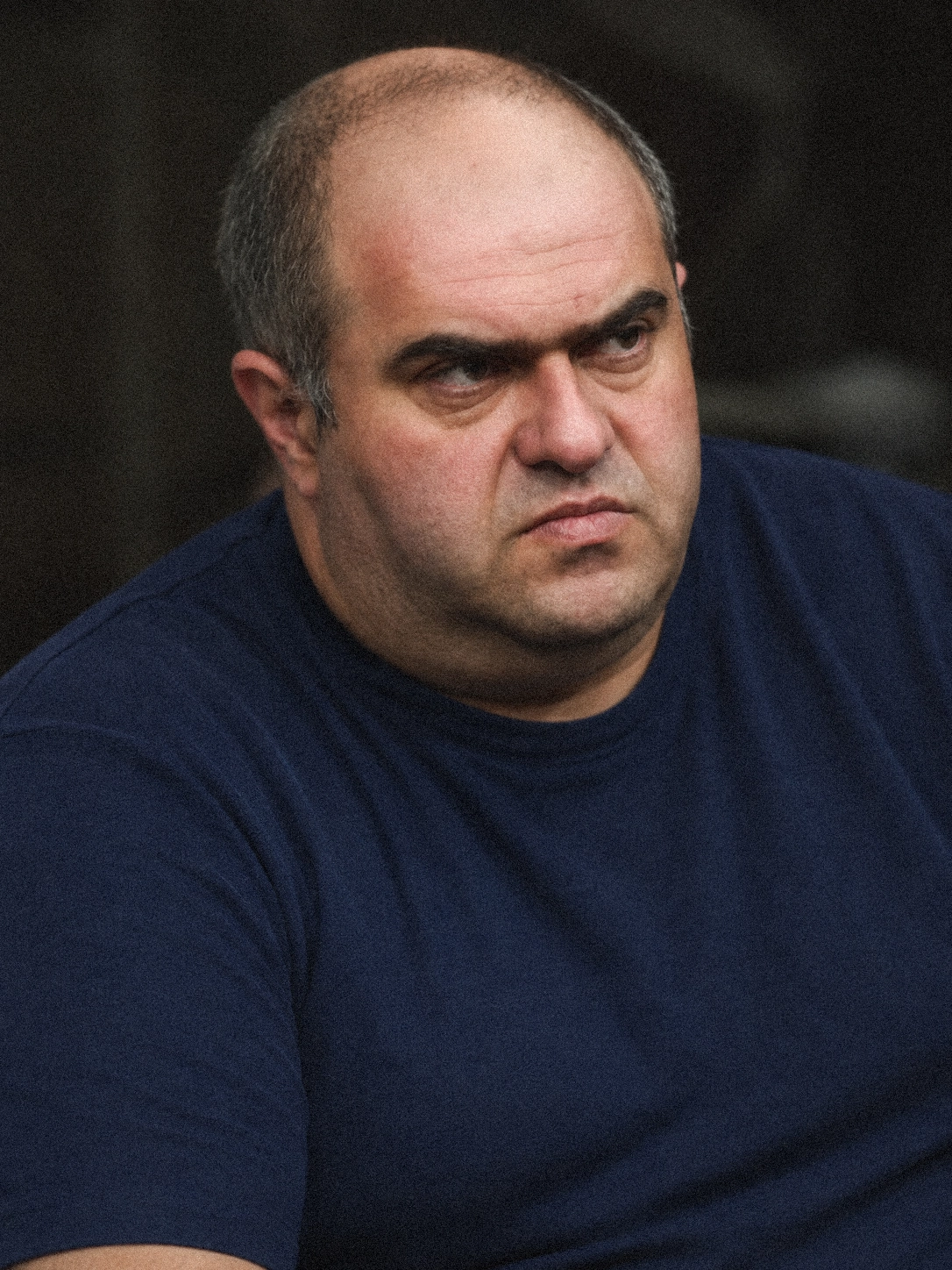
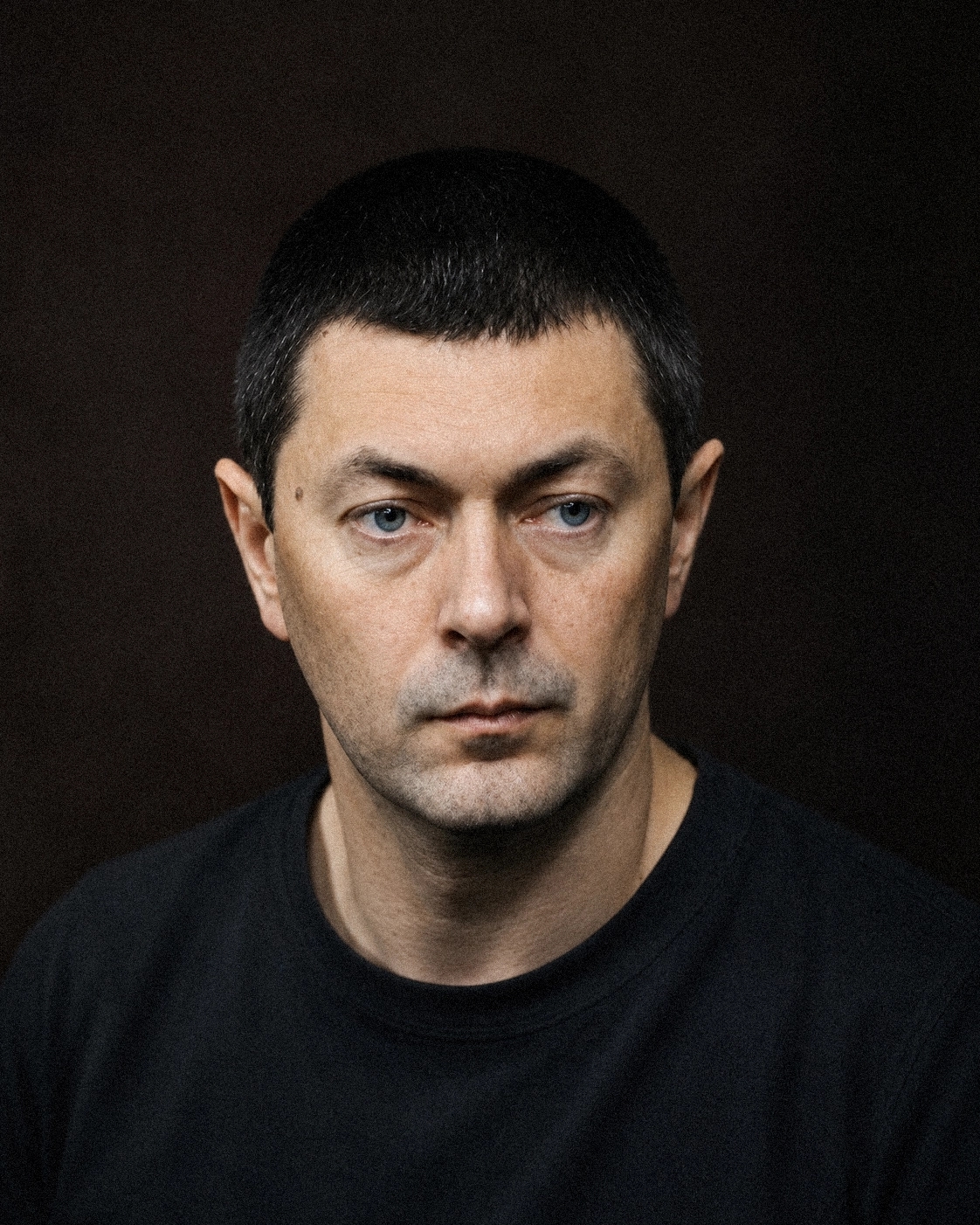
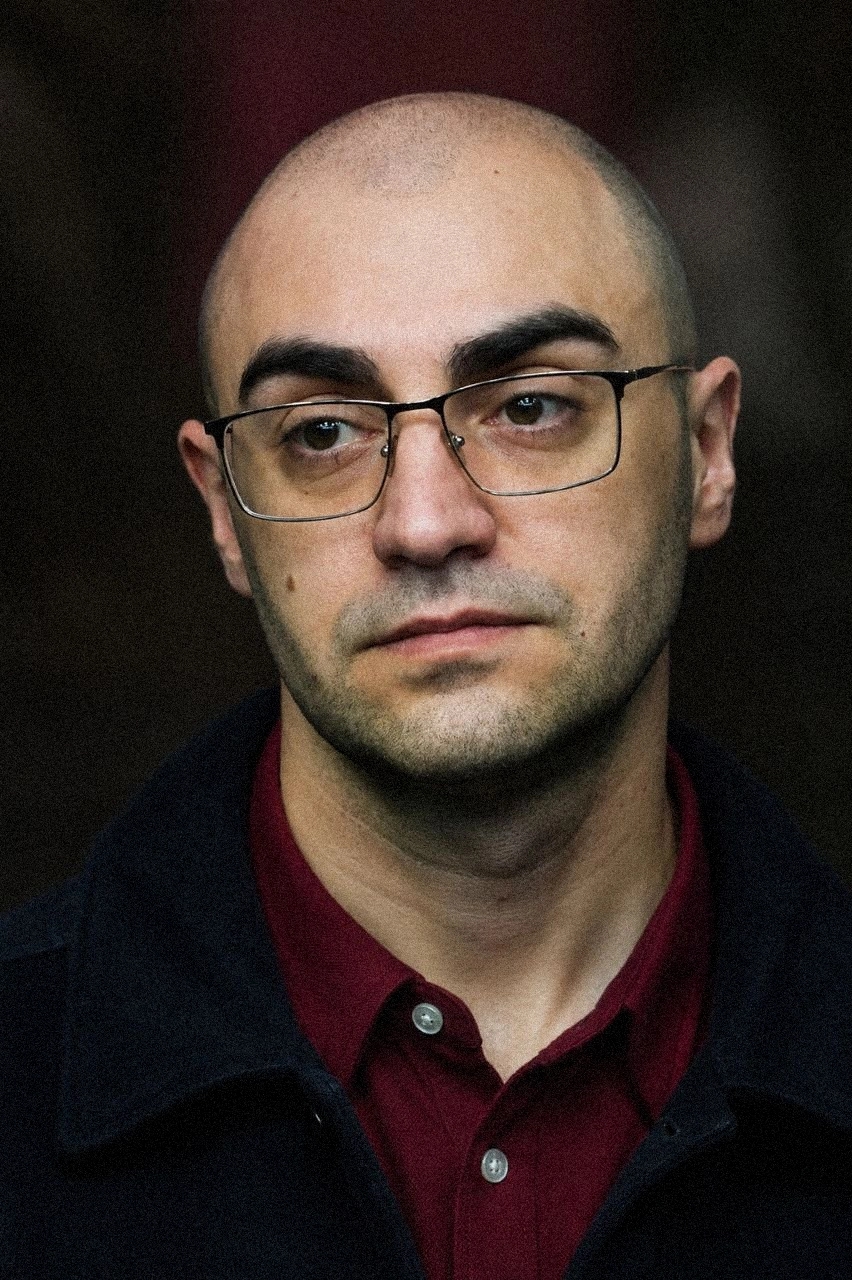
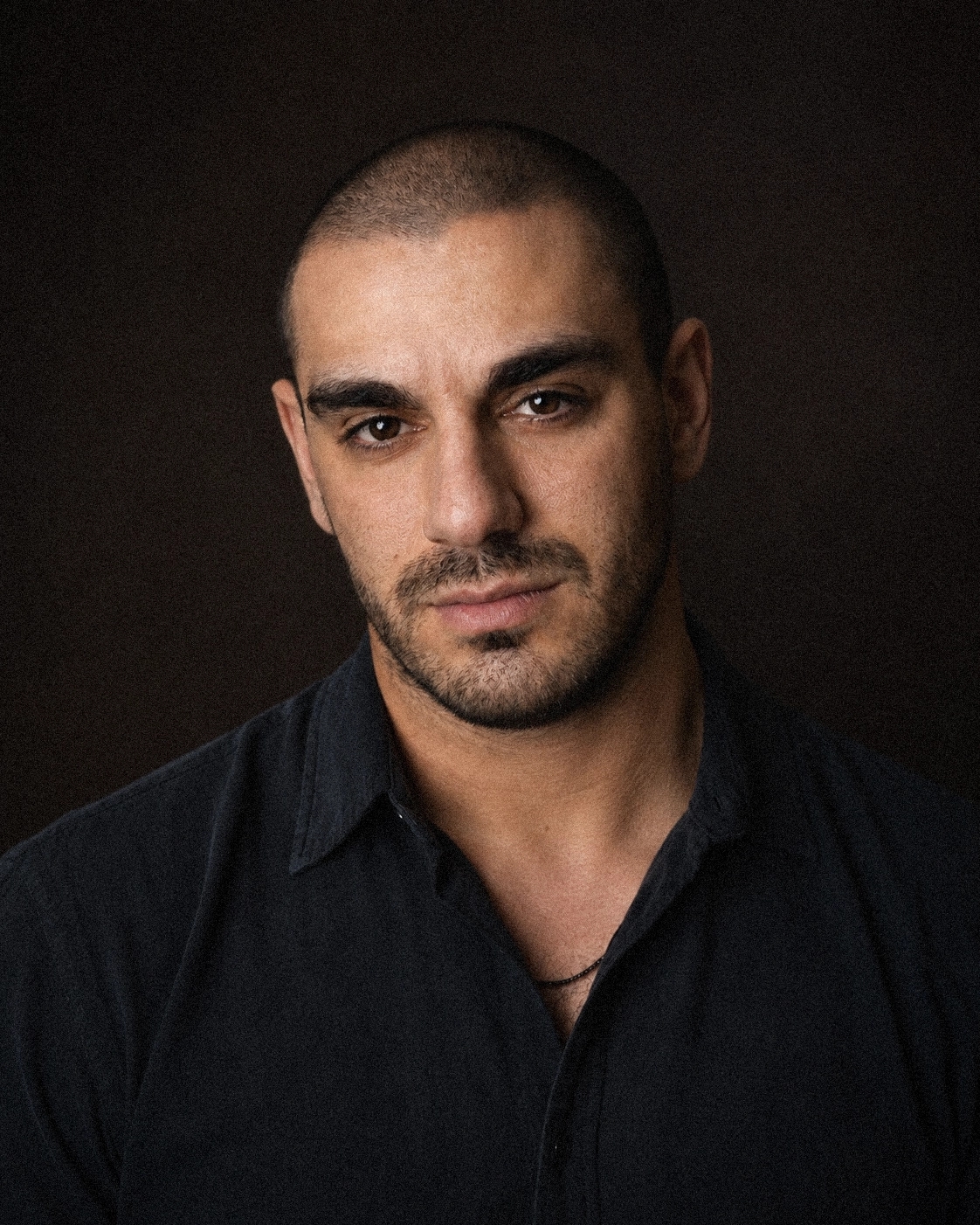
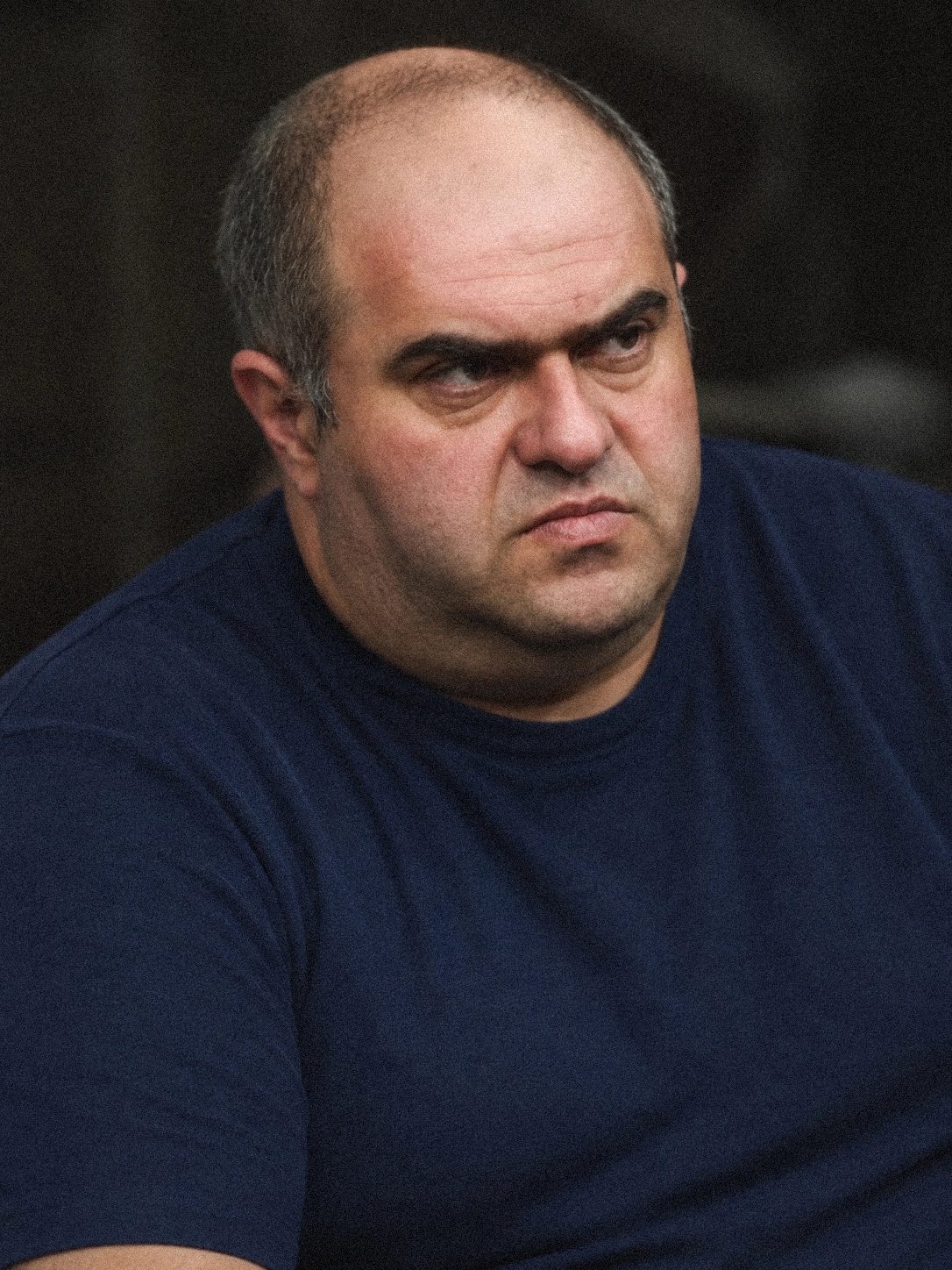
Solomko insists he would not have worked with Tsyurkalo, but that he couldn’t bring himself to say no to Kovach when he came to him in a panic, begging for help with finding new trucks for the transshipment — this time to Crimea. As all the prisoners explain, farmers are constantly helping each other out.
The farming brotherhood
In his numerous statements during the investigation, Artem Azatyan recounts that he met Zlob in the spring of 2022. Due to the war, thousands of farmers from occupied Ukrainian territories had begun moving grain to sell in Crimea, forming a massive informal market there.
Azatyan bought soy from Zlob and his business partners for his Agro-Business enterprise — which included several warehouses, a processing facility, and garages on a three-hectare site — boasted an annual turnover of 140 million rubles ($1.7 million). Technically, his older brother Georgy was listed as director, while Artem was listed as legal counsel, but in practice the brothers ran the business together.
In September 2022, Zlob asked Artem Azatyan a favor — to transship a processing equipment line at the warehouse for Solomko, and then reload some film for a buyer in Crimea. “I agreed because there was nothing complicated about it,” Azatyan said during one of the interrogations. Moreover, he himself regularly used similar services from other farmers or warehouse owners in the region.
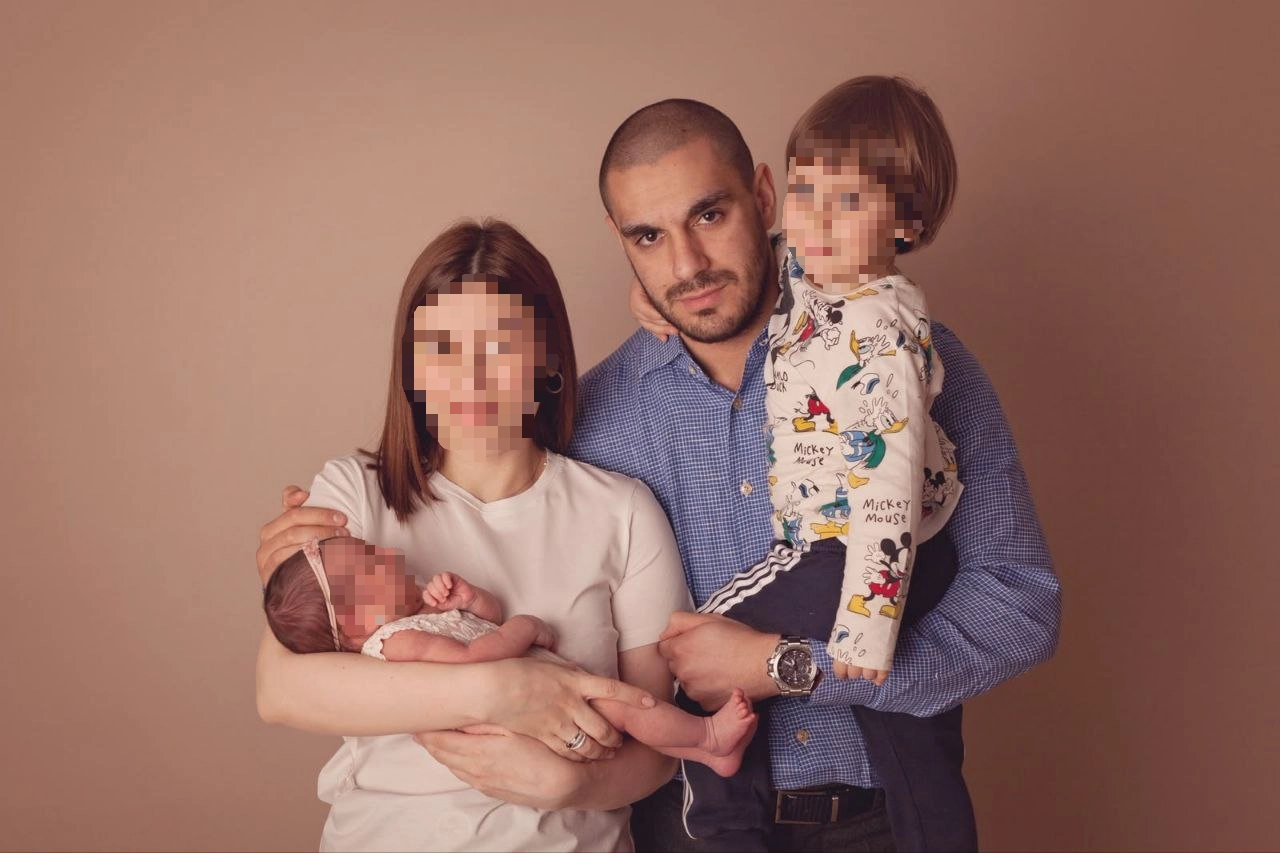
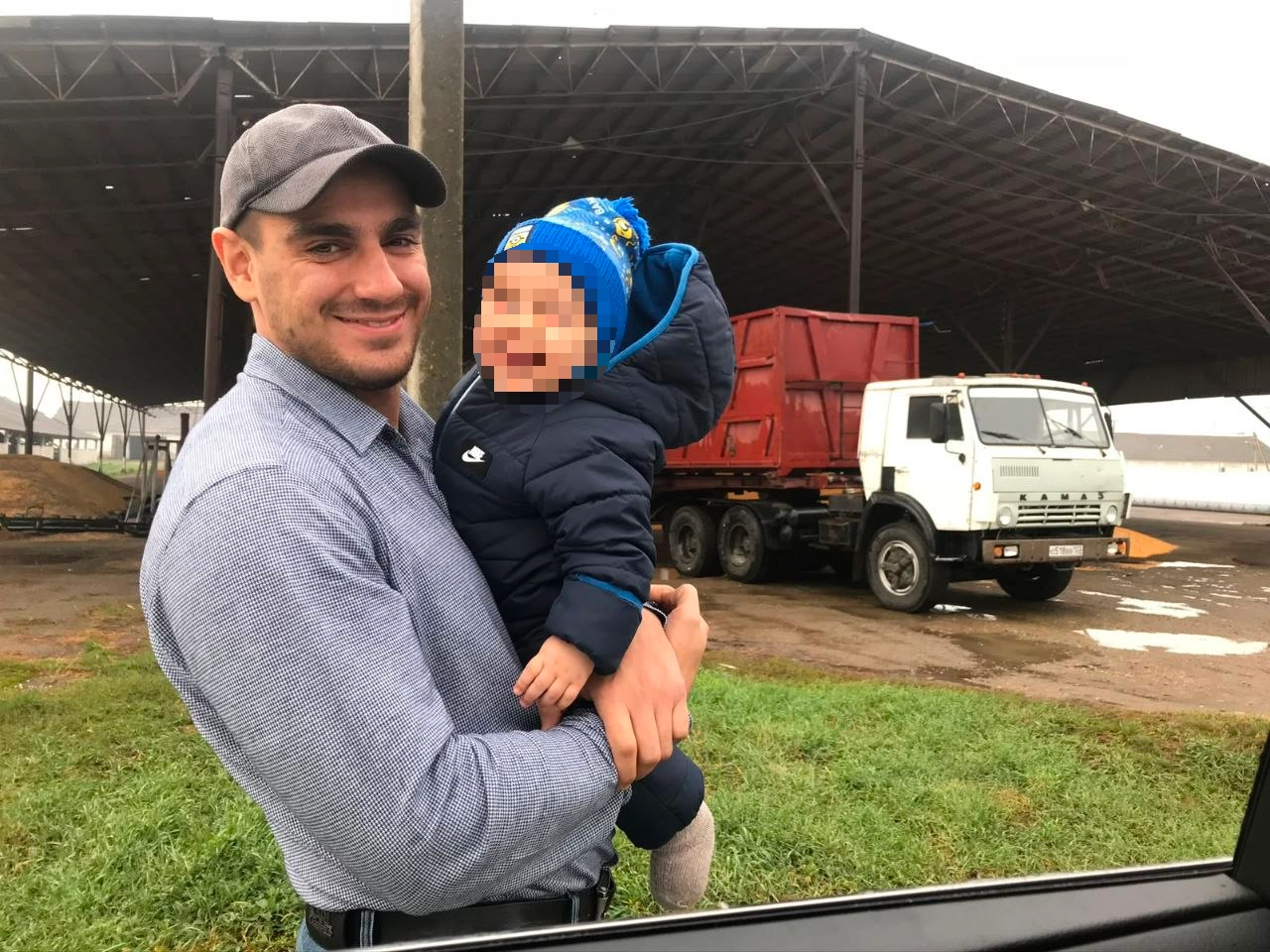
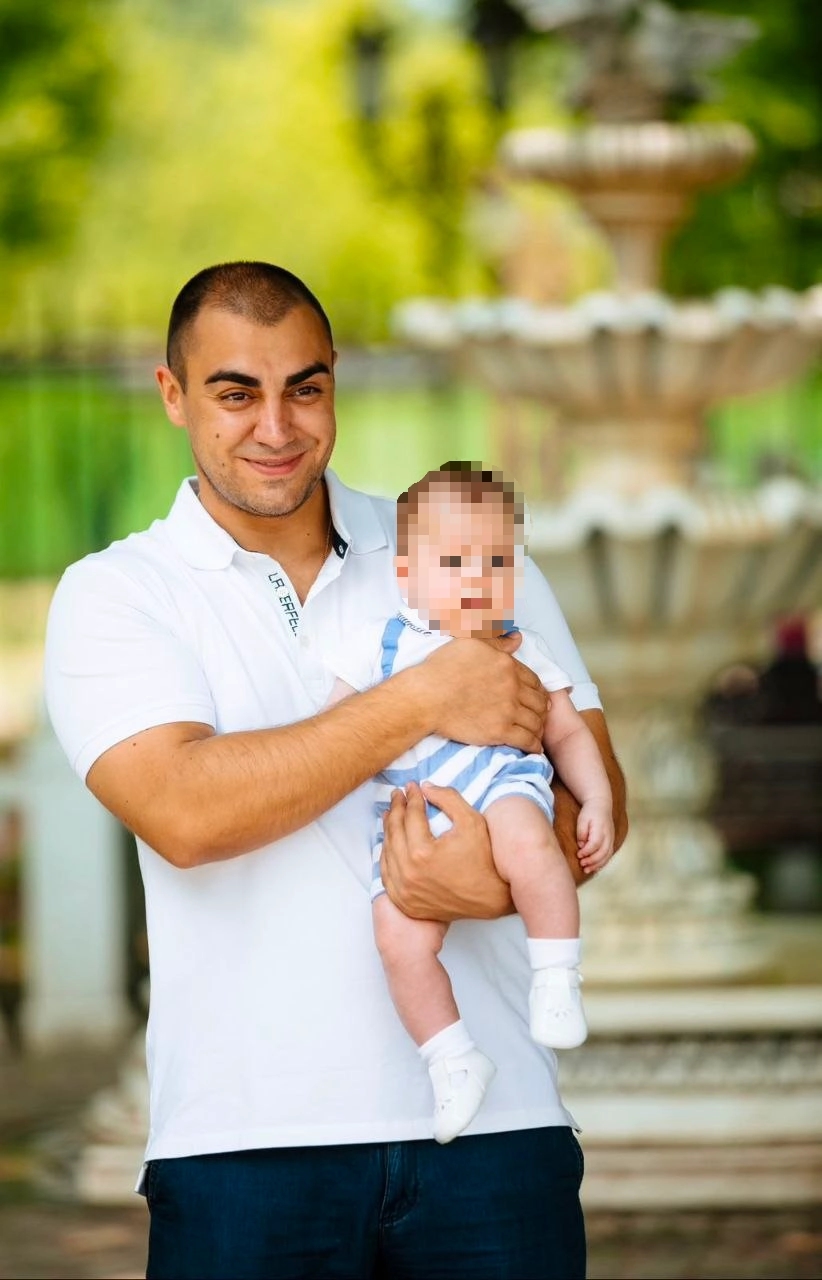
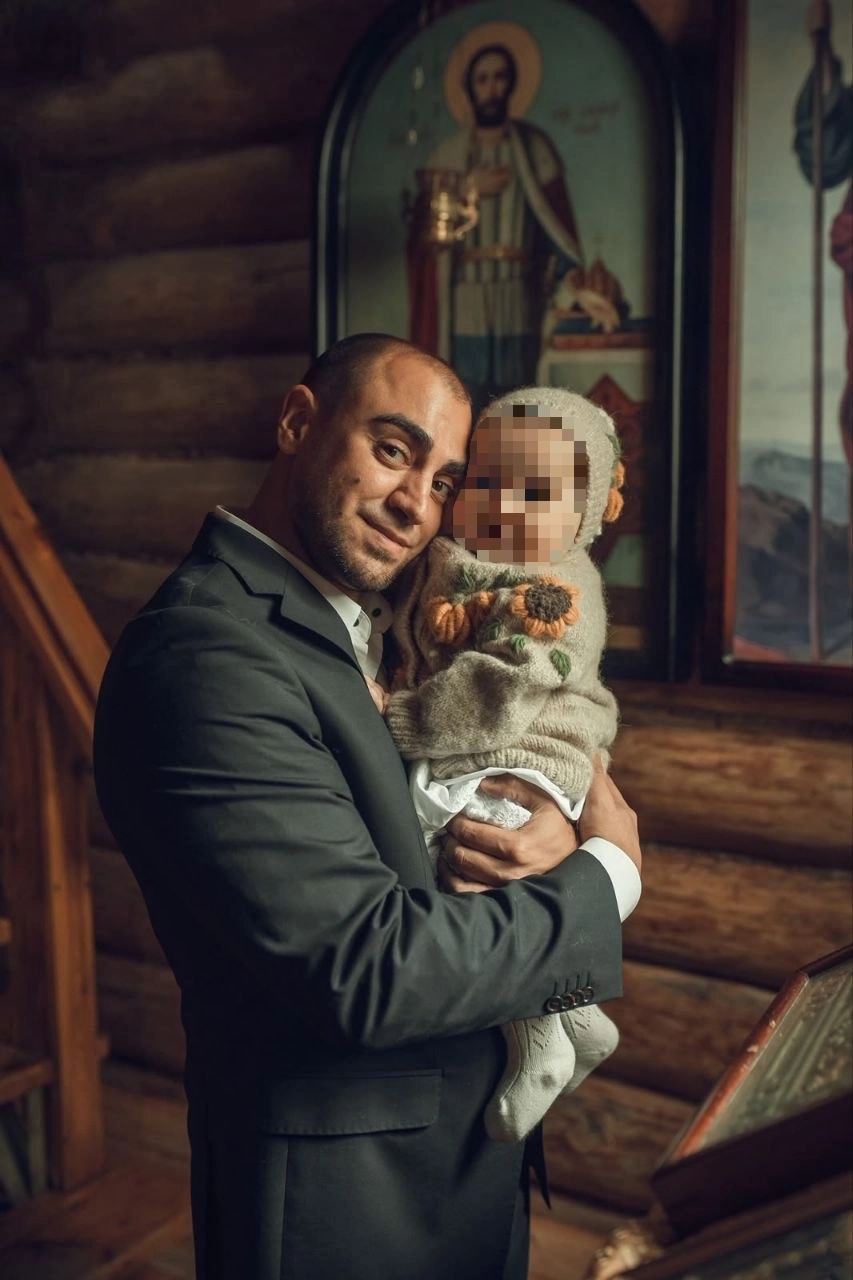
On Oct. 6 and 7, when Terchanyan arrived for unloading, Artem wasn’t on site, and his brother Georgy met the truck. According to the case materials, Georgy was furious that Artem was again helping out some farmer for free, and even called him to complain. But he still allowed the truck to be unloaded.
One day before the explosion
Two more defendants, Alexander Bylin and Vladimir Antipov, were drawn into the story two days before the explosion. At Solomko’s request, Zlob reached out to them to find a new truck and driver to take the film to Crimea — to “Ivan Ivanych.” The customer himself had been calling for several days by then, asking where his film was.
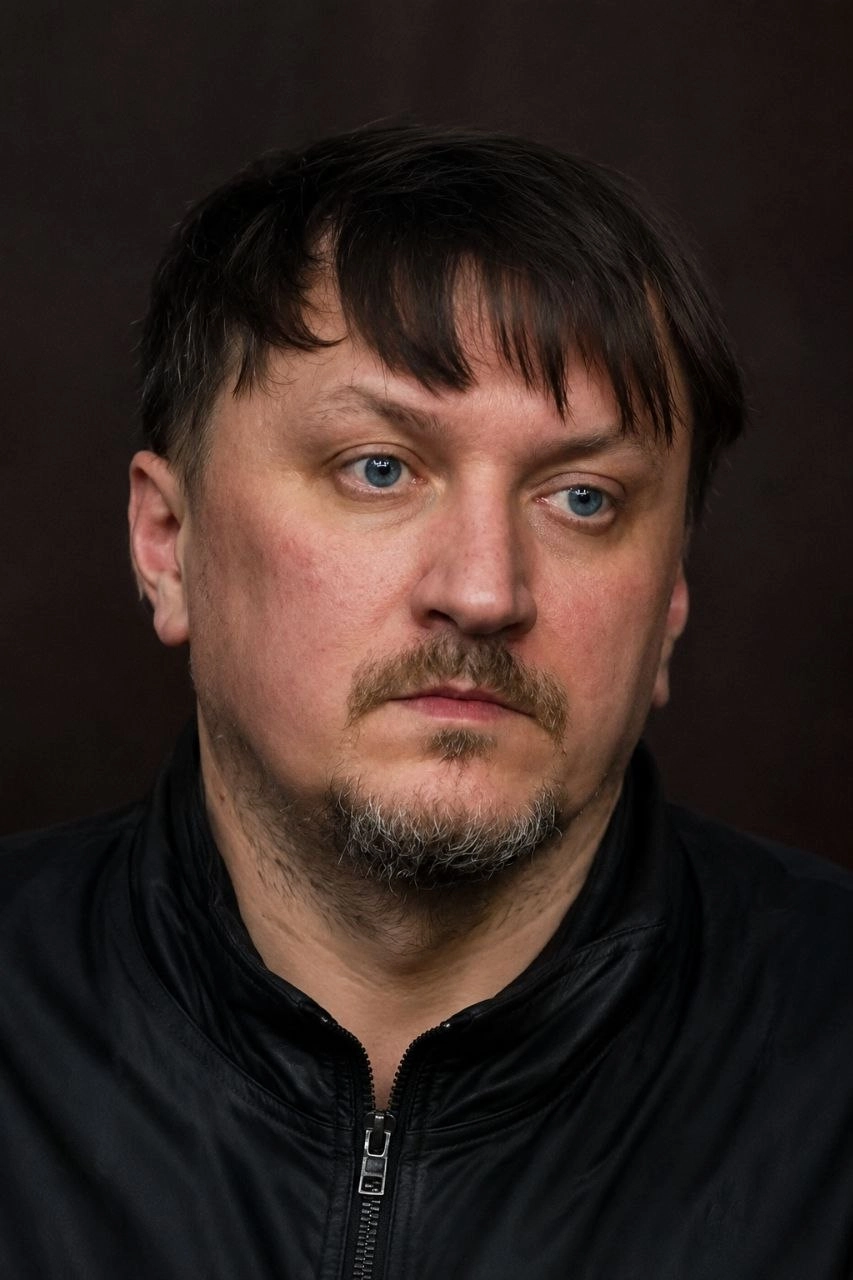
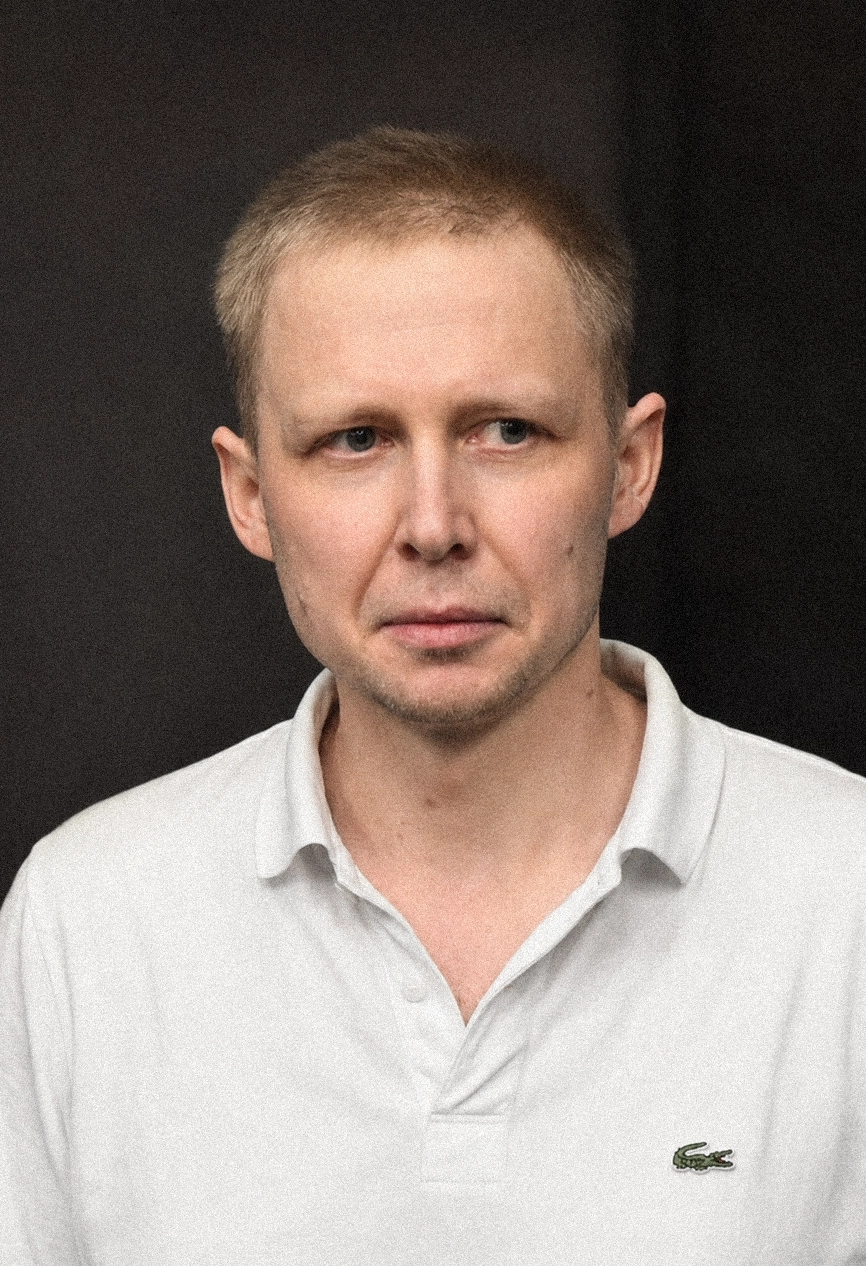
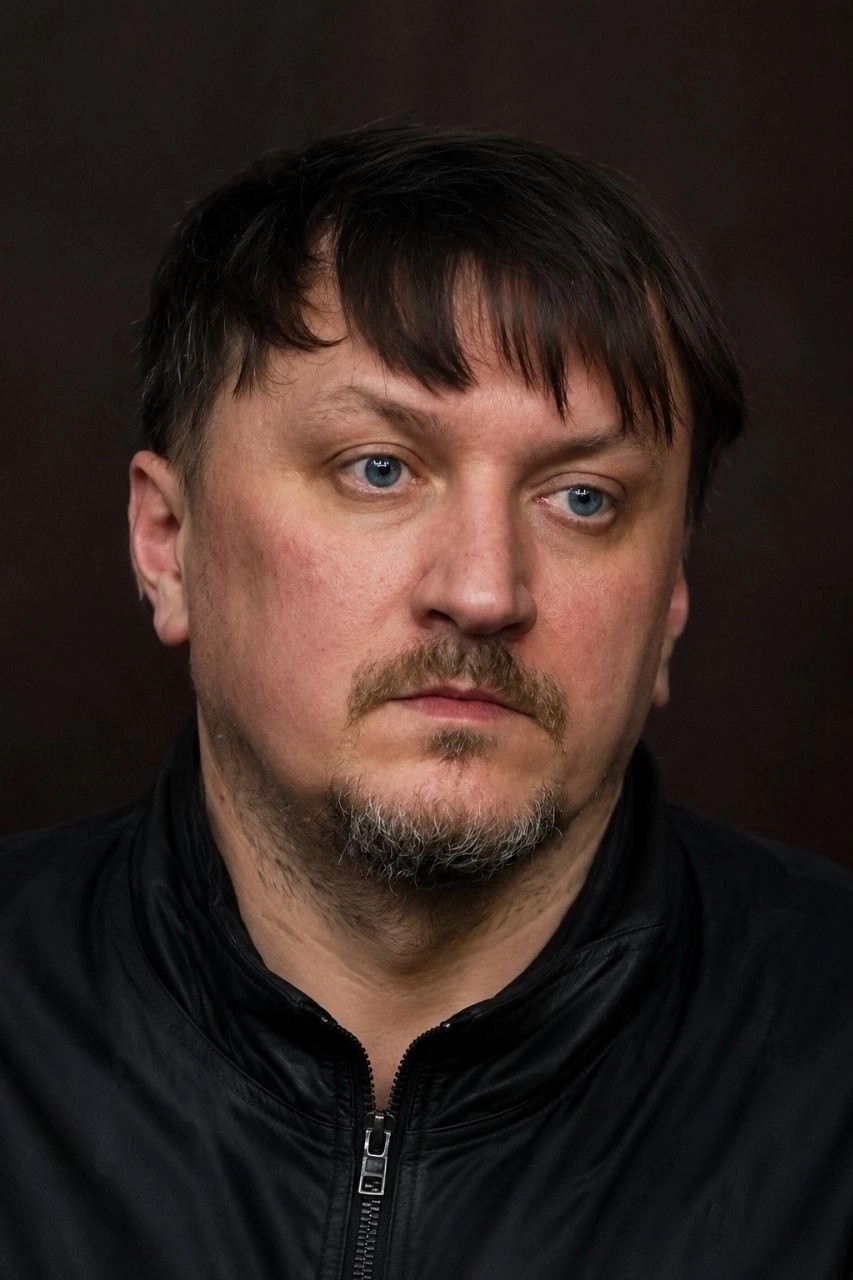
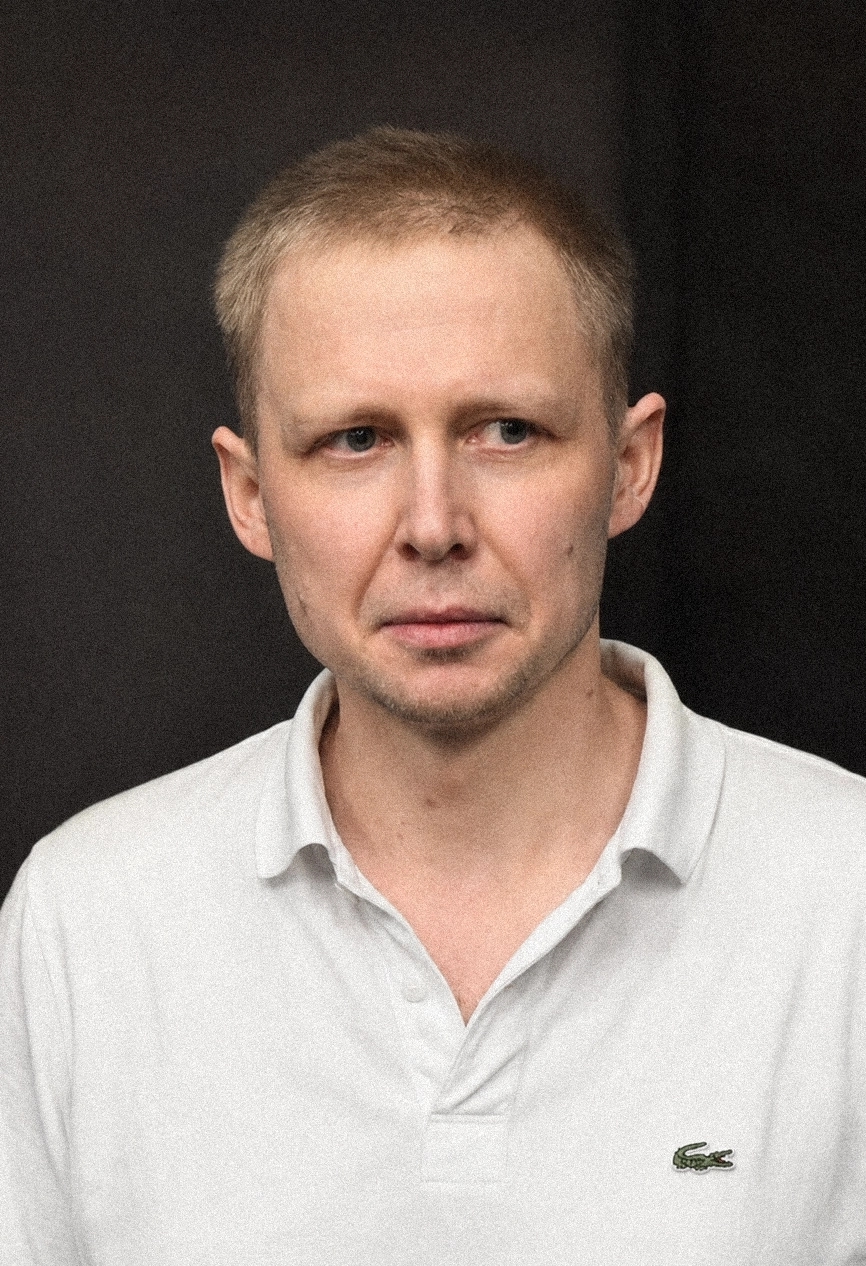
Later on in the interrogations, Bylin said he had spent many years working as a lawyer, then started trading fruit and organizing truckload logistics. He immediately got to work. Through his colleague, St. Petersburg-based logistics manager Vladimir Antipov, Bylin quickly found a new truck that would take the film to Crimea — and bring back goods for him on the return trip.
For helping find the truck, he and Antipov were set to earn 5,000 rubles ($62) each. As Bylin later said, all he did was call the first logistics contact he knew, and that person happened to pick up. This phrase — about getting caught up in the case by chance — is repeated by most of the defendants.
The phrase about getting caught up in the case by chance is constantly repeated by most of the defendants
Antipov fairly quickly found a new driver, 52-year-old Makhir Yusubov from Adygea. Antipov chose his truck because his bid was the cheapest on the market — around 50,000 rubles ($620).
Yusubov arrived for loading on Oct. 7. At around 10 p.m. he set off toward Crimea — to a customer who didn’t exist, at a delivery address that, in fact, was a random building in Simferopol.
The driver Yusubov and four other people in a nearby vehicle were killed in the explosion. The bridge sustained serious damage, causing a complete stoppage of traffic for a day. Fuel tanks on a train standing on the railway tracks on the bridge also caught fire. Private homes on the Kerch side sustained damage.
A few days later, another person entered the story as a defendant: Dmitry Tyazhelykh, an entrepreneur from Lipetsk. Tyazhelykh rented out mobile phone numbers, and it was one of his numbers that the mysterious Ivan Ivanych had used to coordinate the operation.
We know you’re innocent — just be patient
According to the case materials, after the explosion none of the future defendants tried to flee. Everyone went about their normal business. Even Terchanyan, who was on his way back to Georgia, didn’t rush to cross the border with an empty truck — he took on additional cargo and joined the queue at customs.
Moreover, on the morning of Oct. 8, it took all of the defendants several hours to figure out that the truck with explosives had been “their” vehicle. The explosion had disrupted logistics routes, and many of the defendants were busy trying either to reroute their trucks via ferry — joining a queue of a thousand vehicles — or to find warehouses for transshipment or temporary storage.
“We had no sense of any connection to what was happening. The news showed that something had happened on the bridge. But we were clueless,” one of the convicts recounts.
It was only when Federal Security Service (FSB) officers began calling them and operatives arrived to search their homes and businesses that they realized the situation was far more serious. Zlob and the Azatyan brothers were asked to come to the offices of the FSB and Investigative Committee. Terchanyan was found on his way to Verkhny Lars.
According to the convicts, Solomko was in the Kherson Region at the time of the attack. When he found out, he called the FSB himself and asked what he should do. “They advised him to find the nearest Investigative Committee office and ask to be questioned,” one of the convicts recounts.
By the evening of Oct. 8, everyone had been released, and on the morning of Oct. 9 investigators asked everyone connected to the truck’s dispatch — including even warehouse workers in Armavir — to come to Simferopol, where each was questioned again. Terchanyan was brought there as well.
“Then the head of the investigative team from Moscow came out and said: we have no complaints about you — you’re witnesses, you were kept in the dark,” one participant in the case recounts. “Everyone was asked to take a polygraph test, to remain in contact, and not to leave Crimea — and was released again. They thanked everyone a hundred times for their help.”
The head of the investigative team from Moscow said: we have no complaints about you — you are witnesses, you were kept in the dark
For the next few days, the “witnesses” stayed in a hotel in Simferopol at their own expense. Then, on Oct. 12, five of them were detained: Solomko, Zlob, the Azatyan brothers, and Terchanyan. In the following weeks, Antipov, Bylin, and Tyazhelykh were also arrested. Kovach was outside Russia at the time.
“This was a shock to us. A minute ago we were free people, and now we’re being accused of terrorism? But the investigators reassured us. They said we’d just have to sit for a while — a month or two. But there was no reason to worry. They let us call our families and tell them the news,” the defendants say.
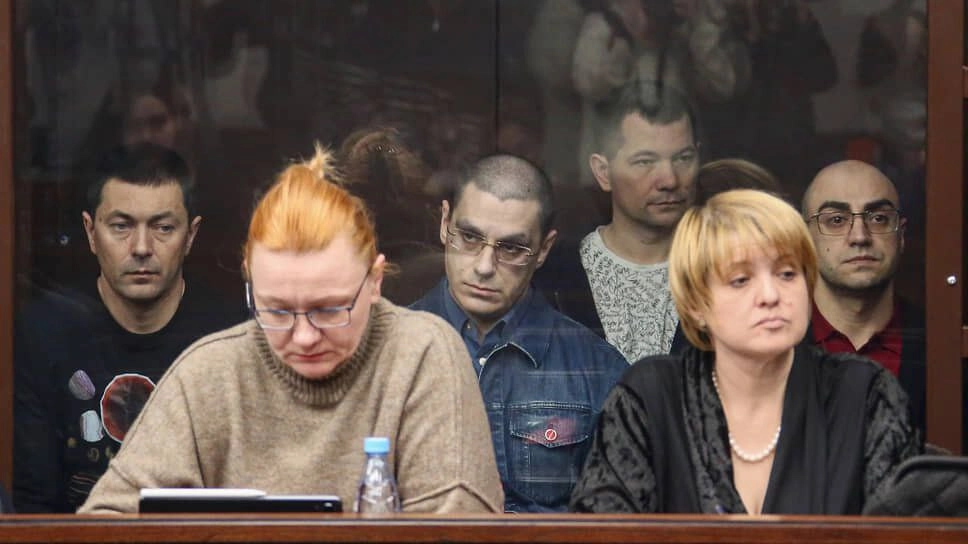
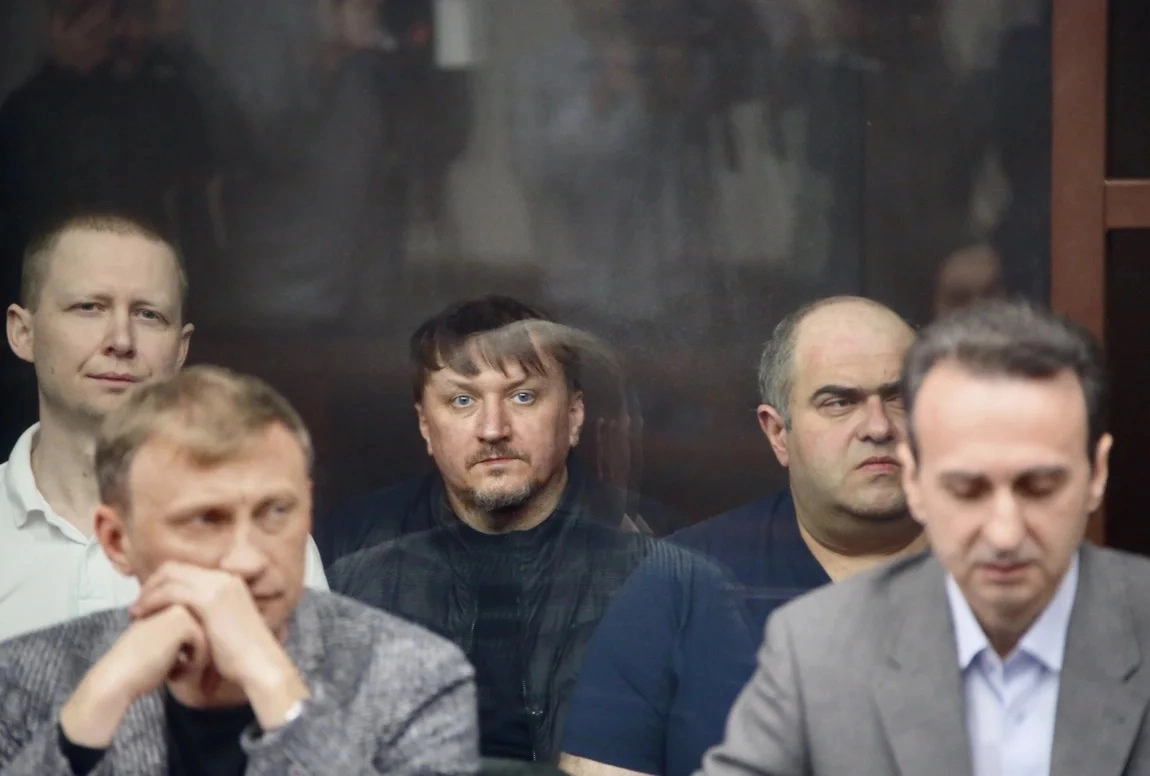
“It was clear to everyone that we were being detained in response to the public outcry. Just a few days before our arrest we had seen a report in which [Investigative Committee head Alexander] Bastrykin briefed the president, saying that citizens of Russia, Ukraine, and Armenia had been detained for helping carry out the attack. We hadn’t even imagined at the time that he was talking about us,” one of the convicts recounts.
Over the years leading up to the verdict, investigators repeatedly told the defendants: we understand you’re innocent, just be patient, we’ll check everything, the fuss will die down, we’ll sort it all out.
What were the charges?
The defendants were charged with the acquisition and smuggling of explosive substances and the commission of a terrorist act (Articles 226.1, 222.1, and Part 3 of Article 205 of Russia’s Criminal Code).
What the investigation found
The investigation was conducted by a team of 60 detectives. They questioned around a hundred witnesses (although the majority of these were residents of homes damaged in Kerch). The investigators also commissioned roughly 100 expert examinations, including studies establishing damage to the bridge, post-mortem examinations of the bodies of the deceased, assessments of property damage sustained by victims, and blast forensics aimed at finding traces of explosive substances on surfaces.
The official account of what exactly exploded on the bridge and how it had been detonated, however, appeared in the case materials only after an interview with Vasyl Malyuk, who at the time headed the Security Service of Ukraine (SBU).
What exploded?
In August 2023, head of Ukraine’s SBU Vasyl Malyuk, revealed the details of the operation. He said the explosives were contained in metal cylinders filled with an RDX mixture, hidden inside the film.
Russian investigators also adopted his version: 10 tons of TNT-equivalent explosives, placed in metal containers, detonated on the bridge. “The main charge consisted of a mixed explosive of the oxidizer-fuel type based on solid rocket propellant, containing perchlorate and fine metal particles as the main components. To initiate detonation, a foreign-manufactured explosive based on RDX — most likely C-4 or PE-8 — was used as an additional detonator,” the verdict states.
The device was activated using a GPS system.
“You get the feeling they tailored the version to fit the Ukrainians’ statement. The blast forensics examination, conducted two months after the interview, established exactly what Malyuk had described. Yet the case has many gaps. For example, Armenian customs stated that an X-ray could not have missed hidden explosives.”
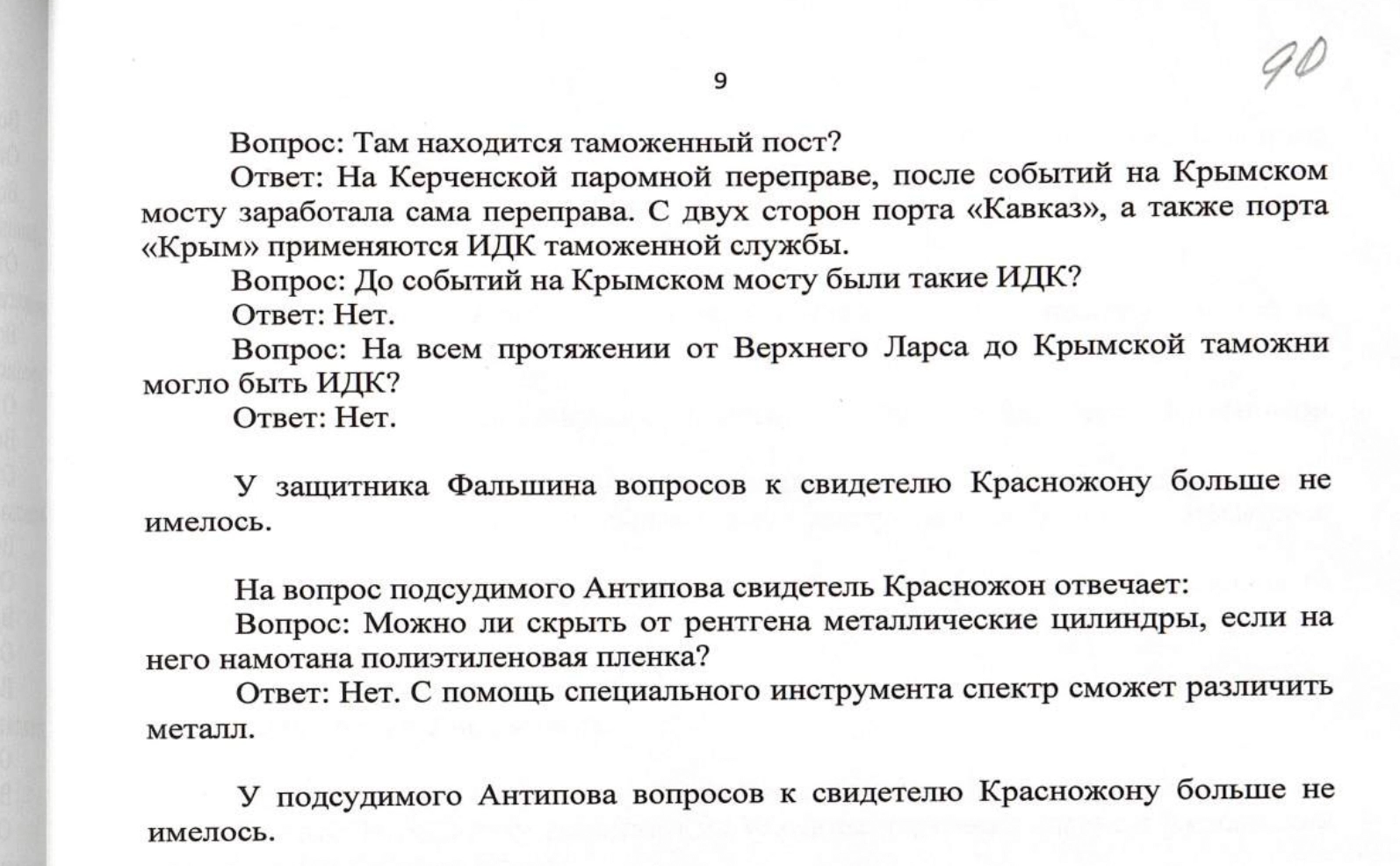
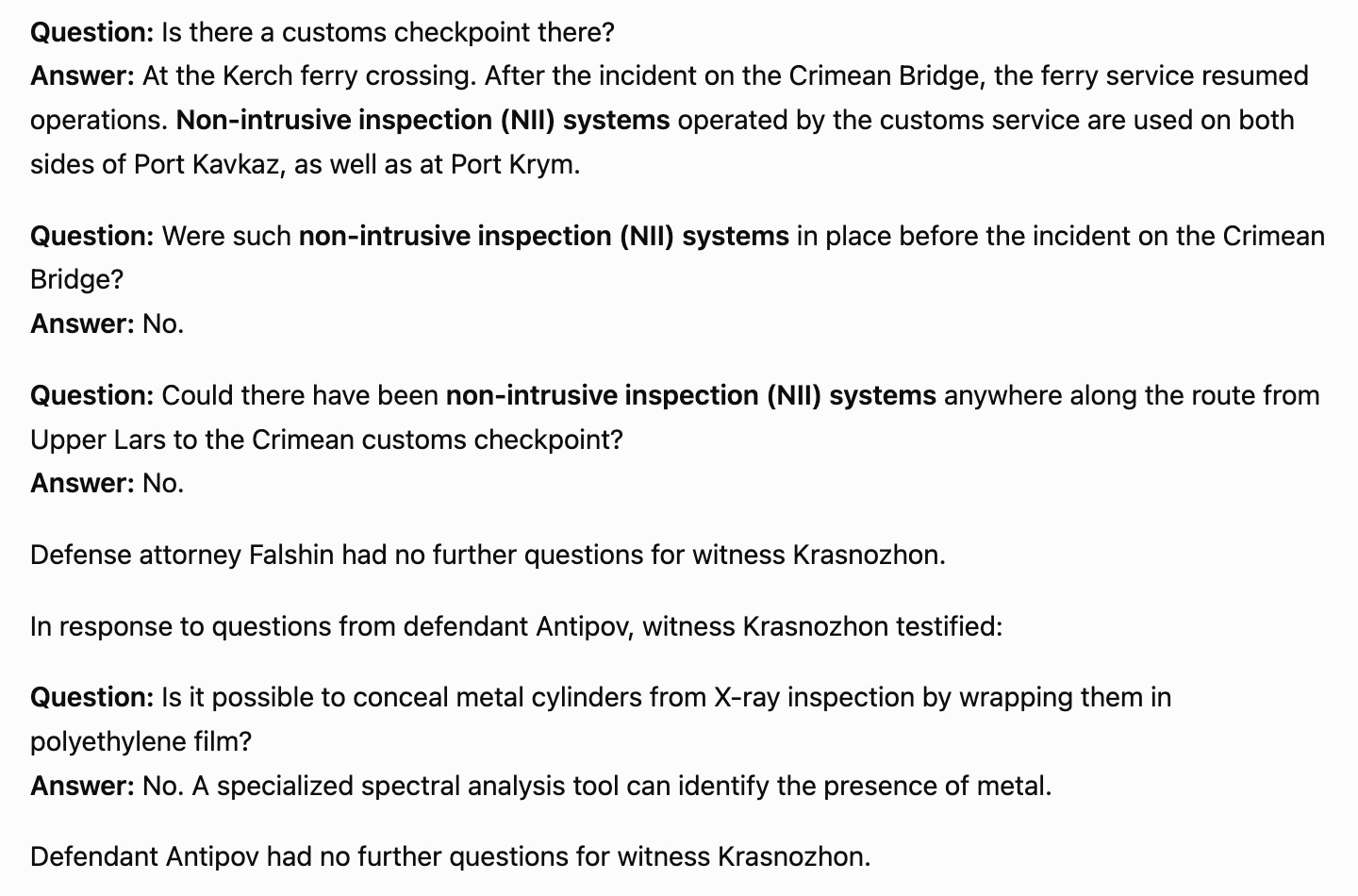
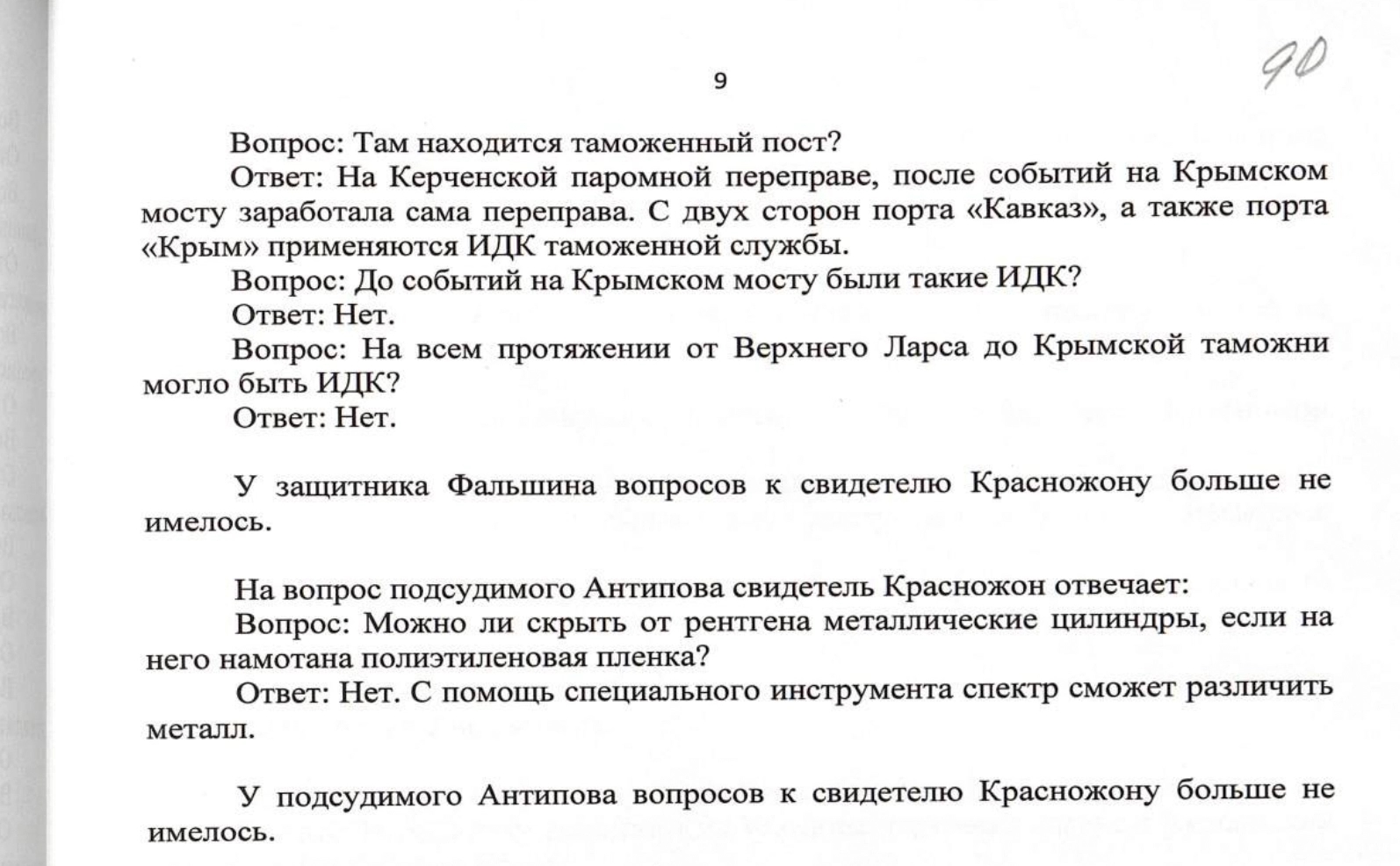
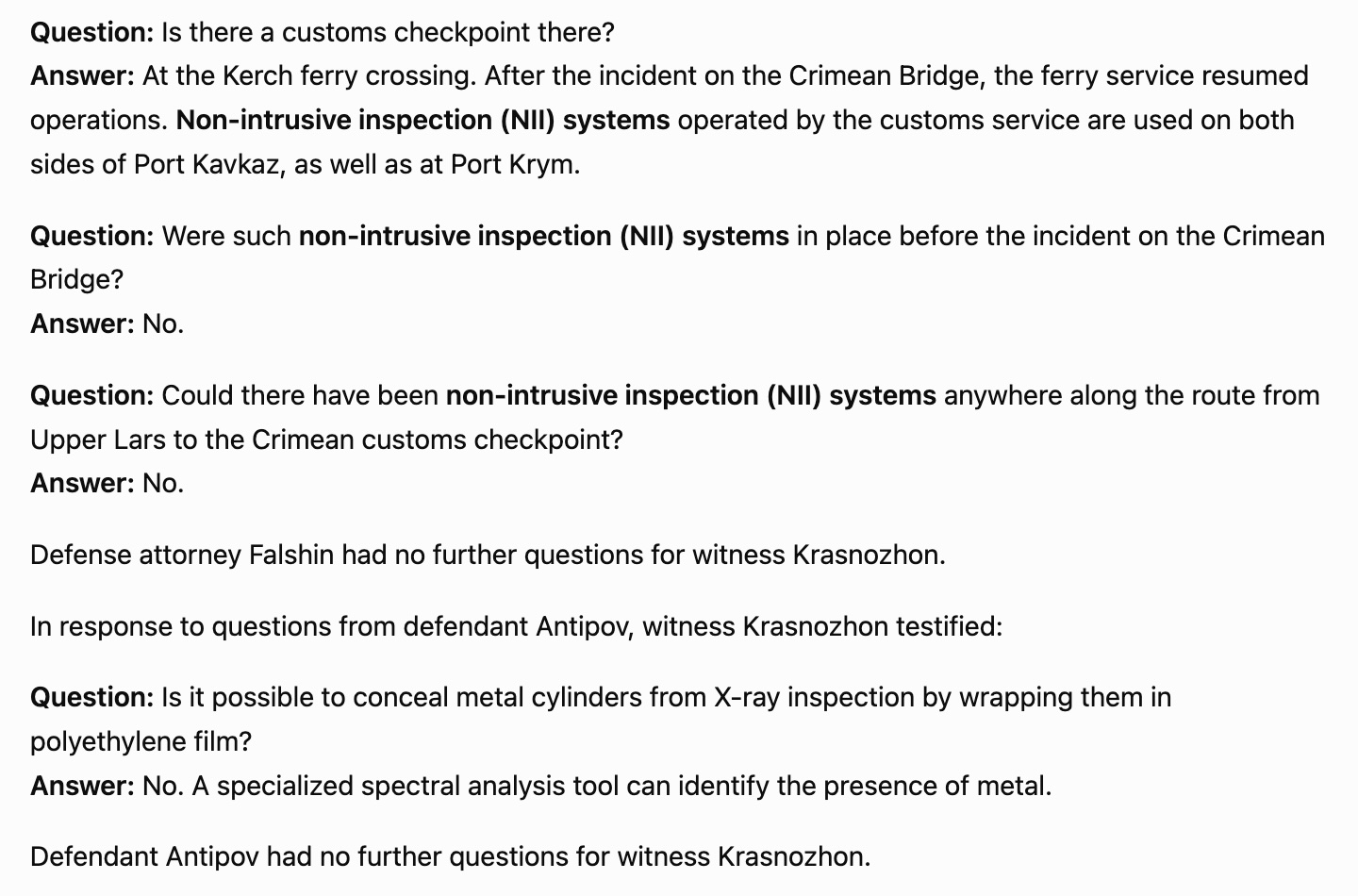
Testifying in court, Crimean customs chief Alexander Krasnozhon also expressed doubts about the official account. When asked whether metal elements could be concealed behind film, he replied that it was impossible.
According to participants in the case, even the exact weight of the cargo is a topic for debate. The figure of 22 tons of construction film cited in the case materials is taken from the accompanying documents. However, the scales on the Crimean Bridge malfunctioned when Yusubov’s truck drove over them. Loaders at the Armavir warehouse, meanwhile, said the film pallets weighed less.
“We all basically expected that at some point [the security forces] would decide that the case was too flawed — no motive, no causal link. And that one day they’d release us from pretrial detention, or right in the courtroom,” one of the defendants says.
“Throughout the investigation, I kept hearing from the agents that they knew I wasn’t guilty, but they had orders from above to put us away. I said the prosecutor’s office would never let a case like this through — there wasn’t a single piece of evidence of guilt. The reply was: ‘It’s all been decided up there already.’ I didn’t want to believe it, so I didn’t. I kept hoping the court would save us — innocent people cannot be convicted, that’s absurd,” another convict recounts.
Guilty because they “could not have failed to understand”
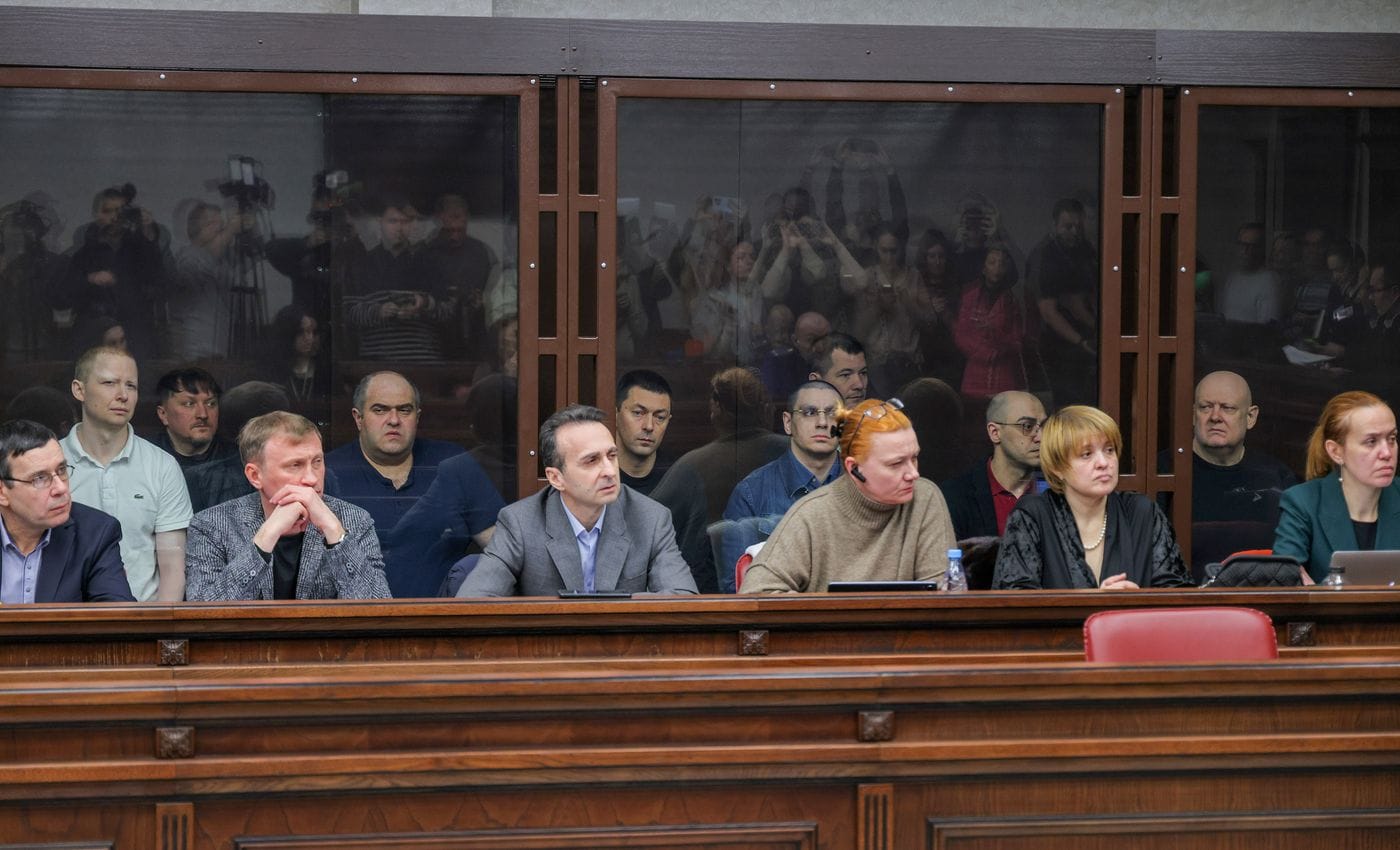
In February 2025, the Southern District Military Court in Rostov-on-Don, presided over by Judge Valery Opanasenko, began hearing the criminal case. At the prosecution’s request, the proceedings were closed to the public.
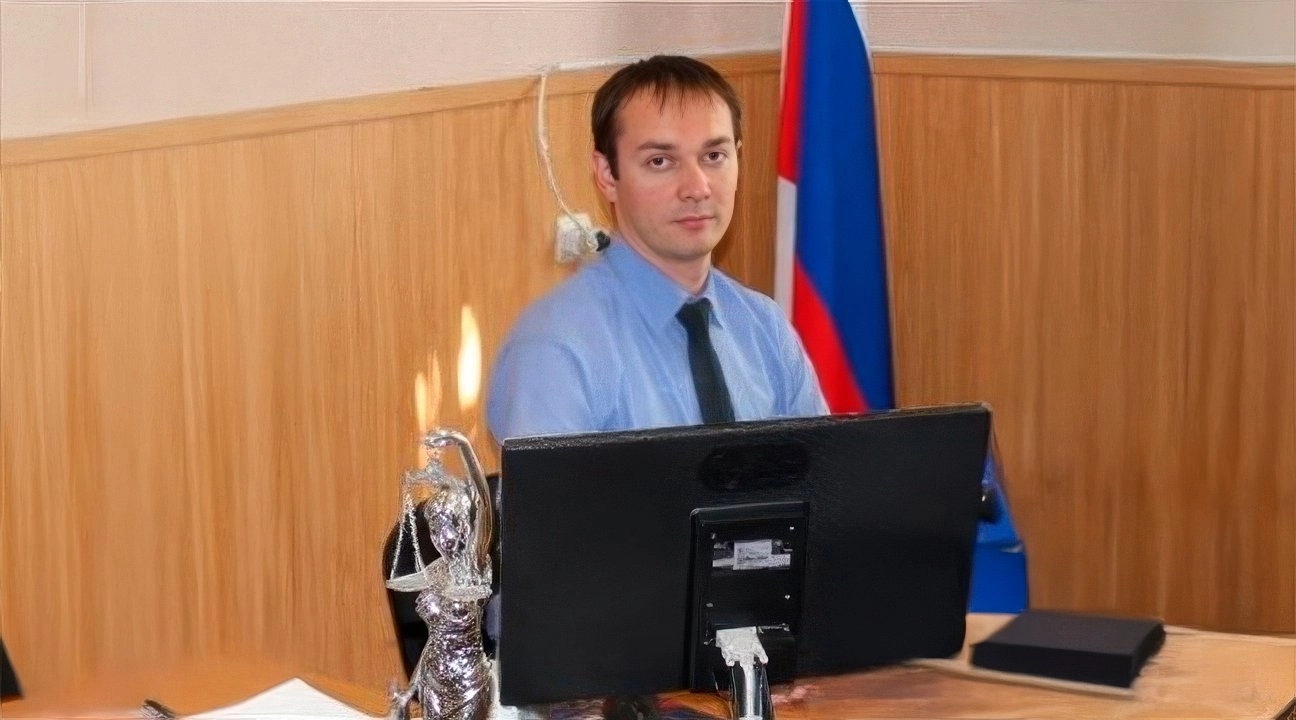
As one of the convicts recounts: “The court sessions went on, and we just dozed off. Nearly a hundred witnesses were questioned, but none of them had anything to do with us. And the line of questioning was as though we were being accused of tax evasion or some kind of illegal commercial activity. Nobody was asked: do you have any connection to the security services? Did anyone offer you anything, recruit you, or give you any kind of incentive?”
“At the trial, my confidence in a fair outcome faded with every new hearing. Instead of examining what truly mattered, instead of ordering the necessary expert examinations, the judge was interested in whether I paid my taxes and how many times I had violated traffic laws,” another defendant says.
According to participants in the case, neither the court nor the prosecution was interested in establishing any facts. They were simply going through the motions. Solomko initially refused to testify, then at the end of the trial unexpectedly filed a motion to be questioned — but the court did not even bother to hear him.
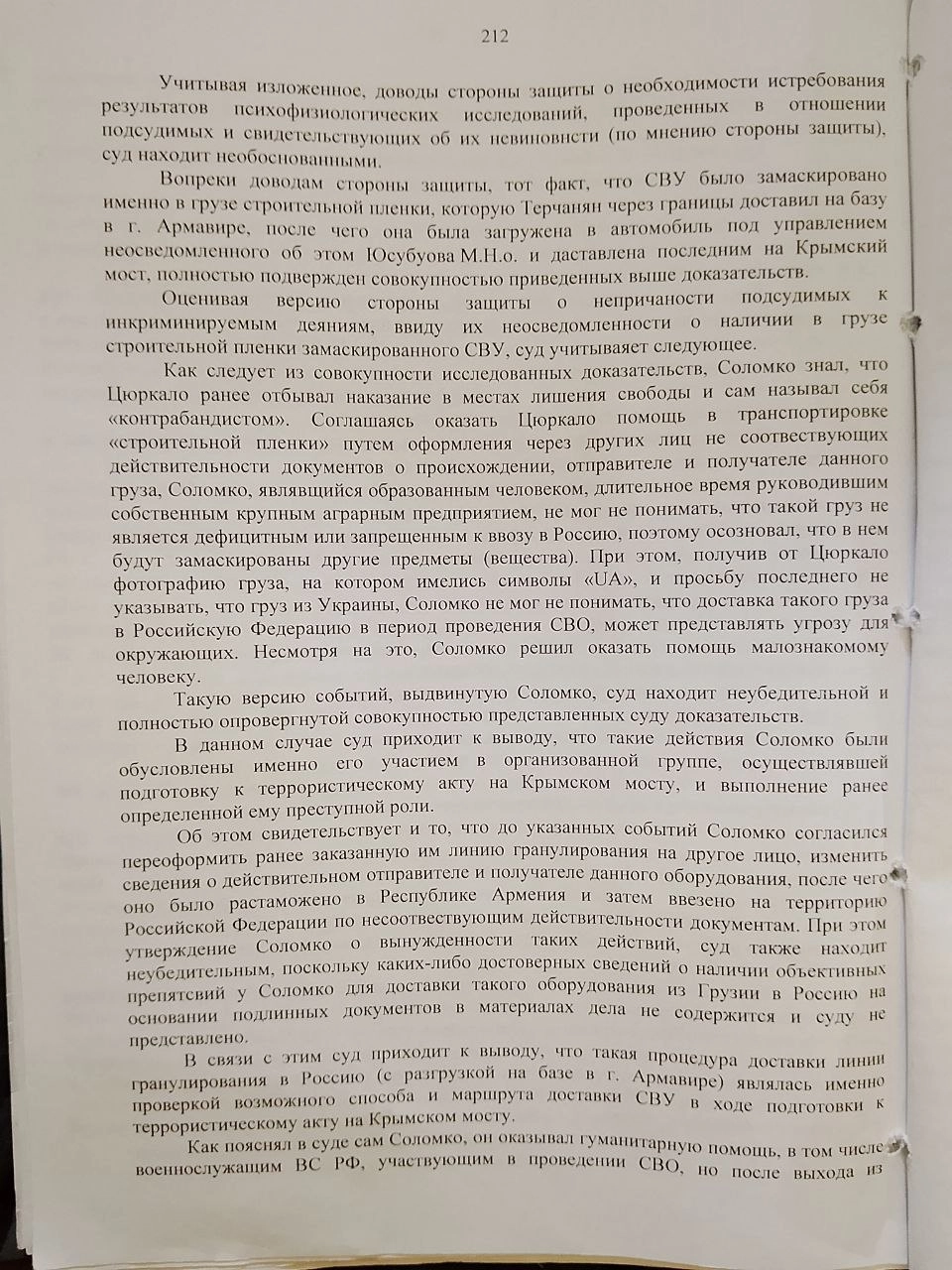
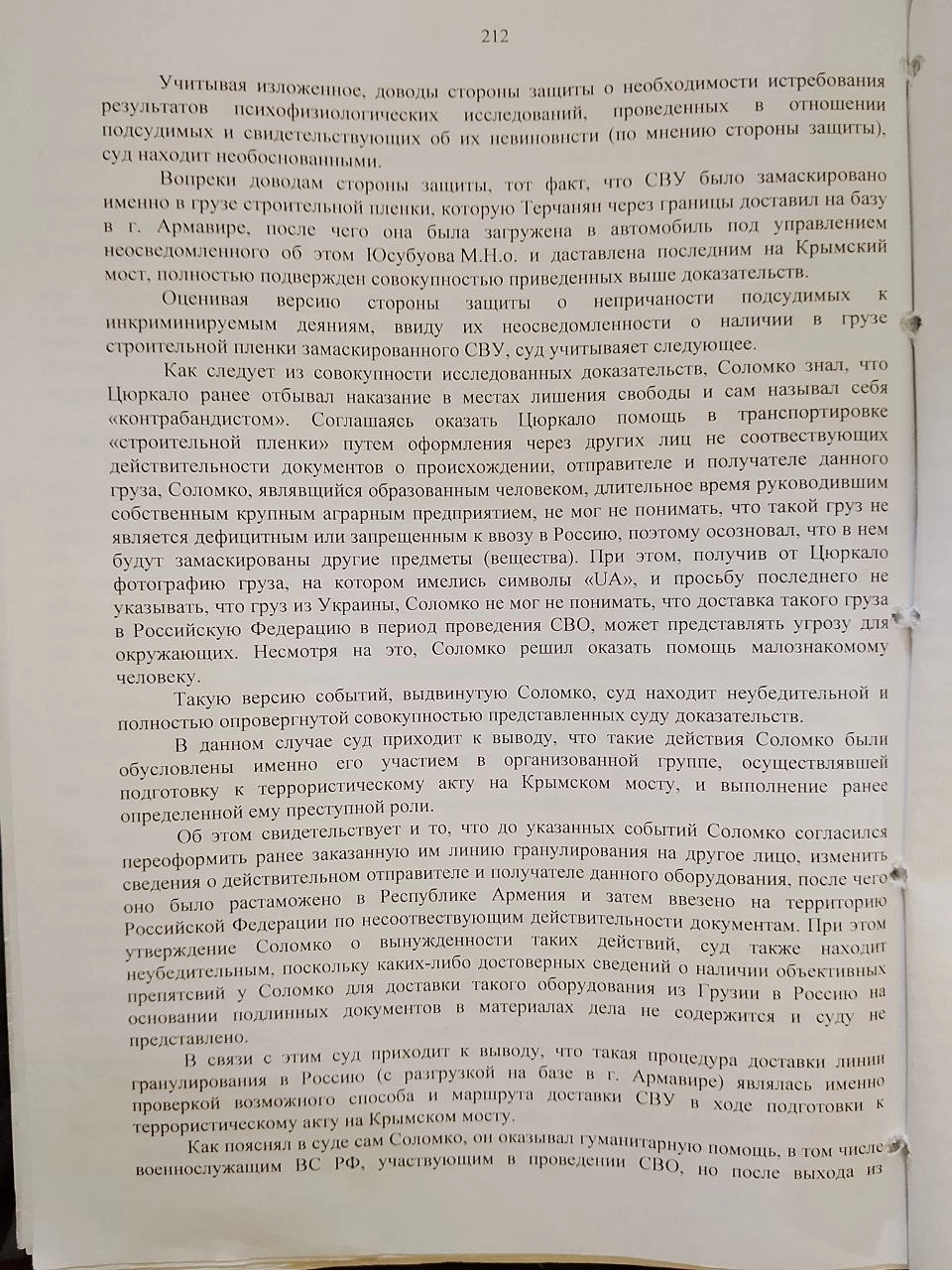
On Nov. 27, 2025, Judge Opanasenko found all defendants guilty of carrying out a terrorist act on the orders of Ukrainian intelligence services. As evidence of guilt, the court cited the argument that the defendants, given their higher education and years of business experience, “could not have failed to understand” that something was wrong with the cargo — all the more so since it had a UA sticker on it.
Quote from the verdict
As follows from the totality of the evidence examined, Solomko knew that Tsyurkalo had previously served a prison sentence and had called himself a “smuggler.” By agreeing to help Tsyurkalo transport ‘construction film’ through falsified documents — issued in others’ names with false information about the cargo’s origin, sender, and recipient — Solomko, an educated man with years of experience running a large agricultural enterprise, could not have failed to understand that such a cargo was neither scarce nor prohibited from import to Russia, and therefore was aware that other items (substances) would be concealed within it. Moreover, having received from Tsyurkalo a photograph of the cargo bearing UA markings, and Tsyurkalo’s request not to indicate that the cargo was from Ukraine, Solomko could not have failed to understand that delivering such a cargo to the Russian Federation during the special military operation could pose a threat to those around him. Despite this, Solomko decided to provide assistance to someone he barely knew.
“When we received the documents, the wording was exactly the same as in the indictment. To everyone involved in the investigation, it was obvious that we had nothing to do with it. Everyone expressed their condolences and sympathy and said they had no power to influence the process. Any other person could have been in our place,” the defendants say.
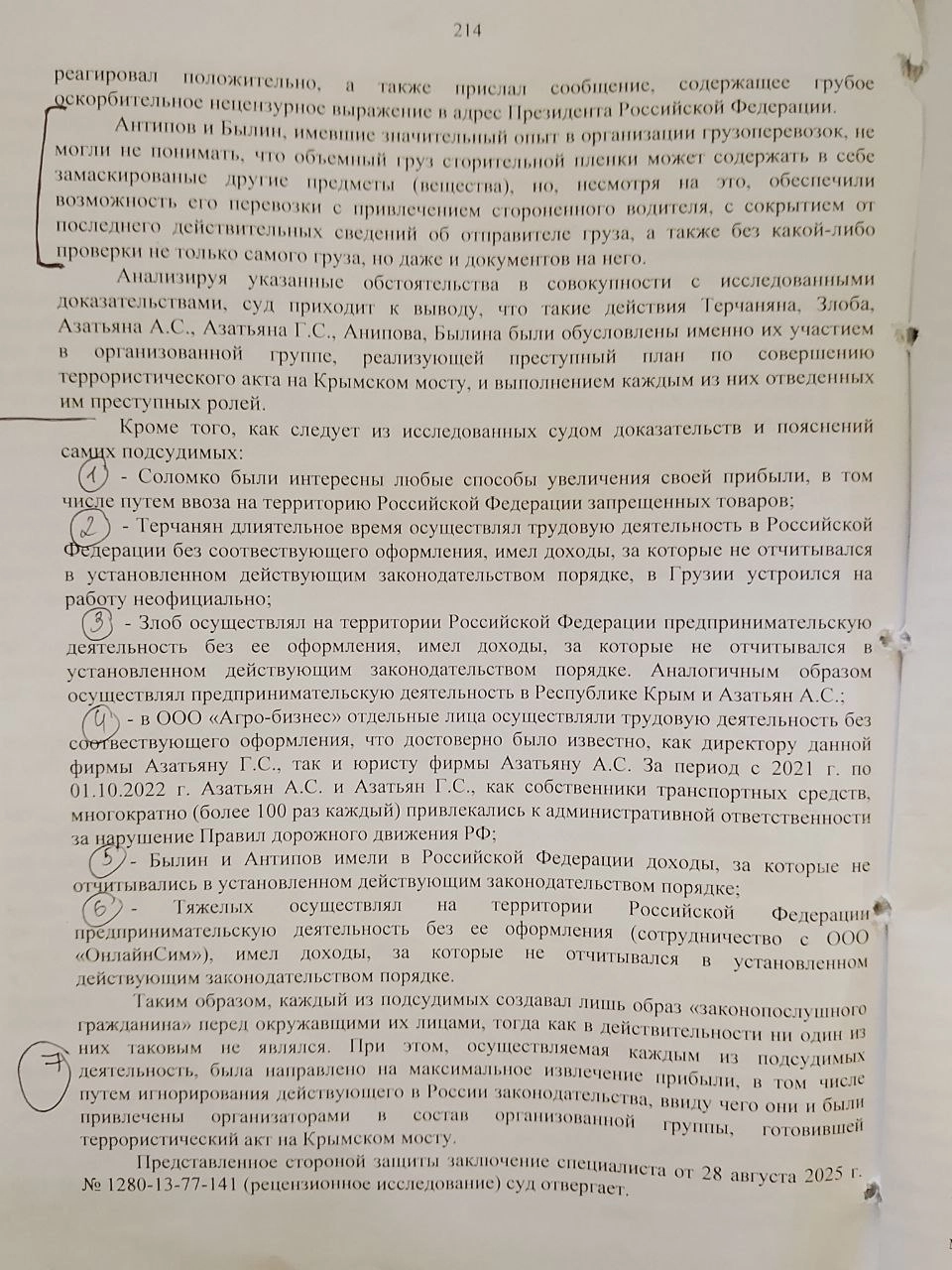
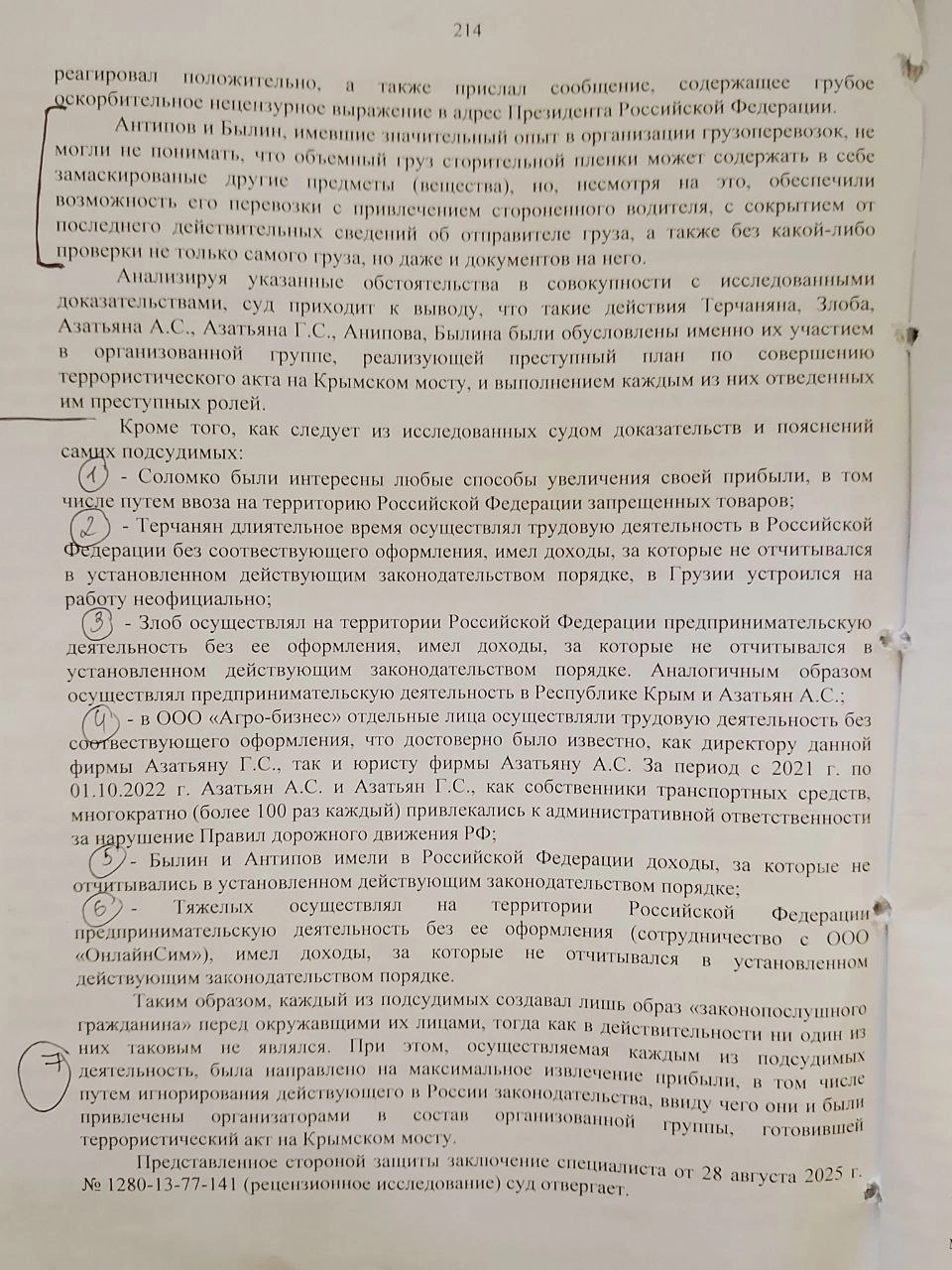
Judge Opanasenko went even further. He noted in the verdict that all the defendants had committed various violations in their everyday lives — whether working without the necessary permits, underpaying their taxes, or violating traffic violations. He then sentenced them all to life in prison.
Quote from the verdict
Each of the defendants maintained only the appearance of a ‘law-abiding citizen’ before those around them, while in reality none of them actually was one. Moreover, the activities of each defendant were aimed at maximizing profit, including by ignoring current Russian legislation.
Meanwhile, not a single customs officer, inspector, or security service representative was held accountable.
I am not a convicted criminal — I am a hostage of the war
The Insider asked the convicts how they reacted to the verdict and how they are coping with the prospect of a life sentence. We cannot specify who gave which answer, so we will refer to them as “the first convict” and “the second convict.”
The first convict:
We have been convicted of one of the most serious crimes — a crime to which we have absolutely no connection. And the people who put us in the dock know this perfectly well.
We lived for three years with a sword hanging over our heads. Living in that state permanently, a person becomes apathetic, burns out psychologically — all that’s left inside is just embers. The mind pushes away thoughts and memories of family, of life, of everything bright.
And so when the verdict was read out, we felt nothing at all. I think it showed on our faces. And whether it’s a life sentence or 30 years— it doesn’t make much of a difference. The accusation of terrorism and the murder of five people is itself already a terrible punishment, and a heavy cross we bear without guilt.
There is no sense that this is for life. Not because I don’t grasp the seriousness of what’s happening, but because I know I’m innocent, and my suffering and imprisonment is not the serving of a sentence— it is the external consequence of someone’s political decisions. I am not a convicted criminal — I am more of a hostage of the war.
What makes life bearable is the firm knowledge that the truth is on our side. For us to be free — even tomorrow — all it would take is for a court to issue a ruling based on Russian law. And given that the court’s decision was political, any release, in whatever legal form, would also have to be a political decision.
The second convict:
At trial, my confidence in a fair outcome faded with every new session. Everything was arranged so that I couldn’t defend myself. So the verdict didn’t come as a surprise — it was the final confirmation of what I had been told from the very beginning: everything had been decided in advance.
There is no sense that this is “for life.” And I don’t think that sense will come. Because I’m innocent and cannot accept this verdict as final. That is precisely what keeps me going. All my family and loved ones know this and support me. Before I encountered this system myself, I couldn’t have imagined things were this bad — that black is called white, and nothing comes of it. But the knowledge that the truth is on my side keeps me from breaking down.
Unfortunately, this judicial and investigative system has been built up over years, so there is no reason to expect an acquittal or any change in the situation anytime soon. I can now say unequivocally that there was collusion between the investigation, the prosecution, and the court.
All that remains is to wait and hope that sooner or later a competent court will emerge that is capable of delivering a truly fair ruling based on the case materials — rather than following someone’s instructions. In my case, there is nothing to look for to achieve an acquittal: it is enough to honestly read what is already in the file.