Russia has built a network linking socialist and anti-globalist groups abroad under the banner of support for left-wing causes. The effort often starts with seemingly benign events such as community cleanups and discussion clubs before developing into street protests, disinformation campaigns, sabotage operations in Western countries, and even recruitment for Russia’s war in Ukraine. The Insider has identified several British and U.S. citizens who were recruited to fight for Russia with the help of “communists” and far-left activists.
In the name of the left
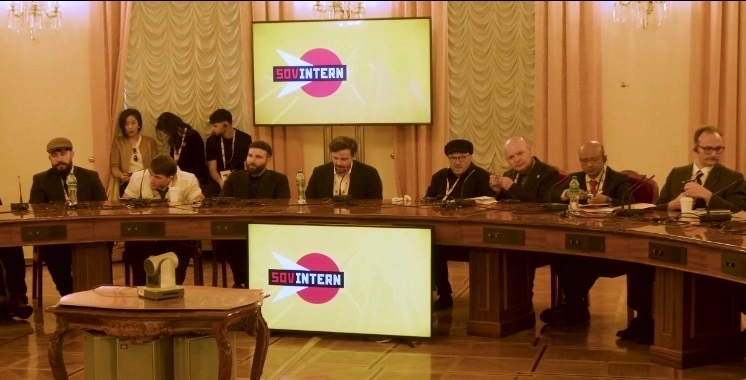
In late April 2026, the founding forum of an international socialist network called the Sovintern was held at Moscow’s House of Unions. The event was organized by the party Spravedlivaya Rossiya (lit. “A Just Russia”). The name Sovintern echoes the Comintern, the Soviet-era Communist International that Moscow used in order to coordinate foreign communist parties and advance Soviet influence abroad.
The Kremlin did not hide its warm attitude toward this kind of international activity: the event opened with a welcoming address from Vladimir Putin himself. Sovintern’s stated public task was to create as much information content as possible. Each participant was expected to spread common narratives back home, thereby motivating potential future participants to join in the efforts to discredit their own national governments.
Like the Comintern once did for the Soviet Union, the new organization also appears to function as a cover for Russian special operations abroad. In fact, several of its participants are directly involved in recruiting foreign soldiers for the war in Ukraine.
One example is the American Communist Party (ACP). The party was founded only recently — on July 21, 2024 — by two Russophile Marxist-Leninist streamers: Adam Tahir, who uses the public name Haz Al-Din (and is also known as Infrared), and Jackson Hinkle. Their left-wing identity does not prevent them from being ardent admirers of the fascist ideologue Alexander Dugin and Nazi sympathizer Martin Heidegger.
Historically, communists in the United States have been represented by the Communist Party USA (CPUSA), whose leadership once actively cooperated with Soviet intelligence. The founders of the new ACP previously belonged to the shrinking CPUSA and have so far set up small chapters across the United States, as well as a branch in Canada. The party’s official activities are limited to community cleanup days, aid to the poor, and peaceful protests glorifying Stalinism and Chinese socialism. Party supporters also back Hamas and Hezbollah. Several members are even fighting against Ukraine on Russia’s side.
In the UK, similar activity is handled by the Workers Party of Britain and its affiliated movement, no2nato. The party is headed by George Galloway, 71, a frequent guest on Russian propaganda shows. Aside from the direct disinformation work of its leader, the party’s members are also on the lookout for potential mercenaries.
From political actions to recruitment
Until the start of its full-scale invasion of Ukraine, Russia used a network of state-controlled cultural centers and associated agents abroad to recruit agitators and, at times, fighters for proxy military structures. The Insider previously described how this worked using the example of Alexander Ionov, president of Russia’s Anti-Globalization Movement.
After the full-scale war began, most such organizations were expelled or shut down across the Western world. As a result, semi-legal and often highly marginal socialist and far-left cells became disproportionately useful.
The path of activists who end up in Western ultra-left movements affiliated with the socialist international usually follows three stages.
First come relatively harmless interest groups and meetings resembling political clubs. These can include community cleanup days, food distribution for homeless people, greening projects, and charity events in neighborhoods inhabited by minorities or economically vulnerable groups. Events of this kind create a sense of community and involvement in a cause that “really helps,” unlike abstract politics. Participants make new acquaintances and sometimes receive assistance.
For example, representatives of the Canadian branch of the ACP in Toronto organized a nature hike on May 7, 2026. Under the guise of a healthy lifestyle event, they worked to strengthen revolutionary consciousness.
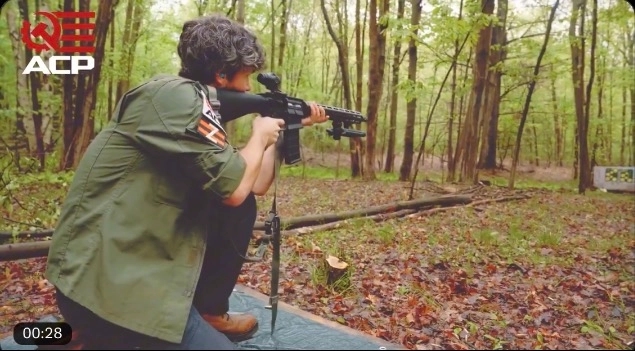
On Memorial Day, May 25, 2026, ACP chapters in Michigan and Illinois held cleanup events and collected garbage, followed by a camp-out with a barbecue and live-fire training. Their clothing featured ACP patches alongside St. George ribbons marked with the letter Z — symbols that have come to signal support for Russia’s invasion of Ukraine.
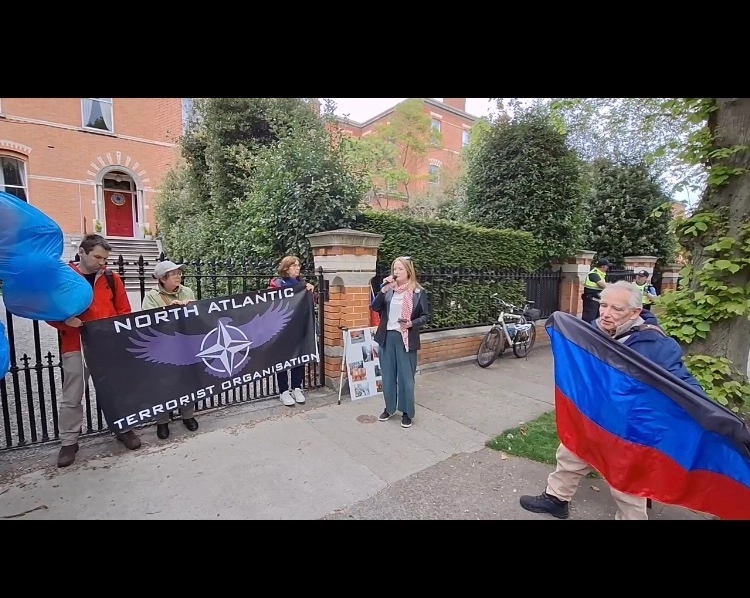
In the second stage, the activities become more radical, shifting to open rallies — against NATO, and in support of the Kremlin, Iran, and Palestinian independence. At such events, Ukraine is routinely portrayed as a hotbed of “Nazism,” while NATO is cast as the successor to Hitler’s imperial policy.
On May 2, 2026, pro-Russian rallies were held outside Ukrainian embassies in London, Berlin, Edinburgh, Lisbon, Dublin, Dakar, and Pretoria to commemorate those killed in the 2014 Odesa clashes and the Trade Union House fire. Russian propaganda has long used the Odesa events as a mobilizing narrative to portray Ukraine as “fascist.”
In London, the rally was overseen by local Workers Party of Britain members Jesse Vinny, Chris Williamson, and Hoz Shafiey. Rally attendees denounced alleged Nazism in Ukraine and waved the flags of Russia, the Donetsk “People’s Republic,” and Novorossiya (lit. “New Russia,” an imperial-era term revived by Russian nationalists to denote parts of southern and eastern Ukraine).
The same activists organized another rally outside the UK Ministry of Defence, where they railed against the deliveries of Storm Shadow missiles to Kyiv.
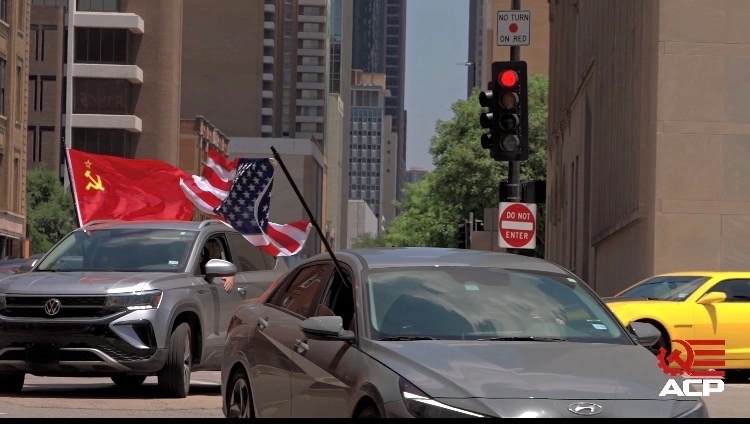
In the United States, the ACP organized a pro-Russian rally and several marches on May 8-9 in the style of the “Immortal Regiment.” The ACP events were deliberately held near rallies by pro-Ukrainian activists.
Finally, in the third stage, the most active participants are offered the chance to go directly to the front.
How it began: The “international brigades”
The Kremlin has used similar structures before. In 2014, a movement known as Interbrigades emerged, built largely around former members of the National Bolshevik Party and Drugaya Rossiya (lit. “The Other Russia”), groups with imperialist and expansionist views. Interbrigades members openly said their goal was to take part in the combat in eastern Ukraine.
Interbrigades members openly said their goal was to take part in the combat in eastern Ukraine
One of the movement’s leaders was writer Zakhar Prilepin, who later became a prominent supporter of Russia’s full-scale invasion of Ukraine. As its name suggested, Interbrigades also recruited foreign fighters, which is how American communist Russell Bentley joined pro-Russian separatists in the Vostok Battalion in September 2015.
Another participant in the movement was Benjamin Stimson, a native of Oldham, England, who still plays an important role in recruitment. He was drawn into the war by his friend Ayo Benes, a Latvian National Bolshevik of Russian-Ugandan origin. By then, Benes had already become known for taking part in Russia’s 2014 operation to annex Crimea, where he earned the nickname “Black Lenin.”
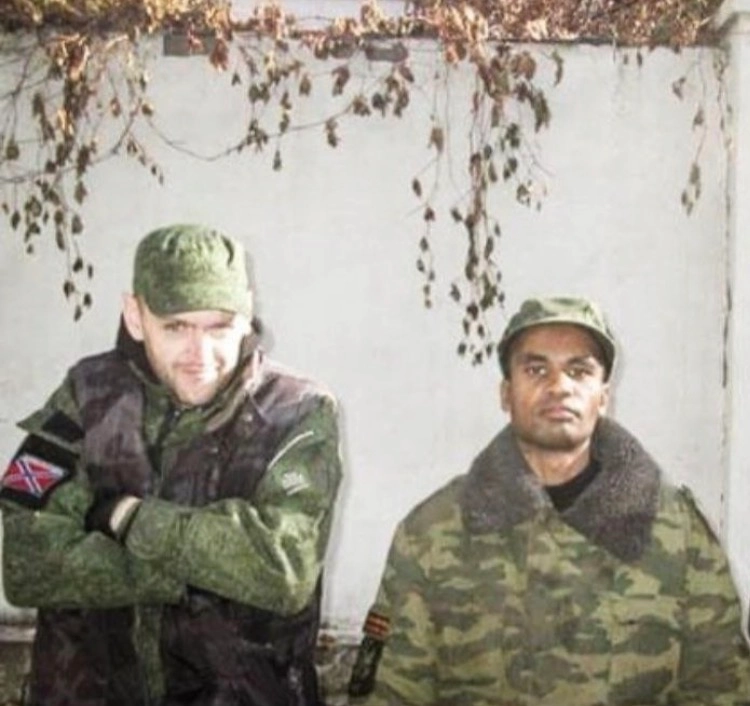
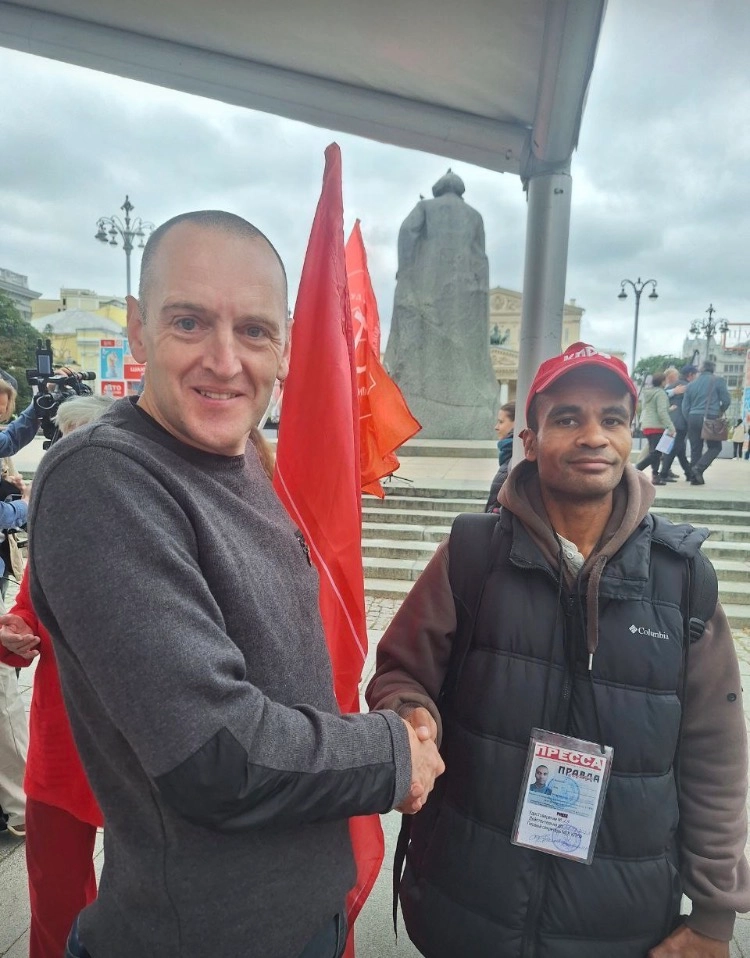
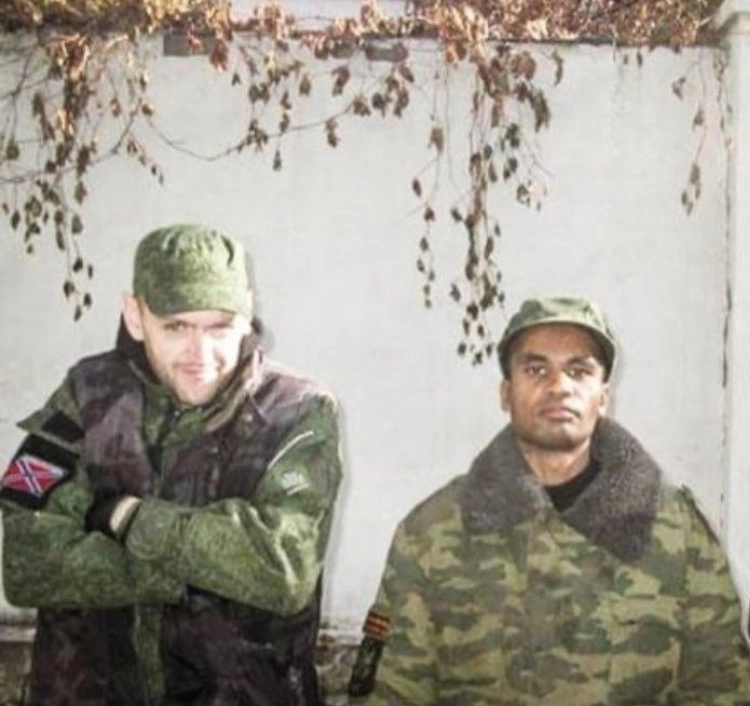
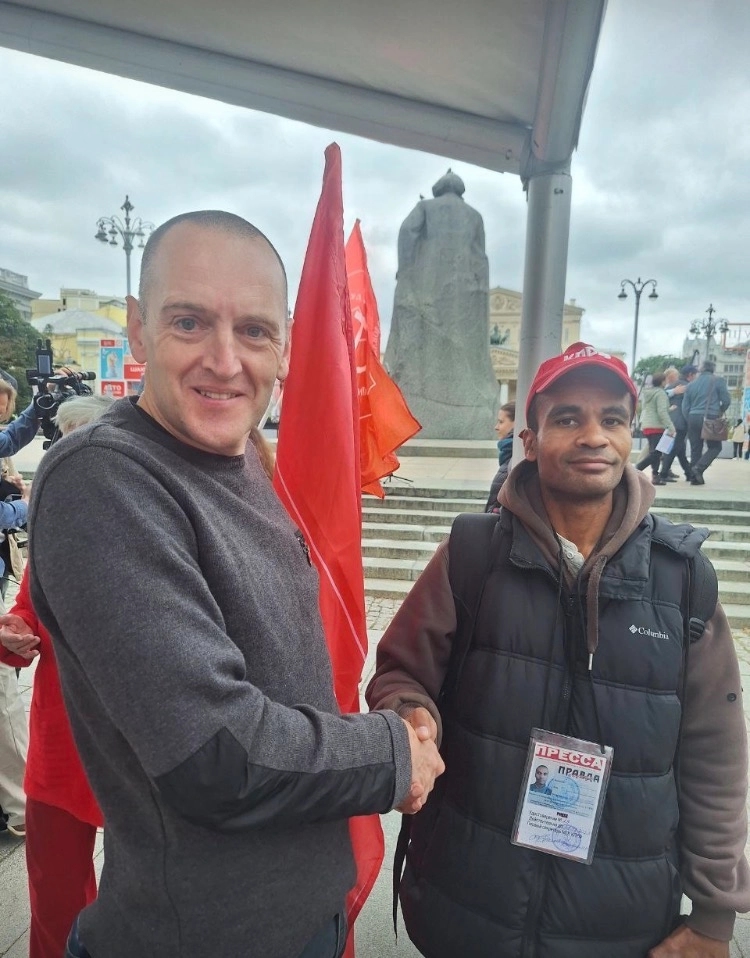
Through the Interbrigades network, Stimson arrived in the separatist-controlled Ukrainian city of Debaltseve in 2015 and joined the 4th Company of the Pyatnashka international brigade. His participation in the fighting in Ukraine led to his first prison sentence — in November 2015, Stimson was detained at the airport after returning to Britain and served a total of six years and four months in prison.
Stimson’s return and new mercenaries
In February 2024, Stimson returned to Russia, where he officially received asylum before again ending up in the war in Ukraine. In March 2026, with the help of State Duma lawmaker Maria Butina, Stimson received Russian citizenship and joined the Kremlin’s United Russia party.
Butina, whose attempt to establish influence in the United States in the run-up to the 2016 presidential election failed, followed a similar career path. After serving time in an American prison over her coordination with Russian officials, she returned to Russia, joined United Russia, and began working on a project to attract foreigners to the country on ideological grounds. Stimson, meanwhile, was tasked with finding and training foreign mercenaries for the war in Ukraine. By his own account, he helps English-speaking recruits and delivers supplies to soldiers.
Stimson’s channels show the full propaganda chain clearly. First, people join socialist cells in their own countries and take part in rallies and strikes. Then, as they become more immersed in Russian propaganda, they express readiness either to go to the front in Ukraine or to help fight Western support for Kyiv.
One example is Stimson’s friend Aiden Minnis, who directly appealed to his supporters to find the locations of warehouses and production sites supplying Ukraine with ammunition and to stop those deliveries by any means. It is not known whether anyone responded to the message, but acts of sabotage have become common in the UK and across Europe.
Stimson’s example proved contagious for other left-wing activists. In April 2026, Bradley Townsend, a fisherman from Yorkshire, went to the war under the influence of “red agitation.” Townsend had never served in the military before.
In Moscow, he was met by Stimson and Minnis himself. After taking photographs with the newcomer against the backdrop of historic sites and in pubs, they created a personal channel for Townsend about his life so he could serve as an example for other potential mercenaries. Townsend also gave interviews to Stimson’s YouTube channel and to pro-Russian British video blogger Mike “ForeignAgentIntel” Jones before being killed at the front.
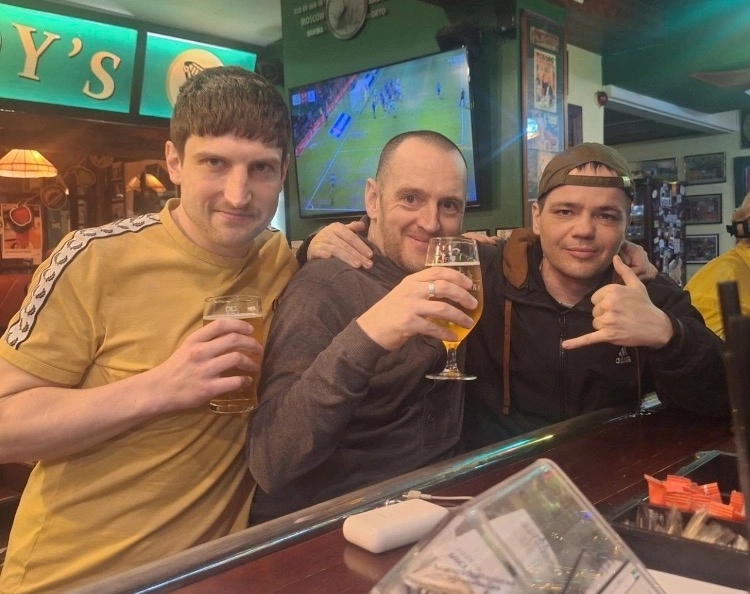
The Insider found that Darryl Fladung, a native of Queensland, Australia, also arrived in Russia this past spring. In Australia, Fladung had worked as a supermarket security guard.
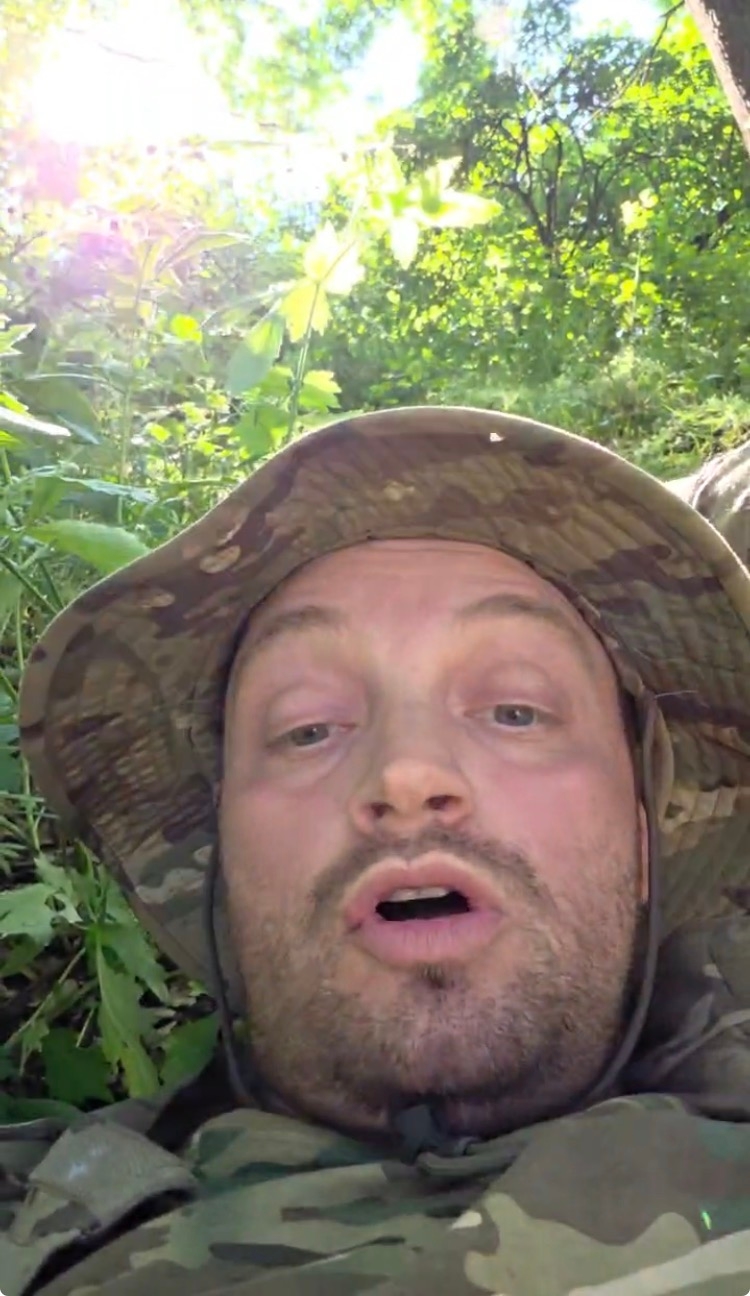
In Moscow, Fladung was met by Stimson and Townsend. Like Bradley, Fladung had no combat experience. In May 2026, while training as an assault fighter at a firing range, he injured his left knee and the tendons around his heel, but after recovering, he made it to the front.
Seth Albert Noon, a member of the American Communist Party from South Carolina, serves in the Russian armed forces’ 24th Motorized Rifle Brigade. He has taken part in fighting in Bakhmut and in the Kherson region.
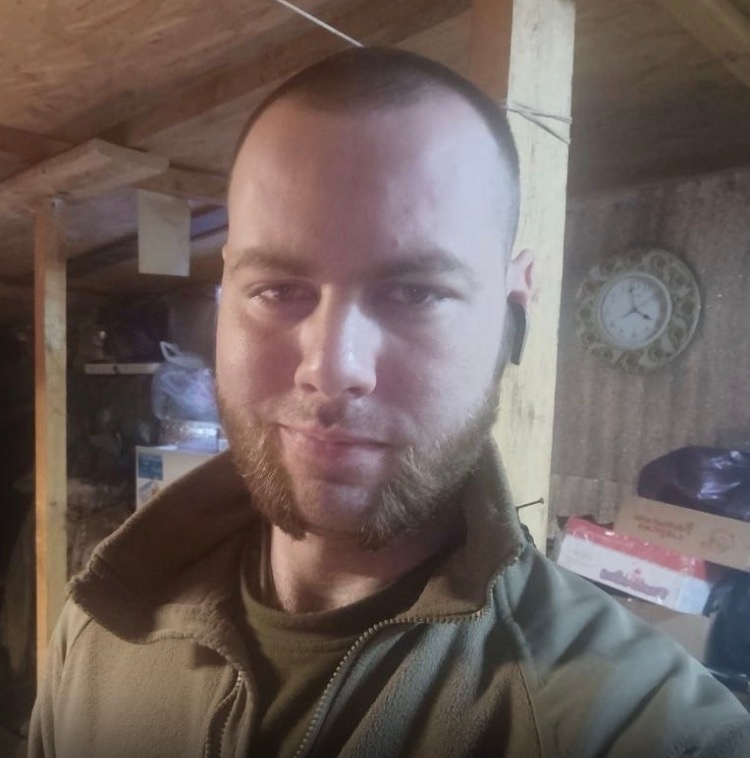
Michael Gloss, the son of a senior CIA official, reached the front by a similar path. He was killed in Ukraine in 2024 at age 21. Like Noon, Gloss was drawn to the far-left agenda and came to believe in Russia’s “special mission.”
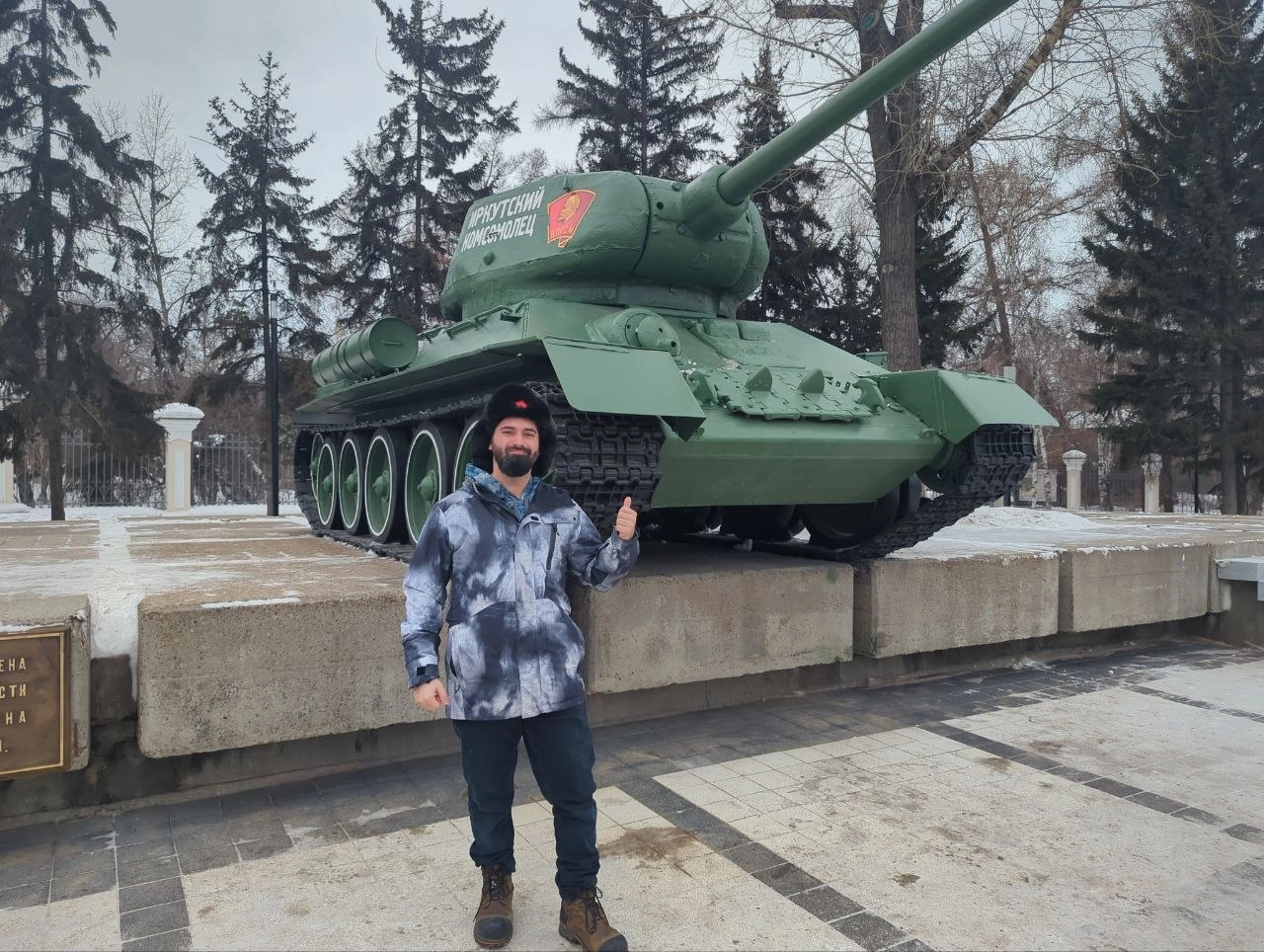
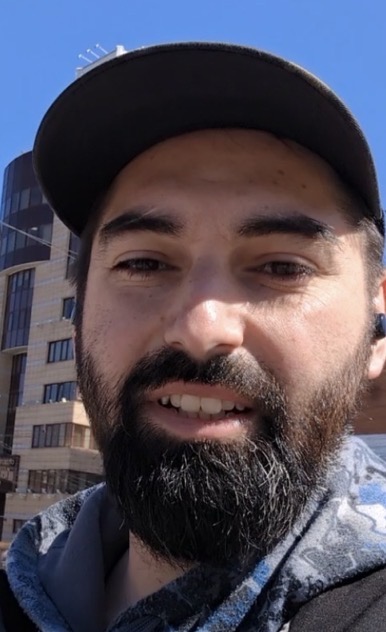
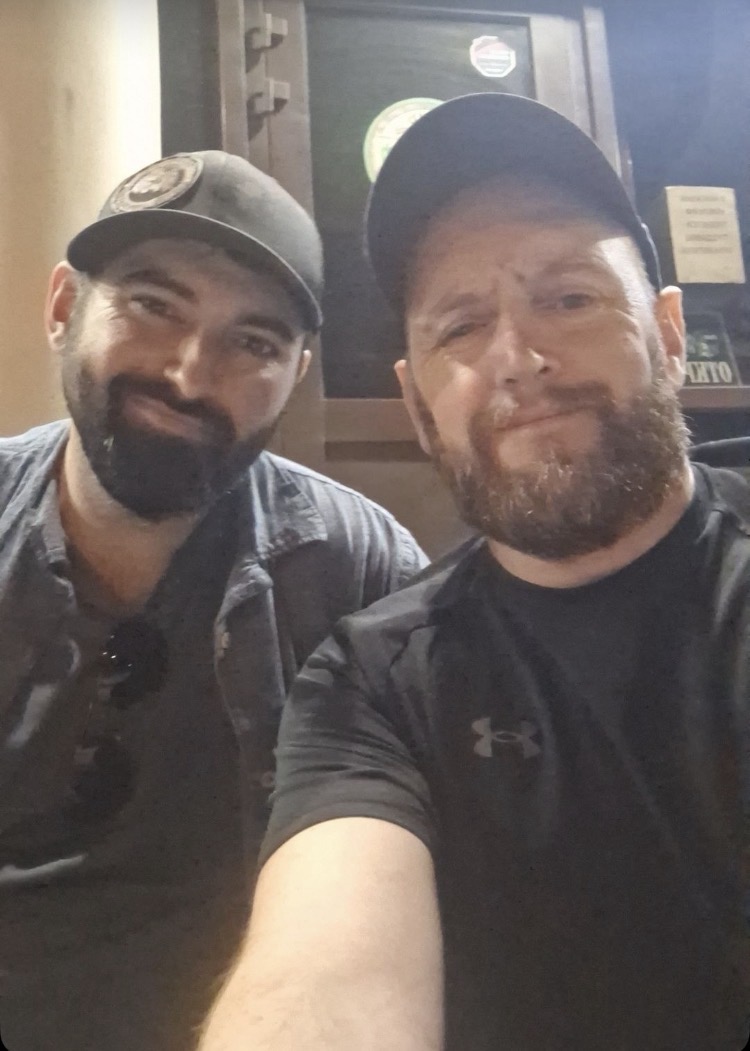
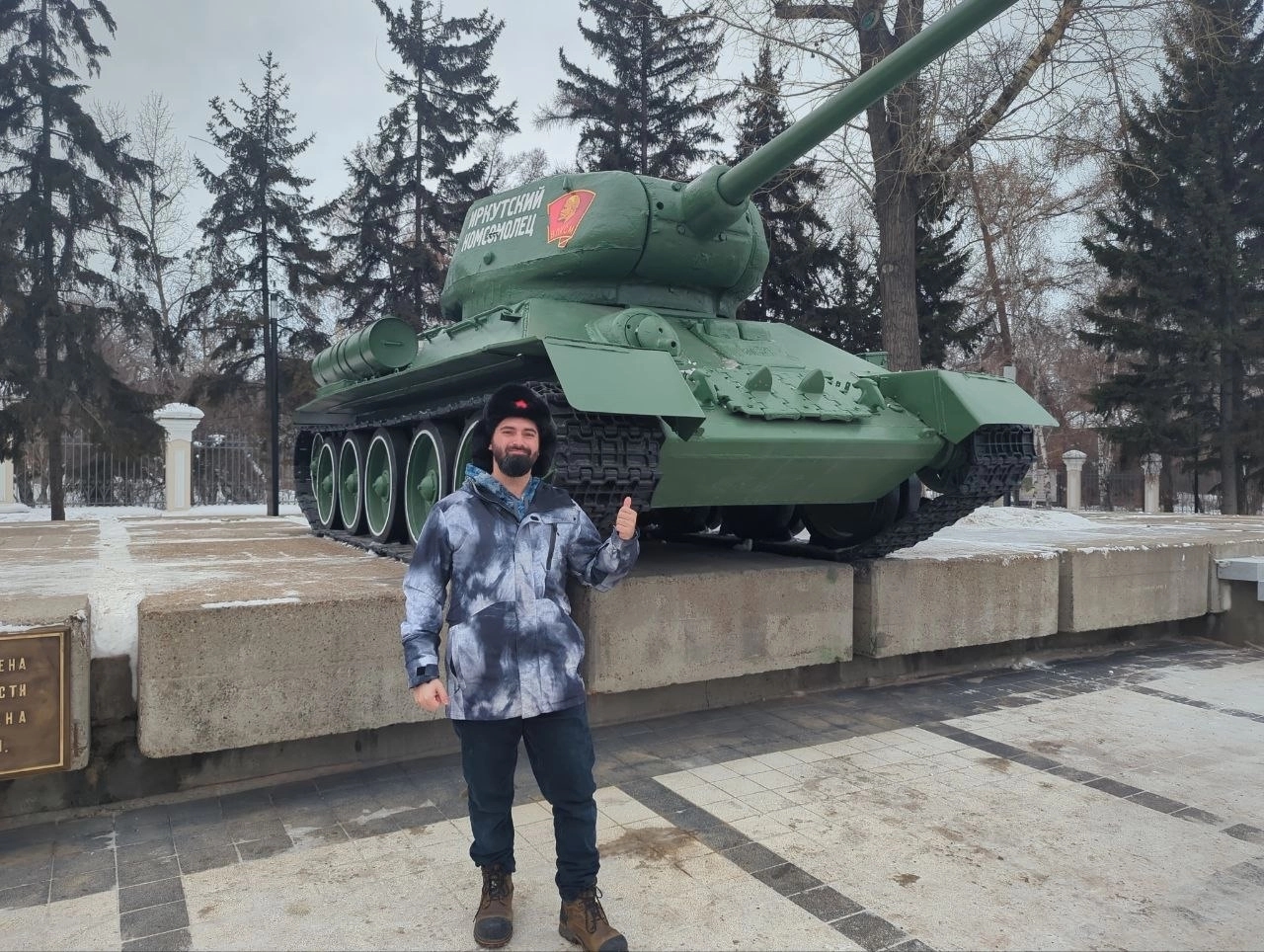
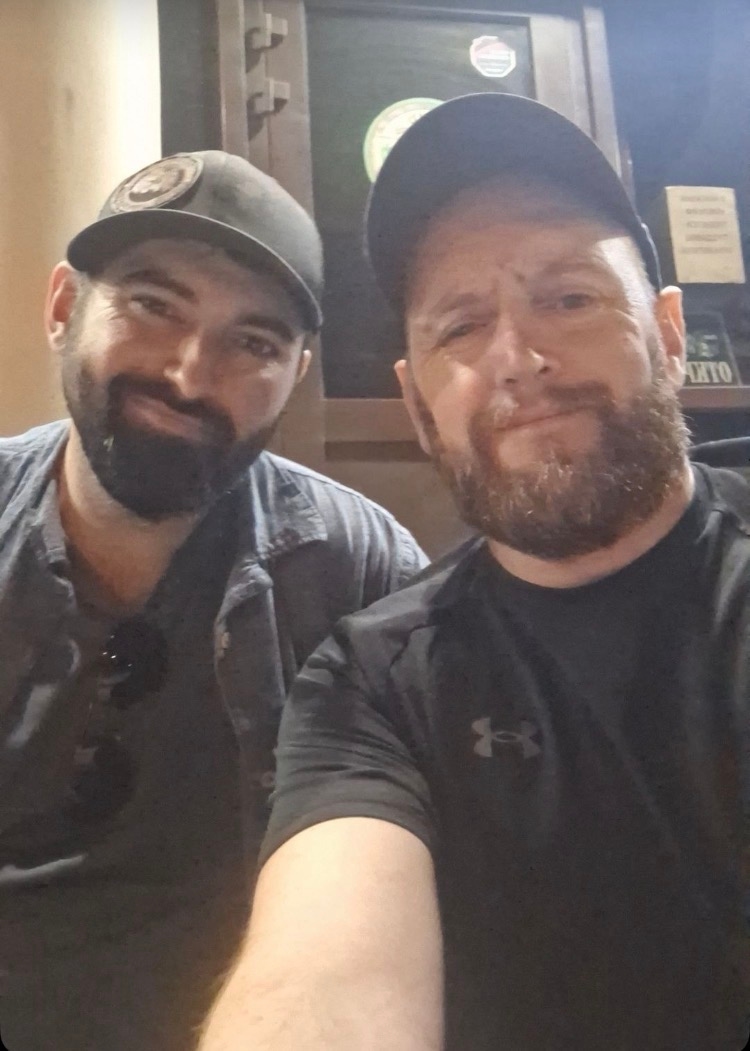
Recruitment continues to this day. In late April 2026, Canadian Ryan Gallant — a member of his country’s branch of the American Communist Party — arrived in Irkutsk via China. Stimson said on his blog that the recruit was a professional helicopter pilot.
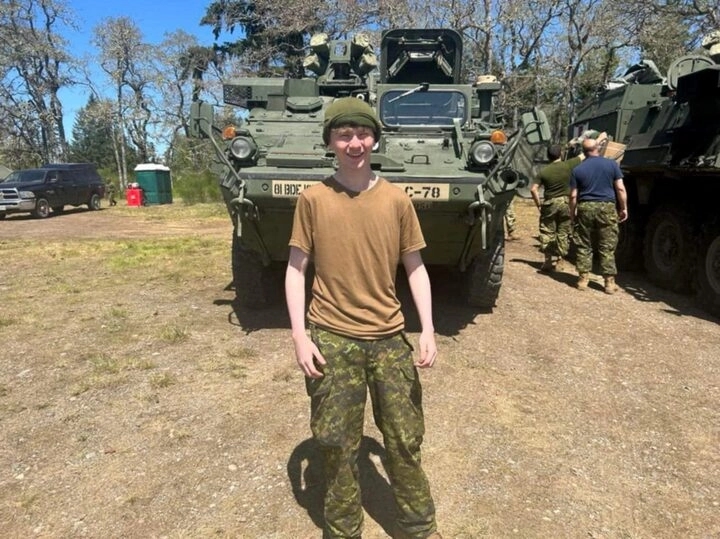
Sometimes the path is more complicated. One example is Laken Pavan, a 17-year-old Canadian cadet who was recruited through socialist chapters and arrived at the Interbrigades headquarters in the Donbas in 2024. Stimson only began communicating with him. When it turned out that Pavan was under 18 and had lied slightly about his age, he was recruited by the FSB, Russia’s domestic security service, and sent to the European Union — first to Denmark and then to Poland — for intelligence work. But he failed the assignment and was detained and convicted.
That example, however, appears to be more the exception than the rule. Those who leave for the war usually do not return home, either because they are killed in “meat grinder assaults” or because they risk criminal prosecution. If a recruit survives, after a while he may become a colleague of recruiters such as Stimson and Minnis and begin looking for new recruits himself.