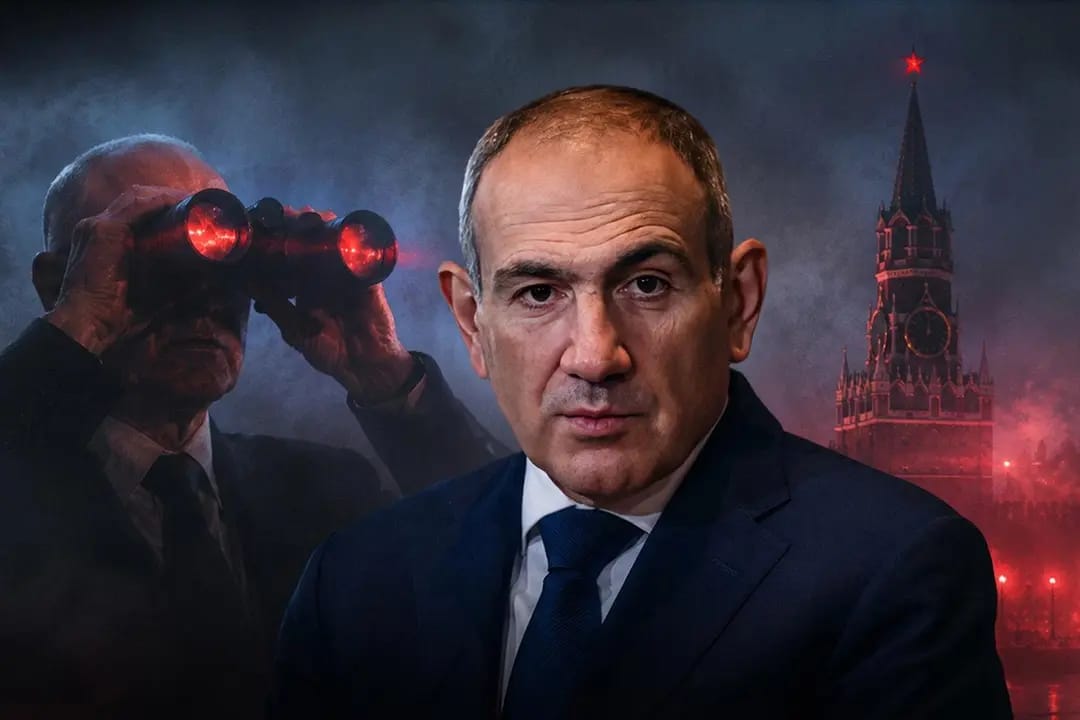
Top-secret FSB counterintelligence documents obtained by The Insider show that since the start of Russia’s full-scale war in Ukraine, foreign intelligence activity targeting the “carriers” of Russian state secrets has seen a notable increase. According to the Kremlin’s spycatchers, these “recruitment approaches” often take place during foreign business trips. Notably though, a growing share of intelligence activity is conducted online. The Insider examined how well Russia protects its state secrets by examining the case of Andrei Kazakov — the head of the Kremlin’s records office. In a strange coincidence, a few days before our findings were ready for publication, Vladimir Putin dismissed Kazakov from his post. As it turned out, the entire life of Russia’s top “secret carrier” was publicly available on his social media accounts.
Sounding the alarm
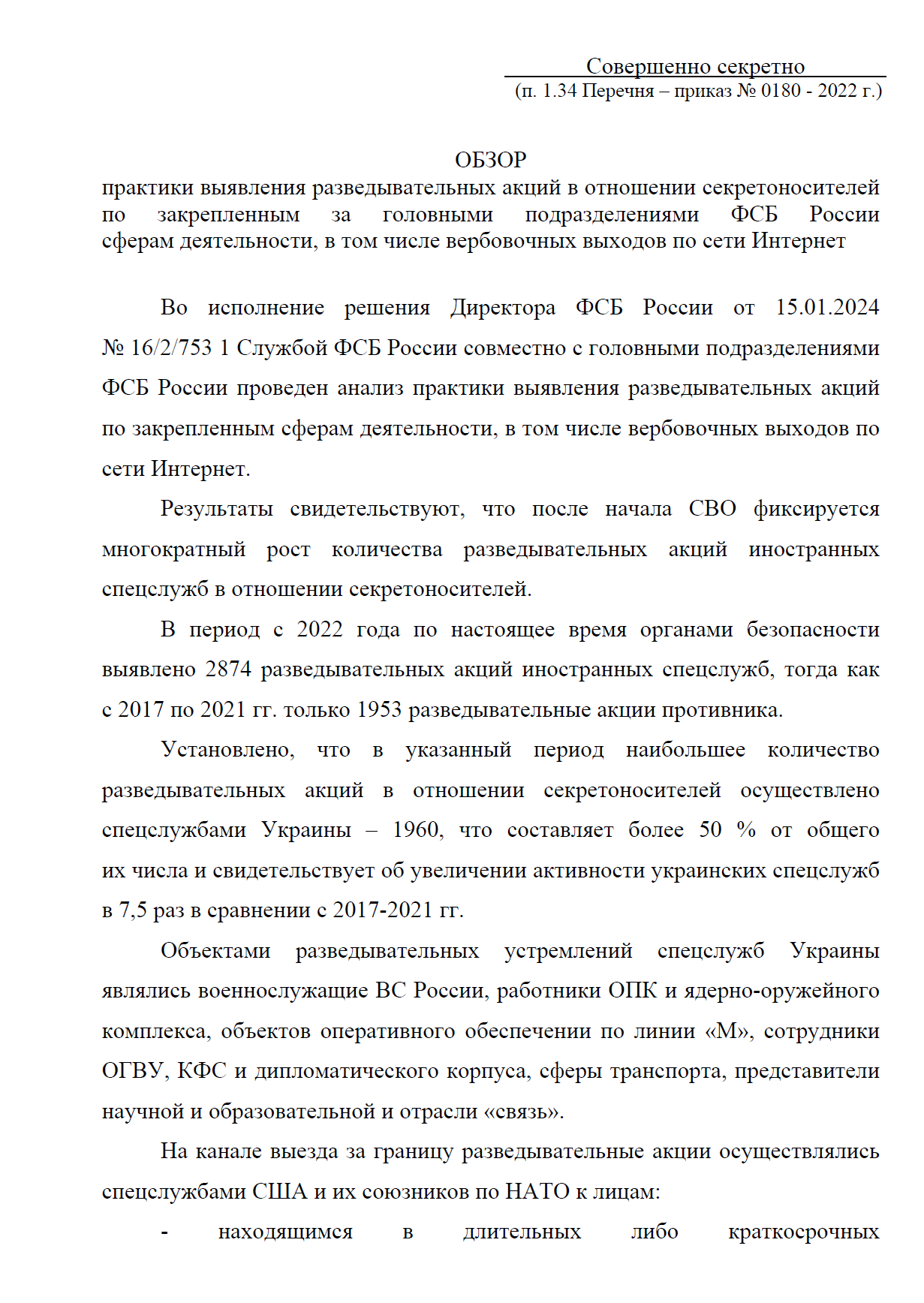
FSB counterintelligence is sounding the alarm. According to a document obtained by The Insider — marked “top secret” — the number of “approaches” to Russian “secret carriers” has grown severalfold in recent years:
“From 2022 to the present, security agencies have identified 2,874 intelligence actions by foreign special services, compared with only 1,953 enemy intelligence actions from 2017 to 2021.
It has been established that during this period, the largest number of intelligence actions targeting secret carriers were carried out by Ukraine’s special services — 1,960, or more than 50% of the total — indicating a 7.5-fold increase in the activity of Ukrainian special services compared with 2017-2021.
The intelligence targets of Ukraine’s special services included servicemen of the Russian armed forces, employees of the defense industry and nuclear weapons complex, facilities providing operational support along the ‘M’ line, employees of state military administration bodies, the courier communications service and diplomatic corps, the transport sector, and representatives of the scientific, educational, and communications industries.”
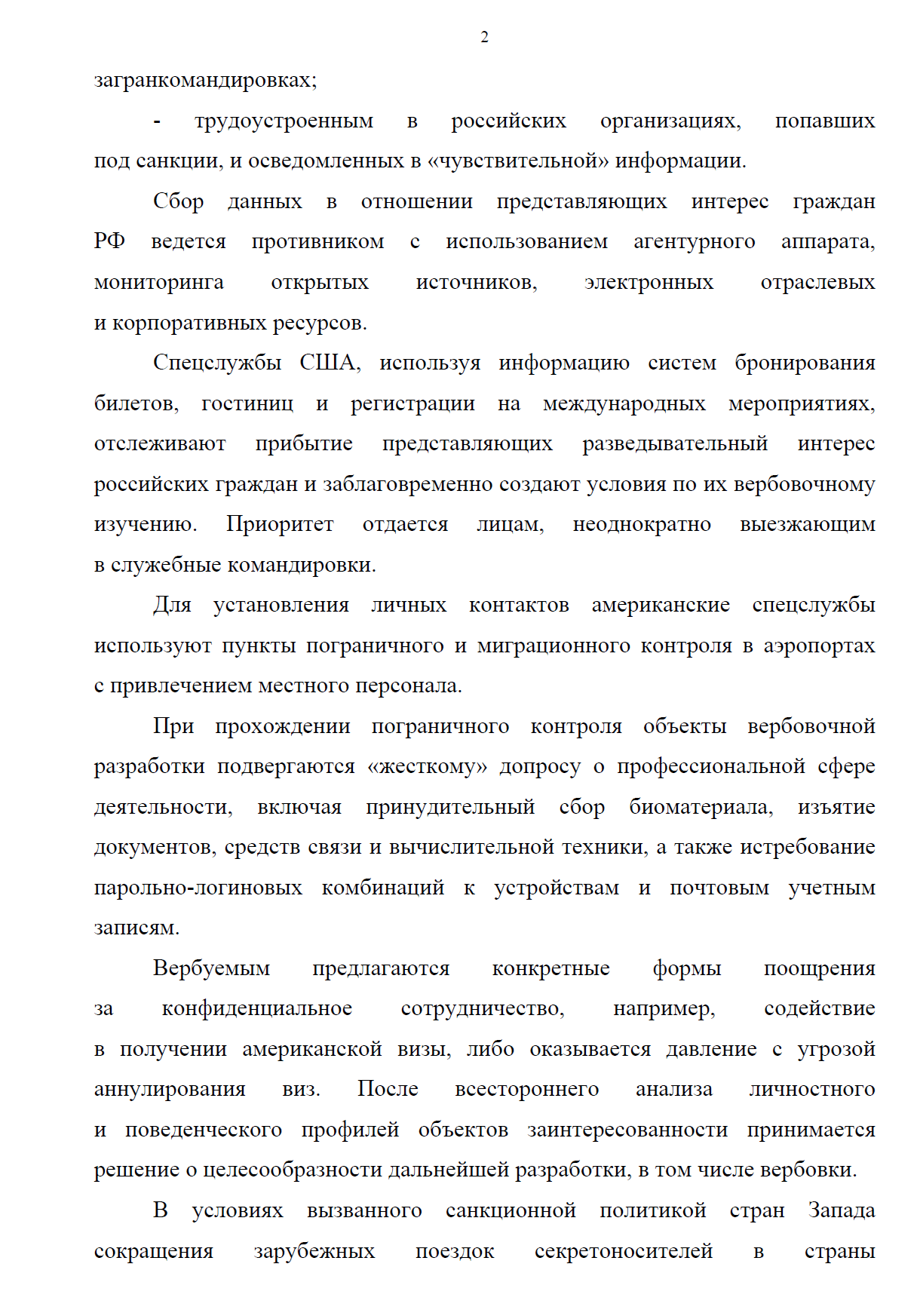
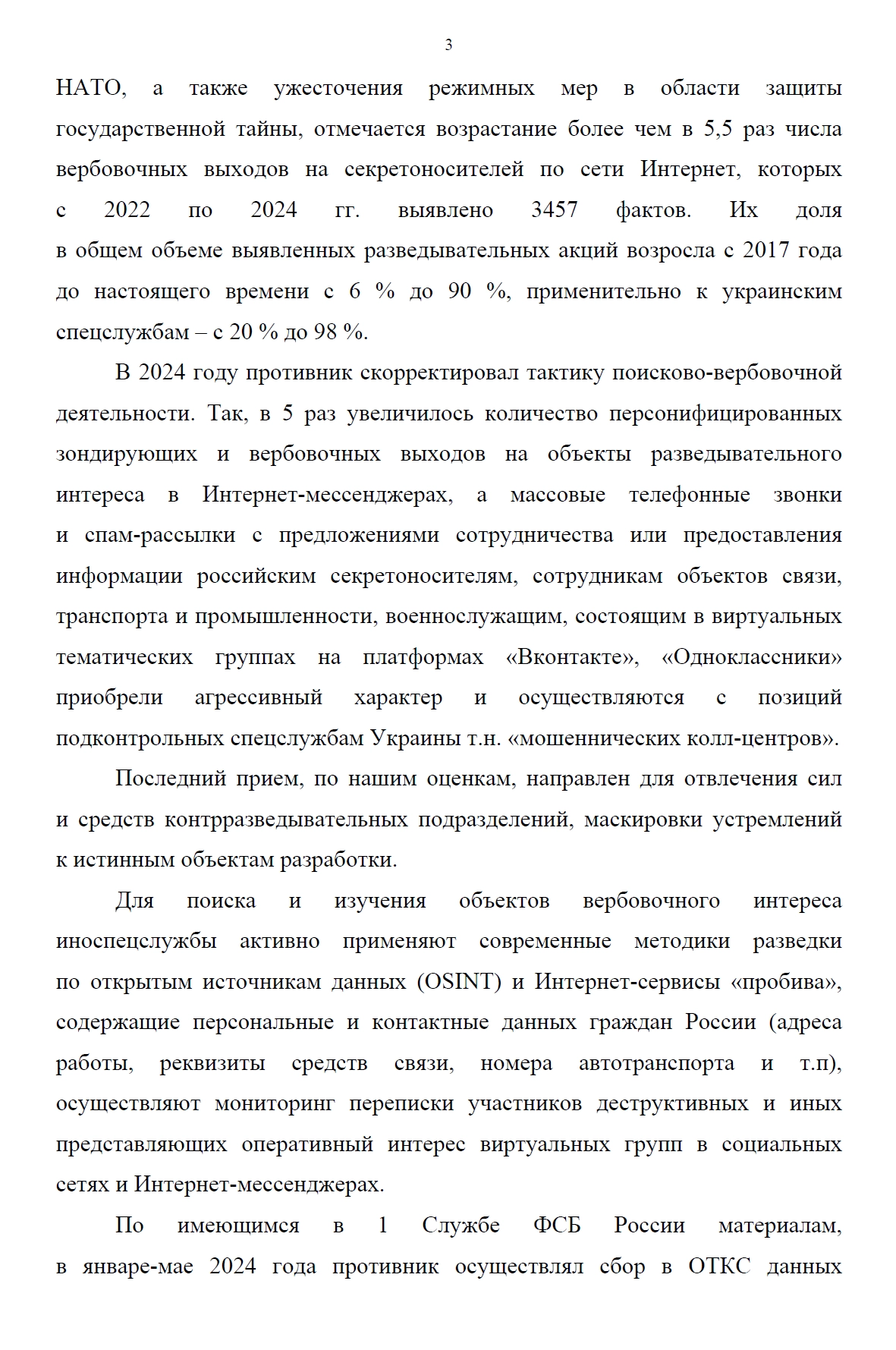
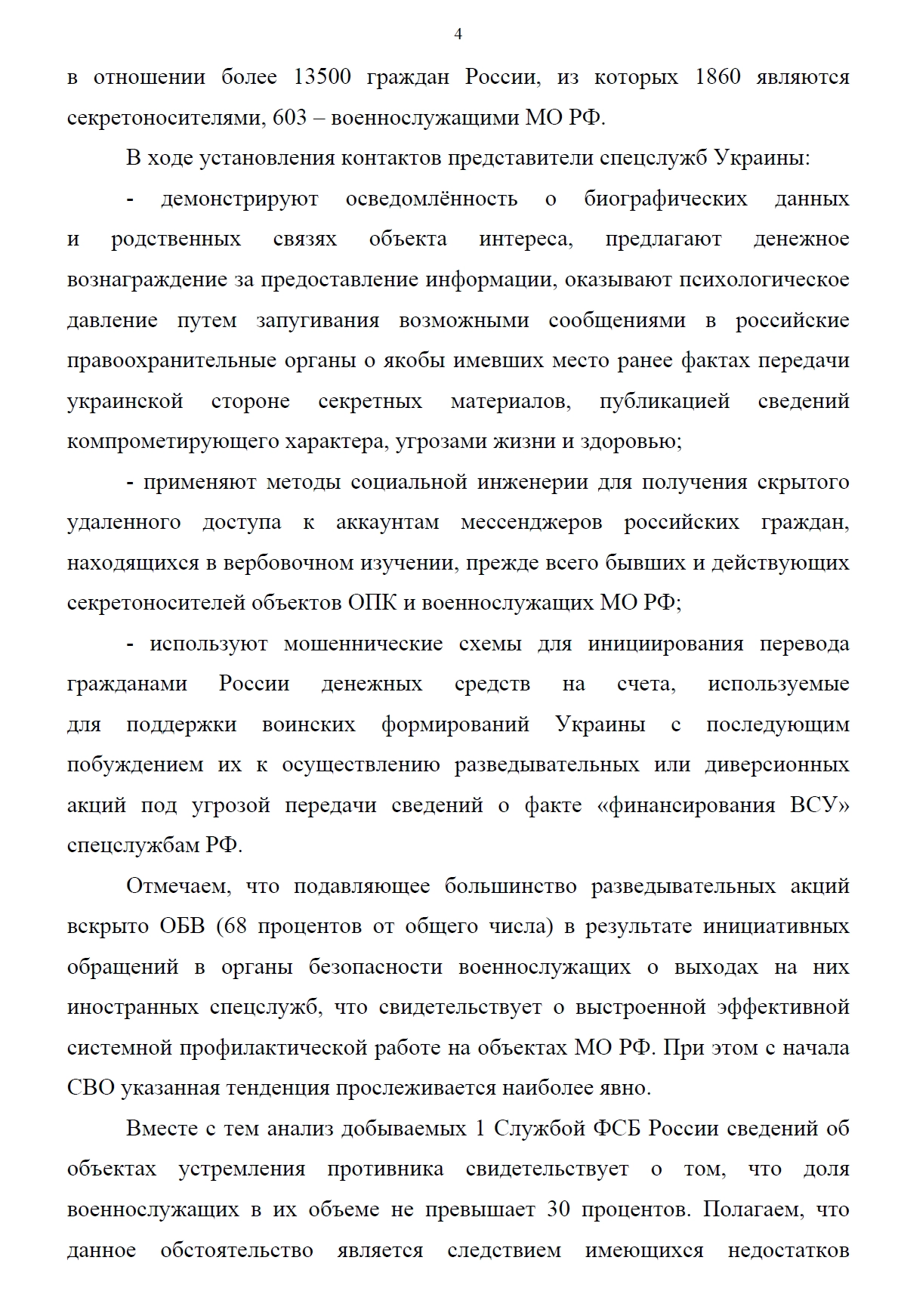
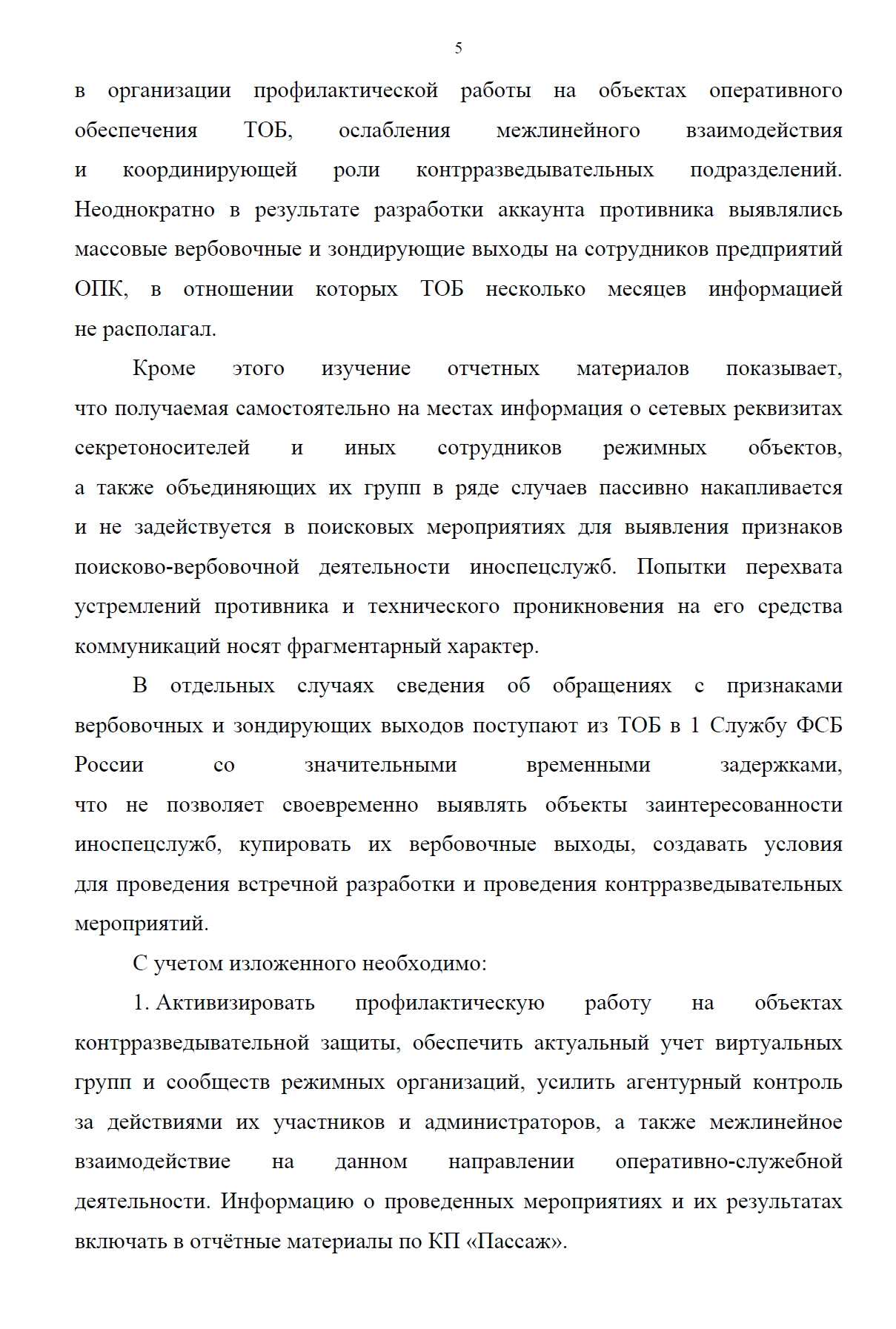

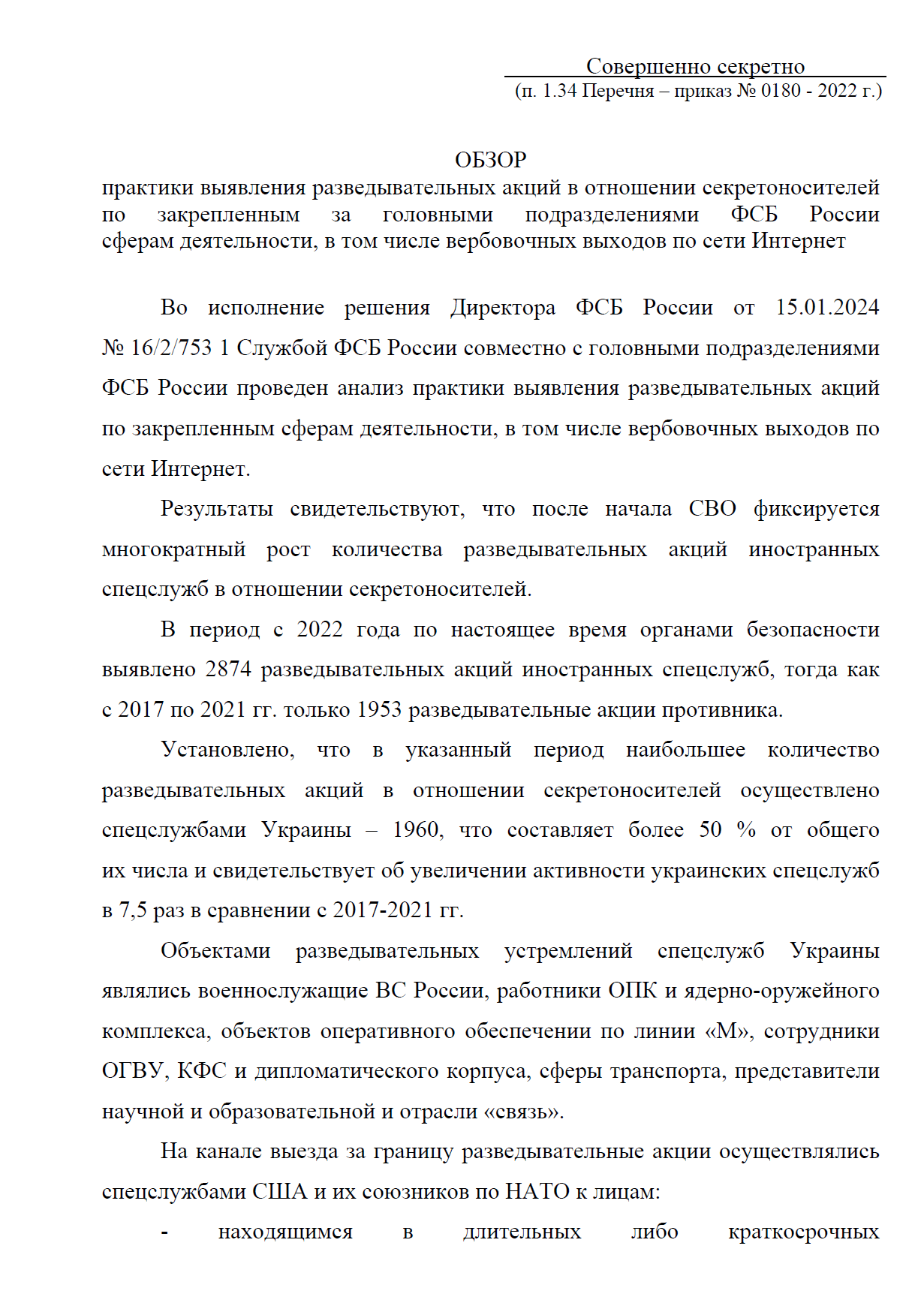
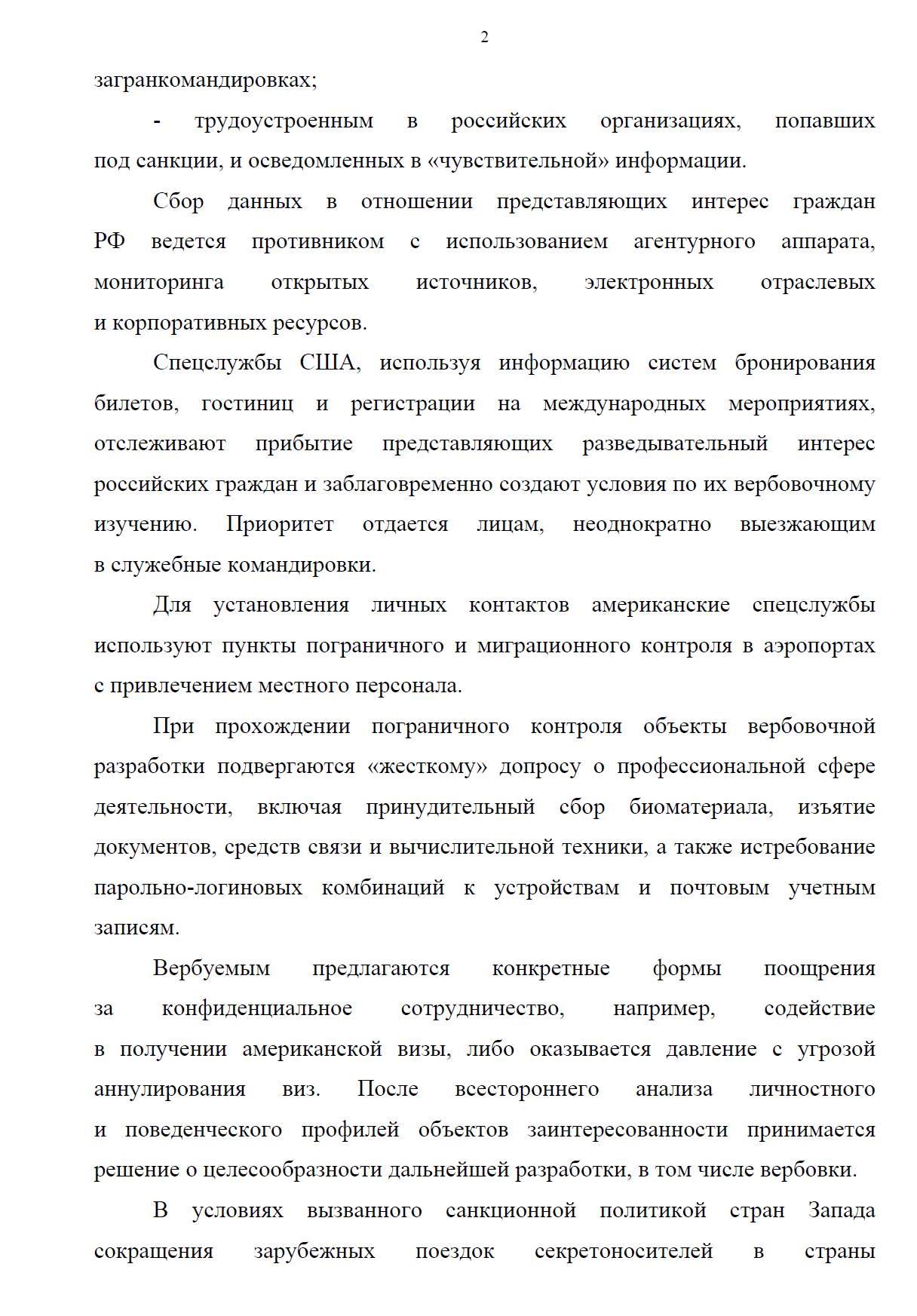
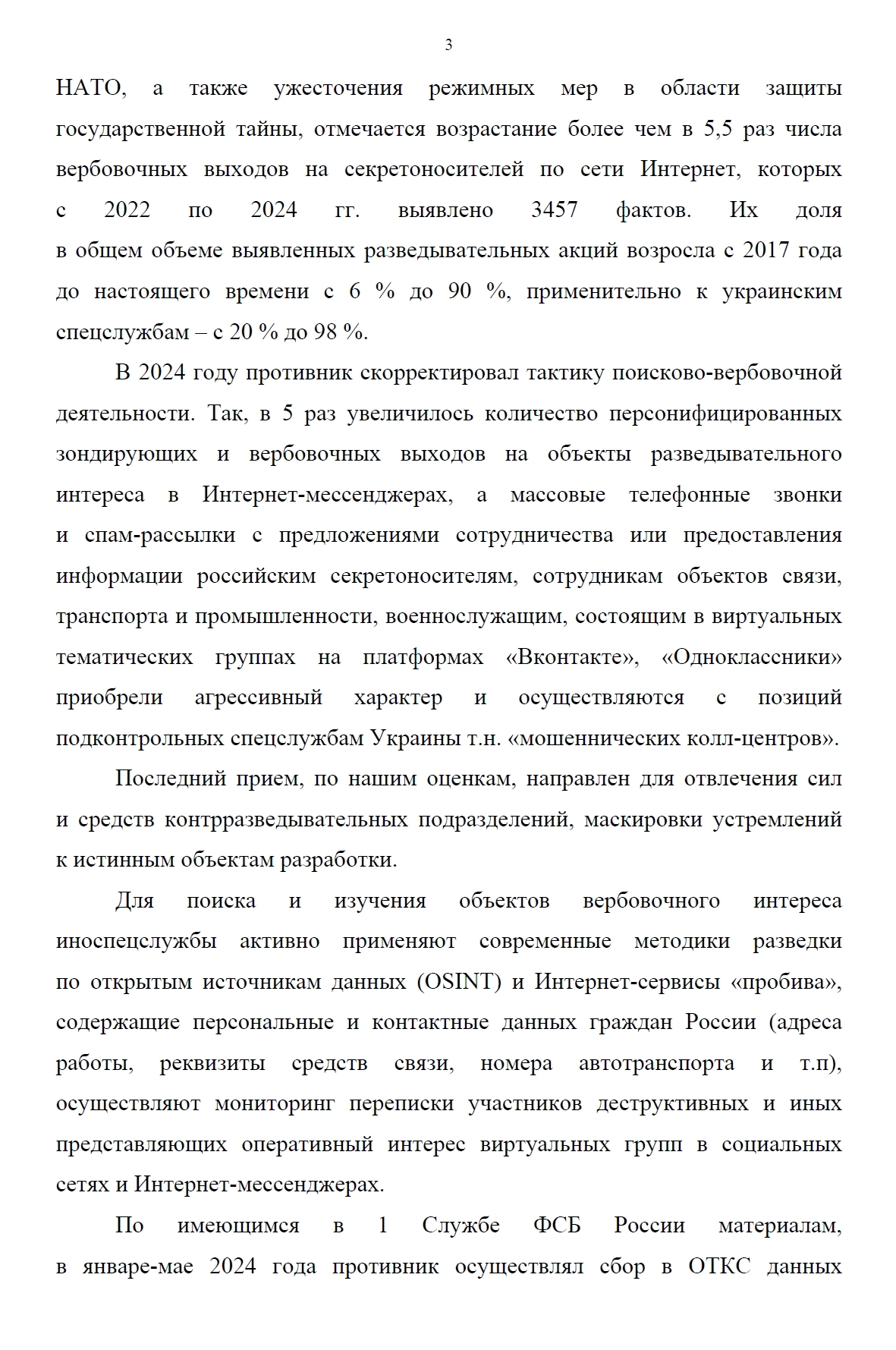
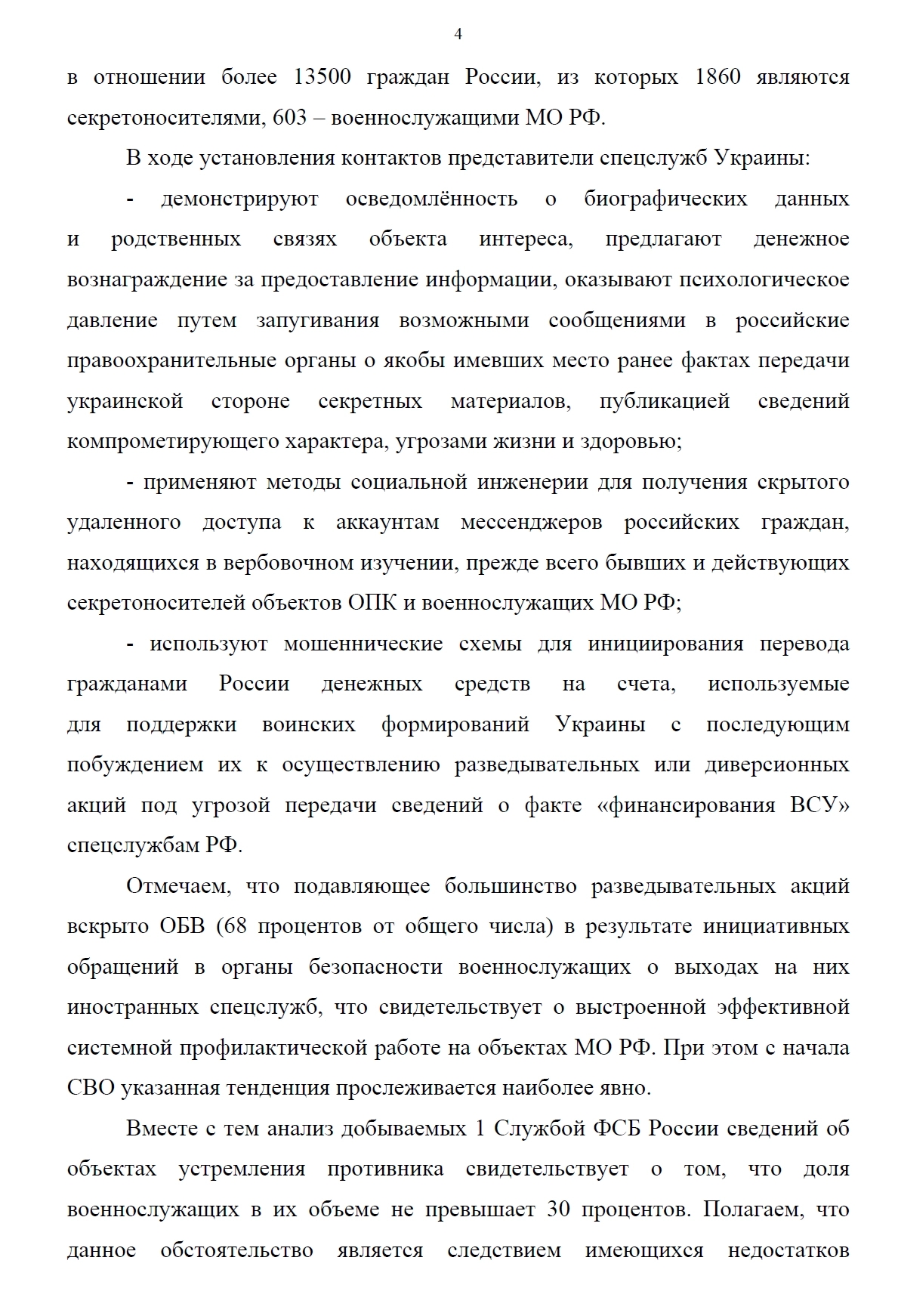
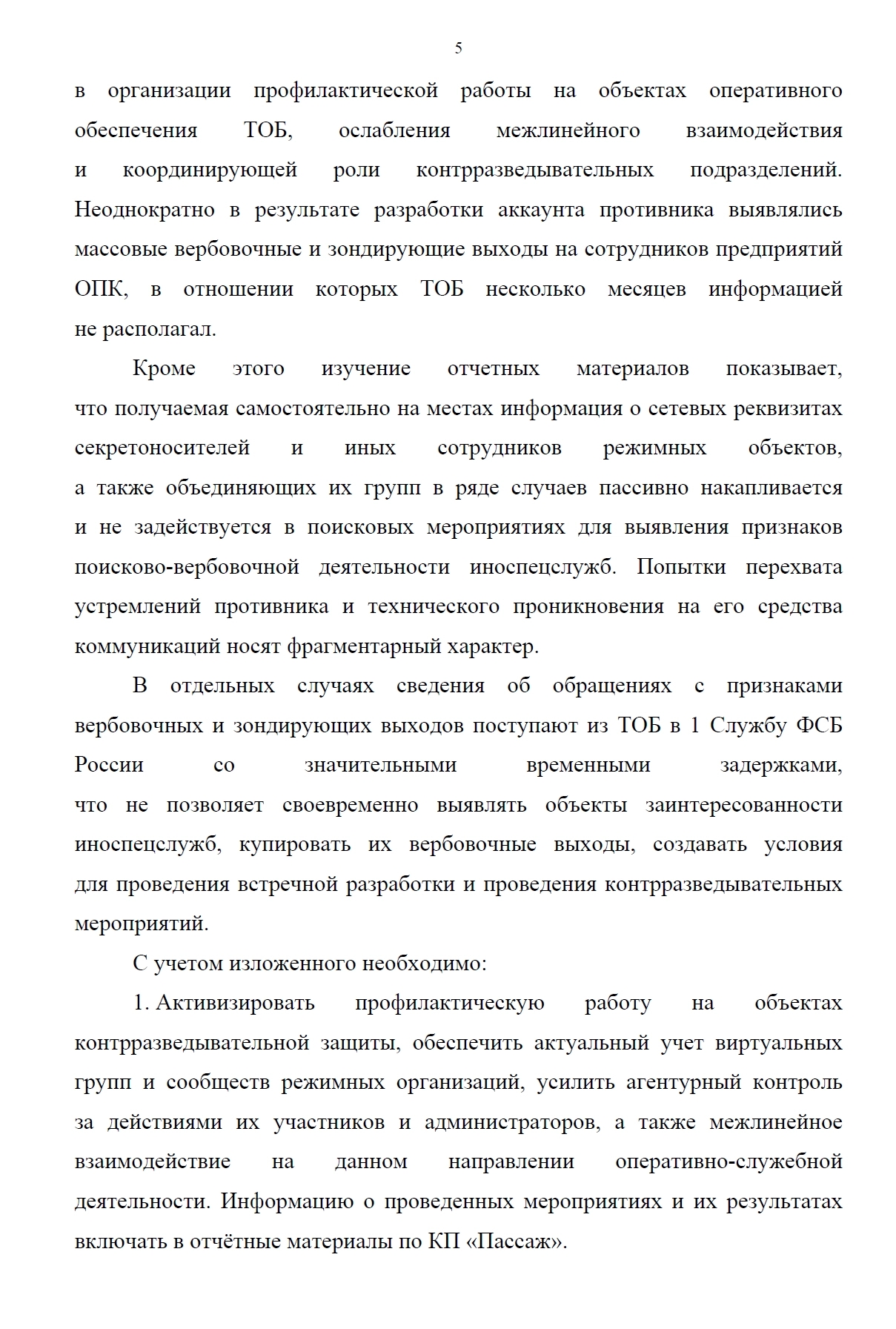
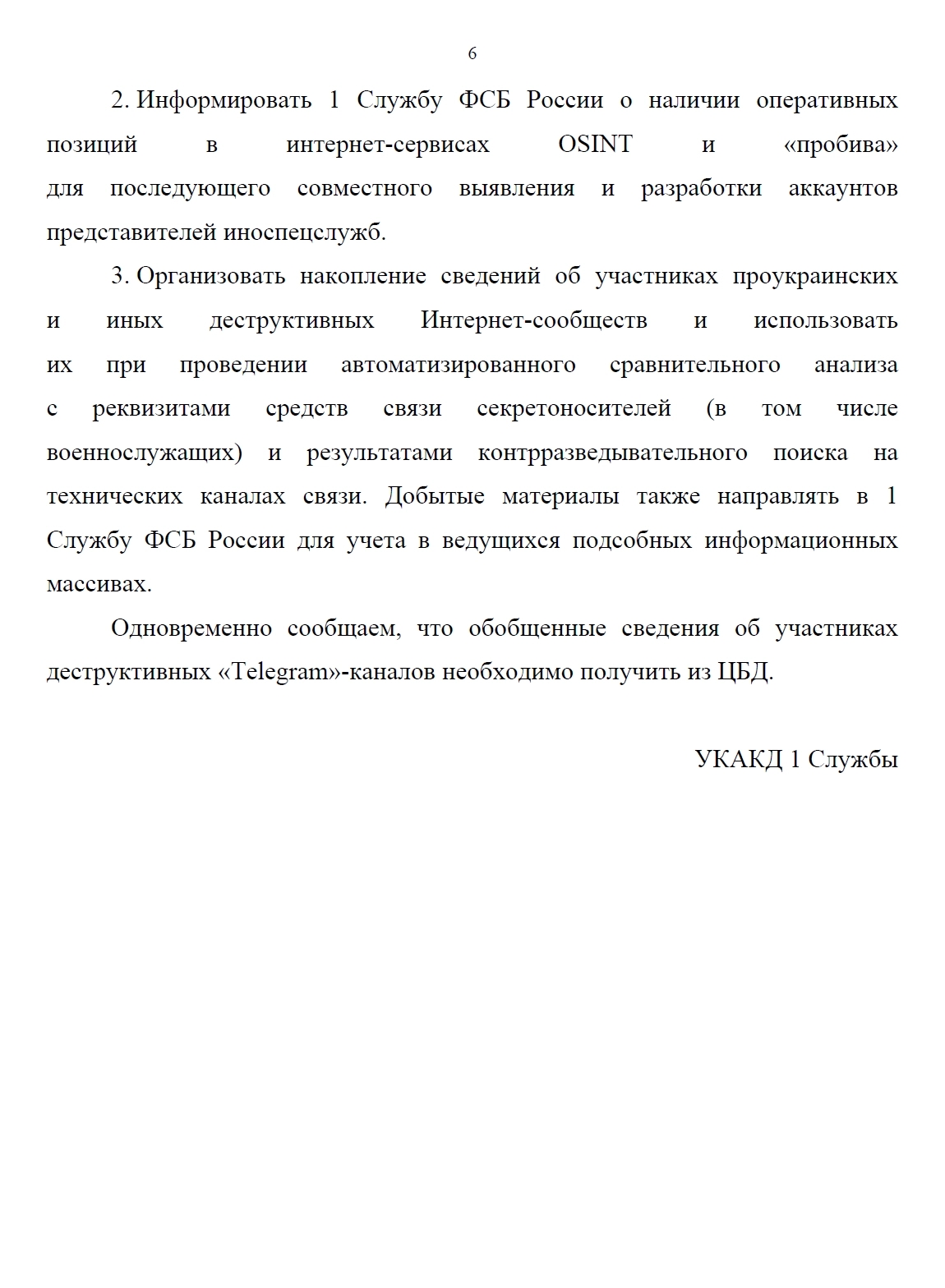
According to the FSB, 90% of “recruitment contacts” now take place online, compared with just 6% in 2017. Foreign intelligence services, the FSB said, have been especially interested in Russian citizens traveling abroad:
“In the area of foreign travel, intelligence actions were carried out by the special services of the United States and its NATO allies against people:
- on long-term or short-term foreign business trips;
- employed at Russian organizations under sanctions and aware of sensitive information.
The enemy collects data on Russian citizens of interest by using agent networks, monitoring open sources and electronic industry, and corporate resources.
U.S. intelligence services, using information from ticket booking systems, hotels, and registration for international events, track the arrival of Russian citizens of intelligence interest and create conditions in advance for studying them for recruitment purposes. Priority is given to people who repeatedly travel on official business trips.
To establish personal contact, U.S. intelligence services use border and migration control points at airports, involving local personnel.
When passing through border control, recruitment targets are subjected to harsh interrogations about their professional activities that can include the forced collection of biomaterial, the seizure of documents, communications devices, and computer equipment, and demands for passwords and login credentials for devices and email accounts.
Those being recruited are offered specific incentives for confidential cooperation, such as assistance in obtaining a U.S. visa, or are pressured with threats of visa cancellation. After a comprehensive analysis of the target’s personal and behavioral profile, a decision is made on whether further development is worthwhile, including recruitment.”
According to the FSB, recruiters actively use openly accessible data that Russia’s “secret carriers” post about themselves online.
It is hard to argue with the FSB’s conclusions. Russian officials with access to the state’s most important state secrets do leave many digital traces — sometimes unintentionally, and sometimes by openly posting information about themselves on social media. This applies not only to rank-and-file officials and security officers with access to state secrets, but also to senior figures whose direct duties include overseeing the protection of classified documents. Among the latter is Andrei Kazakov, who until June 12 headed Putin’s records office.
Secretly, for the whole world
In conversations with relatives, Kazakov called himself the “chief keeper” of the Kremlin’s secrets. And it wasn’t just bluster. More than almost anyone else, Kazakov had access to the Kremlin’s internal workings, the mechanisms behind secret decision-making, and the names of those involved. He often knew about new appointments and high-profile dismissals before others, and he naturally demanded that his subordinates complied with strict secrecy rules. Yet even the simplest of searches turns up almost every imaginable detail about Kazakov himself.
Kazakov was born in 1958 in the Belarusian city of Asipovichy, near Mahilyow. After moving to Moscow, he graduated from a military academy and served as a “secret officer” in the Defense Ministry’s Main Directorate for International Military Cooperation, which is closely linked to the GRU, Russia’s military intelligence agency. There, he was noticed by Sergey Ivanov, Putin’s longtime colleague from the First Chief Directorate of the Soviet KGB, the foreign intelligence branch. Ivanov was head of the Defense Ministry at the time, a post he held from 2001-2007.
Kazakov then quickly rose to deputy head of the defense minister’s office and, by 2010, was able to afford an apartment in the elite premium-class Smolenskaya Zastava residential complex on Ruzheyny Lane in Moscow’s Khamovniki District.
In 2011, Ivanov became head of the Presidential Executive Office and soon appointed Kazakov to serve as deputy head of his secretariat. Three years later, Kazakov bought an even more expensive and spacious apartment in the Barkli Park residential complex, registered in his daughter’s name. There, Kazakov began ordering home deliveries from Globus Gourmet, an upscale grocery chain. Not only Kazakov himself, but also his relatives acquired expensive cars. Near Mytishchi, in the Voyennosluzhashchy dacha settlement, Kazakov built a mansion. Its garage holds vintage Moskvich and Zhiguli cars, which he proudly shows to guests. The whole family gathers at the mansion for New Year’s Eve, and in summer they celebrate holidays on a yacht on the Pirogovskoye Reservoir.
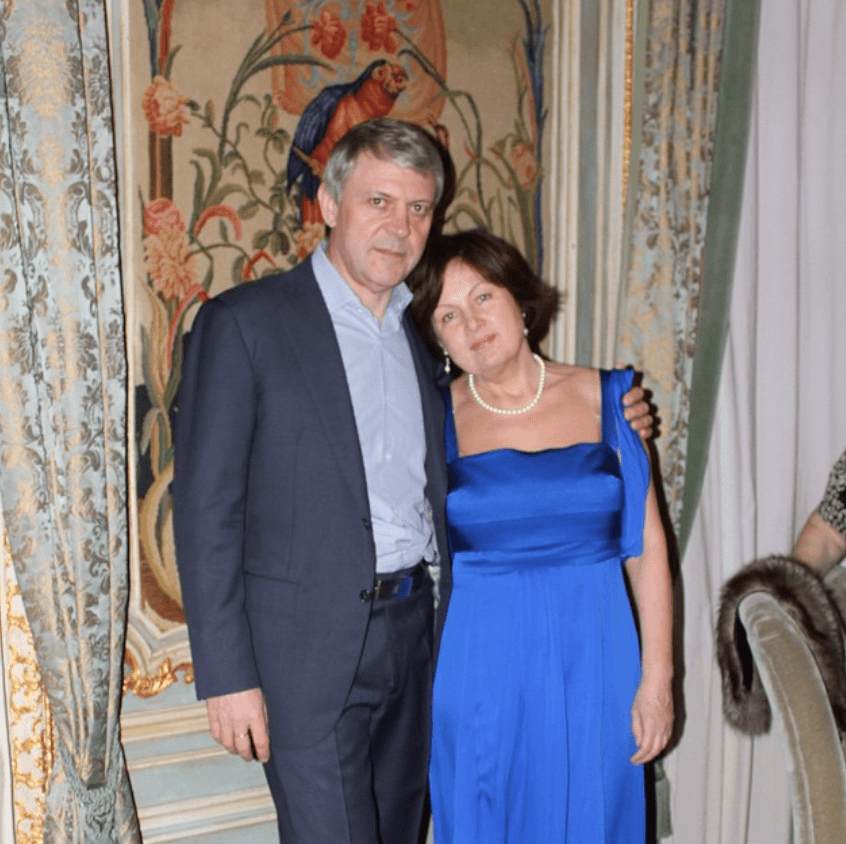
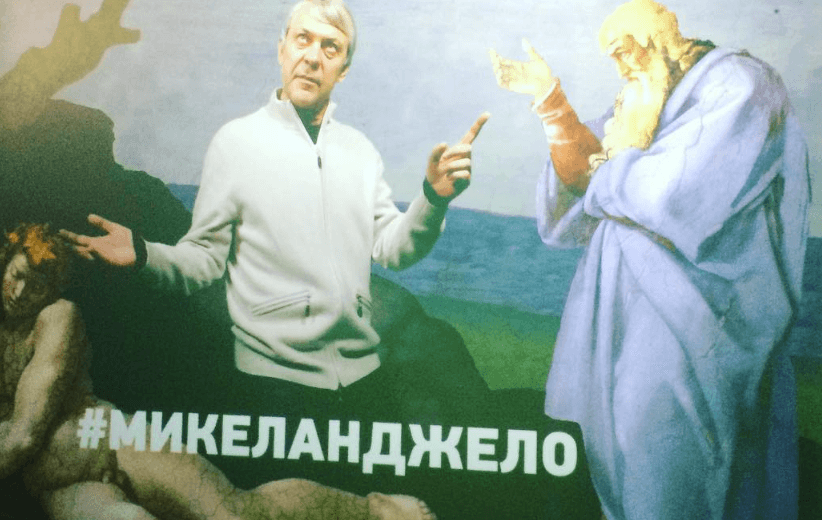

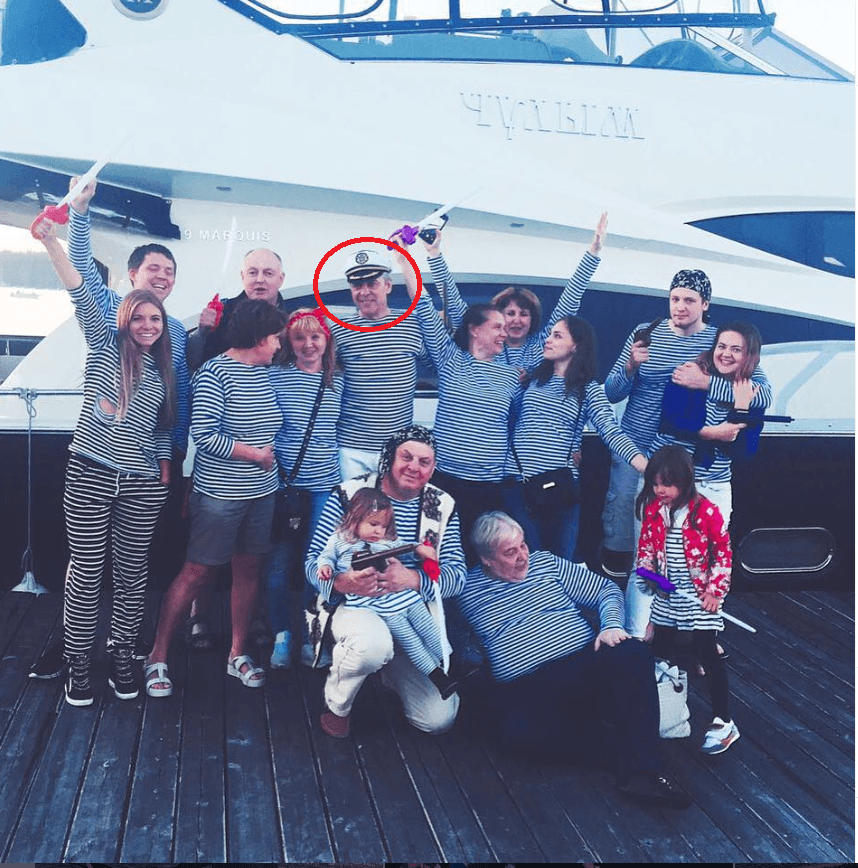
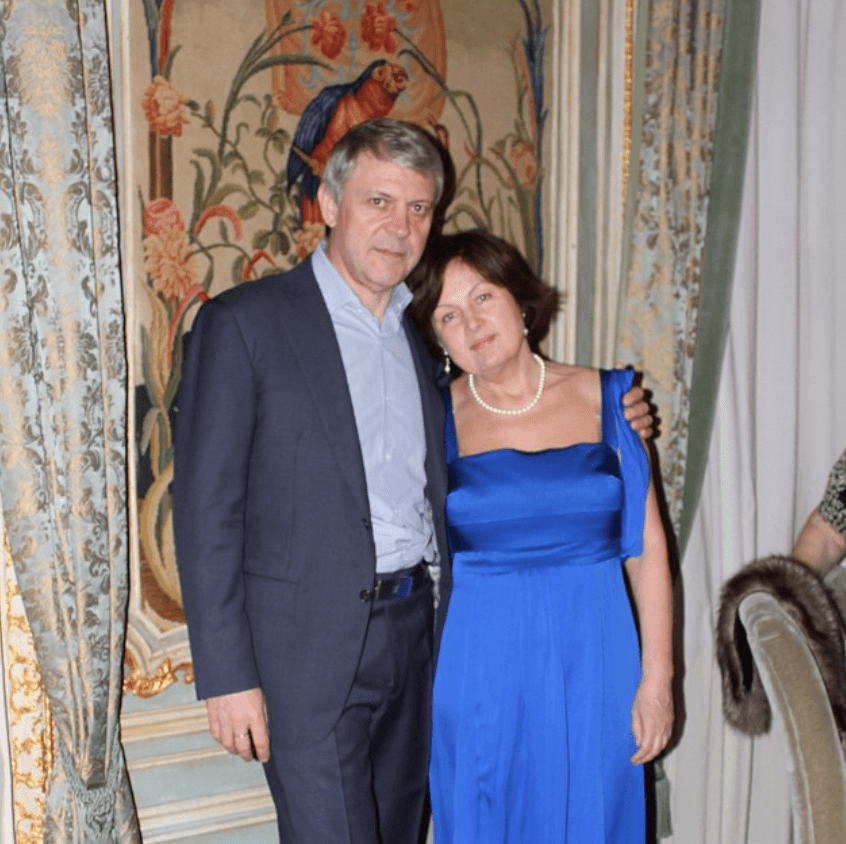

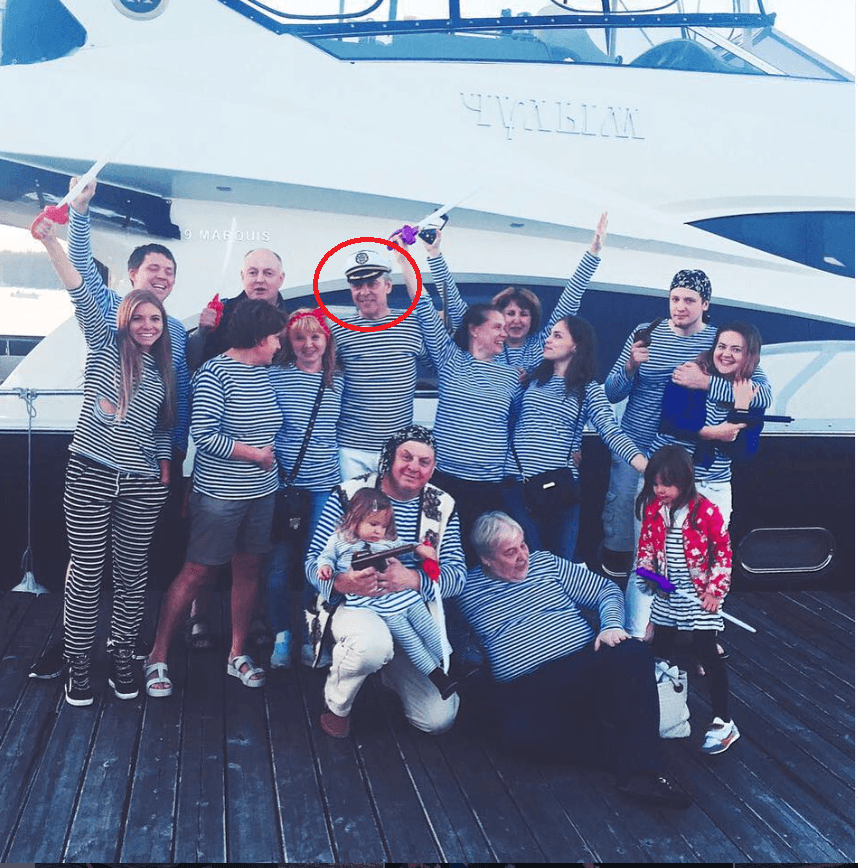
In 2016, Kazakov moved to the presidential records office, and in 2020 he replaced its longtime head, Alexander Golublev, who died of complications brought on by COVID-19.
According to a source in the Presidential Executive Office, the new head of the records office began demanding heightened vigilance from subordinates from his first days in the job.
“Andrei Anatolyevich is simply obsessed with secrecy,” the source said. “We are all already under nondisclosure obligations, and on top of that there are constant checks. The atmosphere in the records office is very tense. Informing on one’s colleagues has become the norm. And there is no one to complain to — above him there is only VVP,” the source said, using a common Russian shorthand for “Vladimir Vladimirovich Putin.”
“Kazakov is obsessed with secrecy, informing on one’s colleagues has become the norm, and there is no one to complain to — above him there is only Putin”
But Kazakov himself appears not to have followed the secrecy rules he demanded of others. He called GRU chief Igor Kostyukov using ordinary mobile communications and used Gmail, whose data is stored on U.S. servers.
Using ordinary Russian “probiv” bots — semi-legal lookup services that aggregate leaked personal data — it is not difficult to learn the details of Kazakov’s everyday life — from his food preferences (his family tries to buy lactose-free milk) to the identity of his personal dentist (Dmitry Sergeyev of the P.V. Mandryka Central Military Clinical Hospital of Russia’s Defense Ministry).
A family of state-secret keepers
Kazakov also publicly posted photos from family trips to NATO countries. To be fair, after the full-scale invasion, Kazakov’s family began vacationing inside Russia — specifically at the Primorye Grand Resort Hotel in Gelendzhik, Rosa Springs in Sochi, and the five-star Grand Palace hotel in Svetlogorsk.
The last time Kazakov’s family ventured abroad was on Feb. 20, 2022, four days before Russian invasion of Ukraine began. He flew to Serbia for a vacation with his wife, daughter, and granddaughter. Apparently, the official with access to all of Russia’s state secrets understood that this would be his last chance to experience life outside the country.
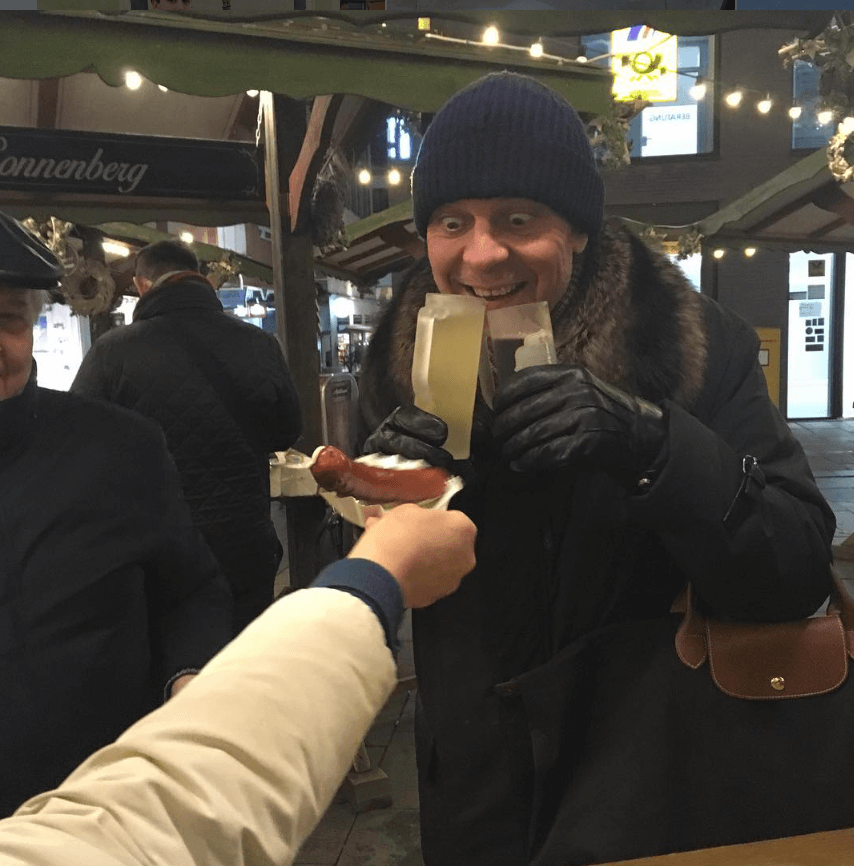
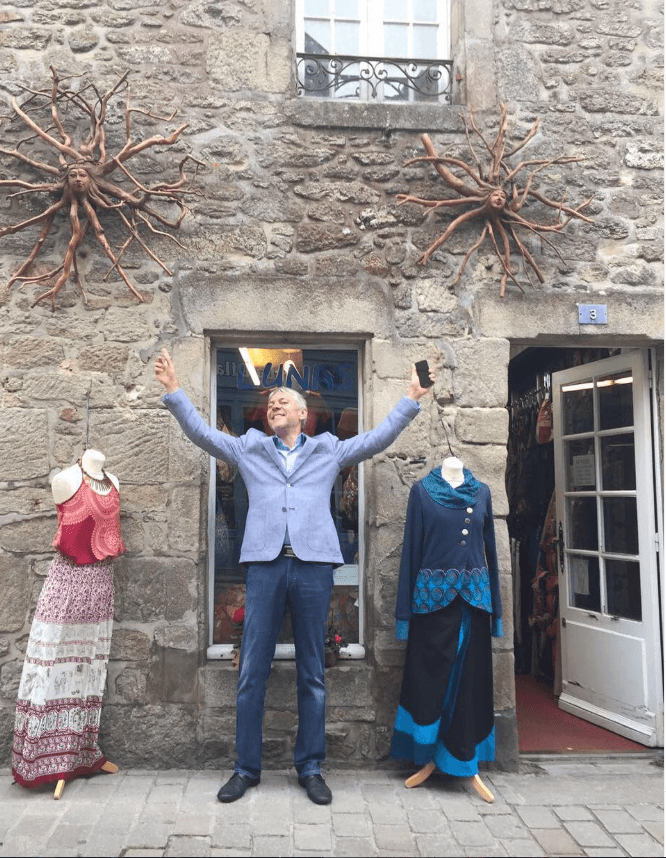
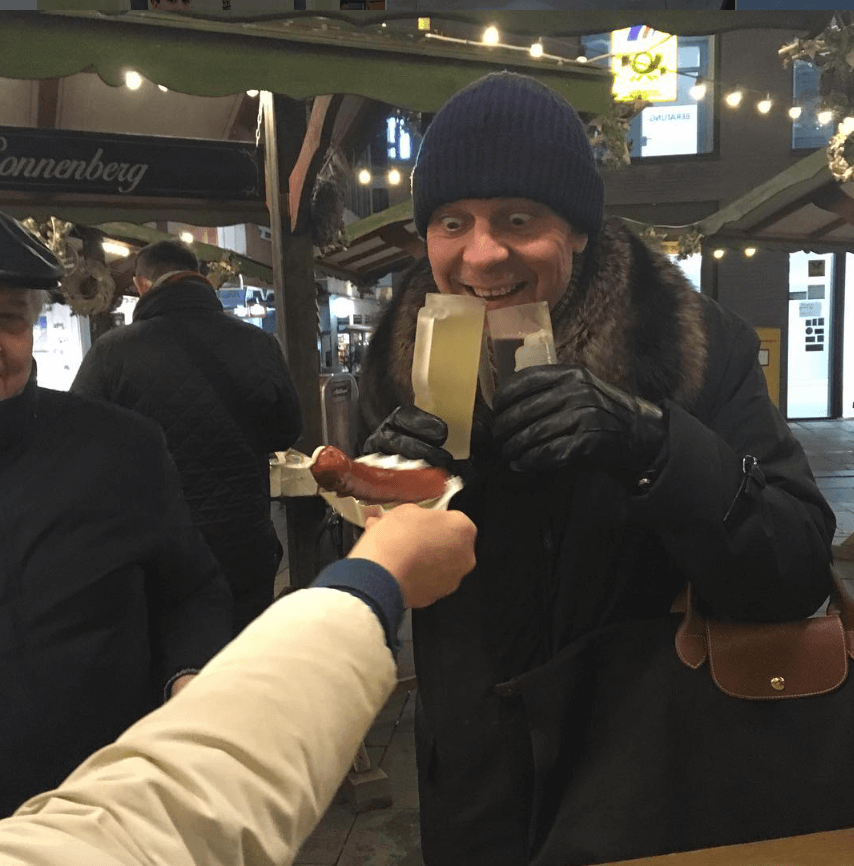
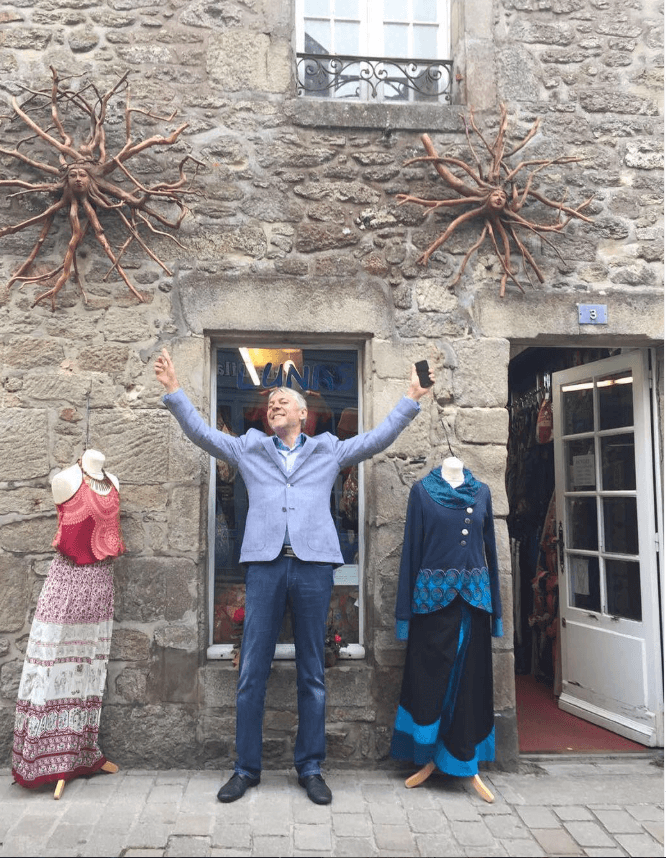
Kazakov’s family, incidentally, is also involved in the “secrets” business. His son Konstantin is an employee of the Federal Protective Service (FSO), heading the Finance Ministry’s Directorate for the Protection of State Secrets.
Konstantin’s wife, Darya, is also under a state-secrets nondisclosure obligation. She is a doctor by training, but in 2022 her father-in-law got her a job as a consultant in the department that handles classified documents in the presidential directorate for state awards. Hundreds of secret decrees pass through her hands regarding awards for generals of the FSB, SVR, and Defense Ministry, as well as for “heroes” of the “special military operation” and spies carrying out covert operations abroad.
Despite the FSB’s warnings about recruitment during foreign trips, she fearlessly posted photos of travels with her classified husband through Italy, Germany, Switzerland, and Spain.
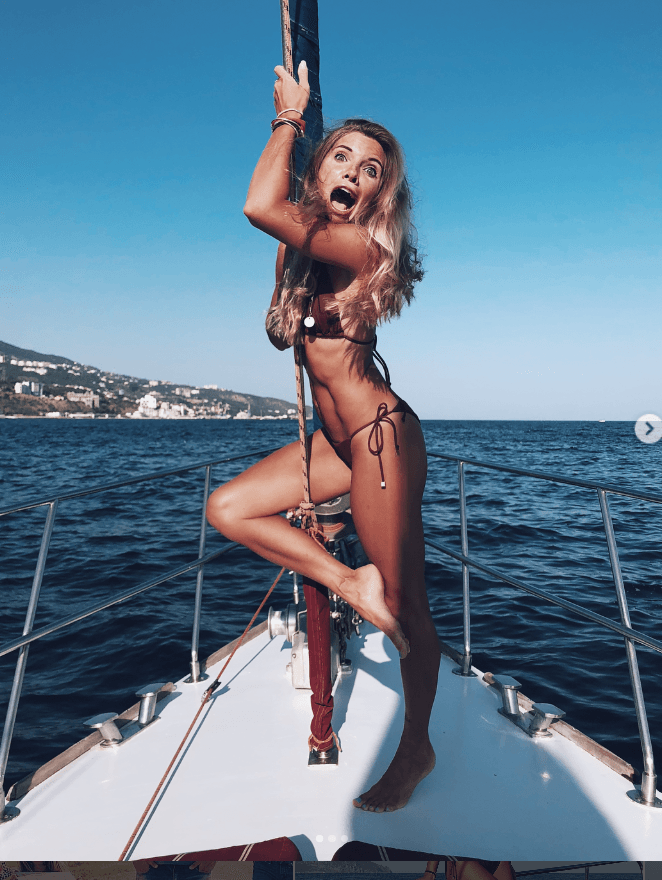
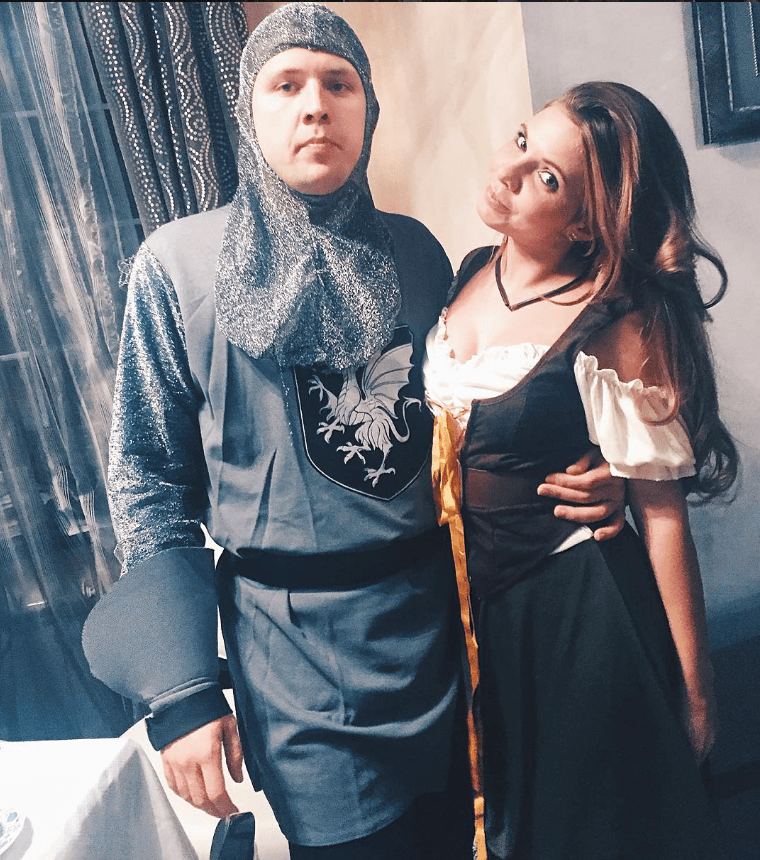
As a farewell before dismissing him earlier this week, Putin decorated Kazakov with the Order “For Merit to the Fatherland,” 3rd class, which the decree said was for “contributions to supporting the activities of the president of the Russian Federation and many years of conscientious work.”