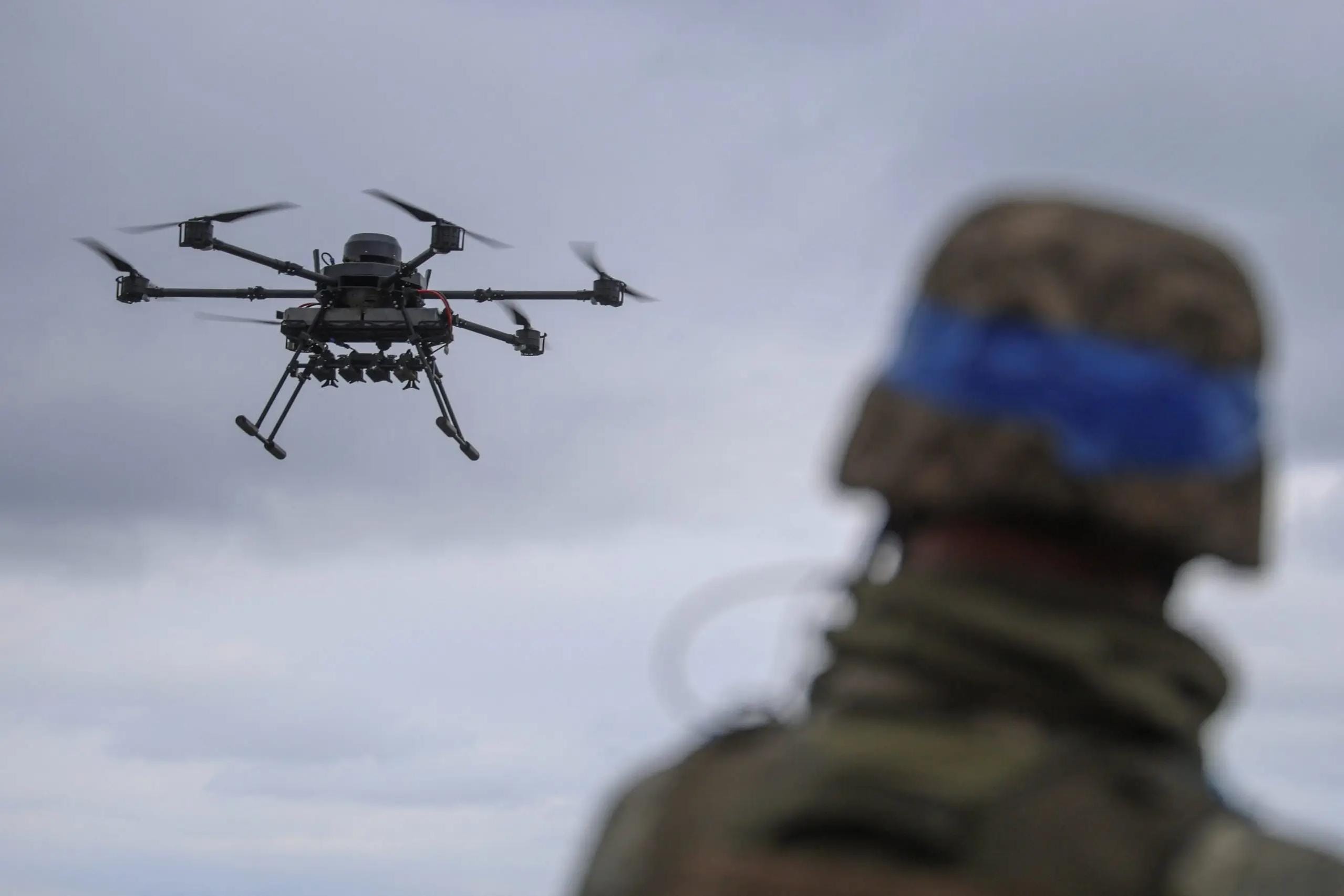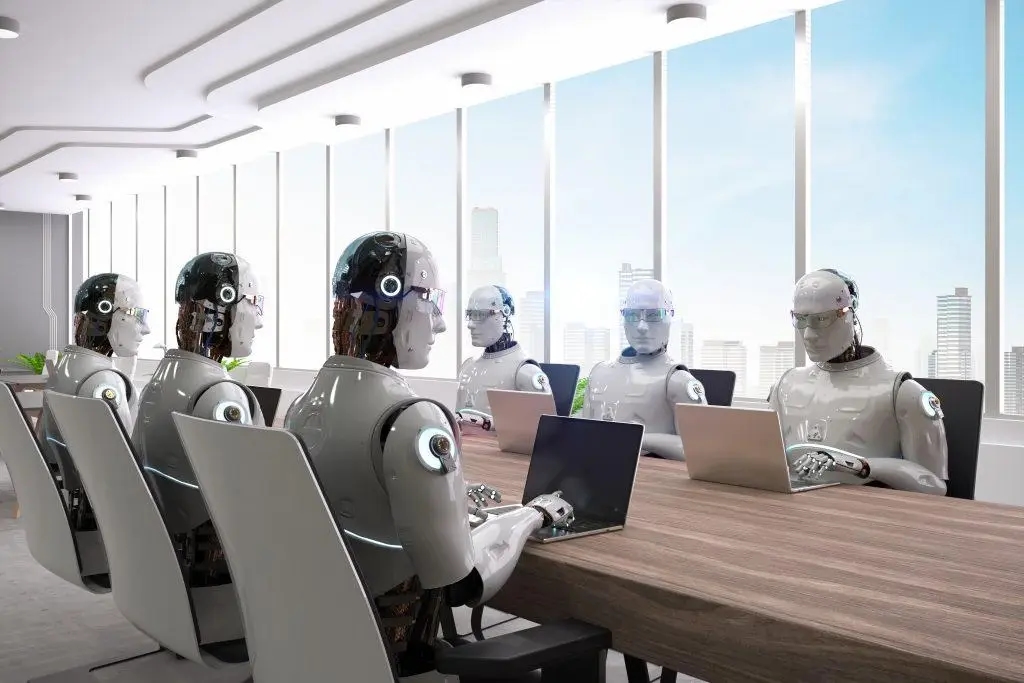
Artificial intelligence will displace human labor on a "large scale," warns one of the field's leading developers, Anthropic. To help support people who may lose their jobs, a dedicated nonprofit has even been established in the United States. But despite layoffs in parts of the IT sector and dire predictions that up to 20% of jobs could soon disappear, the rollout of AI has so far produced no meaningful increase in unemployment — neither in the United States nor in Europe. Instead, rather than replacing workers, AI is compressing the workday by eliminating the natural pauses in knowledge work, thereby actually increasing cognitive strain. At the same time, public anxiety over the prospect of growing inequality has still become a major political issue — even emerging as one of the factors shaping the 2026 U.S. midterm elections.
Layoffs without rising unemployment
Technology companies are announcing mass layoffs linked to the adoption of artificial intelligence (AI). This spring, U.S. tech giant Oracle said goodbye to 30,000 employees, replacing some of them with AI that they themselves had helped train. Meta plans to cut around 8,000 jobs, around 10% of its workforce in an effort to offset the cost of its AI investments (as well as financial problems stemming from its failed bet on the metaverse). Overall, the global technology sector has eliminated nearly 135,000 jobs since the beginning of 2026 alone — 33% more than during the same period last year.
Employment among software developers aged 22–25 has fallen by close to 20% since late 2022, when generative AI entered widespread use, and AI-driven layoffs have spread far beyond Silicon Valley — affecting finance, logistics, consulting, media, retail, and manufacturing. Companies announcing layoffs of more than 10,000 employees include consulting firm Accenture, retail giant Amazon, financial services firm Citigroup, computer maker Dell, and delivery company UPS. Meanwhile, logistics provider C.H. Robinson laid off about 1,400 employees after introducing AI tools into its pricing and freight-tracking operations.
Bank executives have made no secret of their willingness to replace human workers with artificial intelligence. Standard Chartered CEO Bill Winters said he is replacing "low-skilled human capital" with technology, a move expected to eliminate 8,000 customer support positions over four years.
Goldman Sachs President John Waldron described his bank's traditional operations as a "human assembly line" that is ready for automation. Analysts at Morgan Stanley forecast that European banks could reduce their workforce by 10–20% over the next five years, while AI is expected to boost productivity by roughly 30%.
According to data from Challenger, Gray & Christmas, AI was the leading cause of layoffs in March 2026. However, over the first quarter as a whole it ranked only fifth, accounting for about 13% of all announced job cuts — behind market conditions, restructuring, business closures, and lost contracts. It is also worth noting that many "AI-related layoffs" have other underlying causes, including pandemic-era overhiring, inflation, and pressure from investors.
Interestingly, these large-scale layoffs have not translated into higher unemployment. Even in the United States, employment in the IT sector declined by only a fraction of a percent over the past year, according to the leading technology industry association CompTIA, which forecasts that net employment in the technology sector will grow by nearly 2% in 2026, reaching 9.8 million workers. More broadly, the U.S. labor market remains stable. As of April, the unemployment rate stood at 4.3%.
Several factors play a role in the overall result. First, while layoffs affecting tens of thousands of people make for striking headlines, they still represent only a small fraction of the labor market as a whole.
Layoffs affecting tens of thousands of people make for striking headlines, but they still represent only a small fraction of the overall labor market
Second, those who lose their jobs appear to be finding new employment, helped in part by an economy that continues to expand and create new positions to replace those that disappear — U.S. GDP grew by 2.1% in 2025, albeit with considerable volatility over the course of the year.
Third, AI is also creating jobs. Demand for AI-related skills across a wide range of fields — including engineering, science, finance, insurance, and manufacturing — is currently growing at an annual rate of 81%. Even so, these positions still account for a small share of all technology-sector vacancies and are generally concentrated at large companies. In January 2026, more than 275,000 active job postings in the United States mentioned AI-related skills. Experts at the World Economic Forum estimate that by 2030, AI adoption will result in a net increase in global employment of 78 million jobs.
Productivity gains vs. "brain fry"
Companies are expected to invest nearly $700 billion in AI during 2025–2026, yet the broader economy has barely noticed. After analyzing corporate earnings data for the fourth quarter of 2025, Goldman Sachs concluded that there is still "no meaningful relationship between productivity and AI adoption at the economy-wide level." Indeed, according to Goldman Sachs Chief Economist Jan Hatzius, AI's contribution to U.S. GDP growth in 2025 was "essentially zero," adding that the firm "does not view AI investment as a major growth driver."
Labor productivity has risen only modestly, increasing by 2.1% in 2025 compared with 3% the previous year. One reason for this limited impact is the uneven pace of AI adoption: in some organizations it remains a pilot project, while others have yet to implement it at all.
There is also a more troubling explanation. AI saves employees time on specific tasks, but the overall volume of work only increases. AI's capabilities make people more ambitious, prompting them to take on new tasks that should, in theory, make them more productive. The conversational nature of AI models also blurs the boundary between work and personal time, with employees continuing to discuss work-related issues with chatbots long after leaving the office. As a result, the workday stretches on longer than it did before.
Finally, AI encourages employees to juggle multiple tasks simultaneously, increasing cognitive load and mental strain. In other words, the actual burden on workers rises, but that additional strain is barely reflected in the statistics. Engineering teams using AI coding assistants have found that baseline productivity expectations were revised upward by an average of 40% over the course of two quarters — if people can now work faster, employers expect them to accomplish more.
If people can now work faster, employers expect them to accomplish more
Before AI, knowledge work included natural pauses: waiting for a report, manually formatting a spreadsheet, searching for documents, and similar unavoidable periods of downtime. AI has eliminated many of those breaks. When a task that once took 20 minutes now takes 20 seconds, employees move immediately to the next cognitively demanding assignment. One study, for example, found that AI enabled customer service representatives to handle more calls per hour and resolve 14% more customer inquiries.
Researchers have dubbed this phenomenon "AI brain fry." Employees who are forced to monitor multiple AI tools simultaneously experience 12% greater mental fatigue and significantly higher levels of information overload.
There are also AI success stories. For example, in 2025 Texan Matthew Gallagher launched a business on his own that gives people access to popular weight-loss medications through convenient virtual doctor visits. In its very first year of operation, the company generated $400 million in sales, prompting Gallagher to hire a second employee — his brother. (That said, many functions were outsourced to third-party contractors rather than being handled by AI alone.)
AI does indeed allow very small teams to build fully functional applications, but as companies grow, they inevitably run into the problem of maintaining software quality, which, for now, cannot be achieved without human involvement.
Large companies, meanwhile, have little to boast about when it comes to AI implementation. According to an IBM study, only one-quarter of corporate AI initiatives deliver the expected return on investment. A 2025 McKinsey survey found that two-thirds of companies were still in the testing phase, conducting experiments and launching pilot projects. Only 40% reported any positive impact from AI on profits, and in nearly every case the increase was less than 5%.
For now, enthusiasm surrounding the new technology is masking these shortcomings. Companies are eager not to fall behind their competitors and continue investing heavily in AI. But even the biggest investors, such as Microsoft and Google, are finding it increasingly difficult to justify massive spending without clear returns.
The situation calls to mind the famous observation made by economist and Nobel laureate Robert Solow, who 1987 remarked that "you can see the computer age everywhere but in the productivity statistics." This "Solow paradox" largely resolved itself over time: as computing became cheaper and the internet spread, productivity growth doubled — and it did so without leading to mass unemployment.
Technological progress has never caused a collapse in employment
It is of course possible that AI will ultimately lead to mass unemployment, but if it does, it would run counter to historical experience. Fear of new technology is nothing new. In the early nineteenth century, the Luddites smashed factory machinery in Britain because they feared exactly what many people fear today: losing their jobs to machines. In the 1980s, office workers had similar concerns about computers, while industrial robots inspired the same fears among factory workers.
Technology has of course displaced countless people, but it has never produced prolonged, large-scale unemployment. Instead, it has eliminated some occupations while creating others. Even during the Industrial Revolution and the computerization of the economy, employment did not suddenly collapse. Workers moved into different industries, while higher productivity created new opportunities and, over time, boosted living standards.
Technology has never produced prolonged, large-scale unemployment. It has eliminated some occupations while creating others
Even so, Friedrich Engels drew attention to a period — from 1790 roughly to 1840 — during which industrial output and capitalist profits increased while workers' real wages barely rose. For Engels, this was evidence that workers were being exploited rather than sharing in the gains from higher productivity.
Modern scholars agree that technological change during the Industrial Revolution was, in fact, gradual, while the cost of living rose rapidly. However, they argue that this reality was driven not by technology but by wars and high barriers to international trade. Employment, moreover, did not collapse during the Industrial Revolution. As a result, many economists view the "Engels' Pause" merely as a lag between the introduction of new technologies and subsequent wage growth, rather than proving that technological progress inevitably leads to mass unemployment or widespread impoverishment among workers.
Moreover, if AI were already delivering major productivity gains by replacing workers on a large scale, the distribution of income between labor and capital in the U.S. economy should already be shifting in favor of corporate profits. Yet there is little evidence of that so far. Why? No one knows for certain. One possible explanation is the uneven adoption of AI across industries. Another is that the rollout is occurring gradually. Either way, labor's share of national income has remained close to its historical norm — just over 60%.
But what if AI ultimately does break with this historical pattern and renders a significant share of knowledge work obsolete? Will hundreds of millions find themselves out of a job more or less permanently? Nothing can be ruled out. AI is a general-purpose technology evolving at an extraordinary pace, and that has fueled today's anxieties — not only among companies and employees, but in the political arena as well.
AI enters the political arena
A recent Gallup survey found that 18% of U.S. workers believe their jobs could be automated within the next five years. Among employees at organizations already using AI, that figure rises to 23%. More than half of American adults are concerned about the growing role of AI in everyday life, while only one in ten views the technology with enthusiasm. Technology companies themselves have amplified these concerns. Anthropic CEO Dario Amodei, for example, has warned that unemployment could reach 10–20% within the next one to five years.
It appears that an increasing share of the public believes in these pessimistic forecasts, and as a result, governments are unlikely to remain on the sidelines. Policymakers are already debating how income should be redistributed in the event of widespread unemployment, and AI has emerged as a major issue in the run-up to the 2026 U.S. elections.
Politicians, government officials, and industry experts all foresee potentially significant challenges arising from AI adoption. An IMF analysis concludes that, under many scenarios, artificial intelligence is likely to increase economic inequality, arguing that AI is unusual because it threatens not only routine jobs but also well-paid knowledge work.
Some workers will benefit as AI makes them more productive, while others may face unemployment or lower wages. Inequality could widen within countries, as high-income workers and owners of capital capture most of the gains while lower-paid employees fall further behind.
The gap between countries could also widen if poorer nations fail to adopt AI quickly enough. The IMF recommends that governments develop stronger protections for workers, including wage insurance, more comprehensive unemployment benefits, and retraining programs. Building the infrastructure needed to integrate AI into the economy, together with responsible regulation, would also help protect workers, the IMF argues.
More moderate proposals for cushioning the shock include raising corporate taxes, increasing taxes on land and natural resources, and tightening inheritance taxation. Governments could also invest more heavily in retraining workers (which, As The Economist notes, would strengthen the economy regardless of how AI ultimately affects things).
Higher taxes on AI itself are also being discussed as a possible response. For example, the influential Brookings Institution has proposed a "robot tax," the proceeds of which could be redistributed for the benefit of society. There is also growing debate over introducing a guaranteed minimum income for U.S. citizens. Such an idea once seemed politically inconceivable, but during the COVID-19 pandemic the government effectively guaranteed payrolls and covered businesses' expenses, provided they did not lay off workers, while those who did lose their jobs received generous unemployment benefits.
The influential Brookings Institution has proposed introducing a "robot tax"
More radical ideas have also been put forward. One proposal calls for the partial nationalization of AI companies. The White House has advanced a related concept in the form of Trump Accounts, which would give American children an indirect stake in the growth of the U.S. stock market — and, by extension, in the country's largest AI corporations.
The Trump administration, which came to power on a populist promise to preserve American jobs, has already unveiled its "AI Action Plan," pledging that the interests of American workers will remain at the center of U.S. AI policy.
Initially, the administration favored rapid AI development with minimal regulation, but that stance has begun to shift in recent weeks after Anthropic's cutting-edge model, codenamed Mythos, demonstrated an ability to identify software vulnerabilities that could pose risks to critical infrastructure. Concern within the government has grown to the point that Donald Trump signed an executive order that invites developers of frontier AI models to voluntarily allow the government to evaluate their systems for 30 days before they are released to the public. According to Politico, the order was substantially softened at the urging of the technology industry (earlier drafts had envisioned review periods of up to three months).
Public opinion leaders have also entered the debate. Pope Leo XIV, for example, published a 150-page encyclical on artificial intelligence, arguing that while AI is not inherently evil, it can become dangerous, meaning action must be taken in order to ensure that it remains a tool in the service of humanity.
AI has also become a major issue in the upcoming U.S. midterm elections, as more than 30 states have already enacted laws aimed at combating the use of deepfakes in political advertising. AI infrastructure has likewise emerged as an important issue at the local level. The rapid construction of data centers has sparked significant public opposition, with many residents fearing that these facilities will drive up electricity prices and deplete local water resources without creating lasting jobs or generating meaningful tax revenue for local governments.
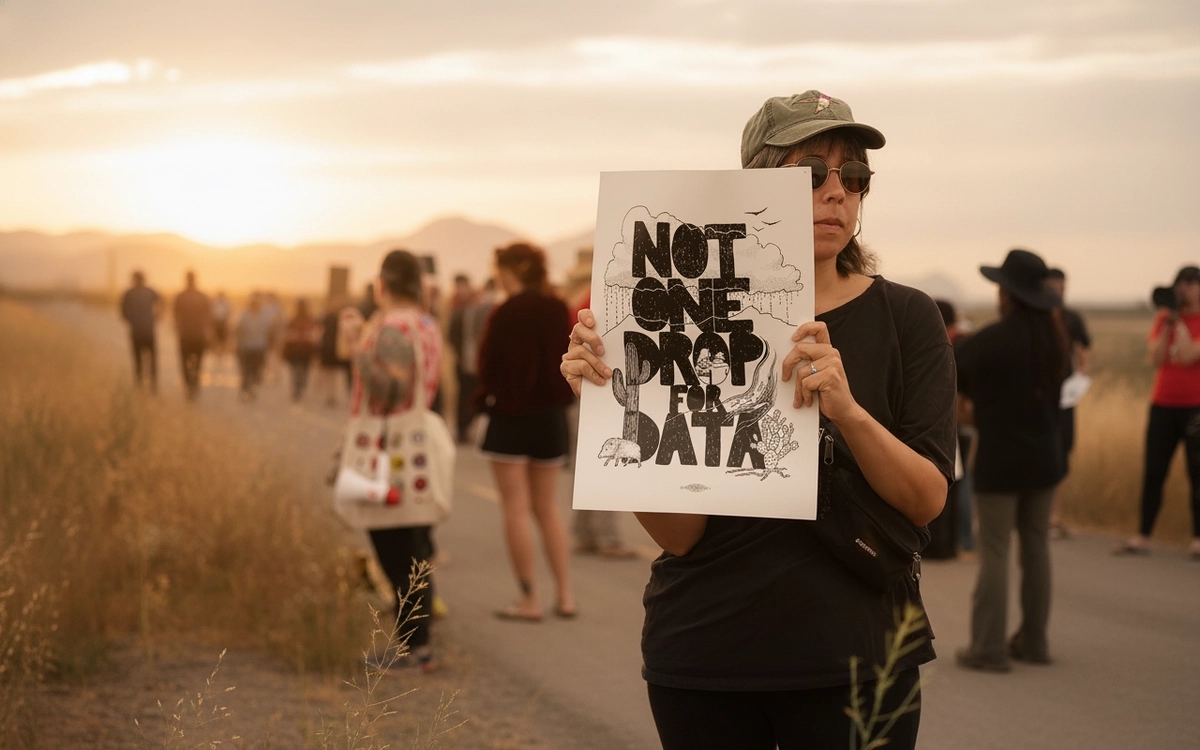
Already, 70% of Americans oppose the construction of AI data centers in their local communities. Meanwhile, well-funded political action committees backed by AI companies are spending tens of millions of dollars to influence the elections, seeking to prevent critics of the industry from winning seats in Congress.
In short, anxieties that are not substantiated by economic data have nevertheless become a tangible political force, and the coming months will determine whether policymakers can establish rules around AI before the technology evolves to the point that it might actually begin producing tangible downsides. The November elections will provide the first real test: will AI lobbying keep the U.S. Congress from imposing new regulations, or will public concern prove the stronger force?