In January 2025, FSB officers searched the home of an 18-year-old trans girl from Tyumen, found correspondence with the Combat Organization of Anarcho-Communists (BOAK) on her phone, and threatened her with criminal charges that could have led to years in prison. Under pressure, she agreed to cooperate with the authorities, and her handlers tasked her with approaching LGBTQ people, gaining their trust, and trying to obtain compromising information on them. In an interview with The Insider, she described how recruitment works, how she managed to outwit the FSB, and how she fled the country without contacts, money, or an international passport.
- 1.“They found my messages with BOAK and said, ‘Now you’re really f***ed’”
- 2.Where the security services might have obtained their information
- 3.“You’re facing 15 to 25 years. Your only way out is to cooperate.”
- 4.“Gain his trust and get him to admit he’s LGBTQ”
- 5.“Sometimes it’s do or die”
- 6.“Crossing the border was easier than getting any farther”
- 7.Lawyers’ advice: what to do if the security services try to recruit you
“They found my messages with BOAK and said, ‘Now you’re really f***ed’”
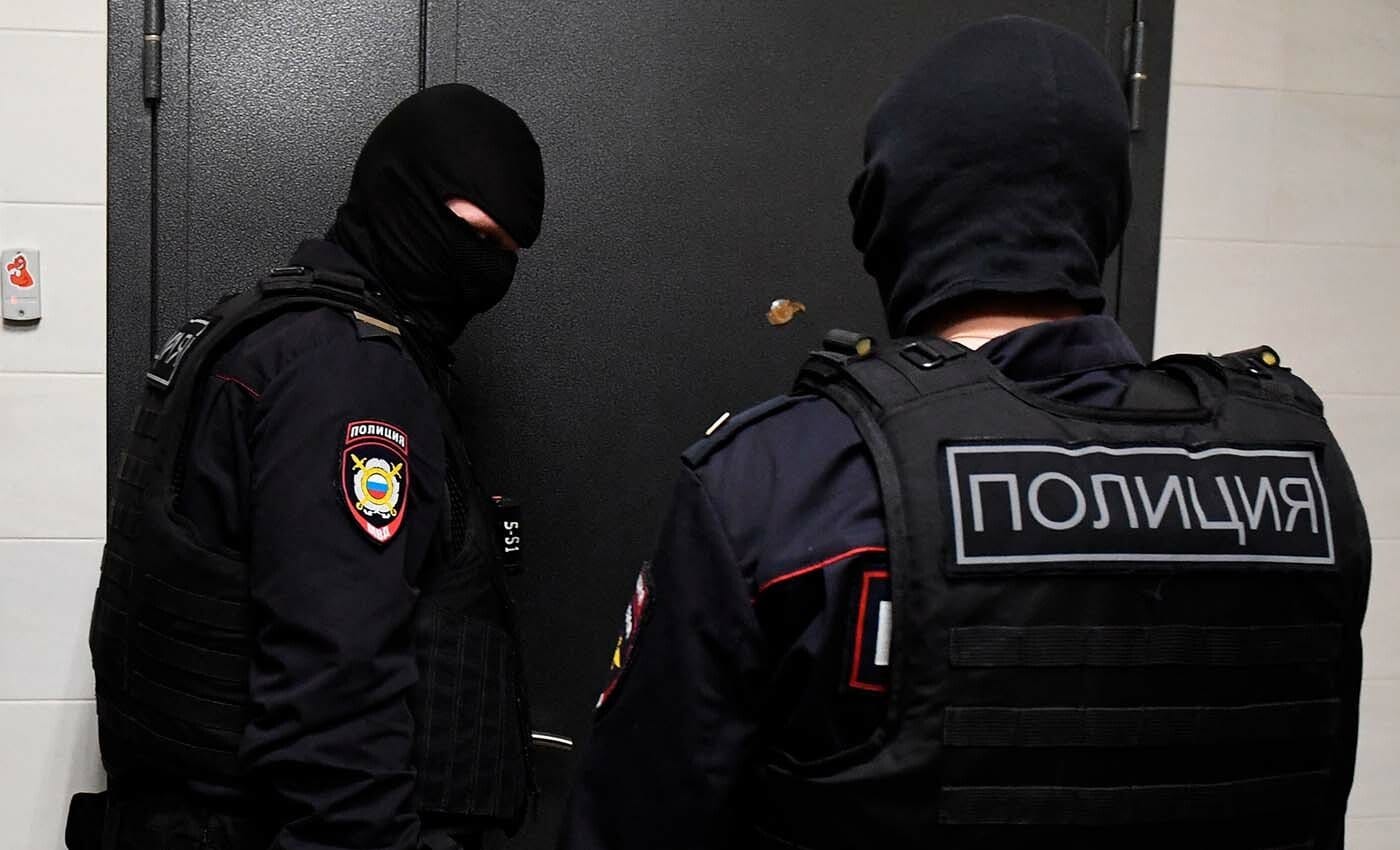
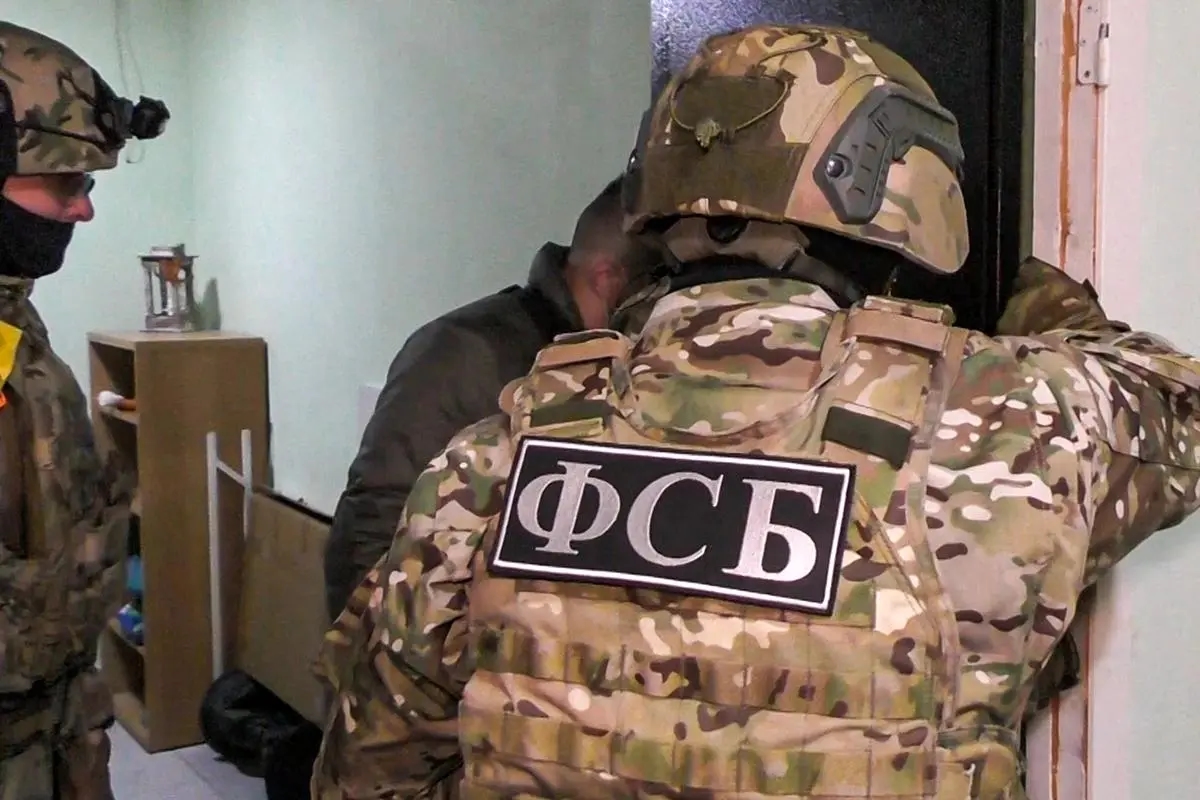
On January 15, 2025, I woke up to a masked man shouting at me and shaking my shoulder. I was living with my parents at the time, and they had let FSB officers into the house. The officers arrived with a prosecutor’s warrant and, for some reason, said they were looking for an IED.
They barely let me look at the paperwork. They waved the warrant in front of my face and immediately put it away. There were two investigators, plus attesting witnesses and another FSB officer in a balaclava and body armor. They seized my computer, phone, and portable camera.
When I refused to unlock my phone, the masked officer hit me on the back several times, asking, “Want to cough?” I said, “No.” He hit me again.
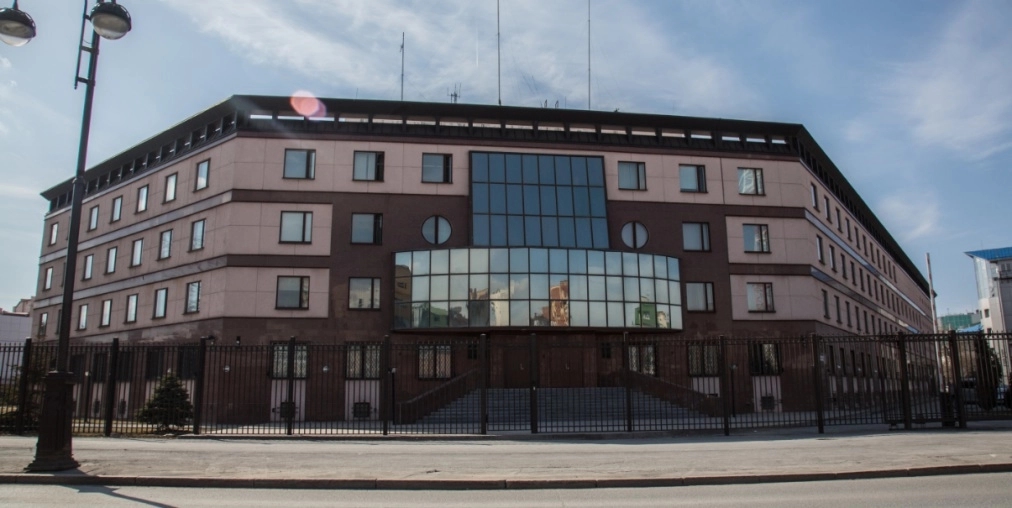
Then they pulled a hat down over my face, led me into the stairwell, put me in a car, and drove me to the FSB’s city headquarters at 40 Sovetskaya Street. It was around six in the morning. They took me up to the third or fourth floor and questioned me until almost evening.
At first, they asked if I wanted to tell them anything. Then they took my phone to another office and brought it back about 15 minutes later, with all the passwords already reset.
There were two officers, and they played good cop, bad cop in the most ham-fisted way imaginable. One shouted, threatened me, and searched my phone. The other asked questions based on what his colleague told him about its contents.
I decided that since they already had access to my phone, I might as well take responsibility for anything they had found about our initiative’s activities. I said I had put up the leaflets on my own and had done the graffiti by myself, too.
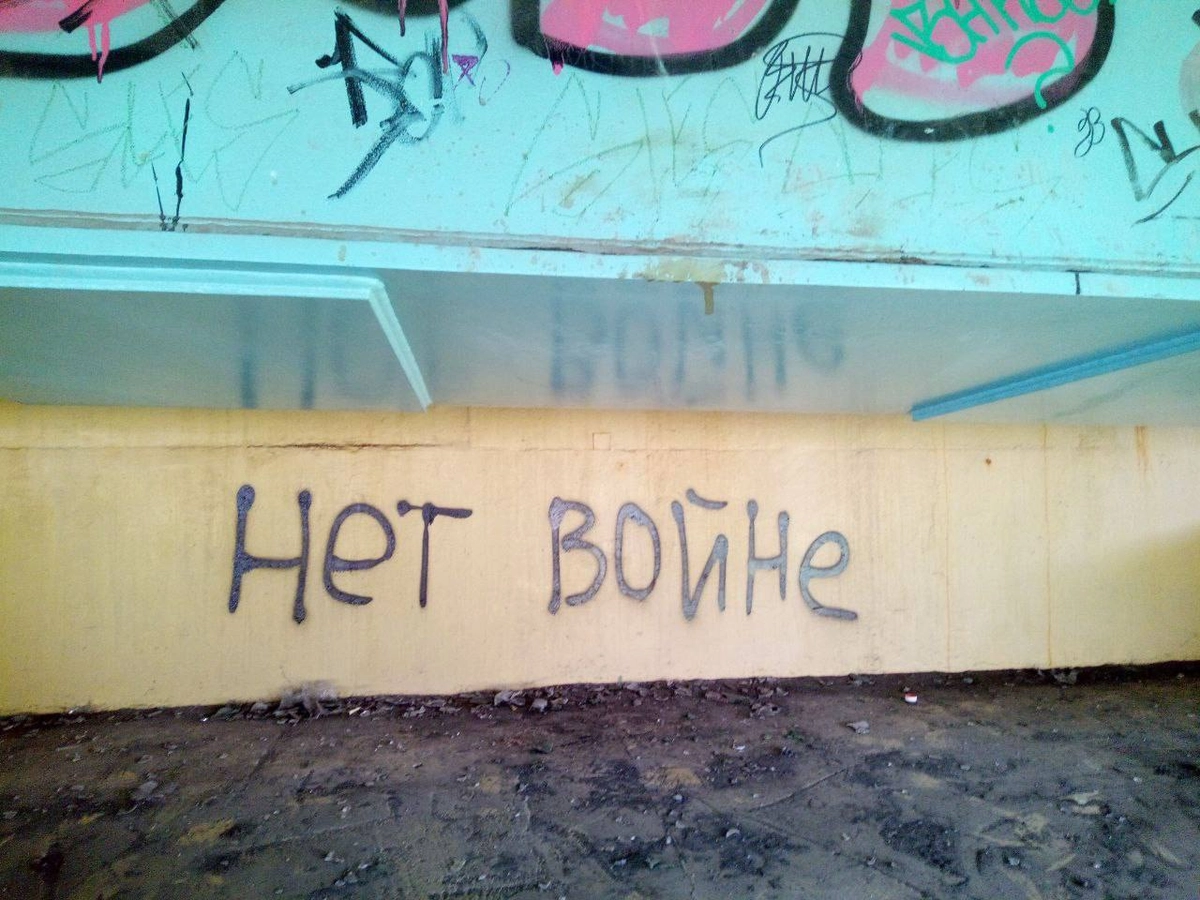
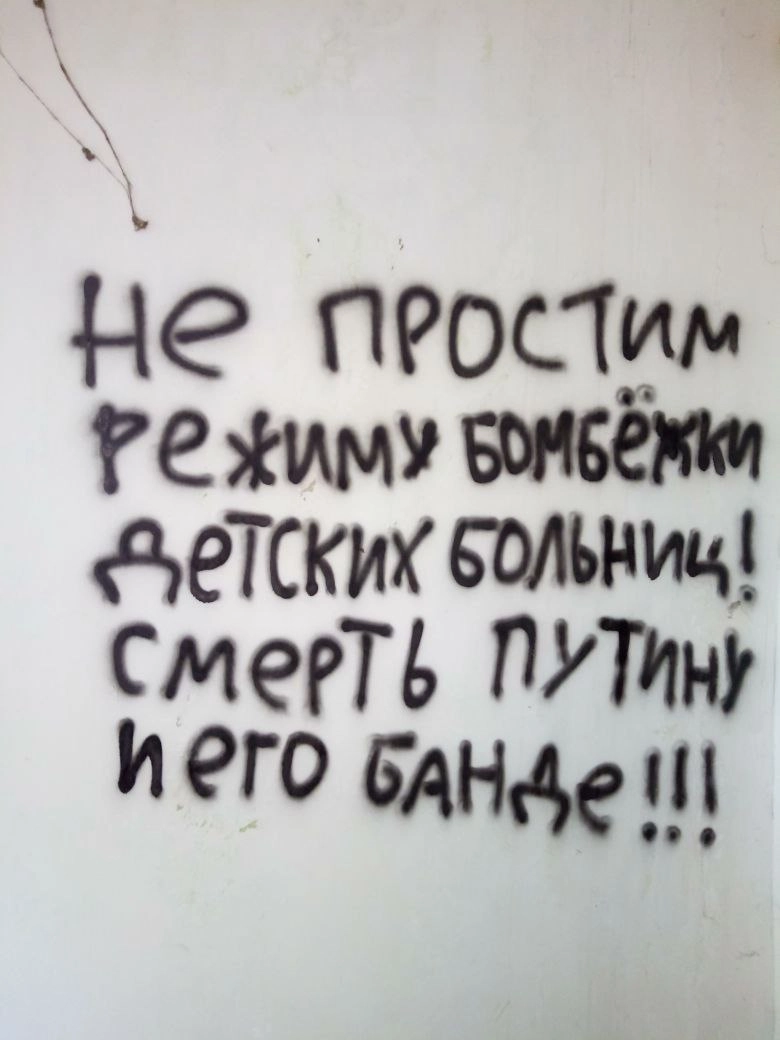
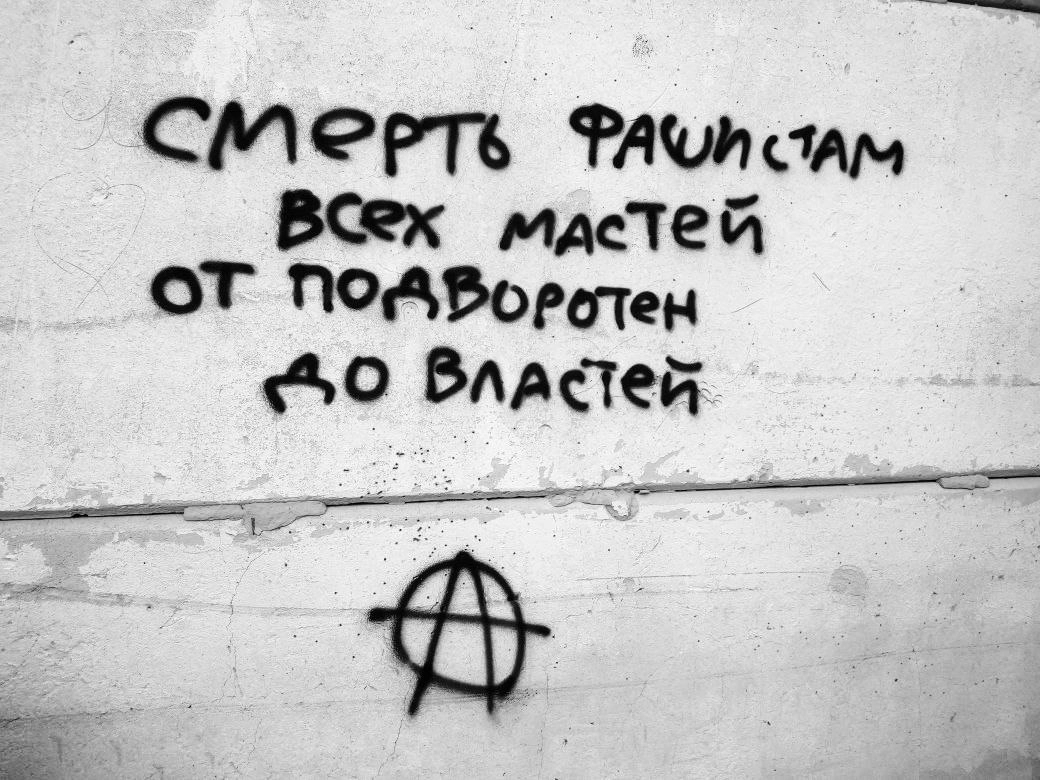
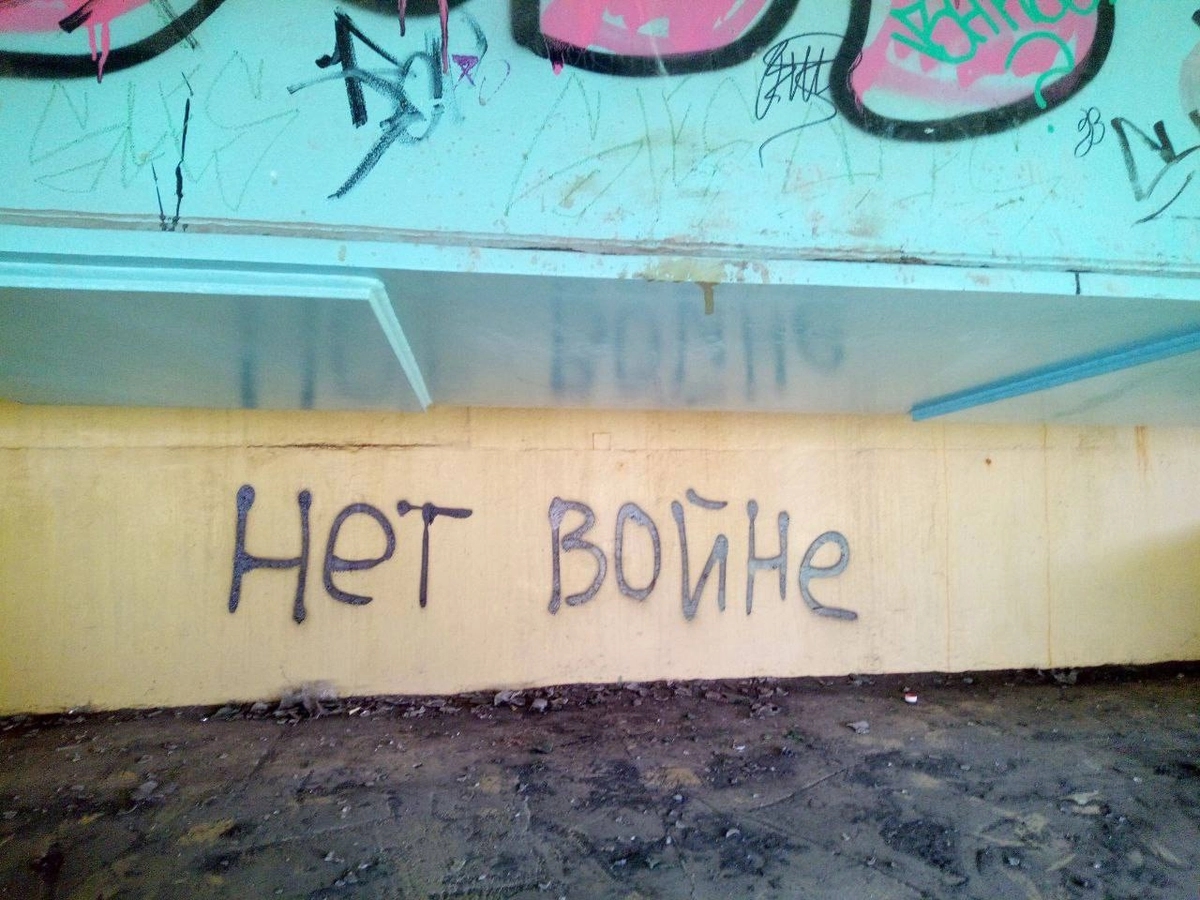
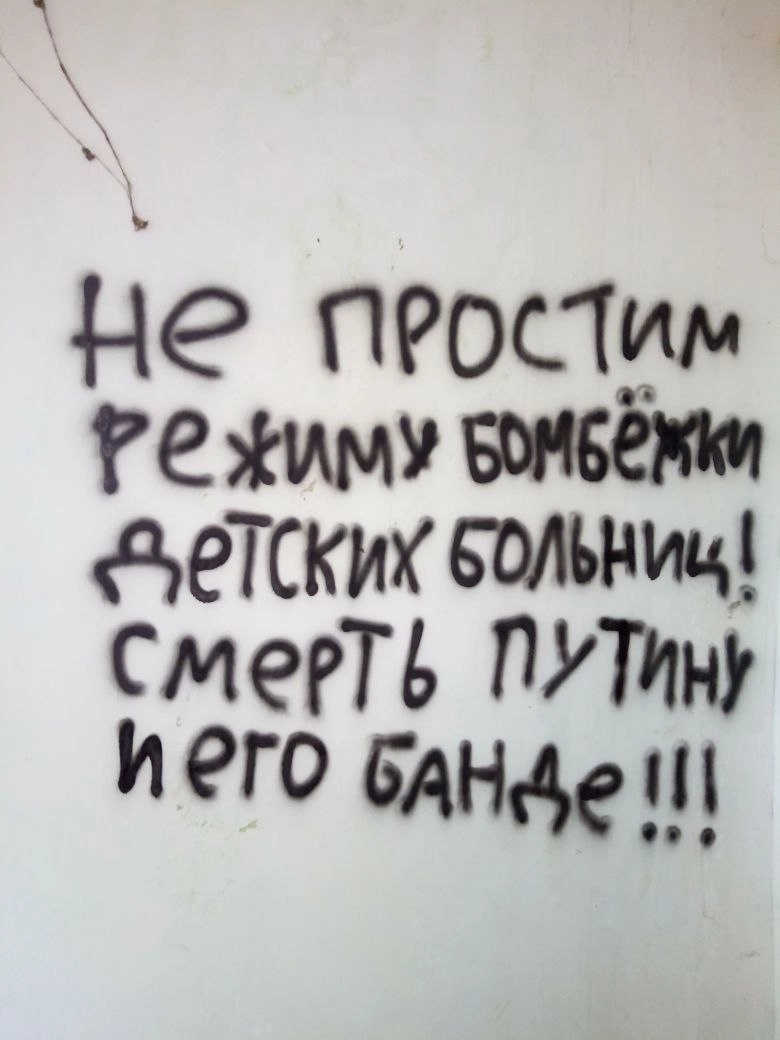
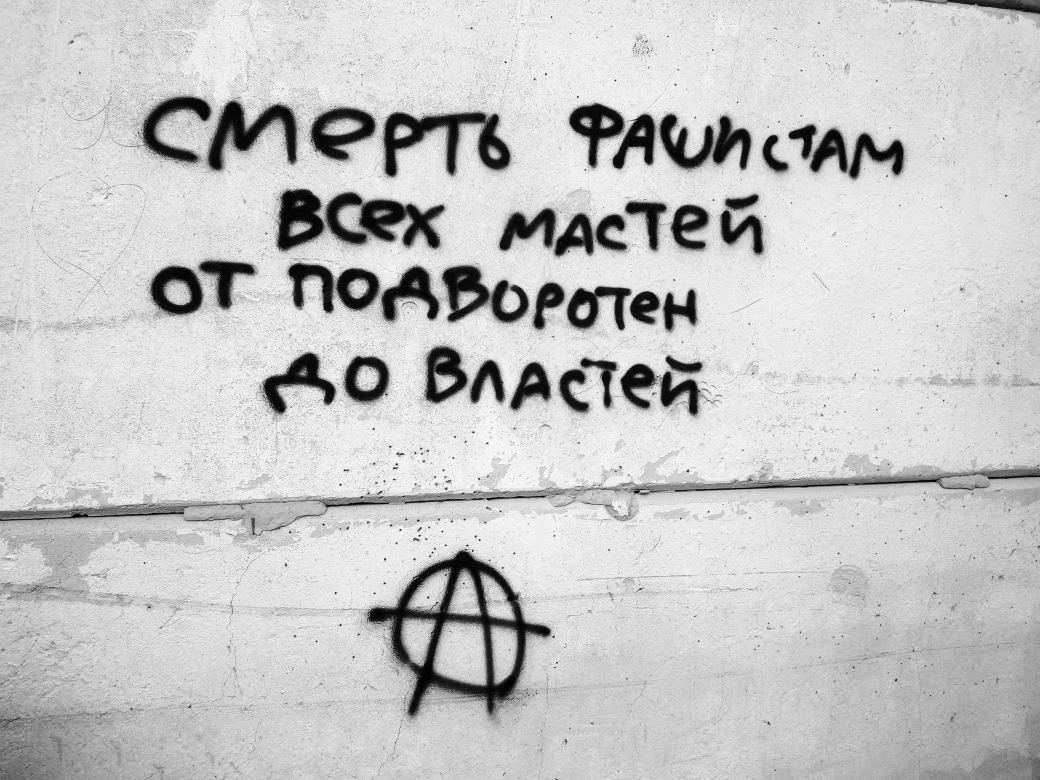
Then I remembered that I hadn’t deleted everything. But it was too late: they had found my email correspondence with BOAK, the Combat Organization of Anarcho-Communists. We had discussed instructions for making anonymous phone calls and how to establish contacts among comrades for the initiative. One email also mentioned a “fascists’ car.”
They later used this correspondence as the basis for a case on “training in terrorist activity.” As soon as they found it, they broke into smiles and said, “That’s it. Now you’re really f***ed.”
They kept searching, but apart from photos of the leaflets, my small left-wing channel with around 30 subscribers, and the emails, they found little else. They tried to get me to confess to something beyond the leaflets, graffiti, and correspondence with BOAK.
For some reason, they believed I had been planning some form of action targeting the car of the head of the Russian Community in Tyumen. I said that the most we had discussed was slashing its tires, but that I had since abandoned the idea altogether — which was why the car was still intact.
Where the security services might have obtained their information
They didn’t beat me at FSB headquarters. The pressure there was mainly psychological, and the conditions were uncomfortable. Instead of a chair, for example, I had to sit on my computer tower. They pointed to a safe in the corner of the office and said they stuffed people inside. They claimed that one person had been kept there for three days without being let out.
They pointed to a safe in the corner of the office and said they stuffed people inside
They also said that if they had caught me not in Tyumen but in Ukrainian territory occupied after the full-scale invasion, they would have killed me. The officer playing “bad cop” threatened to throw me into a cell where five people would rape me.
Toward evening, they drove me home and, you could say, handed me over to my father. Once again, they gave me no documents. I wasn’t formally under house arrest, but they told me I must not leave the apartment or they would take me to a pretrial detention center.
They kept my phone, computer, and camera.
After that, I began noticing signs of surveillance around the house. Cars with unfamiliar license plates appeared, and for the first three days, a strange man in camouflage sat outside the entrance with a bicycle from morning until evening. My mother noticed him too when she left for work. He made little effort to hide the fact that he was there for a reason.
I spent about a week and a half cooped up at home.
“You’re facing 15 to 25 years. Your only way out is to cooperate.”
About a week and a half later, my father and I were summoned to the FSB building. The investigator who had played “good cop,” a man named Daniil, told my father that everything was fine: I would supposedly receive an administrative penalty, and that would be the end of it.
They returned my computer and camera but kept my phone. They said I could go to university again, but nowhere else — moving only between home and the university.
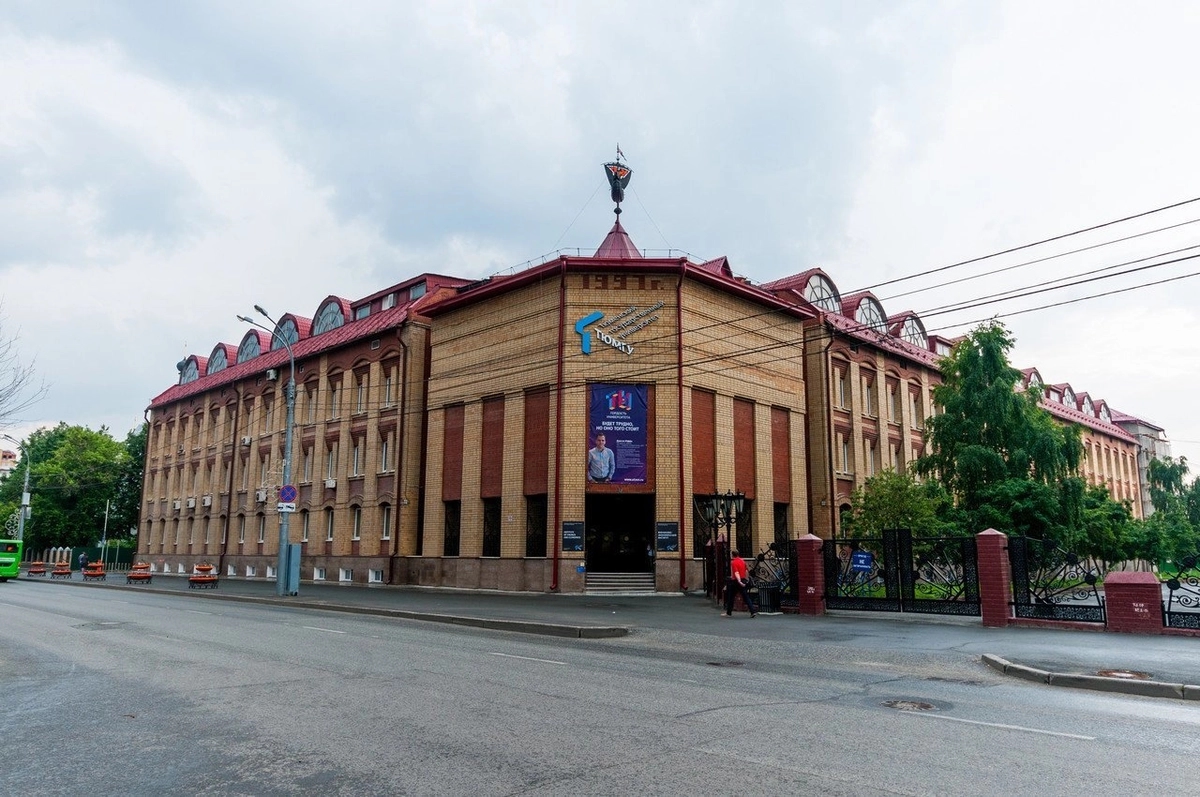
Soon afterward, Daniil called my father and told him I had to report immediately to Room 300 in Tyumen State University’s building at 16 Lenina Street. I went. He locked the door and told me I was facing charges of “training in terrorist activity” and “justifying terrorism.” He showed me a printout listing the charges.
I still don’t understand what grounds they had for accusing me of “justifying terrorism.” I hadn’t posted anything about Russian partisans on my channel. Maybe they planned to use some tangentially related post.
He said I was facing 15 to 25 years in prison and that my only way out was to cooperate. I decided I would find out whom they wanted me to entrap, escape in time, and warn the person they were targeting.
The FSB officer said that because I was LGBTQ, I had to frame another LGBTQ person.
The FSB officer said that since I was LGBTQ, I had to frame another LGBTQ person
I formally agreed to cooperate and signed a piece of paper. He dictated the wording, and I wrote it out by hand on a sheet of A4 paper: “I, [surname, first name, patronymic], undertake to cooperate with the state security agencies.” That was it — just my signature at the bottom. There wasn’t even a stamp on it. He also warned that disclosing any of this could get me charged with treason.
After I signed, they returned my phone. The FSB officer said he would message me on Telegram, then they let me go.
I had no intention of carrying out their assignment. I just needed to find out whom they wanted me to frame, buy time, and get out of the country before they realized I wasn’t going to do anything for them.
“Gain his trust and get him to admit he’s LGBTQ”
Soon afterward, Daniil messaged me on Telegram. He sent me a dating chat and identified the person he wanted me to entrap.
The chat was called “The Gym.” It was disguised as a place where people simply chatted and worked out together, so creeps like Daniil wouldn’t raid it. Somehow, though, he had apparently figured out that it was more about dating than sports.
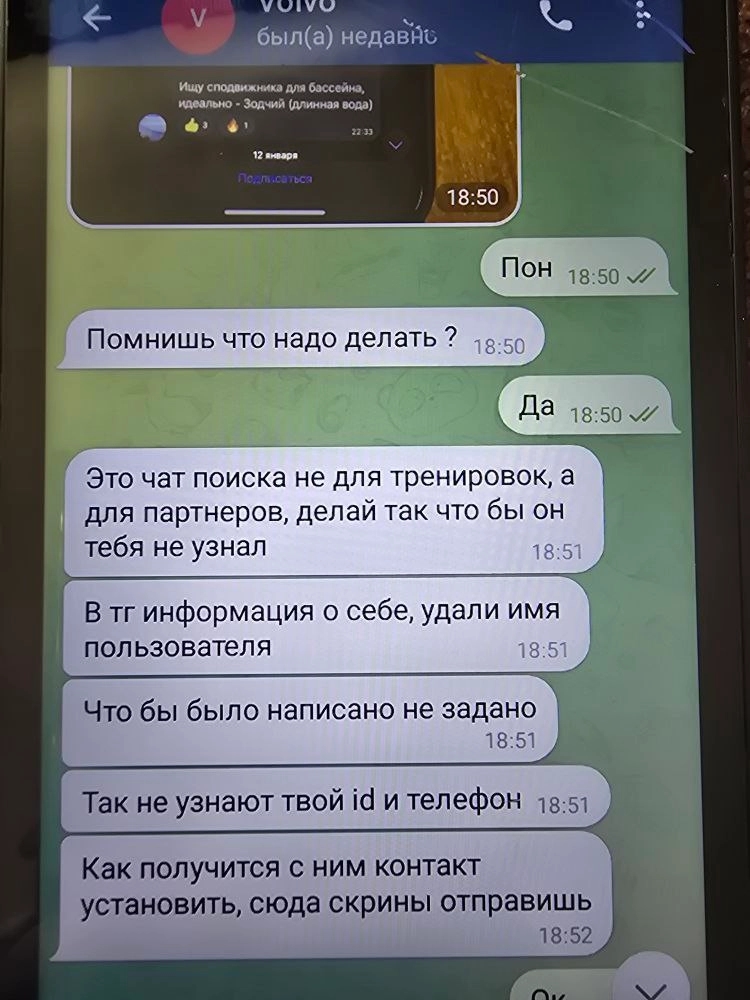
It was a nationwide chat with several hundred members. Daniil said there was a man from Tyumen in the group. He sent me his username and told me to message him. The man had mentioned that he enjoyed swimming, so the FSB officer told me to write, “I want to swim too. Let’s get to know each other.”
My task was to get him to admit that he was LGBTQ too, then send the entire exchange to the FSB. They didn’t tell me what they planned to do with him afterward. When I asked why they needed this, Daniil said I wouldn’t be told.
I messaged the man but deliberately dragged things out: I’d go several days without contacting him or talk about unrelated topics. I pretended to be carrying out the assignment, but I wasn’t doing what they’d asked — trying to get him to disclose his sexual orientation.
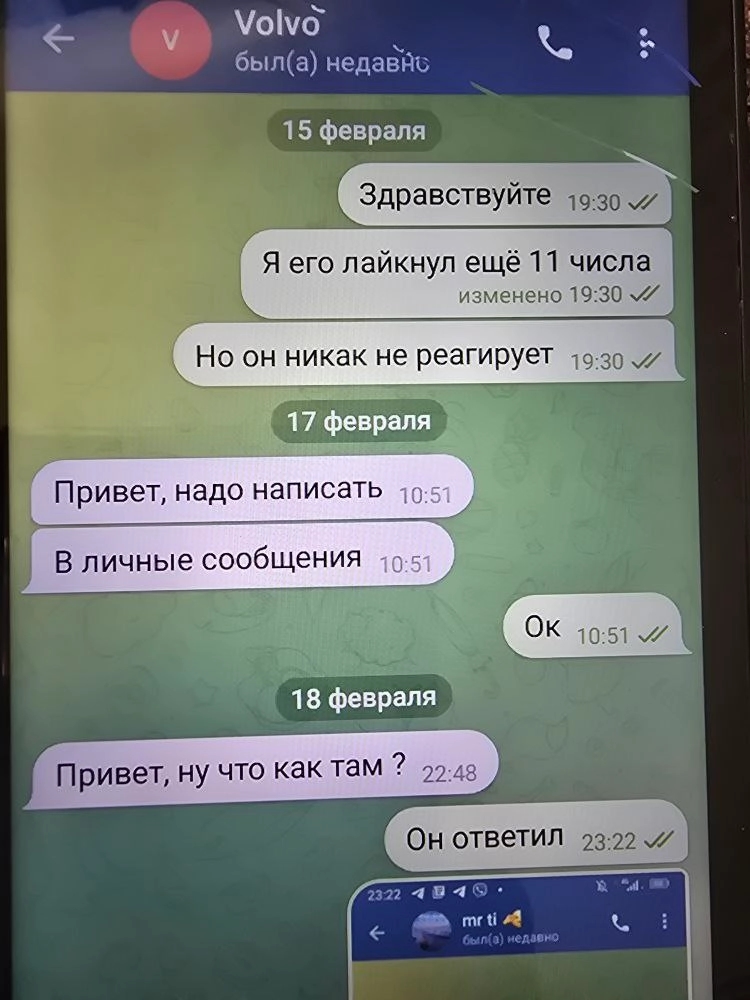
Meanwhile, I was preparing to flee.
I also suspected they might have installed some kind of software on my phone. After the FSB returned it, all the apps ran much more slowly, and calls were plagued by interference. Telegram also showed a device other than my own among the active sessions. I left it there to avoid arousing suspicion. I handled all communications unrelated to the FSB on devices they didn’t know about, including a spare phone the officers hadn’t found during the search.
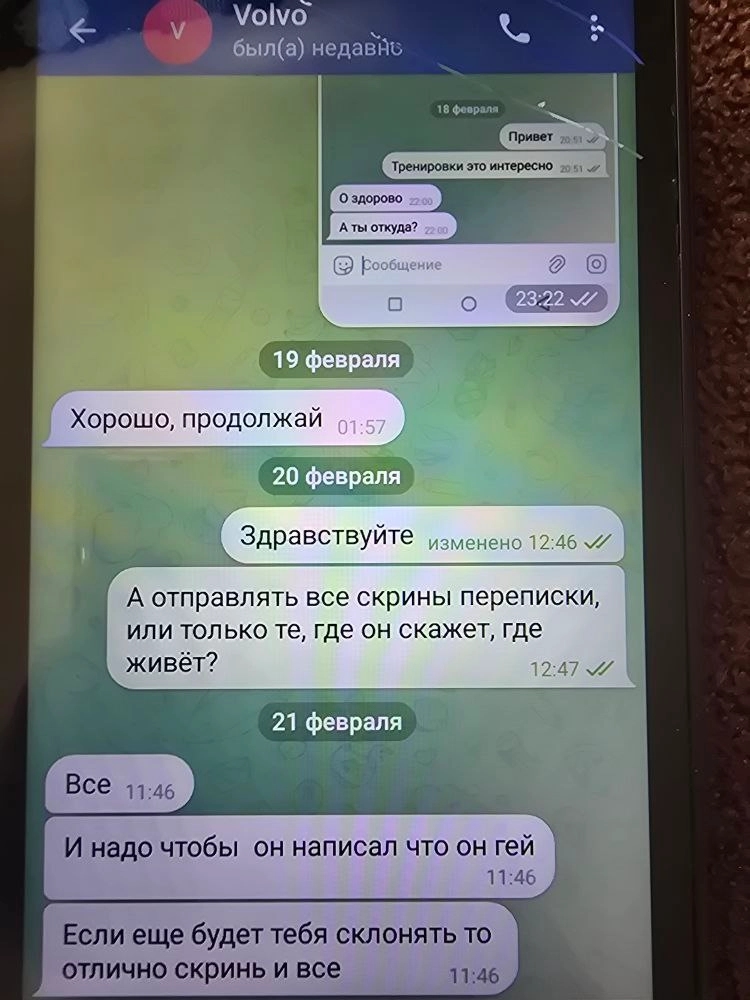
This went on for about a week or a week and a half. I kept stalling, but I knew it couldn’t last: sooner or later, I’d either have to entrap the man or end up in pretrial detention myself.
So I began preparing to flee as soon as they returned my phone.
“Sometimes it’s do or die”
My plan was to cross the border into Kazakhstan. Tyumen is not far from the Kazakh border, and I decided that my priority was to get to safety and warn others. I’d figure out the rest once I got there.
The main problem was that I didn’t have a passport for international travel. However, Russian citizens could enter Kazakhstan using their domestic passports. I was worried they might detain me at the border, of course, but I decided that sometimes you have to take a risk. If there was a chance to escape, I had to try.
I rehearsed what I would tell the border guards: the university was on holiday, and I’d decided to take a trip to see the local sights. I agreed with my comrades that if I didn’t contact them within 24 hours, it meant I’d been caught.
I fled on February 24, leaving home late that evening. People I suspected were FSB agents still occasionally kept watch outside the building, so I first had to shake off surveillance. Then I made my way to the bus station.
I bought my ticket just two hours before departure, deliberately leaving it until the last minute so they wouldn’t catch wind of my plans. But when I arrived to board, I discovered that my ticket had been canceled for some reason about an hour earlier. The bus station staff couldn’t explain why.
I approached the driver and told him I desperately needed to get to Kazakhstan. I made up some story, and he believed me and agreed to take me.
At the Russian border, I encountered an ordinary, tired-looking official. He checked my passport, logged my border crossing in the system, and that was it. The Kazakh border guards asked why I was traveling. I gave them the story I’d prepared, and they let me through, too.
As it turned out, the FSB officers hadn’t learned in time that I’d left home late that evening and was heading abroad. They found out I’d crossed the border only about an hour to an hour and a half after I’d reached the other side.
The FSB didn’t find out I’d crossed the border until about an hour or an hour and a half after I’d reached the other side
When I got off the bus in Kazakhstan, I sat on my bag and lit a cigarette. Then I rushed to find a SIM card. I bought one and messaged my comrades to say I’d made it out. Next, I messaged the person the FSB wanted me to entrap and the admin of “The Gym,” warning them that the authorities were planning a provocation against members of the chat. They read my messages but didn’t reply.
“Crossing the border was easier than getting any farther”
The next morning, the FSB summoned my father and asked if he knew where I was. They told him that if he found out, he had to inform them immediately.
I spoke to my parents a few days later. My father told me the FSB had sent me a message through him, saying more or less that I could stay in Kazakhstan legally for only a limited time and offering me the chance to return to Russia voluntarily.
Of course, I had no intention of returning. I knew Kazakhstan extradited people for political reasons, so I began looking for a way to get farther away. Crossing into Kazakhstan was only the first stage of my escape. The biggest problem was that I didn’t have an international passport.
Without one, you’re in an extremely precarious position. While your legal stay remains valid, you can somehow get by, but after that, things become much harder. It’s almost impossible to find legal work, obtaining legal status is difficult, and there are few places you can go next.
A Russian domestic passport allows you to enter only a handful of countries: Belarus, Armenia, Kazakhstan, and Kyrgyzstan. Most of these options are unsafe for someone fleeing political persecution in Russia.
That’s why you need to apply for an international passport as soon as possible, but that proved to be a slow process for me. The first time I went to the consulate to apply, I discovered that I had to fill out a form on its website and bring a printed copy, even though the published instructions didn’t mention the latter requirement. I rushed off to print it, but when I returned, they told me I was too late and they wouldn’t accept my documents that day.
I made another appointment, and the process dragged on. More than two months passed between my attempts to submit the application, waiting for appointments, and dealing with other problems. For a while, I also lacked a suitable device that could reliably access the consulate’s website.
One option for getting farther away is a humanitarian visa. I applied for one from France. Someone persecuted for their political views, activism, or identity has ample grounds to seek a humanitarian visa.
The main problem is the wait. Getting a decision within five months is already lucky; often, the wait stretches to eight months or longer. All that time, you have to somehow survive in a country where you have no secure legal status, no job, and no easy way to simply buy a ticket and leave.
To anyone who has found themselves in this situation, anyone forced under threat to agree to cooperate, I want to say this: don’t let them break you. Even if you’ve already signed a paper agreeing to cooperate, as long as you haven’t betrayed anyone or helped entrap them, don’t get your hands dirty. Try to save both yourself and those whom the authorities want to throw into the machinery of repression using you. There is a way out — not always, perhaps, but in many cases. Don’t betray others, and don’t betray yourself.
I used to read a lot about revolutionaries: how Mikhail Bakunin escaped tsarist exile by making his way across Siberia, how people broke out of prisons, and how they outwitted the tsarist secret police. History offers examples that can inspire us to take the right course of action.
Lawyers’ advice: what to do if the security services try to recruit you
There is no one-size-fits-all guide to such situations. Much depends on whether the person has been detained, whether the authorities have evidence that could be used to bring criminal charges, how serious the threats are, and whether the person can physically leave Russia. The following recommendations draw on the guidance published by First Department, advice from EQUAL PostOst director Evi Chaika, and the author’s own experience.
If you can safely refuse, do so clearly and briefly. There is no need to argue at length with security officers or explain your beliefs. If the situation is relatively straightforward — for example, you have been detained over an administrative offense and have no reason to believe a criminal case is being prepared against you — firmly state that you will not cooperate. As First Department lawyer Yevgeny Smirnov points out, hesitation can signal to security officers that you may still be persuaded.
If you effectively have to choose between cooperating and being imprisoned immediately, there is no universal answer. Everyone must assess their own risks. But agreeing to cooperate does not mean you must carry out the security services’ subsequent demands. There have been cases in which people agreed under pressure, were released, then cut off contact and left the country.
Do nothing that could put another person at risk. Do not try to provoke people into making statements or taking actions that could lead to prosecution, do not gather compromising information, and do not pass on sensitive data. If the security services have already given you an assignment, bear in mind that it may itself be a test, and the person you have been instructed to target may be part of an operational scheme. It is therefore safer to warn the potential target only after leaving Russia.
If you have agreed to cooperate, time is usually limited. The security services may demand a concrete action fairly quickly. Ordinary excuses — illness, being busy, or needing to clarify something — may buy you a few days, but pretending to cooperate for an extended period is dangerous. If you have decided to try to get out of the situation, start preparing to leave immediately.
Contact human rights organizations as soon as possible, and be honest about what has already happened. Even if you have signed a document, handed over information, or complied with a request from the security services, it is not too late to seek help. Do not try to deal with the consequences alone. Human rights advocates can help you assess the risks to yourself and others and find the safest way to end the cooperation. EQUAL PostOst recommends this approach, and First Department likewise advises seeking help immediately if you were unable to refuse at first.
Treat any device that has been in the hands of the security services as potentially compromised. Use another device for sensitive communications, including contact with human rights advocates and preparations to leave the country. The device itself is not the only concern — the location and method of communication matter, too. Avoid talking near a compromised device, and always use secure communication channels.
Document what happens whenever possible. Phone numbers, operatives’ accounts, correspondence, assignments, and the dates and locations of meetings may all prove useful. Save screenshots somewhere other than on a device that may be under the control of the security services. This information can help you obtain assistance and later serve as evidence of persecution, including when applying for international protection.
If the pressure becomes systematic, consider leaving Russia. A chance encounter with an operative does not necessarily mean you are the target of a focused investigation. However repeated summonses, credible threats of criminal prosecution, persistent calls or meetings, surveillance, and pressure on family members are signs that the situation really is serious. EQUAL PostOst director Evi Chaika recommends temporarily leaving Russia, if possible, and assessing the situation from a safer location.
If you decide to leave, your priority is to get yourself out. Do not try to take your entire life with you. Focus on travel documents, money, and a route. Ideally, arrange support from at least one trusted person outside Russia who knows your route, expects messages at agreed times, and knows what to do if you lose contact. Prepare a communication plan, a backup device, and any necessary apps in advance. The fewer people who know about your departure before you have left, the lower the risk that the information will reach the security services.