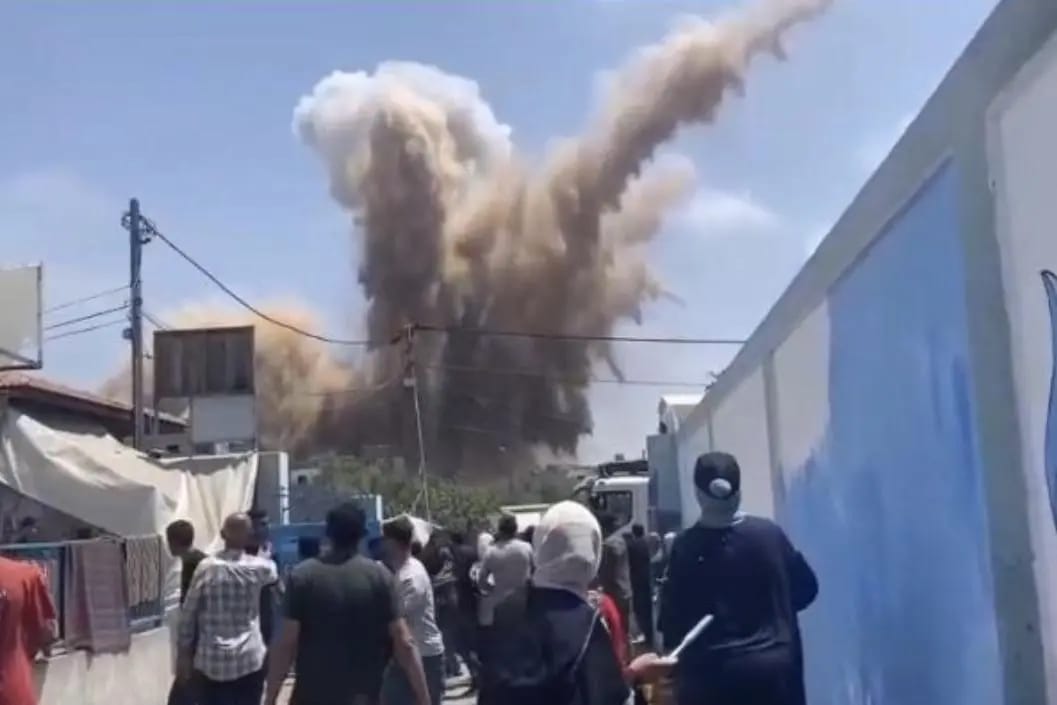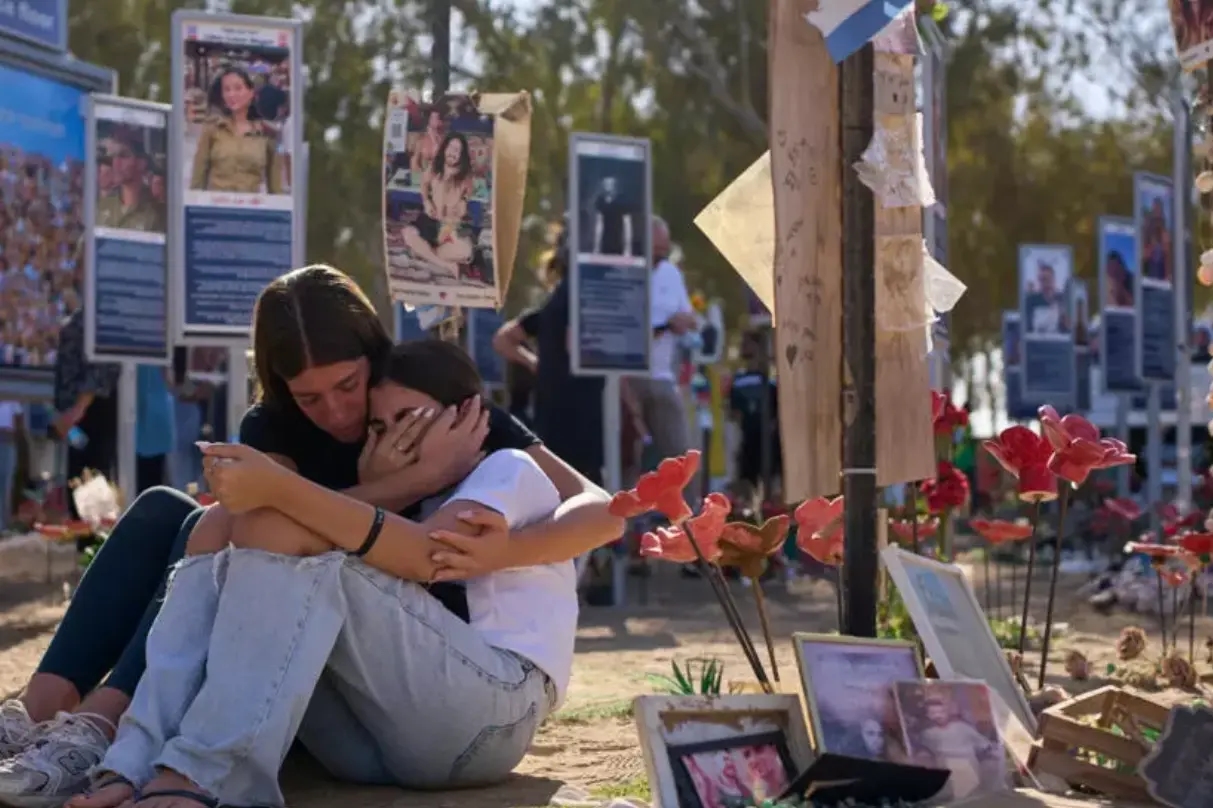
On October 7, Israel marked the third anniversary of the Hamas terrorist attack of 2023. The Insider spoke to three people whose lives were changed forever that day: a survivor of the attack from Kibbutz Be’eri, a Hamas hostage who spent two years in captivity, and a soldier who was among the first to enter Gaza as part of an armored brigade.
- 1.Pyotr Stolba, resident of Kibbutz Be’eri: “Cars and houses were burning, the whole street was littered with bodies”
- 2.Former hostage Maksim Kharkin: “They were killing people and smiling”
- 3.Vitaly Cheberdin, Israeli soldier with the 188th Armored Brigade: “The army had never done anything like this in Gaza”
Pyotr Stolba, resident of Kibbutz Be’eri: “Cars and houses were burning, the whole street was littered with bodies”
On October 7, 2023, several thousand Hamas militants broke into Israel from the Gaza Strip. They initially headed for the Be’eri and Nahal Oz kibbutzim along the border with the Strip. For the first seven hours of the attack — before the army arrived — Be’eri was defended by just 26 people. A total of 101 residents, including 10 children aged from several months to 17 years, were killed. Another 32 residents were taken hostage by the terrorists.
Three years after “Black Saturday,” just one burned-out house remains in Kibbutz Be’eri — a reminder of the tragedy. Its roof has collapsed and its walls are riddled with bullet holes. The house stands on an empty lot surrounded by a large metal fence. Just one year ago, there were more destroyed houses here, but they have since been demolished. Local residents are divided over what to do with the last one – preserve it as a memorial to the attack or remove it so that it does not remind their own children of the horror they experienced.
Pyotr Stolba has lived in Be’eri for 34 years. He immigrated to Israel from Moscow in 1996 with his wife and settled in the kibbutz almost immediately:
“There were two families living in this house: the Kipnises and the Alons. The Alon family was later rescued alive by the Israeli army, while the Kipnis couple – husband and wife – were killed by the terrorists inside the house, which they then set on fire.
At 6:30 a.m. on October 7, Qassam rockets began falling here. Of course, we went into the safe room. I was at home with my wife, my older son, my pregnant daughter-in-law, and my 10-month-old grandson.
We were told not to leave the safe rooms because there were terrorists in the kibbutz. We thought there were just a few of them. No one could have imagined that 400 terrorists would enter Be’eri.
They smashed through the glass balcony door. They shot at the glass and it shattered. They opened the door and came inside. The dog met them and started barking, and they immediately shot it.
They tried to break into our safe room, pulling at the door handle. My son and I held the door from inside. They knocked and spoke to us in English: "Come out, we won’t hurt you." But my older son had served in the territories [in the West Bank], in combat units. He said, 'Dad, we don’t talk to Arabs. Stay quiet.'
We stayed there for 19 hours, until the army rescued us.
The electricity went out half an hour after the terrorists stormed into the kibbutz. While our phones still had battery power, everyone was passing along information. The Losev family from Zaporizhzhia lived near that transformer station. They were close friends of ours. Marina was burned alive in the house. She was identified only by her teeth. Igor was found shot dead near the fence.
Marina was burned alive in the house and identified only by her teeth, while Igor was found shot dead near the fence
The terrorists were drinking on my balcony and shooting at the road. They used heavy machine guns to shoot anyone who drove past or tried to escape. They shot at chandeliers and the TV. A tree burning next to the house heated the roof tiles until they glowed and began to fall. My wife said, 'Listen, the house is collapsing!' I said, 'All we can do is pray. There’s nothing else we can do.'
When the army arrived, we went outside – everything around us was burning. Cars and houses were on fire; bodies lay in the street. The dead were everywhere: terrorists, Israelis. Children, women, and men lay on the sidewalks and in the roads.
We were taken from there to a hotel by the Dead Sea. That’s where we learned who had been killed and how. One of my friends said, 'I don’t know where my wife is, where my daughter is.' It turned out they had been killed.
I returned to Be’eri four months after the attack to get the local printing press running again. My wife and I now live in temporary housing and are preparing to move into a new home. A new military base has been built next to us. I think that will give us some protection in case of a sudden attack.
We never doubted that we wanted to return, because this is our home. But some families do not want to come back because of the trauma. Maybe with time it will somehow fade, but it’s impossible to ever completely forget that day."
Former hostage Maksim Kharkin: “They were killing people and smiling”
On October 7, Maksim Kharkin went with friends to the Supernova music festival, which was attacked by Hamas. Maksim was held hostage for two years:
“I had never been to Supernova before. It was a huge, very well-organized event, with all the necessary permits. There was police and internal security. We went there to enjoy ourselves and listen to music.
But at 6:27, a massive rocket attack began. That’s when I realized the war had started. The road was cut off, and the terrorists were already advancing. I ran into a field. At some point, a friend called me: ‘Max, where are you?’ I said I’d managed to get about 100 meters away. He asked, 'Max, come back and help me. I don’t know what to do.'
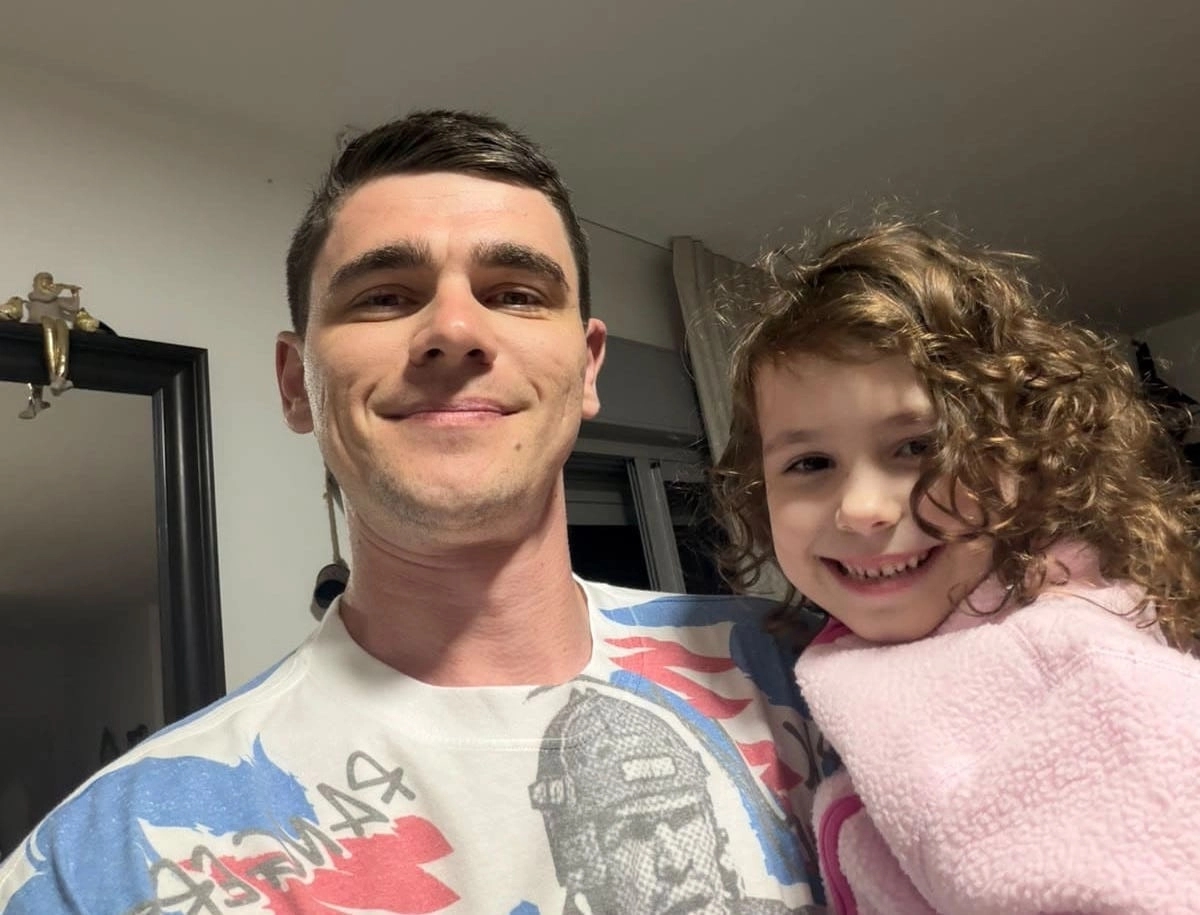
The shelling could already be heard from all sides. But they weren’t shooting directly at us yet – there had been no direct contact.
I heard my friend’s wife screaming into the phone: 'Max, help me, save me.' So I went back.
We decided to lie down in a ditch. The shelling was coming from all sides – from both sides of the road and from the direction of the party itself. The terrorists were advancing from two sides, calmly spraying everything with gunfire: rat-a-tat-tat-tat.
At some point, they reached us – and that was it. My friend managed to fire a shot. He had his service weapon, and he took one of them down, but he was immediately shot in the back.
They first shot at my head, but the bullet whistled over it. By then, I had basically given up hope.
I saw them killing everyone who was there. They were smiling – killing people and smiling. They let their victims scream out their pain, plead and cry. Then they shot them with a smile.
There was a young guy running around with a camera. I called him the “wedding photographer.” He walked around filming everything, enjoying himself.
You see how many of them there are — thirty here, another hundred there. And they’re in no hurry. Everything is fine, everything is great, it’s a celebration.
They tied my hands, pulled a stocking over my head, and took me to the Gaza Strip with another hostage. Every second could have been my last.
I decided I was already a dead man. They brought me to Gaza with my hands and feet tied and pushed me to the floor. I fell to my knees first, then they shoved me again and I fell face-first onto the floor. When I first fell to my knees, I realized that from that moment on, every second I was alive, every breath I took, was a gift.
“When I first fell to my knees, I realized that from that moment on, every second I was alive, every breath I took, was a gift.”
We were held in ordinary homes in the Gaza Strip. Apart from Hamas fighters, the only people we had contact with were the heads of the households. Their sons, boys around 15 to 17, carried machine guns and could casually transport grenades and ammunition in UNICEF bags.
If one of us did something wrong – for example, if they saw someone talking to another hostage, even whispering or communicating with their fingers – you could get a beating for that.
The house where I was held came under fire, and the upper floor was destroyed. After that, I was moved to an underground tunnel. I spent another year and four months there. Some tunnels are designed for people to live in. They can have tile, floors, and entire rooms — basically apartments. Ours was nothing like that. It was a transport tunnel. There were just concrete beams, about 20 centimeters wide and a little over a meter high. Then came a concrete arch of the same thickness, another beam, and another beam on the floor. That was it. The entire tunnel was built that way.
How did we use the toilet? I dug a hole, and that’s where I went.
At one point, there were six of us. We came down with every illness imaginable, including COVID. We never left the tunnel. Your condition gets to the point where you stand up and immediately start swaying. You can’t walk properly; you’re constantly staggering.
There was no light. The only light was a small LED bulb, if there was one. Sometimes there wasn’t. If they called you from one room to another and you didn’t have a flashlight, it was pitch-black. You couldn’t see anything, absolutely nothing.
We were fed infrequently, and it got worse as time went on. Especially during the last five months, we could easily go 27 to 30 hours without eating. Lunch was a tablespoon of some kind of sauce and half a pita. I weighed just 50 kilograms when I came out. When I entered the tunnel, I weighed 90 kilograms.
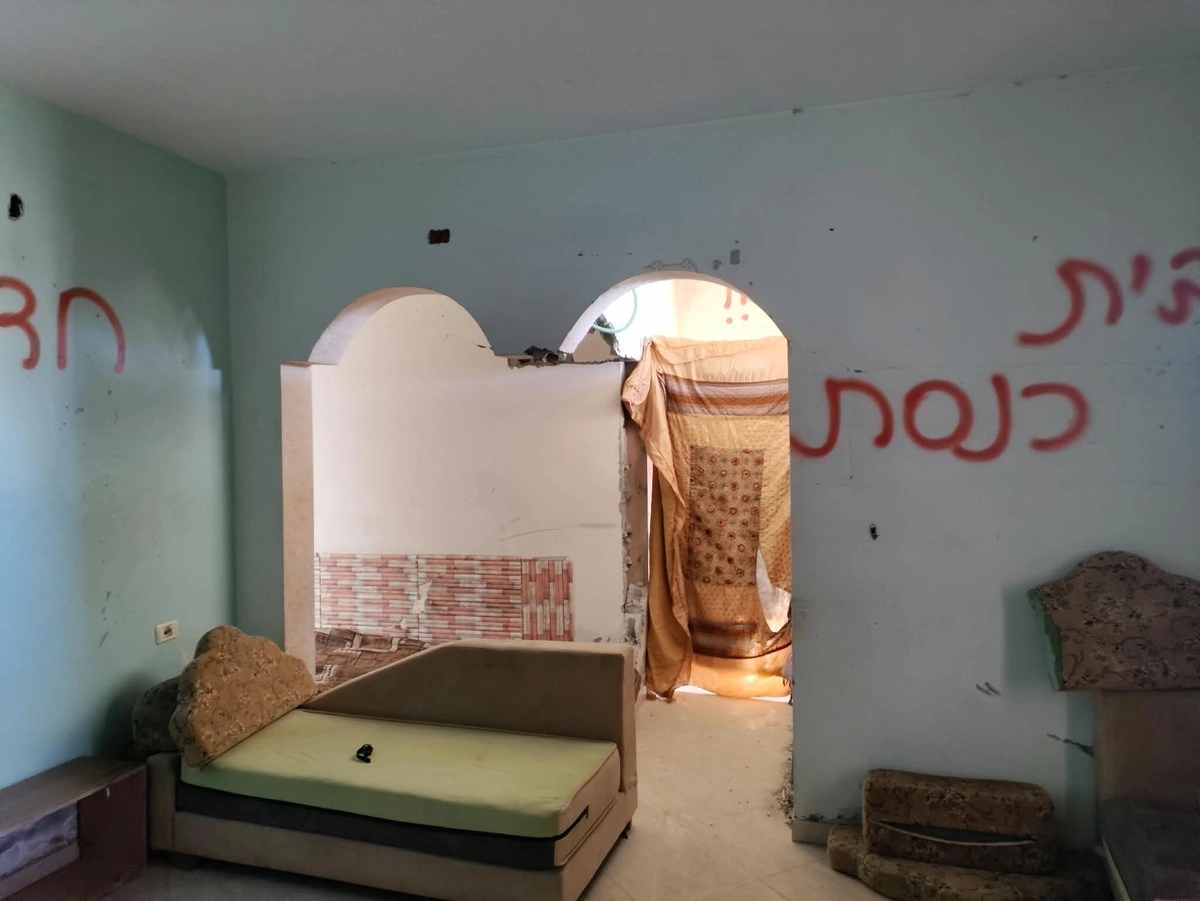
Hamas guards had a separate room for themselves in the tunnel. There was a core group that stayed there permanently, while others rotated in and out. They had a room like ours, only larger — with a satellite TV, a kitchen and food.
We’d get the shit beaten out of us, then they’d interrogate us, then we’d get the shit beaten out of us again. 'Who are you? Where are you from? What’s your mother’s name? Your father’s? What did you do in the army? Where did you come from? Why did you come here?' We had to make up some kind of half-true story.
Hamas fighters hardly ever spoke to the hostages. From time to time, they would tell us something demoralizing or offer food or other concessions in exchange for converting to Islam. Eventually, I converted to Islam, which let me wheedle a radio out of them — supposedly to listen to prayers recorded on a memory card. They had deliberately broken off the antenna, but the base was still there, along with a manual tuning dial.
I studied a little physics at the Suvorov military school. I understood that as long as electricity was running through the cables in the tunnel, you couldn’t pick up anything. But when the power was off, a cable could work as an antenna. Everyone told me, 'You’re crazy. What waves? What radio? You’re making this up.' We put it under the cable – and suddenly we had a signal!
There was no electricity in the wires from 5:30 p.m. until 9:30 a.m. That was when we listened to all sorts of things – stations from neighboring countries: Egypt, Syria, Lebanon. We quickly picked up the Israeli military station Galei Tsahal. That’s where we got our news and learned what was really happening.
I think I managed to pick up Vesti Moskvy once, or at least hear Russian being spoken. That was hugely important because I hadn’t spoken Russian with anyone for two years.
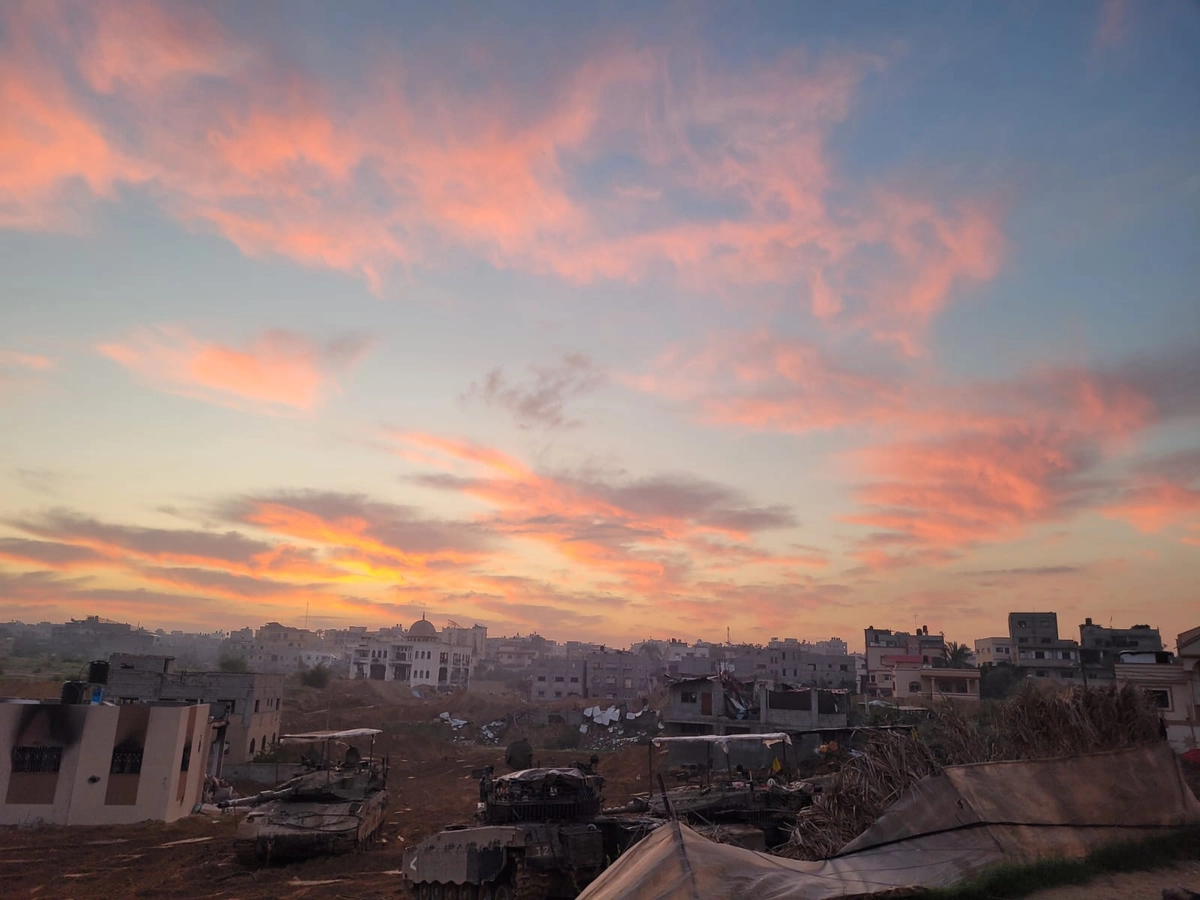
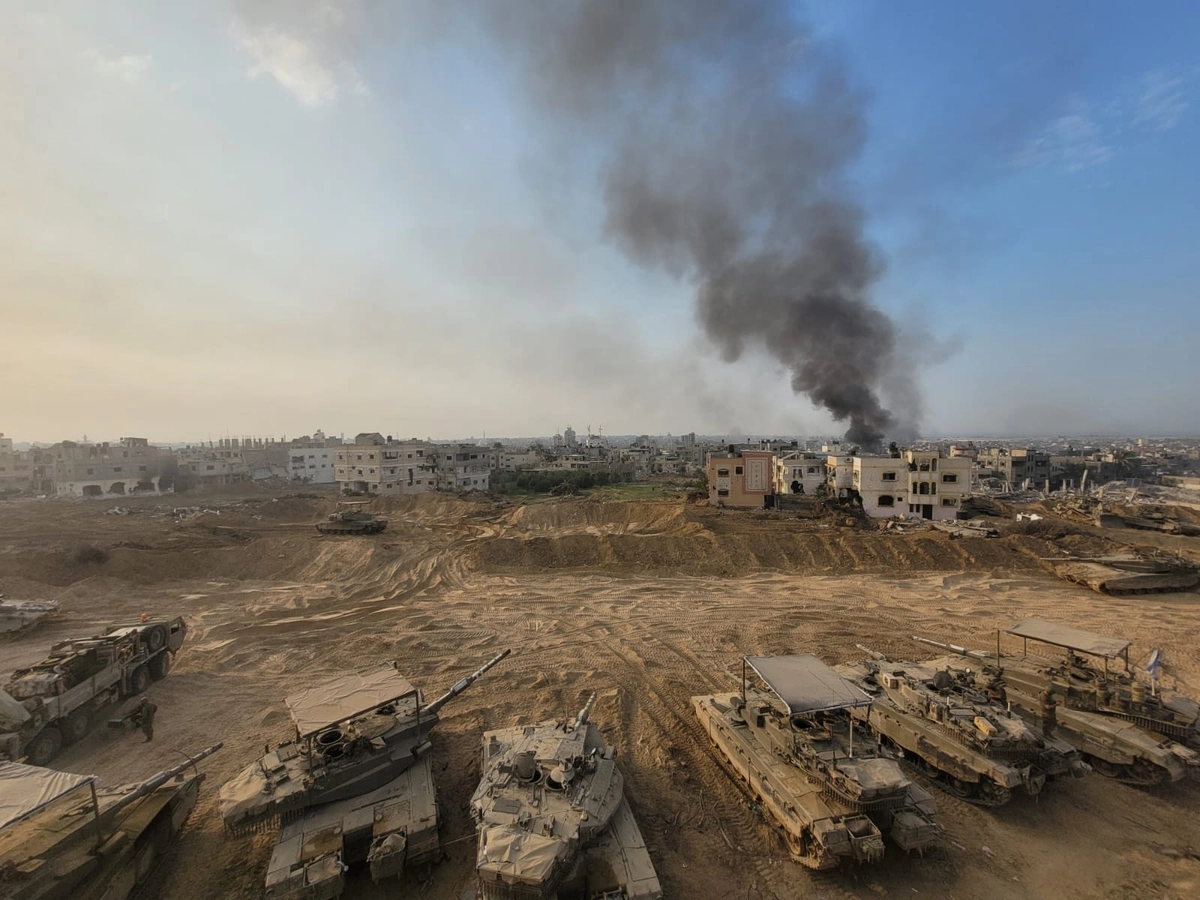
At the moment we were released, at 7:30 a.m., they lined us up and said that nothing was over yet. If anything went wrong, they would either kill us on the spot or, at best, send us back into the tunnel. From the start, I told myself I wouldn’t believe we were free until the door of the Red Cross armored Land Cruiser closed behind me.
When it did, I exhaled for the first time. But you’re still there, and they’re still all around you."
Vitaly Cheberdin, Israeli soldier with the 188th Armored Brigade: “The army had never done anything like this in Gaza”
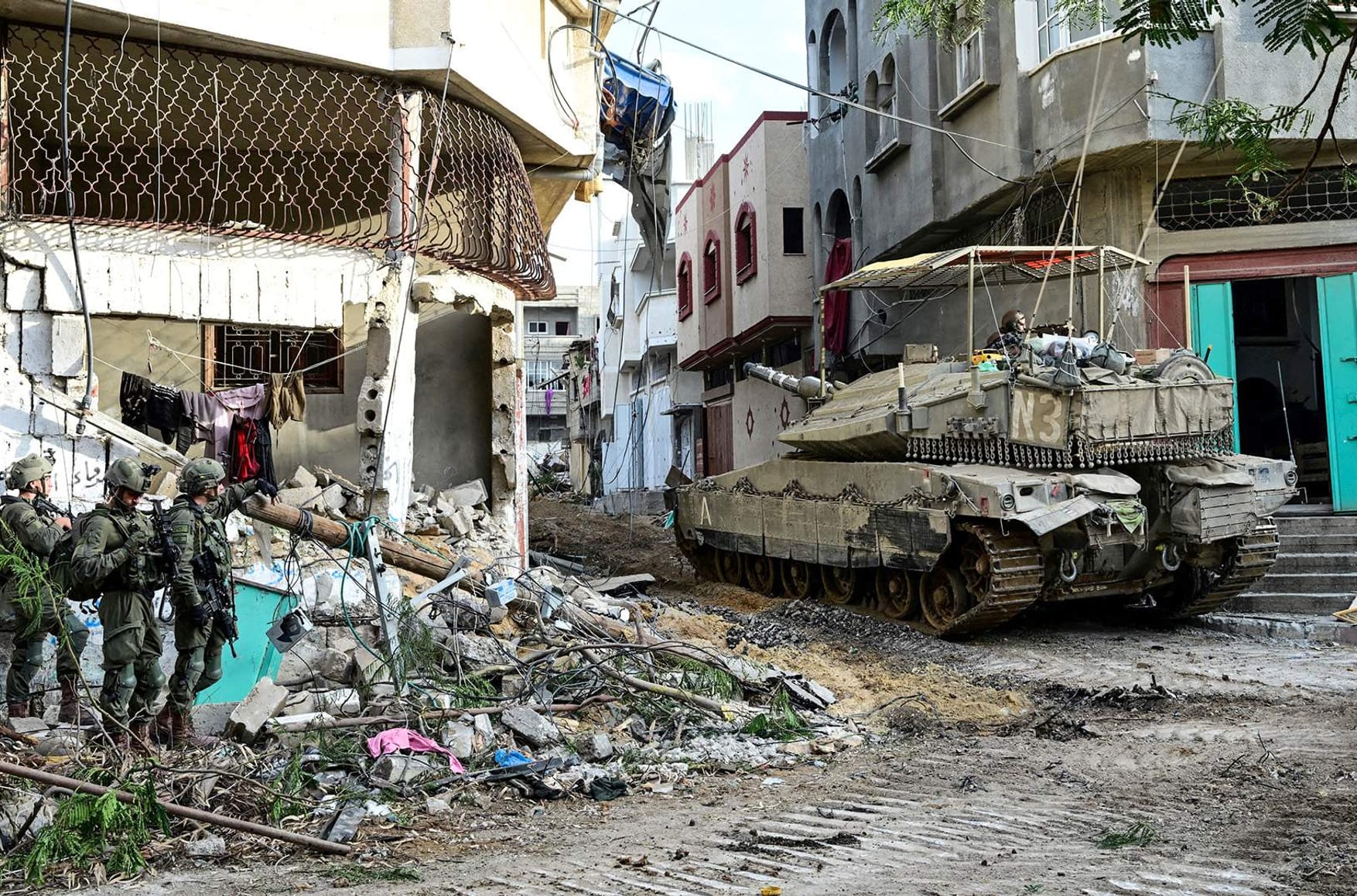
In late October 2023, after three weeks of bombardment, the IDF launched a ground operation in the Gaza Strip. The stated goals of the operation were to destroy Hamas’s military and governing capabilities, return the hostages, and prevent further attacks on Israel.
During the operation in Gaza, tens of thousands of people were killed, and around 85% of buildings in the Strip were damaged or destroyed. The figures were cited by Nikolay Mladenov, the UN High Representative for the "Board of Peace," who is respected by both Israelis and Palestinians.
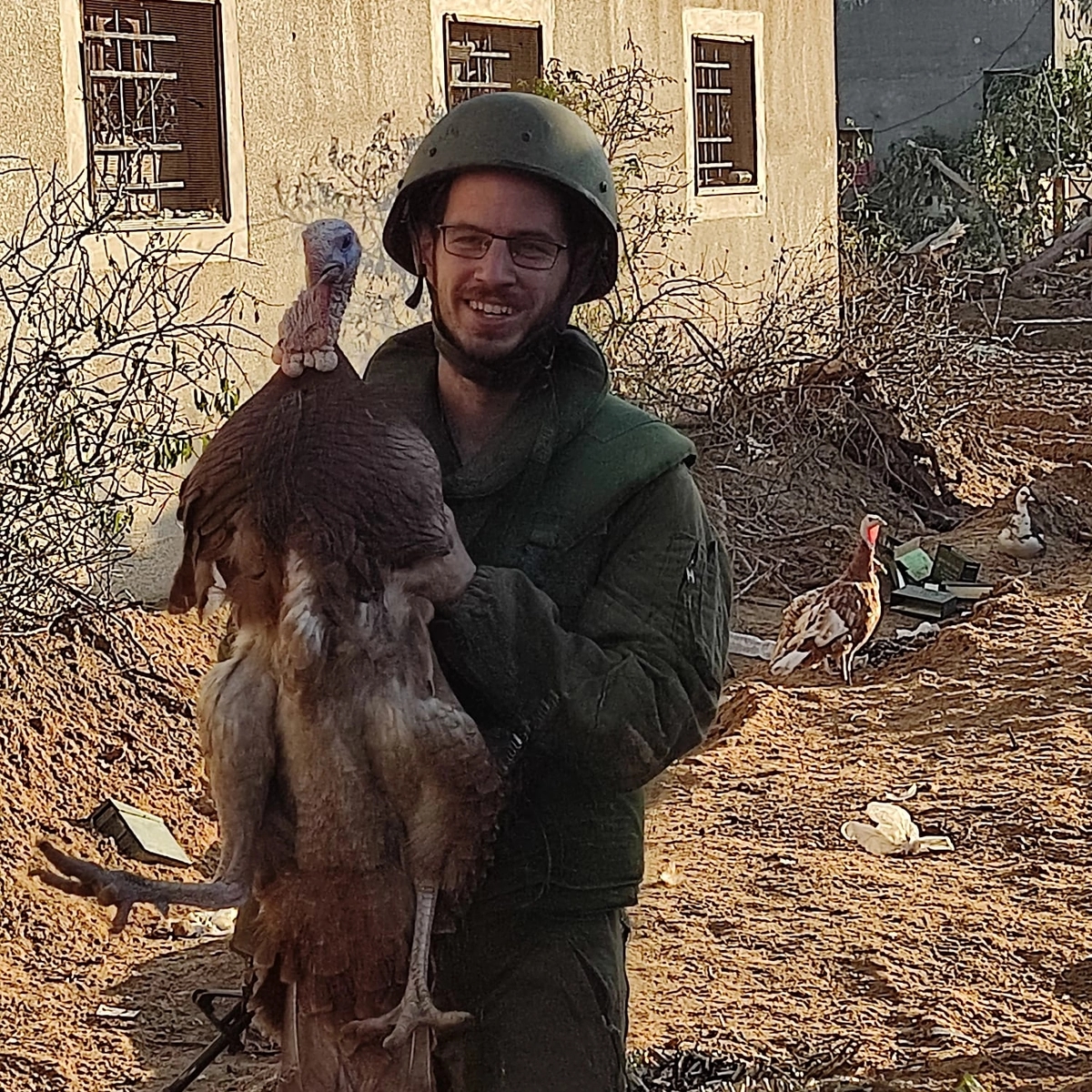
Israeli soldier Vitaly Cheberdin entered Gaza in December 2023 with the 188th Armored Brigade. According to him, the troops had initially been preparing for possible fighting in Lebanon, so the deployment south came as a surprise:
“The army had never done anything like this in Gaza. Before that, they had only entered small areas. It’s densely populated there, which makes fighting, especially with tanks, extremely difficult.
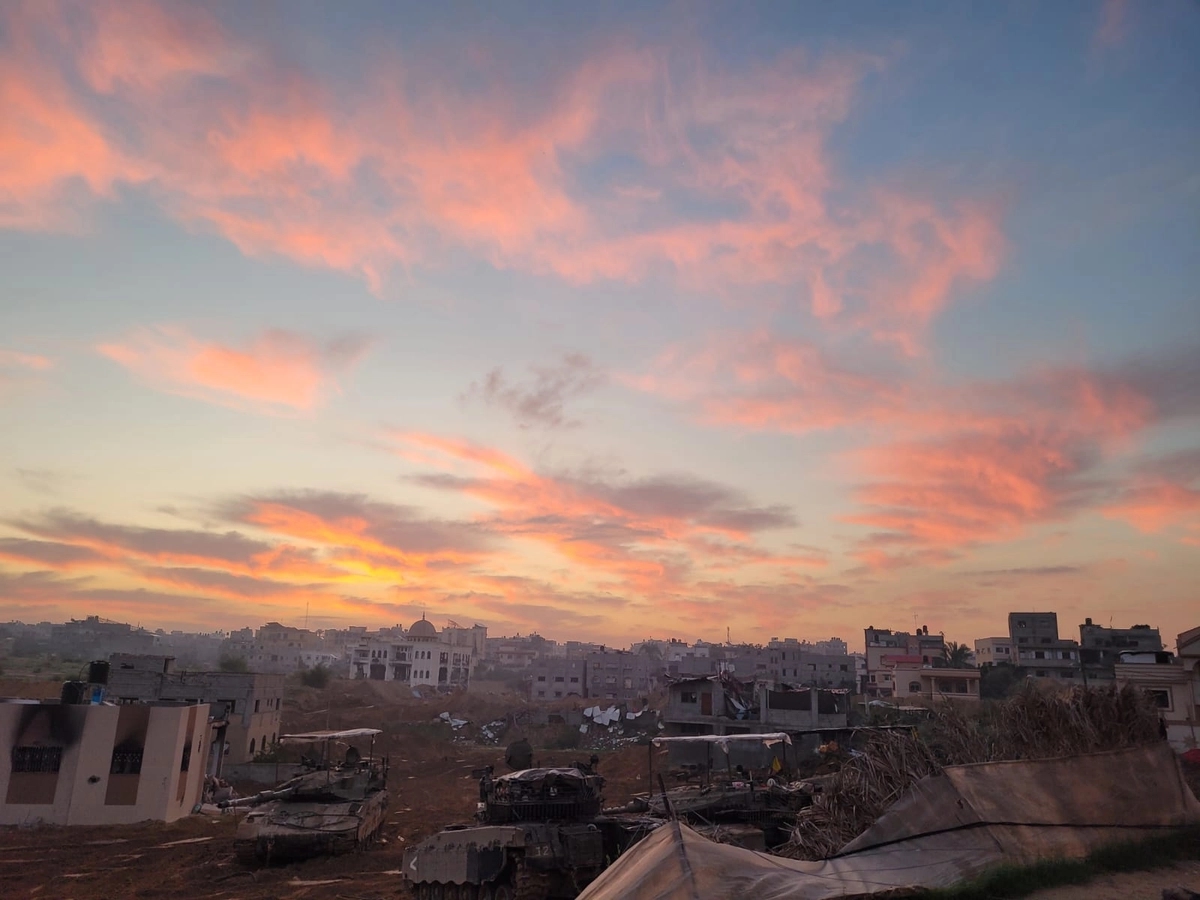
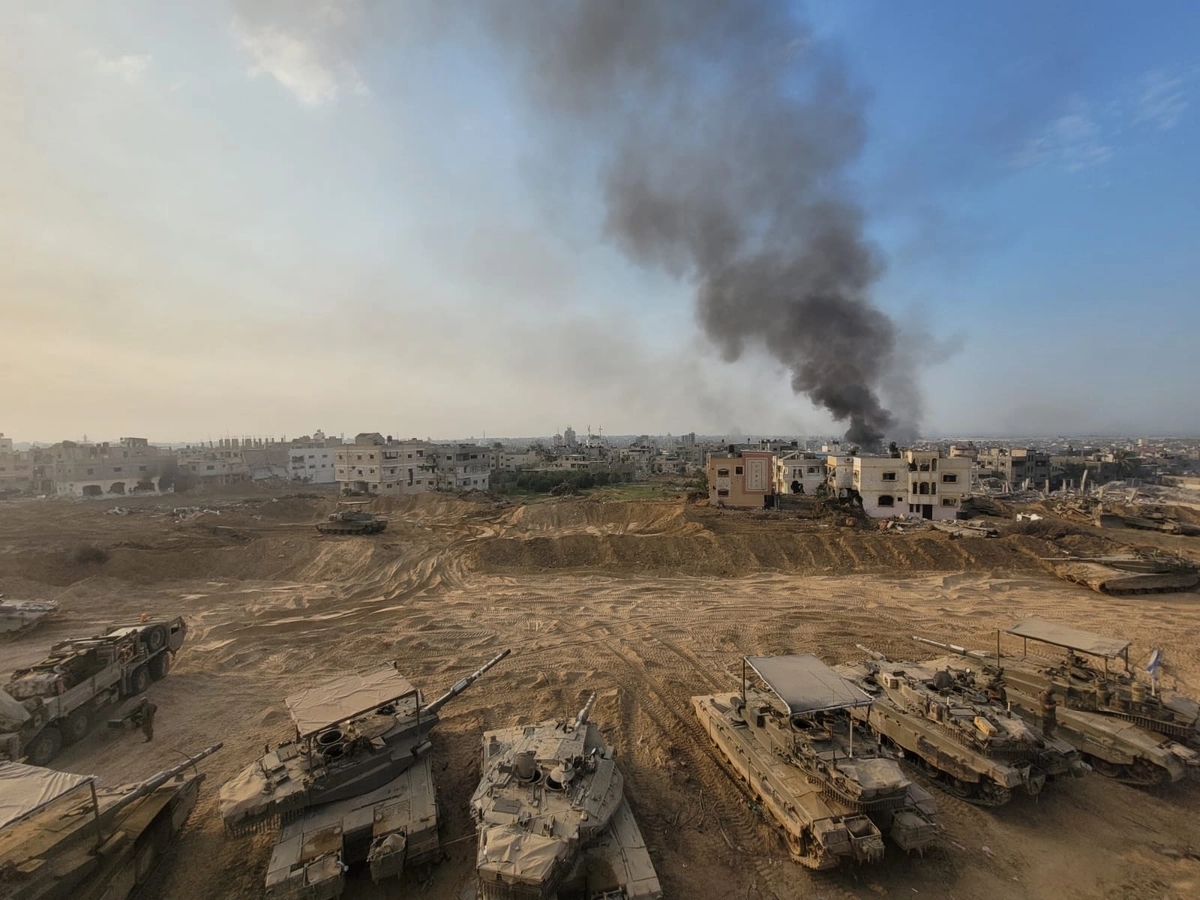
On the first day, we had to advance about 10 kilometers in our tanks and bring in several battalions so the security services could begin operating there. When we entered Gaza, I saw the sky glowing pink from the explosions. Hamas fighters started firing back. Something came flying in our direction.
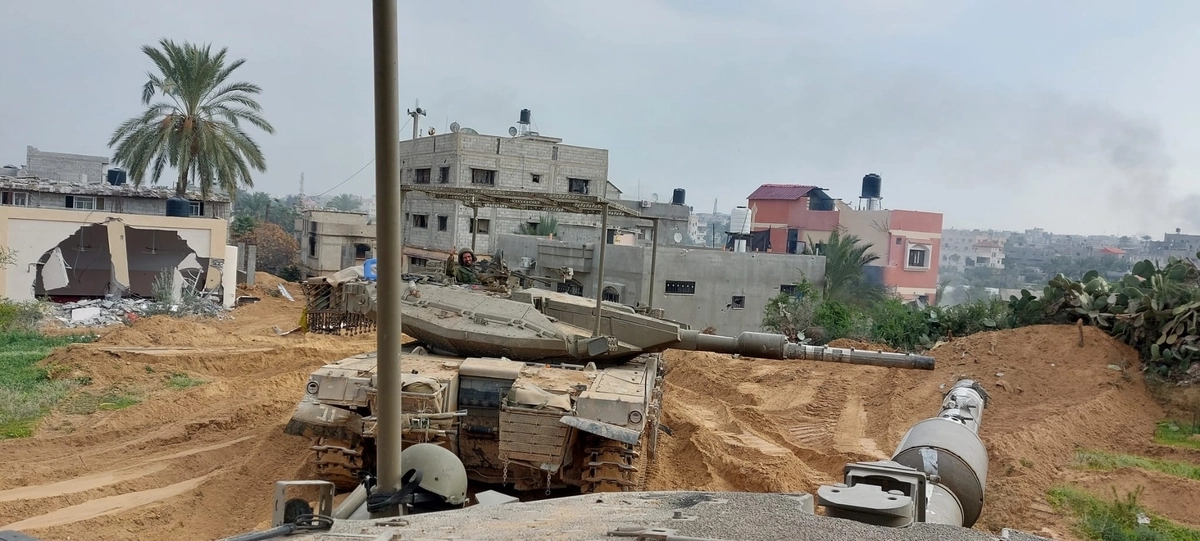
We just kept moving forward, firing as we went – they shot at us, we shot back. I saw houses, movie theaters, cars, things exploding. It was like something out of a movie.
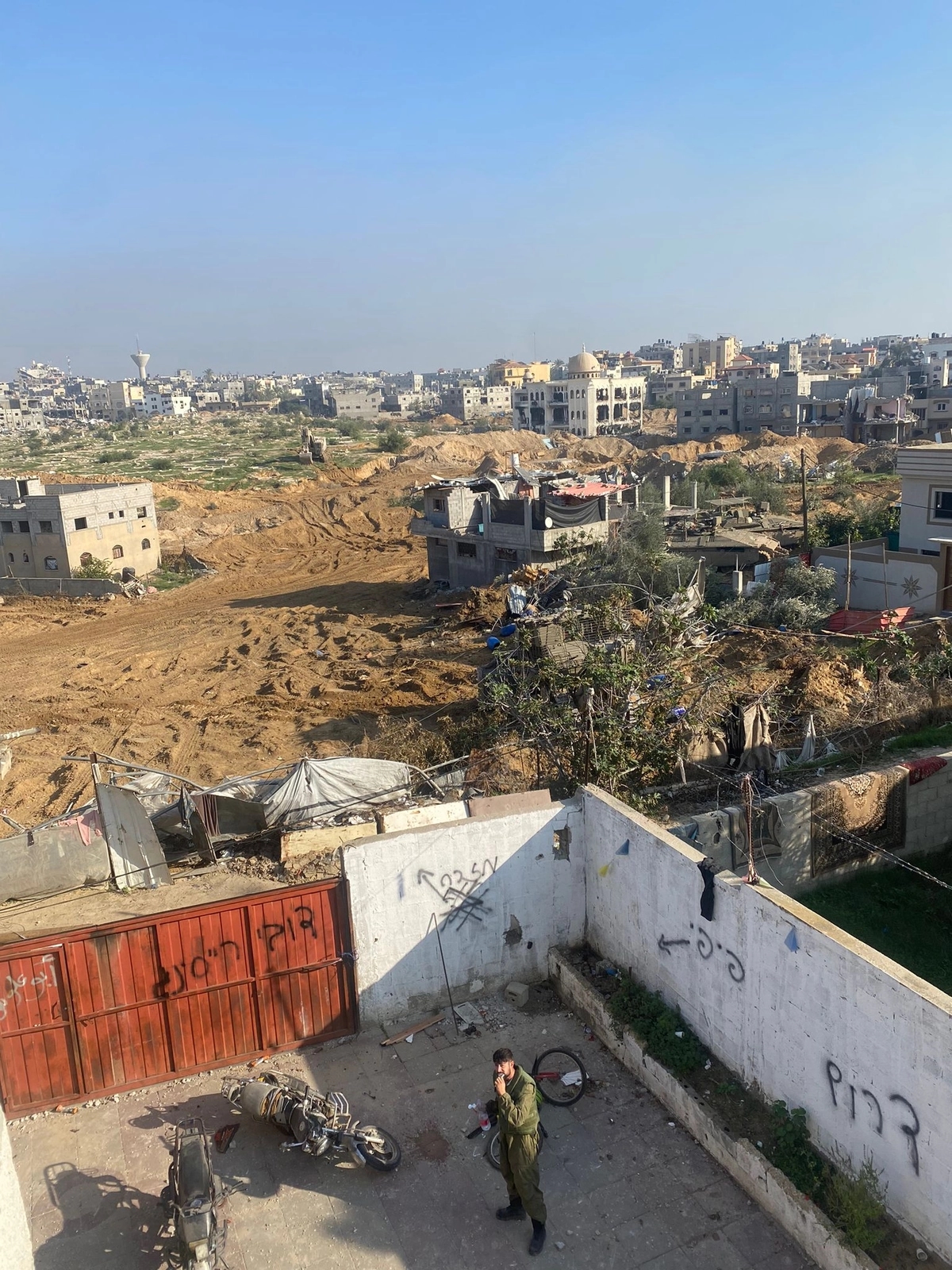
One of my unit’s main tasks was to search for Hamas weapons depots and tunnels. We mostly went to Hamas fighters’ homes looking for weapons. If we found anything – a weapons cache or other infrastructure – we blew it up on the spot.
There were also addresses where hostages were believed to be held. That was a priority for everyone, but honestly, we didn’t expect to find anyone. Whenever there was a small operation involving hostages, we dropped everything and focused entirely on it.
We didn’t want to kill anyone, but it happened. Once, we started entering a house, reacted to movement, and shot a woman. Everything was filled with smoke; the house was already on fire. There was also a dead girl inside, though it wasn’t clear what had killed her – a tank or infantry fire. Three girls were still alive, around 14 or 15 years old, along with an adult woman and two men. We took them all outside.
We gave the women food right away. The men were initially in their underwear. Obviously, that’s all they could wear when they came out. We then brought them blankets, and after some time handed them all over to the Red Cross. We fed the civilians and shared our food with them.
A man started coming out from somewhere. He was shot in the head. I don’t know by whom. He immediately fell backward, his brains blown out. His family came out behind him; they were spared.
“A man started coming out from somewhere, was shot in the head, and his family came out behind him – they were spared”
Civilians suffered mainly because Hamas put them in harm’s way. Hamas fighters don’t look like they do on TV, either. Most walk around in flip-flops and shorts, carrying a grenade launcher or a Kalashnikov. They often hide among civilians — it's guerrilla warfare.
Once, our unit spent the night in a girls’ school. I went into the teachers’ room and started looking at photographs from school parades – pictures of them supposedly destroying something resembling Israel, trampling on it, pretending to slit its throat. They’re steeped in hatred.
I still have a girl’s album that I took from one of the apartments. She draws beautifully, she has talent, but the pictures — she drew the Islamic Jihad symbol, terrorists, Yasser Arafat.
I’ll never forget this image: you’re standing in a building on high ground, with the whole city spread out below, and it’s burning — burning intensely. And you realize you’re part of all this, that you’re the reason for it.
COVID was going around there for a while. I felt sick, but I got through it relatively easily. My gunner, though, just collapsed. He was in the tank as we were attacking and advancing, lying unconscious in the back with a temperature close to 40°C. He couldn’t take part in anything and just rode along with us. We pressured the officer, and they took him back to Israel that same evening. He ended up in the hospital.
In total, I spent four months in Gaza. The first time, I came out more or less okay. But the second time, I had a completely dead look in my eyes. I didn’t feel like doing anything.
You drive into Israel and there’s so much light. We were like frightened idiots. A friend told me that when he got home, he walked into the room, went up to his mother, and asked, 'Can I turn on the light?'
The first day I got home, I couldn’t sleep because it was so quiet. The birds are singing here, while over there you had mortars pounding."