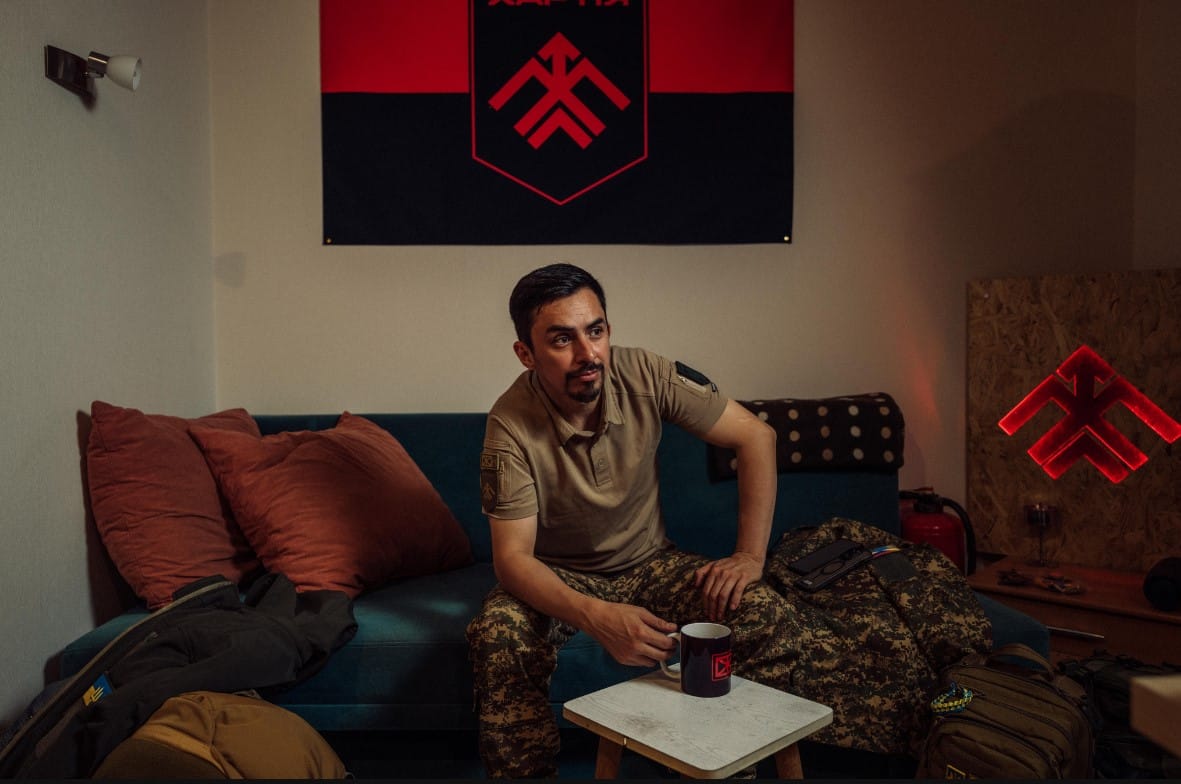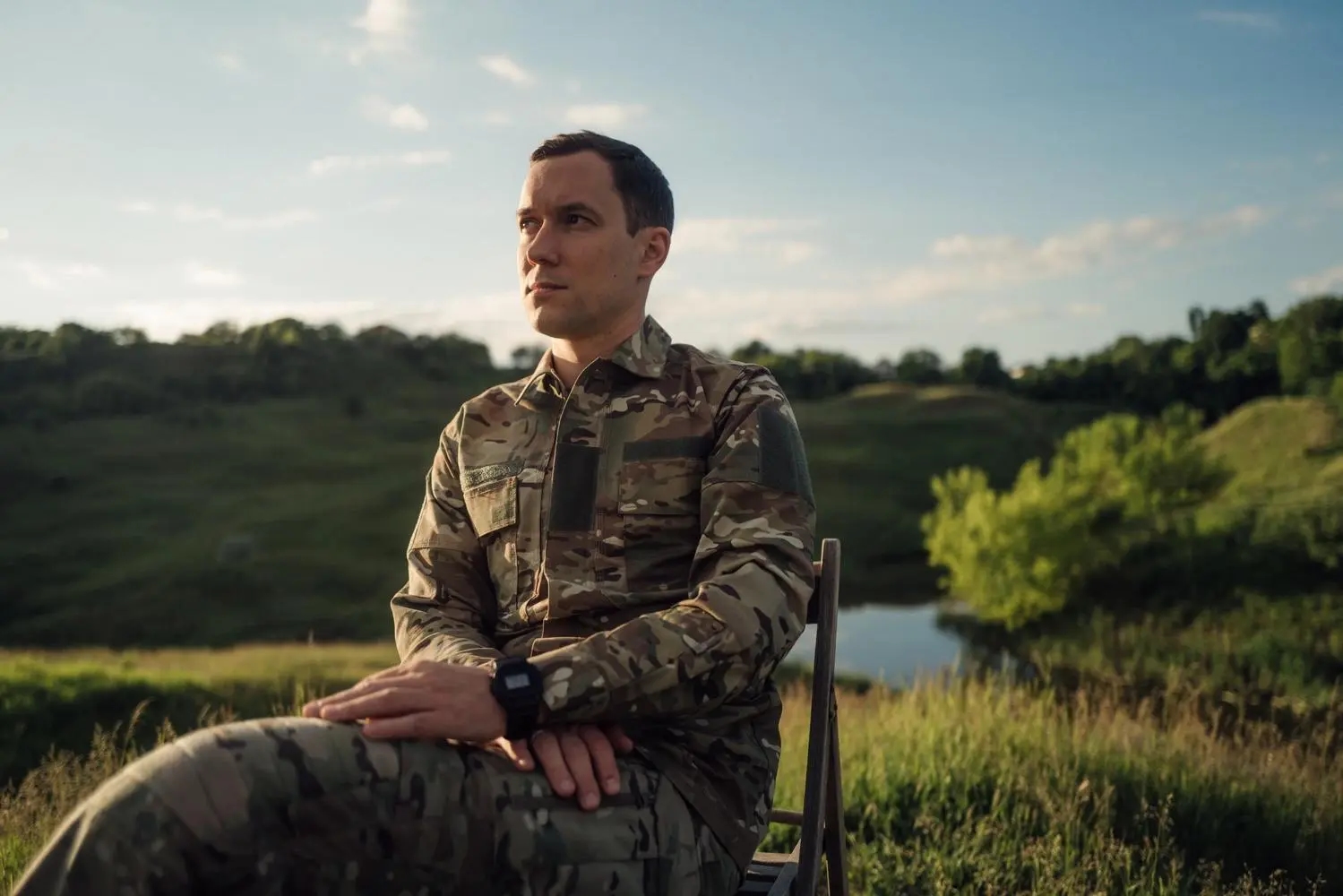
Russian journalist Pyotr Ruzavin spent years working for the independent TV Rain and covered Russia's full-scale invasion of Ukraine for Mediazona. But in 2023, he decided to volunteer for the front, joining the Khartiia Brigade of Ukraine's National Guard. In an interview with The Insider, Ruzavin spoke about what it’s like to serve as a drone operator in wartime, why he believes pacifism “doesn't work,” and whether he sees himself ever returning to Russia.
How I decided to join
When the full-scale invasion began, I was working as a journalist. After about a year, I had this growing feeling that what I was doing as a journalist wasn't really making a difference. At the same time, many of the people around me, including my closest friends, are Ukrainians. Almost all of them either enlisted during the first days of the war or have been directly supporting the military ever since. There wasn't just one single reason that made me decide to join, but I remember the exact moment. In the summer of 2023, my wife Natasha and I were in the Carpathian Mountains on what was essentially a short vacation. As we were hiking, the thought suddenly occurred to me: what if I enlisted? I gave myself until the end of the summer to think it over. No one was pressuring me, and no one could have drafted me into the Ukrainian military against my will. By the end of the summer, the desire hadn't gone away, so I began looking for a unit that would be willing to take me and where I myself wanted to serve.
At the time, Ukraine had just passed a law allowing foreign nationals to serve in the National Guard. I knew very little about the military or warfare and understood that I needed proper training. From the very beginning, I set my sights on becoming a drone operator. I enrolled in a drone training course and went to a firing range with friends to practice shooting. In the spring of 2024, I signed my contract.
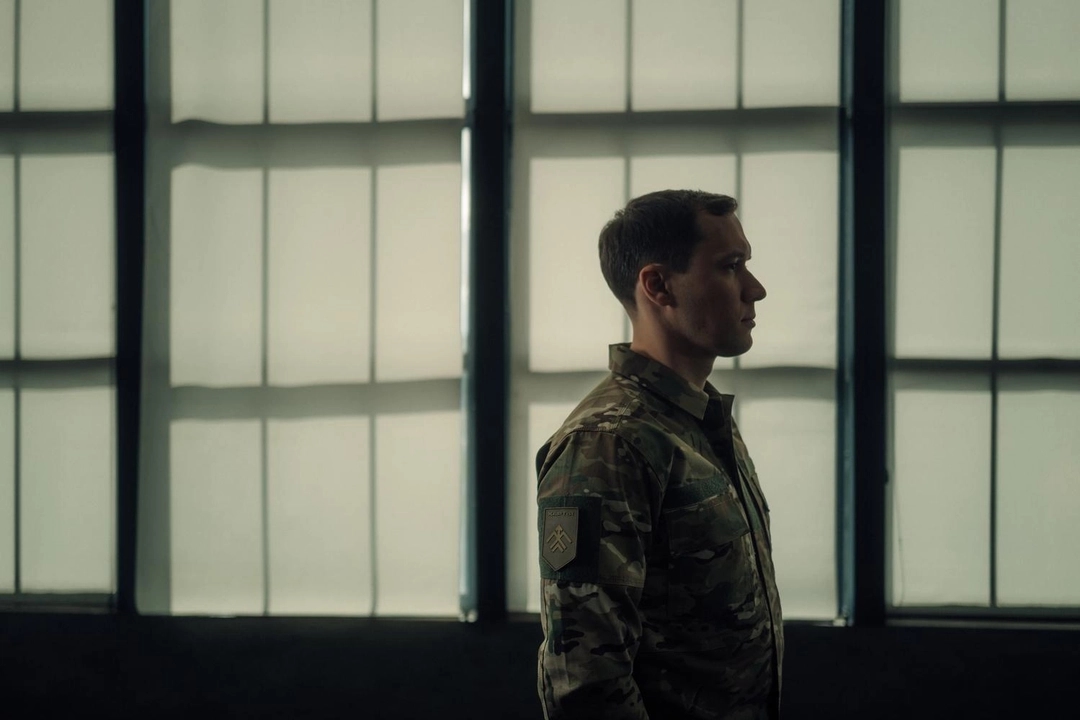
Again, there wasn’t any single trigger that led me to make that choice, but I had plenty of examples in front of me. One of them was Andriy Bashtovoy, the former editor-in-chief of the Ukrainian edition of The Village. He enlisted during the first months of the war, and I remember seeing him off. Then, in the fall of 2022, during the counteroffensive in the Kharkiv region, where he was serving as an assault infantryman, we ran into each other by chance in Izium. It was the second or third day after the town had been liberated.
That was the first time I saw someone close to me transform from a journalist into a soldier, and it made a profound impression on me. Meeting a friend I had been deeply worried about, seeing him alive — unharmed, healthy, and victorious — was probably the most powerful positive moment I experienced during the war.
Even if I had had no ties to Ukraine, I would still consider the decision to enlist entirely natural. What have we actually accomplished in Russia? Where did we end up? We had a vision of what we wanted our country to become, and in 2022 all of that was wiped away. In fact, it had begun unraveling around 2014, but by 2022 any remaining illusions had finally been dispelled.
We had a vision of the kind of country we wanted Russia to be, and in 2022 that vision collapsed completely
Trying to change anything inside Russia through the methods we were used to — simply doing our jobs or engaging in human rights advocacy — now seems pointless. It doesn't lead anywhere. But if you're fighting for Ukraine, that matters. You're part of something much larger than yourself. You're helping people who are suffering. You're standing with those who need protection. And ultimately, you're simply fighting against injustice.
I remember how demoralized my friends in the Russian community were at the start of the war. They had no idea what to do. At the same time, the Ukrainian community was remarkably focused and energized because people there knew exactly what their role was: some became volunteers, others enlisted. It's now been two years since I joined the military, and it's become very difficult for me to imagine doing anything else.
I don't spend much time thinking about distant goals, such as what will happen if and when the Ukrainian military reaches Ukraine's internationally recognized borders — whether it would then be necessary to advance on Moscow or whether I would take part in that. That's simply not the question we're facing today. Right now, we're in survival mode. The only question is whether we'll hold out.
What it's like to be a drone operator
I remember that when I was still in high school, I read an article in Esquire about American service members who suffered severe psychological trauma from serving as drone pilots during U.S. military operations in the Middle East.
The drone pilots fighting in this war bear little resemblance to the American operators we know from Hollywood movies — people sitting safely in the basements of the Pentagon, directing aircraft against convoys of terrorists. Today's drone operators are on the battlefield themselves. They are constantly being hunted. They may not face the same level of risk as infantry soldiers, but they are in danger all the time. They are wounded, and they are killed. And now, with the widespread use of fiber-optic drones, the “gray zone” — the area where you can be struck — has expanded significantly.
I remember being in a forest position once, and over the course of an hour a total of 19 guided aerial bombs landed within about a one- or one-and-a-half-kilometer radius of our position.These are enormous bombs carrying about 500 kilograms of explosives. When they're falling all around you, it's an incredibly unpleasant experience. Later, your brain erases much of the fear, but at the moment when everything around you is shaking and clouds of dust are rising, it's terrifying.
One time I did get hit. An explosion went off right beside me. I fell to the ground and felt a jolt shoot through my leg, like a powerful electric shock. My first thought was, “Damn, I've lost my leg. That sucks.” Then I looked and realized it was still there. Blood was already seeping through my trouser leg, and it was obvious that a fragment had struck me. I wasn't afraid. When you're in survival mode, your emotions are put on hold.
One of my comrades was only a few meters away, and he was seriously wounded. A fragment pierced his helmet, and he collapsed. The shelling was still going on, so it was impossible to crawl over to him. We could see blood coming from his ears, and we thought he was dead. But after a while he regained consciousness and started shouting. We were incredibly lucky that a rapid evacuation team arrived. We got him out. Thank God he survived. The fragment lodged in his skull but did not damage his brain. He did lose one finger. We're still in touch and exchange messages from time to time.
There's no major difference between pulling the trigger of an assault rifle and pressing the button on a drone controller. The only difference is that an infantryman first has to survive long enough to reach the point of direct contact, making it to the position while avoiding enemy reconnaissance and attack drones.
There's no major difference between pulling the trigger of an assault rifle and pressing the button on a drone controller
Once you're in the trenches and it comes down to “you or them,” no one has trouble pulling the trigger. Adrenaline takes over because you're fighting for your life. If you don't pull the trigger, someone else will — and they'll be shooting at you.
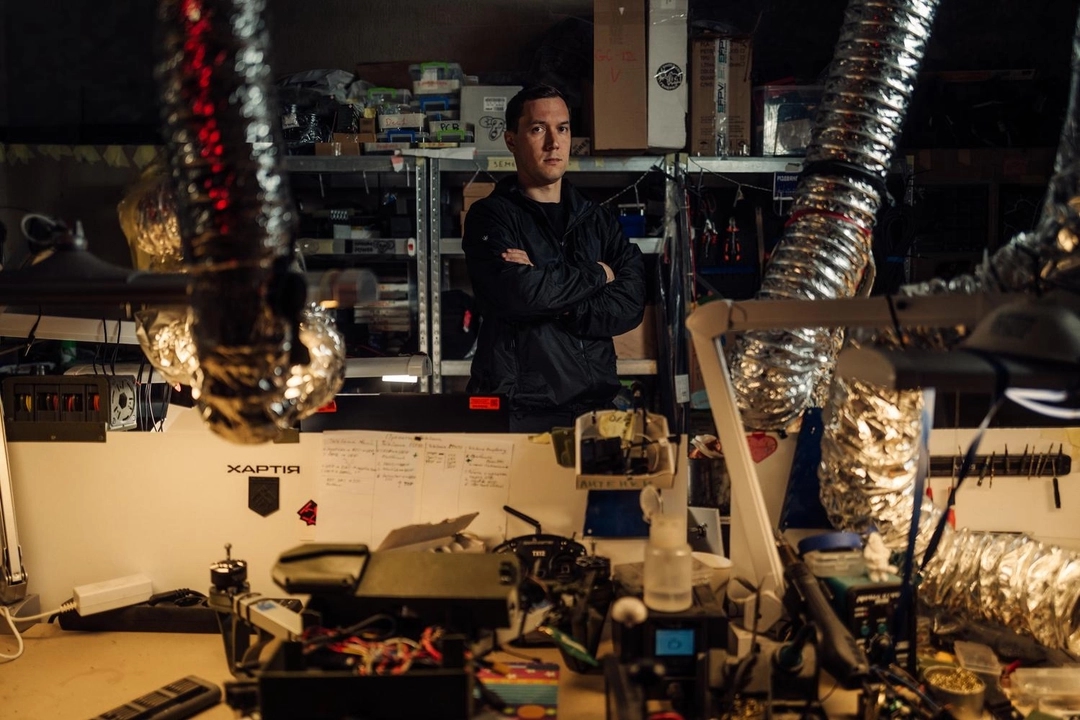
Drone operators also need to be physically fit because they often have to cover long distances on foot while carrying heavy loads — wearing body armor and full combat gear. Actually flying a drone accounts for only a small part of the job; it’s perhaps 10% of what determines success.
Effective drone operations depend on far more complex factors: planning, the team's technological capabilities, and much else besides. People usually see only the final stage — the drone flying to its target and striking it — but behind that lies the work of a great many people. There are engineers who design, assemble, and prepare the systems. And there are logisticians who deliver them and help determine when and where to use them. While a drone operator's piloting skills are certainly important, they are far from the deciding factor.
The experience of people in different roles varies enormously. Someone who spends 100 days holding infantry positions will have a completely different experience from someone who is deployed only for specific operations. It's not even primarily about adrenaline; it's about seeing the war from entirely different perspectives. For the most part, though, war is surprisingly monotonous, filled with routines that repeat day after day. It's not an action movie where you gun everyone down and then speed away in a pickup truck, embracing a beautiful woman with one arm while firing at your pursuers with the other.
On Russia
The war hasn't changed my identity in any way. I identified as Russian before, and I still do. That's simply who I am. I don't feel any inner conflict between what I'm doing and who I am.
Do I realize that I may never set foot in Russia again? Yes, that's certainly a very real possibility. I can also imagine other scenarios in which I return to Russia in one capacity or another. But I don't see returning home as a goal worth sacrificing everything else for. Nor do I feel nostalgic for the homeland in some sentimental sense. I'm doing work that I consider important and meaningful, surrounded by close friends.
Besides, it's obvious that the Russia where I was born and raised no longer exists and never will again. Something different will emerge in its place. Something new. Will I be part of that? Hell if I know. I don't think it's possible to answer that question yet. First Ukraine has to be defended. Only then will it make sense to think about what lies ahead for Moscow, for Russia, and whether I want to return there. For now, that's a prospect too far in the future.
The Russia where I was born and raised no longer exists and never will again
Of course, I understand that my relatives and friends who remain in Russia could also end up being caught in the crossfire. War is, unfortunately, an ongoing cycle of violence. But I think it's important to always remember how it started and why it continues. You can't simply equate the two sides by saying, “Well, they're both launching drones.” If Putin had not launched the invasion, none of this would have happened.
On civilian life
Our entire sector of the front is in the Kharkiv region, so civilian life is never far away. Kharkiv, Ukraine's second-largest city, continues to function despite being only a few dozen kilometers from an active combat zone. The city is still very much alive — with bars, restaurants, spas, gyms, and all the other amenities of everyday life. At the same time, Ukraine's civilian population is also affected by the war. It's not just Kharkiv – Kyiv is regularly targeted by missile and drone attacks as well. So it would be wrong to say that people in the cities don't feel the war.
On friends in Russia
Almost everyone I was close to in Russia, especially in Moscow, left during the first months of the war. Most of them are journalists — or at least that's true of my closest friends and immediate circle. I still exchange messages from time to time with those who remained in Russia. In all the time I've been serving, I haven't received a single negative comment directed at me personally. Not everyone necessarily agrees with my decision — and, in that respect, it doesn't really matter whether they're still in Russia or have left — but no one has ever condemned me to my face. Everything I've received from my friends and acquaintances has been support and affection, and that's meant a great deal to me.
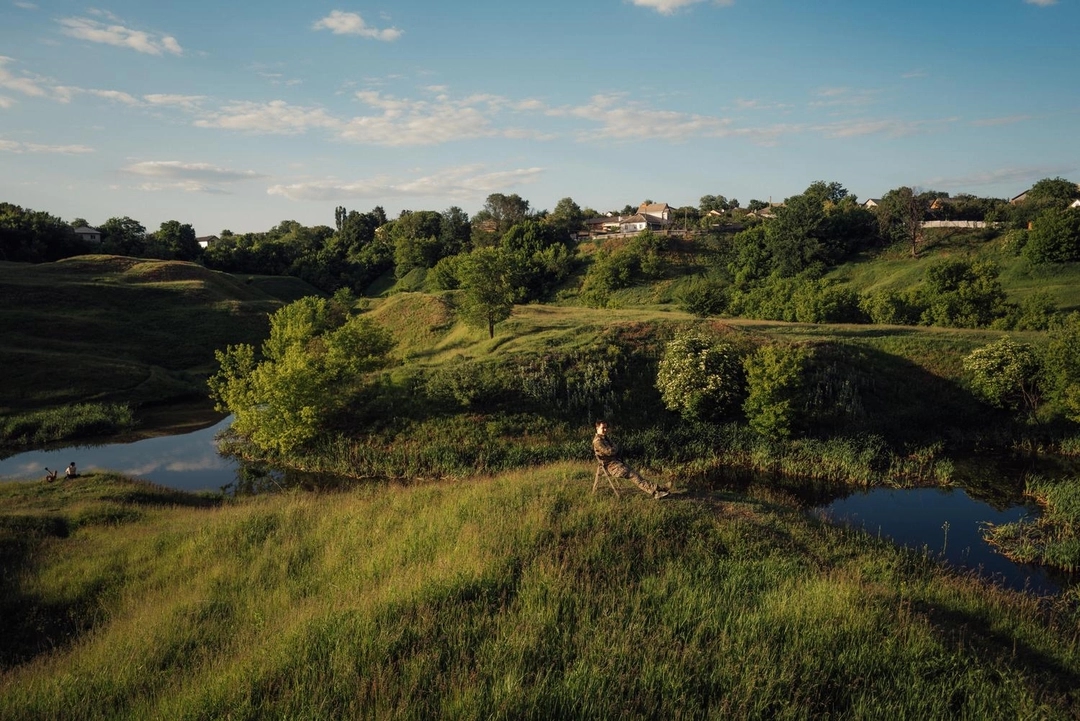
Communication with old friends has become much less frequent. At the front, you're occupied with military matters around the clock, and almost everyone you interact with is also in the military. Your former life gradually recedes into the background — not because you're deliberately trying to cut yourself off from it, but simply because you've acquired a new life.
On the Khartiia Corps
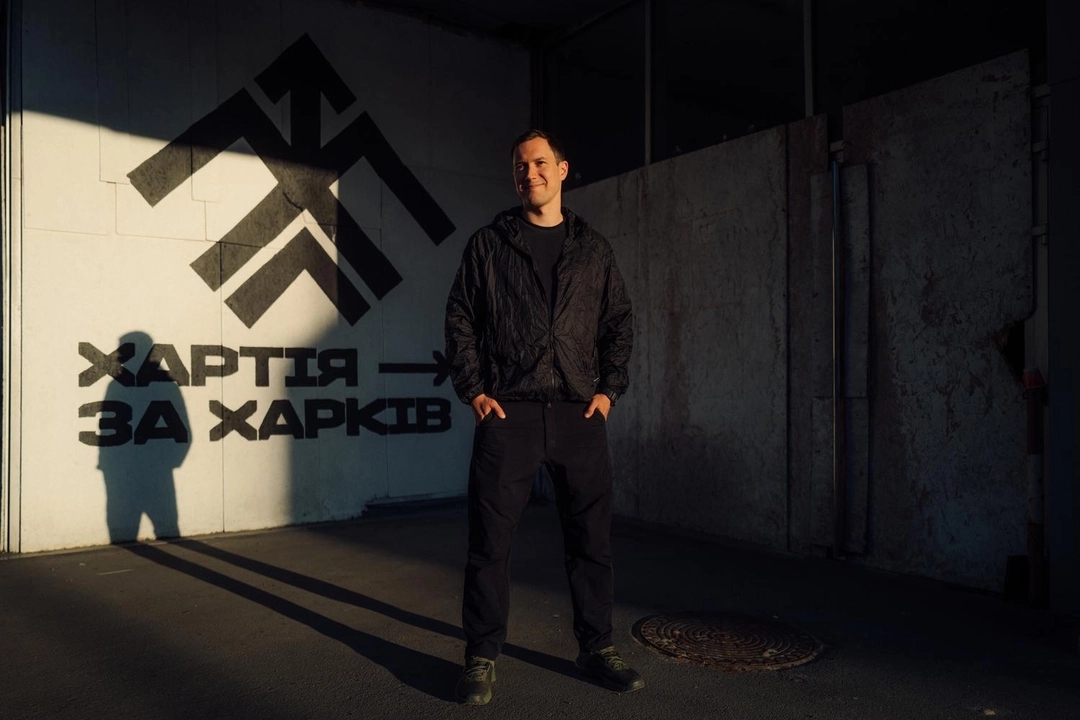
Khartiia was formed shortly after the full-scale invasion began, when volunteer defense units started springing up across Ukraine. Khartiia was established in Kharkiv. It later became a brigade — an official unit of Ukraine's National Guard — and last year it was expanded into a corps, incorporating several well-established brigades with their own histories, traditions, and combat records. Like the Ukrainian military as a whole, it brings together people from very different backgrounds. Alongside career soldiers, there are businesspeople, journalists, athletes, and many others. In other words, it's a cross-section of Ukrainian society.
The Russians serving in our unit are mostly people who were already living in Ukraine at the time the full-scale invasion began. In essence, they are part of Ukraine. Their families and friends are here. They aren't volunteers who came from abroad. Their motivation, like that of other Ukrainians, is to defend their home.
I consider myself fortunate to have ended up in Khartiia. I now have a fairly good sense of the standards across different Ukrainian units, and in my view, Khartiia is better organized than most. I think that is primarily due to the corps commander, Ihor Obolenskyi, callsign “Kornet.” The unit's entire evolution from a small volunteer formation into one of the best-known corps in the Ukrainian military has taken place under his leadership. He personally approved my service in Khartiia, and I'm deeply grateful to him for that.
How to join Khartiia
If you live outside Russia, hold a Russian passport, and want to help Ukraine, there are several ways to do so. The simplest is to provide financial support. You can make targeted donations to ensure the money goes exactly where it's intended — for example, by contributing directly to my UAV unit. (Just don't make any transfers if you live in Russia!)
If you want to come to Ukraine and enlist, or if you have an engineering or technical background and would like to contribute remotely, you can contact us via our secure email address. (This also applies only to people who no longer live in Russia.)
On joining Khartiia
I don't want to lie to anyone. People who come to Ukraine to serve, like most foreign volunteers, have to prove themselves in combat first. And that really is the most dangerous part. I'm not going to pretend we're inviting people to something relatively safe. I'd rather scare someone off now so they decide not to come, because once you're there, there's no turning back. Of course, this isn't about “human-wave assaults” of the kind associated with the Russian military. Ukrainian and Russian forces employ assault troops in fundamentally different ways. I know how things work inside our unit: how operations are planned, how they're carried out, and how hard people work in order to minimize the risks to personnel. Even so, you have to understand that assault operations are the most dangerous thing there is in war.
On pacifism and ethics
Why doesn't pacifism work? Because when there's no one who can protect you except yourself, you have to take responsibility for your own defense. If someone is trying to kill you, you have two choices: surrender and face defeat or death, or defend yourself using methods that would be considered unacceptable in peacetime — because we are not living in peacetime.
Under conditions of pacifism, the side with fewer moral restraints will always have the advantage: it holds the initiative. I take no pleasure in violence or in killing. I don't enjoy it at all. But when war is forced upon you, there is no alternative except to resist. Well, there is another option — you can surrender — but that carries even graver consequences. Over the past four years, this war has provided ample evidence of what happens to civilians living under occupation.
Although I don't think pacifism works in the context of the war in Ukraine, it is at least a consistent position. What I truly cannot understand are people who argue that a Russian can never fight against the Russian military, even when it is waging an aggressive and unjust war. To me, that is a hypocritical position. I can't see any logical way to justify it.
On exhaustion
People are undeniably exhausted after five years of war. Civilians are exhausted. So are the soldiers, many of whom have been serving for years — some since before the full-scale invasion. But for all that exhaustion, society has not been broken. I don't see anyone who is ready to stop resisting or simply give up.
Russia's triumphant declarations no longer persuade anyone. We all remember what happened with Kupiansk, which Russian officials repeatedly claimed to have “finally captured,” only for the city to be liberated instead — in an operation led by our Khartiia Corps. People can see that Russian forces are no longer advancing. Instead, Ukrainian forces are making gains of their own and increasing their strikes inside Russia. For the first time in a long while, the international climate has also become more favorable, in part thanks to Viktor Orbán's electoral defeat in Hungary. Developments like these matter to people. Five years of war inevitably take their toll, both on those serving in the military and on civilians living in Ukraine. So, for the first time in a long time, genuinely positive news has begun to emerge, and that is certainly encouraging.
On the primary target
Oh, that's the easiest question of all! If it were possible to kill Putin with the press of a single button, I think that button would be pressed a great many times. There used to be a TV game show where contestants had to guess the most popular answer to a survey question. In this case, I think everyone would give the same answer.